Watches
Carriage Hill Traveller Timepiece: Timeless Elegance Unveiled
The story of the Carriage Hill Traveller Timepiece is not just about a watch—it is about the art of travel,
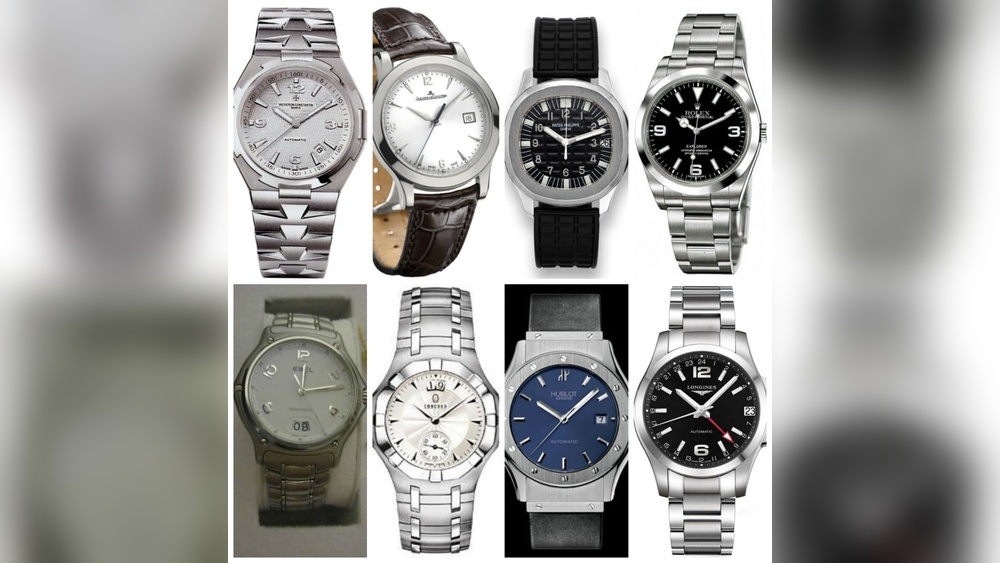
If you’re looking to buy a watch that holds value, you’re not alone. More people are seeing luxury watches as smart investments, not just beautiful accessories. The focus keyword “watches that hold value” appears everywhere—from auction houses to YouTube reviews—because high-end timepieces can keep or even increase their worth. In this guide, you’ll learn how to spot watches with lasting value, discover which models perform best, and get practical advice so your next watch purchase is both enjoyable and wise.
Luxury watches combine art, engineering, and history. Some brands, like Rolex and Patek Philippe, are famous for their strong resale prices. But not every expensive watch is a good investment. Knowing what makes a watch valuable will help you avoid mistakes and pick timepieces that stand the test of time.
—
A watch is more than just a tool for telling time. Watches that hold value usually have something special that keeps them desirable, even after years pass. Let’s look at the main reasons why certain watches remain valuable.
Well-known brands like Rolex, Patek Philippe, and Audemars Piguet have a reputation for quality and prestige. Their names alone can boost the resale price. For example, a Rolex Submariner often sells for more than its original price after a few years.
The power of the brand goes beyond just the logo. These brands have a history of innovation, strict quality controls, and a loyal following. When you buy a watch from such a brand, you’re not just buying a product—you’re buying into a legacy.
Many collectors trust these names because they know the company will support the watch with servicing and parts for decades. This support helps keep the value high.
When a watch is made in small numbers, it becomes rare. Limited editions are often in high demand, especially if collectors believe the supply will stay low. For instance, the Omega Speedmaster “Snoopy” Edition is rare and commands high prices.
Manufacturers sometimes announce a set number of pieces, creating excitement and urgency. Once these watches are sold out, collectors scramble to find them, pushing the price higher on the secondhand market. Rarity also comes from discontinued models—when a brand stops making a popular watch, interest often grows, and collectors are willing to pay a premium.
Some watches hold value because of their story. If a model was worn by a famous person or used in a notable event, collectors want it. The Omega Speedmaster was worn on the moon, making it historic and valuable.
Collectors often look for watches that have a direct connection to important moments in history, sports, or pop culture. For example, the Rolex Daytona gained legendary status because of its link to actor Paul Newman. If you can find a model with a unique backstory or association, it’s likely to become more valuable over time.
High-quality materials, like 18k gold or platinum, increase value. Good craftsmanship makes watches last longer, so buyers trust the durability.
Materials also affect a watch’s ability to age well. Stainless steel, for example, resists corrosion and scratches, which means vintage steel watches often look great even after decades. Some brands use special alloys or finishing techniques, which not only improve looks but also help with long-term wear.
Genuine gemstones or handcrafted dials can add both visual and investment appeal.
A classic design stays popular. Watches like the Patek Philippe Nautilus or Cartier Tank never go out of style, so they stay valuable year after year.
Timelessness means a watch looks good in any era—on the wrist of your grandfather, and on your own wrist today. Designers often avoid trends and focus on simple, elegant shapes and easy-to-read dials. Because of this, classic watches appeal to new generations of buyers, which keeps demand steady.
Non-obvious insight: Value is not just about the price tag. Even affordable watches from respected brands can appreciate over time if they have unique features or are discontinued. For example, some Seiko and Tudor models that cost only a few thousand dollars have seen their prices rise after production stopped.
—
Not every watch holds its value. To make a smart investment, you must understand what affects the price over time.
Some brands consistently perform well. Within those brands, certain models are safer bets. For example, a Rolex Daytona is more likely to hold value than a less-known model from the same brand.
Collectors and investors often track which models have a history of strong resale. For example, the Audemars Piguet Royal Oak is highly recognized in the watch world, while less-known AP models may not perform as well. It’s also important to look at model variations—dial color, case size, and movement type can affect demand and price.
A watch in excellent condition will sell for more. Scratches, dents, or missing papers lower resale prices. Original packaging and certificates also add value.
Condition affects both the appearance and the mechanical function. Original parts are very important—replacing dials or hands with non-original pieces can lower value by thousands of dollars. Watch collectors are very detail-focused, so even small changes can make a big difference.
Some buyers even use magnifying glasses to check for micro-scratches or signs of polishing.
Older watches can be valuable if they are rare and in good condition. But not all vintage watches are investments. Age matters most when combined with brand, rarity, and demand.
For example, a 1960s Rolex Submariner in great shape can be worth many times its original price, especially if it has a rare dial or bezel. But a generic old watch with little history or demand may not be worth much.
Sometimes, watches become more valuable as they age if collectors start to appreciate their design or story.
Regular servicing by the manufacturer can help keep the watch in top shape. A complete service history shows buyers the watch was cared for.
A well-documented service record gives confidence to future buyers. If a watch has been serviced only by the brand or a respected watchmaker, it’s more likely to last and function properly. Avoiding “over-polishing” is also important—too much polishing can reduce the sharpness of the case edges and lower value.
The market changes. Sometimes, a model becomes popular because of celebrity endorsements or media coverage. Staying updated helps you spot value opportunities.
For example, when celebrities are seen wearing certain watches, demand can spike overnight. The internet and social media have made these changes even faster. Following industry news and auction results helps you predict which watches might rise in value next.
If many people want a watch but few are available, the price goes up. Watch auctions and private sales can give clues about what’s trending.
Supply is affected by the brand’s production levels and how many watches are still in good condition. Demand can be local or global—sometimes a model is highly desired in Asia but less so in Europe, or vice versa. Understanding these patterns can help you buy at the right time.
Non-obvious insight: New releases sometimes push older models out of the spotlight. But discontinued models often become more valuable, especially if collectors miss them. For example, when the Patek Philippe Nautilus 5711 was discontinued, its value soared due to collector demand.
—
This section lists the 7 ultimate luxury watches that hold value. These are models proven to keep or grow their worth over time. Each watch is chosen based on brand reputation, demand, and historical sales data.
The Rolex Submariner is a legend. First released in 1953, it’s known for its durability and timeless design. The Submariner is popular with divers and collectors. Over the past decade, its resale price has grown steadily.
Many collectors buy Submariners and keep them for decades. Even used models with original parts can sell at high prices.
The Submariner is also easy to service, and parts are available worldwide. It’s a favorite for first-time investors because it’s recognized everywhere. Some special editions, like the “Hulk” (green bezel and dial), have become cult favorites and command a premium.
The Patek Philippe Nautilus is a grail watch for many. Designed by Gérald Genta, it became famous for its sporty yet elegant look. The Nautilus is hard to find, which increases demand.
Nautilus models sometimes sell for double their retail price. Limited editions and rare references are especially valuable.
In recent years, the discontinuation of the popular reference 5711/1A sent prices skyrocketing. Collectors now see it as a “blue chip” investment. The Nautilus’s thin profile and unique porthole-inspired shape make it stand out from other luxury sports watches.
The Royal Oak changed the luxury watch world. It has a unique octagonal shape and visible screws. Collectors love the story behind this watch and its bold design.
Royal Oak watches are often sold above retail, especially if they are limited editions or rare references.
The “Jumbo” models (39mm) are especially prized, as are watches with the original “tapisserie” dial pattern. The Royal Oak’s mix of sporty and dressy makes it versatile. AP’s limited production means waitlists are long, which helps keep prices high.
The Omega Speedmaster is famous for being the “Moonwatch.” It was worn by astronauts on Apollo missions. Its history and reliability make it a favorite among collectors.
Collectors value Speedmasters with original parts, especially those made before the 1980s.
The Speedmaster line also includes limited-edition models, like the “Snoopy” editions, which sell for much more than standard versions. The original “Pre-Moon” models (from before 1969) are especially valuable if in good condition. Omega’s detailed records make it easy to check authenticity.
The Rolex Daytona is a racing-inspired chronograph. Its popularity grew after Paul Newman wore it. Vintage Daytonas, especially “Paul Newman” models, are among the most expensive watches sold at auction.
The Daytona’s waiting list is long, so resale values stay high.
Modern Daytonas with ceramic bezels are popular, but the older manual-wind models are seen as true collector’s items. Some rare versions have sold for over $1 million at auction. The Daytona’s racing heritage and design appeal to many types of buyers.
The Cartier Tank is a classic dress watch. Its rectangular shape is unique, and it has been worn by celebrities and royalty. Vintage Tanks are especially prized.
Collectors focus on older Tanks, especially those made before 1970.
The Tank’s Art Deco design makes it timeless, and it’s suitable for both men and women. Some special editions, like the “Tank Louis Cartier,” have become highly collectible. Even newer Tanks hold value well if kept in excellent condition.
Tudor is Rolex’s sister brand. The Black Bay model is affordable but still holds value. It’s popular with new collectors and those who want a quality watch without paying Rolex prices.
Some Black Bay models are discontinued, so their value increases over time.
The Black Bay is known for its vintage-inspired design and high-quality in-house movement. Limited editions, like the Black Bay Fifty-Eight Navy Blue, have already shown strong resale performance. This watch is a good entry point for new investors.
—
Buying watches that hold value is not just about choosing a brand. Smart investors follow careful steps to avoid common mistakes.
Study recent sales, auction results, and price trends. Websites like Chrono24 and WatchBox can help you compare prices. Always check how a model performs over time.
Pay attention to how quickly watches sell, not just the price. If a watch sits unsold for months, demand may be weak. Look at listings in different regions—sometimes prices vary by country. Join watch forums to read about collector experiences and learn which models are gaining attention.
Buy from authorized dealers or well-known sellers. Avoid deals that seem too good to be true. Trusted dealers provide original papers and boxes, which are important for value.
Reputation is everything. Some buyers use watch escrow services, which hold payment until you receive and verify the watch. Always check dealer reviews and ask for references if you’re unsure. Avoid buying from sellers who won’t share detailed photos or documents.
Fake watches are a big problem. Learn how to spot real watches by checking serial numbers, engravings, and movement details. If unsure, ask for an expert opinion.
Many luxury watches come with anti-counterfeit features, like holograms or micro-engravings. Compare your watch to official photos from the brand’s website. Some brands offer online verification tools. If you plan to spend a lot, consider using a professional authentication service.
Rare models, limited editions, and watches with special features usually hold value better. Don’t rush to buy just because a watch is popular.
Watch out for limited editions that are not truly limited—some brands make “special” editions every year, which can dilute value. True rarity means low production numbers and high demand. Ask dealers how many pieces were made, and check collector forums for opinions on a model’s long-term potential.
Always keep receipts, certificates, and original packaging. These items can increase resale prices by 10–30%.
If possible, ask for a watch’s “provenance”—a record of its ownership and service history. For vintage watches, old photos, sales receipts, and even personal stories add value. Document every service and repair in a folder or digital file.
Watch values rise slowly. Don’t expect quick profits. The best returns come from holding watches for years.
Watches are more like classic cars or fine art than stocks. It can take five years or more for a watch to show significant appreciation. Resist the urge to “flip” watches quickly unless you’re an experienced dealer.
Non-obvious insight: Sometimes buying an unpopular or overlooked model can pay off later. For example, the Rolex Explorer was once ignored by collectors, but now vintage Explorers are highly sought after.
Internal link suggestion: For more tips on identifying authentic luxury watches, see our [Guide to Watch Authentication].
—
Owning a valuable watch is not enough. You must protect its condition and history to keep its value high.
Service your watch every 3–5 years. Use authorized service centers to avoid damaging original parts. A complete service history is proof your watch was cared for.
Choose service centers recommended by the brand. Some brands offer extended warranties if you service your watch regularly. Be clear with the service center that you want to keep original parts—sometimes, vintage collectors pay more for watches with original hands, dials, and even worn bezels.
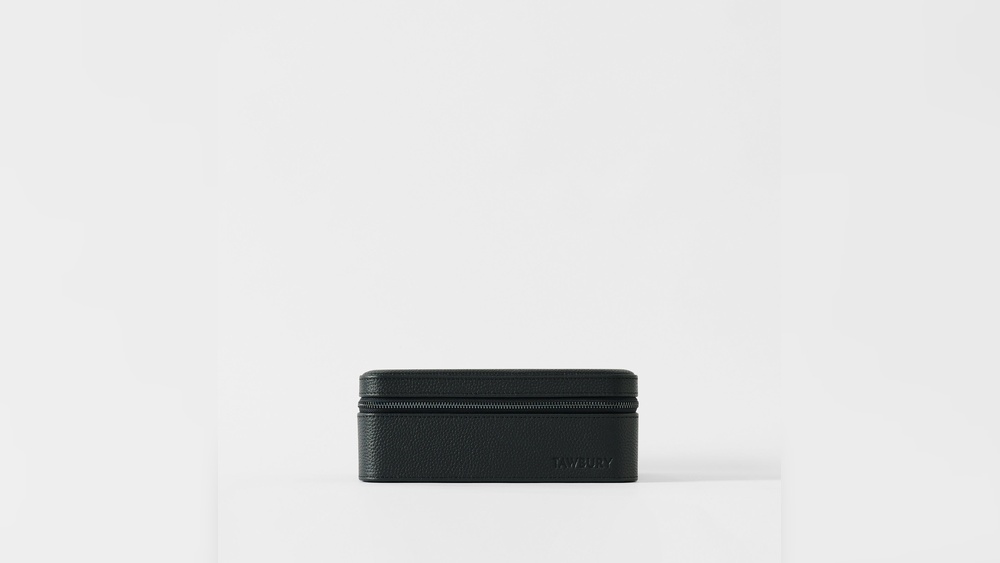
Store watches in a safe, dry place. Use watch boxes or safes with humidity control. Avoid leaving watches in direct sunlight.
Moisture and dust can damage delicate movements. For high-value collections, consider a safety deposit box at a bank. Watch winders can keep automatic watches running, but don’t overwind—this can wear out the mechanism. Use soft cloths and avoid storing watches on hard surfaces.
Insure your valuable watches. This protects you from theft, loss, or damage. Insurance companies often ask for photos, receipts, and serial numbers.
Update your insurance if you buy or sell watches. Some policies cover accidental damage, while others only protect against theft. Read the fine print and keep a digital backup of all documents. For rare or vintage pieces, get a professional appraisal.
Handle watches carefully. Avoid dropping them or exposing them to strong magnets. Even small scratches can lower resale prices.
When adjusting the time or date, follow the brand’s instructions—some movements can be damaged if you change the date at the wrong time. Avoid wearing perfume or lotion on your wrist before putting on your watch, as chemicals can damage straps or cases.
Wear your watch only when it’s safe. Don’t wear valuable models during sports or harsh activities. This keeps your watch in top condition.
If you have a collection, rotate which watches you wear to spread out wear and tear. Use a microfiber cloth to wipe off sweat, dust, or fingerprints after wearing. Leather straps last longer if kept away from water and direct sunlight.
Non-obvious insight: Some collectors prefer watches with minimal signs of wear, but a watch with a genuine patina (aged look) can also be valuable, especially for vintage models. Patina can tell a unique story and add character, but only if it’s natural and not caused by damage.
Internal link suggestion: Learn more about watch maintenance in our [Luxury Watch Care Guide].
—
To help you compare watches that hold value, here are three data tables:
| Brand | Model | New Price | 5-Year Resale % | Notes |
|---|---|---|---|---|
| Rolex | Submariner | $10,000 | 110–130% | Consistently outperforms retail |
| Patek Philippe | Nautilus | $60,000 | 150–220% | Hard to find, high demand |
| Audemars Piguet | Royal Oak | $30,000 | 120–180% | Popular with collectors |
| Omega | Speedmaster | $7,000 | 80–130% | Vintage models perform best |
| Cartier | Tank | $5,000 | 60–120% | Strong for vintage |
| Tudor | Black Bay | $3,500 | 70–110% | Limited editions preferred |
Notice how luxury sports models from top brands tend to outperform classic dress watches in the short term, but vintage dress watches like the Cartier Tank can still deliver strong returns over a decade or more.
—
| Condition | Resale % (vs New) | Typical Features |
|---|---|---|
| Unworn/Like New | 100–120% | Box, papers, no marks |
| Excellent | 90–110% | Minor wear, full documentation |
| Good | 70–90% | Some scratches, missing box |
| Fair | 50–70% | Visible wear, missing papers |
| Poor | 30–50% | Major damage, no history |
If you want to sell your watch quickly and for a good price, keeping it in “Excellent” or better condition is key. Even small dents or missing documents can make a big difference.
—
| Years Held | Average Value Change | Best Models |
|---|---|---|
| 1–3 Years | 0–10% | Submariner, Nautilus |
| 4–6 Years | 10–30% | Daytona, Royal Oak |
| 7+ Years | 30–100%+ | Vintage Speedmaster, Tank |
Longer holding periods usually result in higher returns, especially for rare or discontinued models. Patience is often rewarded in the world of watch collecting.
—
Watches that hold value usually have a strong brand reputation, limited production, historical significance, and high-quality materials. Classic designs also help, since they stay popular for many years. Condition and original documentation play a big part in keeping value high.
A watch’s story, such as being worn in a famous movie or by a sports champion, can also boost its appeal. The more a watch is discussed in collector circles, the more likely it is to remain valuable.
No. Not every luxury watch is a good investment. Only certain models from top brands like Rolex and Patek Philippe consistently hold value. Watches with limited production, special features, or strong demand perform best. It’s important to research before buying.
Watches from less-known brands or with trendy designs may lose value quickly. Always ask yourself: “Would collectors still want this watch in 10 or 20 years?”
Look at past sales, auction results, and collector demand. Watches that are rare, well-maintained, and from respected brands are more likely to appreciate. Check online marketplaces and forums for real-world prices. Avoid buying trendy watches that might lose value quickly.
If a watch has a long waiting list or is hard to find at retail, that’s a good sign. Watch for models that collectors talk about often—these are likely to rise in value.
Both options have benefits. New watches come with full warranty and documentation. Pre-owned watches may already be discontinued, making them more valuable. Always check condition, history, and authenticity before buying. Some collectors prefer vintage models for investment.
Buying pre-owned can also help you avoid the steep drop in value some new watches have right after leaving the store (except with models that sell above retail price).
Sell through trusted dealers, auction houses, or online platforms like Chrono24. Provide photos, original papers, and service history. Avoid selling to unknown buyers. Pricing your watch fairly based on market trends will help you get the best return.
Some auction houses specialize in luxury watches and can help you reach serious collectors. Take your time to find the right buyer, especially for high-value models.
Yes. Some affordable watches from respected brands, like Tudor or Seiko, can hold or even grow in value—especially if they are limited editions or discontinued models. Focus on quality, rarity, and condition when choosing entry-level investment watches.
For example, Seiko’s “SKX007” diver was discontinued and is now sought after by collectors, with prices steadily rising.
—
*ALT text:* “Luxury watches that hold value”
“How to Spot Watches That Hold Value: Tips from Watch Experts”
*ALT text:* “Guide to watches that hold value”
—
For more detailed sales data and trends, see the Christie’s Collectible Watch Guide.
Additional market insights are available at Hodinkee.
—
—
Smart investing in watches that hold value means knowing what to look for, caring for your collection, and staying informed about market trends. Whether you buy a Rolex Submariner or a Cartier Tank, the right watch can bring both personal enjoyment and financial rewards. Always research, buy from trusted sources, and protect your investment. With patience and care, your luxury watch can become a lasting asset—one that may even grow in value for years to come.
The story of the Carriage Hill Traveller Timepiece is not just about a watch—it is about the art of travel,
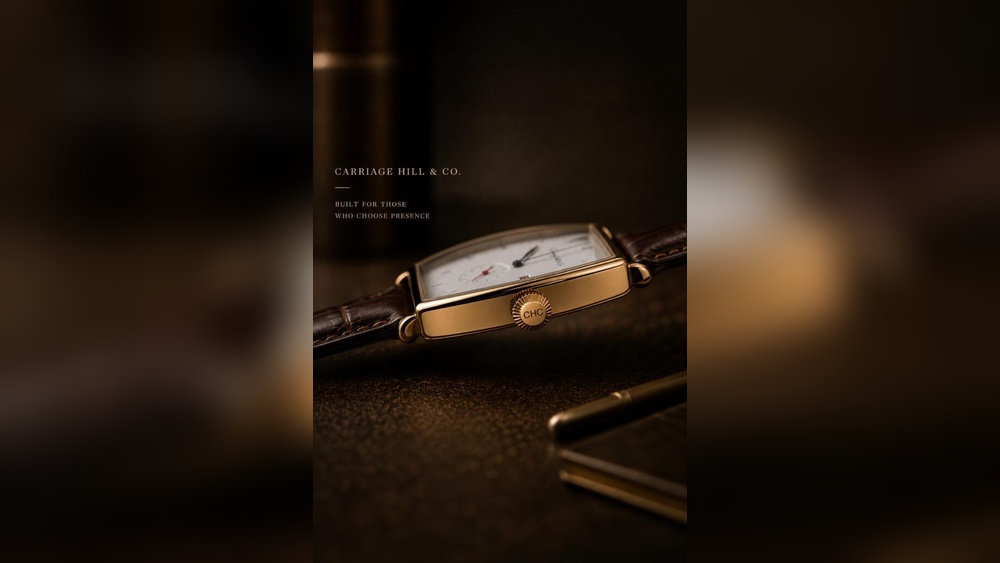
Carriage Hill And Co Watches: A Complete Guide If you search for a watch that blends tradition with modern style,
Carriage Hill Understated Luxury Watch: A Complete Guide A luxury watch is more than just a tool for telling time.
Finding a luxury dress watch under $700 is a rewarding challenge for style-conscious people who want elegance without the high
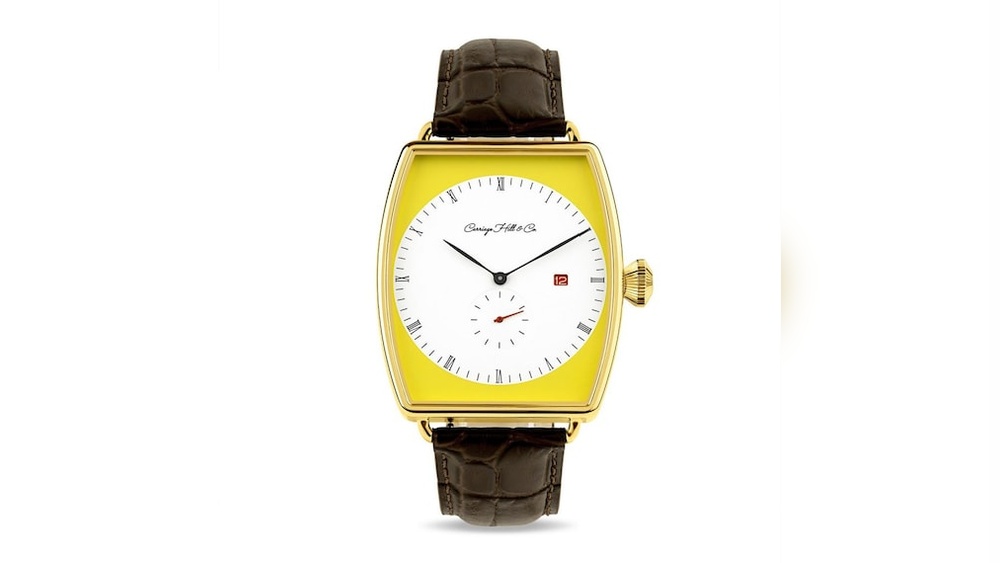
The world of luxury watches is filled with stories of craftsmanship, tradition, and innovation. Among these, the Carriage Hill Handcrafted
The world of watches is full of stories, tradition, and craftsmanship. For many people, a watch is not just a