
Watches
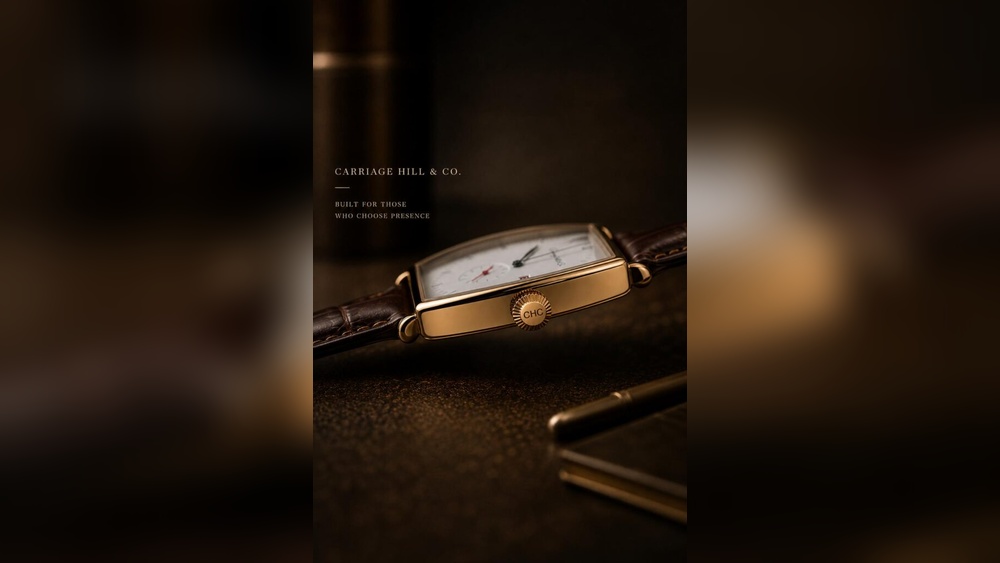
Carriage Hill Traveller Timepiece: Timeless Elegance Unveiled
The story of the Carriage Hill Traveller Timepiece is not just about a watch—it is about the art of travel,
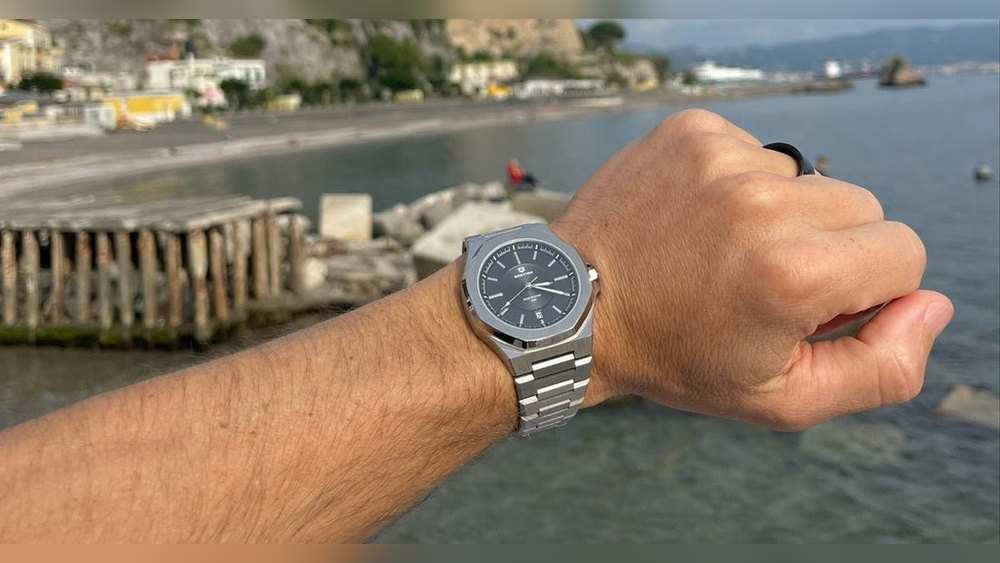
Choosing the right watch for travel is more than just picking a stylish accessory. The best travel watch can keep you on schedule, help you adjust to different time zones, and even save your trip from small disasters. In this ultimate guide, you’ll learn how to choose a travel watch that fits your needs, lifestyle, and budget. Whether you fly internationally for business, backpack across continents, or plan a simple family vacation, the perfect travel watch can make your journey smoother.
Table of Contents
Let’s dive in and find out how to choose a travel watch that will become your favorite travel companion.
Travel watches are not just regular watches. They are designed with special features to help travelers in different situations. Unlike standard watches, travel watches focus on durability, multiple time zones, and easy readability. These watches are built to survive bumps, sudden rain, time changes, and even airport security checks.
Key differences include:
A travel watch should make your journey easier, not just tell the time. For example, if you land in Tokyo from New York, a GMT watch lets you check both home and local times instantly. Or, if you go hiking in the Alps, a rugged, water-resistant watch won’t stop working if it rains.
Travelers have different needs, so there’s no “one size fits all” watch. Here are the 7 best types of travel watches you should consider, with their strengths and weaknesses:
| Type | Best For | Key Features | Weaknesses |
|---|---|---|---|
| GMT Watches | International flyers | Multiple time zones | Can be pricey |
| World Timer Watches | Business travelers | Shows global cities | Busy dial, learning curve |
| Digital Travel Watches | Backpackers | Alarms, timers, easy read | Less classic style |
| Smartwatches | Tech-savvy travelers | Apps, GPS, notifications | Needs charging |
| Dive Watches | Beach/Water trips | Waterproof, tough case | Bulky for some |
| Field Watches | Adventure travel | Shock resistance, clear dial | Few advanced features |
| Solar Watches | Remote trips | Eco-friendly, long life | May lack smart features |
GMT Watches are perfect for people crossing time zones often. You can track both your home time and local time. Brands like Rolex and Seiko make famous GMT models.
World Timer Watches show 24 world cities on the dial. You just turn the bezel to see the time in any major city.
Digital Travel Watches (like Casio G-Shock) offer alarms, a stopwatch, and easy reading. They’re also very affordable and hard to break.
Smartwatches are popular for their app support, fitness tracking, and notifications. Apple Watch or Garmin models are common, but they need to be charged often.
Dive Watches are highly water-resistant, making them reliable for swimming or beach vacations. Seiko and Citizen make many good options.
Field Watches are simple, tough, and easy to read. They’re great for hiking or camping, but you won’t get world time functions.
Solar Watches use sunlight to recharge. They’re ideal for long, remote trips where charging is hard.
The question how to choose a travel watch comes up often. There isn’t a single answer, because every traveler’s needs are different. Here’s a step-by-step guide to help you pick the right one.
Are you a business traveler, adventure seeker, or family vacationer? Your travel style will decide what features matter most.
Non-obvious tip: Think about your *worst travel day.* If you get stuck in the rain, miss a flight, or go hiking, will your watch survive and help you? This simple test can narrow your choices.
Travel watches come in all price ranges. Good options start under $100, while luxury models go beyond $10,000. Decide what you can spend, but remember: more expensive doesn’t always mean better for travel.
Practical insight: Sometimes, a mid-range watch is best. It’s reliable, but if lost or stolen, you won’t lose a fortune.
Watches have three main types of movements:
For travel, quartz or smartwatches are popular because they’re low hassle. Mechanical watches are beautiful, but can be less accurate and need more care.
Your watch should fit your wrist and be comfortable for long days. Large watches can look stylish but may feel heavy or get caught on things. Try on a few models before buying.
Look for these essential travel watch features:
Overlooked feature: A screw-down crown adds water resistance and keeps dust out—helpful in both cities and nature.
A flashy, expensive watch can attract unwanted attention, especially in crowded tourist spots. Sometimes, a simple, less valuable watch is a smarter choice for travel safety.
Stick to brands known for quality and service. A good warranty means less stress if something goes wrong on your trip.
Bonus tip: Some credit cards and travel insurance cover lost or damaged watches. Check your policy before you travel.
Travel watches can come with many features, but not all are necessary for every trip. Here are the top features you should really look for, and why they matter.
If you travel across time zones, this is a must. Dual time lets you see home and local time at a glance. World time is even better for people who work with teams in different countries.
Helps you wake up for flights, tours, or meetings. Digital watches usually have multiple alarms, while analog watches may only offer one.
Unexpected rain, a quick swim, or even washing hands can damage a non-resistant watch. Look for 50 meters (5 ATM) at minimum.
A sapphire crystal face resists scratches. Stainless steel or titanium cases are tougher than plastic or plain metal.
A long-lasting battery means fewer worries. Solar or kinetic watches can run for months or years without battery changes. Smartwatches need charging, but some models last up to two weeks.
Clear, large numbers or hands are important, especially when you’re tired or in a hurry. Lume (glow-in-the-dark) hands help in low light.
Heavy watches get uncomfortable after a long day. Try on the watch before buying, or check the weight online.
A strong clasp keeps your watch from falling off during travel.
Surprising insight: Some travel watches have a hidden compartment in the strap for emergency cash or a SIM card.
The market is full of options, but some brands stand out for travelers. Here’s a quick comparison of popular brands and their best-known features:
| Brand | Best For | Price Range | Signature Model |
|---|---|---|---|
| Casio | Budget, durability | $20–$200 | G-Shock, Pro Trek |
| Seiko | Affordable GMT/Dive | $100–$1,000 | Seiko 5, Prospex |
| Citizen | Eco-drive, solar | $150–$800 | Promaster, World Chrono |
| Tissot | Swiss style, midrange | $300–$1,500 | T-Touch, Gentleman |
| Rolex | Luxury, status, GMT | $7,000–$20,000+ | GMT-Master II |
| Apple | Smartwatch, tech | $250–$900 | Apple Watch Series |
| Omega | Swiss luxury, GMT | $3,000–$10,000+ | Seamaster Aqua Terra |
If you want a reliable, affordable travel watch, Casio G-Shock or Seiko 5 GMT are excellent. For a classic look and top performance, Rolex GMT-Master II or Omega Seamaster are favorites among luxury travelers.
Pro tip: Always check the brand’s warranty and service center network in your destination country.
Let’s break down how to choose a travel watch for different traveler types. This section gives you practical advice based on real-world travel needs.
You need a watch that looks sharp with a suit, keeps track of time zones, and is reliable.
Insider tip: Some business hotels offer wake-up calls, but having your own alarm is more reliable, especially for early flights.
You need a tough, shock-resistant watch that works in any weather.
Extra insight: A compass function can help if you get lost hiking.
You want notifications, GPS, and fitness tracking.
Pro tip: Some smartwatches let you store boarding passes and hotel keys.
You need something simple, reliable, and easy to read.
Non-obvious tip: Velcro or rubber straps are easier for kids to manage.
You want low cost, toughness, and no worries if it gets lost.
Smart advice: Carry a backup cheap watch in your bag, just in case.
Travelers often face unique situations. Here are some real-life scenarios and the watches that fit best:
Case 1: Crossing Multiple Time Zones Quickly
Ana, a consultant, flies from New York to London, then to Dubai. She uses a Seiko GMT to track her home and local times. The watch’s clear dial and quick-set hour hand make jet lag less confusing.
Case 2: Adventure Hiking in Patagonia
James hikes remote trails with a Casio G-Shock Mudmaster. The shock resistance, compass, and 200m water resistance help him in harsh conditions. The watch survives mud, rain, and tough knocks.
Case 3: Family Beach Vacation in Hawaii
Maria takes her kids swimming and snorkeling. She wears a Citizen Eco-Drive Dive Watch. It’s solar-powered, so she never worries about charging. The bright markers make it easy to read underwater.
Case 4: Long-term Backpacking in Southeast Asia
Sam uses a Timex Expedition Digital. It’s lightweight, costs under $50, and has an alarm and a backlight. If it’s lost, it’s easy to replace.
Case 5: Business Meetings in Tokyo and Paris
John wears a Tissot World Timer. The stylish look works with a suit, and the world time function helps him schedule calls with his team in the US.
Even experienced travelers can make mistakes when picking a travel watch. Here are some pitfalls to avoid:
Many buy a watch because it looks good, not because it’s useful for travel. A flashy watch might look great at dinner, but if it can’t handle rain or time zones, it’s a poor choice.
A watch that runs out of power mid-trip is useless. Always check battery life and bring a spare battery or charger if needed.
Traveling with a $10,000 watch is risky in places with high theft rates. Consider a cheaper, less noticeable option.
Leather straps can get ruined by sweat or water. Metal or rubber is better for humid, wet, or hot places.
Even if you don’t plan to swim, sudden rain or splashes can damage a non-waterproof watch.
Some watches have beautiful designs but are hard to read. Choose clear, simple dials for travel.
Travelers sometimes forget to look for alarms, dual time, or backlights. Don’t assume every watch has them—check before buying.
Non-obvious mistake: Not checking the warranty or service options in your travel destination. If your watch breaks abroad, repairs can be slow or expensive.
A good travel watch is an investment. Proper care helps it last for years of adventures.
Pro tip: If your watch is valuable, add it to your travel insurance.
For frequent flyers, the best travel watch is usually a GMT or world timer. These watches let you track multiple time zones, which is helpful for quick changes between countries. Popular choices include the Rolex GMT-Master II, Seiko 5 GMT, and Citizen Promaster World Time. Digital watches with dual time can also work well if you prefer a lower price and easy use.
Smartwatches are great for international travel if you need notifications, GPS, and fitness tracking. They offer apps for translation, currency conversion, and even boarding passes. The main downside is battery life—you’ll need to charge them often. If you’re going off-grid or don’t have easy access to power, consider a solar or quartz watch instead.
You can find a good travel watch for under $100, but prices go up for advanced features or luxury brands. Set a budget based on your needs and how much risk you’re willing to take. For most travelers, a $100–$500 watch offers the best mix of quality, features, and peace of mind. If you want a luxury brand, consider travel insurance in case of loss or theft.
A GMT watch tracks two (sometimes three) time zones, showing local time and home time with an extra hand or dial. A world timer shows the time in 24 cities or time zones around the world, usually with a rotating bezel or ring. GMT is best for people with one main home base, while world timers are better for those working with teams in many countries.
To keep your travel watch safe, avoid wearing expensive models in risky areas or crowded places. Choose a watch that’s not flashy for travel in high-risk destinations. Use hotel safes or hidden pockets when you’re not wearing it. Some travelers carry a cheap backup watch for daily use and only wear their main watch at secure times.
Choosing a travel watch is about matching features with your travel style, not just picking the most expensive or stylish model. Start with your main needs—durability, time zones, alarms, or smart features—and use this guide to narrow your choices. The right travel watch will help you enjoy your journey, stay organized, and feel secure, wherever you go.
For deeper research, check out this Wikipedia guide on wristwatches for history and more advanced details. And remember, sometimes the most reliable travel companions are the simplest.
Image suggestion: A crisp photo of several travel watches (analog, digital, smart) on a travel map, with ALT text: “Best travel watches for every type of traveler”.
Video suggestion: A YouTube review comparing top travel watches for different travel styles.
If you’re still unsure, visit an authorized dealer or watch expert in your city to try models in person. Safe travels and happy timekeeping!
The story of the Carriage Hill Traveller Timepiece is not just about a watch—it is about the art of travel,
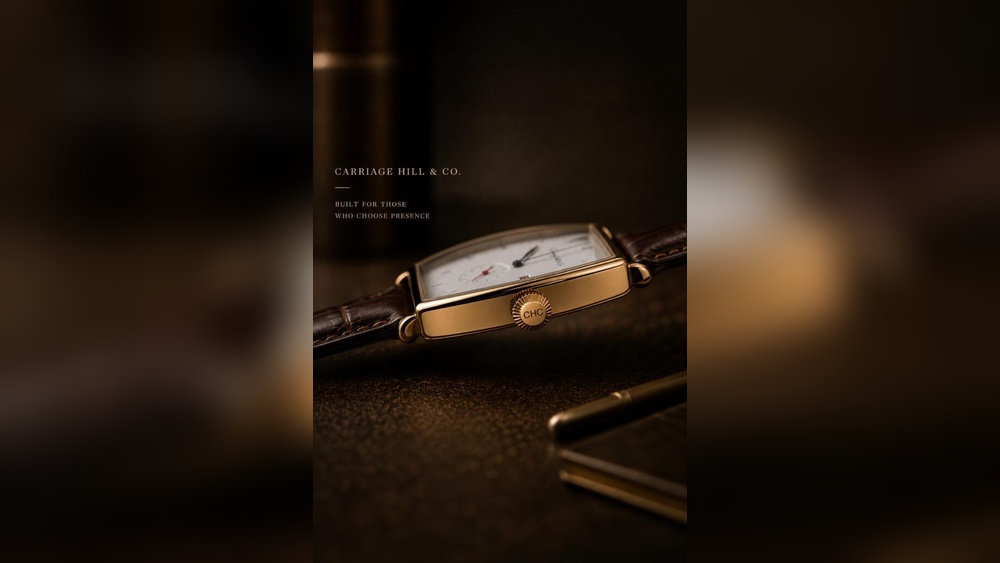
Carriage Hill And Co Watches: A Complete Guide If you search for a watch that blends tradition with modern style,
Carriage Hill Understated Luxury Watch: A Complete Guide A luxury watch is more than just a tool for telling time.
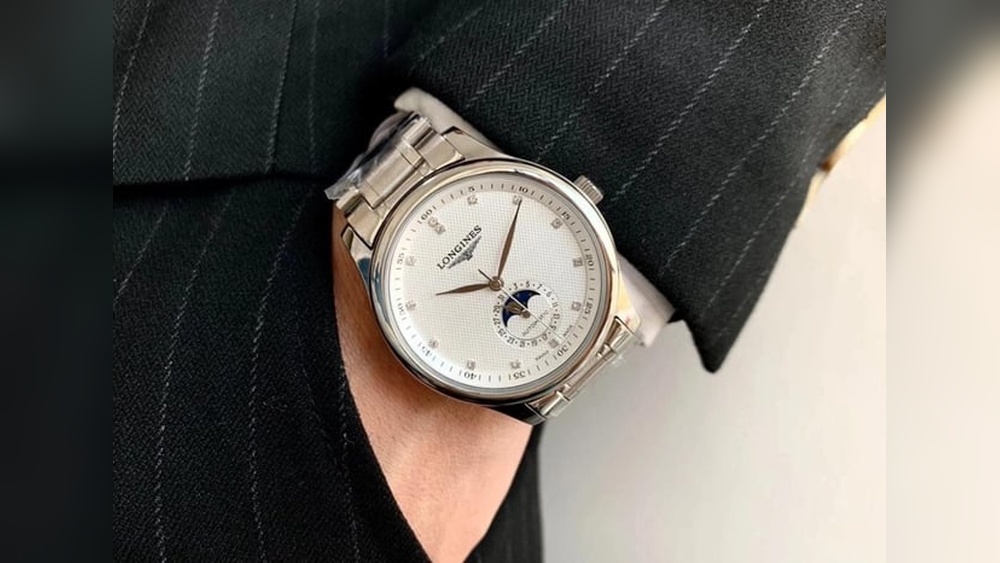
Finding a luxury dress watch under $700 is a rewarding challenge for style-conscious people who want elegance without the high
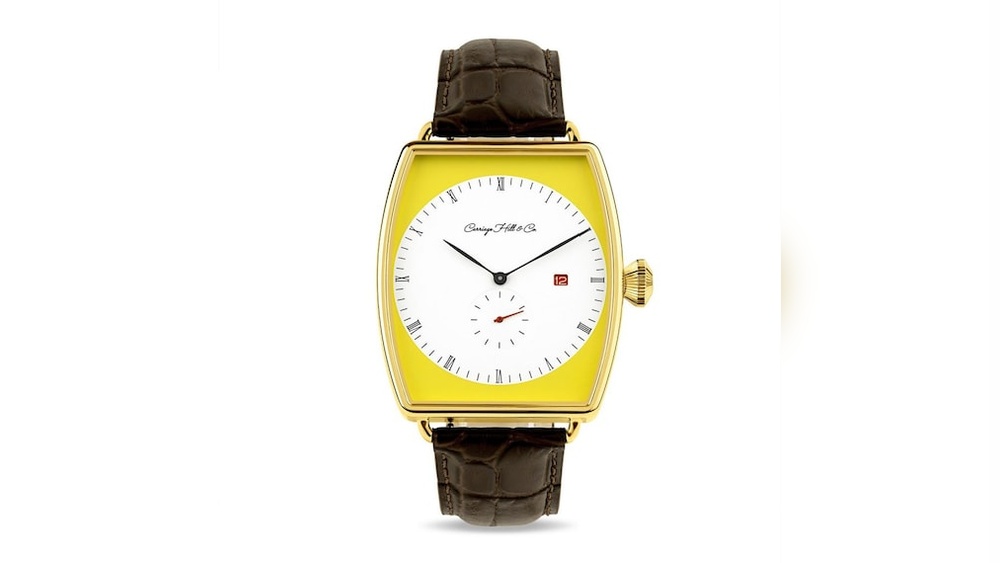
The world of luxury watches is filled with stories of craftsmanship, tradition, and innovation. Among these, the Carriage Hill Handcrafted
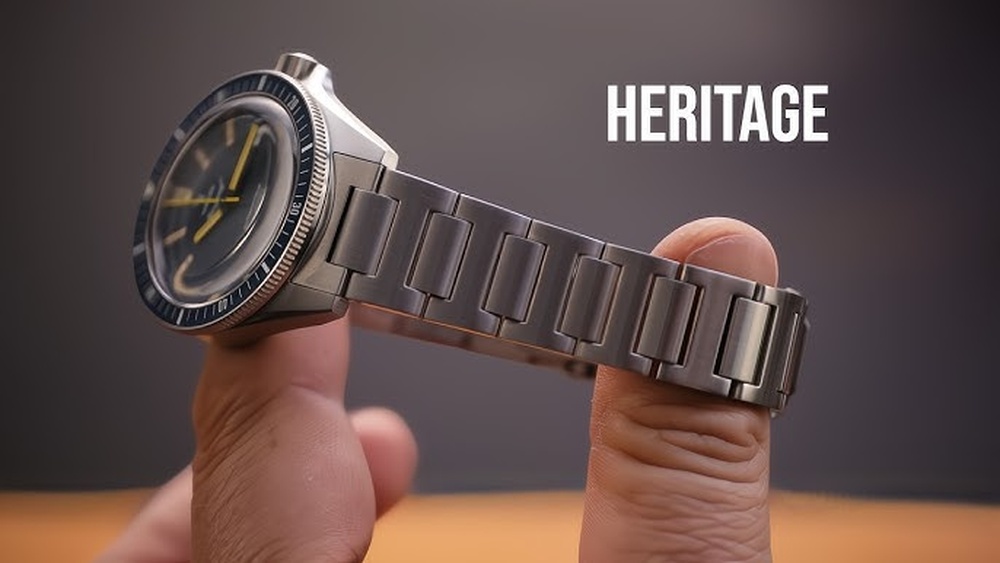
The world of watches is full of stories, tradition, and craftsmanship. For many people, a watch is not just a