
Watches
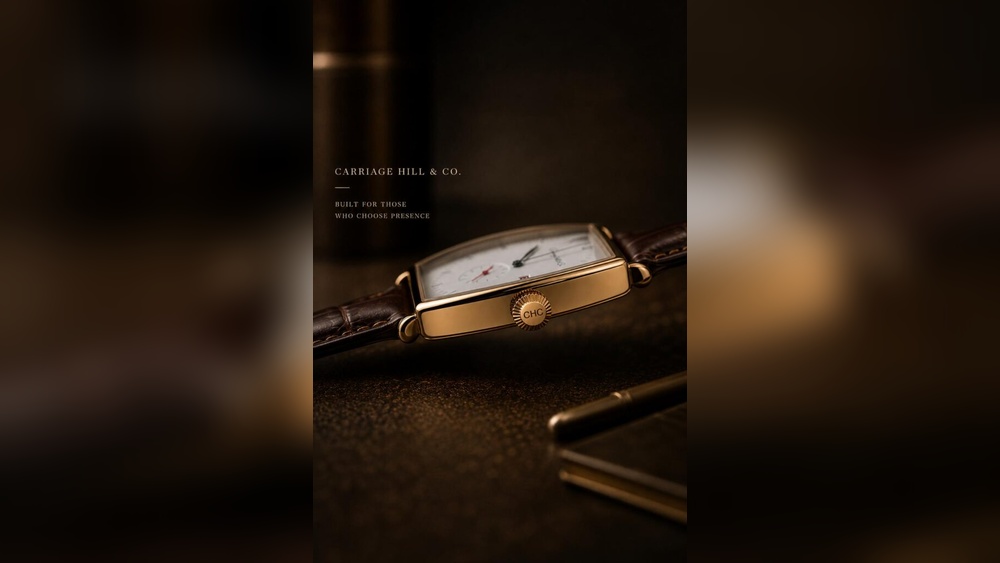
Carriage Hill Traveller Timepiece: Timeless Elegance Unveiled
The story of the Carriage Hill Traveller Timepiece is not just about a watch—it is about the art of travel,
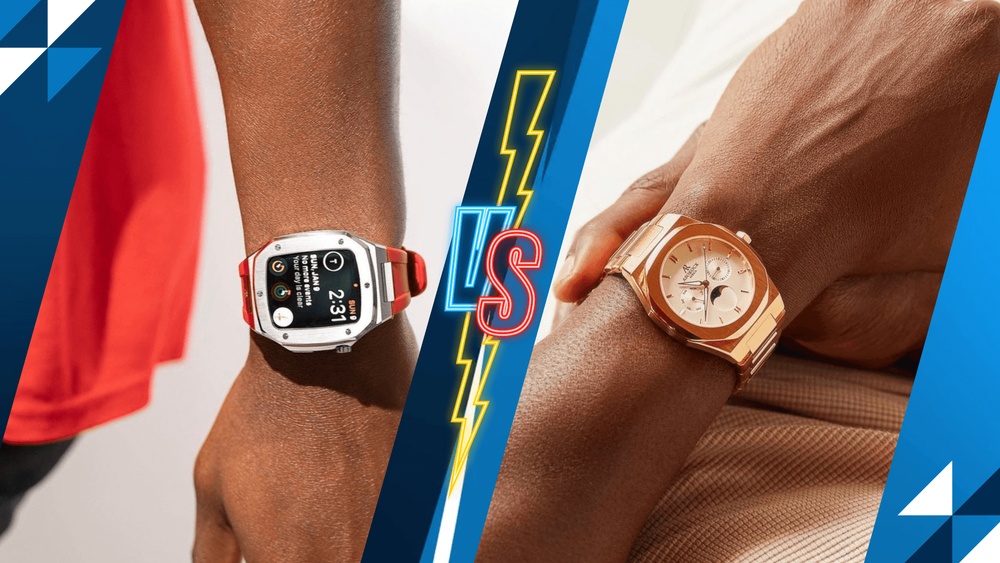
When you think about buying a new watch, you probably face a big choice: luxury watch or smart watch? Both are popular, but they are very different. Many people are drawn to smart watches for their features. But luxury watches have a special place in the world of style, tradition, and value.
Choosing between these two is not always easy. Smart watches promise convenience—they count your steps, show your messages, and even remind you to stand up. But a luxury watch is more than a tool. It’s a piece of art, history, and sometimes even a family treasure.
The feeling you get wearing a luxury watch is hard to describe until you try it for yourself.
In this guide, you’ll learn 7 ultimate reasons why buying a luxury watch makes sense, especially when compared to a smart watch. We’ll use real examples, clear tables, and data to show the differences. If you are considering a new timepiece, this article will help you decide, using simple words and short sentences.
—
Luxury watches are not just about telling time. They are about history, craftsmanship, and status. Smart watches are useful, but luxury watches have qualities that stand out. For example, a Rolex Submariner can last decades and even increase in value. Smart watches, like the Apple Watch, may become outdated in a few years.
Think about the stories behind a luxury watch. Each scratch or mark can remind you of a special day—maybe a wedding, a promotion, or a trip. These watches are often passed down from parents to children. That creates a connection between generations.
People sometimes say, “This was my grandfather’s watch. ” It’s not just an object; it’s a memory and a legacy.
Luxury watches are often passed down through families. They carry memories and stories. Smart watches rarely have this kind of emotional value. When you buy a luxury watch, you invest in something that lasts, not just a gadget.
Another point people miss: luxury watches often celebrate big moments. When someone finishes university, gets married, or achieves a big goal, families buy a luxury watch as a gift. This makes the watch even more special.
Smart watches, on the other hand, are mostly tools for daily life. You use them to check your email or count your steps, but you rarely feel emotional about them. When they stop working, you just buy the next model.
—
Choosing a luxury watch over a smart watch is about more than style. It is about making a long-term choice. Luxury watches are built to last. They use high-quality materials like gold, platinum, and sapphire crystal. Smart watches are made for convenience and features, but their lifespan is short.
Think about how often you replace your phone or smart watch. Most smart watches last only 2–5 years. Luxury watches can last for generations. This is a key reason why many people choose luxury watches. You buy once, enjoy for life.
Let’s look at an example: Imagine you buy a smart watch for $400. In five years, you will probably need to buy a new one, or maybe even sooner. Over 20 years, you might spend $1,600 or more, and you have nothing to show for it except old gadgets that do not work anymore.
But if you buy a luxury watch for $5,000, you can still wear it after 20 years. If you take care of it, it may even be worth more than you paid. You only buy once, and the watch becomes part of your life.
| Watch Type | Initial Cost | Average Lifespan | Resale Value |
|---|---|---|---|
| Luxury Watch | $5,000–$50,000+ | 50+ years | Often retains/increases |
| Smart Watch | $200–$700 | 2–5 years | Rapidly decreases |
A luxury watch may cost more at first, but it can keep its value or even become more valuable. Smart watches lose value quickly and must be replaced.
Another detail most people forget: luxury watches do not become “old” in the same way as electronics. Even if a model is many years old, it can still be worn with pride. Old smart watches often stop working with new phones and apps. A mechanical watch never needs a software update.
Luxury watches are also less likely to break if you drop them. Their cases are made of strong materials, and the glass is often sapphire, which is very hard to scratch.
—
Luxury watches are made by skilled workers. Brands like Patek Philippe, Rolex, and Audemars Piguet have been around for over 100 years. Each watch is carefully built, often by hand. The movement inside a luxury watch is a piece of art.
When you open a luxury watch, you see hundreds of tiny parts working together. Watchmakers spend years learning how to make and repair these movements. Every small detail matters. Some watches even have decorations inside that only the watchmaker will ever see.
Many luxury watches have mechanical movements. These are made of tiny gears and springs, not electronics. It takes months to make some models, like the Patek Philippe Grand Complications. This level of detail is rare in the world today.
Smart watches are mass-produced. They use machines and robots. The focus is on technology, not tradition. If you value history and skill, luxury watches are the best choice.
These brands are respected worldwide. Their watches are often seen as family treasures.
Some luxury watch brands have “in-house” movements. This means they design and build their own parts instead of buying them from others. This is a sign of very high quality and skill.
Another detail: luxury watches often take weeks or months to assemble just one piece. Smart watches can be made in minutes by robots.
—
One of the biggest reasons to buy a luxury watch instead of a smart watch is value retention. Luxury watches can actually go up in price. Some models become rare, and collectors are willing to pay more for them.
Smart watches do not have this feature. When a new model comes out, the old one drops in price. Sometimes, you cannot even sell a used smart watch.
Luxury watches from top brands are sometimes sold at auctions for more than their original price. For example, a special edition Rolex Daytona sold for over $17 million at auction. Of course, not every watch will reach this value, but many hold their price well.
Luxury watches are sometimes called “wearable assets. ” You can enjoy them every day and still keep your money safe.
Not all luxury watches increase in value, but if you choose popular models from top brands, you have a good chance. Many people collect watches as a hobby. They buy and sell over time, sometimes making a profit. This is not possible with smart watches.
Smart watches have none of these advantages. Once technology changes, your smart watch is outdated.
A 20-year-old smart watch is just old electronics. A 20-year-old luxury watch is often seen as “vintage” and even more special.
—
A luxury watch is more than a tool. It is a statement. People notice a luxury watch on your wrist. It shows success, taste, and confidence.
Smart watches are practical, but they are not special in style. Most people wear the same few models. Luxury watches have hundreds of designs. You can find a watch that matches your personality.
Some luxury watches are simple and classic, like a Cartier Tank. Others are bold and sporty, like a Rolex Submariner. You can choose a model for business meetings, parties, or sports.
| Aspect | Luxury Watch | Smart Watch |
|---|---|---|
| Design Variety | Wide range (classic, sporty, elegant) | Limited shapes, mostly digital |
| Customization | Straps, dials, engravings | Digital faces, some straps |
| Visual Impact | Luxury materials, unique looks | Plastic, minimal design |
Wearing a luxury watch can help you in business. Many CEOs and leaders wear them. People respect the tradition behind these brands. Smart watches do not have the same effect.
In some cultures, a luxury watch is as important as a business suit. It can open doors and show that you care about quality. When meeting new people, a luxury watch can make a strong first impression.
Luxury watches can be engraved or customized. You can choose a model that fits your story. Smart watches are not unique. Everyone has the same software and features.
Some collectors buy watches from certain years—maybe their birth year or the year of their child’s birth. This adds personal meaning.
A person might wear a Jaeger-LeCoultre Reverso with their initials on the back. This makes the watch one-of-a-kind.
—
Luxury watches are made to last. Many are water-resistant, shock-proof, and built with strong materials. You can wear them for decades. Some brands offer lifetime servicing.
Smart watches are not built for long life. Batteries wear out. Software stops updating. You need to buy a new one every few years.
Luxury watches are more sustainable. They do not need frequent replacement. Smart watches create more electronic waste. According to the Environmental Protection Agency, e-waste is a growing problem.
Luxury watches use fewer resources over time. If you care about the planet, this is an important point.
Most luxury watches can be repaired forever. Even after 50 years, watchmakers can find or make parts. Smart watches are usually thrown away when they stop working.
Luxury watches are easier to repair and keep for life. Smart watches become obsolete quickly.
A 1970s Rolex can still be serviced today, and its value may have increased. A smart watch from 5 years ago might not even turn on.
—
Smart watches are known for their features. You can track fitness, get notifications, and even make calls. But luxury watches have their own advantages.
Many luxury watches are automatic. They wind themselves as you move. Some are chronographs (can measure time for sports). Others are divers (safe underwater).
Smart watches are good for tracking health and fitness. But many people find the constant notifications distracting.
Smart watches can cause “notification fatigue. ” You get buzzed for every message, email, or update. Some people find this stressful and less productive.
Smart watches can help monitor heart rate, steps, and sleep. This is useful for some people. But luxury watches encourage a different lifestyle. You focus on the moment, not the screen.
A person who values mindfulness may prefer a luxury watch. It helps them stay present, not always connected.
| Function | Luxury Watch | Smart Watch |
|---|---|---|
| Timekeeping | Highly accurate, mechanical | Digital, syncs with phone |
| Fitness Tracking | Not available | Steps, heart rate, calories |
| Notifications | No | Calls, texts, apps |
| Battery Life | Years | 1–7 days |
| Water Resistance | Up to 1,000m (divers) | 50–100m (average) |
Mechanical watches can work in extreme conditions—hot, cold, wet, or dry. Some have gone to the top of Everest and the bottom of the ocean.
—
Luxury watches have a strong emotional impact. Many people feel proud when wearing a luxury watch. It can mark a big moment, like graduation or a promotion.
Smart watches are useful, but they do not carry deep meaning. Luxury watches can be gifts for special events. They become part of your story.
Smart watches focus on convenience. Luxury watches offer a sense of achievement.
These stories show how luxury watches are more than objects.
Some people save for years to buy their first luxury watch. When they finally get it, it feels like a reward for their hard work. Every time they wear it, they remember what it means.
Another detail: luxury watches are often worn during important events—weddings, job interviews, or special trips. They become part of life’s biggest moments.
—
To help readers learn more, link to these related articles on your site:
—
Include an image of a classic luxury watch, like a Rolex Submariner or Patek Philippe Nautilus. Use ALT text: “Why buy a luxury watch instead of smart watch”.
Show a side-by-side photo of a luxury watch and a smart watch.
Suggested video: “How Luxury Watches Are Made” (YouTube or official brand channel).
You can also include a video showing the history of famous watch brands, or a watchmaker building a movement by hand. This helps readers see the skill behind luxury watches.
—
Luxury watches are built with high-quality materials and expert craftsmanship. They last for decades and often gain value. Smart watches are made for short-term use and lose value quickly.
Luxury watches cannot track fitness or show notifications. They are focused on style, tradition, and timekeeping. Smart watches offer more digital features but are less durable.
Yes, many luxury watches can increase in value over time. Rare models and top brands are sought after by collectors. Smart watches rarely have resale value.
Most luxury watches can last 50 years or more. With proper care, they may become family heirlooms. Smart watches usually last 2–5 years before needing replacement.
Some people buy based only on looks or price. It’s important to check brand reputation, authenticity, and servicing history. Make sure the watch comes with original papers and is in good condition.
Yes. Luxury watches are made to last and create less electronic waste. Smart watches must be replaced often, leading to more pollution.
Yes, many people wear their luxury watch daily. Just take care to service it as needed and avoid rough activities if it’s not a sports model.
Most luxury watches are mechanical or automatic, so they do not need batteries. Some quartz models do, but the battery lasts years.
—
Buying a luxury watch is a big decision. You are not just buying a tool to tell time; you are investing in something special. Luxury watches offer style, heritage, and lasting value. Smart watches are useful, but they fade quickly. If you want something that will stand the test of time, a luxury watch is the best choice.
For more information on luxury watch collecting, visit Wikipedia.
The story of the Carriage Hill Traveller Timepiece is not just about a watch—it is about the art of travel,
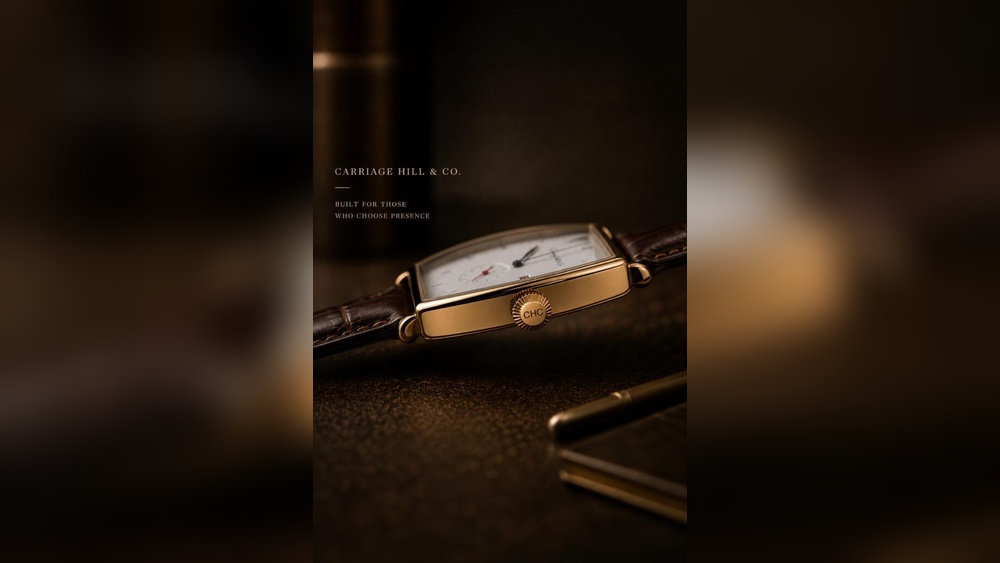
Carriage Hill And Co Watches: A Complete Guide If you search for a watch that blends tradition with modern style,
Carriage Hill Understated Luxury Watch: A Complete Guide A luxury watch is more than just a tool for telling time.
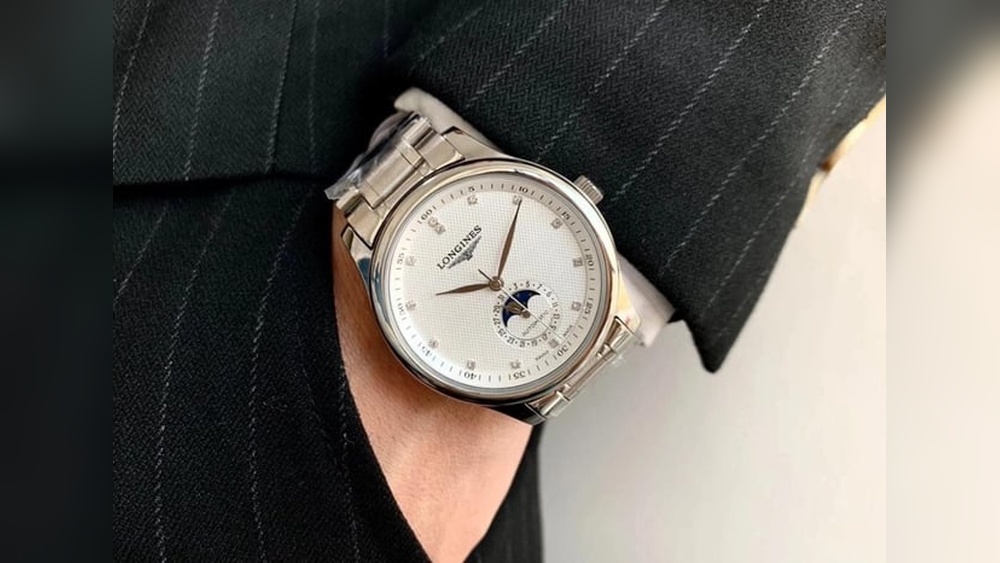
Finding a luxury dress watch under $700 is a rewarding challenge for style-conscious people who want elegance without the high
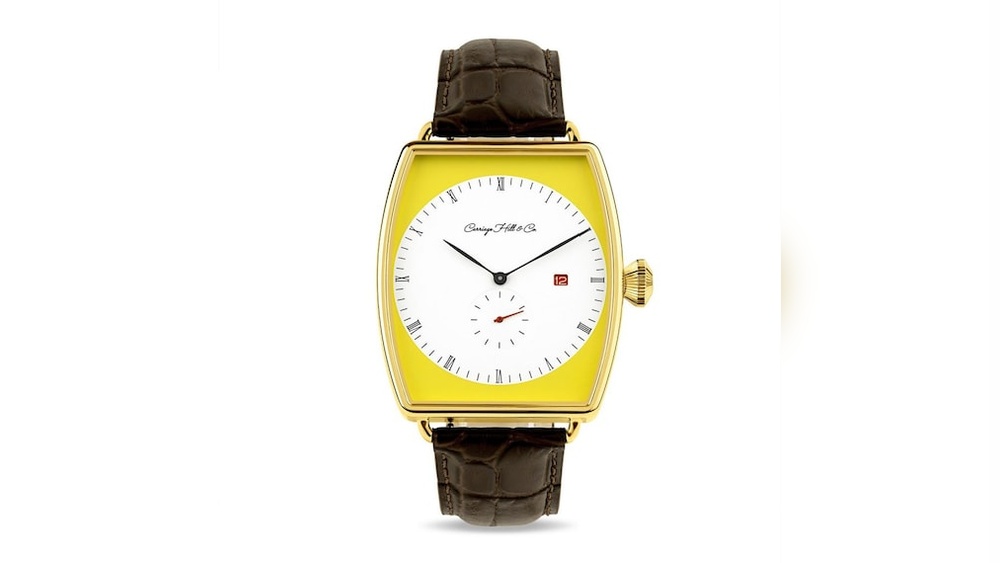
The world of luxury watches is filled with stories of craftsmanship, tradition, and innovation. Among these, the Carriage Hill Handcrafted
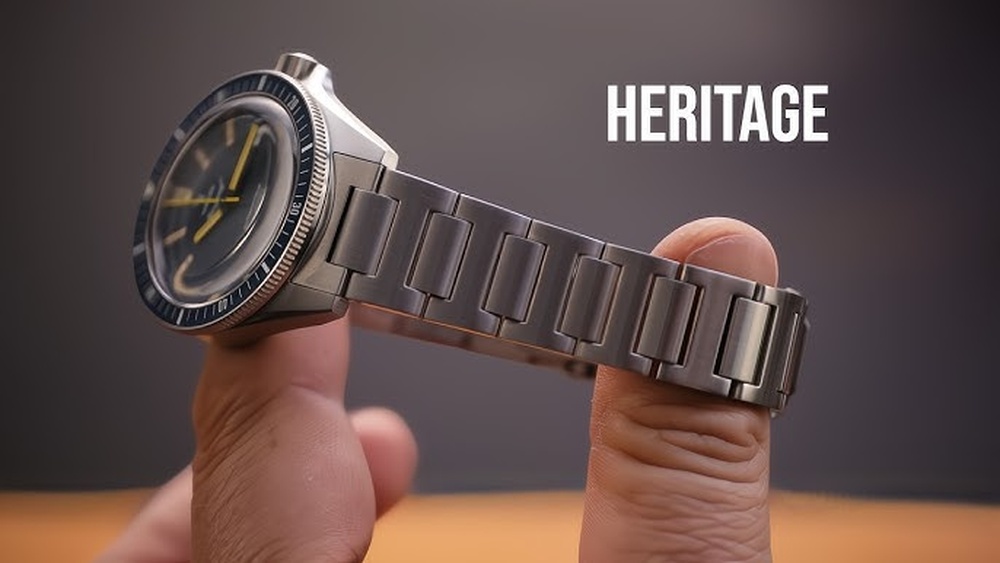
The world of watches is full of stories, tradition, and craftsmanship. For many people, a watch is not just a