
Watches
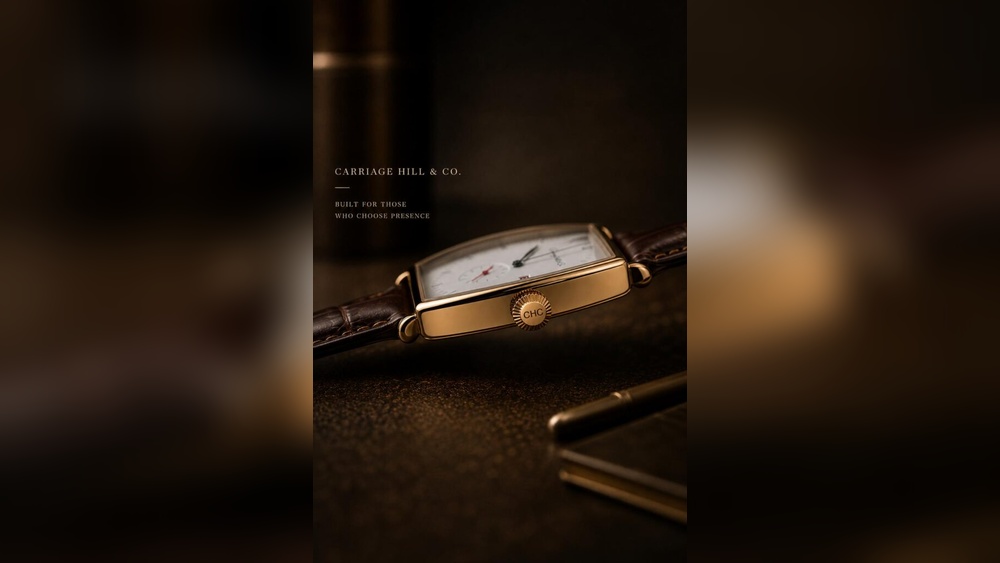
Carriage Hill Traveller Timepiece: Timeless Elegance Unveiled
The story of the Carriage Hill Traveller Timepiece is not just about a watch—it is about the art of travel,
—
Luxury watches are more than just timekeepers. They are symbols of taste, craftsmanship, and sometimes even investment. But what truly makes a watch “luxury”? If you’re thinking about buying one, you need to know what to look for in a luxury watch. In this ultimate guide, you’ll learn the seven best things to consider, with expert advice, comparisons, and insider tips. Whether you want a classic Swiss piece or something bold and modern, this article will help you make the best choice.
—
When shopping for a luxury watch, the craftsmanship and materials are key. These aspects affect not only the look and feel but also the durability and value of the watch. High-quality watches are made with great care, often by skilled artisans. The effort and precision that go into luxury watches are what set them apart from ordinary models.
Luxury watch brands often have strict quality controls. Every part, from the dial to the tiny screws inside, is checked for perfection. Some brands spend months or even years making a single watch model, just to ensure every detail meets their high standards.
Luxury watches use materials that are strong, beautiful, and rare. Here are some common choices:
Even the smallest parts, like the screws and hands, are often made from special alloys or precious metals. Some luxury watches have diamonds or other gemstones set into the case or dial. These gems are carefully chosen for size, clarity, and cut.
Some brands, like Hublot, mix materials to create new looks. They might use rubber straps with gold cases or carbon fiber with ceramic bezels. This mix of materials is not only about style but also about improving the watch’s performance and comfort.
Leather straps are also important. High-end brands use alligator, ostrich, or calf leather. These straps are soft, durable, and often hand-stitched. A good strap can change the feel of the watch completely.
A luxury watch is not just assembled; it’s crafted. Many brands use traditional methods, such as hand-polishing and hand-assembly. This careful work means your watch will last for decades, maybe even generations. Skilled watchmakers spend years learning their craft and may specialize in certain types of finishing or assembly.
The attention to detail is incredible. For example, the movement may have tiny engravings, and the case may be polished in several steps. In some brands, like A. Lange & Söhne, the movement is assembled twice—once for testing and then again for final finishing.
Swiss-made watches are famous for their attention to detail. Each piece is often checked several times before it leaves the factory. Brands like Rolex polish the case and bracelet by hand, ensuring a flawless finish. Swiss watchmakers often use traditional tools and techniques that have been passed down for generations.
Japanese brands, like Grand Seiko, also focus on precision, but their approach is more about technology and innovation. Grand Seiko uses special polishing called “Zaratsu,” which creates a mirror-like finish. Japanese brands also tend to use advanced materials and create movements that are extremely accurate.
| Country | Craftsmanship Style | Famous Brands | Materials Used |
|---|---|---|---|
| Switzerland | Traditional, hand-finished | Rolex, Patek Philippe | Gold, Platinum, Steel |
| Japan | Precision, innovation | Grand Seiko, Citizen | Titanium, Steel, Ceramic |
Beginners often focus only on the case or dial. But the bracelet or strap material and finishing are just as important. For example, a well-made leather strap can cost hundreds of dollars and last much longer than a cheap one. The comfort and feel of the strap or bracelet may influence how often you wear the watch. Also, the clasp—the part that closes the strap—can be a sign of quality. Luxury brands use clasps that are easy to use, secure, and often beautifully finished.
Look for the way the case back is finished. Some luxury watches have see-through sapphire case backs, letting you admire the movement. Others have engraved backs with the brand logo or unique artwork. These touches show extra care and add to the watch’s value.
—
The movement is the heart of any luxury watch. It’s the mechanism that keeps time, and it shows the skill of the maker. A watch movement can be simple or extremely complex, with hundreds of tiny parts working together.
| Movement Type | Accuracy | Maintenance | Prestige | Typical Price |
|---|---|---|---|---|
| Mechanical | Medium | Regular (every 3-5 years) | High | $5,000 – $1M+ |
| Automatic | Medium to High | Regular (every 3-5 years) | High | $3,000 – $500,000 |
| Quartz | Very High | Low (battery change) | Medium | $500 – $20,000 |
Mechanical movements are made up of gears, springs, and levers. They require skill to assemble and adjust. Many luxury watches have movements that are decorated with patterns or engravings, even on parts you can’t see. This is a sign of true craftsmanship.
Automatic movements are similar but include a rotor. They are popular because you don’t need to wind them every day. However, if you don’t wear the watch for several days, you may need to wind it manually.
Quartz movements are reliable and accurate. Some luxury brands, like Cartier, use quartz for certain models, especially those designed for women. But in most cases, mechanical or automatic is preferred.
A high-quality movement means:
Some brands develop their own movements (“in-house”), which adds to the price and reputation. For instance, Patek Philippe and Rolex make their own. In-house movements are often more respected because they show the brand’s skill and independence.
Some brands use “third-party” movements from companies like ETA or Sellita. These are reliable, but not as prestigious as in-house. However, they can be easier and cheaper to service.
Ask about the power reserve—how long the watch runs when not worn. For luxury mechanical watches, 48 hours is common, but some offer 70+ hours. Longer power reserves are useful if you rotate watches and don’t wear the same one every day.
If you travel often, look for watches with “hacking seconds”—a feature that stops the second hand when you set the time, making it easier to synchronize.
Many buyers forget to check the finishing of the movement. In luxury watches, even the hidden parts are beautifully decorated. Look for details like Geneva stripes or perlage (circular patterns). These decorations are not just for looks—they show the skill and pride of the maker.
Some movements are adjusted in several positions to ensure accuracy. For example, a movement may be tested lying flat, standing upright, or facing different directions. The more positions tested, the better the movement’s performance.
—
The brand behind your luxury watch is crucial. It affects resale value, prestige, and even the overall quality. Some brands have been making watches for over a hundred years, and their history adds to the value.
A strong brand often means better customer service, easier access to repairs, and a community of collectors who appreciate your watch.
| Brand | Founded | Famous Model | Prestige Level |
|---|---|---|---|
| Rolex | 1905 | Submariner | Very High |
| Patek Philippe | 1839 | Nautilus | Highest |
| Omega | 1848 | Speedmaster | High |
| Audemars Piguet | 1875 | Royal Oak | High |
Brands like Jaeger-LeCoultre, IWC Schaffhausen, and Breguet are also respected, especially for their innovation and technical skills.
Some brands are strong in one area. For example, Rolex is famous for sports watches, but Patek Philippe leads in complicated dress watches. Match your choice to your lifestyle. If you want a watch for daily wear and rough conditions, Rolex is a good choice. If you prefer elegant, formal watches, look at Patek Philippe or Vacheron Constantin.
A brand’s reputation also affects servicing. Well-known brands have authorized service centers worldwide, making repairs easier and safer. Smaller brands may have limited support, which can be a problem if your watch needs attention.
—
Design is the first thing you notice. But luxury watch design is more than just looks; it’s about balance, uniqueness, and wearability. A well-designed watch feels comfortable, looks good with your clothes, and matches your personality.
Some luxury watches are made to be bold and stand out, while others are subtle and elegant. The choice depends on your taste and how you plan to use the watch.
Some luxury watches have textured or colored dials. For example, Grand Seiko uses dials inspired by nature, like snow or waves. The markers and hands may be polished, painted, or coated with luminescent material for visibility in the dark.
Cases can be polished, brushed, or a mix of both. Some watches have “integrated” bracelets, where the case and bracelet flow together seamlessly.
Luxury watches can be classic (simple, elegant) or modern (bold, sporty). For example:
Some brands offer “heritage” models, inspired by their own vintage watches. These combine old-school looks with modern technology.
Try the watch on before you buy. Some large watches look great in photos but feel heavy or awkward on your wrist. Consider your wrist size—smaller wrists suit slimmer cases, while larger wrists can handle bigger watches.
If you plan to wear the watch with formal clothing, choose a classic, slim model. For casual or sporty use, a robust case and bracelet may be better.
| Style | Main Features | Best For |
|---|---|---|
| Classic | Simple dial, slim case, leather strap | Formal events, business |
| Sporty | Robust case, metal bracelet, bold colors | Daily wear, outdoor |
| Avant-garde | Unique shape, materials, creative dial | Collectors, fashion |
Some luxury watches use hidden signatures—like a tiny logo only visible under a magnifier. This is a sign of attention to detail and authenticity. For example, some brands place a small logo on the second hand or a hidden engraving on the case.
Check the dial layout. Some luxury watches use “applied” markers (attached to the dial), while others print them. Applied markers look more three-dimensional and are a sign of quality.
—
Luxury watches often come with extra functions called complications. These features show the skill of the maker and can add value. The more complicated the watch, the harder it is to make and service.
Some watches have “power reserve” indicators, showing how much energy is left. Others have “retrograde” displays, where hands snap back to zero instead of going around.
| Complication | Function | Complexity Level | Added Cost |
|---|---|---|---|
| Chronograph | Stopwatch | Medium | $2,000 – $20,000 |
| Moon Phase | Shows moon | Medium | $1,500 – $15,000 |
| Tourbillon | Improves accuracy | Very High | $50,000 – $500,000 |
| Minute Repeater | Chimes time | Very High | $100,000 – $1M+ |
Some luxury watches are water-resistant, with screw-down crowns and gaskets. This is important if you plan to swim or dive with your watch. Others have anti-magnetic cases for better performance near electronics.
Don’t buy a watch with complications you won’t use. For example, a chronograph is great for athletes, but may be useless for someone who wants a simple dress watch. Complications add to the price and maintenance, so choose wisely.
If you travel a lot, look for a GMT or world-time watch. If you want a unique look, moon phase or retrograde displays are interesting.
Complications increase maintenance costs. A perpetual calendar or tourbillon must be serviced by experts, which can cost thousands of dollars over the years. Also, complicated watches can be harder to repair if parts are damaged.
Some watches allow you to set the date or time in both directions. This makes adjusting easier and prevents damage to the movement.
—
Some people buy luxury watches as investments. While not every watch will increase in value, the right choice can bring good returns. Watches are different from stocks or real estate—they are physical objects and their value depends on many factors.
Some watches gain value because they were worn by famous people or used in historic events. For example, the Omega Speedmaster worn on the moon is highly collectible. Watches with unique features or history may also become valuable.
Rolex Submariner prices have risen about 7% per year for the last decade. Some rare Patek Philippe models have doubled in price in less than five years. Auctions show that vintage watches can sell for much more than their original price.
| Type | Best Brands | Value Growth | Risks |
|---|---|---|---|
| Investment | Rolex, Patek Philippe | High, 5-10%/year | Market changes, condition |
| Wearable | Omega, Cartier | Medium, slow growth | Wear and tear |
Some watches are easier to sell because they are popular models. For example, a Rolex Submariner or Omega Speedmaster can be sold almost anywhere in the world. Other brands may have limited resale options.
Keep the box and papers. These prove authenticity and increase resale value. Watches with original packaging are more attractive to buyers and often sell for higher prices.
If you plan to sell the watch later, avoid engraving your name or initials. Personalization lowers resale value.
Some watches peak in value after a few years, then drop. Study past sales and trends before buying for investment. Also, remember that rare watches can be hard to sell quickly, so be patient.
The value of luxury watches can be affected by changes in style, brand popularity, or new models. Stay informed about the market and consider joining watch forums or groups to learn from experienced collectors.
—
With high prices, luxury watches are often copied. It’s essential to check authenticity and certification before buying. Fake watches can look convincing, but they lack the quality and value of real luxury models.
Check the case back for engravings or hallmarks. Some luxury brands use special marks that are hard to copy. The movement may also have the brand logo or unique serial number.
Ask the seller for service history. Watches that have been regularly serviced at authorized centers are more trustworthy.
| Certification Type | Purpose | Brands Using | Importance |
|---|---|---|---|
| COSC | Chronometer accuracy | Rolex, Omega | High |
| Hallmark of Geneva | Craftsmanship | Patek Philippe | Very High |
| Brand Warranty | Authenticity & service | All luxury brands | Essential |
COSC (Contrôle Officiel Suisse des Chronomètres) is a Swiss test for accuracy. Watches that pass are called “chronometers. ” The Hallmark of Geneva is given for watches made in Geneva with high standards.
Brand warranties are important. They cover repairs and confirm the watch is genuine.
Buy only from authorized dealers or trusted sellers. Avoid deals that look too good to be true. Authorized dealers offer warranty and service, while online sellers may not.
If buying pre-owned, ask for photos of the movement, papers, and box. Compare the watch with official brand images to spot differences.
Some luxury brands offer online verification. You can check the serial number on their website to confirm authenticity. For more tips, see Hodinkee, a respected authority on watches.
Some fake watches use real parts from damaged or stolen watches. Always check the movement and serial number, not just the case or dial.
—
If you want to know what to look for in a luxury watch, focus on these seven points:
Many new buyers skip details like movement finishing or hidden design touches. These are signs of true luxury. Also, don’t forget about servicing—it’s key to keeping your watch in top shape for years.
Spend time researching models and brands. Join watch forums, read reviews, and visit stores to see watches in person. Ask questions about servicing, parts, and warranty.
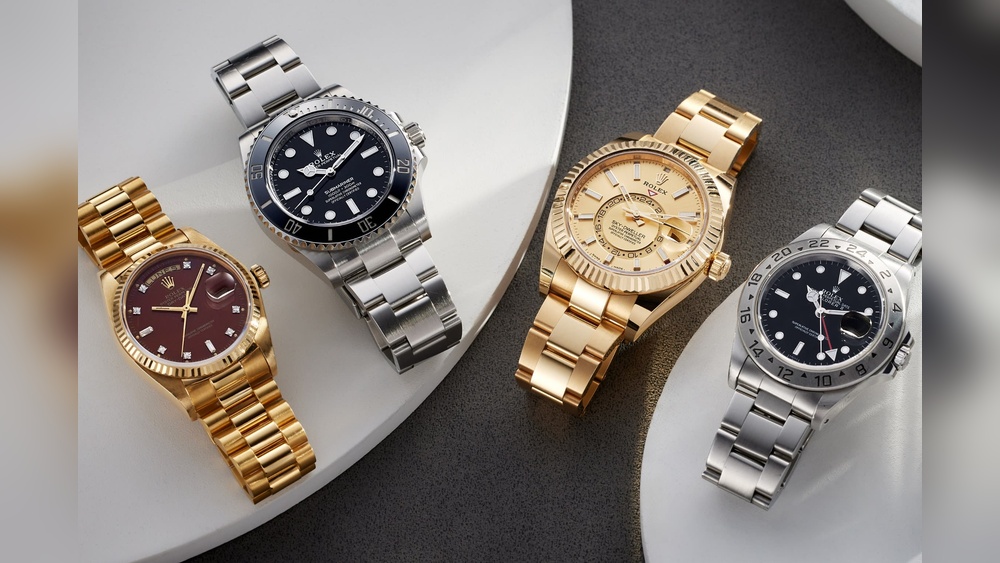
Add an image of a luxury watch, such as a Rolex Submariner or Patek Philippe Nautilus, with ALT text: “what to look for in a luxury watch”.
Insert a video review or unboxing of a luxury watch, focusing on movement, design, and authentication tips.
—
The best movement type depends on your needs. Mechanical movements are valued for tradition and craftsmanship, while automatic movements offer convenience. Quartz is very accurate but less prestigious. For luxury, mechanical or automatic is usually preferred.
If you want easy maintenance, quartz is fine. If you value tradition and skill, go for mechanical or automatic. For collectors, mechanical is often more desirable.
Check for a serial number, certificate, and original papers. Buy from authorized dealers. Look for signs like weight, smooth movement, and fine details. Some brands allow online serial number checks for added security.
If you’re unsure, ask for an expert inspection. Avoid deals from unknown sellers and compare the watch with official images.
Some luxury watches, especially rare models from brands like Rolex or Patek Philippe, can increase in value. However, not all watches are good investments. Study market trends, keep all original packaging, and maintain the watch well.
Watches with historic value or limited editions are more likely to gain value. Regular models may hold value but not rise quickly.
Prioritize craftsmanship, movement quality, brand reputation, and design. Choose complications you will use, and make sure the watch matches your lifestyle and taste.
Don’t be swayed by marketing—focus on what matters to you, not just trends.
Most luxury watches need servicing every 3–5 years. Complicated watches may require more frequent maintenance. Always use authorized service centers to keep your watch’s value and performance.
Skipping service can cause damage and lower resale value.
Swiss watches focus on tradition, hand-finishing, and prestige. Japanese watches are known for precision, innovation, and modern materials. Both offer high quality, but the style and approach are different.
Swiss watches are often seen as more classic and prestigious, while Japanese watches are modern and reliable.
—
A luxury watch is a statement of who you are. Knowing what to look for in a luxury watch helps you make a smart, confident choice. Pay attention to the seven key points, ask questions, and never rush. Your timepiece will not just tell time—it will tell your story.
The story of the Carriage Hill Traveller Timepiece is not just about a watch—it is about the art of travel,
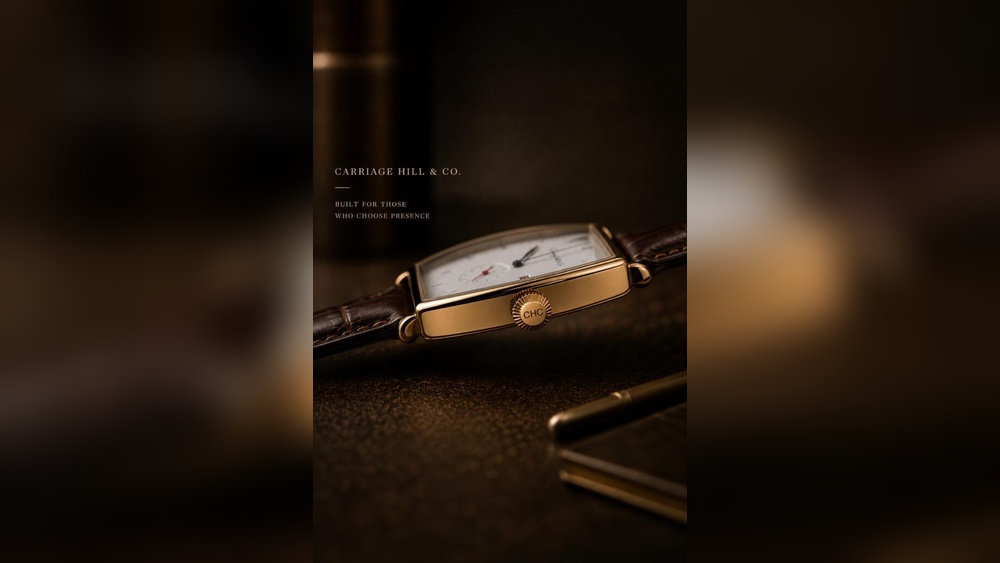
Carriage Hill And Co Watches: A Complete Guide If you search for a watch that blends tradition with modern style,
Carriage Hill Understated Luxury Watch: A Complete Guide A luxury watch is more than just a tool for telling time.
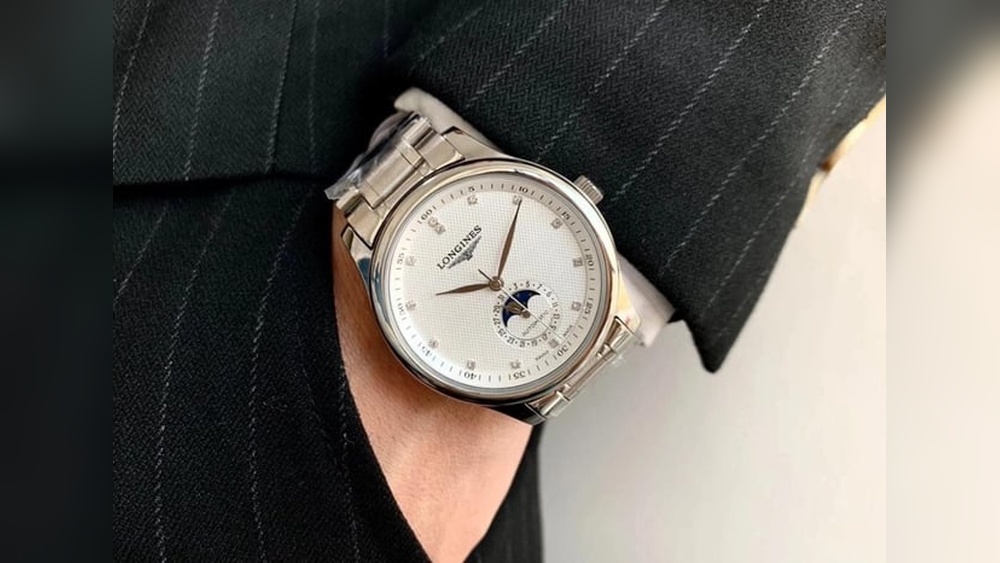
Finding a luxury dress watch under $700 is a rewarding challenge for style-conscious people who want elegance without the high
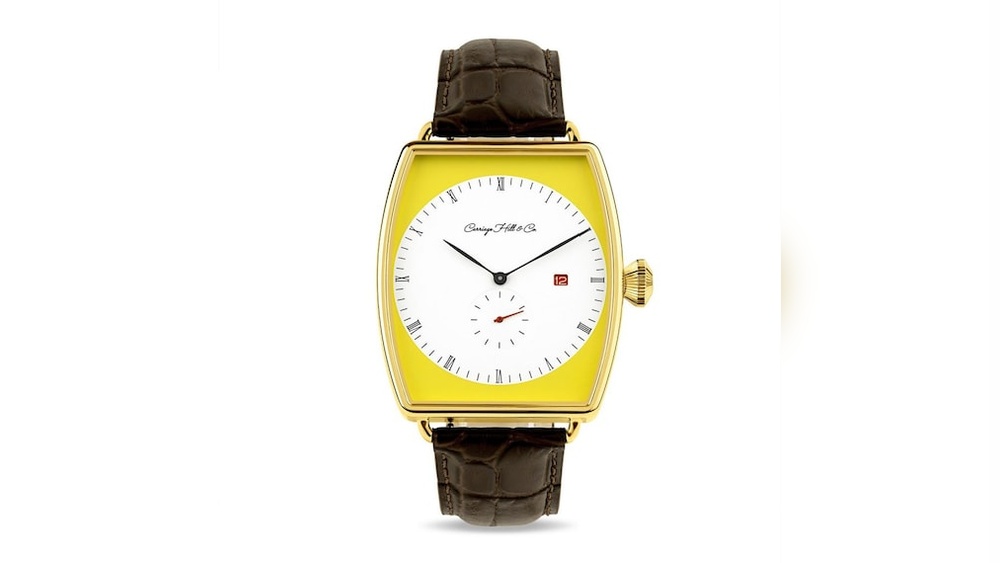
The world of luxury watches is filled with stories of craftsmanship, tradition, and innovation. Among these, the Carriage Hill Handcrafted
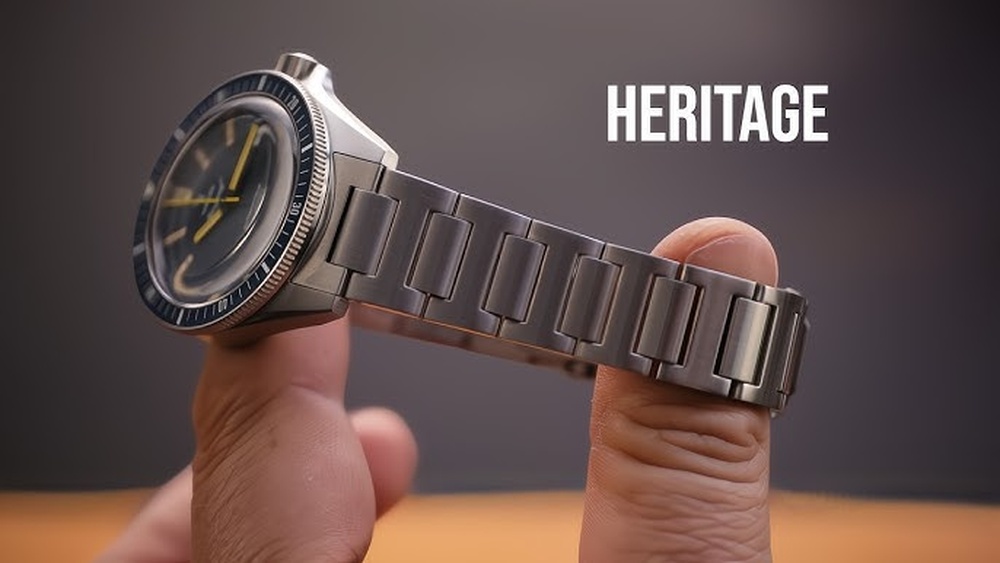
The world of watches is full of stories, tradition, and craftsmanship. For many people, a watch is not just a