
Watches
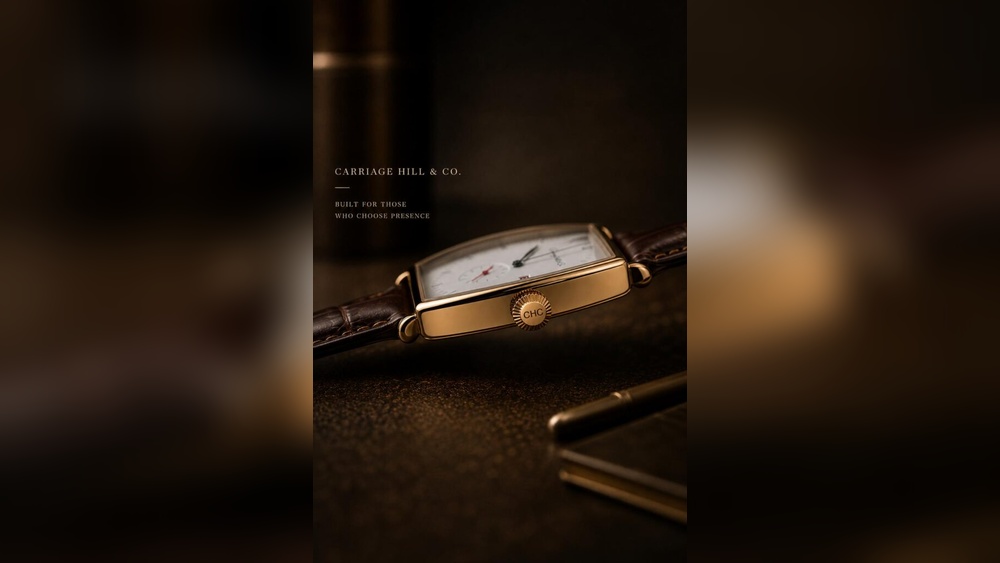
Carriage Hill Traveller Timepiece: Timeless Elegance Unveiled
The story of the Carriage Hill Traveller Timepiece is not just about a watch—it is about the art of travel,
The world of watchmaking craftsmanship USA is full of rich history, precision, and innovation. In recent years, American luxury watch brands have gained global attention for their dedication to quality and artistry. From heritage companies to new boutique makers, the USA offers a unique perspective on luxury timepieces. This guide explores seven of the best American watch brands, the craft behind their success, and what makes them stand out against Swiss giants. If you’re considering a luxury watch made in the USA, you’ll discover everything you need to know—history, technical details, buying advice, and answers to your top questions.
Watchmaking in the USA blends mechanical precision with creative design. Each luxury brand brings its own approach, but the core remains attention to detail and a passion for the craft. American watchmakers use modern tools, but many still rely on traditional hand-finishing methods. Some brands focus on mechanical movements, while others embrace quartz technology. The result is a mix of old and new, offering collectors and enthusiasts a range of choices.
A luxury American watch is more than an accessory—it’s a symbol of ingenuity and resilience. The industry survived multiple challenges, from quartz crises to global competition. Today, US watchmakers are celebrated for their original designs, innovative materials, and limited production runs.
Many watches are assembled by hand, with parts sourced locally or from trusted suppliers. This ensures quality and keeps the tradition alive.
American watches often feature subtle details that set them apart. For example, some models include hand-painted dials, unique case shapes, or straps made from locally sourced leather. These elements show the commitment to artistry and make each piece feel special.
Unlike mass-produced watches, American luxury watches are often made in small batches, sometimes even as limited editions of just a few pieces. This makes them much more exclusive and appealing to collectors who want something unique. Some brands even allow buyers to participate in the design process, choosing dial colors or engraving their initials on the case back.
It’s easy to overlook how much work goes into a single luxury watch. A high-end American timepiece can require dozens of hours of labor, from the first sketches to the final quality checks. This dedication shows in the final product: a watch that’s beautiful, precise, and durable.
The story of watchmaking craftsmanship USA begins in the early 1800s. Brands like Hamilton, Waltham, and Elgin pioneered mass production techniques. By the mid-1900s, the USA was a global leader, producing millions of watches each year. However, the rise of Swiss mechanical watches and later Japanese quartz technology changed the landscape.
The earliest American watchmakers had a huge impact on global manufacturing. They introduced the use of assembly lines and standardized parts—innovations that allowed them to make watches faster, cheaper, and with consistent quality. For example, Waltham’s interchangeable parts system meant that repairs could be done quickly, without waiting for custom-made components.
During World War II, American watchmakers played a key role in supplying military timepieces. Accuracy was critical for soldiers, pilots, and naval officers. This legacy of precision continues to influence American brands today.
The revival is driven by a new generation of watchmakers focusing on quality over quantity. They combine traditional methods with modern technology, resulting in watches that appeal to collectors and style enthusiasts alike. For example, some modern brands use 3D printing for prototyping but still hand-polish every case and assemble movements by hand.
| Year | Event | Impact |
|---|---|---|
| 1854 | Waltham Watch Company founded | First mass production of watches |
| 1923 | Hamilton Watch Company expands | Becomes leading US brand |
| 1974 | Quartz crisis | Many US factories shut down |
| 2005 | Shinola launches in Detroit | Revival of American luxury watches |
Non-obvious insight: Many collectors miss the fact that early American watches used interchangeable parts, a concept borrowed from firearms manufacturing. This innovation allowed for faster repairs and consistent quality.
Another detail often missed is that American watch factories were among the first to create full “watch towns” — entire communities built around the watch industry, like Waltham, Massachusetts, and Elgin, Illinois. These towns helped create a culture of craftsmanship and pride that still influences American watchmaking today.
American luxury watchmaking has seen a surge in interest, thanks to these standout brands. Each combines watchmaking craftsmanship USA with unique design and technical features.
Founded in Pennsylvania, RGM is known for in-house mechanical movements and classic designs. Their watches often feature hand-engraved dials and sapphire case backs. RGM is one of the few American brands to produce movements entirely in the USA.
RGM takes pride in creating watches that blend traditional American styles with Swiss-inspired mechanics. Many of their models include features like guilloché dials (a type of fine, patterned engraving) and display backs that let you see the movement at work.
The company even offers bespoke watchmaking, where you can work directly with the watchmaker to design your own piece.
Detroit-based Shinola revived American watchmaking with stylish quartz and automatic watches. Their focus is on craftsmanship, local jobs, and accessible luxury. Shinola is famous for its Runwell collection.
Shinola stands out for its commitment to American manufacturing. The brand trains local Detroit workers, many of whom had no previous watchmaking experience, and gives them the skills to assemble watches by hand. Shinola’s approach brings new life to a city once known for its factories and innovation.
Their watches are designed to be both fashionable and durable.
Based in Los Angeles, Weiss produces mechanical watches with parts made and assembled in the USA. Their minimalist field watches are popular with collectors who value simplicity and reliability.
Weiss is one of the few brands that actually manufactures movement parts in-house, including gears and screws. Their Standard Issue Field Watch is inspired by classic military watches and is known for its clean design and robust build. Weiss also offers custom case engraving, allowing buyers to personalize their timepiece.
Devon stands out for its futuristic designs and patented belt-driven movement. The Devon Tread series uses micro belts to display time, a technology unique to the brand.
The Tread 1 is instantly recognizable with its exposed belts and industrial look. Devon’s watches are assembled in California and are often described as wearable art. They are especially popular among collectors who want something truly different from traditional watches.
The brand’s innovations have won multiple design awards.
Chicago’s Oak & Oscar is known for limited-edition mechanical watches and a strong community focus. They often use Swiss movements but design and assemble in the USA.
Oak & Oscar releases only a few hundred watches per model, making each one feel special. The brand works closely with local leather crafters for their straps and often donates a portion of profits to dog rescue charities. Their watches are designed with collectors in mind, including features like sandwich dials (two-layer dials with cutouts for numerals) and custom casebacks.
Vortic specializes in converting vintage American pocket watches into wristwatches. Each piece is unique, combining history with modern engineering.
Vortic’s process involves restoring old pocket watch movements—often from brands like Elgin or Illinois—and fitting them into custom-made wristwatch cases. This gives new life to antique movements that might otherwise be lost. No two Vortic watches are exactly the same, making them especially appealing for history lovers.
Ball Watch traces its roots to the railroad industry, ensuring precision and reliability. While now Swiss-owned, Ball Watch USA still designs and assembles watches for the American market.
The Ball Watch brand is famous for its use of tritium gas tubes for night visibility and shock-resistant designs. Their watches were originally used by railroad workers, where accurate timekeeping was essential for safety. Today, Ball Watch USA continues this legacy with models inspired by early American railroads.
| Brand | Founded | Main Movement | Assembly Location |
|---|---|---|---|
| RGM | 1992 | Mechanical | Pennsylvania |
| Shinola | 2011 | Quartz/Automatic | Detroit |
| Weiss | 2013 | Mechanical | Los Angeles |
| Devon | 2010 | Belt-driven Quartz | California |
| Oak & Oscar | 2015 | Mechanical | Chicago |
| Vortic | 2013 | Vintage Mechanical | Fort Collins |
| Ball Watch USA | 1891 | Mechanical/Quartz | USA/Swiss |
Non-obvious insight: Many buyers overlook the movement origin. Some American brands use Swiss or Japanese movements but assemble watches locally. This affects both price and collectability.
Another detail is the role of restoration. Brands like Vortic are not just making new watches—they are saving pieces of American history by reusing old movements in modern cases. This adds a story and a sense of legacy to each watch.
True watchmaking craftsmanship USA means more than assembling parts. It requires skill, patience, and a deep understanding of mechanical systems. Most luxury American watches are assembled by hand, with each stage checked for precision.
Example: RGM’s Caliber 20 movement is made in the USA, featuring hand-polished gears and a guilloché dial. Only a few watchmakers in the world offer this level of detail.
Another example is Weiss’s use of in-house made screws and gear wheels, something rarely seen outside Switzerland. This attention to detail means that even the smallest parts are made to exact standards.
American brands often follow COSC (Swiss Official Chronometer Testing Institute) standards or their own strict protocols. Watches are timed over several days, checked for magnetism, and tested in different positions. This ensures high accuracy and reliability.
Some brands go beyond these standards by offering extended warranties, free servicing for the first few years, or even lifetime guarantees on certain models. This shows confidence in their craftsmanship and commitment to customer satisfaction.
Non-obvious insight: The finishing techniques used on American watches, such as black polishing (a mirror-like finish on steel parts), are often as advanced as those used in the best Swiss workshops but are less known outside expert circles.
Swiss watches are known worldwide for their prestige and quality. However, American watchmaking craftsmanship is quickly gaining ground. US brands compete by focusing on innovation, local sourcing, and community engagement.
| Factor | Swiss Watches | American Watches |
|---|---|---|
| Movement | Mostly Swiss-made | Some made/finished in USA |
| Design | Classic, traditional | Modern, bold, vintage-inspired |
| Production | High volume | Small batch, limited edition |
| Community | Global focus | Local and collector-driven |
| Innovation | Advanced complications | Unique materials, restoration |
Practical tip: If you want a rare, personalized watch, American brands often offer custom engraving and small-batch releases. Swiss brands rarely provide this level of customization.
American watchmakers rely on storytelling. Brands like Shinola highlight Detroit’s revival, while Vortic focuses on historical restoration. This appeals to buyers who value the story behind their watch. Swiss brands, in contrast, focus on heritage and technical prowess.
Some American brands also partner with artists, musicians, or local charities to create special editions. This helps build a close community of fans and collectors who feel connected to the brand’s mission.
A mistake some buyers make is not asking about service and repairs. Because American brands are often smaller, they may offer more personal service. You can sometimes speak directly with the watchmaker or visit the workshop for repairs or customizations.
Modern American watchmaking workshops combine traditional tools with cutting-edge technology. Unlike large Swiss factories, US workshops are often small, with only a handful of skilled artisans.
Example: Weiss Watch Company’s LA workshop hand-assembles every watch, from movement to case. They use locally sourced metals and offer apprenticeships to aspiring watchmakers.
US brands use CNC machines for precision-cutting cases and gears. However, most finishing is done by hand. This combination allows for both accuracy and artistry.
Some companies use 3D modeling software to design new cases or movements, making it easier to test ideas before production. Other brands invest in custom machinery to create parts that are unavailable from suppliers.
Many American brands focus on sustainable materials and ethical sourcing. Shinola, for instance, partners with local suppliers and supports environmental initiatives.
Some brands use recycled metals or eco-friendly packaging. This not only helps the environment but also appeals to buyers who value responsible production. Weiss, for example, sources leather from American tanneries that follow sustainable practices.
Non-obvious insight: The small size of many US workshops allows for fast innovation. If a customer requests a new feature or design, the brand can often respond quickly—sometimes within months—compared to the years it might take for a large Swiss brand.
The American watch industry has faced many hurdles. Cheap imports, changing trends, and the quartz crisis nearly destroyed the tradition. But several factors have fueled its revival.
Non-obvious insight: Many American brands use Kickstarter or crowdfunding to launch new models. This allows direct engagement with buyers and reduces risk.
Another detail is the use of pre-orders to gauge interest. Brands often announce a new model and take deposits before production, ensuring that each watch has a buyer before it’s made. This keeps inventory low and helps maintain exclusivity.
The industry is thriving, with collectors seeking unique, hand-crafted pieces. US watches are now featured in major magazines and international shows. Brands are also collaborating with artists for limited editions.
There is growing respect for American watches among collectors worldwide. Some US brands have won awards at international watch fairs, competing successfully with established Swiss and German makers.
Buying a luxury American watch can be a big investment. Here’s how to make the right choice:
Decide if you want a mechanical or quartz watch. Mechanical watches are prized for their craftsmanship but require maintenance. Quartz watches are more accurate and need less care.
Ask yourself if you prefer a dress watch for formal occasions or a rugged field watch for everyday use. Some American brands specialize in one style over another.
Look for brands that make or finish movements in the USA if you want true American craftsmanship.
Some brands clearly state where each part is made. If you want the most authentic American watch, look for those with in-house movements and American-made cases.
Many brands allow you to choose custom straps or add engraving, making your watch more personal.
Research the brand’s history and customer reviews. Look for transparent manufacturing processes and after-sales service.
A reputable brand will provide details about where their watches are made and offer clear warranty terms.
American luxury watches range from $600 to $25,000. Higher prices usually mean more handwork and exclusivity.
Think about your budget and whether you want an everyday watch or a special collector’s item. Sometimes, paying a bit more gives you a watch that will hold its value better.
Many US brands release small batches. These are more collectible and may hold value better.
Limited editions often have special features or unique casebacks. They may also come with certificates or custom packaging.
Make sure the brand offers local repair and support.
Some brands offer free first-year service or even lifetime warranties. Others have local service centers, which can save you time and money if your watch needs repairs.
Common mistake: Buyers sometimes focus only on brand name, ignoring movement quality and after-sales service.
It’s also important to ask about the availability of spare parts. Some small brands may have limited parts, which can affect long-term maintenance.
American watchmaking is unique due to local assembly, small-batch production, and a focus on innovation. Brands often use hand-finished parts and collaborate with artists for limited editions. Unlike mass-produced Swiss watches, American models offer rare customization and historical restoration.
Another key difference is the story behind each watch. Many American brands share details about the artisans who made your watch and the history of the parts used, especially in restored vintage pieces.
Yes, many American luxury watches are highly reliable. Brands like RGM and Weiss use strict quality controls, often matching Swiss standards. Some use Swiss movements but add American finishing and assembly, improving reliability and uniqueness.
It’s important to remember that proper care and regular servicing are vital for any mechanical watch, no matter where it’s made.
Look for brands that make and assemble movements in the USA. Check the company’s transparency on sourcing and manufacturing. Ask for certificates or visit the workshop if possible. Brands like RGM and Weiss provide details about their production process.
You can also ask for photos or videos of the workshop, or look for “Made in USA” markings on the watch.
Luxury American watches range from $600 to $25,000. Entry-level models like Shinola start around $600, while high-end brands like RGM and Devon reach $20,000 or more. Prices depend on materials, movement, and rarity.
Limited editions or custom-made models can cost even more, especially if they use rare materials or vintage movements.
Many US brands offer customization, such as engraving, dial color, and strap options. Limited editions and one-of-a-kind models are common. Ask the brand about bespoke options before buying.
Some brands even let you choose details like the hands, markers, or case finish. This level of personalization is rare among major Swiss brands.
For deeper insights, visit the official websites of RGM, Shinola, and Weiss. You can also read industry articles and join collector forums. The Wikipedia entry on American watchmaking offers historical context:
—
A luxury American watch is more than a timekeeper; it’s a piece of history and a work of art. The watchmaking craftsmanship USA movement has revived old traditions and pushed new boundaries. Whether you’re a collector or a first-time buyer, American brands offer rare quality, creative design, and a connection to local heritage. With careful research, you can find a watch that matches your style and values. The future looks bright for American watchmaking—full of innovation, community, and timeless beauty.
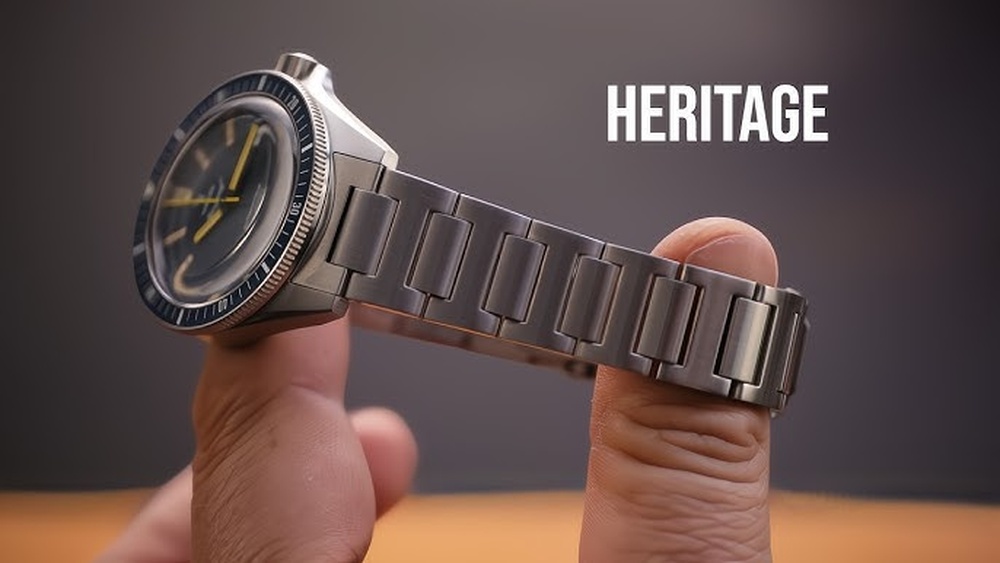
*Image suggestion: A close-up photo of an American luxury watch on a craftsman’s workbench.*
*Video suggestion: A behind-the-scenes tour of a US watchmaking workshop, showing hand assembly and engraving.*
The story of the Carriage Hill Traveller Timepiece is not just about a watch—it is about the art of travel,
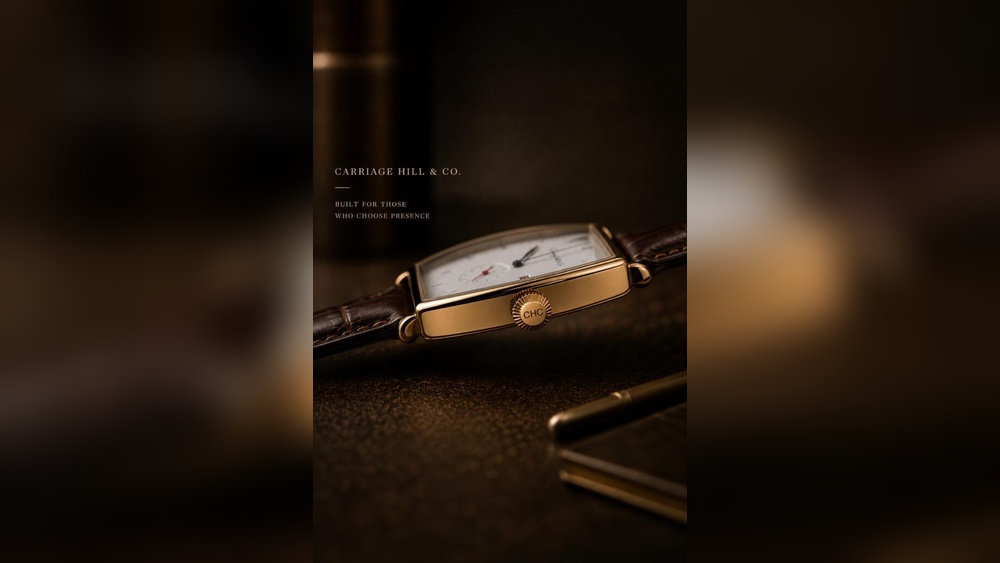
Carriage Hill And Co Watches: A Complete Guide If you search for a watch that blends tradition with modern style,

Carriage Hill Understated Luxury Watch: A Complete Guide A luxury watch is more than just a tool for telling time.
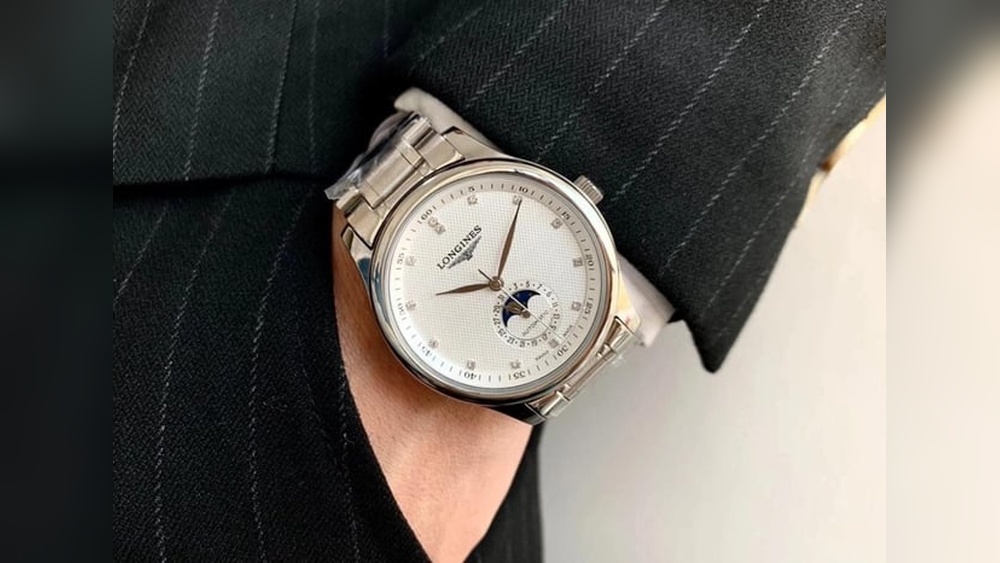
Finding a luxury dress watch under $700 is a rewarding challenge for style-conscious people who want elegance without the high
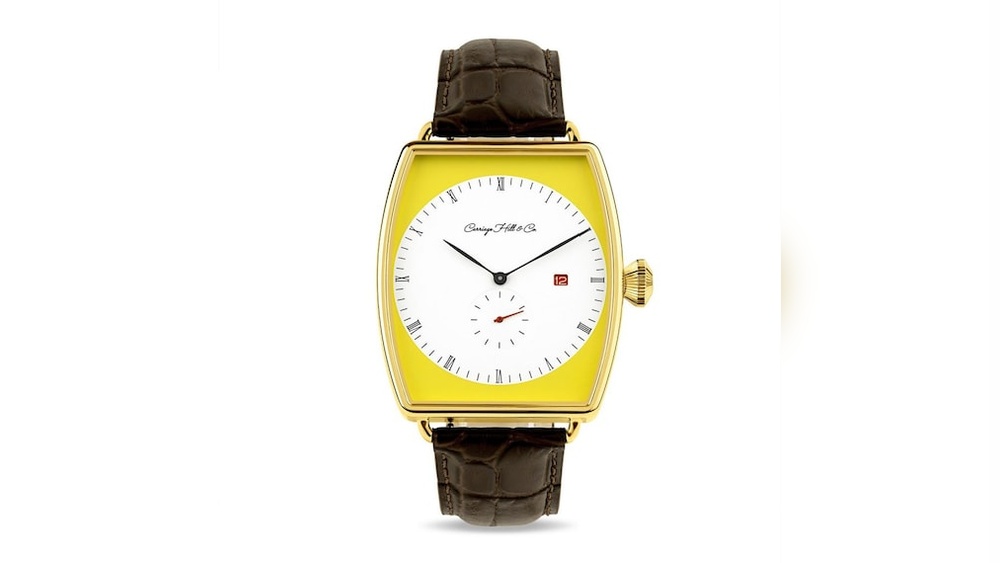
The world of luxury watches is filled with stories of craftsmanship, tradition, and innovation. Among these, the Carriage Hill Handcrafted
The world of watches is full of stories, tradition, and craftsmanship. For many people, a watch is not just a