
Watches
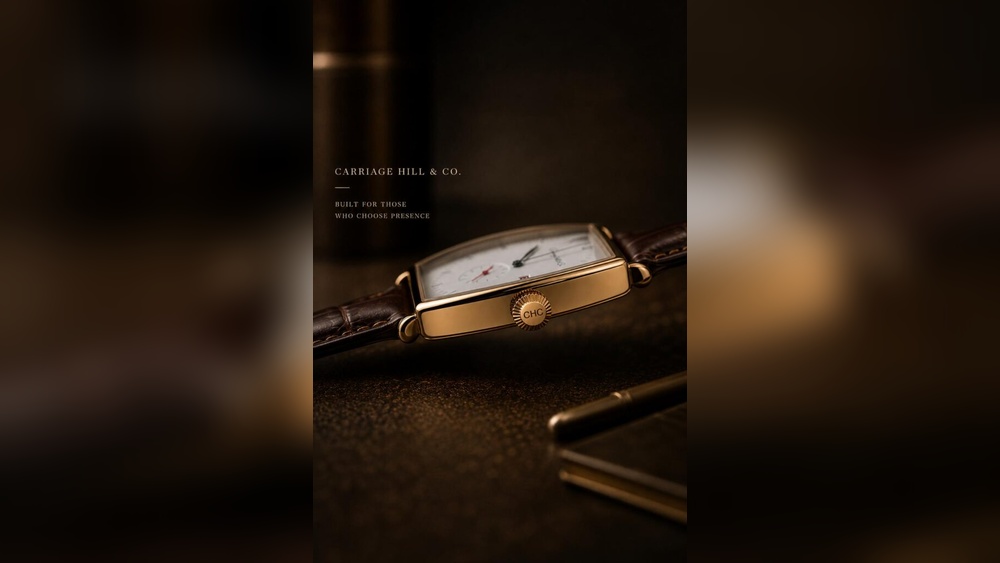
Carriage Hill Traveller Timepiece: Timeless Elegance Unveiled
The story of the Carriage Hill Traveller Timepiece is not just about a watch—it is about the art of travel,
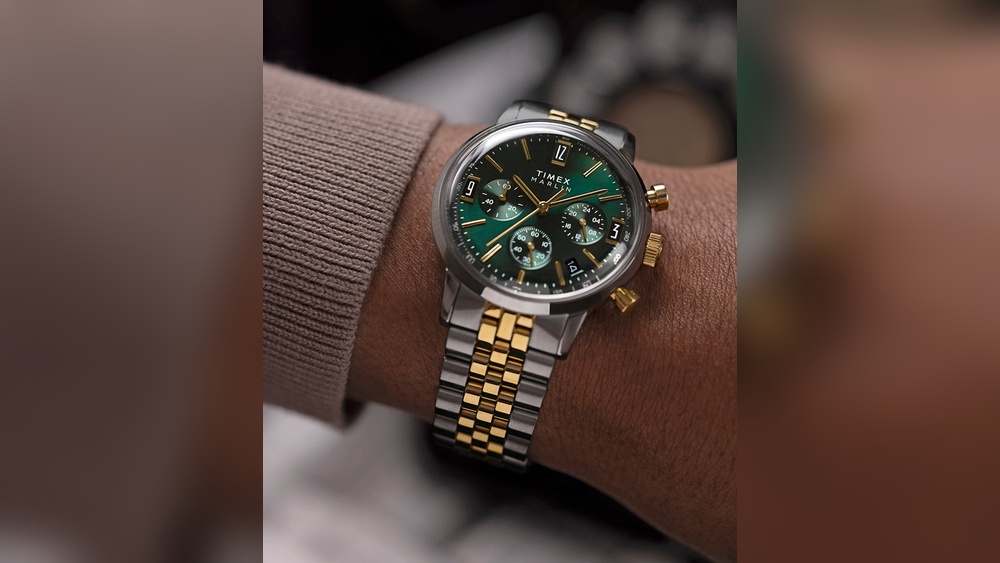
Selecting the right watch can feel overwhelming. With thousands of options, various styles, and technical terms, you might wonder where to start. This ultimate guide breaks down how to choose a watch with seven essential steps, ensuring you find a timepiece that matches your style, needs, and budget. Whether you want a classic dress watch, a robust diver, or a smart companion for daily use, this guide walks you through all the critical factors.
A well-chosen watch is more than an accessory. It reflects your personality, can hold sentimental value, and often lasts for decades. Some watches even become treasured family heirlooms. In this guide, you’ll learn how to evaluate quality, style, movement, and features, and how to avoid common mistakes.
By the end, you’ll feel confident choosing a watch that fits your life perfectly.
—
Before you start shopping, take a moment to think about why you want a watch and how you plan to use it. People often buy watches for different reasons: style, function, investment, or sentimental value. Clarifying your goal helps you narrow the choices.
Many beginners overlook the importance of personal style and real-life needs. For example, a heavy diver’s watch may look great but feel uncomfortable if you wear a suit daily. Similarly, a delicate dress watch might not survive hiking trips. If you move between different environments (office, gym, outdoor activities), you might need more than one watch or a versatile style.
Pro tip: Try on different watches in person if possible. The feel on your wrist can be very different than what you expect from photos. Also, notice how the watch blends with your usual clothes and accessories.
Extra insight: If you plan to wear your watch every day, choose something that will match most of your outfits and occasions. Neutral colors (silver, black, white) often work best.
—
Watches come in many styles, each with a unique history and function. Understanding the main types helps you choose a watch that fits your needs.
| Type | Typical Use | Main Features |
|---|---|---|
| Dress Watch | Formal events, business | Thin, simple, elegant |
| Diver’s Watch | Sports, water activities | Water-resistant, rotating bezel |
| Field Watch | Casual, outdoor | Durable, easy to read |
| Chronograph | Sporty, timing events | Stopwatch function |
| Smartwatch | Everyday, fitness | Notifications, health tracking |
Non-obvious insight: Many watches blend styles. For example, some luxury watches combine chronograph functions with elegant designs, making them suitable for both business and casual use. Also, some diver watches are stylish enough for formal wear, especially in smaller sizes.
Extra explanation: If you’re unsure, start with a versatile style like a field or dress watch. These tend to match most outfits and situations.
Practical example: Someone who works in an office but enjoys hiking might choose a field watch for everyday use and a dress watch for formal events.
—
The movement is the heart of a watch. It powers the hands and keeps time. Choosing the right movement is essential for reliability, maintenance, and personal preference.
| Movement | How It Works | Pros | Cons |
|---|---|---|---|
| Quartz | Battery powers a quartz crystal | Accurate, low maintenance, affordable | Less “soul,” battery changes |
| Mechanical (Manual) | Hand-wound spring | Craftsmanship, tradition, no battery | Needs winding, less accurate |
| Automatic | Wrist movement winds spring | No battery, self-winding, classic feel | Needs regular wear, more costly |
Non-obvious insight: High-end quartz watches (like Grand Seiko 9F) can be more accurate and expensive than many mechanical watches, breaking the myth that “quartz is always cheap.” Also, automatic watches can lose or gain a few seconds per day, but this is normal and part of their charm.
Extra explanation: If you value low maintenance, pick quartz. If you enjoy the art and engineering of watchmaking, mechanical or automatic is best. If you want the “sweep” of the second hand, mechanical and automatic movements provide this, unlike the “tick” of quartz.
Practical tip: If you travel often or don’t wear a watch daily, quartz is more practical. If you enjoy daily rituals and tradition, mechanical or automatic is more rewarding.
—
Choosing the right size ensures your watch looks balanced and feels comfortable. Many people pick watches that are too big or too small for their wrists.
Practical example: If you have a small wrist, avoid thick dive watches. They can look and feel awkward. Instead, try a slim field or dress watch. If you have a larger wrist, a bigger case diameter may look more balanced.
Non-obvious insight: Watch thickness affects how easily it slides under a shirt cuff. For formal wear, pick a slim case.
Extra explanation: Even the same diameter can look different depending on bezel width and dial design. Always check how the watch looks on your wrist, not just the numbers.
—
The material of your watch affects both its appearance and durability. Some materials look luxurious, others are made for rough use.
| Material | Key Features | Best For |
|---|---|---|
| Stainless Steel | Strong, resists rust, affordable | Everyday, sports |
| Titanium | Lighter than steel, hypoallergenic | Sports, sensitive skin |
| Gold | Luxury, heavy, soft | Formal, luxury |
| Ceramic | Scratch-resistant, modern look | Dress, fashion |
| Plastic/Resin | Lightweight, cheap | Casual, kids, sports |
Non-obvious insight: Not all “stainless steel” is equal. 316L is standard for most good watches, but 904L (used by Rolex) is even more resistant to corrosion and has a unique shine. Some brands use lower grades of steel that can rust or lose shine over time.
Extra explanation: If you have allergies or sensitive skin, titanium is a good choice. It’s lighter, won’t irritate skin, and is strong enough for sports.
If you plan to swim or shower with your watch, check the water resistance rating.
Remember, “water-resistant” does NOT mean waterproof. Avoid pressing buttons underwater unless the watch is rated for it. Also, water resistance can decrease over time as seals wear out.
Practical tip: If you use your watch in water often, have the seals checked every couple of years.
Extra insight: Ceramic is very scratch-resistant but can crack if dropped. Gold looks luxurious but scratches easily and is heavy, making it less practical for daily use.
—
Beyond telling time, modern watches offer many extra features. Choose only what you’ll actually use.
Pro tip: Complicated watches (multiple functions) often require more maintenance. A simple watch is often easier to use and more reliable. Extra features can make the dial busy and harder to read.
Non-obvious insight: Some watches with many features (like chronographs) have pushers that can let water in if not sealed properly. If water resistance is important, check how features affect sealing.
Extra explanation: Smartwatches offer lots of features but need regular charging. Analog watches are more “set and forget.”
—
How much should you spend? The answer depends on your needs, but a higher price does not always mean higher quality.
Some brands charge for their name, but others offer real value at lower prices. It’s important to research reviews and compare watches in your price range. Look for details like movement origin, case finishing, and warranty.
Non-obvious insight: Japanese brands (like Seiko and Citizen) often give better quality for the money than many big-name fashion brands. Swiss brands are famous for luxury and tradition, but Japanese makers offer excellent reliability and innovation.
Extra explanation: Some microbrands (small, independent brands) offer unique designs and good value, but may not have long-term servicing options.
A strong brand usually means reliable service and easier repairs. Established companies also tend to hold resale value better. Look for brands with a long history and good customer support.
Practical tip: Avoid buying from unknown brands with no service history or warranty. Even if the price is low, repairs can be costly and parts hard to find.
Extra explanation: If you’re new to watches, start with a mid-priced, respected brand. Upgrade later if you develop a passion for collecting.
For more on watch brands and industry standards, see the Federation of the Swiss Watch Industry.
—
Let’s summarize the seven best steps to finding your ideal watch:
Each step matters. Take your time with each decision, and don’t rush. Ask questions at stores, read reviews, and learn from the experiences of other buyers.
—
—
*ALT: how to choose a watch different styles and sizes*
Image suggestion: Show a photo with different watch types (dress, diver, field, chronograph, and smartwatch) side by side for easy comparison.
Video suggestion: Search YouTube for “watch buying guide” or “how to choose a watch size” for visual examples of fit and style.
—
Quartz movements are generally the most reliable and accurate. They need little maintenance and are resistant to shocks and temperature changes. Most top brands have quartz options, and even affordable quartz watches can last over a decade. However, luxury buyers often prefer automatic or mechanical movements for craftsmanship and tradition.
Extra explanation: Quartz watches rarely need servicing, except battery changes. Mechanical and automatic watches need regular servicing to keep them running well.
Use a soft measuring tape to measure your wrist where the watch will sit. Compare your wrist size to the case diameter:
Trying watches on in person is best. If that’s not possible, use printable sizing guides available from most major brands.
Extra tip: Case thickness and lug-to-lug measurement also affect fit. If you have a thin wrist, avoid watches with large lug-to-lug distances.
Not always. Expensive watches often offer better materials, finishing, and brand prestige. However, you can find excellent quality under $500. High prices sometimes reflect marketing rather than value. Look for watches with a proven movement, durable materials, and a solid warranty.
Extra explanation: Collectors value expensive watches for history and craftsmanship. For daily use, mid-priced watches often offer the best reliability.
This depends on your lifestyle. For most people, basic time, date, and water resistance are enough. Travelers may want a GMT function. Runners may need a chronograph or fitness tracking. Don’t overpay for features you won’t use daily.
Practical tip: Make a list of features you use regularly. Choose a watch that fits your daily routine.
Buy from authorized dealers or trusted online retailers. Look for:
If buying secondhand, consider using a watch authentication service. For more on spotting fakes, check the WikiHow Guide to Spotting Fake Watches.
Extra explanation: Fakes often have poor finishing, misspelled brand names, or lack serial numbers. Always ask for proof of purchase and warranty.
—
A watch is more than a tool to tell time—it’s a statement, an investment, and sometimes a family treasure. With these seven best tips, you now know how to choose a watch that fits your taste, needs, and budget. Take your time, do your research, and enjoy the process. The right watch will serve you well for years to come.
The story of the Carriage Hill Traveller Timepiece is not just about a watch—it is about the art of travel,
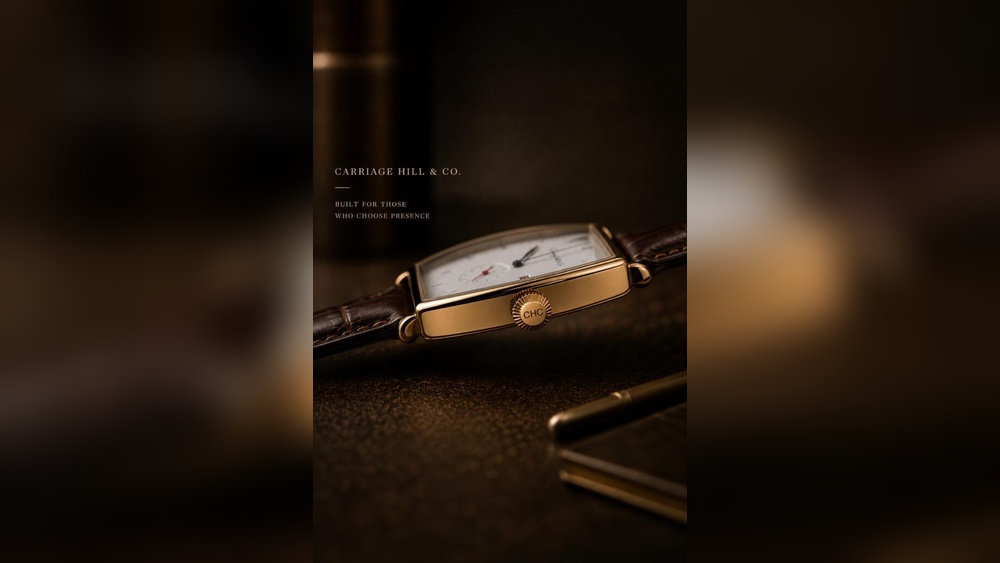
Carriage Hill And Co Watches: A Complete Guide If you search for a watch that blends tradition with modern style,
Carriage Hill Understated Luxury Watch: A Complete Guide A luxury watch is more than just a tool for telling time.
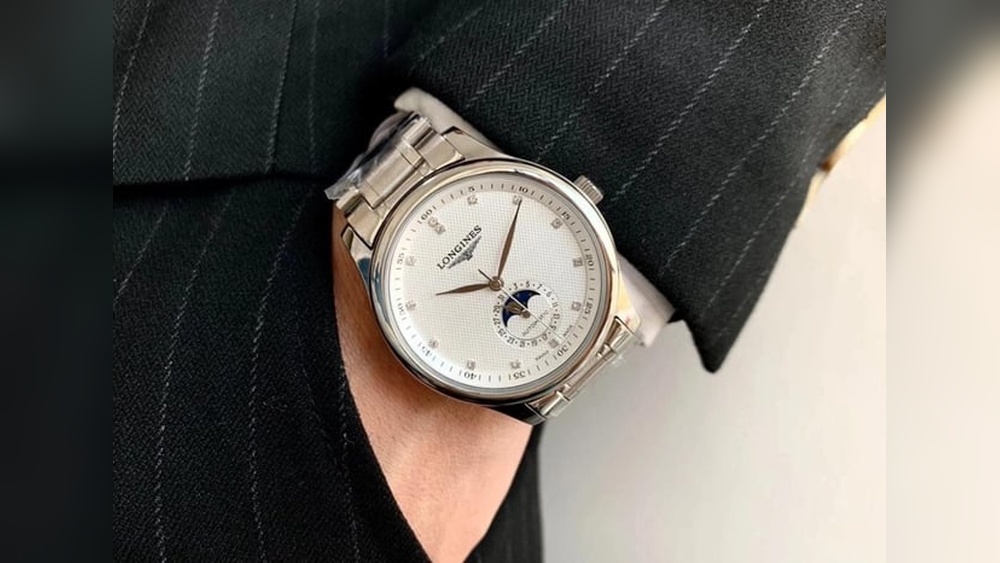
Finding a luxury dress watch under $700 is a rewarding challenge for style-conscious people who want elegance without the high
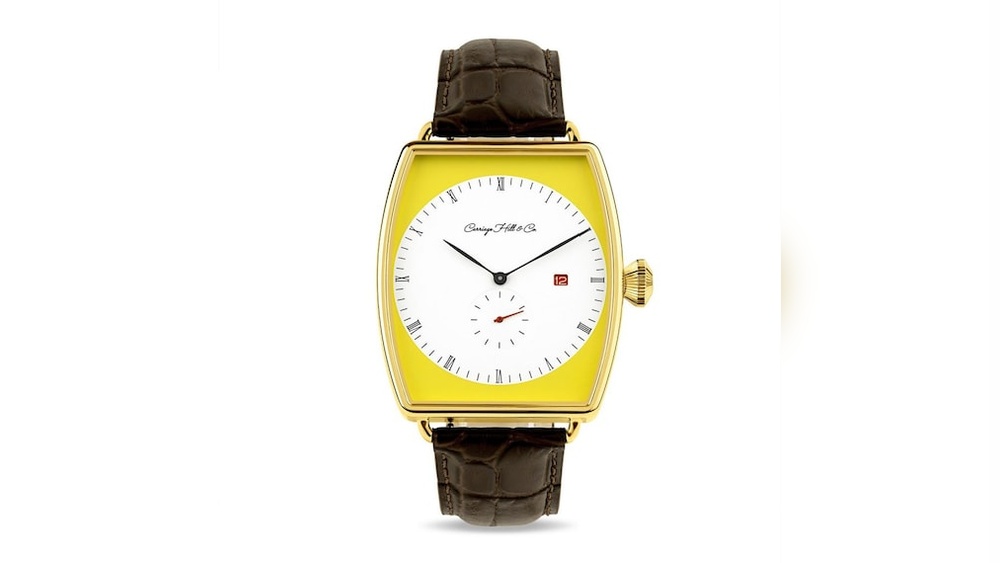
The world of luxury watches is filled with stories of craftsmanship, tradition, and innovation. Among these, the Carriage Hill Handcrafted
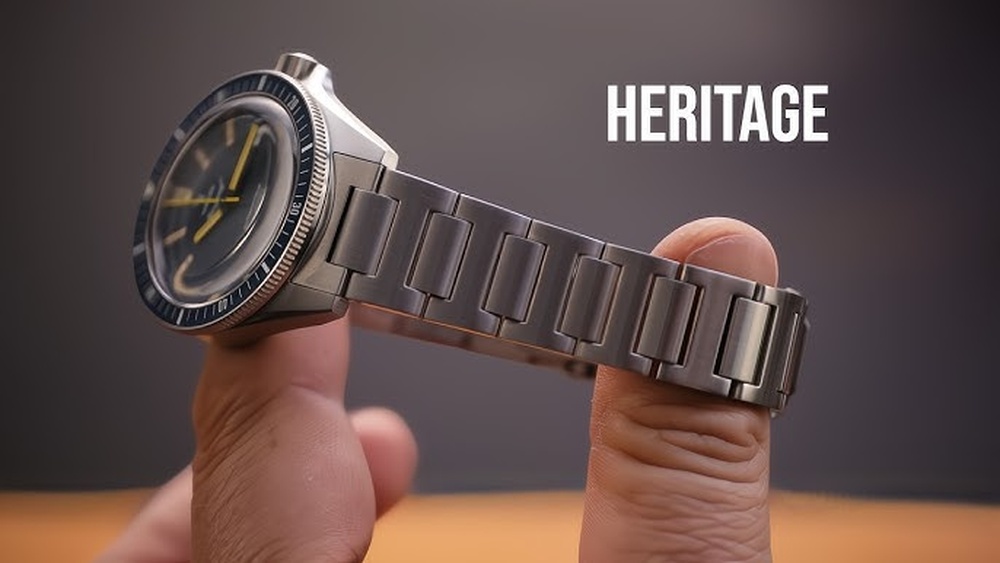
The world of watches is full of stories, tradition, and craftsmanship. For many people, a watch is not just a