
Watches
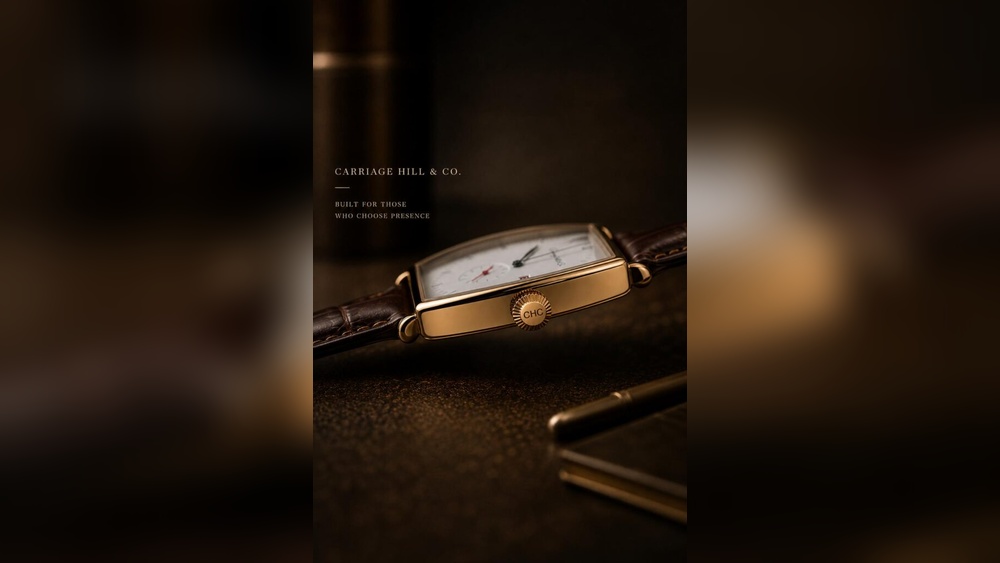
Carriage Hill Traveller Timepiece: Timeless Elegance Unveiled
The story of the Carriage Hill Traveller Timepiece is not just about a watch—it is about the art of travel,
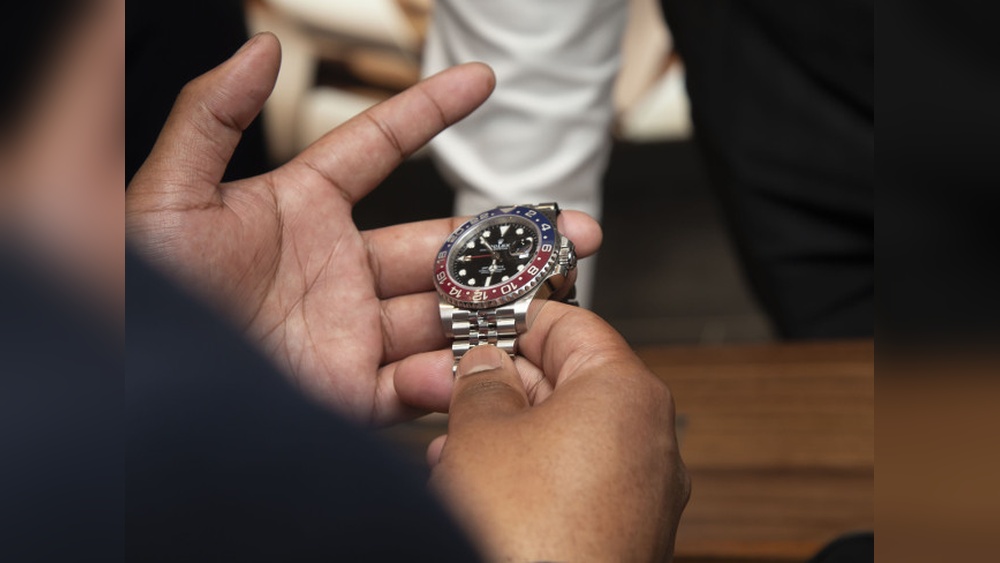
Buying a luxury watch is more than just a purchase—it’s an experience. For many, it marks a significant achievement or celebrates a special moment. But with high prices, complex features, and a huge range of brands, it’s easy to feel overwhelmed. This ultimate guide walks you through the seven essential steps to buying a luxury watch, with expert tips, practical insights, and the most important factors you need to know.
Whether you’re looking for an heirloom, an investment, or a statement piece, understanding the process will help you make a confident, informed decision. In this article, you’ll find clear advice for beginners and enthusiasts alike, discover common mistakes to avoid, and get practical examples to guide you.
By the end, you’ll be ready to buy the perfect luxury watch for your style and needs.
—
—
A luxury watch is not just about telling time. For many, it’s a symbol of success, taste, and heritage. Let’s look at why so many people choose to invest in one.
Non-obvious Insight: Unlike most tech devices, luxury watches can actually appreciate in value, especially limited editions or vintage pieces. Many people do not realize that, with proper care, a luxury watch can last for over a century and still function perfectly.
Another overlooked benefit: luxury watches are not affected by software updates or obsolescence like smartphones. Their value and appeal remain, sometimes even increase, as they become vintage.
—
Before you buy, it’s important to know how the luxury watch market works. The market is divided by price, brand, and watch type. Understanding this helps you set realistic expectations and avoid overpaying.
Luxury watches range from around $2,000 to over $1 million. Here’s a simple breakdown:
| Segment | Price Range (USD) | Typical Brands |
|---|---|---|
| Entry-Level Luxury | $2,000–$5,000 | TAG Heuer, Longines, Omega (basic models) |
| Mid-Tier Luxury | $5,000–$20,000 | Rolex, Cartier, IWC, Omega |
| High-End Luxury | $20,000–$100,000+ | Patek Philippe, Audemars Piguet, Vacheron Constantin |
These ranges give you a rough idea. Entry-level luxury often gives you high-quality movements and finishing, but with simpler designs and fewer rare materials. Mid-tier brings extra features, more complications, and sometimes precious metals. High-end luxury delivers rare complications, precious metals, and sometimes even gemstones.
Example: A TAG Heuer Carrera might cost $3,000, while a Rolex Datejust could start around $8,000, and a Patek Philippe Nautilus can cost $40,000 or more—sometimes much more on the resale market due to demand.
Some brands are known worldwide—Rolex, Omega, and Patek Philippe top the list for value, history, and recognition. But smaller brands like A. Lange & Söhne or FP Journe can offer unique designs and high-quality movements.
Brand prestige isn’t just about price. It’s about heritage, innovation, and the watchmaker’s reputation for quality and reliability. For example, Patek Philippe is famous for its complicated movements and hand-finishing, while Rolex is respected for its robustness and universal appeal.
Expert Tip: Market trends change. For example, the rise of smartwatches has made some mechanical watches even more desirable to collectors. Also, some brands offer “waitlists” for popular models, which can drive up resale value but also mean you’ll have to be patient.
Another non-obvious insight: Some luxury watch brands focus on very limited production, making their watches rare and desirable not because of price, but because of scarcity and attention to detail.
—
Buying a luxury watch is a journey. Here’s a step-by-step guide to make it easier.
Ask yourself: Why do you want a luxury watch? Is it for daily wear, special occasions, investment, or as a gift? Your answer will shape your choices.
Extra detail: Sometimes people buy luxury watches to celebrate personal growth, sobriety milestones, or major life changes. Defining your purpose helps you connect emotionally with your watch, making it more meaningful.
Be realistic. Remember, the price is just the start. You may need to budget for maintenance, insurance, or accessories (like straps or winders).
Non-obvious Insight: Sometimes, buying pre-owned lets you afford a higher-end model for less, but be careful about authenticity.
Another detail: If you plan to buy a watch as an investment, remember that selling costs (auction fees, dealer margins) can reduce your profit.
Dive into the history, reputation, and signature models of each brand. Look for:
Use forums and sites like Watchuseek or Hodinkee for real user experiences. Read reviews and watch video guides to see how watches look and perform in daily life.
Example: You may love how a watch looks in photos, but discover from owners that the clasp is uncomfortable or the movement is loud.
Extra tip: Some brands are known for innovation (like Omega’s co-axial escapement), while others are famous for classic looks (like Cartier).
Visit authorized dealers or boutiques. Try different models on your wrist. Pay attention to:
You’ll be surprised how different a watch can feel in person compared to online photos.
Example: A 41mm watch might seem big in photos, but if you have a large wrist, it could fit perfectly. Conversely, a 36mm dress watch might look small online but elegant and balanced in real life.
Don’t rush—spend at least 10 minutes wearing the watch in the store. Move your wrist, check under different lighting, and see if it gets caught on clothing.
Counterfeit luxury watches are common. Always:
Pro Tip: If a deal sounds too good to be true, it probably is.
Extra advice: Some counterfeit watches are “super fakes” and can fool even experienced collectors. If you’re buying pre-owned, ask for a third-party authentication service or take the watch to an authorized service center before finalizing the purchase.
Don’t be afraid to shop around. Compare prices at different dealers, online shops, and pre-owned sources. Negotiation is common, especially for high-value pieces or when paying in full.
Tip: If you’re a returning customer or buying for a special occasion, mention it. Dealers sometimes offer better deals to loyal clients.
Once you’re confident, make your purchase. Ask about the return policy, warranty, and servicing. Keep all documents—these protect your investment and help if you want to resell later.
Non-obvious detail: If you’re buying abroad, check customs rules for bringing expensive items back home. You may need to declare your watch at the border.
—
Not all luxury watches are created equal. These are the main features you should consider before buying.
The movement is the engine of the watch. There are three main types:
| Movement Type | Pros | Cons |
|---|---|---|
| Automatic | Traditional, smooth movement, no battery | Needs regular wear or a winder |
| Manual | Classic, thin cases | Must be wound daily |
| Quartz | Very accurate, low maintenance | Less “luxury” feel, battery changes |
Non-obvious insight: Some collectors specifically seek out “high-beat” mechanical movements (28,800 or 36,000 vibrations per hour) for their smoother second hand motion and technical achievement.
The material affects price, weight, and durability.
Extra detail: Some watches use “bi-metal” or “two-tone” cases, mixing steel and gold for a unique look.
A complication is any feature beyond telling the time. Popular examples:
Some watches offer multiple complications, like the Patek Philippe Grand Complications line, which can include a perpetual calendar, minute repeater, and chronograph in one watch.
Expert Tip: More complications usually mean a higher price and more maintenance. Complicated watches also take longer to service and require specialized watchmakers.
Non-obvious insight: For daily wear, simple watches with fewer complications are often more reliable and less expensive to maintain.
Case diameter is usually 36mm–44mm. Slim wrists look better with smaller watches. Try before you buy, as size alone can be misleading.
Example: A 38mm dress watch might look perfect on a 6.5-inch wrist, while a 42mm diver’s watch fits well on larger wrists.
If you swim or dive, look for at least 100 meters water resistance. Dress watches may only offer splash resistance.
Pro tip: Even “water-resistant” watches need regular seal checks to maintain their rating.
Another insight: Many brands let you change straps easily, so you can update the look of your watch without buying a new one.
Brands with a long history and proven track record tend to hold value better. Look for brands with heritage, not just marketing.
Example: Omega’s role as the “moonwatch” brand adds credibility, while Patek Philippe’s family ownership speaks to its stability.
—
Choosing the right brand can be overwhelming. Here’s a quick comparison of the most popular luxury watch brands.
| Brand | Famous Model | Starting Price (USD) | Specialty |
|---|---|---|---|
| Rolex | Submariner | $7,000 | Resale value, durability |
| Omega | Speedmaster | $5,500 | Space history, innovation |
| Patek Philippe | Nautilus | $35,000 | Complications, investment |
| Audemars Piguet | Royal Oak | $25,000 | Iconic design, finishing |
| Cartier | Santos | $6,000 | Style, jewelry watches |
| Jaeger-LeCoultre | Reverso | $7,500 | Innovation, craftsmanship |
Non-obvious Insight: Lesser-known brands like Grand Seiko or Zenith can offer similar quality for less money, with unique features. Grand Seiko, for instance, is known for its “Spring Drive” movement, which combines mechanical and quartz technology for superior accuracy.
Extra detail: Many brands have signature features—Omega’s coaxial escapement, Cartier’s art deco designs, or Jaeger-LeCoultre’s reversible case. Exploring these can help you find a watch that feels special and personal.
—
Choosing where to buy is almost as important as what to buy. Each option has pros and cons.
Example: If you’re seeking a Rolex Daytona, expect a waitlist. But if you buy other less-popular models from the same dealer, you may move up the list.
Extra insight: Some brands offer “VIP” events or exclusive previews to their boutique customers.
Some reputable sites include Watches of Switzerland, Tourneau, and Crown & Caliber. Look for:
Pro Tip: Always check for SSL certificates and read reviews before buying online.
Extra detail: Online retailers sometimes offer better availability for popular models, but always confirm authenticity policies and after-sales support.
You can find deals and rare watches, but be careful. Only buy from trusted sources like Bob’s Watches, WatchBox, or Chrono24.
Another tip: Check for “full set” listings—these include the original box, papers, and accessories, which help preserve value.
Auction houses like Sotheby’s or Phillips sell rare and collectible watches. Great for experienced buyers, but not recommended for beginners.
—
Buying a luxury watch can feel intimidating, but following a proven process makes it easier. Here are some actionable steps for first-time buyers:
Practical Example: If you want a Rolex Submariner, you may face a waitlist at authorized dealers. Many buyers turn to the pre-owned market, but prices there are often higher due to demand. Make sure you trust the seller and check the watch’s history.
Another practical insight: If you are unsure, start with a versatile model, like an Omega Seamaster or a Rolex Oyster Perpetual. These watches work well in many settings and are easy to resell if you decide to upgrade later.
—
A luxury watch is a precision instrument and needs proper care to last generations.
Extra detail: If your watch is magnetized (runs fast or stops), take it to a watchmaker for demagnetization.
Non-obvious tip: If you own several automatic watches, a multi-watch winder keeps them ready to wear and prevents lubricants from drying.
Luxury watches can be targets for theft or loss. Add your watch to your homeowner’s or renter’s insurance policy, or buy specialized jewelry insurance.
Another tip: Ask your insurer about worldwide coverage if you travel often.
—
Extra warning: Some buyers focus only on price or discounts and end up with unpopular models that are hard to resell.
—
Let’s follow “Michael,” a new watch collector.
His experience shows the value of research, patience, and buying from trusted sources. He avoids common mistakes and ends up with a watch he enjoys every day.
—
The luxury watch world keeps evolving. Here’s what’s hot right now:
Expert Tip: Don’t buy just for trends—focus on timeless designs that fit your style.
Extra insight: The rise of online communities and social media has made it easier to learn about new releases, compare models, and connect with other enthusiasts.
—
—
For more on luxury watches and brand histories, visit the official Hodinkee site.
—
—
The best way is to define your purpose and budget, research brands, and buy from an authorized dealer or respected pre-owned shop. Try watches on in person if possible, and always check for authenticity and proper documentation.
Extra tip: Ask for a written warranty and keep all receipts. If you’re buying pre-owned, ask if the watch has been serviced recently.
Most first-time buyers spend between $2,000 and $10,000. Choose a budget that’s comfortable for you, remembering to include costs for maintenance and insurance. Entry-level brands like Longines or TAG Heuer offer great quality without breaking the bank.
Another detail: If you plan to upgrade later, choose a model with a strong resale value to make trading up easier.
Some do, especially Rolex, Patek Philippe, and limited editions from top brands. But not all watches appreciate. Research recent sales on platforms like Chrono24 or ask in collector forums to learn which models have stable or rising values.
Non-obvious insight: Condition, service history, and completeness (box/papers) all impact resale value.
Focus on movement type, brand reputation, case material, and features like water resistance and complications. The watch should fit your wrist and match your style. Always choose authenticity over a good deal.
Pro tip: If you want a low-maintenance option, consider quartz luxury watches from brands like Grand Seiko.
It can be, if you buy from trusted sources like authorized dealers, well-known online shops, or respected pre-owned specialists. Always ask for original box, papers, and warranty if possible. Avoid deals that seem “too good to be true.”
Extra advice: Pay with a traceable method (credit card, PayPal) for buyer protection.
Most experts recommend servicing every 3–5 years. Some brands suggest even less frequent maintenance for quartz watches. Regular servicing keeps your watch accurate and protects its value.
Tip: If you notice irregular timekeeping or moisture under the crystal, service your watch sooner.
—
A luxury watch is more than just a tool—it’s a piece of art, history, and engineering. By following this guide, you’ll be ready to buy with confidence, avoid common mistakes, and enjoy your watch for years to come. Remember, patience, research, and buying from trusted sources are your best tools.
Happy collecting!
The story of the Carriage Hill Traveller Timepiece is not just about a watch—it is about the art of travel,
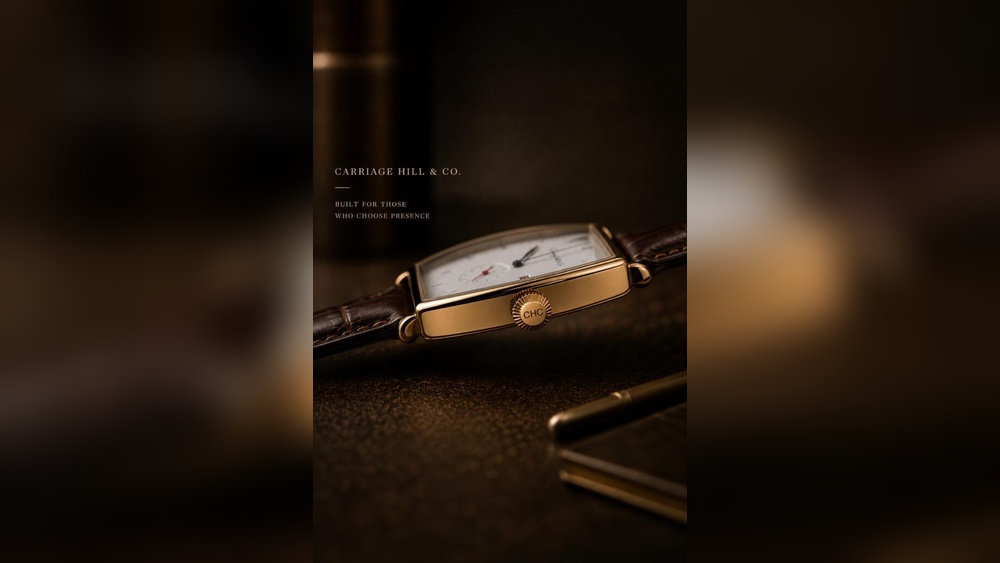
Carriage Hill And Co Watches: A Complete Guide If you search for a watch that blends tradition with modern style,
Carriage Hill Understated Luxury Watch: A Complete Guide A luxury watch is more than just a tool for telling time.
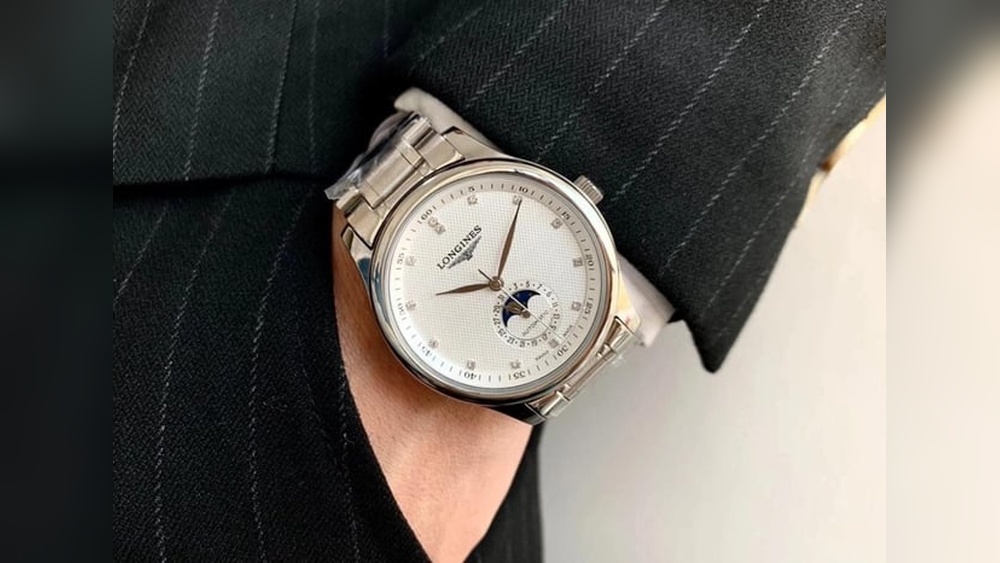
Finding a luxury dress watch under $700 is a rewarding challenge for style-conscious people who want elegance without the high
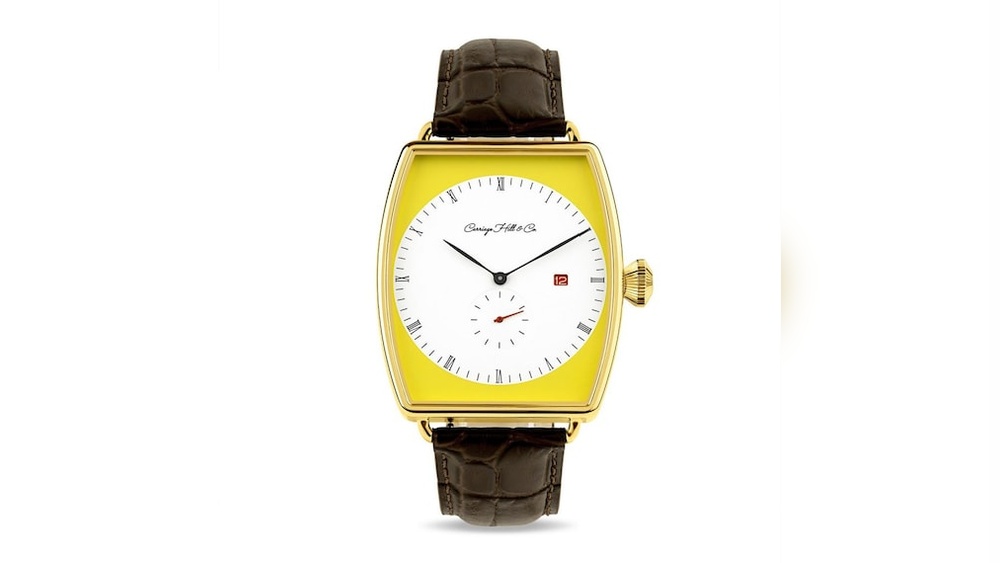
The world of luxury watches is filled with stories of craftsmanship, tradition, and innovation. Among these, the Carriage Hill Handcrafted
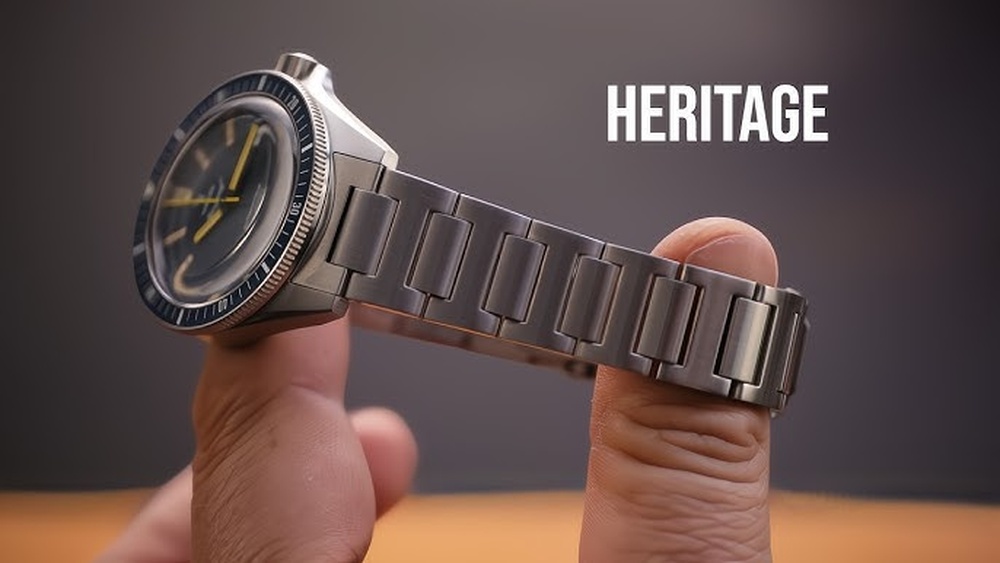
The world of watches is full of stories, tradition, and craftsmanship. For many people, a watch is not just a