
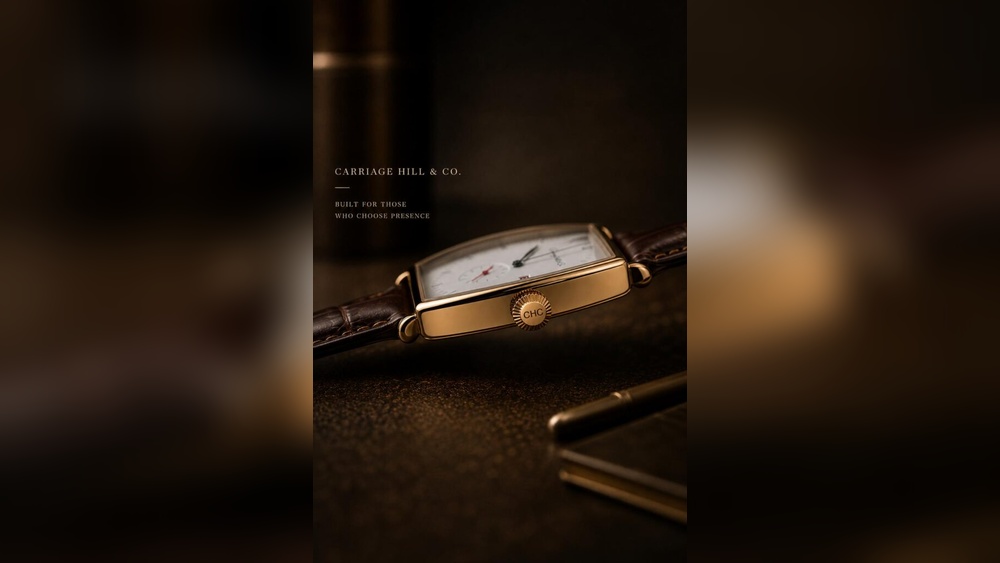
Watches
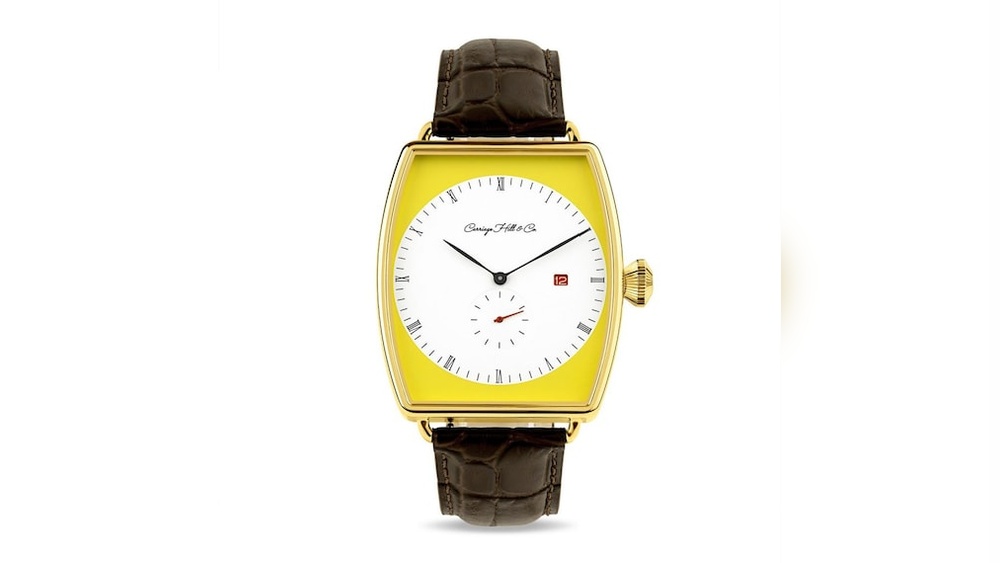
Carriage Hill Traveller Timepiece: Timeless Elegance Unveiled
The story of the Carriage Hill Traveller Timepiece is not just about a watch—it is about the art of travel,

Luxury watches have always been a symbol of status, precision, and craftsmanship. In 2024, the luxury watch market news shows a vibrant mix of tradition and innovation. Brands like Rolex, Patek Philippe, and Audemars Piguet are still leading, but new players and fresh trends are changing the game. For collectors, investors, and fans, staying up to date with market news is key. This guide covers seven powerful trends and insights, giving you a complete look at the luxury watch market. Whether you want to buy, invest, or simply appreciate these masterpieces, you’ll find the latest data, examples, and expert advice here.
The luxury watch market is valued at over $40 billion globally, according to recent reports. Switzerland is still the main hub, producing about 95% of luxury watches. The market is split between classic mechanical watches and modern smartwatches, but pure luxury brands focus on craftsmanship, heritage, and exclusivity.
Even though smartwatches are growing in popularity, traditional luxury watches continue to appeal to those who appreciate mechanical artistry and timeless style. Swiss brands have preserved centuries-old methods, while also adapting modern materials and technologies.
Switzerland dominates, but Germany (A. Lange & Söhne), Japan (Grand Seiko), and the US (Hamilton) are also important. The top three brands by revenue are Rolex, Omega, and Cartier.
Rolex continues to set the standard for both quality and market influence. Omega’s presence in sports and space history keeps it relevant, while Cartier blends jewelry and watchmaking for a broader appeal. Grand Seiko is gaining respect for its “spring drive” technology and handcrafted dials.
Luxury watches are both passion and investment. Many models increase in value, and buyers range from celebrities to everyday enthusiasts. The market is influenced by global events, economic shifts, and changing tastes.
For many, owning a luxury watch is about more than telling time—it’s about heritage, artistry, and personal achievement. Watches often become family heirlooms and symbols of milestones. The investment side is also growing, with more people seeing watches as a safe haven during uncertain times.
Staying informed about trends in luxury watch market news helps you make smarter decisions. Here are seven trends that are shaping 2024:
Demand for pre-owned luxury watches is rising fast. The global pre-owned market is now worth over $8 billion. Platforms like Chrono24 and WatchBox make buying and selling easier. Vintage models, especially rare pieces, often outperform new ones in price growth.
The appeal of vintage goes beyond investment. Many collectors look for unique dial colors, patina, and historic references. For example, Rolex “Paul Newman” Daytona models are legendary in auctions and can fetch over $1 million.
Buying vintage requires careful research, as condition and originality greatly affect value. Always ask for provenance and service history, and consider expert authentication.
Brands are shifting online. Digital sales grew by 15% in 2023. Brands like Omega and TAG Heuer offer direct e-commerce, virtual showrooms, and online authentication. Social media marketing is a major driver, connecting brands with younger audiences.
Consumers now expect seamless online experiences. Virtual try-on tools, live chat with experts, and video walkthroughs are common. TAG Heuer’s “Connected” platform lets buyers customize watches online, while Omega’s digital store offers exclusive web-only editions.
Omega launched a virtual store in 2024, using 3D tours and live chat with experts. Buyers can schedule video calls to view models up close, ask questions, and even check their wrist size using augmented reality.
Many brands also use influencer campaigns and YouTube reviews to drive awareness. This digital shift has made luxury watches more accessible to buyers worldwide and reduced barriers to entry.
Consumers care about how watches are made. Brands are using recycled metals, fair-trade gold, and eco-friendly packaging. Cartier and IWC have launched sustainable collections. Transparency is becoming a selling point.
IWC’s “Green Leadership” initiative uses recycled steel and solar-powered factories. Brands like Chopard and Panerai now publish environmental impact reports. Packaging is also changing, with biodegradable materials and reusable boxes.
Some brands offer full traceability for precious metals, showing buyers the origin of gold or diamonds. This appeals to eco-conscious buyers and builds trust.
Scarcity drives demand. Limited edition releases and brand collaborations (like Omega x Swatch) create hype and waiting lists. These models often sell out quickly and become collector favorites.
Collaborations can include artists, athletes, or other brands. Audemars Piguet’s partnership with Marvel produced a Black Panther-themed Royal Oak, which sold out instantly and became a collector’s item.
Limited editions are often numbered, with special engravings and packaging. For example, the TAG Heuer Monaco Gulf edition features the famous racing livery and unique casebacks. These watches tend to hold value well, especially if the collaboration is high-profile.
Luxury brands are blending classic styles with tech. Hublot and TAG Heuer offer smartwatches with luxury materials and design. While mechanical watches remain popular, hybrid models attract a new segment.
TAG Heuer’s Connected series offers fitness tracking, NFC payments, and customizable faces, all wrapped in titanium or ceramic cases. Hublot’s Big Bang E delivers notifications and apps, but still feels like a traditional luxury watch.
Some buyers like the flexibility of smart features for daily use, while collecting mechanical watches for special occasions. The line between tech and tradition is blurring, with more brands experimenting in this space.
China, Hong Kong, and Japan are leading growth. Asian buyers account for nearly 50% of global luxury watch sales. Brands are opening more stores and adapting marketing for local tastes.
Many brands now create region-specific models, such as red dial versions for Lunar New Year or limited editions with Asian motifs. Omega’s “Shanghai Boutique” collection features unique designs not sold elsewhere.
The Asian market is also shaping global trends. Younger buyers in China prefer bold colors, larger cases, and watches tied to pop culture. Brands like Seiko and Grand Seiko are leveraging this interest with special releases.
Auction houses like Christie’s and Sotheby’s report record sales. In 2023, a Patek Philippe Grandmaster Chime sold for $17 million. Investors see watches as assets, not just accessories.
Auction catalogs now feature more vintage and rare models, often with detailed provenance. Rolex, Patek Philippe, and Audemars Piguet dominate high-value sales. Some watches are bought purely as investment vehicles, with buyers rarely wearing them.
Watches are also being bundled with NFTs and digital certificates, adding new layers to ownership and authentication. This approach appeals to tech-savvy investors and adds transparency.
Understanding what leading brands are doing is a big part of luxury watch market news. Here’s a look at their latest strategies:
Rolex remains the most recognized name. In 2024, Rolex released the new Explorer II, which sold out within hours. The brand is known for strict control over supply, fueling demand.
Rolex’s strategy is about maintaining exclusivity. The waiting lists at authorized dealers create buzz and scarcity. Some models, like the Daytona or Submariner, are often seen as “must-have” pieces for collectors.
Rolex’s service network is also a key advantage. Buyers trust the brand’s after-sales support and global warranty.
Patek Philippe is famous for complexity and exclusivity. The brand’s Nautilus line is still a top performer in auctions. In 2024, Patek introduced the Annual Calendar Travel Time, combining two popular complications.
Patek’s “You never actually own a Patek Philippe…” campaign highlights the brand’s focus on legacy and family. Many Patek watches are passed down through generations.
Patek Philippe also offers rare hand-painted dials, which are highly sought after and often produced in extremely limited numbers.
Audemars Piguet focuses on innovation. The Royal Oak Offshore collection has new colors and materials. AP is also active in digital sales and influencer marketing.
AP’s “Code 11. 59” collection shows its push to modernize design. The brand is also known for hosting exclusive events for collectors, often featuring celebrities and artists.
AP’s boutique-only models add another layer of exclusivity, encouraging collectors to visit stores and engage with the brand directly.
Omega is known for precision and sports partnerships. The Speedmaster Moonwatch remains iconic. In 2024, Omega released a green dial Seamaster, targeting younger buyers.
Omega’s history with NASA and the Olympics keeps the brand in the spotlight. The Seamaster and Speedmaster lines are favored by both enthusiasts and new buyers.
Omega’s Master Chronometer certification is a mark of quality, showing the watch meets strict accuracy and anti-magnetic standards.
Cartier blends jewelry and watchmaking. The Santos and Tank lines are top sellers. Cartier’s eco-friendly initiatives are attracting new customers.
Cartier’s watches often appeal to both men and women, with elegant designs and precious materials. The brand’s digital marketing is strong, using Instagram influencers and online launches.
Cartier’s “Cartier Care” program offers extended warranties and personalized services, adding value for buyers.
| Brand | New Releases | Digital Initiatives | Sustainability |
|---|---|---|---|
| Rolex | Explorer II, Oyster Perpetual | Online waitlists | Recycled steel |
| Patek Philippe | Annual Calendar Travel Time | Virtual auctions | Responsible sourcing |
| Audemars Piguet | Royal Oak Offshore | Influencer campaigns | Eco packaging |
| Omega | Seamaster green dial | Direct e-commerce | Recycled gold |
| Cartier | Santos, Tank | Instagram events | Fair-trade gold |
Numbers tell a story in the luxury watch market news. Here’s the latest data:
This growth is driven by both new and pre-owned markets. Online platforms have made buying easier, and global demand remains strong.
| Region | Market Share (%) | Growth Rate (%) |
|---|---|---|
| Asia-Pacific | 48 | 9 |
| Europe | 28 | 5 |
| North America | 18 | 6 |
| Middle East | 6 | 4 |
Asia-Pacific leads thanks to strong demand in China, Hong Kong, and Japan. European collectors focus on heritage and tradition, while North America sees growth in online sales and auctions.
Auction prices show the strength of the market. Many buyers now attend auctions online, joining live bidding from anywhere in the world. This change has expanded access and increased competition for rare pieces.
Luxury watches have outperformed stocks in some years. The Knight Frank Luxury Investment Index shows a 5-year growth of 89% for watches.
Some models, like Rolex Daytona or Patek Philippe Nautilus, have seen values double or triple in the last five years. Investors often focus on limited editions and watches with proven history.
| Asset | 5-Year Growth (%) | Risk Level |
|---|---|---|
| Luxury Watches | 89 | Medium |
| Fine Art | 70 | High |
| Wine | 57 | Medium |
| Stocks (S&P 500) | 54 | High |
Buying luxury watches is less volatile than stocks or art, but still requires careful research. Condition, provenance, and brand reputation are key to value retention.
Understanding who buys luxury watches is key. The luxury watch market news shows changing demographics and preferences.
The age range reflects both established collectors and younger buyers entering the market. Female buyers are increasingly important, with brands launching dedicated collections and marketing campaigns.
Buyers also care about after-sales support, warranty, and service options. Some value the experience of visiting boutiques and participating in collector events.
Custom editions for specific regions are becoming common. For example, Seiko’s “Presage” line offers Japanese-themed dials, while Omega’s “US Olympic Edition” targets American buyers.
Many brands are now designing watches for women, recognizing their growing influence. Cartier and Omega have launched special lines to meet this demand. This shift is not obvious to many, but it’s changing marketing and design strategies.
For example, Omega’s “Aqua Terra Shades” series targets women with softer colors and smaller cases. Cartier’s “Tank Française” is marketed as both a jewelry and a watch, appealing to female buyers.
Instagram and YouTube are now major platforms for watch collectors. Influencers and reviewers affect buying choices. Brands often invite online personalities to launch events, which increases engagement.
Some collectors follow YouTube channels for reviews and market news. Instagram hashtags like #wristshot or #watchfam connect enthusiasts worldwide. Brand collaborations with influencers can boost sales and awareness almost overnight.
The luxury watch market is strong, but it faces several challenges.
Fake watches are a big problem. The global counterfeit market is worth $1. 5 billion. Brands are fighting back with digital certificates, QR codes, and blockchain technology.
Counterfeiters are using advanced methods, making fakes harder to spot. Buyers should check serial numbers, request digital certificates, and use trusted platforms.
Brands like Breitling and Vacheron Constantin now offer blockchain-based authentication, letting owners verify their watch instantly.
Raw material shortages, shipping delays, and geopolitical tensions have affected production. Some brands limit releases to maintain quality.
For example, the shortage of Swiss movements has slowed down new model launches. Brands are seeking new suppliers and adapting production to avoid delays.
Younger buyers want transparency and sustainability. They prefer brands that show their production process and use ethical materials.
This shift is forcing brands to reveal more about their sourcing and manufacturing. Some brands publish annual sustainability reports and invite buyers to factory tours.
Global events, such as pandemics or recessions, affect luxury spending. Brands must adapt quickly to changing conditions.
During uncertain times, some buyers shift to pre-owned or vintage watches, seeking lower prices and proven value. Brands react by offering flexible payment plans and more online options.
Some countries have new taxes on luxury goods. This affects pricing and sales, especially in Asia and Europe.
For example, China’s import taxes can add 20–30% to retail prices. Brands sometimes launch region-specific models to offset these costs and keep demand steady.
Digital authentication is becoming standard. Brands like Vacheron Constantin offer blockchain-based certificates, making it easier to verify authenticity and prevent fraud.
Buyers should ask for digital proof when purchasing, especially for high-value models. This approach also helps with insurance and resale.
Some buyers chase trends, buying limited editions for quick resale. However, long-term value often comes from classic models with proven history. This is something beginners often miss.
For example, the Rolex Submariner has a steady history of value growth, while some trendy collaborations lose value after initial hype fades.
Looking ahead, the luxury watch market news suggests continued growth and change.
Brands will keep blending tradition with technology. Expect more smart features, digital sales, and online communities. However, mechanical craftsmanship remains central.
Collectors will see more watches with hybrid functions, such as mechanical movements paired with digital displays or smart connectivity. Brands will also improve service and personalization using apps and online tools.
Eco-friendly production will become the norm. Brands will use recycled materials and ethical sourcing, responding to consumer demand.
The next step may be full traceability, letting buyers see every step of production from mine to boutique. Brands are also working on carbon-neutral manufacturing and packaging.
Emerging markets like India and Southeast Asia will drive growth. Local tastes and online platforms will shape future releases.
Brands may create unique designs for these regions, such as special dial colors or motifs. Online sales and influencer campaigns will help reach younger buyers.
Luxury watches will remain a strong asset class. Investors should focus on well-known models and brands with limited production.
Some experts suggest diversifying with both vintage and modern watches. Always check authenticity, provenance, and market history before buying.
Be careful with new trends or hype-driven releases. Classic models from top brands often offer better long-term value. Research before buying or investing.
Don’t rush to buy limited editions just because they’re popular online. Study auction results and collector forums for real insights.
Forums, Instagram groups, and YouTube channels are great places to learn. These communities can help you spot trends, avoid mistakes, and find good deals.
Participating in online discussions lets you connect with other collectors, share experiences, and learn from experts. Some forums even organize meet-ups and group buys.
In 2024, major trends include the rise of pre-owned and vintage watches, digital transformation with more online sales, ethical sourcing and sustainability, limited edition collaborations, smartwatches from luxury brands, expansion into Asian markets, and record-breaking auction results. Brands are also focusing on female buyers and using social media influencers to reach younger audiences.
Rolex, Patek Philippe, Audemars Piguet, Omega, and Cartier are the top brands. They dominate sales, influence market trends, and set standards for innovation and quality. Each brand has launched new models and digital initiatives in 2024, keeping their position strong.
Investing in luxury watches requires research. Focus on classic models from top brands, check for authenticity using digital certificates, and buy from trusted dealers or platforms. Vintage watches, especially limited editions, often grow in value. Joining online communities can help you learn and avoid mistakes.
The industry faces counterfeiting, supply chain issues, changing consumer behavior, economic uncertainty, and new regulations. Brands are using digital authentication and blockchain to fight fraud, and adapting marketing to younger, more eco-conscious buyers.
Luxury watches continue to be strong investments. The Knight Frank Index shows 89% growth over five years. Classic models from brands like Rolex and Patek Philippe are reliable, especially when bought from trusted sources. Watch auctions and the pre-owned market offer additional opportunities.
Consider your style, budget, and purpose. Decide if you want a classic mechanical watch or a modern hybrid. Research the brand’s history and resale value. Avoid chasing hype; focus on proven models. Try watches at authorized dealers or use trusted online platforms.
—
Image Suggestion:
A close-up shot of a luxury watch display, with several high-end models visible.
Video Suggestion:
A walkthrough of a major auction event, showing rare luxury watches and interviews with collectors.
Internal Link Suggestions:
External Authority Link:
For recent auction results and market data, visit Christie’s Watches Highlights 2023.
The luxury watch market is a fascinating mix of history, innovation, and value. The news and trends in 2024 show both challenges and opportunities. Whether you collect, invest, or simply enjoy fine watches, staying informed will help you make the best choices.
The story of the Carriage Hill Traveller Timepiece is not just about a watch—it is about the art of travel,
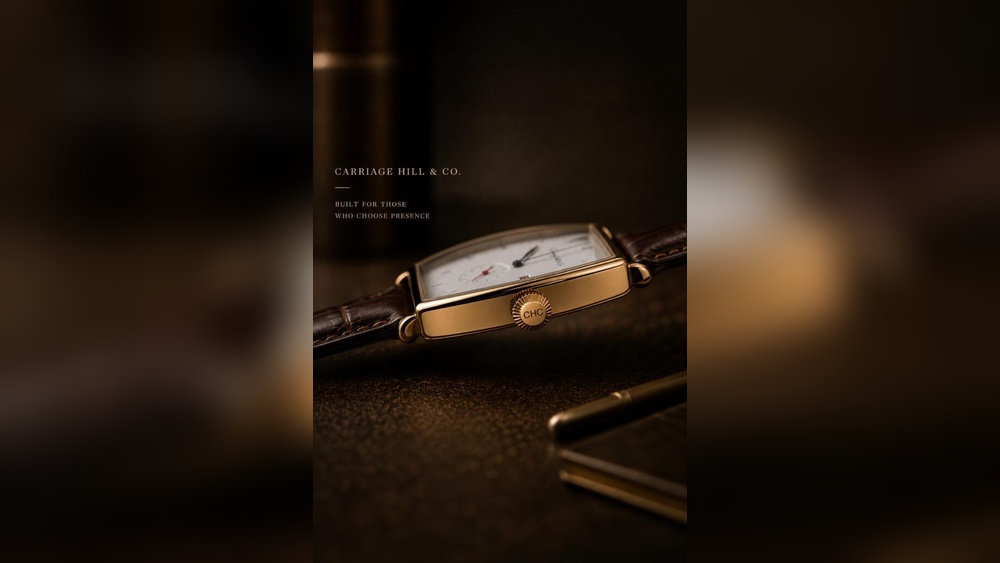
Carriage Hill And Co Watches: A Complete Guide If you search for a watch that blends tradition with modern style,
Carriage Hill Understated Luxury Watch: A Complete Guide A luxury watch is more than just a tool for telling time.
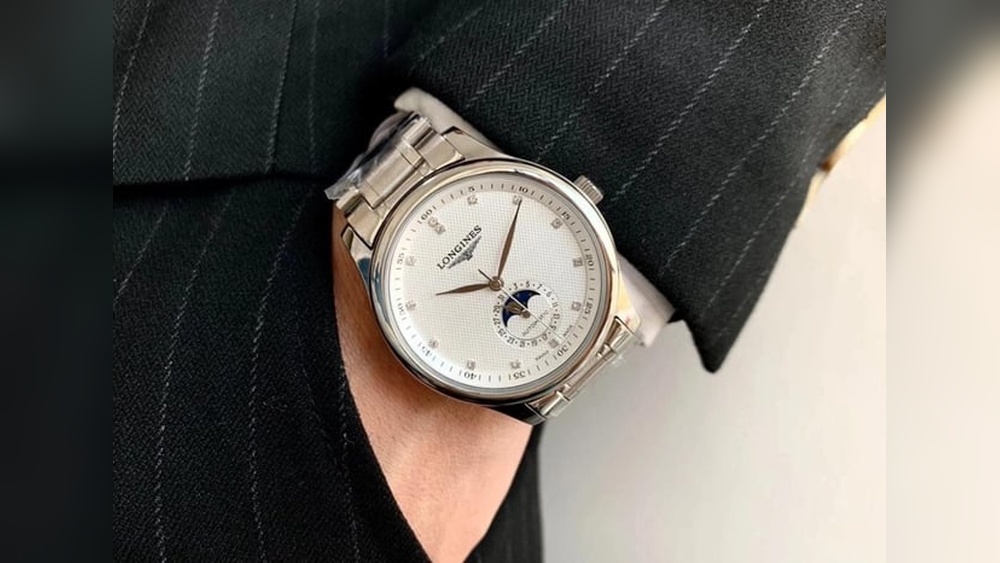
Finding a luxury dress watch under $700 is a rewarding challenge for style-conscious people who want elegance without the high
The world of luxury watches is filled with stories of craftsmanship, tradition, and innovation. Among these, the Carriage Hill Handcrafted
The world of watches is full of stories, tradition, and craftsmanship. For many people, a watch is not just a