
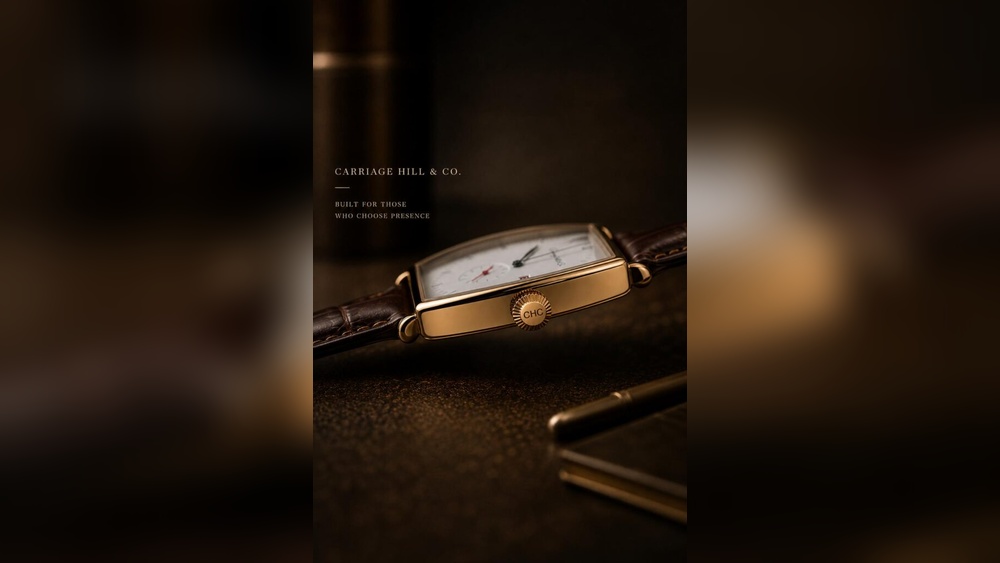
Watches
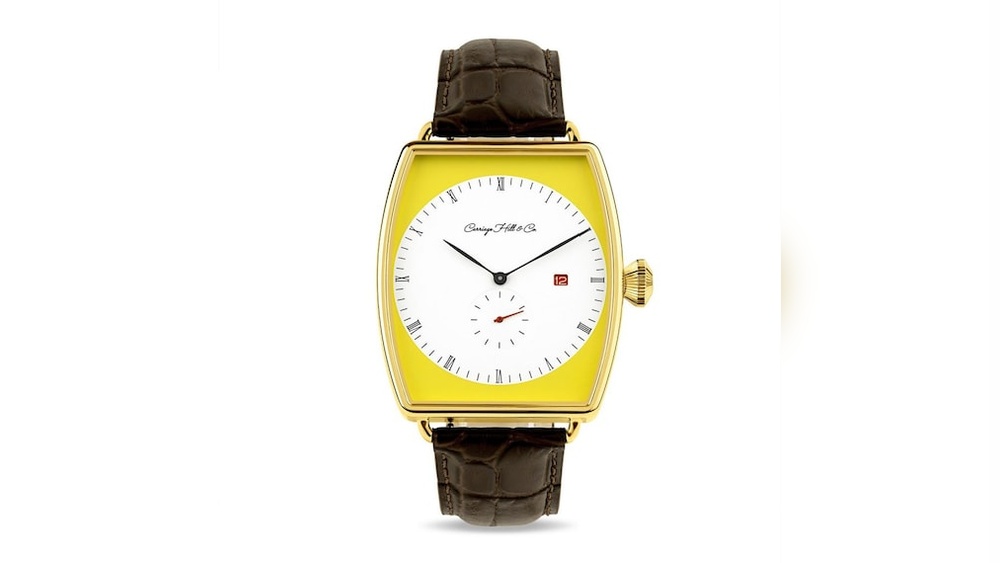
Carriage Hill Traveller Timepiece: Timeless Elegance Unveiled
The story of the Carriage Hill Traveller Timepiece is not just about a watch—it is about the art of travel,
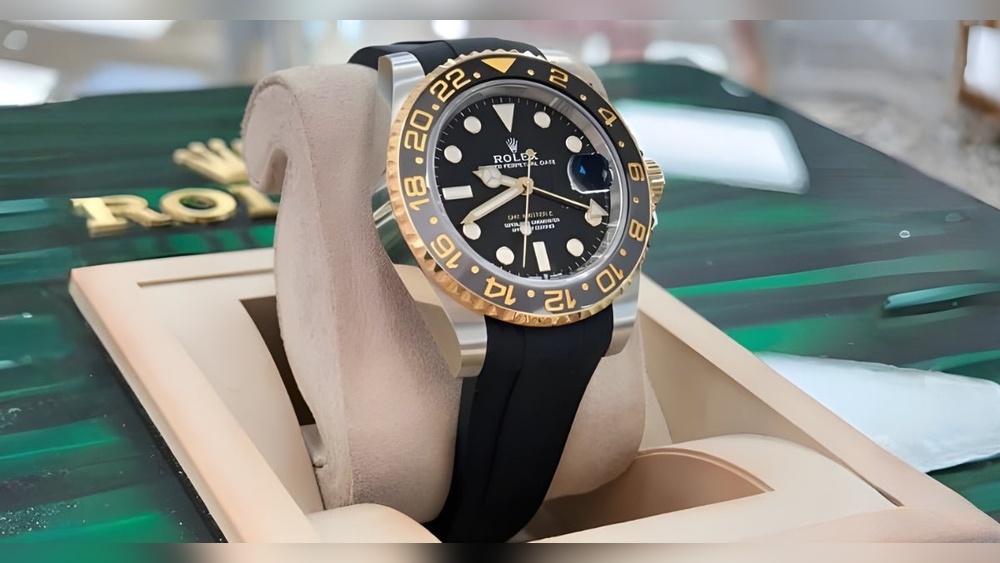
Luxury watches are more than tools for telling time—they are symbols of taste, success, and personal style. Yet many people overlook one critical detail: the watch strap. The right strap can transform a watch, making it fit your lifestyle, occasion, and even your mood. If you’re searching for the best luxury watch straps, this guide will help you make smart choices. You’ll discover the seven top strap types, learn how to select for comfort and durability, and find new ways to personalize your watch. Whether you own a classic Rolex or a modern Omega, the strap you choose can be just as important as the watch itself.
—
A luxury watch is often a big investment, and the strap plays a huge role in both its looks and comfort. Straps come in many materials, each with unique qualities. Some are classic, others are bold, but all can change the way a watch feels and looks. Why does the strap matter so much? Because it is the point where the watch meets your skin. The right strap can make a heavy watch feel light, a classic look more modern, or an everyday piece feel special.
A watch’s strap can even affect how you interact with the watch daily. For example, a strap that pinches or irritates your skin will make you less likely to wear that beautiful timepiece. Many watch lovers quickly realize that the strap is not just a fashion accessory—it’s a key part of the overall experience.
A luxury watch strap is not just expensive; it is made from high-quality materials, crafted with care, and designed to last. Some key features:
Luxury straps often use rare leathers or advanced metals. For example, a Patek Philippe alligator strap is hand-stitched, while a Rolex Oyster bracelet uses solid links for strength. The strap can add hundreds or even thousands of dollars to the value of a watch.
Small touches, like hand-painted edges or polished buckles, can set a luxury strap apart from a standard one. Even the inside lining—what touches your skin—might use soft nubuck or hypoallergenic leather for extra comfort.
Many beginners think the dial or case is the most important part. But the strap affects everything: how the watch sits on your wrist, how it matches your outfit, and even how long it lasts. A luxury strap can make a simple watch look expensive, or a high-end piece feel more personal.
The strap also plays a practical role. If you’re active, a weak strap could break and risk your watch falling. If you’re in meetings, the right strap can send a subtle message about your style and attention to detail. The strap is what brings a watch to life on your wrist.
Non-obvious insight: Some collectors buy extra straps to match different occasions or seasons. This lets them enjoy the same watch in new ways—without buying another expensive timepiece. Swapping straps can even change the mood of a watch, taking it from business meeting to beach holiday in seconds.
—
Choosing the right strap starts with knowing your options. Here are the seven most popular types, each with its own style, strengths, and uses.
Alligator leather is a classic sign of luxury. It is softer and more durable than cow leather, with a unique pattern. These straps are often found on dress watches like Patek Philippe or Cartier.
Alligator straps stand out for their distinct, symmetrical scales. The texture varies from square “belly” scales to rounder patterns on the sides, and each strap is unique. Handcrafting is common, with tiny stitches showing great skill.
Example: The Cartier Tank uses hand-stitched alligator straps, making the watch feel refined and exclusive. Luxury brands may even offer several shades—black, brown, navy, or burgundy—to suit your personal style.
Non-obvious insight: Alligator straps can be re-dyed or restored by skilled artisans, extending their life if you care for them properly.
Calfskin leather is popular for its smooth texture and flexibility. It costs less than alligator but can be dyed in many colors.
Calfskin straps are easy to find in different thicknesses. Some are padded for extra luxury, while others are thin and minimal. Many brands offer quick-release calfskin straps, making it simple to change your look.
Tip: Calfskin is ideal for changing the look of your watch quickly, as straps are easy to swap. You can keep several colors on hand—black for business, tan for weekends, blue for fun.
Non-obvious insight: Calfskin develops a “patina” over time, darkening and gaining character the more you wear it.
Metal straps, like stainless steel or titanium, are strong and modern. Brands like Rolex and Omega use solid links for a premium feel.
Stainless steel bracelets are most common, but titanium and even gold are used in high-end models. They come in different styles: Oyster (three-link), Jubilee (five-link), and mesh. The clasp is often a folding deployant for security.
Non-obvious insight: Titanium is lighter than steel but just as strong. It is perfect for people who want durability without extra weight.
Example: The Rolex Submariner’s Oyster bracelet is famous for its strength and comfort, while the Omega Seamaster’s bracelet is known for quick adjustments.
Extra tip: Some brands offer micro-adjustments in their clasps, letting you make the bracelet tighter or looser during the day—helpful if your wrist size changes with temperature.
Modern and sporty, rubber straps are used by brands like Hublot and Audemars Piguet. They are ideal for active lifestyles and water sports.
Rubber straps are often molded to fit a specific watch case perfectly. Some have textured surfaces or built-in ventilation to reduce sweat.
Example: The Omega Seamaster comes with a durable rubber strap perfect for swimming. Other brands, like Richard Mille, use brightly colored rubber for a bold, sporty look.
Non-obvious insight: Rubber straps can last longer if you avoid direct sunlight when not in use, since UV rays can cause fading or cracking over time.
Extra tip: Some luxury rubber straps are “vanilla-scented” to mask the smell of sweat, a detail many owners never notice until they wear one.
Originally designed for military use, NATO straps are made from nylon. They are affordable, tough, and easy to change.
NATO straps run under the watch case, so if a spring bar fails, your watch stays on your wrist. They come in many colors and patterns, from army green to stripes.
Practical tip: NATO straps are great for travel. You can wash them easily, and they dry fast. If you sweat a lot or get caught in the rain, just rinse and hang to dry.
Non-obvious insight: A NATO strap slightly raises the watch off your wrist, which can help if the caseback bothers your skin.
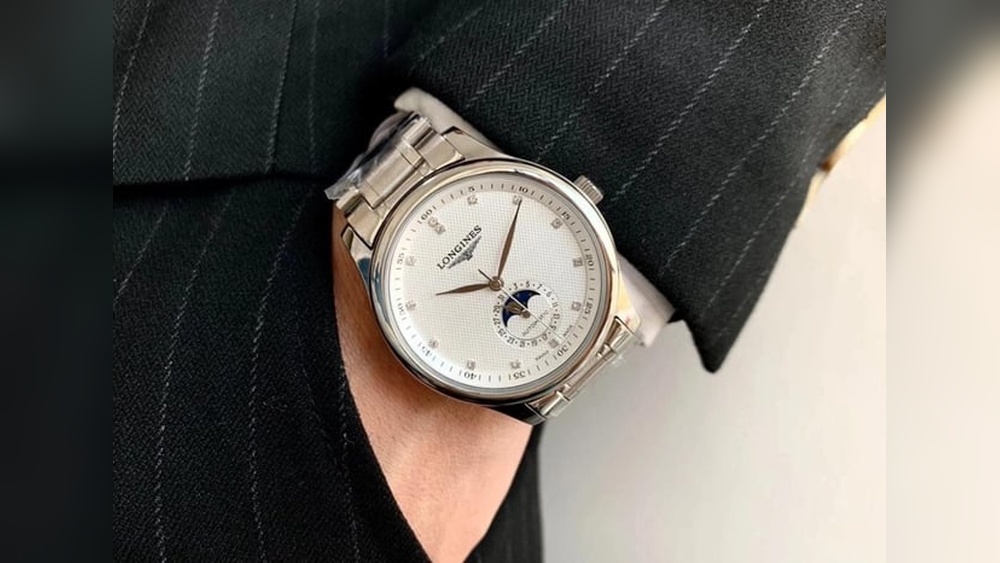
Milanese mesh straps are made from woven metal, creating a flexible yet shiny look. They are popular on vintage and modern dress watches.
Mesh straps are smooth and catch the light beautifully. They can be adjusted easily for a perfect fit—ideal if your wrist size changes during the day.
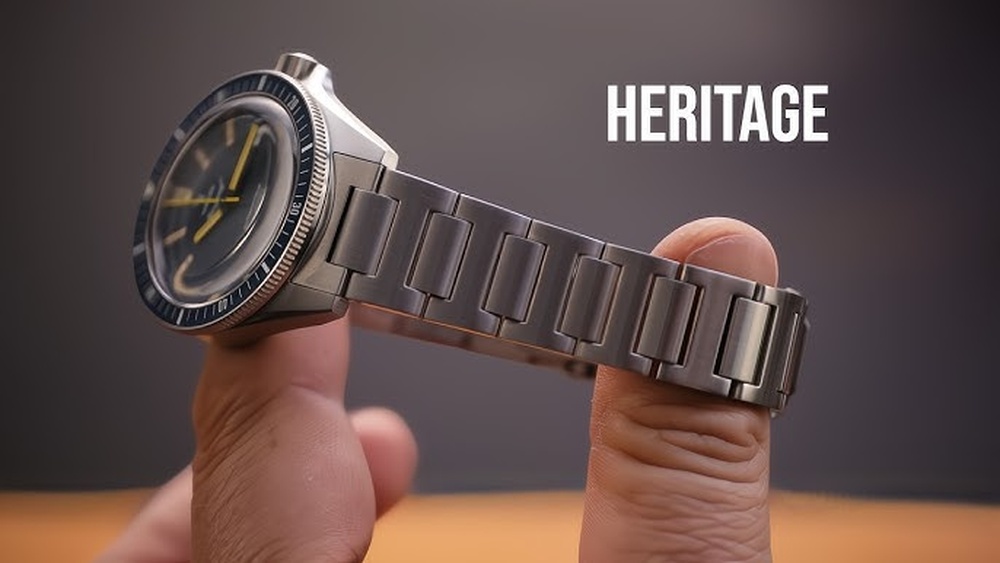
Example: The Longines Heritage uses a Milanese mesh for a retro look. Some brands let you switch between mesh and leather for a modern twist.
Non-obvious insight: Milanese mesh is less likely to pull arm hair than many expect, thanks to its tight weaving, making it more comfortable than some metal bracelets.
Some luxury brands offer straps from rare materials like ostrich, shark, or lizard. Each has a unique texture and story.
Ostrich straps have visible “quill bumps,” shark leather is very tough and water-resistant, and lizard is smooth with fine scales.
Non-obvious insight: Exotic straps can boost the value of limited-edition watches, making them more collectible. Some collectors buy exotic straps just to display with rare watches.
Extra tip: When buying exotic straps, check if they are legally sourced—some countries restrict imports of certain leathers.
—
Picking the perfect strap means balancing style, comfort, and durability. Here are key factors to consider:
A luxury strap should feel good all day. Try straps in person if possible, or measure your wrist carefully.
Example: If your wrist swells in summer, choose an adjustable strap or one with extra holes.
Non-obvious insight: Straps with sealed edges last longer, as water and sweat can’t seep into the leather as easily.
Internal link suggestion: For more on matching watches to outfits, see our [Luxury Watch Style Tips](#).
Some people react to metals or dyes. Look for hypoallergenic straps if you have sensitive skin. Rubber and titanium are safe options. Some leathers are tanned without chemicals, which is better for those with allergies.
Non-obvious insight: Sweaty wrists can damage leather faster, so choose rubber or metal for hot climates.
Extra tip: If you notice redness or itching, try a strap with a soft lining, like Alcantara or hypoallergenic leather.
Non-obvious insight: Some luxury straps come with a break-in period. They may feel stiff at first but will soften and mold to your wrist with regular use.
—
A luxury watch is a statement, and the strap is your chance to make it personal.
Many brands and independent makers offer custom straps. You can select material, color, stitching, and even add your initials.
Example: Jean Rousseau Paris makes bespoke straps for luxury watches, tailored to your style. ABP Paris is another respected name in custom strap making.
Non-obvious insight: Custom straps can be shaped for people with larger or smaller wrists, or those who need extra holes for a perfect fit.
Some watches now feature quick-release lugs. This lets you switch straps in seconds—no tools needed.
Benefit: You can change from leather to rubber for swimming, or from metal to mesh for an evening out. Some brands, like Cartier and Omega, now include an extra strap and tool with the watch.
Internal link suggestion: Learn more about quick-change straps in our [Watch Customization Guide](#).
Extra tip: If you like changing straps often, look for watches designed for tool-free swaps. This saves wear and tear on the spring bars.
Adding a monogram or unique finish makes your strap one-of-a-kind. Some brands offer laser engraving or custom stitching.
Tip: Choose subtle colors for monograms—they look elegant and don’t distract from the watch.
Non-obvious insight: You can also request colored edges, contrasting thread, or even hand-painted details for a unique touch.
Example: Some collectors add a family crest, meaningful date, or special symbol to celebrate important life events.
—
Luxury straps need care to stay beautiful and last longer. Here’s how to keep them in top condition:
Leather straps:
Metal straps:
Rubber straps:
NATO and mesh straps:
Non-obvious insight: For leather straps, let them air dry away from heat if they get wet. Using a hairdryer or radiator can warp or shrink the leather.
Non-obvious insight: Storing leather straps flat prevents curling and cracks. Never hang a watch by its strap for long periods.
Extra tip: Keep silica gel packets in your watch box to absorb moisture and protect leather.
Internal link suggestion: For more watch maintenance, check our [Luxury Watch Care Guide](#).
—
This section covers what really matters when choosing a luxury watch strap. Here is a quick reference table to compare the most important factors:
| Strap Type | Style | Durability | Comfort | Water Resistance | Price Range |
|---|---|---|---|---|---|
| Alligator Leather | Classic, Elegant | High | Soft | Low | $300–$3,000+ |
| Calfskin Leather | Casual, Versatile | Medium | Very Soft | Low | $100–$800 |
| Metal Bracelet | Modern, Sporty | Very High | Firm | High | $300–$5,000+ |
| Rubber | Sporty, Casual | High | Flexible | Very High | $150–$1,500 |
| NATO | Casual, Military | Medium | Light | High | $20–$200 |
| Milanese Mesh | Elegant, Vintage | Medium | Breathable | Medium | $120–$900 |
| Exotic Materials | Unique, Rare | Medium–High | Soft | Low | $400–$2,500 |
Practical advice: Always check reviews and warranty before buying a luxury strap. Some brands offer lifetime repairs, others do not.
Non-obvious insight: Some straps look great online but feel stiff or cheap in person. If possible, try before you buy, or order from sellers with good return policies.
—
Many brands offer luxury straps, but not all are equal. Here is a comparison of some top names:
| Brand | Specialty | Price Range | Customization | Warranty |
|---|---|---|---|---|
| Jean Rousseau | Handmade leather, exotic skins | $400–$2,500 | Yes | 2 years |
| Hirsch | Classic leather, rubber hybrids | $120–$500 | Limited | 1 year |
| Rolex | Oyster metal bracelets | $1,000–$5,000+ | No | 5 years |
| Omega | Rubber, metal, NATO | $200–$1,500 | No | 2 years |
| Cartier | Alligator, calfskin | $500–$3,000 | No | 2 years |
| ABP Paris | Bespoke exotic straps | $500–$5,000 | Yes | 1 year |
| Barton | NATO, silicone | $20–$100 | No | 1 year |
Brands like Jean Rousseau and ABP Paris are leaders in custom work, often working with customers to select rare leathers, special stitching, and unique colors. Hirsch is known for innovation, creating straps that blend leather with natural rubber for improved durability.
Non-obvious insight: Some brands use hidden stitching or special treatments to make straps last longer, but these features are often not advertised. Ask directly about durability features. For example, waterproofing can be added to leather, and some bracelets use ceramics in the links to resist scratches.
Internal link suggestion: For a deeper look at luxury strap makers, see our [Watch Brand Comparison Guide](#).
—
For sensitive skin, the best materials are titanium, rubber, and hypoallergenic leather. Titanium is light and non-reactive, while rubber is soft and avoids sweat buildup. Some brands offer vegetable-tanned leather with no chemical dyes, which is safer for allergies.
Extra tip: If you react to metal, choose straps with a leather or rubber lining on the inside.
Look for certificates from brands, inspect the stitching, and check for consistent grain. Genuine luxury straps have tight, even stitches and natural texture—not plastic shine. Ask sellers for proof, especially with exotic leathers.
Example: Real alligator will have natural variation, not a printed pattern.
Most luxury straps offer 1–5 years warranty, depending on the brand. Some high-end makers like Rolex offer 5 years on metal bracelets, while custom leather straps usually have 1–2 years. Always check before buying.
Yes, if your watch has quick-release lugs or standard spring bars, you can switch straps easily. For metal bracelets, you may need special tools. If unsure, ask a jeweler or watchmaker to help.
Extra tip: Practice on an old strap first to avoid scratching your watch.
Leather straps last 2–4 years with regular care. Rubber straps may need replacing every 2–3 years, and metal bracelets can last decades with proper maintenance. Replace if you notice cracks, loose links, or discomfort.
Non-obvious insight: Even if a strap looks fine, change it if it starts to smell or feels weak—especially for watches you wear often.
—
Luxury watch straps are more than accessories—they define your experience with your timepiece. Investing in the right strap means enjoying comfort, style, and lasting quality. From classic alligator leather to modern titanium, each choice reflects your personality and lifestyle. Take time to find a strap that fits your needs, and your watch will become even more special. For more expert advice, visit Hodinkee, one of the most trusted sources in the watch world. And don’t forget to explore our other guides for tips on luxury watch maintenance and style.
Image suggestion:
Include a photo of a luxury watch with several strap types laid out, with ALT text: “Luxury watch strap guide – alligator, metal, rubber, NATO, mesh”.
Video suggestion:
Embed a video showing how to change a luxury watch strap and care for leather and metal types.
Internal link suggestions:
The story of the Carriage Hill Traveller Timepiece is not just about a watch—it is about the art of travel,
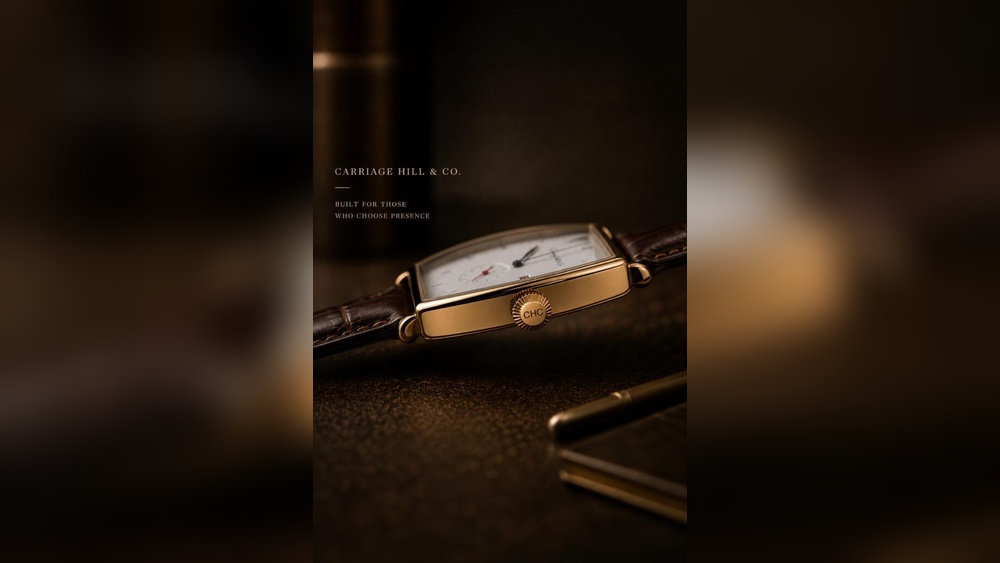
Carriage Hill And Co Watches: A Complete Guide If you search for a watch that blends tradition with modern style,
Carriage Hill Understated Luxury Watch: A Complete Guide A luxury watch is more than just a tool for telling time.
Finding a luxury dress watch under $700 is a rewarding challenge for style-conscious people who want elegance without the high
The world of luxury watches is filled with stories of craftsmanship, tradition, and innovation. Among these, the Carriage Hill Handcrafted
The world of watches is full of stories, tradition, and craftsmanship. For many people, a watch is not just a