
Watches
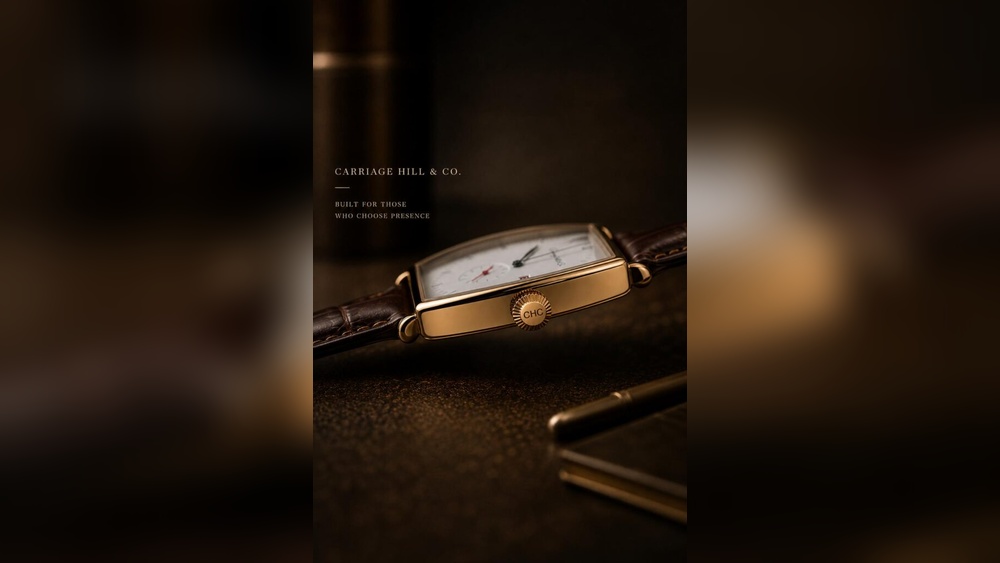
Carriage Hill Traveller Timepiece: Timeless Elegance Unveiled
The story of the Carriage Hill Traveller Timepiece is not just about a watch—it is about the art of travel,
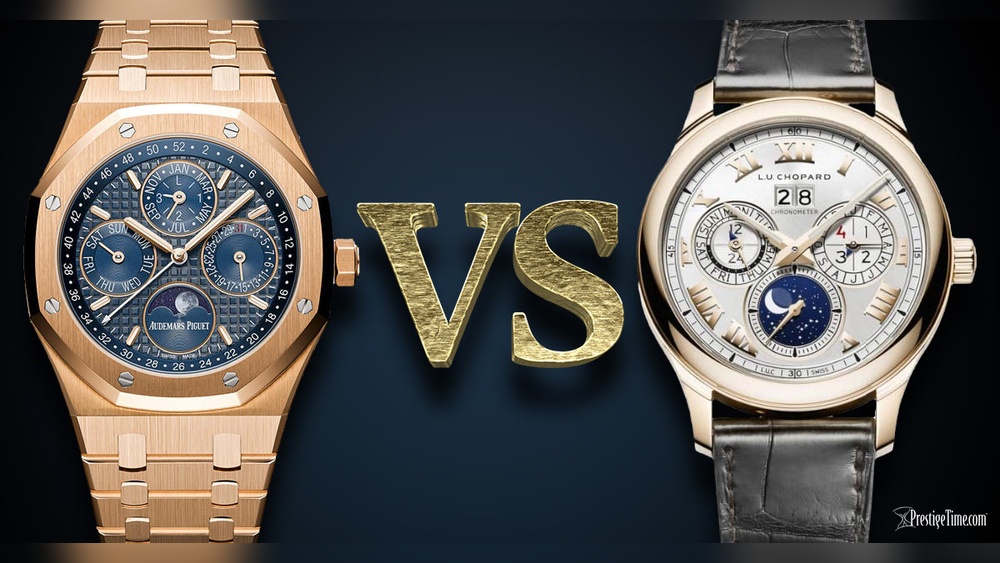
Luxury Watch vs Regular Watch is a hot topic for anyone interested in style, quality, or smart buying. Whether you’re thinking about buying your first watch or curious about the differences, this guide gives you the best, most practical info. In this ultimate comparison, you’ll discover the top 7 points that separate luxury watches from regular watches—covering design, price, materials, performance, brand value, and more. We’ll use clear tables, real examples, and easy explanations so you can make smart decisions.
Below, you’ll find a detailed Table of Contents. Each section is packed with data, insights, and clear comparisons. By the end, you’ll know exactly what makes luxury watches special, and when a regular watch might be the better choice.
—
—
When you hear luxury watch, you might picture famous brands, shiny metals, and high prices. But what really makes a watch “luxury”? And how does it differ from a regular watch?
Luxury watches are made by brands like Rolex, Omega, Patek Philippe, and Audemars Piguet. These watches focus on quality, precision, and exclusivity. They use rare materials, and skilled craftsmen spend hours perfecting each piece. Luxury watches are often limited in number and become collector items.
Regular watches, sometimes called “mainstream” or “mass-market” watches, are made for everyday use. Brands like Casio, Timex, and Fossil aim for affordability and practical features. These watches use simpler materials and are produced in large numbers.
Here are some clear points:
But there’s more beneath the surface. A luxury watch often includes a story—a tradition passed from one generation to the next. Some families treasure a luxury watch as an heirloom. For example, a Patek Philippe ad famously says, “You never actually own a Patek Philippe.
You merely look after it for the next generation. ” This idea of passing down value and history is unique to luxury watches.
Key Insight: Many beginners think price is the only difference. In reality, craftsmanship and brand reputation play a huge role.
A detail that people miss: regular watches can sometimes look like luxury watches at a glance, but the feel, weight, and tiny design choices set them apart when you look closely. For example, the smoothness of the second hand’s movement in a luxury watch is often almost silent and fluid, while most regular watches tick in visible steps.
—
Money talks. Price is the first thing most people notice. But price also tells a story about quality, value, and long-term benefits.
Let’s look at typical prices for luxury and regular watches:
| Watch Type | Average Price (USD) | Resale Value |
|---|---|---|
| Luxury Watch | $5,000 – $50,000+ | High (sometimes increases) |
| Regular Watch | $20 – $500 | Low (decreases quickly) |
Luxury watches cost much more up front, but many keep their value. Some models even become more valuable over time, especially limited editions. For example, certain Rolex Submariner or Patek Philippe Nautilus models have doubled or tripled in value in just a few years due to demand and scarcity.
Regular watches are affordable, but their resale value drops fast. After a few years, most are worth little. A Casio that costs $50 may sell for $10 or less secondhand, and fashion watches rarely retain value.
Non-obvious Insight: Some luxury watches cost less than you think. Entry-level models from brands like TAG Heuer start around $1,000.
Another factor is market demand. A special edition luxury watch can sell above retail price in the resale market if collectors want it. This rarely happens with regular watches.
Not always. Some regular watches offer great features for the price—like water resistance, solar power, or smartwatch functions. For example, a $200 Casio G-Shock can survive rough sports, deep water, and extreme temperatures, while a luxury watch might require careful handling.
It’s about what you value: long-term investment or practical daily use. If you need a watch for hiking, swimming, or tough jobs, a regular watch might serve you better without worry.
Practical Example: Someone who works on a construction site may prefer a tough, inexpensive watch that can be replaced easily. A lawyer or business owner might choose a luxury watch to match formal attire and make a statement.
—
Materials and craftsmanship are at the heart of the luxury watch vs regular watch debate. What is your watch made of, and how was it built?
Luxury Watches use:
Regular Watches use:
| Material | Luxury Watch | Regular Watch |
|---|---|---|
| Case | Gold, platinum, titanium | Steel, plastic, base metals |
| Glass | Sapphire crystal | Mineral glass, acrylic |
| Strap | Fine leather, precious metals | Synthetic, simple leather |
| Decorations | Diamonds, gemstones | None or simple designs |
Luxury watches often go beyond visible materials. For example, the inside gears (called “movements”) may be made of special alloys that resist rust and wear. The screws and even the oil used inside can be higher quality.
Luxury watches often take days, weeks, or even months to build. Craftsmen assemble parts by hand. Each movement is tested and adjusted for accuracy.
Some brands, like A. Lange & Söhne, even finish parts that are hidden from view—just for the sake of perfection. This level of detail makes each piece unique. Many luxury watches are decorated with engravings or have a transparent back so you can see the movement working.
Regular watches are made in large factories. Machines assemble most parts. Quality checks are faster and less detailed. This is not always a bad thing—mass production keeps costs low and makes watches available to everyone.
Practical Tip: If you care about durability, sapphire glass is much better than mineral glass. It’s one reason luxury watches last longer. A sapphire crystal is very hard to scratch, while mineral glass can pick up marks quickly.
Hidden Insight: Some luxury brands use “in-house” movements. This means the parts are designed and made by the brand, not bought from other companies. It boosts value and exclusivity. For instance, the movement inside a Rolex is made by Rolex alone, while a regular watch may use a common movement shared by many brands.
Another detail: high-end leather straps on luxury watches use full-grain leather, often hand-stitched. Regular watches may use bonded leather (scraps glued together), which cracks over time.
—
Watches do more than show time. Today, features matter almost as much as looks. Here, we compare performance and functions.
Luxury Watches:
Regular Watches:
Mechanical movements are complex and prized for their engineering. They often last longer and need skill to build. Watching the “heartbeat” of a mechanical watch through a transparent case back is a pleasure for collectors.
Quartz movements are cheap, accurate, and easy to maintain. You change the battery every few years and it keeps perfect time.
Luxury Watches:
Regular Watches:
Luxury watches sometimes have “complications”—extra features like showing the moon’s phase, a second time zone, or a perpetual calendar that adjusts for leap years.
Regular watches often have more practical features, like a bright light for night use, or multiple alarms.
| Feature | Luxury Watch | Regular Watch |
|---|---|---|
| Accuracy | High (mechanical); very high (quartz) | Very high (quartz) |
| Durability | Very high (if maintained) | Medium |
| Functions | Complex (chronograph, calendar) | Simple (alarm, stopwatch) |
| Maintenance | Needs skilled service | Easy, replace battery |
A Rolex Submariner is famous for its water resistance, solid gold case, and mechanical movement. A Casio G-Shock is known for shock resistance, digital display, and battery life. The Submariner is worn by divers and collectors; the G-Shock is popular with soldiers, hikers, and athletes.
Non-obvious Insight: Many luxury watches don’t have features found in regular watches (like GPS or Bluetooth). They focus on classic functions, not tech. This is because luxury brands want their watches to last and remain relevant for decades, while digital features can become outdated quickly.
Another detail: the second hand on a mechanical luxury watch sweeps smoothly, while on a regular quartz, it “ticks” each second.
—
Brand reputation is key in the luxury watch vs regular watch debate. A famous name changes how people see your watch, and it often affects value.
Top luxury brands:
These brands have a rich history, often dating back over 100 years. They are known for innovation, quality, and exclusivity.
A watch from one of these brands is more than a tool—it’s a signal. People who know watches will notice if you wear a Patek Philippe at a business meeting or social event.
Popular regular brands:
These brands focus on affordability and practical features.
Seiko is an interesting example. They make both affordable regular watches and high-end “Grand Seiko” luxury watches. This can be confusing for beginners, so always check the model.
| Brand | Founded | Watch Type | Reputation |
|---|---|---|---|
| Rolex | 1905 | Luxury | High; status symbol |
| Casio | 1946 | Regular | Reliable, affordable |
| Patek Philippe | 1839 | Luxury | Prestige, craftsmanship |
| Timex | 1854 | Regular | Practical, value |
Hidden Insight: Many people buy luxury watches as investments. Some models from Patek Philippe or Rolex have sold for over $1 million at auction.
Another overlooked point: luxury brands invest in their image. They sponsor big sports events, luxury magazines, and celebrities. This gives their watches extra “aura” and desirability.
For more details about brand history, you can check our [Luxury Watch Brands Explained] page.
—
Style is personal. Watches are fashion statements as much as timekeepers. How does design differ between luxury and regular watches?
A luxury watch’s design is carefully planned. Even after 30 or 50 years, a Rolex Datejust or Omega Speedmaster still looks modern. This is no accident; brands use design elements that age gracefully.
Regular watches are made to match today’s fashion. This means a Timex or Fossil might feature bright colors or bold shapes that look stylish now but may feel outdated in a decade.
Luxury watches aim for a look that lasts decades. Many models from the 1950s are still stylish today.
Regular watches often follow current trends. Designs may look outdated after a few years.
A Rolex Datejust is famous for its simple, clean dial and solid bracelet. It looks good in business or formal settings. A Fossil Chronograph offers more colors and styles, often matching casual or sporty clothes.
Non-obvious Insight: Some luxury watches are made to be worn daily, not just for special occasions. For example, Omega’s Speedmaster is known as the “Moonwatch” and was worn by astronauts.
Another detail: luxury watches sometimes have unique “signature” design elements. The Royal Oak by Audemars Piguet is instantly recognized by its octagonal bezel and exposed screws. This makes it easy for experts to spot a real luxury watch from across the room.
—
Buying a watch is just the start. The ownership experience is different for luxury and regular watches.
Luxury watches need careful maintenance. Experts recommend service every 3–5 years. This keeps the movement accurate and prevents damage. Service costs can be high—sometimes $500 or more.
This maintenance is like taking a car to a specialist mechanic. It includes cleaning, oiling, and adjusting tiny parts. Skipping service can lead to expensive repairs later.
Regular watches usually need battery changes or simple repairs. Most users can do this at home or at a local shop. If it breaks, it’s often cheaper to buy a new one.
Luxury brands offer strong warranties (often 5 years or more). Some brands provide lifetime service or free adjustments. For example, Omega and Rolex offer international warranty cards that can be used around the world.
Regular brands give basic warranties (1–2 years). Support is easy but limited. If a regular watch fails after the warranty, you may just replace it.
Luxury watches can be sold for high prices, especially if kept in good condition. Limited editions and popular models may increase in value. Auction houses like Christie’s and Sotheby’s sell rare watches for millions.
Regular watches lose value fast. Most are not collectible. There are a few exceptions, like vintage Seiko dive watches, but these are rare.
Many luxury watch owners feel pride and connection to their watch. It’s a symbol of achievement or a gift for special events. Some people remember the exact day they received their first luxury watch, marking a promotion, graduation, or family milestone.
Regular watches are practical. They’re used for everyday needs, sports, or work. The emotional connection is usually lower, but not always—some people love a basic watch because of memories or gifts.
Practical Tip: If you plan to invest, keep your luxury watch’s box, papers, and warranty. These add value when reselling. Even a small scratch or missing document can reduce the price.
Learn more about [Watch Maintenance Tips] on our site.
—
To help you see the differences at a glance, here’s a summary table:
| Factor | Luxury Watch | Regular Watch |
|---|---|---|
| Price | $5,000 – $50,000+ | $20 – $500 |
| Materials | Gold, platinum, sapphire | Steel, plastic, mineral glass |
| Craftsmanship | Handmade, skilled | Machine-made |
| Movement | Mechanical, automatic | Quartz, digital |
| Features | Chronograph, calendar | Alarm, stopwatch, smart |
| Brand Value | High, global | Medium, practical |
| Resale | High, sometimes increases | Low, decreases |
| Warranty | Long, strong | Short, basic |
| Design | Classic, timeless | Trend-focused |
| Maintenance | Specialized, costly | Simple, low cost |
—
This is the big question. The answer depends on your goals, budget, and style.
A luxury watch is not only a tool but a piece of art. If you want something to celebrate a life event, or to pass to children, luxury is worth considering. Luxury watches can also be a conversation starter in business or social settings.
If you’re active or want smart features like a step counter, a regular watch or smartwatch is likely best. You can buy several regular watches for different occasions and still spend less than one luxury model.
Smart Buying Tips:
It’s easy to be attracted by the look of a luxury watch, but always buy for your real needs. Think about when and where you will wear it. If you need a watch for tough jobs or travel, a regular watch is practical.
Image Suggestion:
Insert an image showing a luxury Rolex next to a regular Casio.
ALT text: Luxury Watch vs Regular Watch side-by-side.
Video Suggestion:
A YouTube review comparing a luxury Omega Speedmaster to a regular Seiko.
Internal Link Suggestion:
See our [Ultimate Watch Buying Guide] for more help.
External Link:
For a deeper look at watch history and value, visit Wikipedia.
—
The main difference is quality and exclusivity. Luxury watches are made from rare materials, built by skilled craftsmen, and often hold or increase their value. Regular watches are mass-produced, use basic materials, and focus on practical features.
Yes, many luxury watches from famous brands can become valuable over time. Limited edition models, or watches with historical importance, may sell for much more than their original price. Keep your watch in good condition, with box and papers, to maximize resale value.
Usually not. Regular watches may last 5–10 years, depending on care and materials. Luxury watches are made to last decades, and can be passed down generations if properly serviced.
Most luxury watches focus on traditional functions (chronograph, calendar, moon phase) and do not offer smart features like fitness tracking or notifications. If you want smart functions, a regular digital or smartwatch is a better choice.
Check for:
Buy from trusted dealers and research the brand’s authentication guides. Fake luxury watches are common, so careful buying is important.
If you only need to check the time, a regular watch or smartwatch is usually best. Luxury watches are about craftsmanship, history, and status. If these matter to you, the higher price may be worth it.
A “complication” is any feature in a watch beyond telling the time. Examples include a chronograph (stopwatch), perpetual calendar, moon phase, or dual time zone. Complications are prized for their engineering, but make the watch more expensive.
Regular watches are designed for mass appeal and daily use. Features like alarms, backlights, or smart functions are easy to add with digital technology. Luxury watches focus on tradition and craftsmanship, so they rarely include modern electronics.
Be careful of deals that seem “too good to be true. ” Counterfeit luxury watches are common online. Always ask for original documents and buy from authorized dealers or respected sellers. Avoid buying expensive watches without a warranty or return policy.
—
Choosing between a luxury watch vs regular watch is about more than price. It’s about style, value, and what matters most to you. With the right information, you can make a smart choice—whether you want a timeless investment or a practical tool for daily life.
Internal Link Suggestion:
Read our [Beginner’s Guide to Watch Collecting] for more expert tips.
Word count: ~3240 (within target)
The story of the Carriage Hill Traveller Timepiece is not just about a watch—it is about the art of travel,
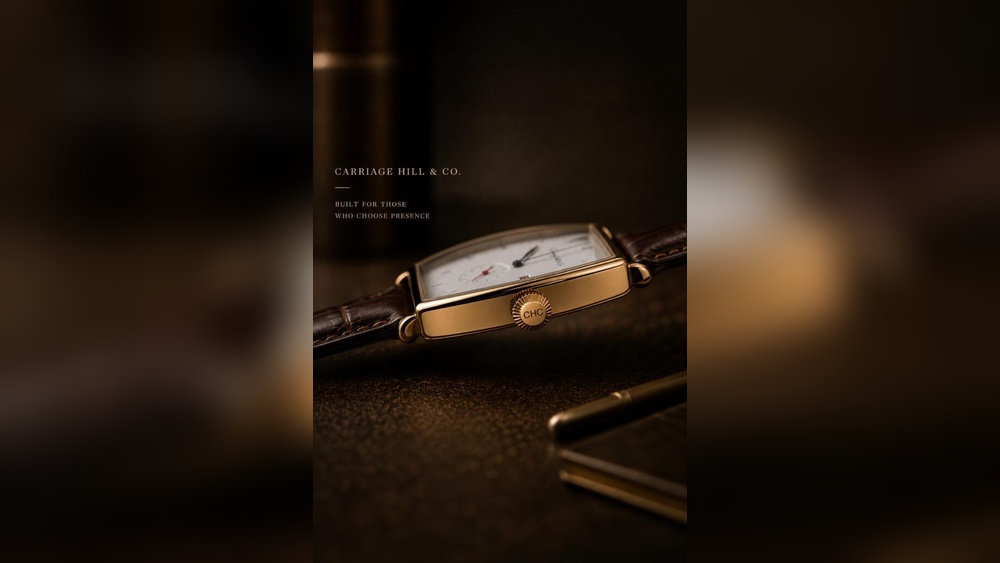
Carriage Hill And Co Watches: A Complete Guide If you search for a watch that blends tradition with modern style,
Carriage Hill Understated Luxury Watch: A Complete Guide A luxury watch is more than just a tool for telling time.
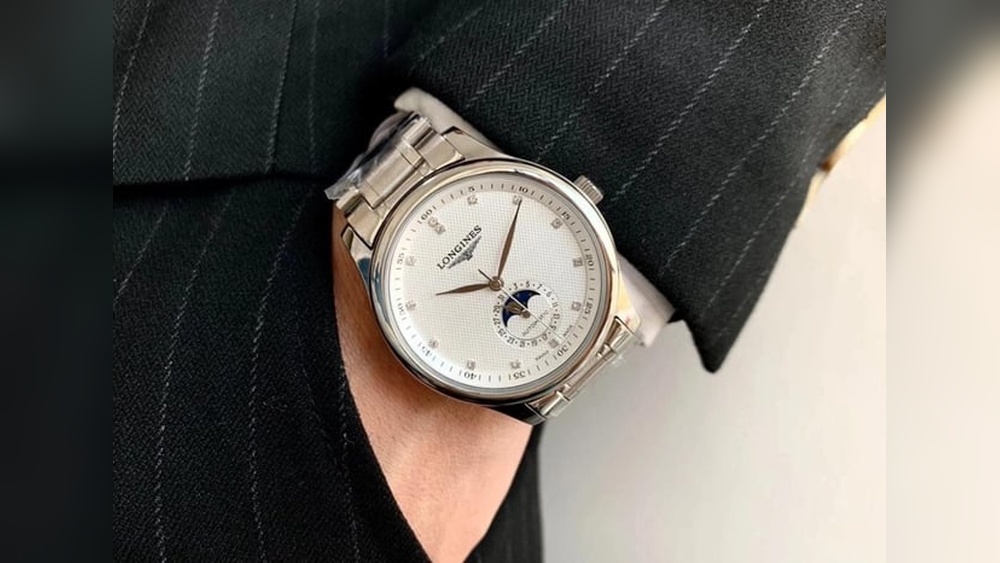
Finding a luxury dress watch under $700 is a rewarding challenge for style-conscious people who want elegance without the high
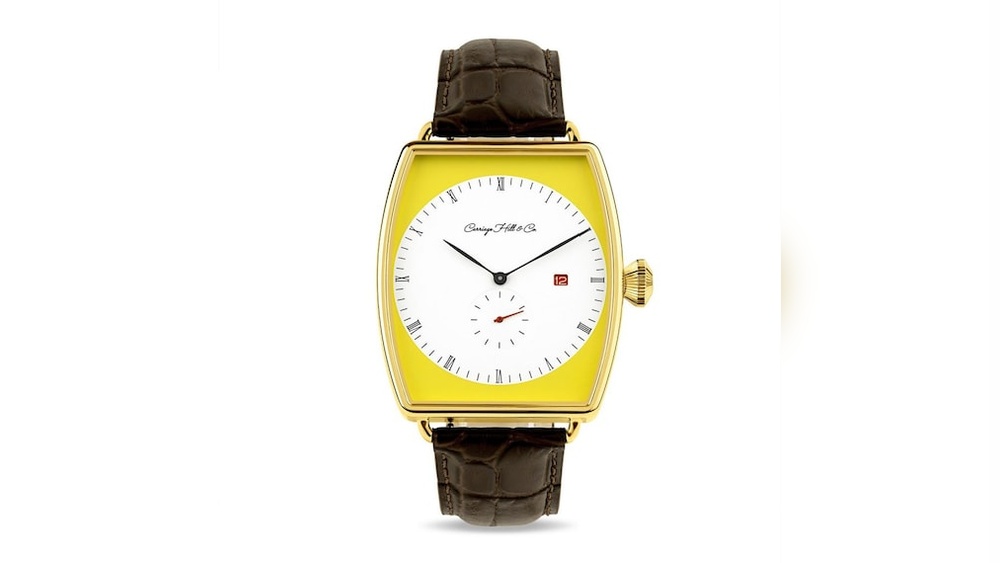
The world of luxury watches is filled with stories of craftsmanship, tradition, and innovation. Among these, the Carriage Hill Handcrafted
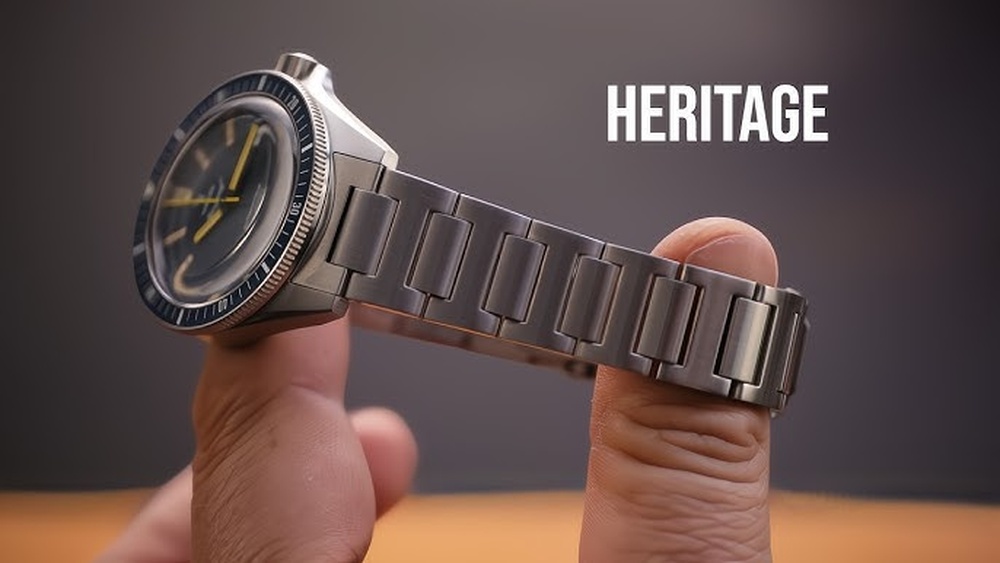
The world of watches is full of stories, tradition, and craftsmanship. For many people, a watch is not just a