
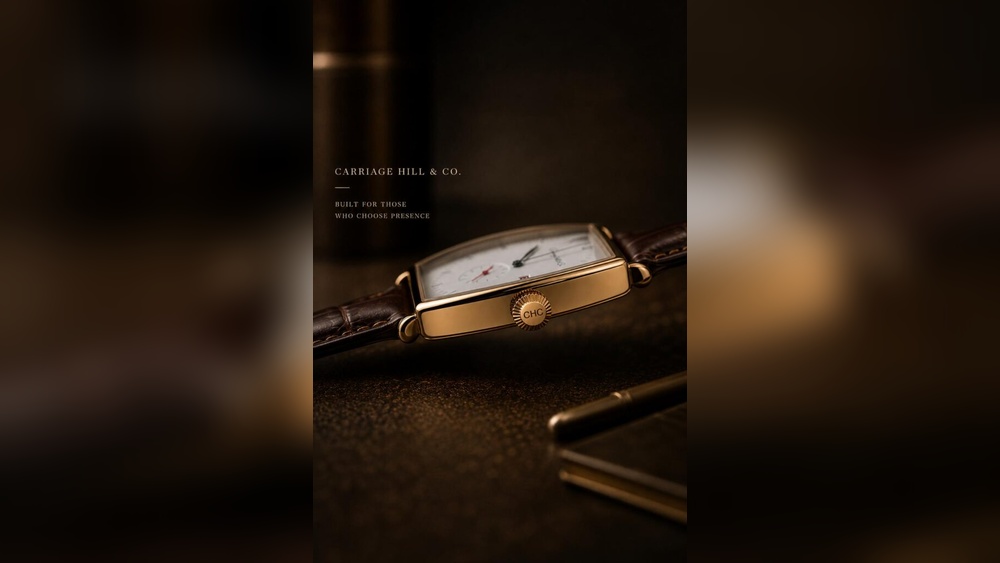
Watches
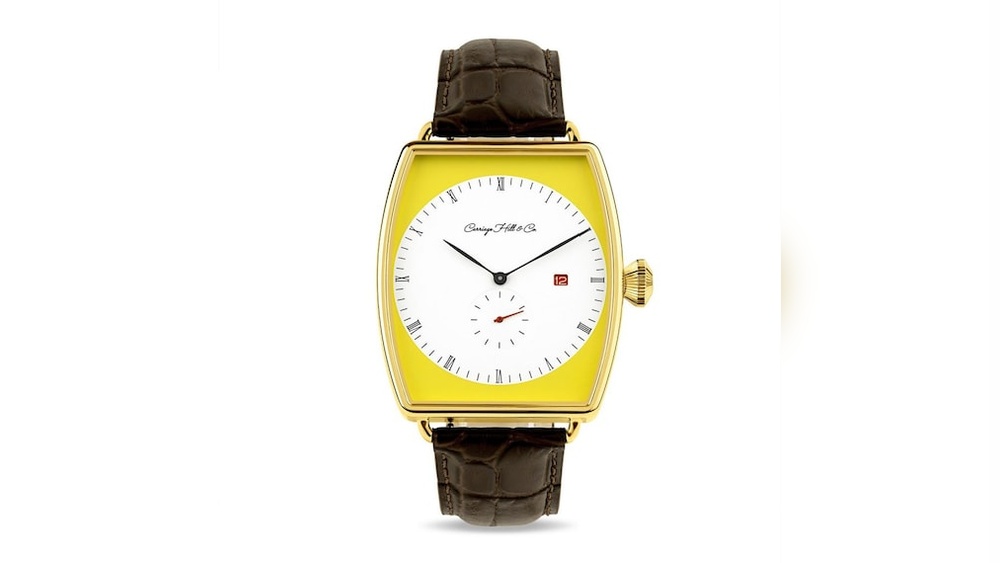
Carriage Hill Traveller Timepiece: Timeless Elegance Unveiled
The story of the Carriage Hill Traveller Timepiece is not just about a watch—it is about the art of travel,

Explore the world of first luxury watch buying with confidence. This guide breaks down key steps, top mistakes to avoid, brand comparisons, and insider tips. Whether you’re new to watches or looking to invest in your first high-end timepiece, you’ll learn how to choose the perfect model, avoid common traps, and build lasting value.
Discover everything you need about buying your first luxury watch—without confusion or regrets.
—
—
A luxury watch is more than just a tool for telling time. It represents style, personal achievement, and even a smart investment. Owning a luxury watch can boost your confidence, mark important life events, or be passed down as a family heirloom.
Let’s look at some reasons people choose to buy luxury watches:
A surprising insight: Resale values for certain luxury watches have outperformed gold and the S&P 500 in some years. For example, the average price for a pre-owned Rolex Submariner increased by over 40% between 2017 and 2022. If you choose wisely, your first luxury watch could become a valuable asset in your collection.
Another detail new buyers often miss: while luxury watches are expensive, their long-lasting materials—like sapphire crystal, stainless steel, or precious metals—mean they can outlast digital devices, often working flawlessly for decades with proper care.
—
Buying your first high-end watch can feel overwhelming. With thousands of models, confusing terms, and high prices, it’s easy to make mistakes. This first luxury watch buying guide outlines seven proven steps for a smart, satisfying purchase.
Luxury watches range from $1,000 to over $100,000. Deciding how much you want to spend is the first step.
Pro tip: Don’t stretch your budget for a brand name alone. Some lesser-known brands offer better value and quality at each price point. For example, Grand Seiko is highly respected among collectors but often overlooked by new buyers.
If you’re financing your purchase, remember to consider interest rates or payment plans. Some retailers offer monthly payment options, but always check the total cost before agreeing.
Why do you want a luxury watch? Think about your main goal:
Knowing your purpose narrows your options and helps avoid impulse buys. It also makes it easier to choose between features. For example, if you travel often, a GMT watch lets you see two time zones at once.
There are three main types of watch movements:
Most collectors prefer automatic or mechanical watches for their tradition and value. But if you want accuracy and low maintenance, quartz is a smart option.
| Watch Style | Typical Features | Best For |
|---|---|---|
| Dress | Thin, simple, formal | Business, events |
| Sports | Rugged, water-resistant | Active lifestyle |
| Dive | Waterproof, luminous markers | Swimming, diving |
| Chronograph | Stopwatch function | Timing, motorsports |
| Pilot | Large, easy-to-read dials | Travel, aviation fans |
| GMT | Tracks multiple time zones | Travelers |
Tip: Try on different styles at a store to see what fits your wrist and lifestyle. If possible, compare the weight and thickness; a heavy watch may feel uncomfortable for daily wear, while a thin dress watch slides easily under shirt cuffs.
An extra insight: The popularity of vintage-style watches has grown recently. Brands are releasing “retro” models that copy past designs but use modern technology. These can offer a unique look without sacrificing reliability.
Not all luxury brands are equal. Some hold value better, while others excel in craftsmanship or unique designs.
Here’s a quick comparison of some popular brands:
| Brand | Heritage | Entry Price | Best-Known For | Resale Value |
|---|---|---|---|---|
| Rolex | High | $6,000 | Durability, value | Very Strong |
| Omega | High | $4,000 | Moonwatch, quality | Strong |
| Patek Philippe | Very High | $25,000 | Investment, finishing | Excellent |
| Tag Heuer | Medium | $2,000 | Sporty designs | Moderate |
| Longines | Medium | $1,500 | Classic, affordable | Fair |
Insider tip: Some brands, like Grand Seiko, offer top-level craftsmanship at lower prices than Swiss rivals. Many buyers overlook Japanese brands, but Grand Seiko’s finishing, accuracy, and unique designs rival Swiss competitors at half the price.
If you’re interested in something unusual, look at Nomos Glashütte (German brand) or Tudor (Rolex’s sister brand), both offering stylish and reliable watches at more affordable prices.
A luxury watch should feel comfortable and look right on your wrist. Watch sizes are measured in millimeters (mm).
Band material also affects comfort. Metal bracelets are durable; leather straps are lighter; rubber is sporty. Metal bracelets can be resized, while leather straps often need replacement after a few years.
Non-obvious insight: Some watches look larger or smaller because of lug-to-lug length (the distance from the top to bottom of the case). Always try on or check wrist shots online before you buy.
Another detail: The dial color and design can change the visual size. Dark dials often make a watch appear smaller, while light dials seem larger.
Where you buy matters. There are three main sources:
Buying tips:
If you’re buying online, look for sellers who offer easy returns and clear photos of the actual watch, not just stock images. Many reputable pre-owned dealers provide full inspection reports.
Examine the watch closely for:
Expert advice: If you’re unsure, have the watch checked by a professional watchmaker before finalizing the purchase.
If buying vintage, ask about service history and parts replacement. Some old watches have non-original parts, which can lower value.
—
Even smart buyers can trip up when purchasing their first luxury watch. Avoid these common pitfalls:
Don’t buy a watch just because it’s trending or everyone wants it. Popular models like the Rolex Daytona or Patek Nautilus are often impossible to find at retail and overpriced on the secondary market.
Better approach: Choose a watch you genuinely like and will enjoy wearing—regardless of internet buzz. Ask yourself if you would wear the watch every day even if nobody noticed it.
Luxury watches need regular care. Mechanical watches should be serviced every 3–5 years, costing $300–$800 or more. Neglecting this can cause expensive problems.
Tip: Ask about service history when buying pre-owned. Some vintage watches require rare parts, making repairs costly.
Many new buyers pick a flashy or oversized watch because it looks impressive. Later, they realize it doesn’t suit their style or feels uncomfortable.
Practical advice: Buy what fits your daily life and personal taste, not just what others admire. If you wear suits, a large sports watch may look out of place. If you’re casual, a thin dress watch may not match your wardrobe.
Buying too quickly leads to regret. Take time to read reviews, visit stores, and compare options. Learning basic watch terms helps avoid confusion.
Extra tip: Spend time on watch forums or YouTube channels to see real user experiences. This can reveal hidden issues or strengths that aren’t visible in advertisements.
Fake luxury watches are everywhere, especially online. Always check paperwork, serial numbers, and buy from respected sellers.
Remember, some fakes are so well made they fool even experienced buyers. If you’re unsure, request authentication or choose a seller with a strong reputation and guarantees.
—
Choosing your first luxury watch often starts with picking a brand. Below is a comparison of seven top brands. Each has its own story, strengths, and signature models.
| Brand | Flagship Model | Distinctive Feature | Target Buyer |
|---|---|---|---|
| Rolex | Submariner | Iconic design, strong resale | All-rounder, first-time buyers |
| Omega | Speedmaster | Moon landing history | Collectors, enthusiasts |
| Patek Philippe | Nautilus | Ultra-luxury, exclusivity | High-end investors |
| Tag Heuer | Carrera | Sporty, accessible | Young professionals |
| Grand Seiko | Snowflake | Japanese craftsmanship | Value seekers |
| IWC | Portugieser | Classic, elegant | Business style |
| Breitling | Navitimer | Pilot heritage | Adventure lovers |
Curious fact: Some collectors focus on independent brands like F.P. Journe or Akrivia, which offer unique designs and limited production, often becoming future classics.
If you want a watch nobody else has, consider independent or microbrands. They often produce limited runs, so your watch will be rare and special.
Another overlooked tip: Many brands offer regional editions or collaborations, such as “limited edition” watches for specific countries or events. These sometimes offer extra value and collectability.
—
The luxury watch market is full of counterfeits. Some are so good, even experts struggle to spot them. Here’s how to protect yourself:
All authentic luxury watches have unique serial numbers. These must match the warranty card, box, and any service papers. Contact the brand’s official service center if you’re unsure.
Some brands engrave serial numbers deep into the case or movement. Ask the seller to show these numbers and compare them to official documentation.
For extra safety, some buyers use escrow services. This means your money is held by a third party until you confirm the watch is real and as described.
Genuine watches come with box and papers: original packaging, warranty card, instructions, and sometimes a certificate of authenticity.
Advanced tip: Some brands, like Omega and Patek Philippe, can verify serial numbers or provide extract of archives for older watches. This is especially useful for vintage pieces.
If you ever doubt a watch’s authenticity, walk away. It’s not worth the risk.
One more tip: Many brands offer online tools for verifying authenticity or checking warranty status. Use these tools when possible.
—
A luxury watch is a precision instrument. Proper care keeps it accurate, looking great, and valuable for decades.
If you wear your watch daily, clean it weekly. If you wear it only for special occasions, clean it before storing.
Avoid storing watches near magnets or electronic devices, as magnetic fields can affect timekeeping.
When servicing, ask for a detailed report. Many brands will return replaced parts to you, proving genuine service.
Non-obvious insight: Even if your watch is water-resistant, avoid exposing leather straps to water. Leather can crack, discolor, or weaken.
If your watch is exposed to saltwater, rinse it with clean water and dry thoroughly. Salt can corrode metal parts.
Another tip: If you travel, consider the effects of heat and humidity on your watch. Extreme temperatures can affect performance and shorten strap life.
—
Some people buy luxury watches for pleasure. Others hope to see their value grow. Here’s how to maximize your watch’s investment potential:
Avoid buying watches with too many customizations or aftermarket parts. Originality is key for resale value.
If you ever decide to sell, a complete package can boost value by 10–30%.
If you scratch your watch, don’t rush to polish it. Some collectors prefer original, unpolished watches.
Websites like Chrono24, WatchCharts, and auction houses give insight into current prices and trends.
If you see a sudden spike in online interest, it may be a good time to sell.
Avoid local classifieds or forums unless you know the buyer personally.
Insider’s edge: Some models, like the Rolex Daytona, are almost impossible to buy new and can sell for double or more on the secondary market.
For more in-depth market analysis, check resources like the Chrono24 Watch Market.
If you’re unsure about selling, consult a watch dealer or join collector forums for advice. Many communities help beginners avoid scams and get fair deals.
—
Buying your first luxury watch is both exciting and serious. Remember to:
Many beginners overlook the importance of fit and comfort, focusing only on looks or price. Trying a watch in person, or buying from sellers with easy returns, can make all the difference.
With patience and smart planning, your first luxury watch will be a source of pride—and maybe even profit—for years to come.
If you’re feeling unsure, start with a classic model from a respected brand. Your first watch doesn’t have to be your last. Many collectors build their collections over time, learning with each purchase.
—
For most beginners, Rolex and Omega are top picks. They offer strong reputations, reliable quality, and high resale value. Other good options include Longines for affordability and Grand Seiko for craftsmanship. Try on different brands to see what feels right on your wrist.
Check for serial numbers, sharp logos, and smooth movement. Always buy from authorized dealers or trusted pre-owned sources. Ask for original box and papers. If you have any doubts, have the watch authenticated by a professional before buying.
Some watches, like the Rolex Submariner or Patek Philippe Nautilus, have shown strong price increases over time. However, not all watches appreciate. Buy what you love, keep all accessories, and maintain the watch in good condition to help protect value.
Pre-owned watches can offer better value, as many lose some value after the first purchase. However, buying new from an authorized dealer means full warranty and peace of mind. Consider your budget, model availability, and how much the warranty matters to you.
Most mechanical or automatic luxury watches need servicing every 3–5 years. Regular service keeps the watch running accurately and prevents expensive repairs. Always use authorized service centers to protect your investment.
—
Image Suggestion:
A high-resolution photo of a classic Rolex Submariner on a wrist, with the city skyline in the background.
*ALT text: First luxury watch buying guide – Rolex Submariner on wrist*
Video Suggestions:
Internal Link Suggestions:
—
By following this first luxury watch buying guide, you’ll avoid costly mistakes and make a purchase you’ll be proud of for years. Enjoy your journey into the world of fine timepieces!
The story of the Carriage Hill Traveller Timepiece is not just about a watch—it is about the art of travel,
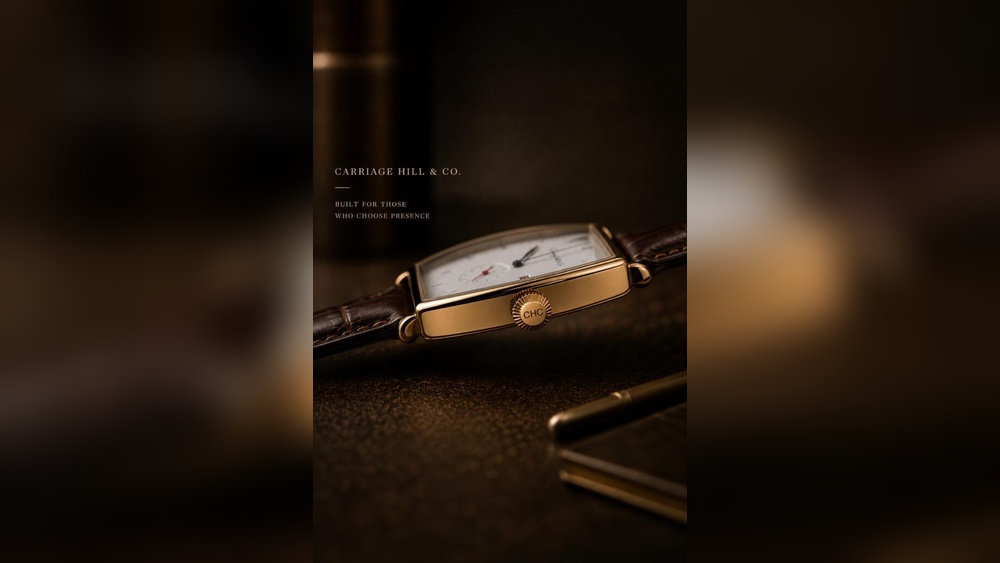
Carriage Hill And Co Watches: A Complete Guide If you search for a watch that blends tradition with modern style,
Carriage Hill Understated Luxury Watch: A Complete Guide A luxury watch is more than just a tool for telling time.
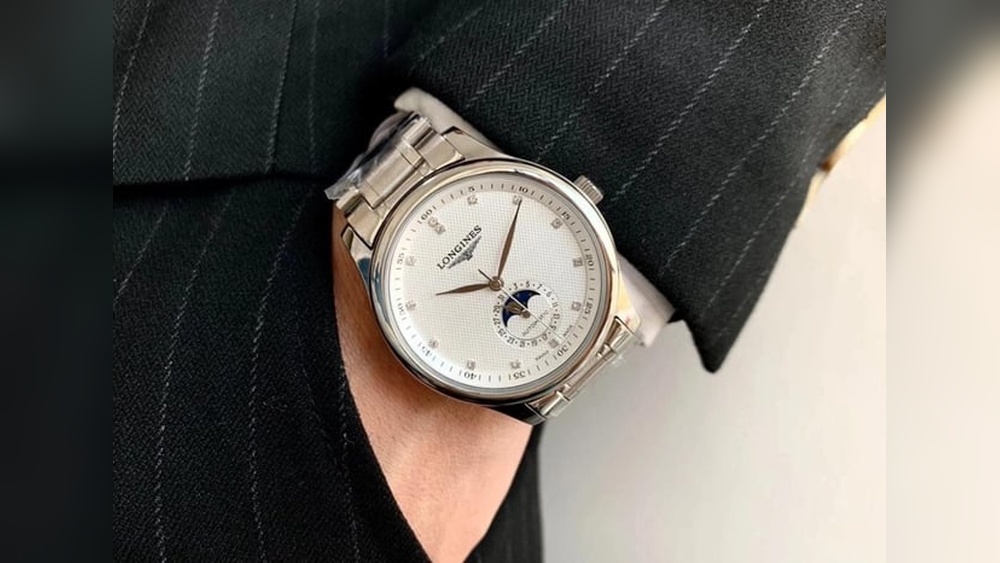
Finding a luxury dress watch under $700 is a rewarding challenge for style-conscious people who want elegance without the high
The world of luxury watches is filled with stories of craftsmanship, tradition, and innovation. Among these, the Carriage Hill Handcrafted
The world of watches is full of stories, tradition, and craftsmanship. For many people, a watch is not just a