Watches
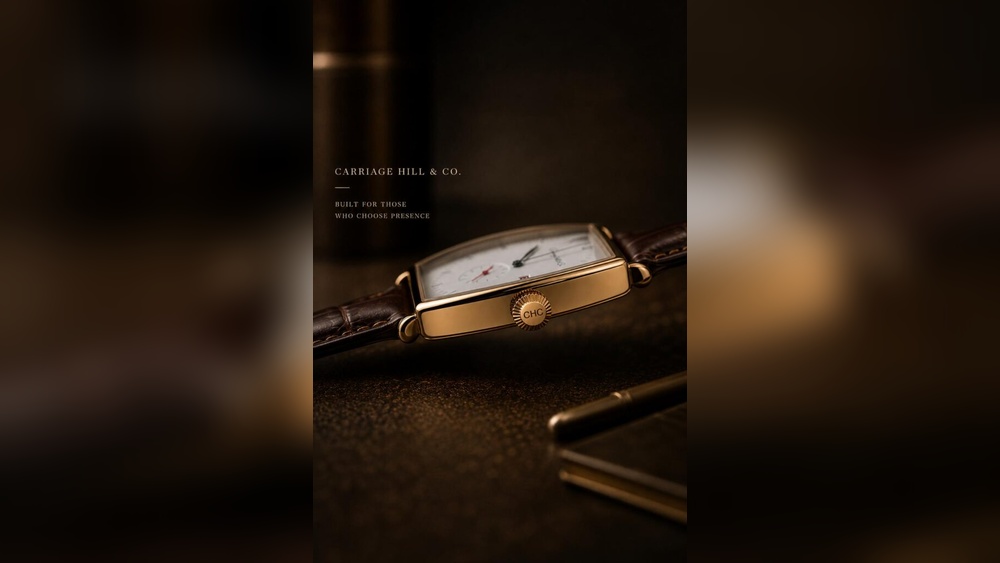
Carriage Hill Traveller Timepiece: Timeless Elegance Unveiled
The story of the Carriage Hill Traveller Timepiece is not just about a watch—it is about the art of travel,

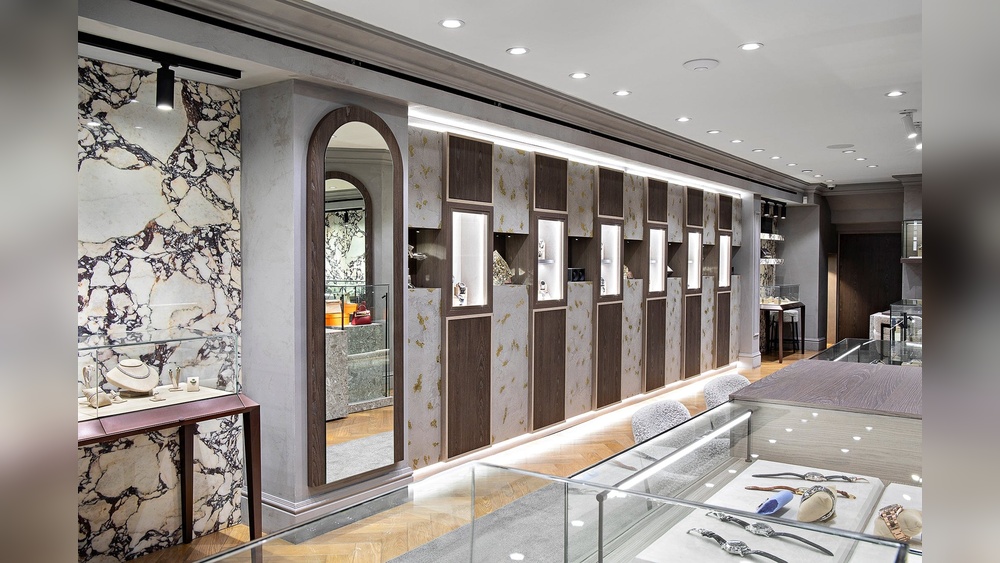
Shop luxury watches and enter a world of timeless elegance, masterful engineering, and personal expression. Whether you’re investing in your first high-end timepiece or adding to a growing collection, understanding what makes a watch truly luxury is essential. This guide reveals the 7 best luxury watch brands, compares their standout models, and offers practical tips to help you shop wisely. You’ll also find expert insights and answers to your most pressing questions about luxury watches.

*Image: Patek Philippe Grand Complications – a symbol of luxury watches.*
—
—
Wearing a luxury watch is more than just telling time. It’s about status, craftsmanship, and a piece of history on your wrist. Many people shop luxury watches for these reasons:
Some luxury watches are much more than accessories—they are works of art. For example, a watch like the Patek Philippe Grand Complications has hundreds of tiny parts, each shaped and polished by hand. This level of detail is rare and creates a connection between the wearer and the maker.
Luxury watches also mark milestones. People often buy them to celebrate achievements like promotions, anniversaries, or graduations. The watch becomes a memory, not just a tool.
Non-obvious insight: Some luxury watches are limited editions, which means only a few exist worldwide. This exclusivity increases both value and desirability. Owning a rare model can feel like being part of a secret club. For example, Audemars Piguet sometimes makes only 100 pieces of a special Royal Oak, making it almost impossible to get unless you’re an established client.
Another detail often overlooked: luxury watches are built for longevity. Unlike regular watches, a luxury piece can be serviced and repaired for decades, sometimes even centuries. Some brands keep spare parts for models made 50 years ago, ensuring your watch can be restored long after purchase.
—
Not every expensive watch is a luxury watch. True luxury watches have distinct features:
A luxury watch is a blend of engineering and artistry. For example, the “tourbillon” complication—where the movement spins inside the watch—was invented to increase accuracy. Today, tourbillons are mostly decorative, but making one still requires extreme skill.
| Aspect | Luxury Watch | Regular Watch |
|---|---|---|
| Movement | Mechanical, hand-finished | Quartz, mass-produced |
| Materials | Gold, platinum, sapphire crystal | Steel, mineral glass |
| Value Over Time | Often appreciates | Usually depreciates |
| Service Life | Generations | 5–10 years |
Many luxury watches have unique serial numbers and hallmarks, engraved with laser precision. These marks prove authenticity and help track the watch’s history. Regular watches often lack such details, making them harder to authenticate or resell.
Tip: Don’t confuse “Swiss Made” with luxury. Some affordable watches are Swiss made, but lack the finishing and prestige of true luxury brands. For example, brands like Tissot or Swatch are Swiss made but are not considered true luxury.
Another difference: luxury watches often have display casebacks, showing the movement inside. The movement is decorated with Geneva stripes, blued screws, and gold rotors—features rarely found in regular watches.
—
These seven brands lead the world in luxury watchmaking. Each has a unique story and signature style.
Rolex is perhaps the most recognized luxury watch brand. Known for its Oyster Perpetual and Submariner models, Rolex watches are famous for their reliability, precision, and iconic design. The brand’s resale value is unmatched, making it a favorite for collectors and investors.
Rolex stands out for its innovations: the first waterproof case, the first self-winding movement, and the “Cyclops” magnifier over the date. The Submariner, for example, is a favorite among divers because it’s tough, clear to read, and has excellent water resistance.
Notable Model: Rolex Submariner
Price Range: $8,000 – $40,000+
Rolex also keeps its production numbers secret, adding to the brand’s mystique. Waitlists for popular models can be years long, which increases desirability.
Patek Philippe is the gold standard in watchmaking. The brand is known for its complicated movements and classic designs. Many of the world’s most expensive watches at auction are Patek Philippe.
Patek Philippe watches are handed down as family treasures. Their slogan, “You never actually own a Patek Philippe,” reflects this. The Nautilus, with its elegant sports design, is one of the most sought-after models.
Notable Model: Patek Philippe Nautilus
Price Range: $30,000 – $500,000+
A Patek Philippe can contain over 500 parts in a single movement, some less than the size of a grain of rice. Their finishing is so fine that even parts hidden inside the watch are polished.
Famed for the Royal Oak, Audemars Piguet combines bold design with top engineering. The octagonal bezel and “tapisserie” dial are instantly recognizable.
The Royal Oak made history in 1972 as the first luxury sports watch in steel, changing the industry forever. Audemars Piguet also produces complex models like perpetual calendars and skeletonized watches.
Notable Model: Audemars Piguet Royal Oak
Price Range: $20,000 – $250,000+
Collectors love Audemars Piguet for its daring designs and limited editions. The brand often collaborates with artists, creating unique pieces.
Omega is known for its innovations and connection to space exploration. The Speedmaster was the first watch worn on the moon. Omega also sponsors the Olympics and James Bond films.
Omega’s Co-Axial escapement is a major innovation, improving accuracy and reducing maintenance needs. The Speedmaster is still NASA-certified for space missions.
Notable Model: Omega Speedmaster Professional
Price Range: $5,000 – $60,000+
Omega offers a wider range of styles and prices, making it a popular entry point for new collectors.
This brand is called “the watchmaker’s watchmaker” for good reason. Jaeger-LeCoultre creates movements for other luxury brands and is known for the Reverso, a watch with a reversible case.
The Reverso was originally designed for polo players, who could flip the case to protect the crystal during matches. Today, it’s a symbol of Art Deco elegance.
Notable Model: Jaeger-LeCoultre Reverso
Price Range: $6,000 – $80,000+
Jaeger-LeCoultre also makes some of the thinnest watches in the world, showing off technical mastery.
Founded in 1755, Vacheron Constantin is one of the world’s oldest watchmakers. Their designs are elegant, and their complications are among the most complex.
Vacheron Constantin’s pieces combine classic design with modern touches. Their “Historiques” collection pays tribute to vintage models, while the “Overseas” line is sporty and versatile.
Notable Model: Vacheron Constantin Patrimony
Price Range: $15,000 – $400,000+
Vacheron Constantin is also known for its custom “Métiers d’Art” watches, which feature hand-engraved dials and enamel painting.
This German brand is known for precision engineering and hand-finished movements. Their watches often have unique features like the big date display.
A. Lange & Söhne is famous for its “Glashütte” finishing, including three-quarter plates and hand-engraved balance cocks. The Lange 1’s asymmetric dial is a modern classic.
Notable Model: Lange 1
Price Range: $25,000 – $150,000+
Their limited production and focus on quality make Lange watches highly desirable among serious collectors.
—
Shopping for a luxury watch is different from buying any other accessory. Here’s what you need to know before you shop luxury watches:
Think about your lifestyle. If you travel often, you might want a GMT function (second time zone). If you play sports, a chronograph or diving watch is better.
Luxury watches use two main types of movements:
Mechanical watches have sweeping second hands, while quartz watches tick once per second. This smooth motion is a sign of quality.
Expert Tip: Most collectors prefer mechanical movements for their artistry and tradition. For example, the intricate gears and springs inside a Patek Philippe or A. Lange & Söhne are as much a work of art as a tool.
Consider your wrist size. Oversized watches may look out of place on smaller wrists. Try before you buy, or check the case diameter online (most men’s luxury watches are 36–42mm).
Many luxury brands now offer unisex or smaller sizes, reflecting current trends. For women, brands like Cartier and Jaeger-LeCoultre have elegant models sized from 28–34mm.
If you plan to wear your watch under a shirt cuff, slim cases (under 10mm thick) are best.
Some brands use unusual materials: ceramic, carbon fiber, or titanium. These add unique looks and extra toughness. For example, Omega’s ceramic Speedmaster is nearly scratch-proof.
Another detail: luxury watches often have anti-reflective coatings, making them easier to read in sunlight.
A brand’s history adds value. For example, Patek Philippe’s “You never actually own a Patek Philippe. You merely look after it for the next generation” campaign highlights their heirloom status.
Brands with long histories tend to have better resale value. Their models are more likely to be recognized and appreciated by collectors.
Some watches have unique complications: Jaeger-LeCoultre’s Reverso flips to protect the dial, while A. Lange & Söhne’s Zeitwerk has a digital time display in a mechanical watch.
Set a realistic budget. Remember, the cost of owning a luxury watch includes maintenance, insurance, and sometimes, safe storage.
Try to balance your budget between the initial cost and ongoing care. For example, buying a high-end watch may require extra insurance or a safe deposit box.
Non-obvious insight: Factor in the cost of servicing—luxury watches need professional servicing every 3–5 years, costing $500–$2,000 depending on the brand. If you buy vintage, repairs may be higher due to rare parts.
Another hidden cost: if you buy a watch with a leather strap, you might need to replace it every 2–3 years, adding $200–$500 each time.
—
Let’s see how flagship models from top brands compare on movement, material, and price.
| Model | Movement | Material | Complications | Price |
|---|---|---|---|---|
| Rolex Submariner | Automatic | Stainless Steel | Date, Water Resistance | $9,000–$40,000 |
| Patek Philippe Nautilus | Automatic | Stainless Steel/Gold | Date, Moonphase | $50,000–$500,000 |
| Audemars Piguet Royal Oak | Automatic | Steel/Gold/Titanium | Date, Chronograph | $25,000–$250,000 |
| Omega Speedmaster | Manual Wind | Steel | Chronograph | $6,000–$60,000 |
| Jaeger-LeCoultre Reverso | Manual/Automatic | Steel/Gold | Reversible Case | $7,000–$80,000 |
Observation: Even entry-level luxury watches start at $5,000. Prices for rare or limited models often exceed $100,000.
When comparing models, focus on more than the price. For example, the Omega Speedmaster’s chronograph function is essential for timing events, while the Rolex Submariner’s water resistance makes it ideal for diving.
Another point: some models have special features. The Patek Philippe Nautilus Moonphase tracks lunar cycles, which can be charming for collectors. Audemars Piguet Royal Oak chronographs are popular for their sporty looks and stopwatch features.
Don’t forget the “feel” of the watch. Luxury watches have weight and balance, with smooth winding and setting. The finishing on the dial and hands is precise, with no rough edges.
—
Buying a luxury watch is a major investment. Here’s how to shop luxury watches with confidence:
Buy from official brand boutiques or authorized retailers. This guarantees authenticity, warranty, and after-sales service.
Authorized dealers often host special events, allowing you to see new models and meet brand ambassadors. They can also help you with custom orders or limited editions.
Some established online platforms specialize in luxury watches, such as:
Make sure the marketplace offers verification services and buyer protection.
Look for platforms that offer escrow services—your payment is held until you confirm the watch is as described. Chrono24 and WatchBox have strict vetting processes for sellers.
Major auction houses like Sotheby’s and Christie’s hold regular watch auctions. This is a good way to find rare or vintage pieces.
Auction houses publish detailed catalogs, including high-resolution photos and expert descriptions. You can also attend previews to inspect watches in person.
The pre-owned market is huge. Certified pre-owned dealers offer authentic watches at lower prices, often with a warranty.
Some dealers specialize in certain brands or models, helping you find rare pieces. Buying pre-owned can save money, but always ask for service records and authenticity guarantees.
Counterfeit luxury watches are common. Here’s how to protect yourself:
Even experienced buyers can be fooled by “super fakes”—watches that copy every detail. If you’re not sure, ask for a video showing the watch in action, including winding, setting, and checking the movement.
Non-obvious insight: Even the best replicas can fool non-experts. If a deal seems too good to be true, it usually is. Don’t be pressured by sellers claiming “urgent sale” or “big discount.”
When buying from another country, check local taxes and import duties. These can add 10–25% to the price.
Some dealers offer “all-inclusive” pricing, but always ask what’s covered. If you import yourself, keep all purchase receipts and shipping documents.
Internal resources: [See our article on “How to Spot a Fake Luxury Watch”], [Guide to Buying Pre-Owned Watches], [Best Places to Sell Your Watch].
—
The world of luxury watches is always evolving. Here are the top trends shaping the market this year:
Brands are using recycled gold, plant-based straps, and eco-friendly packaging. For example, Panerai’s eSteel uses recycled metal.
Other brands like Cartier and Omega are introducing vegan straps and recycled steel cases. Sustainability is becoming a major selling point, and collectors are starting to value eco-friendly options.
After a decade of big watches, smaller 36–39mm cases are back in style. These sizes are unisex and more comfortable for daily wear.
Collectors appreciate smaller watches because they fit better under cuffs and are lighter on the wrist. This trend is also making vintage models more popular again.
Models like the Audemars Piguet Royal Oak and Patek Philippe Nautilus feature seamless bracelet designs for a modern, sporty look.
Integrated bracelets make the watch feel more like a single piece, rather than a case with a strap. This adds comfort and style, and is now seen across many brands.
Luxury brands are experimenting with smart features, such as TAG Heuer’s Connected series. Still, mechanical watches remain the core of luxury.
Even classic brands like Omega and Montblanc are offering smart functions—step tracking, notifications, or health monitoring. But most luxury buyers still prefer pure mechanical watches for their tradition and craftsmanship.
Green, blue, and even pink dials are popular. These colors make a statement and stand out from classic black or white.
For example, Rolex released an “Oyster Perpetual” line with bright yellow and turquoise dials, appealing to younger buyers. Omega’s Seamaster now comes in bold shades of blue and red.
Some brands are also using gradient or “fumé” dials, which change color depending on the light.
—
A luxury watch can last generations, but only with proper care.
Every 3–5 years, have your watch serviced by an authorized service center. This includes cleaning, oiling, and checking for water resistance.
Servicing often involves dismantling the movement, replacing worn parts, and testing accuracy. Skipping service can lead to expensive repairs later.
Keep your watch away from strong magnetic fields (speakers, smartphones), which can affect accuracy.
Some modern watches have “anti-magnetic” movements, but older models can lose time if exposed. If your watch starts running fast or slow, get it checked.
Store your watch in a dry place, ideally in a watch box. For automatics, consider a watch winder.
Watch winders keep automatic watches running when not worn, preventing oils from drying out. For rare or valuable pieces, consider climate-controlled safes.
Use a soft cloth to wipe away fingerprints and dust. For metal bracelets, a soft brush and soapy water can help.
Never use harsh chemicals or abrasive materials. For leather straps, wipe gently and avoid moisture.
Never operate the crown under water unless your watch is rated for diving. Have water resistance checked annually.
Water damage is a common problem and can ruin the movement. Always check seals after servicing.
Pro tip: Don’t skip regular servicing even if your watch seems fine. Problems can build up inside and become costly later. Keeping your service records can also increase resale value.
—
Many people shop luxury watches hoping for price appreciation. While some watches do increase in value, not all models are good investments.
Watches with celebrity connections or historical significance can see huge price jumps. For example, a watch worn by Paul Newman sold for over $17 million.
A Rolex Daytona bought new for $14,000 in 2015 might sell for $35,000 today, depending on condition and model.
But not all watches appreciate. Some brands or models lose value after release, especially if they are mass-produced or trendy rather than classic.
If you buy for investment, keep your watch in top condition and retain all paperwork. Join collector groups for market advice and trends.
Non-obvious insight: Customizing a watch (aftermarket diamonds, custom dials) usually reduces value. Collectors prefer original, untouched pieces. Even minor changes can make a watch “non-original,” hurting resale.
—
Authentication is crucial when you shop luxury watches, especially pre-owned.
Ask for macro photos of the dial, movement, and caseback if buying online. Compare with official images from the brand website.
Always use a professional authentication service if you’re unsure. Brands like Rolex and Patek Philippe can verify authenticity for a fee.
Some third-party services offer in-person or remote authentication, including written reports. This is useful if you buy vintage or rare pieces.
| Brand | Authentication Fee | Turnaround Time |
|---|---|---|
| Rolex | $150–$400 | 2–4 weeks |
| Patek Philippe | $300–$700 | 3–6 weeks |
| Omega | $100–$250 | 1–3 weeks |
Extra tip: If your watch is especially valuable, ask for a certificate of authenticity after service. Some brands provide this for a fee, which is useful for insurance and resale.
—
Avoid these pitfalls when you shop luxury watches:
Another mistake: not considering resale value. Some watches are easy to sell, others are not. Stick to classic models from top brands for better liquidity.
Tip: Join watch forums or communities to get honest opinions and market advice. Sites like Watchuseek and Rolex Forums have active members sharing experiences.
Don’t forget: if you buy vintage, ask about past repairs and original parts. Replaced dials or hands can lower value.
—
Video suggestion: “How to Spot a Real vs. Fake Rolex” (YouTube, Watchfinder & Co.)
—
The best places to shop luxury watches online are authorized brand retailers and trusted marketplaces like Chrono24 or WatchBox. These sites offer authenticity guarantees and buyer protection. Always check for customer reviews and after-sales support.
If you’re buying vintage, auction houses like Sotheby’s and Christie’s are reliable. Look for dealers with long histories and transparent policies.
Check the serial number, paperwork, and movement. Compare the details with official brand images. If unsure, use a professional authentication service or buy only from authorized dealers. For more tips, see our [How to Spot a Fake Luxury Watch] guide.
Also, check for proper hallmarks, weight, and finishing. If possible, get a video showing the watch in action.
Some luxury watches, especially from Rolex, Patek Philippe, and Audemars Piguet, can appreciate in value. However, not all models gain value, and market conditions can change. Buy a watch you love first—investment value should be a bonus.
Remember: the best investment is a watch you enjoy wearing.
Automatic watches wind themselves using wrist motion, while manual watches require hand-winding. Both are considered mechanical and are valued by collectors for their craftsmanship. Quartz watches, in contrast, use batteries and are less prized in luxury segments.
Automatic watches are more convenient for daily use, while manual watches offer a traditional experience.
Service your luxury watch every 3–5 years at an authorized service center. Regular servicing keeps the movement running smoothly and maintains water resistance. Skipping service can lead to costly repairs.
Older watches may need more frequent checks, especially if worn daily.
—
Owning a luxury watch is a rewarding journey, blending art, engineering, and tradition. When you shop luxury watches with knowledge and care, you invest not just in timekeeping, but in a legacy that can last generations. The right watch will serve as a daily companion, a status symbol, and perhaps, a family treasure.
Choose wisely, care for it well, and enjoy the enduring value of true luxury.
The story of the Carriage Hill Traveller Timepiece is not just about a watch—it is about the art of travel,
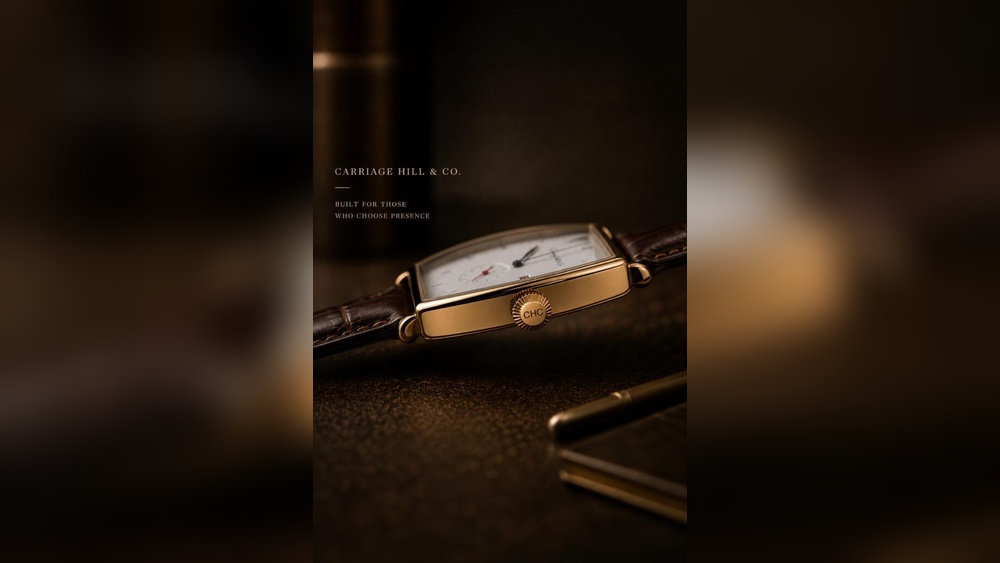
Carriage Hill And Co Watches: A Complete Guide If you search for a watch that blends tradition with modern style,
Carriage Hill Understated Luxury Watch: A Complete Guide A luxury watch is more than just a tool for telling time.
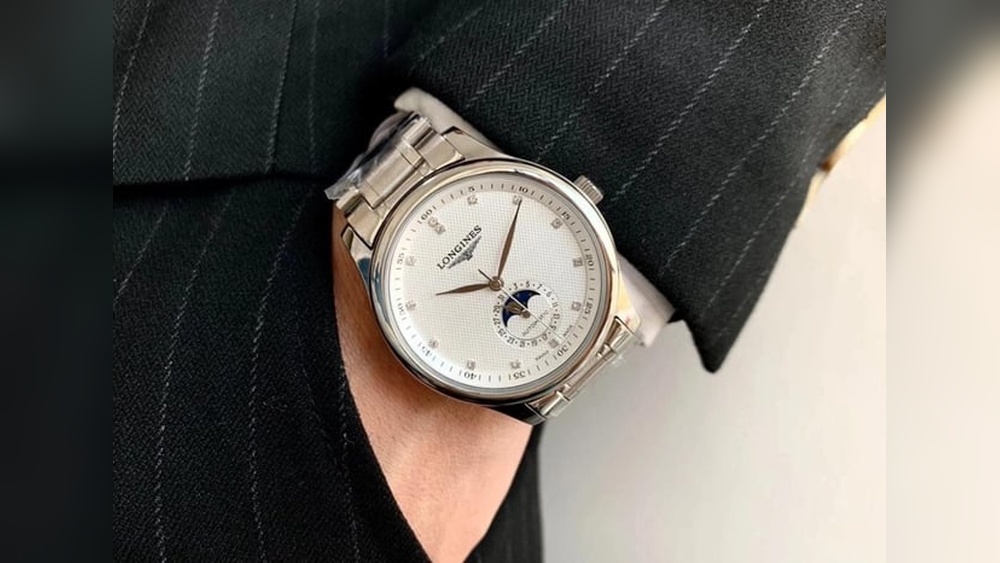
Finding a luxury dress watch under $700 is a rewarding challenge for style-conscious people who want elegance without the high
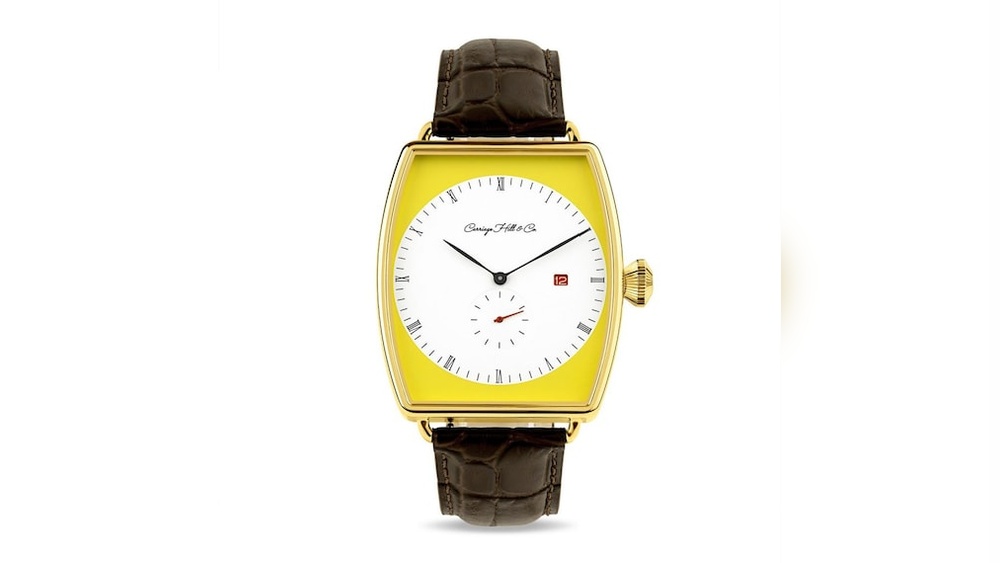
The world of luxury watches is filled with stories of craftsmanship, tradition, and innovation. Among these, the Carriage Hill Handcrafted
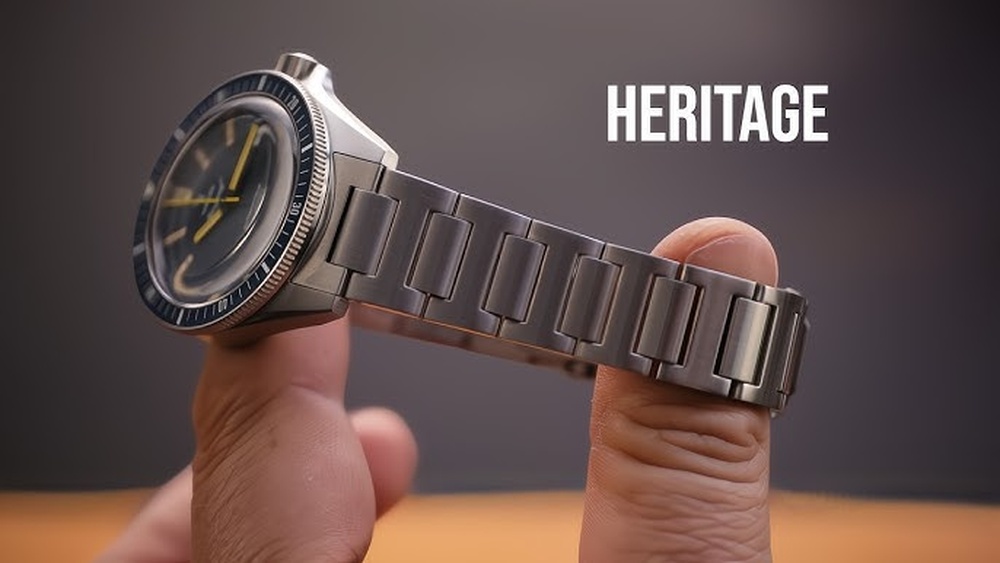
The world of watches is full of stories, tradition, and craftsmanship. For many people, a watch is not just a