
Watches
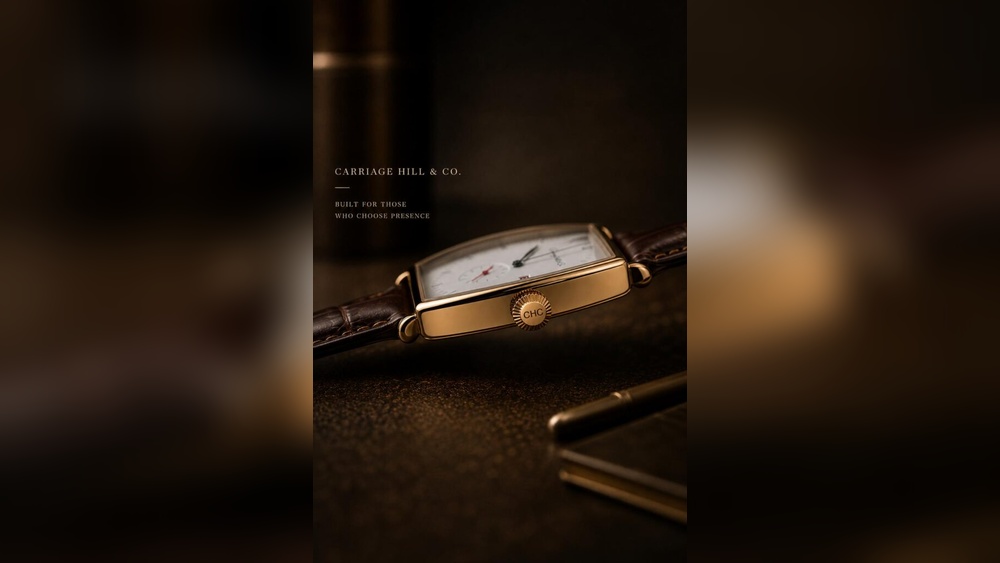
Carriage Hill Traveller Timepiece: Timeless Elegance Unveiled
The story of the Carriage Hill Traveller Timepiece is not just about a watch—it is about the art of travel,
Meta Description: Discover the luxury watch lifestyle with 7 ultimate ways to transform your daily life. Learn about top brands, buying tips, collecting, and exclusive experiences. Unlock prestige and style with our comprehensive guide.
URL Slug: luxury-watch-lifestyle-7-ultimate-ways
—
Table of Contents
—

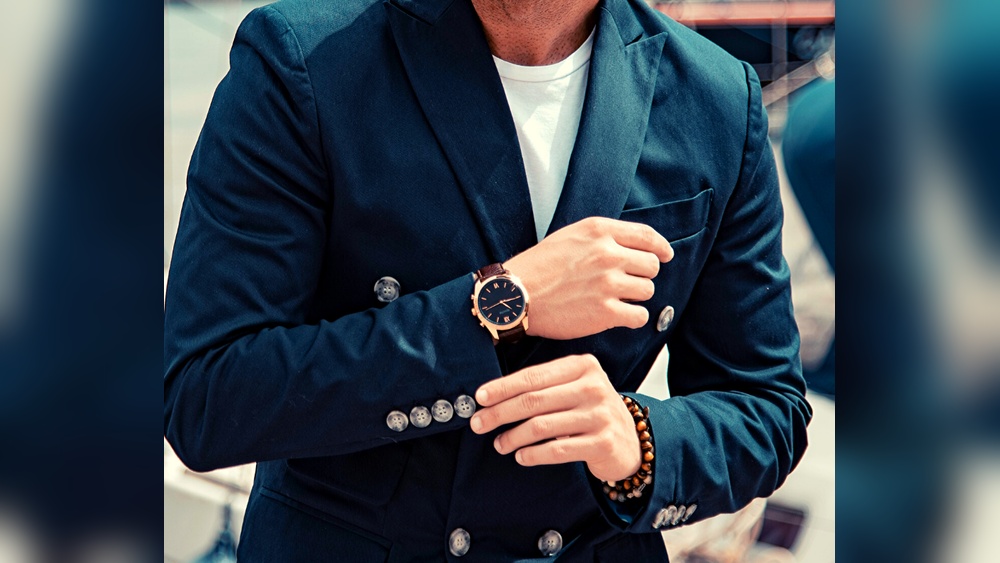
*ALT: Luxury Watch Lifestyle – Man with watch overlooking city*
—
The luxury watch lifestyle is more than owning a beautiful timepiece. It’s about enjoying craftsmanship, history, and prestige. Wearing a luxury watch signals success, taste, and confidence. For many, it’s a reward for hard work and a symbol of personal achievement.
Luxury watches, like Rolex or Patek Philippe, are not just tools for telling time. They are wearable art. Each piece reflects hundreds of hours of expert work. Many collectors see their watches as family heirlooms or investments.
Watches also connect people. Whether you’re at a business meeting or a social event, a luxury watch often sparks conversations. Watch enthusiasts share stories, compare collections, and even join exclusive clubs. The luxury watch lifestyle is about community as much as style.
The feeling of putting on a luxury watch is hard to describe. It’s a mix of pride, excitement, and sometimes nostalgia. You might remember the moment you achieved a goal, or the person who gave you the watch. Some people even wear watches passed down from parents or grandparents, making each piece more meaningful.
Beyond the obvious, luxury watches can shape how others see you. In many cultures, a nice watch is a sign of responsibility and attention to detail. It can open doors in business, help build trust, and show you value quality.
For example, in high-level meetings, the right watch can quietly show your status without saying a word.
Non-obvious insight: Many newcomers think expensive watches are mainly for showing off. But for true collectors, the appeal is often about hidden details—like the history behind a model, the movement inside, or rare materials. The value often lies in what’s *not* visible to the average person, such as the tiny engravings, special complications, or the story behind a limited release. Some watches are never worn, only kept for their legacy.
Choosing a luxury watch starts with knowing the best brands. Each has its unique story, style, and following. Here are seven of the most respected luxury watch brands in the world:
| Brand | Founded | Signature Model | Average Price (USD) |
|---|---|---|---|
| Rolex | 1905 | Submariner | $8,000–$15,000 |
| Patek Philippe | 1839 | Nautilus | $30,000–$70,000 |
| Omega | 1848 | Speedmaster | $5,000–$9,000 |
| Audemars Piguet | 1875 | Royal Oak | $25,000–$50,000 |
| Cartier | 1847 | Santos | $6,000–$12,000 |
| Jaeger-LeCoultre | 1833 | Reverso | $7,000–$15,000 |
| Tag Heuer | 1860 | Carrera | $3,000–$6,000 |
These brands are famous for their innovation, heritage, and quality. Owning a watch from any of these names is a statement. Each brand offers many models, from classic dress watches to sporty chronographs.
For example, Rolex is known for its durability and timeless style. Patek Philippe is famous for complicated movements and elegant designs. Omega has a rich history with the space program and the Olympics. Audemars Piguet’s Royal Oak broke tradition with its steel case and unique shape.
Cartier’s Santos was one of the first wristwatches for pilots. Jaeger-LeCoultre is respected for technical creativity, and Tag Heuer is loved for racing-inspired pieces.
Some collectors focus only on one brand, while others mix styles and makers. There are also microbrands and independent watchmakers creating unique timepieces. While these are not as famous, they often use rare materials or unusual designs.
Luxury brands stand out because of their:
Brands often release limited editions for anniversaries or collaborations. These can become collector’s items, especially if they have unique features like special engravings or rare materials.
Non-obvious insight: Many luxury brands offer custom options or special editions that are not widely advertised. Collectors often seek these rare watches because they hold or increase value. For instance, Patek Philippe sometimes makes unique pieces for private clients, which are never shown in shops or online.
Finding the right luxury watch is both exciting and challenging. The choices are endless, so it’s important to focus on what matters most to you.
Your lifestyle matters. If you travel a lot, look for watches with dual time zones. If you swim, choose water-resistant models. For daily use, focus on durability and comfort.
| Type | How It Works | Pros | Cons |
|---|---|---|---|
| Mechanical | Hand-wound spring | Craftsmanship, tradition | Needs winding, less accurate |
| Automatic | Self-winding with movement | Convenient, quality build | Still less accurate than quartz |
| Quartz | Battery powered | Very accurate, low maintenance | Less prestige, fewer luxury options |
Mechanical watches are admired for their beauty and complexity. The ticking sound and smooth hand movement are appealing. Automatic watches are similar but wind themselves as you move. Quartz watches are practical and accurate, often used for sports or everyday wear.
Practical tip: Visit a reputable dealer and try on several watches. It’s easier to choose when you see and feel them in person. Ask questions about warranty, servicing, and return policy. Take your time and don’t rush your decision.
Non-obvious insight: Many buyers overlook the importance of a watch’s “complication”—special features like moon phases, calendars, or chronographs. Complications can add value and make a watch more interesting, but also raise maintenance costs.
Collectors see watches as more than accessories—they are investments, history, and passion. The luxury watch lifestyle often includes building a collection over time.
Collectors often develop a unique taste. Some focus on vintage pieces from the 1950s or 1960s, while others prefer modern, high-tech models. Some collect only chronographs, others only divers. The theme you choose shapes your collection and helps guide future purchases.
Collectors often keep detailed records about their watches. This includes purchase dates, servicing history, and even photos. This helps with insurance and resale, and makes the collection more personal.
| Model | Year Purchased | Purchase Price | Estimated Value Today |
|---|---|---|---|
| Rolex Submariner | 2015 | $7,500 | $12,000 |
| Patek Philippe Nautilus | 2015 | $30,000 | $70,000 |
| Omega Speedmaster | 2015 | $5,000 | $8,500 |
Values can change quickly, especially for rare or “hot” models. But not every watch increases in price. Some lose value if the brand falls out of fashion, or if new models are released.
Non-obvious insight: Watch values can rise quickly for rare models, but can also drop if trends change. It’s wise to buy what you love, not just for investment. Emotional value and enjoyment often last longer than market trends.
Experienced collectors suggest “buying the seller,” not just the watch. Trustworthy sellers are more important than finding the lowest price. They offer authentic pieces, honest advice, and fair warranties.
The luxury watch lifestyle is about more than owning expensive items. It’s about enjoying unique experiences and joining a global community.
Luxury watch owners often attend exclusive events, such as:
Some events are invitation-only, while others are open to the public. Attending gives you access to insider information and rare pieces.
Some luxury watch brands organize adventure trips. For example, Omega holds space-themed events because of its history with the Moon landing. Rolex sponsors yacht races and golf tournaments.
Travel experiences can include guided tours of watch factories in Switzerland, learning about watchmaking, or meeting top craftsmen. Some brands invite loyal customers to special events in exotic locations. You might join a mountain climb, deep-sea dive, or racing event—all themed around watches.
Luxury brands offer special services for VIP clients:
Personalization makes your watch unique. It can also make the watch more valuable to you and your family.
Non-obvious insight: Some brands allow you to tour their workshops or even help design a unique watch. These experiences are not advertised and require connections or invitations. Sometimes, collectors get to meet the actual watchmaker who built their piece.
Social media has changed the luxury watch lifestyle. Many collectors share their watches on Instagram or YouTube. Popular influencers review watches, show collections, and give buying tips. This online culture makes the lifestyle more accessible.
You can follow hashtags like #watchfam, #luxurywatches, or #watchcollector to see daily posts from around the world. Online groups can help you learn, find rare pieces, and avoid scams.
Online reviews and video tours give buyers a closer look at models before they visit a store. Virtual unboxings and “wrist shots” help build excitement and show how watches look in real life.
Proper care keeps your watch looking and working great for years. Luxury watches need regular maintenance, just like cars.
If your watch is water-resistant, rinse it after swimming in salt water. Leather straps last longer if kept dry.
Mechanical watches may need oiling and cleaning. Water-resistant watches should be checked for leaks. If you own several watches, consider a watch winder to keep automatic models running.
Watch winders rotate automatic watches to mimic wrist movement. This keeps the movement lubricated and ready to wear.
For vintage watches, extra care is needed. Parts may be hard to find, and some repairs require specialist skills. Always use authorized centers for expensive or rare pieces.
Common mistake: Many people forget to service their luxury watches. This can lead to costly repairs. Dust and old oil can cause damage to the movement, making repairs more expensive than regular servicing.
Insure your watches against theft or damage. Many luxury owners use home safes or bank vaults for their most valuable pieces.
Insurance policies should cover full replacement value and include coverage for travel. Take clear photos and keep purchase records.
Non-obvious insight: Some collectors use GPS trackers in their watch boxes or even microchips in their watches for extra security. This is not common, but can help recover stolen items.
Luxury watches can be smart investments, but not all models perform the same. Here’s what you need to know about investing in watches.
Other factors include original papers and boxes, service history, and any custom features. Watches with factory defects or special engravings sometimes become collector’s items.
The market for luxury watches has grown in the last decade. According to a 2023 report, the global luxury watch market was valued at $8. 5 billion and is expected to reach $11 billion by 2028.
Some watches, especially sports models, have seen price increases of 50–100% in the past five years. Demand often outpaces supply.
The rise of online platforms has made buying and selling easier. Sites like Chrono24 or WatchBox let buyers compare prices and find rare models. Auction houses like Christie’s and Sotheby’s also sell famous watches, sometimes for millions.
External link: For more market data, see Statista.
Some collectors use “watch flipping”—buying and selling quickly to profit from rising prices. This is risky and requires good market knowledge. Long-term holding is safer for beginners.
Non-obvious insight: When selling, original photos and full service records can increase trust and value. Buyers pay more for watches with clear histories.
Internal link suggestion: [How to spot fake luxury watches]
Internal link suggestion: [Top 10 watch brands for beginners]
Internal link suggestion: [Best ways to care for your watch]
The luxury watch lifestyle means enjoying high-end watches as part of your daily life. It’s more than wearing expensive items; it’s about appreciating art, history, and joining a community of collectors and enthusiasts.
Start with research. Learn about brands, models, and watch types. Set a budget and buy from trusted sources. Begin with one or two watches you truly love, then expand your collection as you gain experience.
Some luxury watches hold or increase value, especially rare or iconic models. But value can change based on trends, brand reputation, and condition. Buy watches you enjoy, not just for investment.
Keep your watch clean and store it safely. Avoid extreme temperatures and magnets. Service your watch every 3–5 years at an authorized center. Insure your collection for extra security.
Follow watch magazines, forums, and influencers online. Attend events like Baselworld or visit brand websites. For reliable data, check sources like Hodinkee.
—
Living the luxury watch lifestyle is about more than money—it’s about passion, knowledge, and community. Whether you collect for investment or simply to enjoy fine craftsmanship, these watches bring a unique sense of joy and prestige. Start your journey by learning, connecting, and choosing wisely. Your next luxury watch could be the beginning of a lifelong adventure.
Image suggestions:
Video suggestions:
The story of the Carriage Hill Traveller Timepiece is not just about a watch—it is about the art of travel,
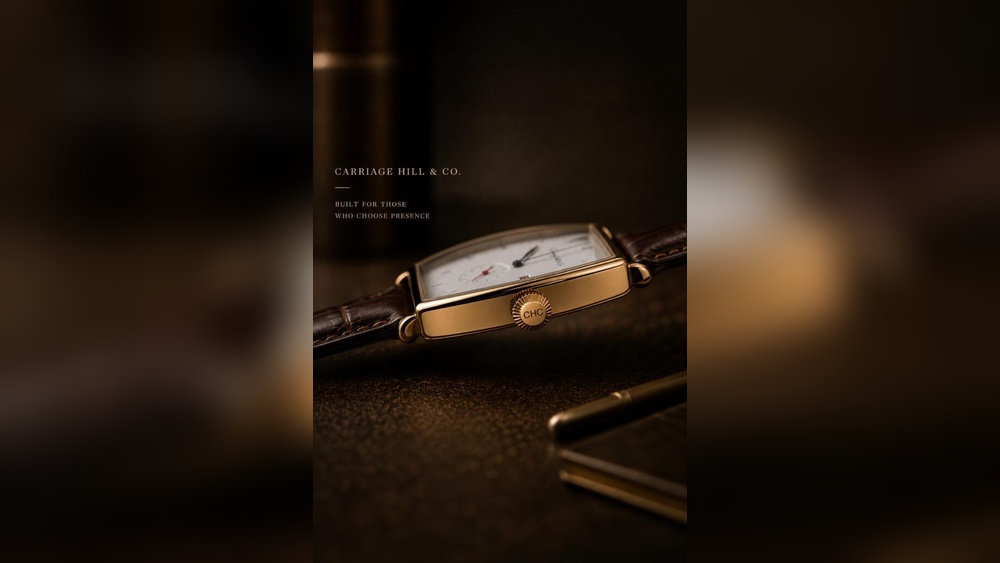
Carriage Hill And Co Watches: A Complete Guide If you search for a watch that blends tradition with modern style,
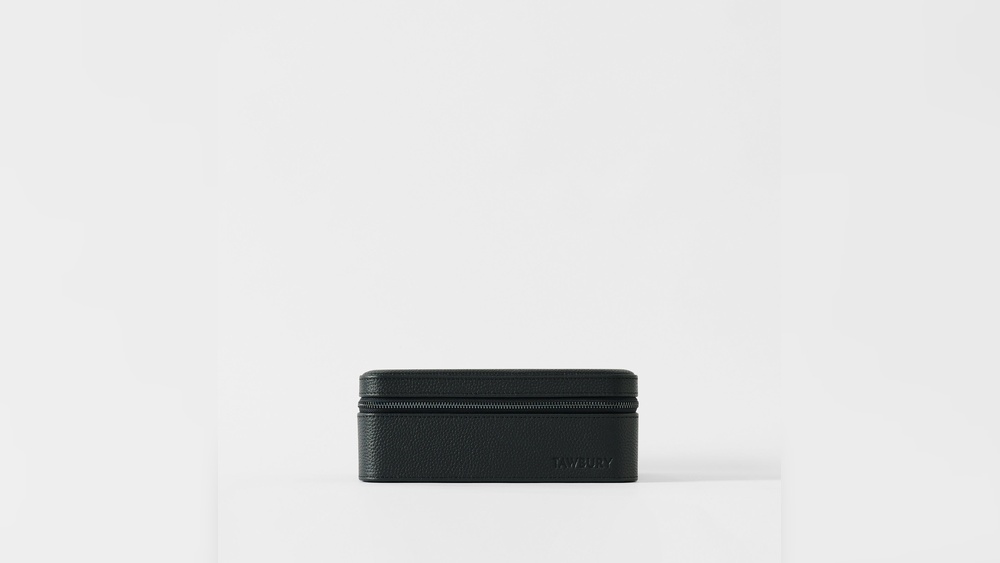
Carriage Hill Understated Luxury Watch: A Complete Guide A luxury watch is more than just a tool for telling time.
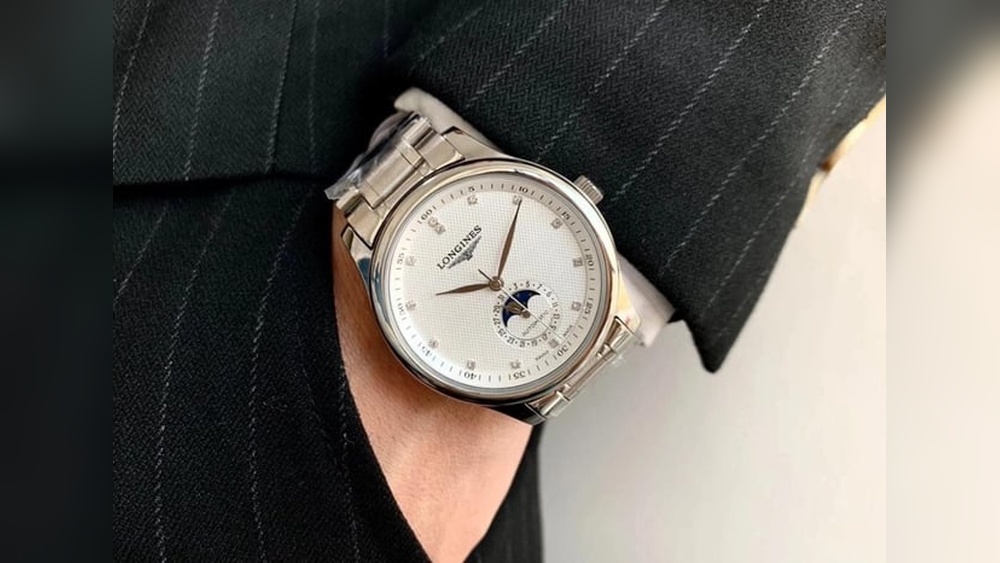
Finding a luxury dress watch under $700 is a rewarding challenge for style-conscious people who want elegance without the high
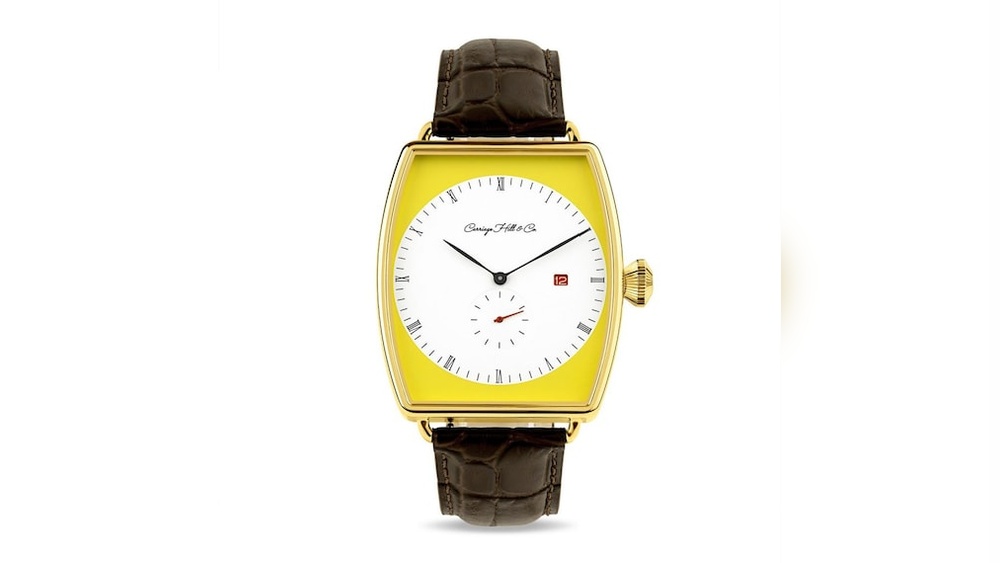
The world of luxury watches is filled with stories of craftsmanship, tradition, and innovation. Among these, the Carriage Hill Handcrafted
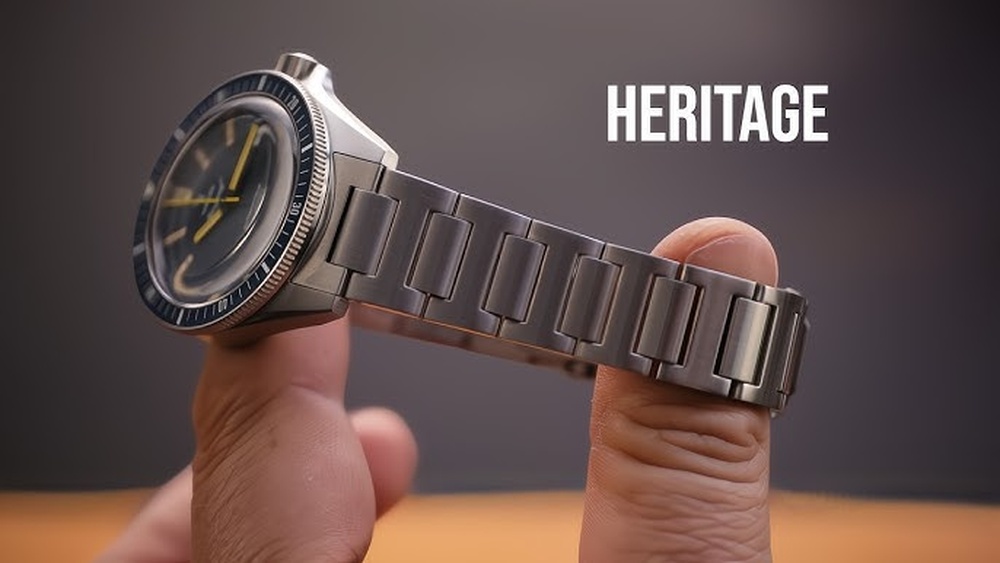
The world of watches is full of stories, tradition, and craftsmanship. For many people, a watch is not just a