Watches
Carriage Hill Traveller Timepiece: Timeless Elegance Unveiled
The story of the Carriage Hill Traveller Timepiece is not just about a watch—it is about the art of travel,
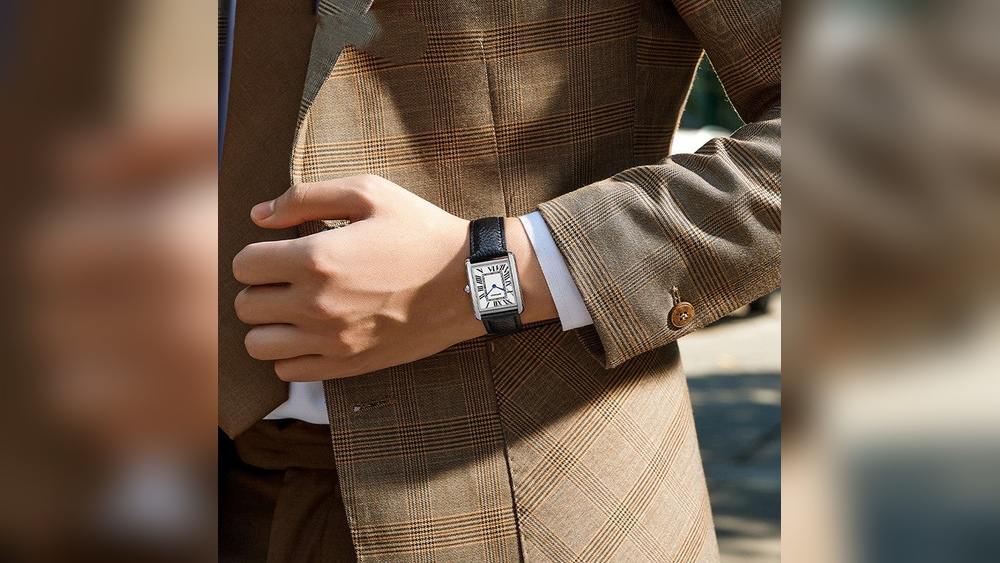
The world of men’s watches is vast and ever-changing. Yet, there’s a special category that stands apart: old money watches. These are not just timepieces; they are symbols of tradition, discretion, and quiet confidence. You won’t see them flashing under bright lights or on bold billboards. Instead, they sit quietly on the wrists of those who value heritage over hype, craftsmanship over trends, and understated elegance over loud branding.
Old money watches are about more than just price tags or famous logos. They carry stories, family legacies, and a sense of timeless style. When you spot one, you know the wearer appreciates quality that lasts, details that matter, and a history that runs deeper than the latest trend.
This article explores what makes a watch “old money,” the brands and models that define the look, and why these pieces continue to inspire admiration. Whether you dream of owning one or simply want to understand their appeal, you’ll find everything you need to know right here.
Old money style is about subtlety. The same rule applies to watches. An old money watch is often:
It’s not about the most expensive or complicated piece. In fact, sometimes the watch is the least flashy thing in the room. The value is in the details: smooth hands, balanced proportions, fine finishing, and a name that means something in the world of horology.
A Patek Philippe Calatrava from the 1960s or a vintage Rolex Oyster Perpetual tells a very different story than a newly launched, oversized fashion watch. Old money watches whisper rather than shout.
The tradition of wearing watches as a sign of status began in the early 20th century. Before that, pocket watches were common among wealthy men. The switch to wristwatches was first seen among military officers during World War I, valued for their practicality.
After the war, the style caught on with civilians, especially among the well-to-do.
By the 1950s and 1960s, certain watch models became associated with the upper class. These were often simple dress watches, chosen for their reliability and elegance. Families would pass down watches from father to son, creating a sense of continuity and connection.
One powerful example is the story of the Patek Philippe advertisement that says, “You never actually own a Patek Philippe. You merely look after it for the next generation.” This attitude sums up the old money approach: the watch is not just for today, but for the family’s future.
Some brands are instantly recognized in old money circles. They have built their reputation over centuries, not just decades. Here’s what sets them apart:
Let’s look at the brands most closely linked to old money style.
Some names always come up when discussing old money watches. The table below compares key features of the most respected brands.
| Brand | Founded | Country | Known For |
|---|---|---|---|
| Patek Philippe | 1839 | Switzerland | Classic dress watches, complications |
| Vacheron Constantin | 1755 | Switzerland | Oldest watchmaker, refined details |
| Audemars Piguet | 1875 | Switzerland | Royal Oak, high-end finishing |
| Rolex | 1905 | Switzerland | Oyster Perpetual, understated luxury |
| Jaeger-LeCoultre | 1833 | Switzerland | Reverso, classic elegance |
| Cartier | 1847 | France | Tank, Santos, jewelry watches |
| Omega | 1848 | Switzerland | Seamaster, Speedmaster, subtle style |
Each of these brands has specific models that have become icons for men who want a watch that signals old money taste.
While brands matter, it’s often specific models that define the look. Here are some of the most respected and widely recognized old money watches for men.
Perhaps the ultimate old money watch, the Calatrava is all about simple, perfect proportions. Its round case, slim profile, and clean dial are timeless. It’s rarely flashy—most models are in gold with a white or cream dial and leather strap.
Not every Rolex is old money—some are too bold or trendy. But the Oyster Perpetual is pure tradition. It’s robust, elegant, and designed to last decades. Many old money families have at least one Oyster Perpetual, passed down over generations.
Known for thin cases and understated dials, the Patrimony line is a favorite among those who want elegance without attention-seeking. It’s a watch that pairs with a suit or a casual weekend outfit, always looking appropriate.
Originally designed for polo players, the Reverso features a rectangular case that flips to protect the dial. It’s become a symbol of refined taste, especially when worn with a leather strap.
The Tank is both simple and deeply stylish. Its rectangular case and Roman numerals are instantly recognizable, but never loud. The Tank has been worn by royalty, artists, and business leaders for over a century.
While the Royal Oak is sportier and more modern, certain versions (especially in steel with simple dials) have become favorites among old money collectors. It’s less about showing off and more about appreciating design innovation.
Omega is sometimes seen as less exclusive, but the vintage Seamaster and Constellation models carry strong old money appeal. They are understated, reliable, and carry a long history.
There are many luxury watches on the market, but few carry the same weight as those chosen by the old money crowd. Here’s why these watches stand apart:
Old money watches are about blending in, not standing out. The goal is not to catch every eye in the room, but to be recognized by those who know. Many of these watches are small by modern standards—often under 39mm in case size.
Trendy watches come and go. Old money pieces are built to last, both physically and in terms of style. For example, a Patek Philippe made in 1960 can still run beautifully today with proper care.
Many old money watches hold their value or even appreciate over time. This is not just about investment; it’s about owning something that won’t lose its meaning or quality after a few years.
Old money families often pass watches down as heirlooms. A watch is a personal object, worn daily and touched by the person’s life. This emotional value is hard to measure, but it’s one of the main reasons these watches matter.
If you want to buy a watch with old money appeal, think carefully before you choose. Here’s what really matters:
Let’s compare two classic dress watches to see what makes one more “old money” than the other.
| Feature | Patek Philippe Calatrava | Modern Fashion Watch |
|---|---|---|
| Case Size | 36mm | 44mm |
| Movement | Manual/Automatic | Quartz |
| Dial Design | Simple, no date | Multiple subdials, bold colors |
| Heritage | Since 1932 | New model |
| Value Over Time | Often increases | Usually decreases |
This table highlights why classic models remain desirable for generations while trendy pieces often lose appeal.
It’s not just about owning the right watch. How you wear it matters too. Here are a few unwritten rules:
These habits show respect for the watch and the tradition behind it.
Many old money watches are vintage pieces. There are real benefits to choosing a watch that’s already decades old:
However, buying vintage requires extra care. Make sure the watch is authentic, in good condition, and comes with documentation if possible.
The right watch is just the start. There are a few accessories that can enhance the experience:
A fine watch deserves the same attention to detail in how it’s stored and worn.
Some of the world’s most respected families are known for passing down special watches. For example:
These stories show how watches become part of a family’s legacy, not just a fashion accessory.
There’s a clear difference between old money and new money watch choices. Here’s a comparison:
| Aspect | Old Money Watch | New Money Watch |
|---|---|---|
| Design | Understated, classic | Bold, attention-grabbing |
| Branding | Subtle or hidden | Large logos, visible branding |
| Size | Typically 34-39mm | Often 42mm or larger |
| Purpose | Personal meaning, family tradition | Status symbol, show of wealth |
| Material | Gold, steel, platinum | Exotic materials, diamonds |
| Longevity | Passed down generations | Replaced often |
This difference isn’t just about taste—it’s about values. Old money watches are about continuity, new money about novelty.
While most owners wear these watches for pleasure, not profit, there’s no denying the investment potential. A well-chosen old money watch can:
For example, the price of a vintage Patek Philippe Calatrava has increased steadily over the past 20 years. In 2000, you could find one for under $10,000. Today, some models sell for $25,000 or more, depending on condition and rarity.
However, the market can be unpredictable. Not every watch will rise in value. The main lesson: buy a watch you love, not just as an investment.
A fine watch needs proper care to last for generations. Here’s how to keep your old money watch in top shape:
Neglecting service can lead to costly repairs. A well-maintained watch, however, will run smoothly for decades.
Most new collectors focus on price and brand. Here are two less obvious tips that many beginners miss:
Also, don’t underestimate the power of subtlety. A simple watch may open more doors in certain circles than any flashy piece ever could.
Many important old money watches change hands at auctions. Here, collectors can find rare pieces, sometimes with famous previous owners. For example, in 2019, a Patek Philippe Grandmaster Chime sold for over $31 million at auction, setting a world record.
Auctions are not just about high prices. They are also a way to verify the authenticity and history of a watch. If you’re new to this world, watching major auctions (even online) is a great way to learn.
Pairing your watch with the right outfit is key. Here are a few guidelines:
The goal is always harmony, not contrast. The watch should fit naturally with the outfit, not compete for attention.
The world of luxury watches is changing. Younger collectors are entering the market, and tastes are evolving. However, the core values behind old money watches remain strong:
New technologies, like smartwatches, may become popular, but they can’t replace the feeling of winding a fine mechanical watch.
For those who appreciate tradition and value, old money watches will always have a place.
The main difference is subtlety versus showiness. Old money watches are chosen for their history, quality, and understated design. New money watches often focus on size, flashy materials, and visible branding. Old money pieces are meant to be worn quietly, recognized only by those who understand.
Not always. While many are high-end, you can find vintage models from respected brands (like Omega or Longines) for under $2,000. The key is the brand’s history, the watch’s design, and its condition—not just the price tag.
Anyone can enjoy an old money watch. The style is about taste and tradition, not net worth. Many people save for years to buy one special watch. What matters is appreciation for quality and heritage, not background or bank balance.
Look for signs like original papers, matching serial numbers, and reputable sellers. Be careful with deals that seem too good to be true. For rare or expensive pieces, consider getting an expert’s opinion. Trusted auction houses and official brand retailers are the safest sources. The Christie’s Watches Department is one reputable source for learning more.
Good entry points include the Omega Seamaster, Rolex Oyster Perpetual, and vintage Longines or Jaeger-LeCoultre models. These offer classic style, strong brand heritage, and reliable movements, often at a reasonable price.
Old money watches are more than just timepieces—they are a window into history, craftsmanship, and personal values. Whether you inherit one or buy your own, you become part of a tradition that values quality over quantity, meaning over marketing, and style over status.
If you choose wisely, your watch may one day tell a story not just of time, but of a life well lived.
The story of the Carriage Hill Traveller Timepiece is not just about a watch—it is about the art of travel,
Carriage Hill And Co Watches: A Complete Guide If you search for a watch that blends tradition with modern style,
Carriage Hill Understated Luxury Watch: A Complete Guide A luxury watch is more than just a tool for telling time.
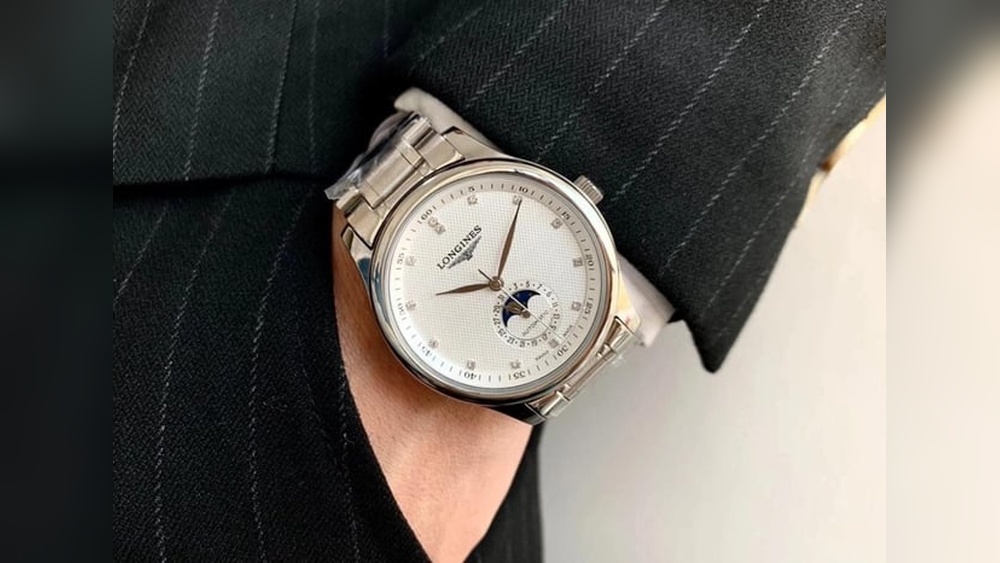
Finding a luxury dress watch under $700 is a rewarding challenge for style-conscious people who want elegance without the high
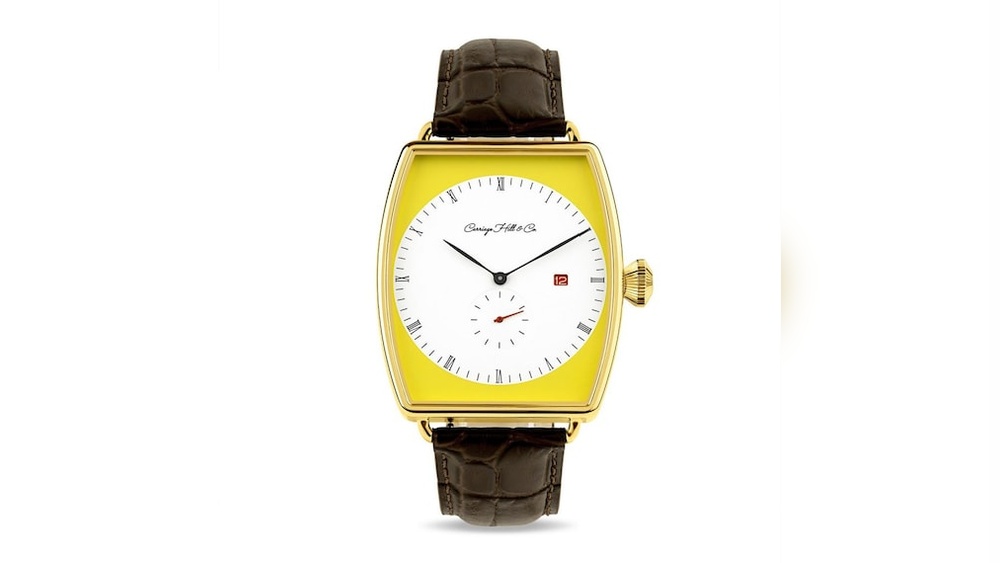
The world of luxury watches is filled with stories of craftsmanship, tradition, and innovation. Among these, the Carriage Hill Handcrafted
The world of watches is full of stories, tradition, and craftsmanship. For many people, a watch is not just a