Watches
Carriage Hill Traveller Timepiece: Timeless Elegance Unveiled
The story of the Carriage Hill Traveller Timepiece is not just about a watch—it is about the art of travel,
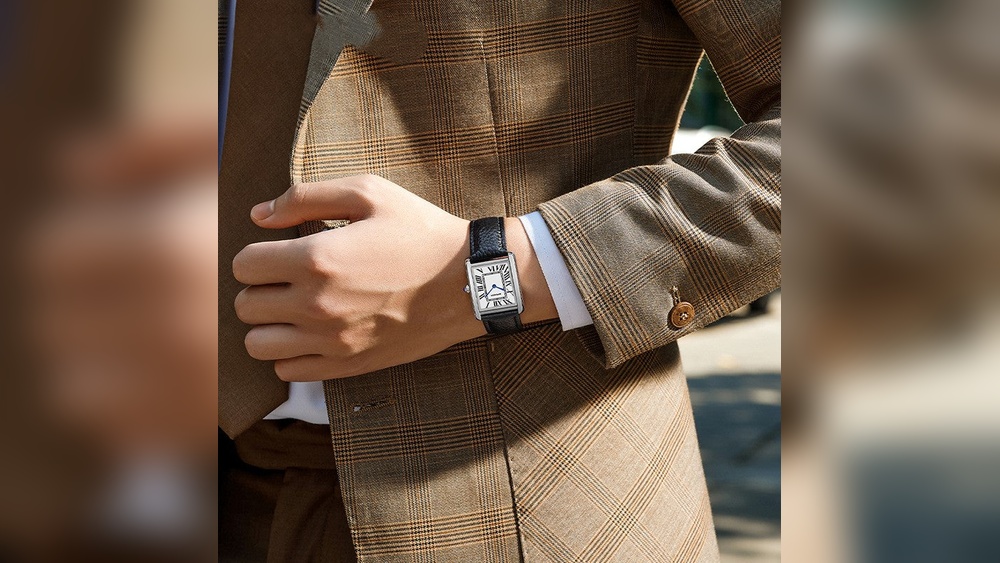
A classic wristwatch is more than a tool for telling time. For many men, a well-chosen watch represents tradition, taste, and quiet confidence. Among all styles, old money watches stand out for their understated elegance and long history. These timepieces are not flashy or trendy; they carry a sense of heritage and refinement. Wearing an old money watch signals that you value quality and timeless design, not just status or new trends.
In this article, you’ll discover what makes these watches unique, which brands and models are most respected, and how to choose and care for one. Whether you’re new to watches or a seasoned collector, you’ll find practical advice and some surprising insights that most beginners miss.
We’ll also explore how old money watches differ from modern luxury models, why their value often grows over time, and how to avoid common mistakes when buying. By the end, you’ll understand why these watches continue to fascinate—and how to make them part of your own story.
An old money watch is not just about age or price. It’s a style and philosophy rooted in tradition. These watches are usually made by brands with a long history—often over a century. The design is subtle, never loud or covered in diamonds. Materials are high quality but understated, like stainless steel, gold, or leather. The focus is on craftsmanship, durability, and classic lines.
Several traits set old money watches apart:
Old money watches are often compared to modern luxury models. Here’s how they differ:
For example, a classic Patek Philippe Calatrava will look simple beside a modern Hublot Big Bang. The Calatrava is about quiet refinement, while the Big Bang is about making a statement.
Certain brands are almost always linked to old money style. They have a long history, consistent quality, and timeless models. Let’s look at the most respected names.
Founded in 1839, Patek Philippe is the gold standard for old money watches. Their models, like the Calatrava and Nautilus, combine elegant design with advanced mechanical movements. Patek’s slogan, “You never actually own a Patek Philippe. You merely look after it for the next generation,” sums up their philosophy.
One of the oldest watchmakers, Vacheron Constantin was founded in 1755. Their watches are known for intricate craftsmanship and classic style. Models like the Patrimony and Traditionnelle are favorites among collectors.
Established in 1875, Audemars Piguet is famous for the Royal Oak. While some versions are bold, the classic Royal Oak is a favorite among old money circles thanks to its elegant design and steel case.
Known as the “watchmaker’s watchmaker,” Jaeger-LeCoultre has supplied movements to many top brands. The Reverso is a classic, with its unique flipping case and Art Deco lines.
While Rolex is often seen as a status brand, certain models like the Datejust and Oyster Perpetual fit the old money aesthetic. They’re durable, reliable, and understated compared to flashier Rolex watches.
From Germany, A. Lange & Söhne was founded in 1845. Their watches are known for precise engineering and elegant dials. The Lange 1 is a modern classic with old world charm.
Founded in 1775, Breguet has influenced the entire watch industry. Their watches often feature guilloché dials and blue “Breguet” hands. The Classique line is a favorite among traditionalists.
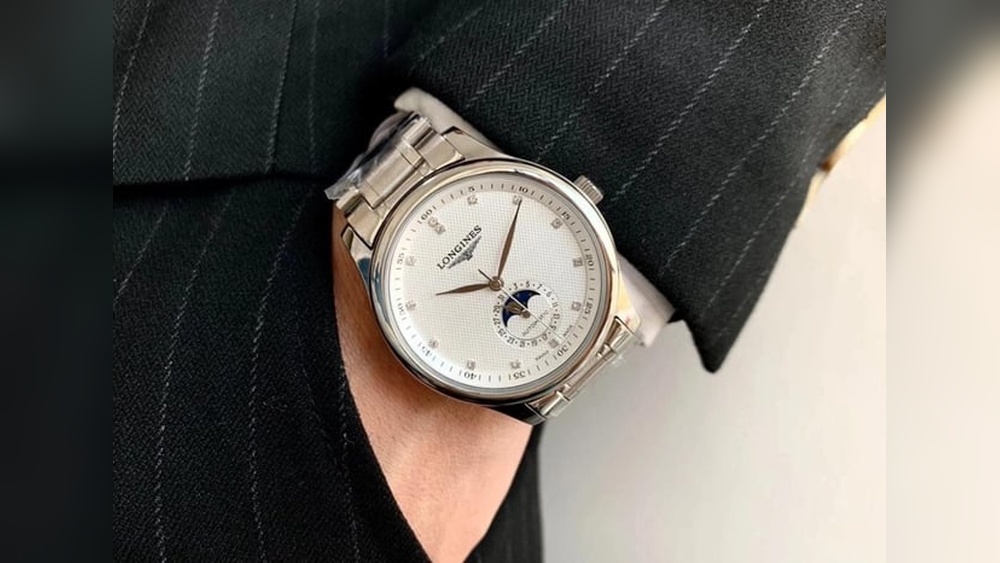
Some less-known brands also fit the old money mold, like Cartier (especially the Tank), Longines (with their heritage models), and IWC Schaffhausen (especially the Portugieser and Pilot lines).
Certain models have become classics, often worn by influential figures. Here are some that stand out:
Simple, elegant, and endlessly refined. The Calatrava is often seen as the ultimate old money watch. Its round case and clean dial make it suitable for any occasion.
With its slim profile and minimalist dial, the Patrimony is a favorite for formal events and everyday wear alike.
The original Royal Oak (reference 5402) changed watch history. Its steel case and “tapisserie” dial are both sporty and classic.
Originally designed for polo players, the Reverso has a unique flipping case. Its Art Deco style is timeless.
The Datejust is one of Rolex’s oldest models, known for its reliability and understated design. It’s a staple for old money families.
The Lange 1 features an off-center dial and big date window. It’s elegant and highly respected among collectors.
With its coin-edge case, blue hands, and guilloché dial, the Classique is pure tradition.
The Tank was inspired by WWI tanks and has been worn by many famous figures, from Jackie Kennedy to Andy Warhol.
Originally made for Portuguese sailors, the Portugieser is a blend of sporty and formal, with a clean dial and large case.
Old money watches are often seen as good investments. Unlike many modern luxury items, they tend to keep or even increase their value over time. Here’s why:
Below is a comparison of value retention between old money watches and newer luxury models.
| Brand/Model | 5-Year Value Retention | 10-Year Value Retention | Notes |
|---|---|---|---|
| Patek Philippe Calatrava | +15% | +30% | Consistent auction demand |
| Rolex Datejust | +10% | +22% | Stable resale market |
| Audemars Piguet Royal Oak | +18% | +33% | Popular among collectors |
| Hublot Big Bang | -12% | -25% | Trendy, loses value |
| Tag Heuer Carrera | -5% | -10% | Mass market |
As you see, watches from old money brands tend to appreciate, while newer, trend-based models often lose value.
Picking the right old money watch is not just about price. It’s about finding a piece that suits your style and lasts for generations. Here are key factors to consider:
Choose brands with a proven history. This ensures quality, reliable service, and strong resale value.
Look for timeless design. Avoid trendy features. Classic round or rectangular cases and simple dials work best.
Most old money watches use mechanical or automatic movements. These are more respected than quartz. Ask about the movement’s reliability and service needs.
Old money watches use gold, steel, or platinum. Avoid watches with bright colors or unusual materials.
Traditionally, old money watches are smaller—usually 36–40mm in diameter. Oversized watches look less elegant.
If buying vintage, check for original parts, minimal restoration, and service records. A heavily restored watch may lose value.
Set a realistic budget. Some old money watches are expensive, but there are affordable options. Consider how the watch might hold its value.
Think about where you’ll wear the watch—work, social events, or daily use. Some models are better for formal settings, others for casual.
Even experienced buyers make errors. Here are common mistakes—and how to avoid them.
Many people confuse old money watches with modern luxury models. While both are expensive and well-made, their style and purpose differ.
| Feature | Old Money Watches | Modern Luxury Watches |
|---|---|---|
| Design | Classic, understated | Bold, trendy, sometimes flashy |
| Brand Focus | Heritage, tradition | Innovation, marketing |
| Materials | Gold, steel, leather | Mixed, including ceramics, titanium, diamonds |
| Movement | Mechanical, automatic | Quartz, mechanical, hybrid |
| Case Size | 36–40mm | 40–48mm, often larger |
| Value Retention | Strong, often increases | Varies, often decreases |
| Target Audience | Discreet, traditional buyers | Younger, trend-focused buyers |
This table shows the clear differences. Old money watches are for those who value tradition, while modern luxury watches target buyers who want the latest and boldest designs.
Understanding the history adds depth to your appreciation. Old money watches have roots going back centuries.
The first wristwatches appeared in the late 1800s. Brands like Breguet and Vacheron Constantin made pocket watches for royalty and wealthy families. Wristwatches became popular after WWI, when soldiers needed practical timepieces.
From the 1920s to 1950s, brands like Patek Philippe, Rolex, and Jaeger-LeCoultre began making models that would become classics. The Cartier Tank and Rolex Oyster were among the first wristwatches to become symbols of sophistication.
Today, old money watches are often passed down as family heirlooms. Auctions regularly feature vintage models that sell for record prices. For example, a vintage Patek Philippe sold for over $11 million at auction in 2019.
Many influential men have chosen old money watches. Their choices reflect their values and taste.
Wore a Breguet pocket watch, reflecting his appreciation for history and tradition.
Owned a Cartier Tank, which he wore at key moments.
Made the Rolex Daytona famous. While not always seen as “old money,” the vintage Daytona has become a collector’s favorite.
Often wore a Jaeger-LeCoultre or Patek Philippe, both symbols of classic taste.
Collected Cartier Tanks, saying he didn’t even wind them—he just liked the look.
One reason old money watches are so respected is their role as family heirlooms. These watches are made to last and are often handed down through generations. The tradition is part of what makes them special.
A Patek Philippe or Vacheron Constantin passed from father to son is more than a possession—it’s part of the family story.
Proper care is essential if you want your watch to last. Here are practical tips:
Mechanical watches need service every 3–5 years. A trained watchmaker will clean, oil, and adjust the movement.
Store your watch in a dry, cool place. Use a watch box or pouch to protect it from dust and moisture.
Even if your watch is water-resistant, avoid wearing it in the shower or swimming pool. Mechanical watches are sensitive to shocks—don’t drop or bang them.
Wipe the case and strap with a soft cloth. Avoid harsh chemicals.
If your watch is manual, wind it gently once a day. Automatic watches wind themselves but benefit from regular use.
If your watch is valuable, consider insurance. Many companies offer special coverage for luxury watches.
Not every old money watch costs a fortune. Some models offer classic style and quality at a reasonable price.
| Brand/Model | Approx. Price (USD) | Movement | Material | Style |
|---|---|---|---|---|
| Longines Heritage | $1,500 | Automatic | Steel | Classic |
| Omega Seamaster (Vintage) | $2,500 | Automatic | Steel | Sporty/Classic |
| Cartier Tank Solo | $2,500 | Quartz | Steel | Dress |
| Rolex Oyster Perpetual | $4,500 | Automatic | Steel | Classic |
These options offer old money style without the huge price tag.
Most articles cover the basics. Here are some insights that many beginners miss:
Buying a mechanical watch is just the start. Regular service can cost $300–$1,000 every few years. Factor this into your budget.
A watch with a well-documented history or owned by a famous person can be worth much more. Keep all paperwork and service records.
Collectors often value watches with original “patina”—the aging of the dial, hands, and case. Don’t rush to restore an old watch; its history is part of its charm.
Some rare watches are rare because they were unpopular or poorly made. Always research why a model is rare before paying a premium.
While old money watches are usually smaller, some vintage models are larger. Don’t dismiss a watch just because of its size—look for balance and proportion.
Finding the right watch means shopping at trusted places. Here’s where to look:
Buying new from a dealer guarantees authenticity and warranty.
Major auction houses like Christie’s and Sotheby’s sell vintage watches with documented history.
Sites like Chrono24 and WatchBox specialize in pre-owned watches. Always check reviews and authenticity guarantees.
Some small brands and makers offer custom or limited models with old money appeal.
If you want to learn more about watch auctions and history, visit Wikipedia’s luxury watch page.
An old money watch is made by a brand with long history and features a timeless, understated design. It’s not flashy or trendy. These watches are made to last and often become family heirlooms. They reflect tradition, quality, and subtle elegance.
Not always. While top models from brands like Patek Philippe can cost tens of thousands, there are affordable options from brands like Longines, Omega, and Cartier. Vintage models can also be found at reasonable prices if you shop carefully.
Buy from authorized dealers or trusted sellers. Check for original paperwork, service history, and matching serial numbers. If in doubt, ask a certified watchmaker to inspect the watch.
Yes. Mechanical watches should be serviced every 3–5 years. Avoid water, shocks, and extreme temperatures. Store them properly and clean gently with a soft cloth. If the watch is valuable, consider insurance.
Old money watches often hold or increase their value, especially if you choose classic models from top brands and keep them in good condition. However, always research before buying and factor in service costs.
A classic old money watch is more than just a timepiece—it’s a statement of character and tradition. Whether you choose a Patek Philippe, Rolex, or Cartier, you’re investing in quality that lasts and a story that grows with you. As trends change, these watches remain a steady symbol of good taste and quiet confidence.
The story of the Carriage Hill Traveller Timepiece is not just about a watch—it is about the art of travel,
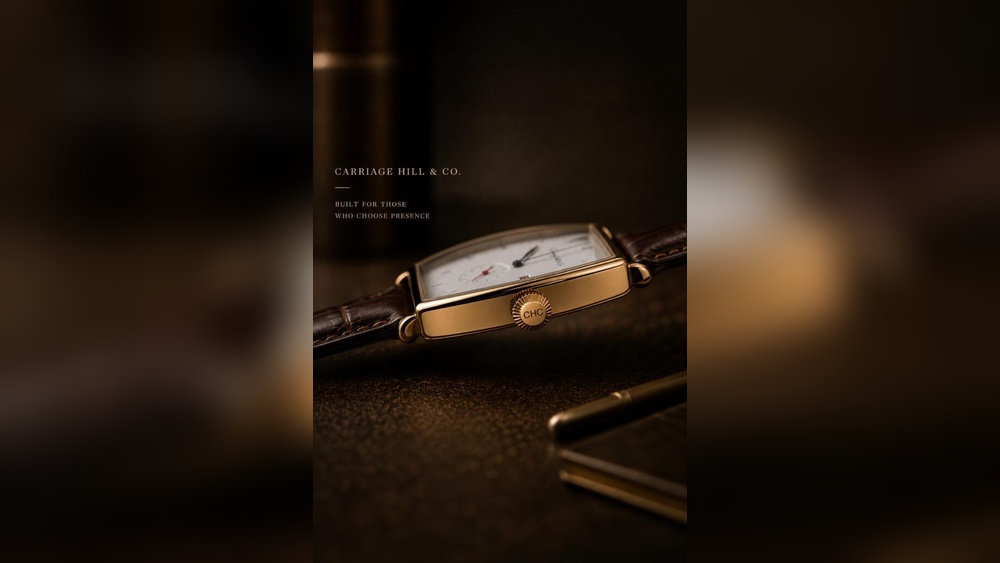
Carriage Hill And Co Watches: A Complete Guide If you search for a watch that blends tradition with modern style,
Carriage Hill Understated Luxury Watch: A Complete Guide A luxury watch is more than just a tool for telling time.
Finding a luxury dress watch under $700 is a rewarding challenge for style-conscious people who want elegance without the high
The world of luxury watches is filled with stories of craftsmanship, tradition, and innovation. Among these, the Carriage Hill Handcrafted
The world of watches is full of stories, tradition, and craftsmanship. For many people, a watch is not just a