
Watches
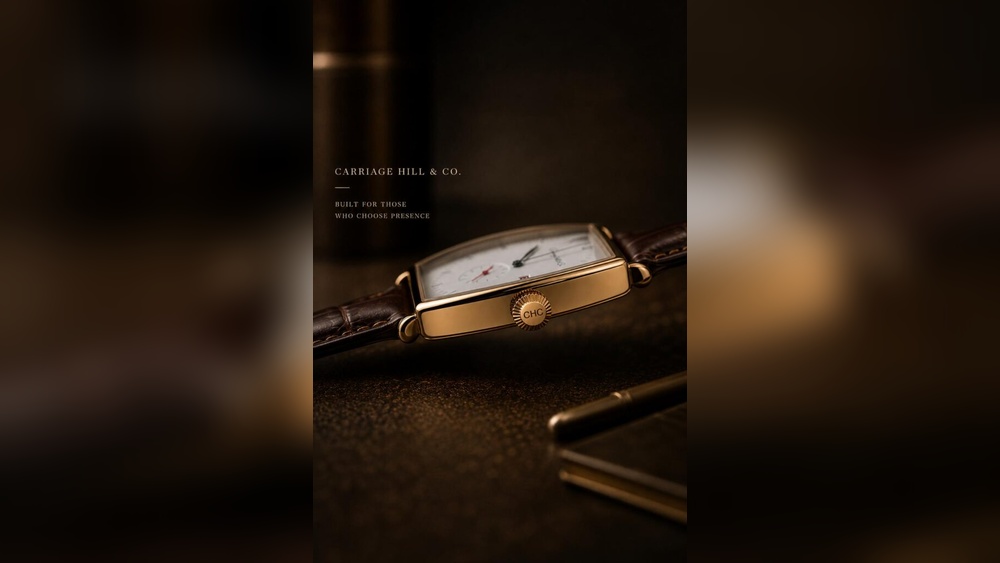
Carriage Hill Traveller Timepiece: Timeless Elegance Unveiled
The story of the Carriage Hill Traveller Timepiece is not just about a watch—it is about the art of travel,
The world of luxury watches is full of history, craftsmanship, and style. For men, a luxury watch is more than just a tool for telling time; it’s a statement, an investment, and sometimes a family heirloom. The best luxury watches combine advanced engineering with timeless design.
They can be worn at special events, business meetings, or even daily, depending on your lifestyle. Choosing the right watch means understanding not just the brands, but also the features, materials, and stories behind each piece. Whether you are new to watches or have been collecting for years, this guide will help you discover the best luxury watches for men, including key models, important details, and practical buying advice.
Luxury watches stand out because of their quality, precision, and heritage. These watches are usually made by brands with long histories, some over 100 years old. The materials used—like 18k gold, platinum, titanium, and sapphire crystal—are premium. The movement, which is the “engine” of the watch, is often mechanical, either automatic or manual, and crafted with great skill.
A luxury watch is also about exclusivity. Many models are produced in limited numbers or are even custom-made. The price reflects not only the materials and labor but also the brand’s reputation. For example, a Rolex Submariner or a Patek Philippe Nautilus is not just expensive because of its parts, but because of its place in history.
When searching for the best luxury watches for men, certain brands always come up. They are known for their reliability, design, and value. Here are some of the most respected names:
Each brand offers different features, aesthetics, and price ranges. Let’s look at their key models and what makes them special.
Every brand has signature watches. Below are the standout models from the top brands, with details and unique features.
The Rolex Submariner is probably the most famous luxury sports watch. It was first launched in 1953 and quickly became a favorite for divers and watch lovers.
The Submariner is known for its durability and classic look. It holds value well and is often passed from one generation to the next.
The Nautilus is a luxury sports watch with a unique shape, designed by Gérald Genta in 1976.
This model is rare and highly sought after. Its price has risen sharply in recent years due to limited production.
The Royal Oak is another Gérald Genta design, famous for its octagonal bezel and “Tapisserie” dial.
The Royal Oak is recognized by collectors for its sporty yet elegant style.
Known as the Moonwatch, the Speedmaster was worn by astronauts during the Apollo missions.
This watch is a favorite for those who love history and adventure.
The Carrera was inspired by motorsports, first launched in 1963.
Carrera watches are known for their clear dial and easy reading.
The Patrimony is a dress watch with minimalist elegance.
It’s perfect for formal occasions and those who prefer understated luxury.
The Reverso is unique for its reversible case, originally designed for polo players.
This watch can be personalized, making it special for collectors.
The Santos was one of the first wristwatches for men, designed in 1904.
Cartier blends watchmaking with luxury jewelry design.
The Portugieser is known for its large case and clear dial.
It appeals to men who want a classic but bold watch.
The Navitimer is an aviation legend, with a complex dial for pilots.
This model is perfect for those who love technical watches.
To help you see differences quickly, here’s a comparison of five famous models:
| Model | Case Size | Material | Movement | Water Resistance | Special Feature |
|---|---|---|---|---|---|
| Rolex Submariner | 41mm | Steel/Gold | Automatic | 300m | Diving bezel |
| Patek Philippe Nautilus | 40.5mm | Steel/Gold | Automatic | 120m | Integrated bracelet |
| Audemars Piguet Royal Oak | 39-41mm | Steel/Gold/Titanium | Automatic | 50m | Octagonal bezel |
| Omega Speedmaster | 42mm | Steel | Manual-wind | 50m | Chronograph |
| Tag Heuer Carrera | 39-44mm | Steel/Ceramic/Gold | Automatic/Quartz | 100m | Motorsport design |
Selecting the best luxury watch for men is not just about price or style. Here are important factors to consider:
Think about when and where you’ll wear your watch. If you’re active or swim often, a diver’s watch like the Submariner is ideal. For business or formal events, a dress watch such as the Patrimony or Reverso works best.
Luxury watches usually come with three types of movements:
Most collectors prefer mechanical movements (automatic or manual) for their craftsmanship.
The case and bracelet can be made of stainless steel, gold, platinum, or titanium. Steel is durable and sporty; gold and platinum are more luxurious and costly.
Some brands hold value better than others. Rolex and Patek Philippe are known for high resale prices.
Complications are extra functions, like chronograph, calendar, or moonphase. Decide if you want a simple three-hand watch or something more technical.
Luxury watches range from about $5,000 to over $100,000. Set your budget before shopping. Remember, maintenance and insurance are part of ownership.
Rare watches or limited editions often hold or increase value. Research past auction prices and demand.
Try watches on before buying. A watch should feel comfortable and suit your wrist size.
Here are some non-obvious insights and tips to help you shop wisely:
Some luxury watches are not just beautiful—they’re also good investments. Models from Rolex and Patek Philippe often appreciate over time. For example, the Rolex Daytona and Patek Philippe Nautilus 5711 have seen prices triple in less than a decade.
Other brands, like Audemars Piguet and Omega, also have models that do well. Limited editions, watches with rare dials, or discontinued models are especially valuable.
Here’s a quick comparison of value retention:
| Brand | Model | Initial Price | Current Value (2024) | Value Trend |
|---|---|---|---|---|
| Rolex | Daytona | $14,500 | $40,000+ | Strong appreciation |
| Patek Philippe | Nautilus 5711 | $30,000 | $120,000+ | Very strong |
| Audemars Piguet | Royal Oak Jumbo | $25,000 | $85,000+ | Strong |
| Omega | Speedmaster | $5,800 | $7,500 | Moderate |
| Tag Heuer | Carrera | $4,500 | $4,000 | Stable |
Not all watches are investments. Many luxury watches lose value after purchase, especially those with less demand or high production numbers.
Some luxury watches are famous not only for their looks but also their story. Here are a few examples:
Knowing the history adds meaning to ownership and can make your collection more interesting.
Luxury watches use various materials, each with benefits and drawbacks.
Choosing the material affects not just the style, but also the price and comfort.
The movement is the heart of a luxury watch. Most high-end watches use in-house movements, meaning the brand makes them themselves.
Mechanical movements are prized for their complexity and artistry. Some watches have “complications” like chronographs, perpetual calendars, or tourbillons. These features can make a watch more valuable and interesting.
A luxury watch needs regular care to last. Here’s what you should know:
Maintenance costs can be high, especially for complicated watches or vintage models.
The luxury watch market has many fakes. Here’s how to protect yourself:
Fake watches can look real, but often have cheap parts or incorrect details.
A luxury watch can be styled in many ways:
Some men like to rotate watches depending on the occasion. Others prefer one “daily driver. ” Choose what suits your personality and needs.
Also, many collectors don’t realize that service history is critical. A well-maintained watch with original parts is worth much more than one with replaced or missing components.
Limited edition watches are made in small numbers, sometimes only 100 or 500 pieces. They often feature special colors, engravings, or complications.
Collectors love limited editions for their rarity and story. But make sure the edition is truly limited and has strong demand.
Both methods have pros and cons.
Many buyers combine both—research online, then buy in-store. If buying online, choose trusted sites like the brand’s own shop or respected dealers.
Luxury watches can sell for millions. Here are famous examples:
These watches are rare, historic, and often have unique features or famous owners.
Many luxury brands offer custom options, like engraved case backs or special dials. For example, Jaeger-LeCoultre Reverso can be engraved with initials or art.
Custom watches are unique, but can be harder to resell. Some collectors value originality more than personalization.
More brands are focusing on sustainability. For example, some use recycled metals or ethical gold. Brands like Omega and Cartier have started green initiatives.
Smartwatches are also popular, but traditional luxury watches remain strong in value and appeal. Mechanical watches are seen as timeless, while smartwatches may become outdated quickly.
If you want to research more, visit the official brand websites or trusted watch forums. For deep history and reviews, check Hodinkee—a respected resource for collectors and enthusiasts.
Rolex and Patek Philippe are widely considered the best brands for investment. Their watches often appreciate in value, and demand is high. Models like the Rolex Daytona and Patek Philippe Nautilus are especially popular among collectors.
Most luxury watches need servicing every 3–5 years. Regular maintenance keeps the movement accurate and prevents damage. If you swim with your watch, check water resistance seals more often.
Most luxury watches are water-resistant, not fully waterproof. For example, the Rolex Submariner can handle diving up to 300 meters, while dress watches like Patek Philippe Calatrava are only splash-resistant. Always check the specifications before exposing your watch to water.
Yes, but only from trusted sources. Official brand websites and respected dealers are safest. Avoid unknown sellers or marketplaces, as they may offer fakes. Always check for certificates and serial numbers.
Automatic watches wind themselves using a rotor that moves with your wrist. Manual-wind watches must be wound by hand, usually daily. Both are mechanical and prized for craftsmanship, but automatic watches are more convenient for daily wear.
Luxury watches are more than tools—they are pieces of art, history, and engineering. When you choose the right model, you get a timeless accessory that can last a lifetime or more. Whether you prefer the classic style of a Rolex Submariner, the elegance of a Patek Philippe Nautilus, or the sporty appeal of an Omega Speedmaster, the world of luxury watches for men is rich and rewarding. Buying wisely means understanding the details, history, and market. With careful research and attention, you can enjoy your watch for years—and maybe even pass it on to the next generation.
The story of the Carriage Hill Traveller Timepiece is not just about a watch—it is about the art of travel,
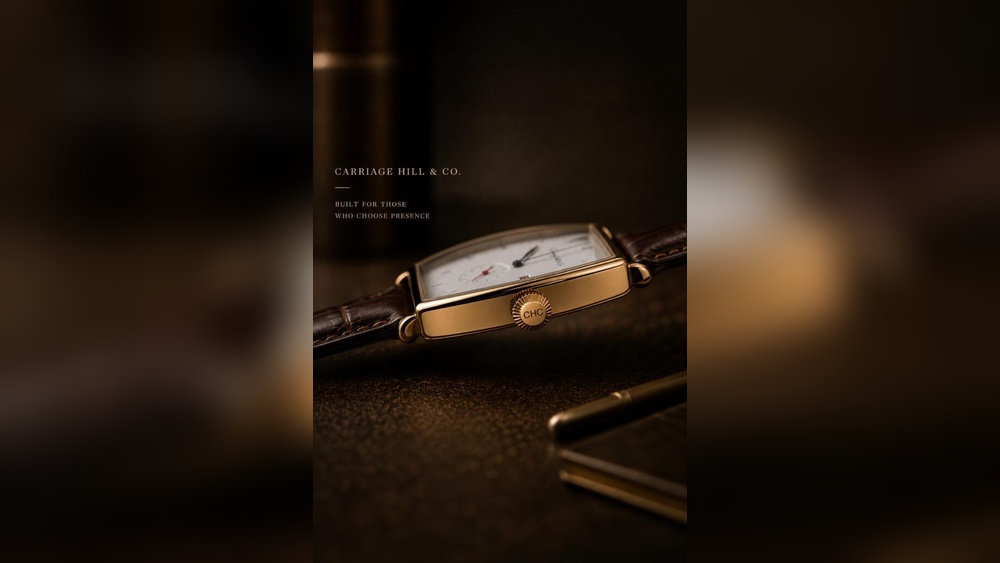
Carriage Hill And Co Watches: A Complete Guide If you search for a watch that blends tradition with modern style,
Carriage Hill Understated Luxury Watch: A Complete Guide A luxury watch is more than just a tool for telling time.
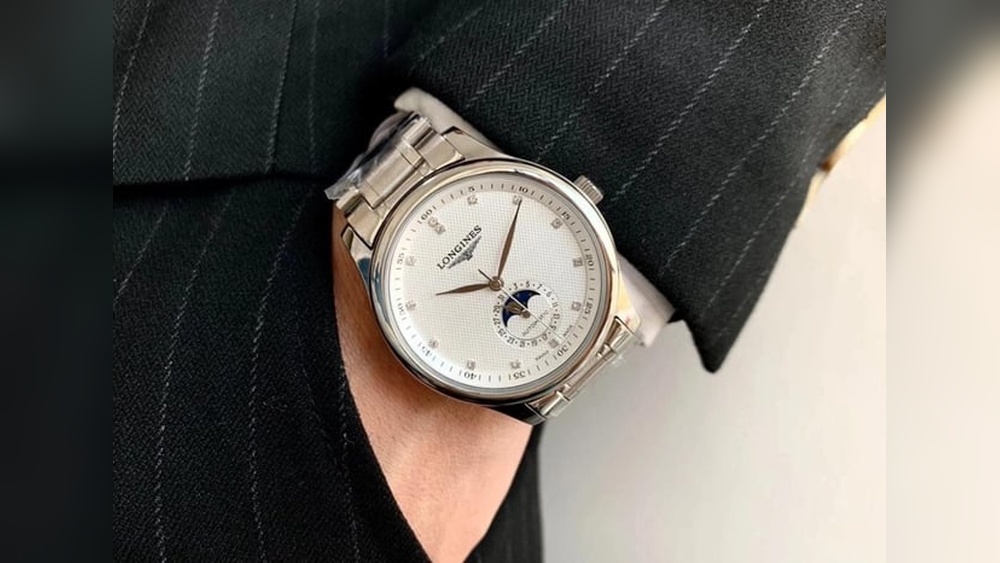
Finding a luxury dress watch under $700 is a rewarding challenge for style-conscious people who want elegance without the high
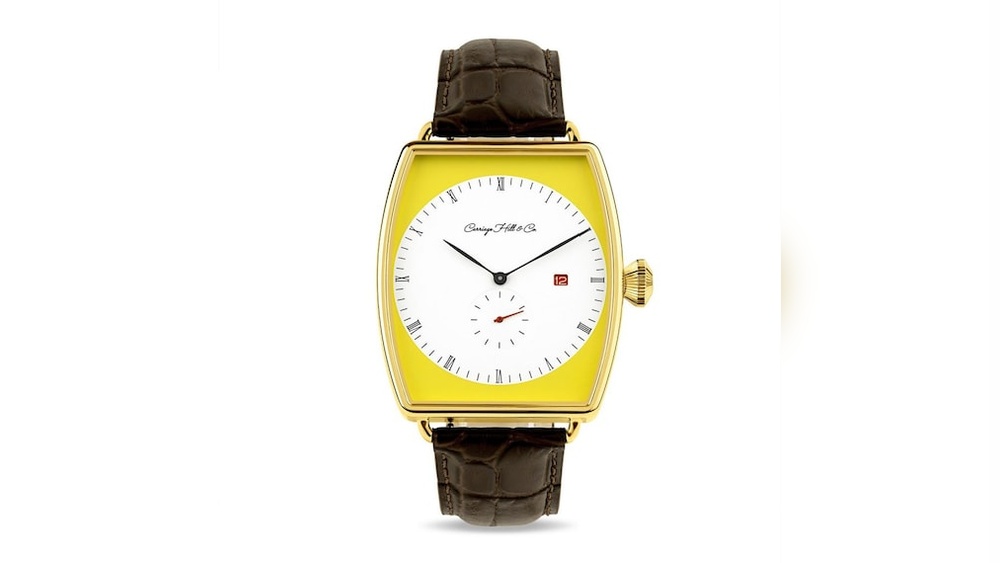
The world of luxury watches is filled with stories of craftsmanship, tradition, and innovation. Among these, the Carriage Hill Handcrafted
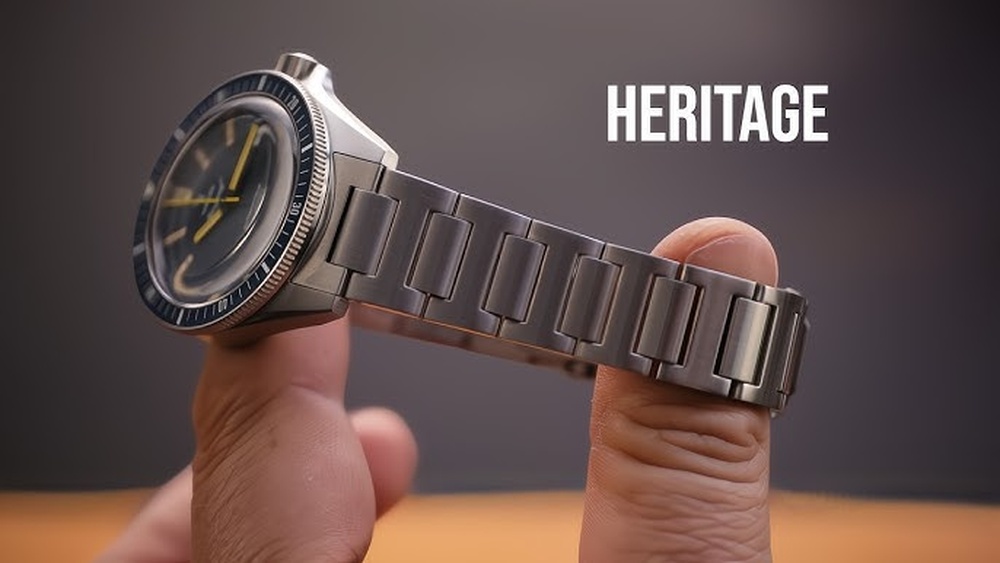
The world of watches is full of stories, tradition, and craftsmanship. For many people, a watch is not just a