Watches
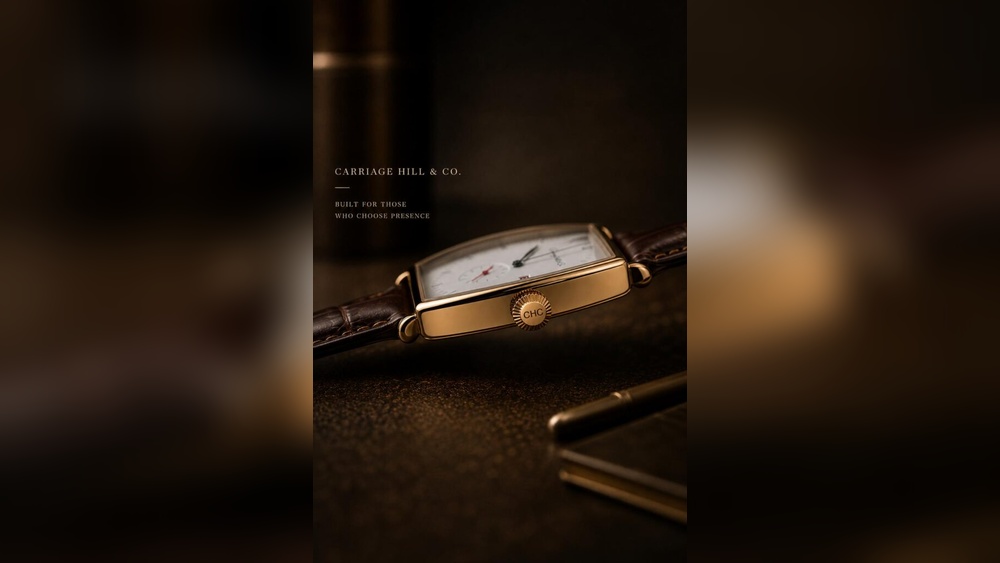
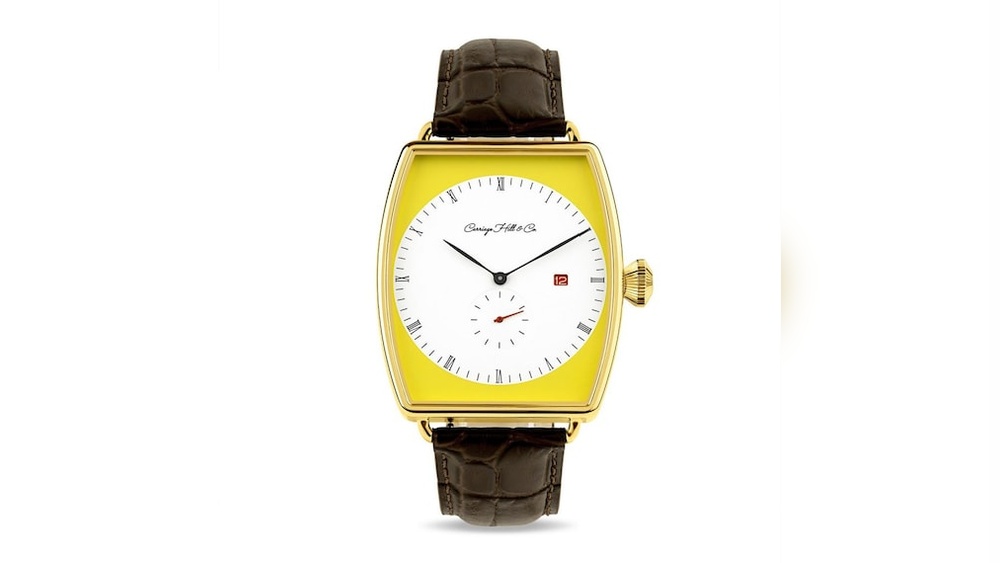
Carriage Hill Traveller Timepiece: Timeless Elegance Unveiled
The story of the Carriage Hill Traveller Timepiece is not just about a watch—it is about the art of travel,
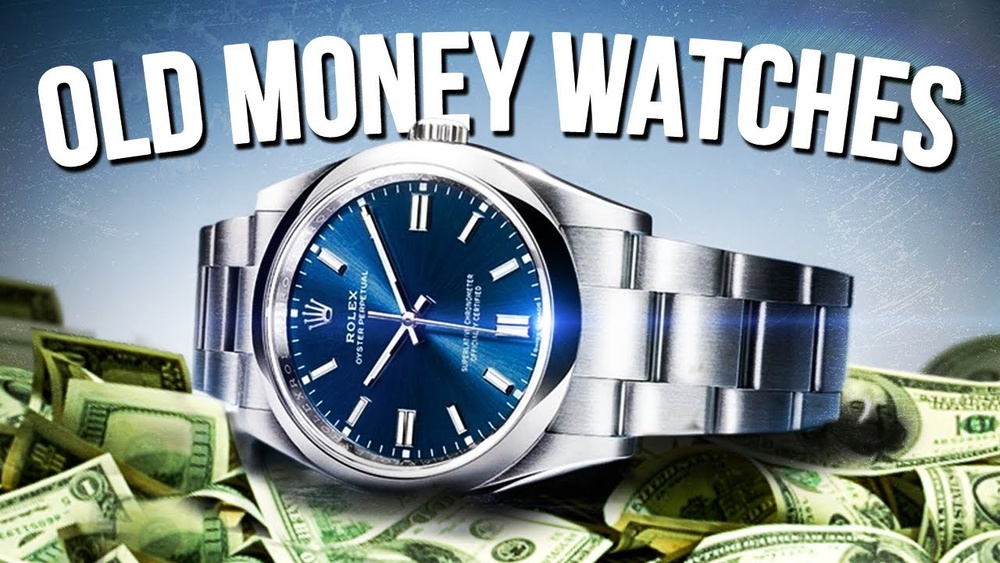
The world of luxury watches is full of choices, but few timepieces carry the same quiet power as the best old money watches. These watches are not loud or flashy; instead, they show a deep sense of tradition and taste. They are worn by those whose families have been wealthy for generations—people who value history, craftsmanship, and understated elegance. If you want a watch that signals “old money,” you’re in the right place. Let’s explore the watches that have stood the test of time, why they matter, and how to choose the right one for your wrist.
Not every expensive watch fits the “old money” style. The term refers to families or individuals with inherited wealth, often linked to historical roots and refined habits. Watches in this category share a few key traits:
Old money watches are about subtlety. They are not meant to impress strangers at a party. Instead, they express a deep respect for tradition, quality, and personal history. You may notice that these watches rarely try to stand out in a crowd.
Their beauty is quiet, almost secret. For many old money families, the watch is part of their daily life, not just a special occasion accessory. It is worn to business meetings, family gatherings, or even casual weekends, always blending seamlessly with their style.
Another important aspect is the connection to tradition. Many old money watches are bought for special moments—graduation, marriage, or inheritance. The watch becomes part of family history. The idea is not only about the watch’s price, but about the values behind it: patience, long-term thinking, and respect for craftsmanship. This makes old money watches more than luxury items; they are symbols of a lifestyle.
Most old money watches have a clean dial, slim case, and leather strap. Metal bracelets can work, but they are usually understated. The goal is not to attract attention but to signal knowledge and taste.
For example, a Patek Philippe Calatrava has a dial that is almost free of distractions. No large numerals, no extra complications. Just simple hands and a pure face. This timeless style is key. If you look at old family photos or portraits of aristocrats, you’ll see the same watch styles decade after decade.
Even today, these classic designs are preferred by those who value tradition.
A subtle detail many miss: the color palette. Old money watches favor white, silver, gold, and black. You rarely see bright colors or modern patterns. This keeps the watch looking elegant and appropriate for any occasion.
Brands like Patek Philippe, Vacheron Constantin, and Audemars Piguet have been making watches for centuries. Their history is as important as their design. Even newer brands can become “old money” if they focus on tradition and quality.
The legacy goes beyond marketing. Many old money families choose brands that have been worn by their ancestors or by historical figures they admire. For example, Jaeger-LeCoultre is known as the “watchmaker’s watchmaker” because it supplies movements to other luxury brands.
This reputation matters.
A non-obvious insight: Sometimes, the value of a brand comes from its role in history. A. Lange & Söhne, for example, was revived after German reunification, and its heritage is respected across Europe.
You’ll notice that old money watches use precious metals—gold, platinum, sometimes steel—but always in a refined way. The movements inside are mechanical, often hand-wound or automatic, never quartz. These are watches built to last, sometimes for generations.
The choice of movement is not just about technology. Mechanical movements require skill to make and service. Many collectors enjoy winding their watches each day; it becomes a ritual. This connection to the watch’s inner workings is part of the appeal.
Materials are carefully chosen. Steel is used for durability, gold for elegance, platinum for rarity. But the finish is always subtle—polished or brushed, never too shiny. Even the leather straps are chosen for their quality, often from famous tanneries.
Forget diamonds, oversized cases, or wild colors. Old money watches use muted tones, simple shapes, and small details. Sometimes, the most valuable part of the watch is hidden—a beautifully engraved movement, a handmade dial, or a family crest.
For example, Breguet Classique watches have hand-engraved dials, but you only notice this up close. Some watches have hidden signatures or secret marks that only the owner knows. This understated luxury is a sign of confidence; the wearer does not need to show off.
Another insight: The value of old money watches often comes from their “invisible” details. The balance wheel, the finishing on the movement, or the way the case is shaped. These are admired by watchmakers and collectors, not by crowds.
A watch is more than a tool for telling time. For old money families, it is a symbol of history, values, and connection. Wearing a classic watch can say:
This is different from “new money” watches, which often focus on showing wealth. Old money watches are about blending in, not standing out. They are worn for personal satisfaction, not public approval.
A deeper reason why these watches matter: they are often linked to family stories. A grandfather’s watch, given to a son or daughter, carries memories. The watch becomes part of the family identity. In some cases, the watch is worn as a reminder of past achievements or values.
Old money watches also create a sense of belonging. When you wear a classic timepiece, you connect with others who share your taste. In business or social settings, these subtle signals can open doors and build trust.
Some brands have become closely linked with old money. Here are the most respected names, and why they matter.
Known for its Geneva roots, Patek Philippe is often called the king of old money watches. Their motto, “You never actually own a Patek Philippe. You merely look after it for the next generation,” says it all. The brand is famous for classic models like the Calatrava and Nautilus.
Patek Philippe is also known for its innovation in watchmaking. They invented the perpetual calendar and split-seconds chronograph, but always kept their designs classic. Many royal families and leaders have worn Patek Philippe watches, making them a symbol of heritage.
Founded in 1755, Vacheron Constantin is the oldest continuously operating watchmaker. Their watches are refined, elegant, and full of history. The Patrimony and Traditionnelle lines are favorites among old money circles.
Vacheron Constantin has made watches for kings, popes, and artists. Their craftsmanship is respected worldwide. A detail that stands out: many of their vintage models are still in working condition after a century.
While AP is best known for the Royal Oak, their classic dress watches are just as respected. The brand focuses on craftsmanship and innovation, but always with a nod to tradition.
The Royal Oak’s story is unique: when launched in 1972, it was a bold move, but the design quickly became a classic. Today, AP is admired for both its sports and dress watches, all made with care.
This Swiss brand is called the “watchmaker’s watchmaker.” Their Reverso model, with its art deco style and unique reversible case, is a classic among collectors.
Jaeger-LeCoultre is known for technical skill. They invented the Atmos clock, which runs on air pressure changes. The Reverso was created for polo players, to protect the dial. This practical history adds depth to their reputation.
Cartier is more famous for jewelry, but their watches like the Tank and Santos have been worn by royalty, politicians, and artists for over a century.
Cartier’s design language is unmistakable: clean lines, Roman numerals, and elegant cases. The Tank was inspired by the shape of World War I tanks, but became a style icon. Cartier watches are often chosen for their beauty and history.
German precision meets old-world elegance. A. Lange & Söhne watches are known for their beautiful movements and classic designs.
Lange watches are handmade in Germany, with a focus on detail. Their dials often use silver and gold, with blued hands. Many collectors admire the “three-quarter plate” movement, unique to Lange.
Rolex is often linked with new money, but certain models—the Oyster Perpetual, Day-Date, and vintage Explorer—have become old money favorites. The brand’s history and understated models are respected in traditional circles.
Rolex’s secret is reliability. Many watches are passed down through families and still function perfectly. The Day-Date is known as the “President’s watch,” worn by leaders worldwide. Vintage models are especially sought after for their simplicity.
Let’s look at the watches that truly fit the old money style. Each is a classic, respected for its history, quality, and understated design.
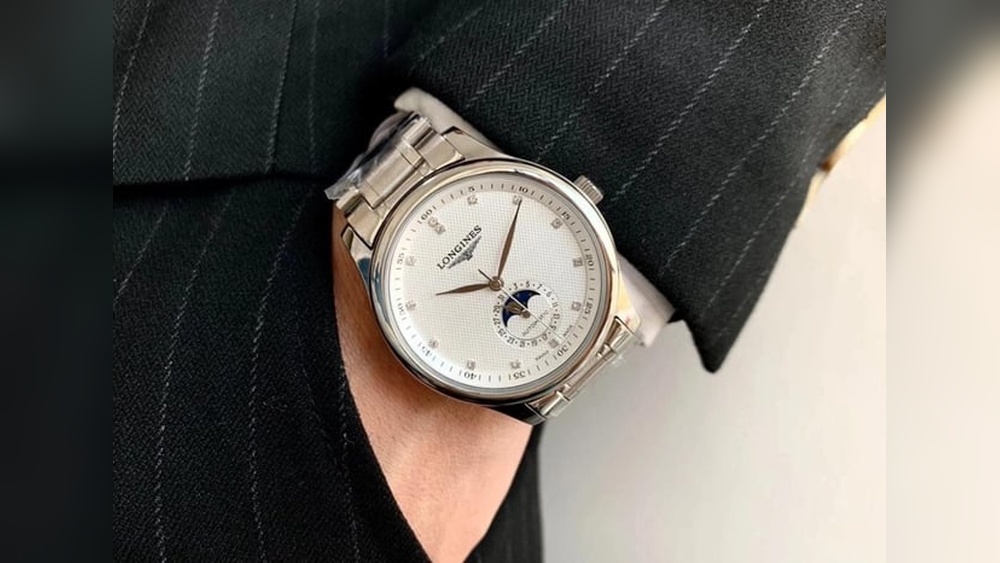
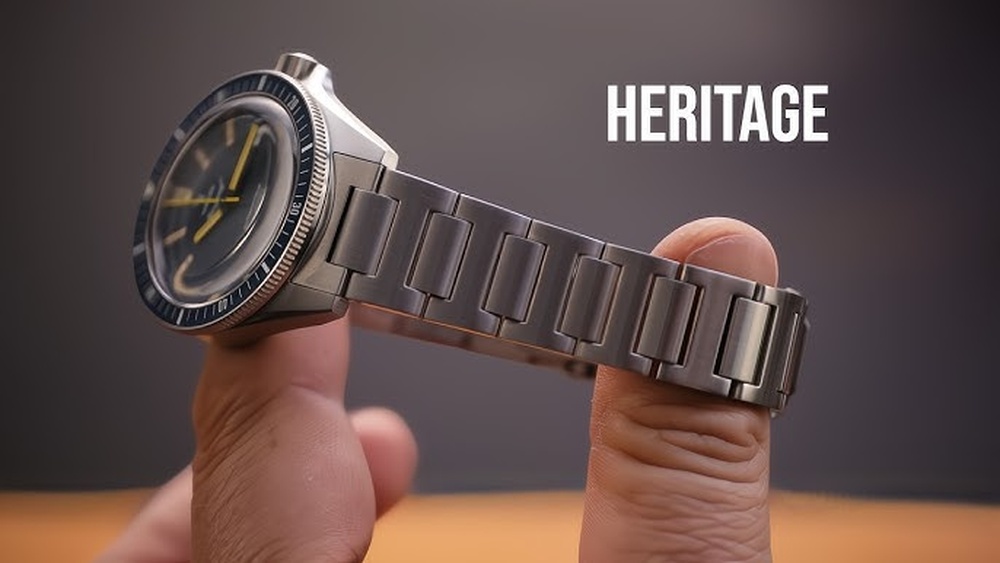
Each of these watches has a story. The Omega De Ville is often chosen by those who want classic looks without high prices. The Breguet Classique is admired for its hand-engraved dial. The Longines Heritage collection offers vintage designs, loved by collectors for their history and charm.
Not all old money watches are equally priced or designed. Here’s a quick comparison of five favorites:
| Model | Design | Movement | Approx. Price (USD) |
|---|---|---|---|
| Patek Philippe Calatrava | Round, minimalist | Automatic | $30,000+ |
| Vacheron Constantin Patrimony | Ultra-thin, classic | Automatic | $25,000+ |
| Audemars Piguet Royal Oak | Steel, sporty-elegant | Automatic | $25,000+ |
| Jaeger-LeCoultre Reverso | Rectangular, art deco | Manual | $8,000+ |
| Rolex Oyster Perpetual | Round, classic | Automatic | $5,000+ |
When comparing, consider how each model fits your lifestyle. The Reverso is great for those who want a unique shape and history. The Royal Oak works for someone who likes a sporty touch, but still wants tradition. Prices also vary with materials—gold and platinum cost more, but steel is often admired for its durability and low profile.
A non-obvious tip: Sometimes, the “entry-level” models from top brands (like the Rolex Oyster Perpetual or the Omega De Ville) offer the best value. They are respected in classic circles, easier to wear daily, and maintain their elegance without extra complications.
When picking an old money watch, focus on:
Think about how the watch will fit into your life. If you wear suits often, a thin dress watch like the Calatrava or Patrimony is ideal. For casual days, a steel Royal Oak or Oyster Perpetual blends well. Some brands have more than one classic model, so try several styles before deciding.
A practical example: If you have a slim wrist, avoid thick or large cases. Classic watches look best when they fit comfortably and don’t overwhelm your arm. If you’re concerned about matching outfits, choose a watch with a neutral dial and strap color.
Another mistake: Forgetting about service costs. Mechanical watches need regular maintenance. If you buy a vintage watch, check who can service it locally. Don’t buy just for hype or because a celebrity wears it; focus on what suits you.
If possible, visit a boutique or authorized dealer. Ask to see different models, and wear them for a few minutes. Pay attention to how the watch feels—weight, comfort, and how it sits under your shirt cuff. If you buy online, make sure the seller is trusted and offers return policies.
The differences are clear. Old money watches are subtle, classic, and built to last. New money watches often chase trends, use bold designs, and focus on showing wealth.
| Aspect | Old Money Watches | New Money Watches |
|---|---|---|
| Design | Simple, elegant | Bold, flashy |
| Branding | Discrete | Large logos |
| Heritage | Long history | Modern, trendy |
| Materials | Gold, steel, platinum | Often diamonds, exotic materials |
| Movement | Mechanical | Often quartz or tech-driven |
| Purpose | Tradition, family | Show wealth |
In practice, you can spot the difference in a room. Old money watches blend into the background. New money watches stand out, often with bright colors or unusual shapes. Those with old money prefer to keep their wealth private, while new money likes to make a statement.
Another insight: Many old money collectors avoid watches with too many complications (extra features). They prefer a simple time-only watch, while new money buyers go for chronographs, moon phases, or tourbillons.
Classic watches usually keep their value better than trendy models. Here’s why:
A Patek Philippe from the 1950s can sell for more today than when new. Some models are even more valuable after decades, especially if well cared for. This is different from fashion watches, which lose value quickly.
Another factor is the “story. ” Watches owned by famous people, or those with unique history, can sell for much more. Provenance (documented history) is key. The market for old money watches is stable, because collectors are less influenced by trends.
A practical tip: When buying, check if the model is still in production. Discontinued watches from classic brands often become more valuable, because they are harder to find.
Many respected leaders, royals, and artists wear these watches. Here are a few:
These figures didn’t pick their watches by accident. They chose brands with history, subtlety, and meaning. For example, JFK’s Cartier Tank was a gift from his wife, and Churchill’s Breguet was given for his achievements. Paul Newman’s Daytona became famous because he wore it daily, not just for special events.
Another example: The Dalai Lama owns a Patek Philippe, given to him as a gift. This shows how watches can connect cultures and generations.
If you’re curious about someone’s watch, look for:
You’ll see these watches at old clubs, art galleries, and elegant events—not at flashy parties. Sometimes, the watch is partly hidden under a shirt cuff. If you see a vintage watch with a faded dial or worn strap, it’s often a sign of family history.
A tip: Don’t ask directly about the watch. Instead, compliment its style. Many old money owners enjoy sharing the story behind their watch.
A well-maintained watch can last generations. Here’s how to keep yours in top shape:
Servicing costs can be high, but are worth it for a lifetime of reliability. Always use authorized service centers for classic brands. If you inherit a vintage watch, get a full check-up before wearing it daily.
A practical tip: Don’t wind your watch too fast. Gentle, regular winding prevents damage. If you store your watch for months, keep it in a dry place and check for moisture.
Best for new models. You get warranty, authenticity, and service. Brands have official lists online.
Trusted shops like WatchBox, Bob’s Watches, and Chrono24 sell vintage models. Always check reviews and ask for paperwork.
A tip: Ask for high-quality photos of the movement, dial, and case. This helps check condition.
Sotheby’s, Christie’s, and Phillips offer rare watches. Auctions can be risky—know your limits and research before bidding.
Many old money watches are inherited. If you have one, get it serviced and appraised. Sometimes, family watches are more valuable because of their history than their price.
Another insight: Some collectors prefer buying from small, trusted dealers who specialize in one brand. These experts know the details and can help with rare models.
Vintage watches have a special charm—patina, history, and unique details. New watches are easier to service and come with warranty. Here’s a quick side-by-side:
| Feature | Vintage | New |
|---|---|---|
| Condition | Signs of age, patina | Perfect, unworn |
| Value | Can increase over time | Stable, sometimes drops |
| Service | May need restoration | Easy, under warranty |
| Story | Unique history | Fresh start |
| Availability | Rare, sometimes hard to find | Available in boutiques |
Vintage watches may have faded dials or scratched cases, but these marks are valued by collectors. New watches offer peace of mind, but lack the history. Some collectors buy both, wearing new models daily and vintage for special occasions.
A practical tip: If you buy vintage, learn about the model’s history. Some watches have small changes in design over the years, making certain versions more valuable.
While these watches are rooted in history, they work just as well today. Many young professionals choose classic brands because they signal stability and taste. Wearing an old money watch can help in business, networking, and personal life—it shows you care about quality and tradition.
In modern workplaces, a classic watch fits with any outfit. It suggests you are reliable and serious. Many leaders choose old money watches for important meetings, knowing that the subtle style sends the right message.
Another example: In social settings, wearing a vintage Omega or Longines can start conversations with collectors or enthusiasts. The watch becomes a bridge between generations.
Many old money collectors love “patina”—the natural aging of a watch’s dial, hands, or case. A faded dial or worn leather strap can add value, not reduce it. Don’t polish away history.
Some vintage watches even have “tropical” dials, where the color changes over time. These are prized by collectors. If you buy vintage, keep the original parts.
Old money watches are rarely large. A 36–39mm case is standard. Oversized watches look out of place in classic settings.
If you see a 45mm watch with diamonds, it’s probably not old money. Stick to smaller sizes for elegance. Even women’s watches follow this rule—small, simple, and easy to wear.
If buying vintage, paperwork is crucial. Original box, papers, and service records boost value and trust. Provenance (history of ownership) can make a watch more desirable.
Some old money watches are valuable mainly because of their story. A watch owned by a famous leader, or with original papers, can sell for double the price.
You don’t need to spend $50,000 to join the club. Brands like Longines, Omega, and Seiko have models that fit the old money style, at lower prices.
A practical example: The Seiko Presage line offers classic looks, mechanical movements, and good quality for under $2,000. Many collectors start with mid-range brands before moving to Patek Philippe or Vacheron Constantin.
While old money watches can rise in value, the main reason to buy is enjoyment and tradition. Some models are more stable than others. For example, Patek Philippe and Rolex have long histories of value growth. But markets change, and trends can shift.
Buy what you love, not just what you think will profit.
A tip: Look for watches with limited production or special features. These tend to hold value better. If you plan to invest, learn about auctions and market trends.
For investment guidance and historical price data, check out the Christie’s Watch Auctions site.
Old money watches are classic, understated, and linked to tradition. New money watches are often bold, trendy, and designed to show wealth. Old money watches focus on heritage and subtlety; new money watches focus on attention.
Brands like Patek Philippe, Vacheron Constantin, Audemars Piguet, Jaeger-LeCoultre, Cartier, A. Lange & Söhne, and certain Rolex models are most respected. Their history and classic designs make them favorites among old money circles.
Service your watch every 3–5 years. Avoid water unless it’s rated for it. Store in a safe place, away from magnets. Handle carefully and avoid dropping. Regular cleaning and professional servicing are key.
Vintage watches offer unique history and charm, but may need more care. New watches are easier to service and come with warranties. Both are respected; the choice depends on your personal style and comfort.
Yes. Brands like Longines, Omega, and Seiko offer classic models under $5,000. Look for vintage models or entry-level pieces from traditional brands. Focus on timeless design and good condition.
Choosing the best old money watch is about more than price—it’s about history, taste, and tradition. The right watch will last decades, fit any style, and carry meaning beyond its materials. Whether you inherit a family piece or choose your own, remember that old money watches are about subtlety and quality. They will always be in style, and their quiet power will never fade.
If you’re starting your journey, take your time. Visit boutiques, talk to collectors, and learn about the history. The right old money watch is not just an accessory—it’s a companion for life, and a story you’ll pass on to the next generation.
The story of the Carriage Hill Traveller Timepiece is not just about a watch—it is about the art of travel,
Carriage Hill And Co Watches: A Complete Guide If you search for a watch that blends tradition with modern style,
Carriage Hill Understated Luxury Watch: A Complete Guide A luxury watch is more than just a tool for telling time.
Finding a luxury dress watch under $700 is a rewarding challenge for style-conscious people who want elegance without the high
The world of luxury watches is filled with stories of craftsmanship, tradition, and innovation. Among these, the Carriage Hill Handcrafted
The world of watches is full of stories, tradition, and craftsmanship. For many people, a watch is not just a