Men’s Luxury Watches: Timeless Elegance and Sophisticated Style
Men’s Luxury Watches: The Ultimate Guide to Timeless Craftsmanship and Style
Luxury watches are more than just tools for telling time. For many men, they represent status, craftsmanship, and personal taste. Wearing a men’s luxury watch can turn heads, spark conversations, and become a treasured heirloom. Some people see these watches as investments; others view them as art. Whether you’re new to the world of fine watches or you’ve already started building your collection, understanding what sets luxury watches apart will help you make smarter choices. Let’s explore the world of men’s luxury watches, from their history and key features to buying tips, top brands, and care advice.
The History And Evolution Of Men’s Luxury Watches
Watches have a long, rich history. The first portable timepieces appeared in the 16th century as pocket watches. Wristwatches became popular in the late 19th century, first for women and then for men. At first, watches were practical tools. But soon, they became symbols of status and style.
Swiss watchmaking began leading the luxury market in the 1800s. Brands like Patek Philippe and Vacheron Constantin pushed the limits of craftsmanship. By the 20th century, watches were not only precise—they were beautiful. Mechanical watches, with their tiny gears and springs, became collector items. The quartz revolution of the 1970s made watches more accurate and affordable, but mechanical watches held their prestige.
Today, luxury watches combine tradition and technology. Many brands use centuries-old skills alongside modern materials. Some companies offer smartwatches with luxury design, but mechanical watches remain the heart of the high-end market. From classic dress watches to rugged sports models, men’s luxury watches are a blend of engineering, art, and history.
An interesting detail is how watchmaking survived difficult times—such as the Great Depression and World Wars—by adapting. For example, during World War I, wristwatches became essential for soldiers needing quick access to time. This shift made wristwatches more popular than pocket watches.
After the wars, luxury brands focused on both function and elegance, which is why many classic designs from the mid-20th century are still in production today.
Another key evolution is the rise of independent watchmakers in recent years. While big Swiss brands dominate, small ateliers now create limited pieces with unique designs, pushing the boundaries of what a luxury watch can be. These independents often experiment with new shapes, colors, and complications, making the world of luxury watches even more diverse and exciting.
What Defines A Men’s Luxury Watch?
Not every expensive watch is truly “luxury.” To qualify, a men’s luxury watch usually has:
Premium Materials: High-end watches use materials like 18k gold, platinum, titanium, ceramic, and sapphire crystal. These materials are durable, scratch-resistant, and visually stunning. Some brands even use rare metals such as tantalum or carbon composites for a modern look and extra strength.
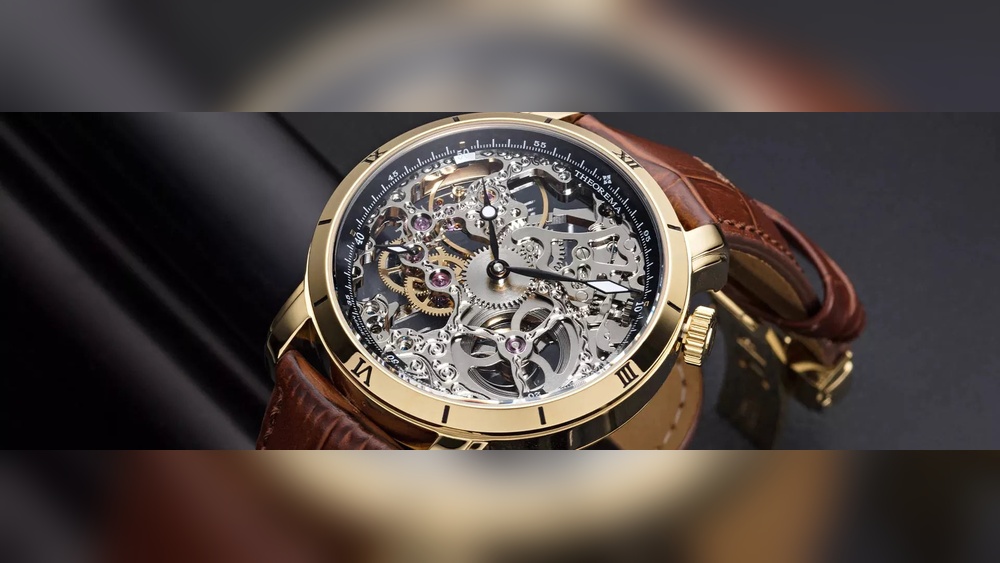
Exceptional Craftsmanship: Skilled watchmakers hand-assemble luxury watches. Many brands employ master artisans who spend hours, sometimes weeks, perfecting each piece. Finishing techniques—like Geneva stripes or perlage—are often visible through transparent case backs.
Mechanical Movement: Most luxury watches feature mechanical movements—either manual or automatic. These are more complex and valuable than quartz (battery-powered) movements. Some movements have hundreds of tiny parts and can take months to assemble and adjust.
Heritage and Brand Reputation: Renowned brands often have centuries-long histories. Their watches carry a legacy and prestige that adds value. For example, a company’s long history of innovation or royal endorsements can significantly boost a watch’s status.
Limited Production: Many luxury watches are produced in small numbers, making them rare and desirable. Limited editions often come with engraved numbers and unique features.
Attention to Detail: Fine engraving, polished surfaces, and intricate dial work are signatures of luxury watches. Even the inside of a clasp or the back of a dial might feature hand-finished details.
Some watches may also feature complications—extra functions like chronographs, calendars, moon phases, or tourbillons. These require advanced engineering and raise the value further.
A small but important distinction: true luxury watches often come with a story. This could be the inspiration behind the design, the heritage of the movement, or a famous person who wore the model. Collectors often value these stories as much as the watch itself.
Why Men Choose Luxury Watches
Luxury watches are about more than just timekeeping. Here are the main reasons men invest in them:
Status Symbol: A luxury watch signals success and taste. People notice a well-chosen watch, and it can speak volumes about a person’s achievements.
Investment: Some watches increase in value over time, especially rare models or limited editions. Unlike many consumer items, a well-kept luxury watch can appreciate, making it a smart way to enjoy your money.
Craftsmanship: Appreciating the skill involved in making a mechanical watch is like admiring a fine painting or sculpture. The beauty is not only on the outside but also in the precise engineering inside.
Personal Style: Watches help express personality, whether classic, sporty, or adventurous. For example, a rugged diver’s watch might suggest a love for travel or adventure.
Heritage: Many men pass down luxury watches as family heirlooms, creating lasting memories. Each scratch or mark can tell a story, adding sentimental value that no other accessory can match.
A non-obvious insight: Many luxury watches are not just about price or brand. The feeling of winding a mechanical watch, seeing its movement, and knowing the history behind it adds emotional value. Another point: Men sometimes buy luxury watches as a reward for achievements, linking them to personal milestones.
Another subtle reason is the sense of community. Watch collectors often bond over shared interests, trading stories and tips about their favorite pieces. This sense of belonging can make collecting even more rewarding.
Top Men’s Luxury Watch Brands
Several brands dominate the luxury market. Here are ten of the most respected:
Rolex
Famous for durability and timeless style.
Models like the Submariner and Daytona are icons. Rolex also leads in innovation, with inventions like the Oyster case (the first waterproof wristwatch) and the Perpetual rotor.
Patek Philippe
Known for complicated movements and refined design.
The Nautilus and Calatrava are collector favorites. Patek Philippe’s motto, “You never actually own a Patek Philippe. You merely look after it for the next generation,” captures their philosophy.
Audemars Piguet
The Royal Oak is its flagship, blending sport and elegance.
Audemars Piguet is one of the few brands still owned by the founding family.
Vacheron Constantin
One of the oldest brands, prized for craftsmanship.
Overseas and Patrimony collections are popular. The brand’s watches often feature hand-engraved movements and classic aesthetics.
Omega
Famous for the Speedmaster, the first watch on the moon.
Seamaster is a top choice for divers. Omega has also been the official timekeeper of the Olympic Games many times.
Jaeger-LeCoultre
Master of intricate complications.
The Reverso is a classic art deco piece. Jaeger-LeCoultre is known as “the watchmaker’s watchmaker” because they supply movements to other top brands.
Tag Heuer
Known for racing-inspired designs and chronographs.
Carrera and Monaco models are standout choices. Steve McQueen famously wore a Monaco in the film “Le Mans.”
Cartier
Renowned for elegant, jewelry-inspired designs.
The Santos and Tank collections are iconic. Cartier was among the first to create wristwatches for men.
IWC Schaffhausen
Focuses on pilot and dress watches.
The Portugieser and Big Pilot are highly respected. IWC balances traditional design with innovative engineering, like their use of ceramic and titanium.
Breitling
Famed for aviation and diving watches.
Navitimer and Superocean are top picks. Breitling is known for its robust cases and busy dials, favored by pilots.
Each brand has its own story, design language, and specialties. For example, Rolex is known for reliability and value retention, while Patek Philippe is famous for complexity and exclusivity.
Another lesser-known but respected brand is A. Lange & Söhne from Germany, renowned for its precision and hand-finishing. Exploring beyond the Swiss brands can reveal unique styles and innovations.
Comparing Popular Men’s Luxury Watch Models
To help you see how top models stack up, here’s a comparison of three legendary watches:
Model
Movement
Material
Water Resistance
Estimated Price
Rolex Submariner
Automatic
Stainless Steel
300m
$9,000-$15,000
Patek Philippe Nautilus
Automatic
Steel/Gold
120m
$35,000-$80,000
Audemars Piguet Royal Oak
Automatic
Steel/Gold
50m
$25,000-$60,000
Notice the price differences, materials, and water resistance. The Submariner is the most rugged, while the Nautilus and Royal Oak focus more on luxury and design.
Another detail: The Submariner’s rotating bezel and luminous markers make it a true tool watch, built for divers. The Nautilus’s porthole-inspired design and the Royal Oak’s exposed screws and octagonal bezel have become style icons, copied by many other brands. These small details often matter a lot to collectors and enthusiasts.
Key Features To Look For In A Men’s Luxury Watch
When choosing a luxury watch, pay attention to these features:
Movement Type
Mechanical (Manual): Requires winding by hand. Offers a traditional experience and a closer connection to the watch. Many collectors enjoy the daily ritual of winding their watch.
Automatic: Self-winding through wrist movement. Most luxury watches use this. The rotor inside the watch moves as you do, winding the mainspring.
Quartz: Battery-powered. Usually less expensive and not seen as “true luxury.” However, some high-end brands, like Grand Seiko, have elevated quartz to an art form with their unique Spring Drive movement.
Case Material
Stainless Steel: Durable and classic, easy to maintain, and suitable for everyday wear.
Gold (18k): Adds value and elegance. Available in yellow, rose, or white gold, each with its own character.
Titanium: Lightweight and strong, ideal for sports watches or those with sensitive skin.
Ceramic: Scratch-resistant and modern. Ceramic cases are usually lighter and never lose their color.
Platinum: Rare and prestigious, with a unique white shine and heavy feel.
Dial And Hands
Color: Black, silver, blue, or unique shades. Some brands use enamel or mother-of-pearl for special effects.
Markers: Roman numerals, Arabic numbers, or simple indices. Some dials feature applied markers for extra depth.
Luminosity: Good for night visibility. High-end watches often use Super-LumiNova for bright, long-lasting glow.
Crystal
Sapphire Crystal: Highly scratch-resistant and clear. Most luxury watches use anti-reflective coatings for better readability.
Mineral Crystal: Less durable but cheaper. Rarely used in true luxury watches.
Bracelet/strap
Metal Bracelet: Steel or gold, often with a clasp. Adjustable links allow for a perfect fit.
Leather Strap: Classic and comfortable. Alligator or calf leather is common in high-end watches.
Rubber Strap: Sporty, good for water resistance. Some luxury brands offer quick-change systems for swapping straps easily.
Complications
Chronograph: Stopwatch function, useful for timing events.
Calendar: Date or day display. Some models feature annual or perpetual calendars, which need adjusting only once a year or every 100 years.
Moon Phase: Shows lunar cycle, often just for beauty.
Tourbillon: High-end, improves accuracy. Mostly a showcase of craftsmanship.
A practical tip: Not all complications are useful in daily life. Choose features you’ll actually use.
Another detail to consider is case size. Modern watches range from 36mm to over 45mm in diameter. Try different sizes to see what fits your wrist and style best.
How To Choose The Right Men’s Luxury Watch
Buying a luxury watch is a big decision. Here’s how to make a smart choice:
Define Your Purpose
Are you buying for daily use, special events, or collection?
A dress watch suits formal wear, while a diver’s watch fits everyday or sports. If you travel often, consider a GMT or world timer.
Set Your Budget
Luxury watches start around $2,000 and can exceed $100,000.
Decide how much you’re comfortable spending. Remember to budget for maintenance and insurance.
Pick Your Style
Do you prefer classic, sporty, or bold designs?
Think about your wardrobe and lifestyle. If you wear a suit daily, a slim watch may fit best.
Research Brands and Models
Read reviews, watch videos, and visit stores.
Compare models for features and resale value. Don’t rush—take time to find what truly appeals to you.
Consider Resale Value
Brands like Rolex and Patek Philippe hold value well.
Limited editions often appreciate over time. Look at historical prices and trends.
Check Authenticity
Only buy from authorized dealers or trusted resellers.
Watch out for counterfeits—ask for certificates and serial numbers. If buying pre-owned, request a service history.
Try It On
Comfort matters. A watch that looks good online may feel too heavy or large.
Test different sizes and straps. Sometimes, a watch feels completely different on the wrist than expected.
A common mistake: Many buyers focus only on brand. Consider movement, materials, and fit as well.
Non-obvious insight: Take note of your watch’s versatility. Some models, like the Omega Seamaster, can be dressed up or down, making them more practical for everyday wear.
Investment Value Of Men’s Luxury Watches
Some luxury watches are smart investments. Over time, rare models can increase in value, sometimes outperforming stocks or gold. Here’s how investment works:
Brand Reputation: Watches from Rolex, Patek Philippe, and Audemars Piguet often appreciate. These brands have strong global demand and limited supply.
Limited Editions: Rarer models with fewer units tend to rise in price. Limited runs and special collaborations can make a watch more desirable.
Historical Significance: Watches tied to events (like Omega’s moon landing) attract collectors. Celebrity ownership or unique stories can boost value.
Condition and Papers: Watches in mint condition with original papers and boxes sell for more. Missing documents can reduce value by 10-20%.
Real Data
According to a 2023 report, the average annual return for a Rolex Submariner was 5-8% over the past decade. Some Patek Philippe models saw 10-15% annual gains. The global luxury watch market grew by 8% in 2022, reaching $7.5 billion.
Investment Table
Brand
Model
Annual Value Growth
Current Market Price
Rolex
Submariner
5-8%
$9,000-$15,000
Patek Philippe
Nautilus
10-15%
$35,000-$80,000
Audemars Piguet
Royal Oak
6-10%
$25,000-$60,000
A non-obvious insight: Watches with unique features or limited production runs can spike in value unexpectedly, but market trends change. Always research before investing.
Another point to remember: Unlike stocks, watches are physical assets. They require insurance and care, and selling can take time. But they can also bring enjoyment while you own them, which is rare for other investments.
Iconic Men’s Luxury Watch Designs
Some watches are famous for their design, not just their brand. Here are a few icons:
Rolex Submariner: Simple, bold, and instantly recognizable. Used by James Bond in early films. Its green “Hulk” and blue “Smurf” versions are especially sought after.
Patek Philippe Nautilus: Designed by Gerald Genta, known for its rounded octagonal bezel. The integrated bracelet and embossed dial make it stand out.
Audemars Piguet Royal Oak: Features a distinctive “tapisserie” dial and integrated bracelet. The exposed screws on the bezel are a key feature.
Omega Speedmaster: Black dial, tachymeter scale, and history as the “Moonwatch.” Still used by astronauts today.
Cartier Tank: Rectangular case and Roman numerals, inspired by WWI tanks. Worn by famous figures like Jackie Kennedy and Andy Warhol.
These designs influence many other watches. When choosing a luxury watch, the style is almost as important as the movement.
Another example is the Jaeger-LeCoultre Reverso, originally made for polo players. Its flipping case protects the dial and adds a unique touch. Some collectors focus on iconic designs because they are timeless and less likely to go out of fashion.
Caring For Your Men’s Luxury Watch
A luxury watch needs proper care to keep its value and beauty. Here’s how:
Cleaning
Use a soft cloth to wipe the case and bracelet. Microfiber cloths are best.
For water-resistant watches, rinse gently with water (avoid soap). Use a soft toothbrush for metal bracelets.
Avoid chemicals or rough materials. Perfumes and detergents can damage the finish.
Servicing
Most mechanical watches need servicing every 3-5 years. This involves cleaning, lubricating, and adjusting the movement.
Authorized service centers ensure original parts and maintain value. Some brands void the warranty if serviced elsewhere.
Storage
Store in a dry, cool place. Humidity can damage the movement.
Use a watch box or safe. Individual pouches prevent scratches.
Automatic watches can use a watch winder to keep running. This is useful for watches with calendar or moon phase functions that are hard to reset.
Wearing Tips
Avoid wearing during heavy manual work. Sudden shocks can harm the movement.
Keep away from strong magnets, which can affect movement. Some modern watches have anti-magnetic components.
If water-resistant, check seals regularly. Have them replaced during service to avoid leaks.
A practical tip: Don’t skip regular service. Neglecting maintenance can cause expensive damage.
Non-obvious advice: If you’re not wearing your watch for a while, set the time and date to a non-changing position (like 6:30) to relieve stress on the movement.
How To Spot Fake Men’s Luxury Watches
Counterfeit watches are common. Here’s how to tell the difference:
Check the Weight: Real luxury watches feel heavy due to quality materials.
Look at the Movement: Fake watches often use cheap quartz instead of mechanical. If the second hand “ticks” instead of sweeping smoothly, it’s likely a quartz.
Inspect the Logo: Genuine watches have crisp, clear branding. Fakes may have slightly crooked or blurry logos.
Check Serial Numbers: Authentic watches have unique, engraved numbers.
Ask for Papers: Always request original certificates and receipts.
A non-obvious insight: Some fakes are “super clones” with near-perfect details. Even experts can struggle. Buy only from trusted sources.
Another trick is to check the lume (glow-in-the-dark material). Real luxury watches often have strong, even luminosity, while fakes are patchy or dim.
Men’s Luxury Watch Buying Mistakes
Many buyers make mistakes. Here’s what to avoid:
Ignoring Fit: Watches that are too large or small look awkward.
Not Researching Sellers: Scams are common online. Avoid deals that are much cheaper than market value.
Chasing Trends: Fads fade; classic models hold value. Limited editions tied to short-term trends may not age well.
Skipping Service History: Used watches without service records may have hidden issues. Ask for documentation.
Overpaying for Rarity: Not all rare watches are valuable; some are unpopular.
A practical tip: If a deal looks too good to be true, it probably is. Patience pays off in finding the right watch.
Non-obvious mistake: Focusing only on resale value can take away the joy of ownership. It’s better to buy what you truly love.
The Role Of Men’s Luxury Watches In Fashion
Luxury watches are important in men’s fashion. They add a finishing touch to outfits and signal taste. Here’s how watches fit different styles:
Formal Wear: Slim dress watches with leather straps pair well with suits. The watch should fit under your shirt cuff.
Casual Outfits: Sporty models like the Rolex Submariner work with jeans and shirts. Colorful straps or dials can add personality.
Business Attire: Classic metal bracelets, simple dials, and neutral colors fit office settings. Avoid overly complicated or flashy designs in conservative workplaces.
Active Lifestyle: Rugged watches with water resistance and robust cases suit outdoor activities. Some even have built-in compasses or altimeters.
A non-obvious insight: The watch you wear can change how people see you. In business, a luxury watch may create an impression of reliability and confidence.
Another point: Watches are often the only jewelry men wear, so they carry extra importance in self-expression.
Modern Innovations In Men’s Luxury Watches
Luxury watches are not stuck in the past. Brands innovate with materials, technology, and design:
Ceramic Cases: Strong, light, and scratch-resistant. Some brands color ceramic for unique looks.
Titanium: Used for its durability and hypoallergenic properties. It’s also lighter than steel.
Smart Features: Some luxury brands add limited smart functions, like fitness tracking. TAG Heuer and Montblanc offer luxury smartwatches with traditional styling.
Advanced Movements: New escapements and anti-magnetic materials improve precision. Silicon parts are now common in high-end watches for better accuracy.
A non-obvious insight: Some brands use recycled materials to appeal to environmentally conscious buyers. This trend is growing, especially in younger collectors.
Another modern trend is customization. Some brands let you choose dials, straps, and engravings for a personal touch.
How To Start Your Men’s Luxury Watch Collection
Building a collection can be rewarding. Here’s how:
Start Small: Buy one high-quality watch that suits your needs. Focus on versatility and classic style.
Diversify: Add different styles—dress, sports, vintage. This gives you options for all occasions.
Research: Learn about brands, history, and market trends. Join watch forums or follow experts online.
Network: Join watch forums or clubs to meet other collectors. Sharing knowledge can help you avoid mistakes.
Document: Keep records of purchase, service, and value. This helps with insurance and resale.
A practical tip: Don’t rush. Collecting is a journey, not a race. Each watch should mean something to you.
Non-obvious advice: Vintage watches can be more affordable and unique. But always check for authenticity and condition before buying.
Where To Buy Men’s Luxury Watches
Buying from the right place is crucial. Here are options:
Authorized Dealers: Offer new watches, warranties, and authenticity. Great for peace of mind.
Boutiques: Brand-specific stores, sometimes with exclusive models. Staff can offer deep product knowledge.
Online Retailers: Platforms like Chrono24 and WatchBox list verified sellers. Look for buyer protection and reviews.
Auction Houses: Good for rare and vintage watches. Auctions can sometimes offer good deals, but always research before bidding.
Private Sellers: Riskier—always verify authenticity. Meet in safe, public places if buying in person.
A non-obvious insight: Some brands only sell certain models at boutiques. Visiting in person can bring unique experiences.
Many collectors build relationships with dealers to get access to rare releases.
The Future Of Men’s Luxury Watches
The luxury watch market is changing. Here’s what to expect:
Growing Demand: More men in Asia and the Middle East are buying luxury watches. This global interest is pushing prices up for popular models.
Digital Presence: Brands use social media and online sales more than ever. Virtual events and digital catalogs let you explore from home.
Sustainable Materials: Eco-friendly options are gaining popularity. Brands are experimenting with recycled metals and vegan straps.
Limited Editions: Brands release more exclusive models to attract collectors. These often feature unique colors, engravings, or collaborations with artists.
A practical tip: Stay updated on trends. What’s popular now may change in a few years.
Another insight: As vintage watches become harder to find, pre-owned markets and certified resellers are growing rapidly.
Frequently Asked Questions
What Makes A Men’s Luxury Watch Different From A Regular Watch?
A luxury watch uses premium materials, mechanical movements, and is crafted by skilled artisans. Regular watches often use quartz movements and mass-produced parts. Luxury watches also offer better durability, unique designs, and long-term value.
How Often Should I Service My Luxury Watch?
Most experts recommend servicing every 3-5 years. Servicing keeps the movement accurate and prevents wear. If your watch is exposed to water or harsh conditions, service it more often.
Are Luxury Watches A Good Investment?
Some luxury watches, especially models from Rolex and Patek Philippe, can increase in value. However, not all watches are good investments. Research and buy limited editions or popular models for better returns.
How Do I Know If A Luxury Watch Is Authentic?
Buy from authorized dealers or trusted sellers. Check the weight, movement, logo, and serial numbers. Always ask for original papers and certificates. For more information, see Hodinkee.
Can I Wear My Luxury Watch While Swimming?
It depends on the model. Watches like the Rolex Submariner are designed for water, while dress watches are not. Always check the water resistance rating before swimming or showering with your watch.
Men’s luxury watches offer more than style—they bring history, craftsmanship, and even investment opportunities. Whether you want to own a classic timepiece or start a collection, understanding the world of luxury watches helps you make better choices. With proper care and research, your watch can become a lifelong companion and a symbol of your achievements.