
Watches
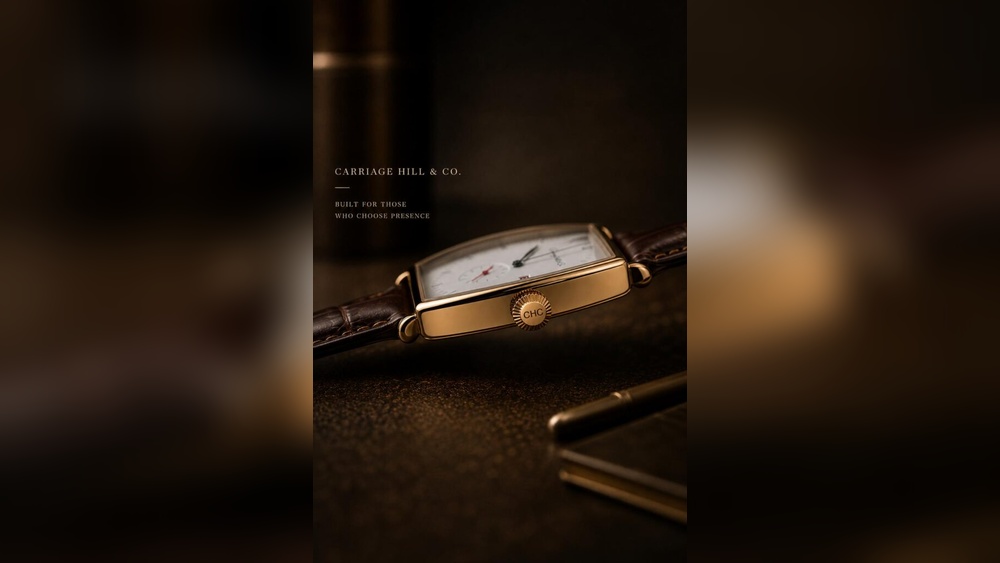
Carriage Hill Traveller Timepiece: Timeless Elegance Unveiled
The story of the Carriage Hill Traveller Timepiece is not just about a watch—it is about the art of travel,
Luxury watches are more than just tools to tell time. They are symbols of precision, heritage, and artistry. If you’re curious about “watch craftsmanship explained,” this guide will show you why the world’s best watches are so valuable, how they’re made, and the secrets behind their lasting appeal. Whether you want to buy a luxury timepiece or just want to understand what makes a watch truly special, you’ll learn everything you need to know here.
Watch craftsmanship is the skill and art used to create high-quality watches. It’s about more than assembling parts—it’s about attention to detail, tradition, and innovation. The best watches are made by trained artisans who spend years learning their craft.
A watchmaker uses tiny tools and strong magnifying glasses. They work on microscopic parts—sometimes smaller than a grain of rice. Every component must fit perfectly. If even one piece is off, the whole watch can stop working.
People often underestimate how difficult it is to assemble such tiny parts. For example, the balance spring in a mechanical watch is thinner than a human hair. Adjusting it requires not only skill but also a steady hand and nerves of steel.
Some parts are so delicate that a single drop of sweat can cause rust, so workshops often have controlled environments to keep humidity low.
Swiss watchmaking started in the 16th century. Over time, brands like Rolex, Patek Philippe, and Audemars Piguet became famous for their craftsmanship. Japanese brands, such as Grand Seiko, also set high standards.
The story of watchmaking is closely connected to European history. In Switzerland, the watch industry grew in small mountain villages during long winters. Without farming to do, families turned to watchmaking. Over centuries, techniques were passed down from father to son, mother to daughter.
This is why Swiss-made watches are still considered the gold standard.
Japanese watchmaking, led by Seiko and later Grand Seiko, brought new ideas in the 20th century. They focused on combining human skill with technology, leading to the invention of the quartz watch in 1969—a movement that changed the world.
Today, the tradition continues with both old and new brands competing to make the finest watches. The value of craftsmanship is proven by the fact that some watches take months or even years to build.
A watchmaker needs steady hands, sharp eyes, and deep patience. Mistakes can cost thousands of dollars.
Many watchmakers also have to learn how to repair old watches, which means understanding techniques from 50 or 100 years ago. Some brands even require their watchmakers to build a watch from scratch as a final test before becoming a master.
Let’s dive deeper into the focus keyword: watch craftsmanship explained. What does it really mean for a watch to be “crafted”?
Most watches today are mass-produced by machines. Luxury watches, however, are often hand-made or hand-finished. This means:
But there’s more. Even when machines are used, artisans do the final adjustments and checks. For example, placing the hands on the dial is done by hand because the pressure must be perfect. Too much force and the hand bends; too little and it falls off.
Some brands, like A. Lange & Söhne, are famous for assembling their movements twice. The first assembly checks that everything works, then the watch is taken apart, cleaned, and reassembled—ensuring no detail is missed.
Every luxury watch undergoes strict quality tests. For example, Rolex tests their watches for up to 15 days under different temperatures and positions. Only watches that pass every test are sold.
Other brands use their own testing standards. The Geneva Seal is a famous mark of quality. To get it, a watch must be made in Geneva and follow strict rules for finishing and performance. Only a few brands, like Patek Philippe, receive this seal.
Non-obvious insight: Some brands test not only for water resistance but also for resistance to magnetism and shocks. For example, Omega’s “Master Chronometer” certification means the watch can survive strong magnets, which are common in daily life (phones, computers, and even handbags have magnets).
Luxury watchmakers use only the best materials:
These materials cost more and last longer. Cheap watches often use low-grade steel or plastic.
Some high-end brands use special alloys, like Rolex’s “Rolesor” (a mix of gold and steel) or “Everose gold” (rose gold that does not fade). These unique materials are part of their identity.
The movement is the engine of a watch. There are three main types:
Mechanical and automatic movements are the most prized because they require the most skill to make.
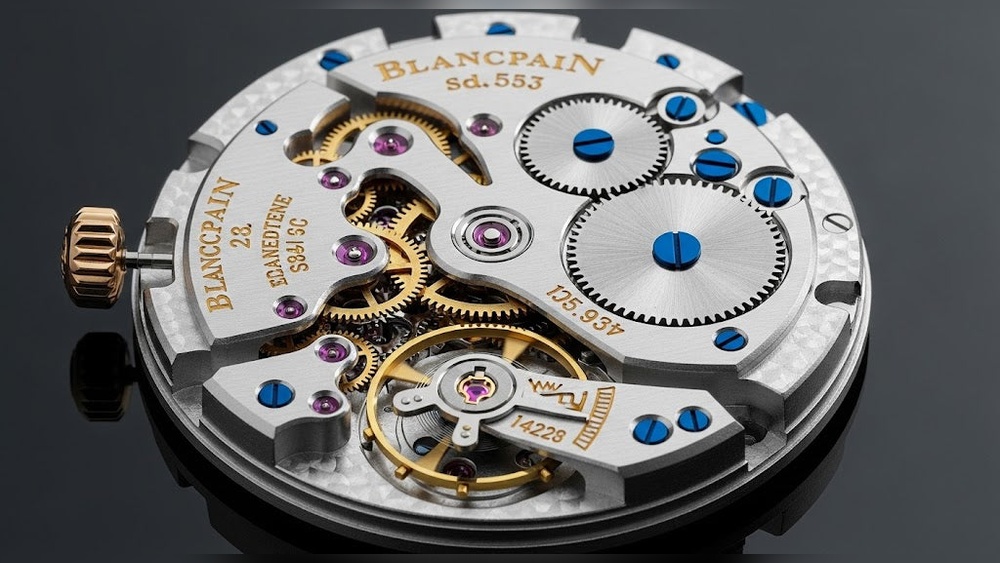
A Swiss mechanical movement can have over 200 parts. Each part is polished, fitted, and tested. The balance wheel, spring, and gears must be adjusted perfectly for the watch to keep accurate time.
Some movements are “complicated”—they do more than just tell time. Complications can include calendars, moonphases, alarms, or even a “minute repeater” that chimes the time. Building and adjusting these features is the highest level of watchmaking.
Non-obvious insight: A tourbillon, often seen in luxury watches, is a spinning cage that holds the escapement and balance wheel. It was invented to fight the effects of gravity on accuracy—but today, it’s mostly a demonstration of ultimate skill.
Finishing is where craftsmanship shines. Techniques include:
These are not just for looks—they show the maker’s attention to detail.
The process of bluing screws, for example, requires heating steel screws to exactly 300°C. Too much heat and they turn purple or black. Only a skilled watchmaker can get the perfect blue every time.
Decorating the movement, even on parts that are never seen by the owner, is a mark of pride. Some brands leave a transparent case back so you can admire the movement.
Understanding how a luxury watch is built helps explain why craftsmanship matters.
Every part is designed for both function and beauty. For instance, the crown may have a logo engraved on it—a small touch that shows pride.
Here’s a quick comparison:
| Type | Power Source | Accuracy | Maintenance |
|---|---|---|---|
| Mechanical | Wound by hand | High, but can drift | Service every 3–5 years |
| Automatic | Wrist movement | High, less drift | Service every 3–5 years |
| Quartz | Battery | Very high | Battery change every 2 years |
Extra note: Mechanical and automatic watches can be affected by shocks or strong magnets, but they can last generations if serviced. Quartz watches are very reliable, but when the battery leaks or the electronics fail, repair is often impossible.
Luxury watches often feature:
Each step can take hours. For example, an enamel dial may require multiple firings in a kiln to achieve the perfect color.
Example: Patek Philippe’s enamel dials are famous for their depth and color. The process is so delicate that a single speck of dust can ruin a piece, forcing the artist to start again. Only a handful of artisans in the world can make these dials.
Fine craftsmanship also ensures water resistance. Luxury watches can survive depths of 100 meters or more. The case, crown, and crystal are tightly sealed.
Many diving watches, such as the Rolex Submariner or Omega Seamaster, are tested in pressurized tanks. Some even have “helium escape valves” for use by professional divers. The gaskets are made of special materials that stay flexible for years.
Let’s explore the seven ultimate secrets that separate luxury watches from ordinary ones.
Luxury brands hire the best watchmakers. These artisans train for years. Their hands are steady, and their eyes are sharp. They can assemble parts smaller than a grain of sand.
Non-obvious insight: Many luxury watches are still crafted by small teams, not factories. Each artisan may sign their work, hidden inside the watch.
In some workshops, the same watchmaker is responsible for a watch from start to finish—a practice called “bench assembly. ” This personal touch means more pride and accountability.
Old methods like hand-polishing, engraving, and enameling are still used. These techniques take time and skill.
Non-obvious insight: Some brands use tools made in the 1800s. This preserves tradition and creates a unique finish.
Some brands keep their traditional tools and benches just as they were 100 years ago. They believe that using old tools gives a different “feel” to the finished part—something no machine can copy.
Every part must fit perfectly. Tolerances are measured in microns (one-thousandth of a millimeter). This ensures the watch keeps accurate time.
Brands use high-tech machines to cut parts, but the final fitting and adjusting is always done by hand. For example, adjusting the escapement (which controls the ticking) is a task that can take hours.
Extra detail: Some watches, like chronometers, must pass special tests for accuracy. The COSC (Contrôle Officiel Suisse des Chronomètres) certification means the movement has been tested for 15 days in different positions and temperatures.
Luxury brands source their metals and gems carefully. For example, Rolex uses its own foundry to make gold. This ensures purity and shine.
Diamonds used on luxury watches are often of the highest grade, and are set by hand. Even the leather for straps is chosen for durability and feel. Some brands use alligator leather, which is more resistant to water and wear.
Extra insight: Some watches use “meteorite” dials, cut from ancient rocks that fell from space. Each dial is unique—no two are the same.
Watches are tested for accuracy, durability, water resistance, and magnetism. Some brands test watches for weeks before selling them.
For example, Omega’s Master Chronometer watches are tested in eight different ways, including exposure to strong magnets, shocks, and water. Only watches that pass all tests are sold.
Some brands even offer a “certificate” with each watch, showing the results of these tests.
Luxury watches stand out because of their creative designs. Features include:
Design is a big part of watchmaking. Some watches are inspired by art, architecture, or even cars. For example, the Audemars Piguet Royal Oak was inspired by a ship’s porthole.
Extra detail: Some brands work with artists or fashion designers to create special editions. These watches are often highly collectible.
Many luxury watches are made in small numbers. This makes them rare and valuable. Some models are produced only for a few years, then discontinued.
Small production runs mean more time for quality control and finishing. Collectors often seek out limited editions because their value can rise over time.
Example: The Patek Philippe Nautilus “Tiffany & Co.” edition had only 170 pieces made. These watches are now worth many times their original price.
What’s the real difference between a luxury watch and a regular one? Let’s compare.
| Feature | Luxury Watch | Mass-Market Watch |
|---|---|---|
| Assembly | Hand-assembled | Machine-made |
| Materials | Gold, platinum, sapphire | Steel, plastic, mineral glass |
| Movement | Mechanical/automatic | Quartz |
| Finishing | Hand-finished | Basic |
| Testing | Rigorous, multi-stage | Basic, random checks |
| Price | $5,000–$500,000+ | $20–$500 |
| Value Retention | High, sometimes increases | Low, rarely increases |
Brands like Casio and Timex make reliable, affordable watches. They use quartz movements and plastic or basic steel. These watches are good for everyday use but lack the artistry of luxury timepieces.
Mass-market brands focus on efficiency and cost, often making millions of watches each year. The designs are simpler and the finishing is often machine-done. This means the price is lower, but the emotional value is less.
Extra insight: Luxury watches also have higher resale value. Some models, like the Rolex Daytona or Patek Philippe Nautilus, are so popular that used models sell for more than new ones.
For collectors, owning a luxury watch is about history, tradition, and owning something that can be passed down for generations.
Some brands are famous for their craftsmanship. Let’s look at a few:
Rolex is known for durability and precision. Each watch is tested for water resistance and accuracy. Rolex uses its own gold foundry and makes its own movements.
Rolex’s Oyster case was the first waterproof watch case, invented in 1926. Today, the Submariner and Daytona are sought after by collectors. Every part of a Rolex—down to the smallest screw—is made in-house. Their watches are designed to survive daily wear for decades.
Patek Philippe is famous for complications (extra features). Their watches are hand-finished, with beautiful engraving and enamel dials. Some models sell for over $1 million.
Patek Philippe’s motto is, “You never actually own a Patek Philippe. You merely look after it for the next generation. ” This shows their focus on quality and tradition. Their most complicated watch, the Grandmaster Chime, has 20 different functions.
Audemars Piguet is known for the Royal Oak, a watch with a unique octagonal shape. Their movements are complex and beautifully decorated.
The Royal Oak, designed in 1972, was the first luxury sports watch made of steel. Its “Tapisserie” dial and exposed screws became iconic. Audemars Piguet is also famous for ultra-thin movements and creative skeleton designs.
Grand Seiko combines Japanese precision with hand-finishing. Their watches have Zaratsu polishing, which gives a mirror-like shine.
Grand Seiko’s Spring Drive movement combines mechanical and electronic technology for perfect accuracy. Every Grand Seiko is hand-assembled and finished to high standards. The “Snowflake” dial, inspired by Japanese winters, is a collector favorite.
Omega is famous for the Speedmaster, which went to the moon. Omega uses advanced materials like ceramic and silicon.
Omega’s Co-Axial escapement, invented in 1999, reduced the need for servicing and improved accuracy. Their Seamaster line is a favorite among divers and James Bond fans.
| Brand | Founded | Famous Model | Signature Craftsmanship |
|---|---|---|---|
| Rolex | 1905 | Submariner | Durability, in-house gold |
| Patek Philippe | 1839 | Nautilus | Complications, hand-finishing |
| Audemars Piguet | 1875 | Royal Oak | Unique shapes, detailed movements |
| Grand Seiko | 1960 | Spring Drive | Mirror polishing, precision |
| Omega | 1848 | Speedmaster | Advanced materials |
If you want to buy a luxury watch, focus on craftsmanship. Here’s what you should look for:
Mechanical or automatic movements are signs of craftsmanship. Check if the movement is made in-house or by a respected maker.
An “in-house” movement means the brand made the movement themselves, not bought it from another company. This shows higher skill and control over quality.
Look for sapphire crystal, gold, platinum, or high-grade steel. Avoid watches with plastic or mineral glass if you want lasting value.
Some brands offer unique materials, such as ceramic, titanium, or even bronze. Each has advantages—ceramic is scratch-proof, titanium is light, and bronze develops a unique patina over time.
Inspect the dial and case under good light. Hand-finishing will show fine details, like Geneva stripes or blued screws.
If you see rough edges, dust under the dial, or uneven color, these are signs of lower quality. High-end watches often have a transparent case back so you can admire the movement.
Choose brands with a history of quality. Research their testing standards and reviews.
Some lesser-known brands also make excellent watches, but well-known brands are safer if you care about resale value or want to pass the watch to your children.
Complications like chronograph, moonphase, or tourbillon are signs of skilled watchmaking. However, more complications can mean higher maintenance.
If you want a watch to wear every day, choose a simpler model. If you love mechanical art, look for watches with visible movements or unique features.
Limited production means more value and exclusivity. Check if the model is a special edition.
Limited editions are often numbered, with a certificate. They can celebrate anniversaries, partnerships, or special events.
Luxury brands offer strong warranties and service. Ask about maintenance costs.
Servicing a mechanical watch can cost hundreds of dollars, but it’s necessary to keep it running well. Make sure you can find service centers in your country.
The Rolex Submariner is a classic. It uses in-house movements, sapphire crystal, and 904L steel. It’s tested for water resistance up to 300 meters. Submariners hold their value over time.
When buying, check for papers and original box to make sure it’s genuine. If you plan to dive, have the seals checked every year.
Watch craftsmanship is the skill and care used to make high-quality watches. It matters because it affects the watch’s accuracy, durability, and beauty. Watches made with fine craftsmanship last longer and hold their value.
A well-crafted watch is also more enjoyable to use. The smooth winding, the soft click of the crown, and the beauty under the case back are all signs of care and skill.
Look for signs like hand-finishing, high-quality materials, and in-house movements. Research the brand’s history and check for certifications like COSC or Geneva Seal.
If you’re unsure, ask a watch expert or visit a trusted boutique. High-end watches feel heavier and more solid, and their details are sharper.
Mechanical watches are prized for their artistry and tradition. Quartz watches are more accurate and require less maintenance. For collectors, mechanical watches are better, but for practical use, quartz can be a good choice.
If you want a watch you never have to wind or service, choose quartz. If you want a piece of art and history, choose mechanical.
Brands like Rolex, Patek Philippe, Audemars Piguet, Grand Seiko, and Omega are known for their craftsmanship. They use skilled artisans, quality materials, and strict testing.
Other respected brands include Jaeger-LeCoultre, Vacheron Constantin, and A. Lange & Söhne.
Luxury watches start at $5,000 and can go above $500,000. They are worth it if you value tradition, quality, and lasting value. Many luxury watches increase in value over time.
Remember, you’re also paying for heritage and the work of many skilled people. For some, a luxury watch is an investment; for others, it’s a lifelong companion.
Swiss watches focus on tradition and hand-finishing. Japanese watches, like Grand Seiko, focus on precision and technology. Both offer great craftsmanship but have different styles.
Swiss brands often use more decoration and complications, while Japanese brands focus on perfect finishing and innovative technology.
—
Luxury watches are more than just timekeepers. They are works of art, made with skill, patience, and tradition. Understanding watch craftsmanship explained helps you appreciate the value and beauty behind every fine timepiece. Whether you’re a collector or a first-time buyer, knowing these secrets will guide you to the best watches in the world.
The story of the Carriage Hill Traveller Timepiece is not just about a watch—it is about the art of travel,
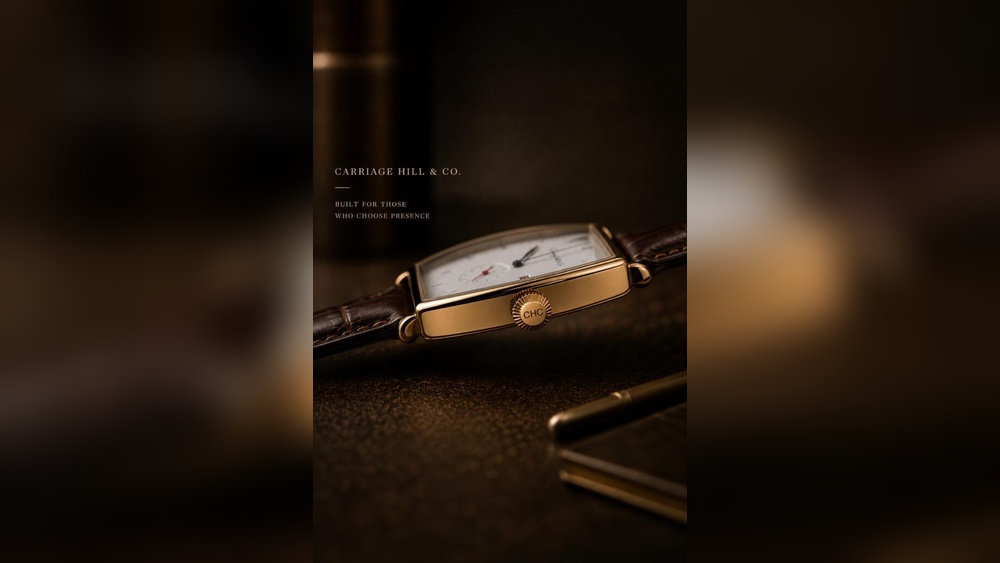
Carriage Hill And Co Watches: A Complete Guide If you search for a watch that blends tradition with modern style,

Carriage Hill Understated Luxury Watch: A Complete Guide A luxury watch is more than just a tool for telling time.
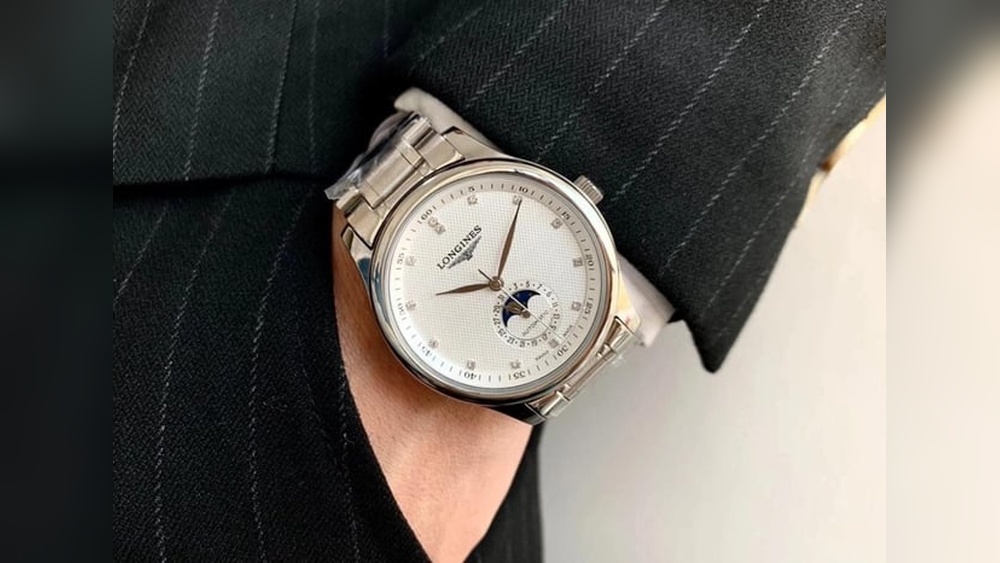
Finding a luxury dress watch under $700 is a rewarding challenge for style-conscious people who want elegance without the high
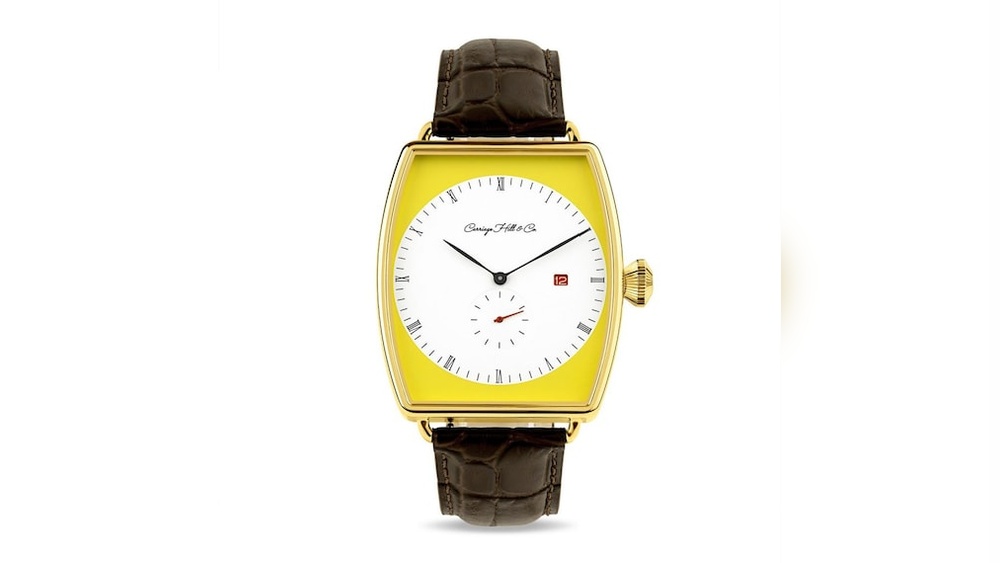
The world of luxury watches is filled with stories of craftsmanship, tradition, and innovation. Among these, the Carriage Hill Handcrafted
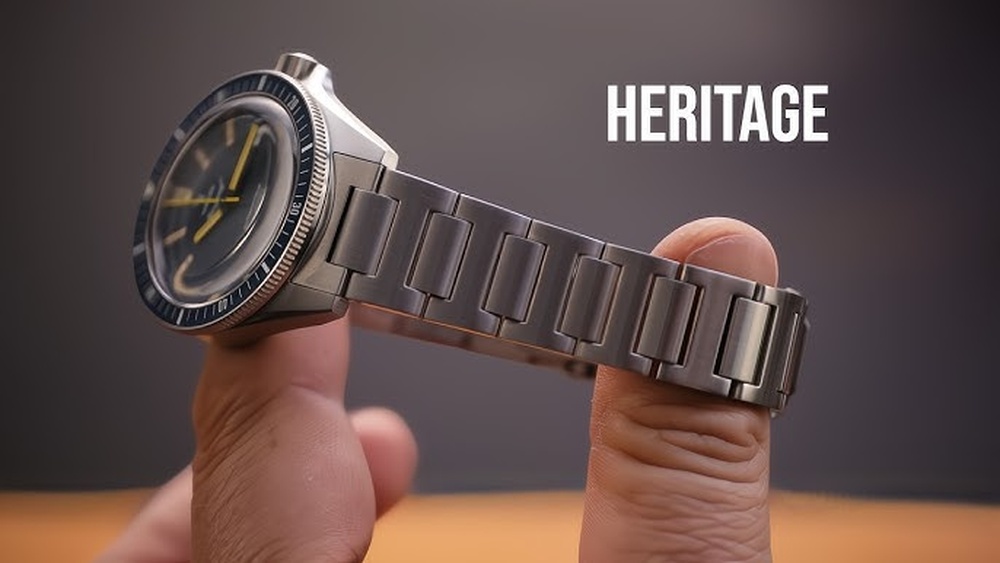
The world of watches is full of stories, tradition, and craftsmanship. For many people, a watch is not just a