
Watches
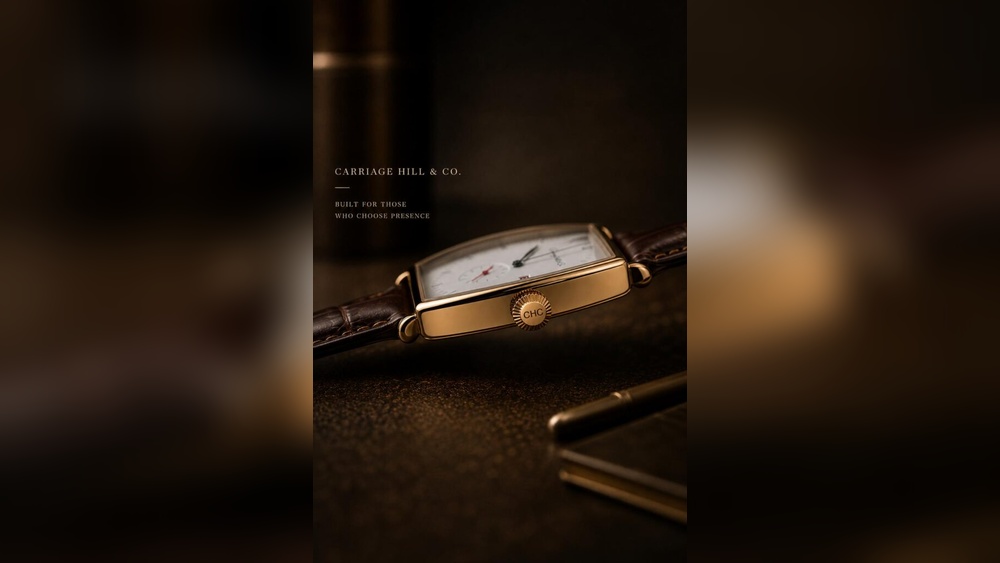
Carriage Hill Traveller Timepiece: Timeless Elegance Unveiled
The story of the Carriage Hill Traveller Timepiece is not just about a watch—it is about the art of travel,
Luxury watches hold a special place in the world of style and craftsmanship. When people hear the term luxury watch, they often think of elegance, precision, and exclusivity. But what truly makes a watch luxury? Is it just the price, or is there more behind the label? In this ultimate guide, you’ll discover the 7 best factors that set luxury watches apart. Whether you’re a beginner or a seasoned collector, understanding these elements will help you appreciate why some watches are more than just tools for telling time. From materials to history, every aspect matters. Let’s explore what makes a watch luxury and see how these factors create lasting value.
—
When it comes to luxury watches, materials and craftsmanship are the foundation. High-end brands use only the finest metals, stones, and components. For example, luxury watches may feature 18k gold, platinum, titanium, or ceramic. These materials not only look stunning but also last longer and resist scratches better than common metals.
Luxury watches often include precious metals like gold and platinum. Some models use diamonds or sapphires for decoration. These materials add both beauty and value. For instance, the Rolex Day-Date uses 18k gold and sometimes features diamond hour markers, making it instantly recognizable.
It’s not just about the shine—these metals are chosen for their resistance to corrosion and their ability to keep a finish for many years. Platinum, for example, is much harder to work with than gold, which means it requires more skill and patience from the watchmaker.
This adds to the cost but also to the prestige of owning such a piece.
Diamonds and sapphires used in luxury watches are not only decorative but also functional. Sapphire crystals, for example, are used for watch faces because they are almost as hard as diamonds, making them nearly impossible to scratch in daily use.
Craftsmanship means more than just assembling parts. Most luxury watches have hand-finished elements. Skilled watchmakers polish, engrave, and adjust each piece. This process can take hours or even days. The level of detail is incredible — even parts hidden inside the watch are often finished to perfection. Brands like Patek Philippe and Audemars Piguet are famous for this attention to detail.
Many high-end watches feature hand-applied hour markers, painted dials, and beveled edges on bridges and rotors. Sometimes, engravings can be found on the movement plates, only visible if you open the case back. This level of finishing is not visible at a glance, but collectors and experts appreciate these fine touches.
The pride in this invisible work is a true mark of luxury.
Another sign of craftsmanship is the assembly process. While regular watches may be assembled in minutes by machines, luxury watches are usually hand-assembled, and each one might spend days or weeks in the hands of a master watchmaker. This personal touch ensures that every watch is unique.
Here’s a quick overview of common materials in luxury watches:
| Material | Properties | Common Uses |
|---|---|---|
| 18k Gold | Durable, resistant to tarnish | Case, bracelet, hands |
| Platinum | Rare, heavy, hypoallergenic | Case, limited editions |
| Titanium | Light, strong, corrosion-resistant | Sport watches, cases |
| Ceramic | Scratch-resistant, modern look | Bezels, cases |
| Diamonds/Sapphires | Luxury, brilliance | Hour markers, decoration |
Many beginners think only the case matters. However, the movement components (tiny gears, springs, bridges) inside luxury watches are often made from special alloys or decorated with jewels. This improves reliability and adds hidden value.
Also, some luxury watches use sapphire crystals not just on the front, but on the case back as well. This allows the owner to admire the mechanical movement and the fine finishing—proof that luxury is about both what you see and what you don’t.
The movement is the heart of a luxury watch. It’s the mechanism that keeps time. There are three main types: mechanical, automatic, and quartz. Most luxury watches use mechanical or automatic movements because they are complex and require skill to produce.
Mechanical watches use a spring and gears to keep time. Automatic watches add a rotor that winds the spring as you move your wrist. These movements are often hand-assembled. The precision needed is amazing — some luxury watches are accurate to within a few seconds per day.
Luxury brands like Rolex and Omega make their own movements. They use advanced technology and strict quality control. For example, Rolex’s Superlative Chronometer certification means the watch is tested for accuracy, water resistance, and power reserve.
What many people don’t realize is that luxury watchmakers often adjust and regulate each movement by hand. This process involves carefully fine-tuning the balance wheel, which swings back and forth inside the movement, to ensure the highest accuracy. Some watches even display a certificate of accuracy, showing that the movement has passed several tests in different positions and temperatures.
Luxury watches often feature complications — extra functions beyond simple timekeeping. Examples include chronographs (stopwatch), moon phase displays, perpetual calendars, and tourbillons (a device that improves accuracy). These complications require expert engineering and raise the watch’s value.
For example, a perpetual calendar automatically adjusts for months of different lengths and leap years. Creating such a movement is a true test of watchmaking skill. The more complicated the watch, the more time and expertise are needed to design, assemble, and adjust it.
Tourbillons are especially prized among collectors. While they were originally designed to improve accuracy, today they are admired for their beauty and the skill required to build them. Watching a tourbillon spin inside a watch is like seeing a tiny piece of mechanical art in motion.
While tradition is important, some luxury brands use modern technology. Silicon parts, anti-magnetic materials, and innovative escapements make watches more reliable and precise. For example, Omega’s Co-Axial escapement reduces friction and extends the life of the movement.
Silicon is especially interesting because it doesn’t react to magnetism, which can harm accuracy. It also needs no oil, which means less maintenance. The use of high-tech materials and new manufacturing methods allows luxury watchmakers to push the limits of what’s possible in a mechanical movement.
Let’s compare common movement types:
| Movement Type | Complexity | Accuracy | Maintenance |
|---|---|---|---|
| Mechanical | High | ±5–10 seconds/day | Regular servicing |
| Automatic | High | ±2–8 seconds/day | Regular servicing |
| Quartz | Low | ±0.5 seconds/day | Battery change |
Many people believe quartz watches are always less valuable. However, some luxury brands (like Grand Seiko) produce quartz watches with hand-finished cases and dials. These models can be very collectible and expensive.
Another thing beginners miss is that mechanical movements can be serviced and repaired for decades, even after the brand stops making the model. This long-term serviceability is a big part of why mechanical luxury watches are treasured as heirlooms.
A luxury watch is more than a piece of jewelry. It’s a symbol of heritage and reputation. Famous brands often have a long history, sometimes over 100 years. They build trust through quality, innovation, and style.
Brands like Patek Philippe, Rolex, and Audemars Piguet are known worldwide. Their watches have been worn by royalty, celebrities, and leaders. For example, the Patek Philippe Calatrava has been a classic since 1932. The Omega Speedmaster was the first watch on the moon.
Owning a watch with such a story connects you to history. When you buy a luxury watch, you’re not just buying a product—you’re buying into a legacy that spans generations. Many brands keep archives of their historical models, and collectors value watches with proven stories or famous previous owners.
Luxury brands often lead in innovation. Rolex created the first waterproof case. Omega developed the first mass-produced chronometer. This history adds value and makes their watches more desirable.
Collectors pay attention to milestone models, such as the first automatic chronograph or the first watch made from titanium. These watches often become icons in the industry, shaping the direction of watchmaking for years to come.
A strong reputation means the brand is trusted. People know the quality will last for decades. Many luxury watches are passed down as heirlooms. This is why collectors are willing to pay more for a watch from a respected brand.
Luxury brands also carefully control their image, often sponsoring big events like tennis tournaments, car races, or art exhibitions. This keeps their name in the public eye and connects their watches to a lifestyle of success and achievement.
Some brands have limited fame outside watch circles but are highly respected by experts. For example, A. Lange & Söhne is known for its German engineering and unique designs. Watches from lesser-known luxury brands can offer better value and exclusivity.
Also, some newer brands are starting to build strong reputations by focusing on unique designs, ethical sourcing, or new technologies. These brands may be tomorrow’s classics.
A luxury watch must look and feel special. Design and aesthetics are key to creating lasting appeal. Every part is carefully crafted, from the dial to the strap.
Luxury watches often have unique styles. For example, the Rolex Submariner is famous for its simple, clean look. The Audemars Piguet Royal Oak has a bold, octagonal bezel. These designs become icons, easily recognized anywhere.
The design is not only about looks but also about purpose. A pilot’s watch, for example, may have large, easy-to-read numbers and hands that glow in the dark, while a dress watch will be slim and elegant. These distinctive design choices make it easy to spot a luxury watch from across the room.
Details matter in luxury watches. The dial may be hand-painted or engraved. The hands and markers are polished to shine under light. Many watches use sapphire crystal for the glass, which resists scratches and looks clear.
Even the smallest parts, like screws and clasps, are carefully finished. Some brands use “blued” screws—a process that heats the steel to create a deep blue color. This is not just decorative; it also prevents rust.
The dial design can be extremely complex, with layers of lacquer, guilloché patterns (fine engine-turned engraving), or applied numerals. These details may seem small, but they add to the sense of luxury and make each watch unique.
Luxury watches are designed for comfort. The case is shaped to fit the wrist perfectly. The weight is balanced, so the watch feels natural. Straps are made from high-quality leather or metal, sometimes tailored for each model.
Luxury brands often test their watches on different wrist sizes to make sure they are comfortable for everyone. The clasps are designed to be secure but easy to use. Even the links in a metal bracelet are shaped for flexibility and comfort.
Luxury brands offer a variety of colors and materials. You might see blue dials, rose gold cases, or exotic leather straps. These choices let owners express their personality.
Some brands release special color editions that become instant hits with collectors. For example, green dials have become popular in recent years, and some models with rare colors are now highly sought after.
These watches are so well-designed that they have remained popular for decades, with only small changes to their original look.
The case back is often overlooked. Many luxury watches have see-through sapphire backs, allowing you to view the movement. This adds beauty and a sense of connection to the inner workings.
Also, some brands add special engravings or limited edition numbers on the case back, making each piece even more unique and collectible.
One of the main reasons a watch is called luxury is its exclusivity and rarity. These watches are not mass-produced. Some models are limited to a few hundred pieces or even less.
Luxury brands release limited editions to celebrate milestones or partnerships. These watches are numbered and may include special features. For example, Omega’s Speedmaster Apollo 11 edition was made in limited numbers to honor the moon landing.
Limited editions often have unique dial colors, case materials, or engravings. Collectors seek them out because they know these watches won’t be available again. This makes them not just a timepiece, but a piece of history.
Some luxury watches are customized for the buyer. You can choose materials, colors, or engravings. This personal touch increases the sense of exclusivity.
In some cases, brands allow clients to create a one-of-a-kind watch. This may include picking the type of gold, choosing a dial color, or even adding a family crest. These “bespoke” watches are the ultimate in personalization.
Rare watches often become collectibles. Models with unique designs, history, or complications can sell for much more than their original price. Auctions regularly feature rare watches, sometimes selling for millions.
Some watches become rare because they were produced for a short time, or because a certain feature (like a dial color) was quickly changed. These “error” or “transitional” models can be some of the most valuable in the world.
Many luxury watches have long waiting lists. The demand exceeds supply, making them hard to find. This scarcity drives up prices and increases desirability.
Brands like Rolex and Patek Philippe have models that are so in demand, buyers may wait months or years. This creates a secondary market where prices can be double or triple the original retail price.
Exclusivity isn’t just about numbers. Sometimes, a brand’s strict quality control means only a few watches pass inspection each year. This makes them rare even if they aren’t officially limited editions.
Also, some special editions are released only in certain regions or boutiques, making them hard to find and highly prized by collectors.
The price of a luxury watch can be high, but it’s not just about cost. Value retention is a key factor. Many luxury watches hold their value or even appreciate over time.
Luxury watches often start at several thousand dollars. Top models can reach $50,000 or more. The price reflects materials, craftsmanship, and brand reputation.
However, the initial price also includes the cost of research, development, and the time spent by master watchmakers. When you buy a luxury watch, you are paying for much more than just materials—you’re investing in artistry and tradition.
Some watches become more valuable as they age. Models like the Rolex Submariner or Patek Philippe Nautilus are famous for their price increases. Collectors view them as investments, not just accessories.
An important tip for beginners: not every luxury watch is a good investment. It’s wise to research which models are most likely to hold or increase in value, and to keep the watch in excellent condition with all original packaging and documents.
If you plan to sell your watch in the future, keep the box, papers, and any accessories. These can add a significant amount to the resale price.
Here’s a comparison of value retention for luxury and non-luxury watches:
| Type | Initial Price | Value After 5 Years | Investment Potential |
|---|---|---|---|
| Luxury | $5,000–$50,000 | 70–120% (or more) | High |
| Non-Luxury | $100–$1,000 | 10–30% | Low |
A common mistake is thinking all luxury watches will increase in value. Only certain models with high demand, limited production, and good condition are true investments. Others may lose value just like regular watches.
It’s also important to remember that trends can change. What’s hot today might not be in fashion tomorrow, so choose a watch you love, not just one you think will make money.
The experience of owning a luxury watch goes beyond the product itself. It’s about service, community, and legacy.
Luxury brands offer premium service. Watches come with long warranties, sometimes up to 5 years. Maintenance and repair are handled by expert watchmakers. Owners can visit boutiques for cleaning, adjustment, or restoration.
Some brands even offer “spa treatments” for your watch, where it is carefully cleaned, polished, and serviced to look like new. This level of service is rare in the world of regular watches.
Being a luxury watch owner means joining a community. Brands host events, exhibitions, and collector meetings. Owners can meet other enthusiasts, learn about history, and share experiences.
These gatherings can be a great way to discover new models, get advice on care and collecting, and make friends who share your passion. Online forums and social media groups are also popular among watch fans.
Luxury watches are often passed down in families. They become treasured heirlooms, carrying memories and stories. The quality ensures they last for generations.
Many owners have stories about receiving a watch from a parent or grandparent. The emotional value of a luxury watch can be as important as its financial value.
The presentation is part of the luxury experience. Watches come in beautiful boxes with certificates, manuals, and sometimes special gifts. This adds excitement and pride to ownership.
Some brands include special tools for adjusting the bracelet, loupe magnifiers to see the details, or even books about the model’s history. This attention to presentation makes the experience memorable.
Many luxury brands offer exclusive online content, including videos and articles about watchmaking. This lets owners learn more and feel connected to the brand.
Additionally, some brands invite owners to visit their workshops, providing a behind-the-scenes look at how their watch was made. This hands-on experience deepens the bond between owner and watch.
To summarize the main factors, here’s a table showing what makes a watch luxury:
| Factor | Description | Example Brands |
|---|---|---|
| Materials | Precious metals, stones | Rolex, Cartier |
| Craftsmanship | Hand-finished, expert assembly | Patek Philippe, Audemars Piguet |
| Movement | Mechanical, complications | Omega, Grand Seiko |
| Brand Heritage | History, reputation | Patek Philippe, A. Lange & Söhne |
| Design | Unique, iconic styles | Cartier, Audemars Piguet |
| Exclusivity | Limited editions, rarity | Rolex, Omega |
| Value Retention | Resale, investment potential | Rolex, Patek Philippe |
Understanding the difference between luxury and regular watches helps buyers make informed choices.
| Aspect | Luxury Watch | Non-Luxury Watch |
|---|---|---|
| Materials | Gold, platinum, diamonds | Steel, plastic, basic metals |
| Movement | Mechanical, automatic | Quartz, basic mechanical |
| Craftsmanship | Hand-finished, expert assembly | Machine-made, mass-produced |
| Brand Heritage | Long history, global reputation | Limited or recent history |
| Design | Unique, iconic, artistic | Simple, generic |
| Exclusivity | Limited editions, rare | Widely available |
| Value Retention | High, sometimes increases | Low, usually decreases |
| Ownership Experience | Premium service, community | Basic service, no community |
Let’s look at a few examples to see these factors in action.
This model is famous for its durability, design, and value retention. It uses 904L steel, has a unique rotating bezel, and is certified as a chronometer. Prices often increase over time, making it a favorite among collectors.
The Submariner’s design has remained mostly unchanged for decades, showing just how timeless a well-designed luxury watch can be. It’s water-resistant up to 300 meters, making it practical as well as stylish. Many owners wear their Submariners every day, appreciating both the look and the feel of a true classic.
The Nautilus is known for its elegant design and limited production. Made from stainless steel or gold, it features a hand-finished movement and iconic porthole shape. The waiting list can be years long, and resale prices often double or triple.
What’s special about the Nautilus is how it mixes sporty and dressy elements. It’s thin enough to slip under a shirt cuff, but bold enough to stand out. The hand-finished movement is visible through the sapphire case back, showcasing the brand’s focus on detail.
The Royal Oak stands out with its octagonal bezel and “Tapisserie” dial. It was the first luxury sports watch made from steel. Its limited editions and brand heritage make it highly collectible.
Collectors love the Royal Oak because it broke the rules when it was released—using steel instead of gold for a luxury watch was a daring move. Today, the Royal Oak is a design icon, and rare models are some of the most sought-after watches in the world.
This model combines Japanese craftsmanship with innovative technology. The Spring Drive movement is unique, blending mechanical and quartz elements. The finishing is world-class, and the brand is highly respected among experts.
Grand Seiko’s attention to detail is legendary. The hands and markers are polished so perfectly that they reflect light in a special way, known as the “Zaratsu” finish. The Spring Drive’s second hand moves in a smooth, gliding motion, which is different from the ticking motion of most watches.
For further reading on luxury watches, visit Wikipedia: Luxury Watch.
Luxury watches use premium materials, hand-finished components, and advanced movements. Regular watches are mass-produced, often using cheaper metals and simple quartz movements. Luxury watches also offer better value retention, unique designs, and a stronger brand heritage.
Luxury watches also provide a higher level of after-sales service and are often recognized as status symbols, while regular watches focus more on affordability and basic function.
Many luxury watches hold their value or even increase over time, especially models from brands like Rolex and Patek Philippe. However, not all luxury watches are investments. Value retention depends on brand reputation, rarity, and market demand.
It’s also important to consider that market trends can change, and popular models today may not always stay at the top. Always buy a watch you personally appreciate, not just for investment.
Mechanical movements are complex and require skilled assembly. They offer a sense of tradition and artistry, which appeals to collectors. Mechanical and automatic movements are often more expensive to produce and maintain, making them a sign of luxury.
Many watch lovers also enjoy the “soul” of a mechanical movement—the ticking sound, the sweep of the second hand, and the knowledge of all the tiny parts working together without electronics.
Yes, many luxury brands offer customization options. Buyers can choose materials, colors, engravings, or even create unique designs. Customization increases exclusivity and personal value.
In some cases, customization options are limited to special customers or available only at flagship boutiques, adding to the sense of privilege.
Luxury watches represent status, but also quality, craftsmanship, and history. They are often seen as heirlooms, investments, and works of art. The experience of owning a luxury watch goes beyond simple status.
For many, the story and engineering behind the watch are just as important as how it looks on the wrist.
Check for quality of materials, precise finishing, and movement type. Luxury watches usually have certificates, serial numbers, and branded packaging. If in doubt, consult an expert or authorized dealer.
A good tip is to research the model beforehand and compare small details like the logo placement, weight, and engraving. Fakes often miss these finer points.
—
Luxury watches are more than just timepieces. They are a blend of art, engineering, history, and status. The seven best factors — materials, craftsmanship, movement, brand heritage, design, exclusivity, and value retention — work together to create lasting appeal. Whether you’re dreaming of your first luxury watch or deepening your collection, understanding these elements will help you make smarter choices and appreciate the world of fine watchmaking.
The story of the Carriage Hill Traveller Timepiece is not just about a watch—it is about the art of travel,
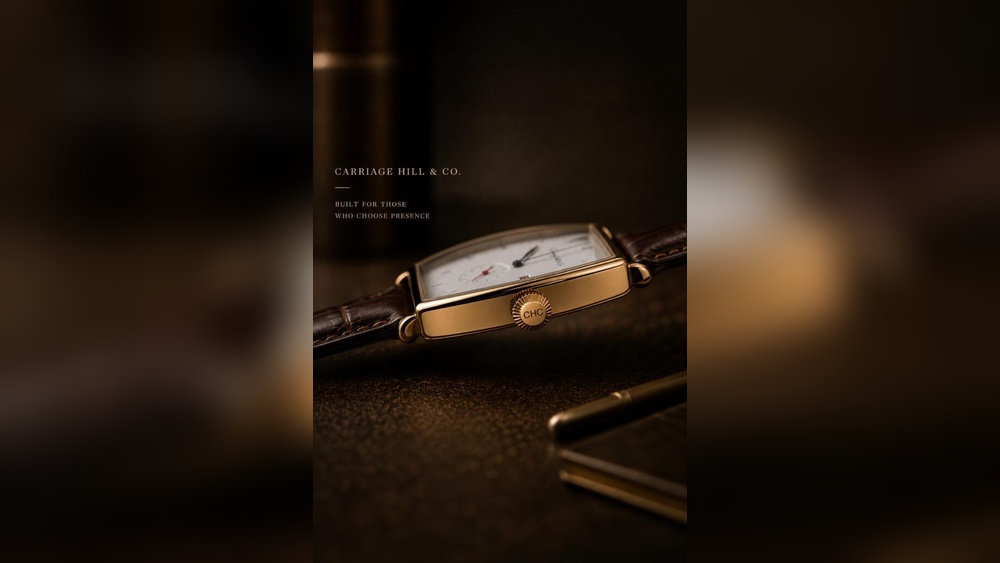
Carriage Hill And Co Watches: A Complete Guide If you search for a watch that blends tradition with modern style,
Carriage Hill Understated Luxury Watch: A Complete Guide A luxury watch is more than just a tool for telling time.
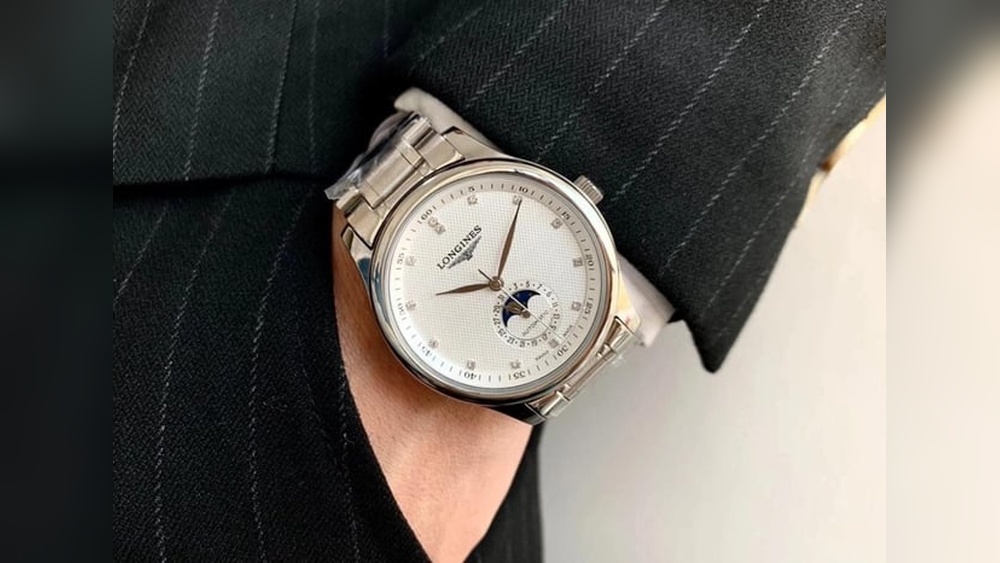
Finding a luxury dress watch under $700 is a rewarding challenge for style-conscious people who want elegance without the high
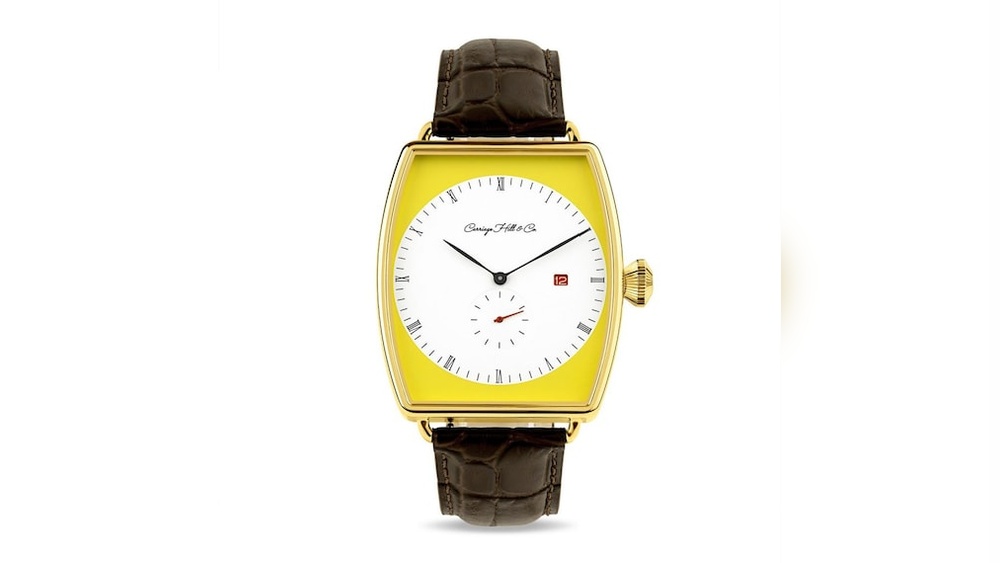
The world of luxury watches is filled with stories of craftsmanship, tradition, and innovation. Among these, the Carriage Hill Handcrafted
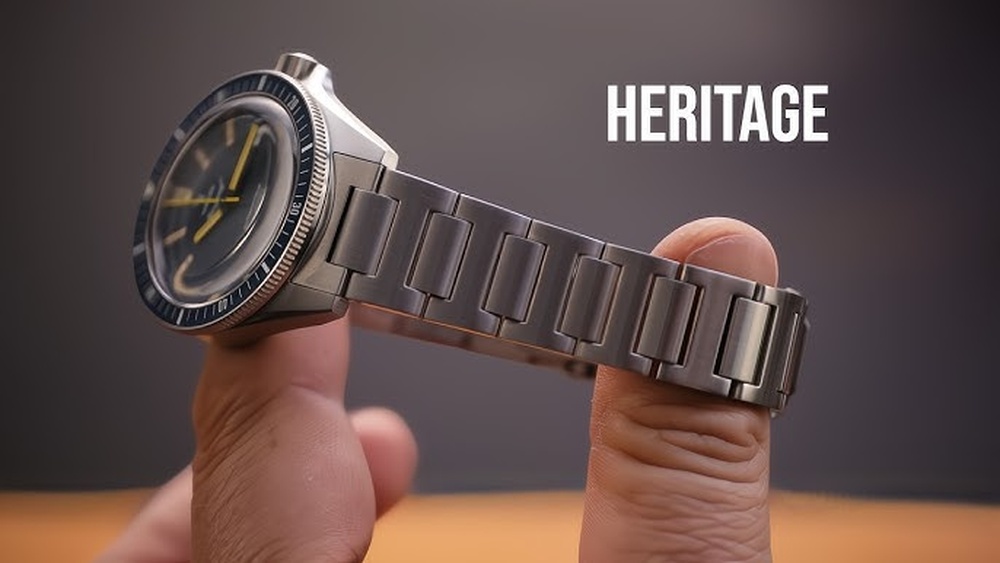
The world of watches is full of stories, tradition, and craftsmanship. For many people, a watch is not just a