
Watches
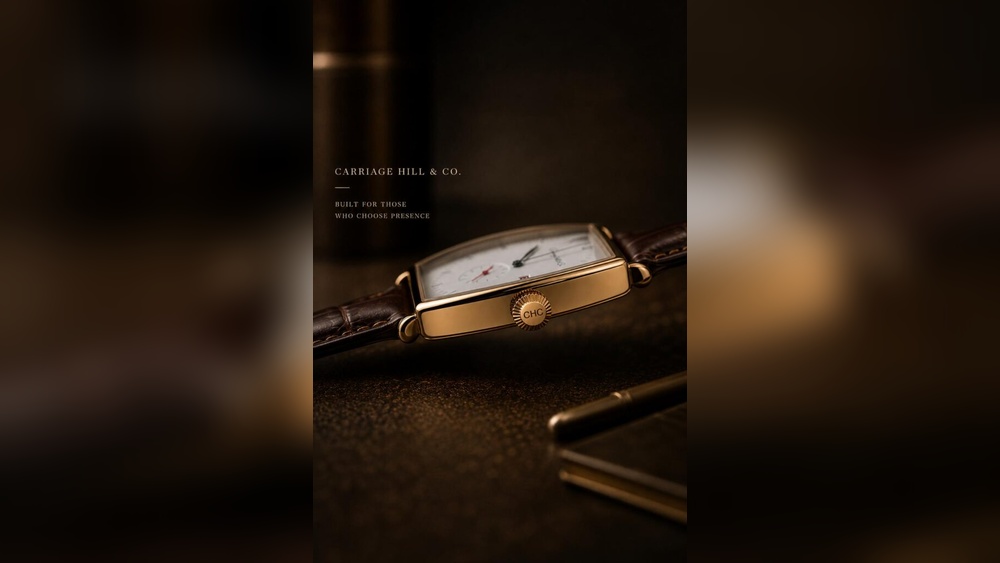
Carriage Hill Traveller Timepiece: Timeless Elegance Unveiled
The story of the Carriage Hill Traveller Timepiece is not just about a watch—it is about the art of travel,

Meta Description:
Discover the timepiece watch meaning with this ultimate guide. Explore 7 best insights, history, types, and luxury trends. Find out what makes a watch a true timepiece.
—
—
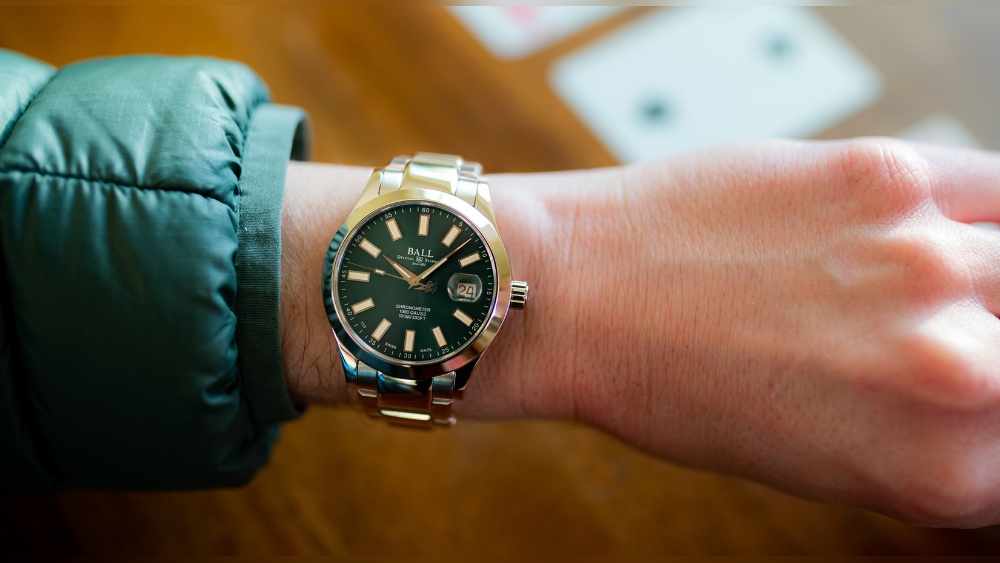
When you hear timepiece watch, it sounds formal and special. But what is the real timepiece watch meaning? In simple words, a timepiece is a device that measures and displays time. The word “timepiece” often suggests something more than just a regular watch—it points to quality, tradition, and a sense of style.
A timepiece watch is not just for telling time. It often represents craftsmanship, history, and personal status. Many collectors and experts use “timepiece” to describe watches that are well-made, often with mechanical movements, and built to last. For some, a timepiece is a work of art you can wear on your wrist.
The term has also become a way to separate luxury watches from basic or digital watches. While every timepiece is a watch, not every watch is considered a timepiece. This difference is important in the world of watch collecting and luxury fashion.
Understanding the meaning behind a timepiece watch can help you see why people spend thousands of dollars on them, and why they are passed down from generation to generation. Many non-native English speakers are confused by the difference between a “watch” and a “timepiece,” but by the end of this guide, it will be clear.
The word “timepiece” is chosen carefully in the watch world. When a brand or collector calls something a timepiece, it is a sign of respect. It means that this watch is more than a tool. For example, if someone says “My grandfather’s timepiece,” they are not just talking about an old watch.
They mean something special, possibly with a story or memory attached to it.
Most people today use their phones to check the time. Yet, those who love watches know that a true timepiece brings a feeling that no phone or cheap watch can give. When you strap on a timepiece, you wear history and tradition.
The ticking sound, the smooth movement of the hands, and even the weight on your wrist all add to this experience.
—
The story of timepiece watches goes back hundreds of years. Humans have always wanted to track time, and the journey from the first sundials to modern wristwatches is full of innovation.
Long before wristwatches, ancient people used sundials and water clocks. These early devices were the first timepieces, showing time with shadows or flowing water. In ancient Egypt, obelisks worked as giant sundials, and the Greeks improved water clocks (called clepsydras). Each civilization made its own version, showing how important timekeeping was for farming, religious events, and daily life.
In the 14th century, mechanical clocks appeared in Europe. These were large, often placed in church towers, and not portable. The sound of the church bell became the signal for the entire town. But these clocks were not very accurate.
They sometimes lost or gained hours in a single day.
During the 16th century, small portable clocks were invented. These became pocket watches—the first personal timepieces. Wealthy men carried them as both tools and symbols of status. Pocket watches became popular across Europe and later the world.
The first pocket watches were bulky and worn on chains around the neck. Over time, they became slimmer and more accurate. The spring-driven mechanism, invented around 1510, was a major breakthrough. By the 18th century, pocket watches were common among the upper class, often decorated with gold, enamel, or jewels.
In the late 19th and early 20th centuries, wristwatches started to appear. At first, they were worn mostly by women. Men preferred pocket watches until World War I, when soldiers needed quick, hands-free access to the time. After the war, wristwatches became common for men too.
The shift from pocket watches to wristwatches was slow but steady. Soldiers found wristwatches more practical in battle. Pilots, explorers, and divers also needed durable, reliable watches on their wrists. This need led to the creation of famous models like the Cartier Santos (for pilots) and Rolex Oyster (for divers).
The 20th century brought quartz watches—powered by batteries and more accurate than mechanical watches. Later, digital watches appeared. Yet, luxury watchmakers continued building mechanical timepieces for collectors and enthusiasts. Today, the timepiece watch meaning connects this long history with modern style and technology.
Watches became more than tools; they became fashion items. New materials like stainless steel, titanium, and ceramics were used. Water resistance, shock resistance, and anti-magnetic cases became standard for some watches. Even as technology changed, the art of traditional watchmaking stayed alive in places like Switzerland and Germany.
The world’s oldest known timepiece is the Antikythera mechanism, built over 2,000 years ago in ancient Greece. It tracked astronomical movements and is considered the first analog computer.
Many luxury watches today still use design elements from their past. For example, the Rolex Submariner’s look comes from its 1950s diving roots. The Omega Speedmaster was the first watch on the moon, and collectors still love that story. Knowing the history behind a timepiece adds value and meaning to anyone who wears it.
—
Not all watches are the same. Some are simple and practical, while others are complex and luxurious. Here are the main types of timepiece watches you’ll find:
These watches use a complex system of gears and springs. They must be wound by hand or automatically by wrist movement. Mechanical timepieces are valued for their craftsmanship and tradition.
Mechanical watches can last for generations if cared for properly. Some have see-through case backs, so you can watch the gears move. Many watch lovers say the process of winding a mechanical watch connects them to tradition.
Introduced in the 1970s, quartz watches use a battery and a quartz crystal to keep time. They are more accurate than mechanical watches and usually cheaper.
Quartz technology revolutionized the watch industry. With fewer moving parts, quartz watches rarely need servicing. They are also more resistant to shocks. Brands like Seiko and Casio made quartz watches popular around the world.
These use electronic displays instead of hands. They often have extra features like alarms, timers, and backlighting.
Digital watches are practical, especially for sports and outdoor activities. They often include stopwatches, countdown timers, and even compasses. The famous Casio G-Shock is a digital watch known for its toughness.
Modern smartwatches connect to smartphones and track health, messages, and more. Some collectors debate if smartwatches can be called timepieces, but the line is getting blurry.
Today’s smartwatches can monitor heart rate, count steps, and even make phone calls. High-end smartwatches, like the TAG Heuer Connected, mix traditional design with modern technology. While not everyone agrees they are “true timepieces,” smartwatches have found a place on many wrists.
These are watches made by famous brands using precious metals, gemstones, and fine engineering. Examples include Rolex, Patek Philippe, and Audemars Piguet.
Luxury timepieces are not just about timekeeping. They are about design, heritage, and exclusivity. Many are made in small numbers, making them rare and collectible. Some luxury timepieces include complications, such as moon phases or world time, that require advanced skills to build.
| Type | Power Source | Main Features | Typical Price Range |
|---|---|---|---|
| Mechanical | Manual/Automatic | Traditional, handcrafted, no battery | $500–$100,000+ |
| Quartz | Battery | Accurate, low-maintenance | $20–$5,000 |
| Digital | Battery | Electronic display, many functions | $10–$1,000 |
| Smartwatch | Rechargeable battery | Connects to phone, tracks fitness | $50–$2,000 |
| Luxury Timepiece | Mechanical/Quartz | High-end materials, collectible | $5,000–$1,000,000+ |
Mechanical watches are less accurate than quartz, but collectors value the art of engineering inside a mechanical timepiece. The feel and sound of a ticking mechanical watch have a special emotional appeal.
If you want a watch that you can wear every day without much worry, a quartz or digital model is a good choice. But if you want something you can pass down to your children, a mechanical timepiece may be worth the investment.
—
Many people use the words “watch” and “timepiece” as if they mean the same thing. But there are key differences worth understanding, especially if you want to buy, collect, or invest in watches.
A timepiece is usually associated with high-quality materials, detailed finishing, and precise engineering. Standard watches may be mass-produced and less expensive.
For example, a plastic digital watch from a supermarket is a watch. A Swiss-made mechanical watch with hand-finished parts is a timepiece.
Most timepieces come from luxury brands and can cost thousands of dollars. Regular watches can be found for under $100.
The price difference is not just about the materials but also about the brand’s reputation, history, and the skills of the watchmakers.
Both tell time, but timepieces often have extra features called complications (like a calendar, moon phase, or chronograph).
A regular watch may show just the hours, minutes, and seconds. A timepiece could show the date, track two time zones, or even the phases of the moon.
| Aspect | Watch | Timepiece |
|---|---|---|
| Definition | Any time-telling device | High-quality, collectible watch |
| Materials | Common metals, plastic | Gold, platinum, diamonds, sapphire |
| Brand | Mass-market | Luxury, heritage |
| Price | $10–$500 | $1,000–$1,000,000+ |
| Features | Basic time | Complex functions, hand-finished |
If you see a brand calling its product a “timepiece,” it’s usually signaling extra attention to craftsmanship and heritage.
A Casio digital watch is great for everyday use, but most people would not call it a timepiece. A Jaeger-LeCoultre Reverso, with its hand-decorated movement and elegant case, is a classic example of a timepiece.
—
Not every wristwatch is a timepiece. To earn that name, a watch must meet certain standards. Here’s what sets a timepiece apart:
A true timepiece is built with careful attention to detail. This includes hand-assembled movements, polished cases, and fine materials. Brands like Patek Philippe and Vacheron Constantin are known for their expert craftsmanship.
Even the smallest parts are finished and checked by skilled watchmakers. The Geneva Seal, for example, is a mark given only to watches that meet strict quality standards.
Most timepieces use mechanical movements, either manual or automatic. The tiny gears, springs, and jewels inside are often made by skilled artisans.
A mechanical movement is like a tiny engine, running without batteries. Some movements are so complex that they take months or even years to design and build.
A timepiece comes from a brand with a long tradition. These brands have often been making watches for over 100 years and have a reputation for quality.
Collectors love stories. They want to know who wore the watch before, what events it was part of, and how the brand changed over time.
Luxury timepieces are often produced in small numbers. Limited editions are even more prized by collectors.
Some brands, like A. Lange & Söhne, make only a few thousand watches each year. This makes each piece more special and valuable.
Unlike regular watches, timepieces can hold or increase in value. Some even become family heirlooms, passed down through generations.
The value comes from the brand, the quality, and the story behind the watch. Rare pieces often sell for much more at auctions.
Complications are extra features beyond basic timekeeping. For example:
Building these features by hand requires great skill. Some watches have more than 20 complications, making them true masterpieces.
The finishing inside and outside a timepiece is often visible through a glass case back. You might see engraved movements, hand-painted dials, or gemstone settings.
Finishing is not just for looks; it shows the care and pride of the maker. Even parts you cannot see are often decorated.
A Rolex Submariner is seen as a timepiece because of its iconic design, water resistance, and lasting value. It’s not just a tool; it’s a symbol.
Many beginners think only expensive watches can be timepieces. However, some independent brands offer affordable mechanical watches with excellent craftsmanship. The key is the care and tradition, not just the price.
When choosing your first timepiece, check the movement (is it mechanical or quartz? ), the brand’s history, and the finishing. Ask to see the inside of the watch if you can. True timepieces often come with certificates and special packaging.
—
Wearing a timepiece watch is about more than telling time. For many, it’s a way to express personal style, taste, and even social status.
Brands like Audemars Piguet, Rolex, and Omega are household names in the world of luxury watches. Celebrities, business leaders, and royalty wear these timepieces as a mark of success.
Wearing a luxury timepiece is a quiet way to show taste and achievement. In some cultures, the watch you wear says as much as the car you drive or the suit you wear.
Some people collect timepieces as a hobby, others see them as investments. Rare models often appreciate in value over time. For example, a vintage Patek Philippe sold for over $31 million at auction in 2019.
Collectors look for limited editions, rare complications, or models with a famous history. A watch that was owned by a celebrity or worn during a historic event can be worth much more.
A classic timepiece complements any outfit. Whether it’s a suit or casual wear, a fine watch makes a statement. Some people match their watch to their shoes or belt, showing attention to detail.
There are timepieces for every style—sporty chronographs, elegant dress watches, and rugged divers. Changing the strap or bracelet can also change the look completely.
| Brand | Founded | Famous Model | Starting Price |
|---|---|---|---|
| Rolex | 1905 | Submariner | $7,000 |
| Patek Philippe | 1839 | Nautilus | $30,000 |
| Omega | 1848 | Speedmaster | $5,000 |
| Audemars Piguet | 1875 | Royal Oak | $20,000 |
| Vacheron Constantin | 1755 | Overseas | $15,000 |
The pre-owned market for timepieces is huge. Some people buy and sell watches like stocks, tracking values and trends.
Today, even young professionals are buying timepieces as a way to celebrate their first big job or promotion. Social media has helped people learn about watches, compare styles, and connect with other collectors. Sharing a wrist shot (“wristie”) is a popular way to show off a new timepiece.
—
In a world full of smartphones and digital clocks, why do people still care about timepiece watches? The answer is about more than just telling time.
For many, owning a timepiece marks a life milestone—like a promotion, graduation, or big anniversary. Some families give timepieces as gifts to mark special occasions.
In some cultures, it is common to give a watch as a graduation gift. It is a sign of growing up and entering a new stage of life. In business, a luxury timepiece can be a reward for years of hard work.
Modern timepieces combine old-world skills with new technology. Brands now use ceramics, carbon fiber, and advanced metals for better durability and style.
Some watches have solar-powered movements or are synced to atomic clocks for perfect accuracy. At the same time, brands still use hand-painting, hand-engraving, and other traditional crafts.
Smartwatches like the Apple Watch have changed the market. Some purists say they aren’t true timepieces, but others see them as part of the timekeeping tradition. The lines are blurring as technology and tradition mix.
For example, Swiss brands now make “hybrid” watches that use both mechanical and electronic systems. These hybrids show how the definition of a timepiece is changing.
A timepiece can hold deep emotional meaning. Many people inherit watches from family members. The watch becomes a memory, a link to the past.
Wearing a parent’s or grandparent’s timepiece can bring comfort and pride. Some people even engrave messages or dates on the back, adding personal meaning.
Some brands now focus on eco-friendly materials and ethical production. This appeals to younger buyers who care about the environment.
For example, some watchmakers use recycled metals or create straps from ocean plastics. Brands also highlight fair working conditions and support for local craftspeople.
Imagine a grandfather giving his vintage Omega to his grandson. It’s not just a watch—it’s a piece of family history, connecting generations.
Wearing a timepiece can help you feel part of a larger story. Each scratch or mark can remind you of a special moment. This kind of emotional connection is rare with digital devices.
—
A watch is any device that tells time and is worn on the wrist or carried. A timepiece usually refers to a high-quality, often mechanical watch with special craftsmanship or historical value. All timepieces are watches, but not all watches are considered timepieces.
Luxury timepieces are expensive because of their fine materials (like gold or diamonds), expert craftsmanship, and often limited production. Brands invest years in design and tradition. Some models gain value over time, making them collectible.
This is debated. Traditionalists say a smartwatch is not a timepiece because it lacks the mechanical artistry. But as technology changes, some now see high-end smartwatches as part of the timepiece world, especially when they feature unique design and build quality.
Check for mechanical movement, brand heritage, finishing quality, and extra features (complications). If your watch comes from a respected brand, uses fine materials, and feels special, it might be a timepiece.
Some timepieces hold or increase in value, especially from brands like Rolex or Patek Philippe. However, not all watches are good investments. Research the brand, model, and condition before buying for investment.
You can read detailed articles on the history and art of watches at sites like Wikipedia or visit watch museums and exhibitions around the world.
Keep your timepiece clean and avoid dropping it. For mechanical watches, regular servicing (every 3–5 years) is important. Store your watch in a safe, dry place and avoid extreme temperatures. If your timepiece is waterproof, still avoid hot water, as it can damage seals.
A complication is any feature in a mechanical watch that does more than just tell hours, minutes, and seconds. Examples include date displays, alarms, moon phases, and chronographs (stopwatches). Some timepieces have many complications and are called “grand complications. ”
—
The timepiece watch meaning is rich with history, style, and emotion. A timepiece is much more than a tool to tell time. It’s a statement, a memory, and sometimes, an investment. Whether you are buying your first watch or looking to start a collection, understanding what makes a watch a true timepiece will help you choose wisely.
Watches have evolved from simple sundials to complex mechanical masterpieces and now to smartwatches. No matter how technology changes, the meaning behind a timepiece remains strong—a blend of art, engineering, and tradition. Whether you choose a luxury brand or a simple mechanical watch, the value is not just in the price, but in the story it tells.
If you want to dive deeper, explore watch forums, visit local boutiques, or read trusted sources like Hodinkee. And remember, the best timepiece is the one that feels right for you.
—
Image Suggestions:
Video Suggestions:
Internal Links to Add:
The story of the Carriage Hill Traveller Timepiece is not just about a watch—it is about the art of travel,
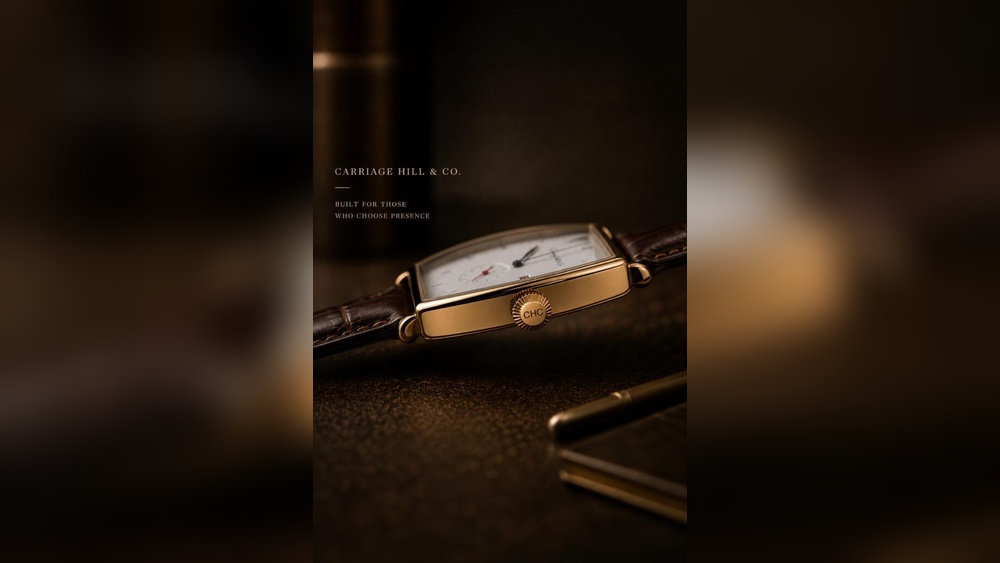
Carriage Hill And Co Watches: A Complete Guide If you search for a watch that blends tradition with modern style,
Carriage Hill Understated Luxury Watch: A Complete Guide A luxury watch is more than just a tool for telling time.
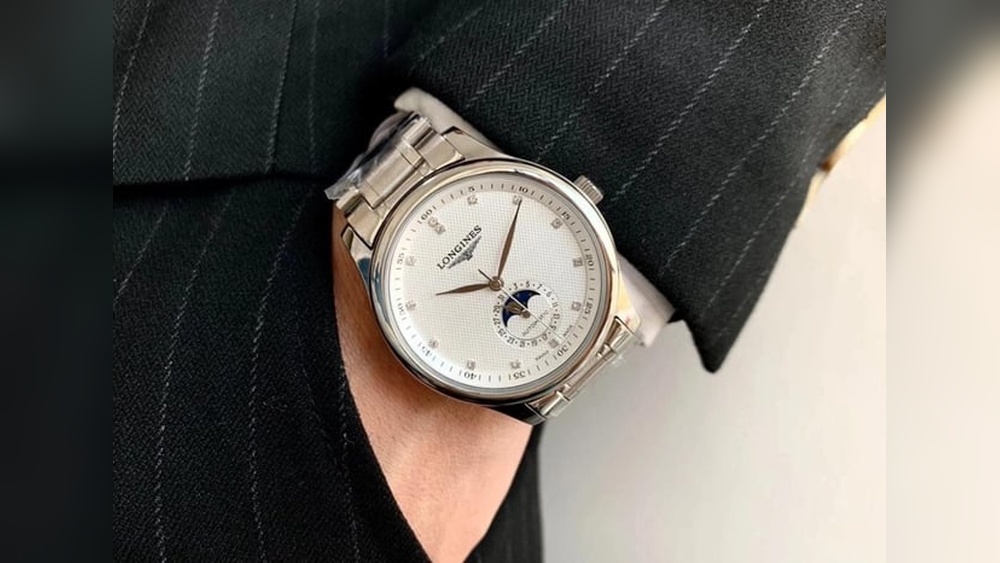
Finding a luxury dress watch under $700 is a rewarding challenge for style-conscious people who want elegance without the high
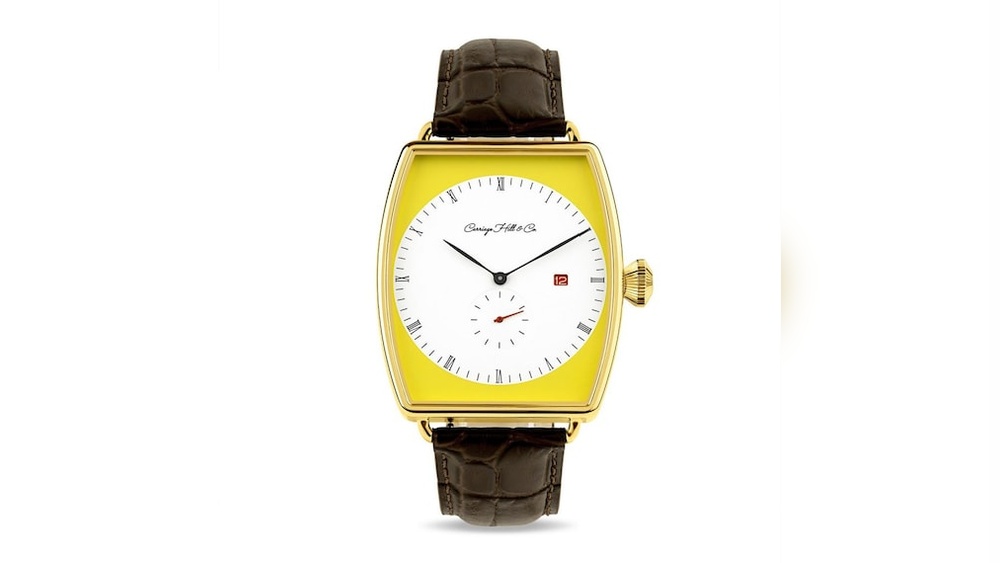
The world of luxury watches is filled with stories of craftsmanship, tradition, and innovation. Among these, the Carriage Hill Handcrafted
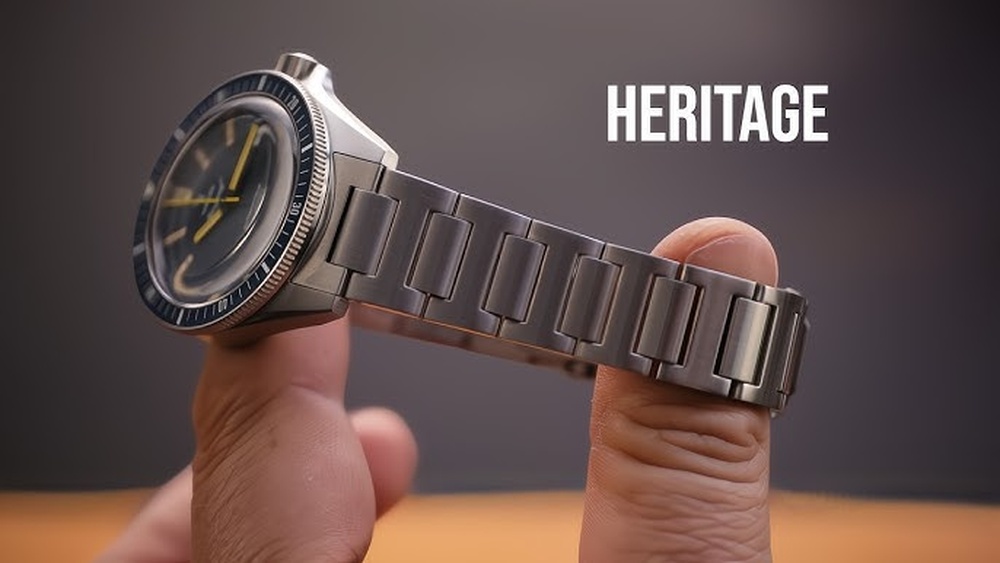
The world of watches is full of stories, tradition, and craftsmanship. For many people, a watch is not just a