
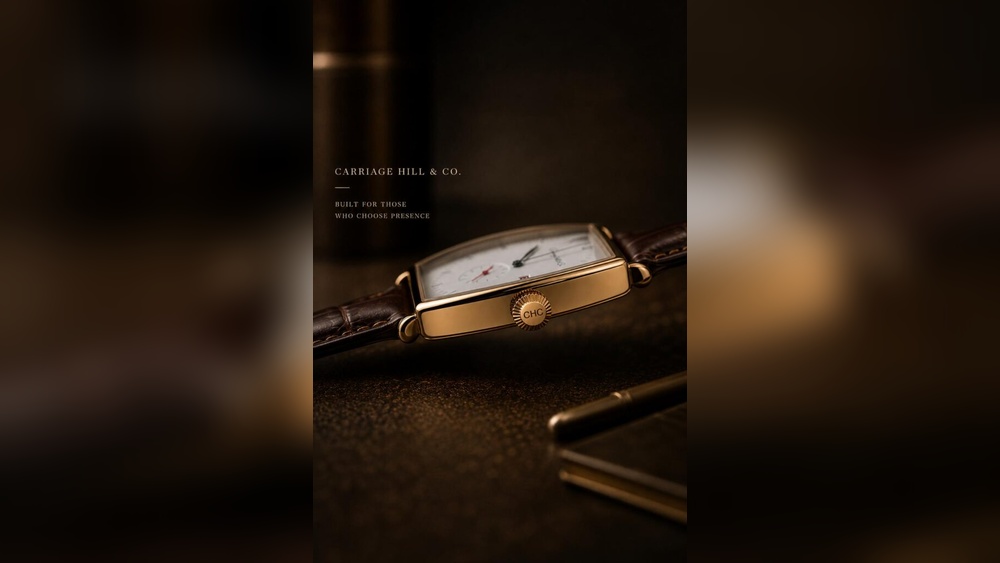
Watches
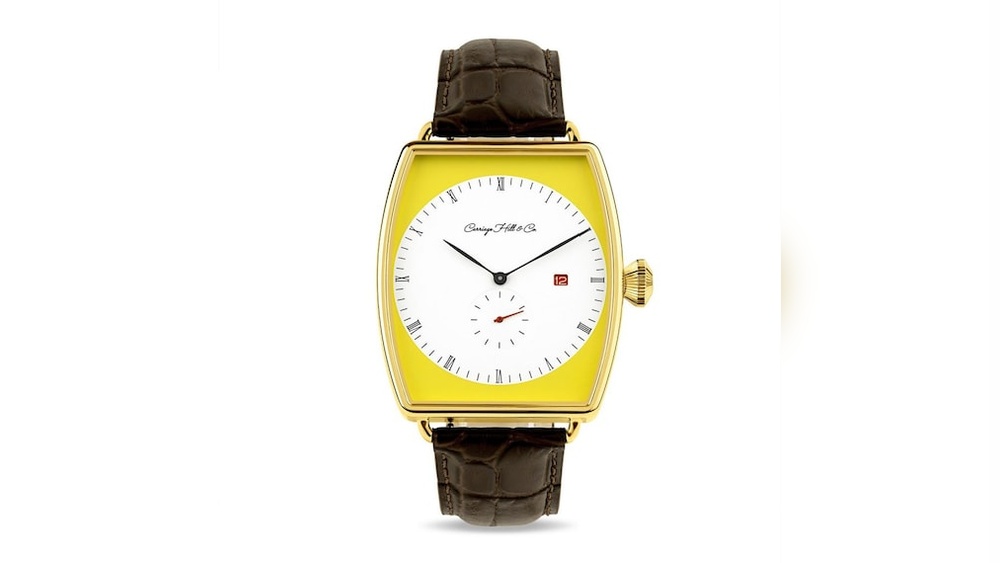
Carriage Hill Traveller Timepiece: Timeless Elegance Unveiled
The story of the Carriage Hill Traveller Timepiece is not just about a watch—it is about the art of travel,
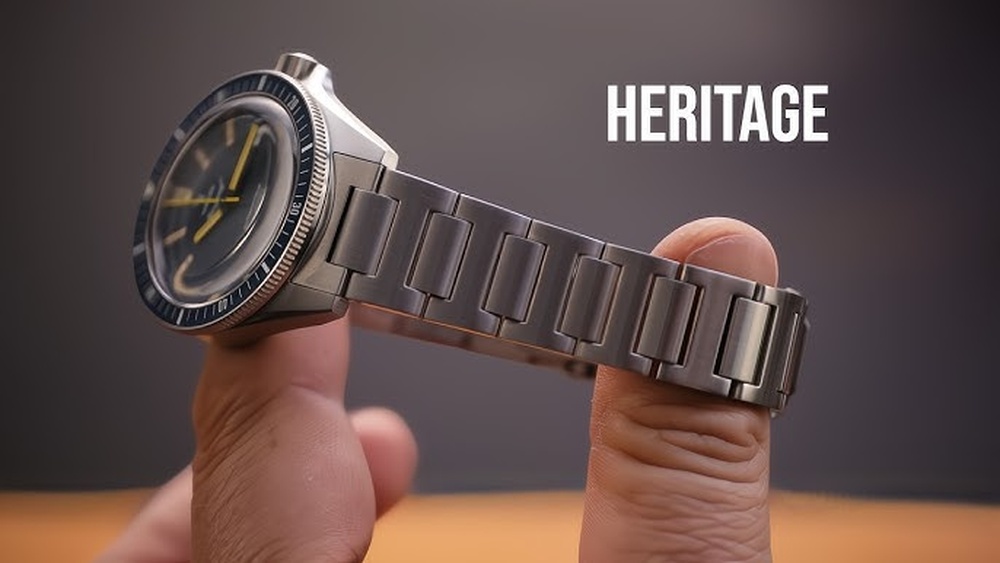
The world of watches is full of stories, tradition, and craftsmanship. For many people, a watch is not just a tool to tell time. It is a symbol of style, history, and sometimes even family legacy. When you hear the term heritage watch brand, you may think of companies that have been making watches for decades or even centuries. These brands hold a special place in the hearts of collectors and everyday wearers alike. They are known for their dedication to quality, timeless design, and sometimes, innovation. But what makes a heritage watch brand different from a regular watch company? Why do so many people seek out these brands?
This article will explore the meaning of heritage watch brand, the history behind famous names, and what sets them apart. We will look at their impact on culture, their approach to design, and how they remain relevant in a fast-changing world. Whether you are new to watches or a long-time enthusiast, understanding the story behind these brands can help you make smarter choices and appreciate the value of owning a timepiece with history.
A heritage watch brand is a company that has been making watches for a long time, usually at least 50 years. These brands are often family-owned or have a strong connection to their roots. They have survived wars, economic changes, and shifts in technology. Heritage brands focus on tradition, craftsmanship, and sometimes use old methods or designs passed down through generations.
Some key features of a heritage watch brand include:
Not all old brands are heritage brands. Some companies have lost their original identity or focus. A true heritage watch brand keeps its spirit alive, even as it adapts to modern times.
The history of watches goes back to the 16th century. Early watches were large and worn as pendants. Wristwatches came later, around the late 19th century. Switzerland became the center of watchmaking because of its skilled workers and strict standards. Many of today’s heritage brands started here, including Patek Philippe, Rolex, and Omega.
In the beginning, watches were made almost entirely by hand. Each piece took months or even years to finish. The makers used tiny tools and worked with great patience. These early watches were expensive and only for the rich or powerful.
As technology improved, more people could afford watches. Still, heritage brands kept their focus on quality.
Many heritage watch brands faced hard times during wars and economic downturns. For example, during World War II, some brands made watches for soldiers. Others had to change their business to survive. The Quartz Crisis in the 1970s was a big challenge. Cheap quartz watches from Japan threatened the Swiss industry. Many old brands closed, but the strongest survived by focusing on mechanical watches and luxury.
Today, heritage watch brands use both old and new methods. They keep their traditional designs but add new materials and technology. Some brands offer smartwatches or use advanced metals. However, most collectors still want mechanical watches with classic looks.
Heritage brands also use their history in marketing. They show old ads, use vintage designs, and share stories from their past. This helps them connect with buyers who value history and authenticity.
Let’s explore some of the most well-known heritage watch brands. Each has a unique story and approach to watchmaking.
Founded in 1839 in Geneva, Patek Philippe is known for making some of the most complex and valuable watches. Their slogan, “You never actually own a Patek Philippe. You merely look after it for the next generation,” shows their focus on legacy.
Started in 1905 by Hans Wilsdorf, Rolex is one of the most recognized names in the world. They were the first to make a waterproof wristwatch and a self-winding mechanism.
Founded in 1848, Omega became famous for its precision and was chosen as the official timekeeper of the Olympics. They also made the first watch worn on the moon.
This brand started in 1875 in the Swiss Jura. Audemars Piguet is known for its Royal Oak model, which changed watch design forever.
Founded in 1832, Longines has a long history in sports timing and aviation. Their winged hourglass logo is one of the oldest trademarks.
Each brand has its own story, but they all share a respect for history, quality, and style.
Heritage watch brands are often compared to new or fashion-focused companies. Let’s look at the main differences.
Heritage brands use skilled workers who spend years learning their craft. Many parts are made by hand, and each watch is carefully checked. New brands often use machines and focus on mass production.
Heritage brands stick to classic designs that have been popular for decades. They use materials like gold, steel, and leather. Modern brands may use trendy colors or shapes, but heritage brands prefer timeless looks.
Watches from heritage brands often hold or increase their value over time. They are seen as luxury items. Modern brands may offer cheaper prices, but their watches rarely become collectibles.
Heritage brands use their history in ads and promotions. They show famous people who wore their watches, old photos, and classic designs. New brands often focus on fashion or technology.
Buying from a heritage brand is usually a special experience. Stores are elegant, staff are trained, and service is personal. Modern brands may sell online or in regular shops.
Here’s a clear comparison between heritage watch brands and modern brands:
| Feature | Heritage Watch Brands | Modern Brands |
|---|---|---|
| History | 100+ years | Usually less than 30 years |
| Craftsmanship | Hand-made, skilled workers | Machine-made, mass production |
| Design | Classic, timeless | Trendy, fashion-driven |
| Value | High, often increases | Lower, rarely increases |
| Marketing | Focus on history | Focus on style/technology |
| Customer Experience | Personal, luxury | Standard, online |
Heritage watch brands are not just about old stories. They play a big role in today’s world.
People buy heritage watches for their meaning. A watch from a famous brand can be a family heirloom, a reward for hard work, or a gift for a special occasion. It carries memories and emotions.
Many heritage watches go up in value. For example, a vintage Rolex or Patek Philippe can sell for much more than its original price. This makes them attractive to collectors and investors.
Heritage brands often use high-quality materials and make watches that last for decades. This is better for the environment than cheap, disposable watches.
Heritage watch designs often inspire new trends. Many fashion brands copy their styles, but the originals remain popular.
A common myth is that only older people buy heritage watches. In fact, many young professionals and collectors are now seeking vintage or classic models. They see them as a way to stand out in a world of fast fashion.
Even though heritage brands focus on tradition, they often use the latest technology for precision. For example, Omega’s Co-Axial movement is a modern invention that improves accuracy, but it is used in classic models.
Let’s look at what goes into making a heritage watch.
The movement is the engine of the watch. Heritage brands often use mechanical movements, which are powered by springs and gears. These are more complex and take skill to make. Some brands use automatic movements, which wind themselves as you wear the watch.
Heritage watches use high-quality materials:
Each watch is carefully finished. Workers polish the case, decorate the movement, and check every detail. This makes the watch look and feel special.
A complication is any function beyond telling the time. Heritage brands often add features like:
These features show the brand’s skill and creativity.
Many heritage brands make limited edition watches. These are rare and often become collectibles. They may celebrate an anniversary or a famous event.
Collecting heritage watches can be rewarding, but there are risks. Here are some practical tips.
Study the brand’s history, model details, and common issues. Join watch forums or read expert reviews.
Many fake watches look real. Always buy from trusted dealers or ask for papers and original packaging.
A watch in good condition is worth more. Look for scratches, rust, or missing parts. Some collectors like “patina” (natural aging), but damage lowers value.
Mechanical watches need regular service. Ask about repairs and maintenance. A watch with original parts is more valuable.
Compare prices and check auction results. Some models are rare, but others are common. Don’t pay extra for hype.
Keep your watches in a safe place. Use a watch box or safe. Avoid moisture and extreme temperatures.
| Mistake | Impact | How to Avoid |
|---|---|---|
| Buying fake watches | Loss of money, disappointment | Buy from trusted dealers |
| Ignoring condition | Lower value, costly repairs | Inspect carefully |
| No service history | Unreliable, more breakdowns | Ask for records |
| Overpaying | Hard to resell | Compare prices |
| Poor storage | Damage, loss | Use proper storage |
Heritage watch brands have shaped culture in many ways.
A watch from a famous brand is a sign of success. Leaders, athletes, and celebrities often wear heritage watches. For example, James Bond wears Omega, and world leaders favor Rolex.
Many people pass down watches as gifts. A grandfather’s watch can be worn by a grandson, creating a family story.
Some heritage watches are displayed in museums. Their design is seen as art. Brands work with artists and designers to create special models.
Heritage brands sponsor sports, exhibitions, and charities. This helps them stay visible and respected.
Famous movies often feature heritage watches. This makes them more popular and collectible. For example, the Omega Speedmaster was worn in Apollo missions and featured in films about space.
With new technology and changing tastes, heritage brands must adapt. Here’s how they stay important.
Brands often re-release vintage models with modern updates. This appeals to both old and new buyers.
Heritage brands use Instagram, YouTube, and online ads to reach younger customers. They share stories, photos, and behind-the-scenes videos.
Some brands, like TAG Heuer, now offer smartwatches. Others add new materials or improve movement accuracy.
Heritage brands work with celebrities, artists, and fashion designers to create special editions.
Many brands listen to collectors and use their input to design new watches. This keeps them connected to their community.
If you want to buy a heritage watch, consider these key factors.
Choose a brand with strong history and proven quality. Look for awards, reviews, and famous customers.
Some models are more respected and collectible. For example, the Rolex Submariner or Patek Philippe Nautilus.
Mechanical watches are more traditional and valuable. Quartz watches are cheaper and less collectible.
Gold, platinum, and steel are most popular. Make sure the watch is in good condition.
Check recent sales and auction data. Some watches are expensive but worth the investment.
Ask about service costs and warranty. Heritage watches need regular care.
| Factor | Why It Matters | Tip |
|---|---|---|
| Brand reputation | Ensures quality | Research history |
| Model popularity | Better resale value | Check auction results |
| Movement type | Impacts value | Prefer mechanical |
| Material | Durability, looks | Choose steel or gold |
| Condition | Value and reliability | Inspect carefully |
| Service | Longevity | Ask about costs |
Heritage watch brands face challenges, but their future is bright.
Heritage brands are adapting by focusing on their strengths: quality, history, and customer experience. They are also reaching new buyers with creative marketing.
Many heritage brands are now using recycled materials, eco-friendly packaging, and supporting environmental causes. This helps them appeal to buyers who care about sustainability.
A heritage watch brand is a company with a long history, usually over 50 years. It keeps its original style, values, and focus on quality. These brands are respected for their tradition and craftsmanship.
Generally, yes. Heritage watches from famous brands hold or increase their value over time. They are seen as luxury items and collectibles, while most modern watches lose value.
Check for correct branding, serial numbers, and papers. Buy from trusted dealers and ask for expert verification. Fake watches often have poor finishing, wrong logos, or missing details.
Store it safely, avoid moisture, and have it serviced regularly by experts. Do not wear it during sports or extreme activities. Keep original box and papers for value.
Some heritage brands, like TAG Heuer, offer smartwatches. However, most focus on mechanical or automatic watches, as these are more connected to their tradition.
Heritage watch brands represent more than just timekeeping. They are symbols of history, craftsmanship, and personal stories. Whether you buy a watch for style, investment, or as a gift, choosing a heritage brand gives you something special. As technology changes and new brands appear, the classic values of heritage watchmakers remain strong. If you want to learn more about watch history and brands, visit Wikipedia for reliable information. The world of heritage watches is deep, rich, and always rewarding for those who take the time to explore it.
The story of the Carriage Hill Traveller Timepiece is not just about a watch—it is about the art of travel,
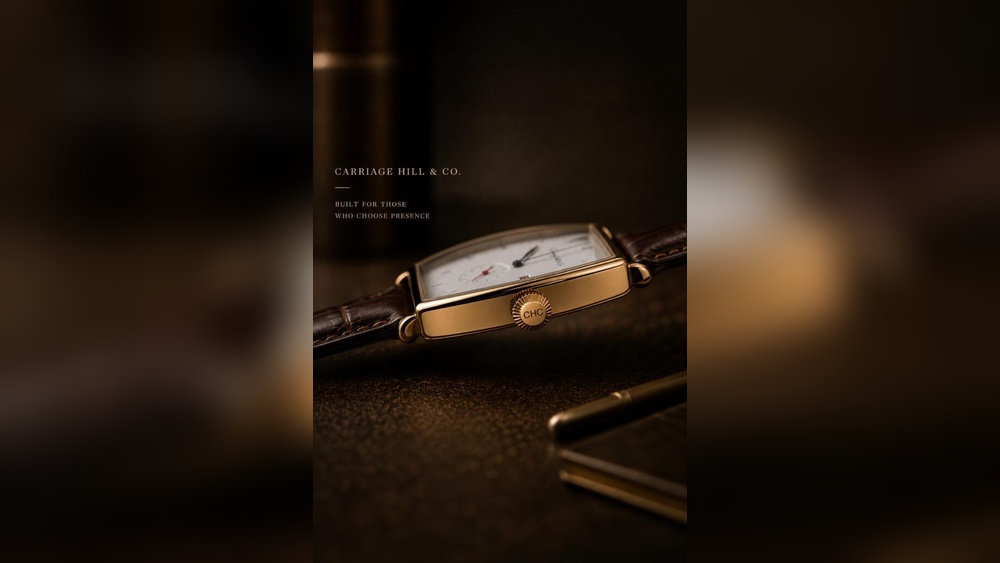
Carriage Hill And Co Watches: A Complete Guide If you search for a watch that blends tradition with modern style,

Carriage Hill Understated Luxury Watch: A Complete Guide A luxury watch is more than just a tool for telling time.
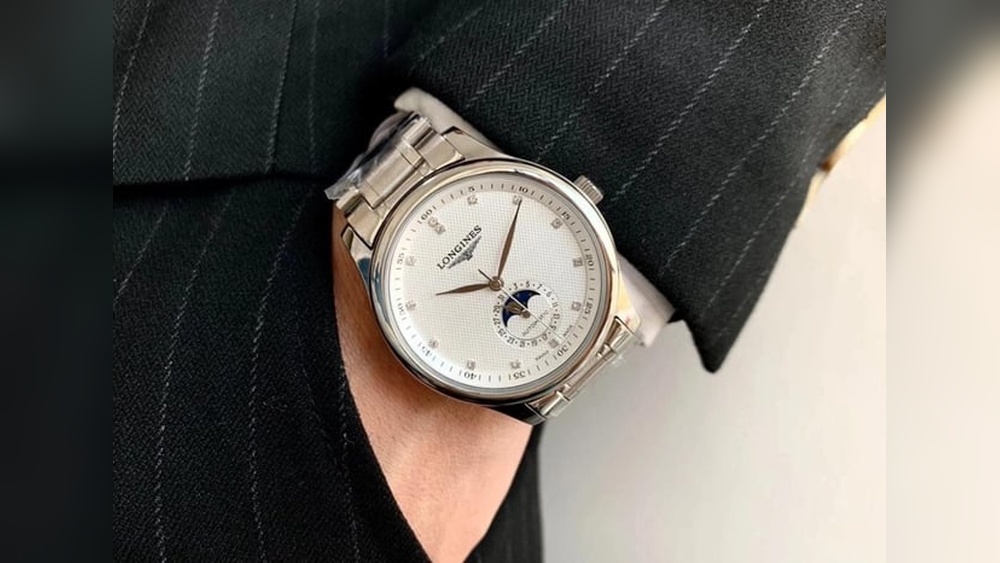
Finding a luxury dress watch under $700 is a rewarding challenge for style-conscious people who want elegance without the high
The world of luxury watches is filled with stories of craftsmanship, tradition, and innovation. Among these, the Carriage Hill Handcrafted
The world of watches is full of stories, tradition, and craftsmanship. For many people, a watch is not just a