
Watches
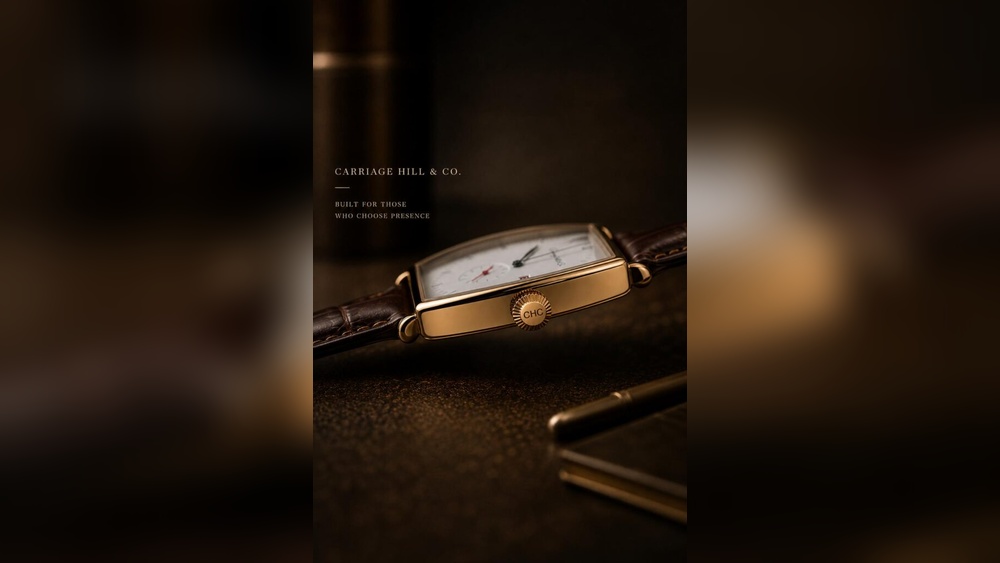
Carriage Hill Traveller Timepiece: Timeless Elegance Unveiled
The story of the Carriage Hill Traveller Timepiece is not just about a watch—it is about the art of travel,
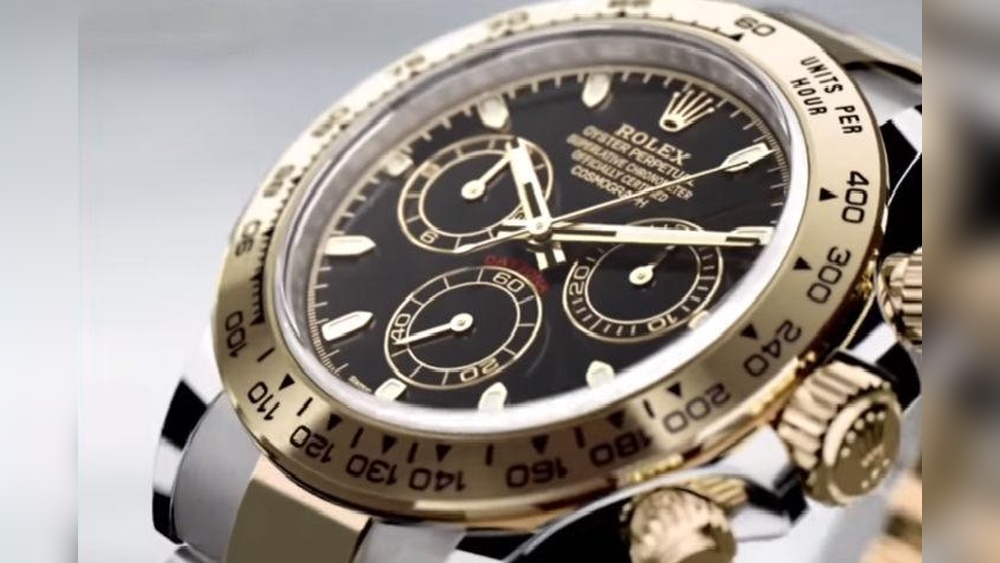
Luxury watches are not just accessories—they are investments, status symbols, and often, family heirlooms. Many people want to know: How long do luxury watches last? The answer is more complex than a simple number. It depends on materials, craftsmanship, brand, and most importantly, how the watch is cared for. In this ultimate guide, you’ll discover the real factors that influence a luxury watch’s lifespan, industry averages, and expert tips to help your timepiece last for generations.
Table of Contents
—
A luxury watch is more than just a tool for telling time. It’s a piece of precision engineering, often made with rare materials, and crafted by skilled artisans. But what truly sets them apart?
Luxury watches often come with unique features that separate them from standard watches. Some have complications such as moon phases, world timers, or minute repeaters (which chime the time on demand). The finishing, engraving, and polishing are done by skilled watchmakers, not machines.
This human touch is part of why luxury watches are so respected.
A luxury watch is designed to last—sometimes even outlive its owner—when cared for properly. But how long, exactly?
—
The lifespan of a luxury watch is not fixed. With proper care, many watches last 30 years, 50 years, or even longer. Some vintage watches from the early 20th century are still running today.
| Movement Type | Average Lifespan | Special Considerations |
|---|---|---|
| Mechanical (Manual Wind) | 30–100+ years | Requires regular servicing every 3–5 years |
| Automatic (Self-winding) | 40–100+ years | Needs movement to stay wound, also needs servicing |
| Quartz (Battery Powered) | 20–40 years | Battery replacement every 2–5 years; electronics can eventually fail |
If you wear a mechanical watch every day and keep up with maintenance, it could easily become an heirloom piece passed down to your grandchildren. Automatic watches, which wind themselves as you move, share similar longevity but also need regular attention.
Quartz watches tend to have fewer moving parts and are often more accurate, but their lifespan is limited by the electronic components, which may eventually fail even if the rest of the watch is in perfect condition.
Most high-end Swiss watches, such as Rolex or Omega, are built to last several decades. With regular maintenance, it’s not unusual for a luxury watch to work perfectly for 50 years or more. Some brands even offer lifetime service guarantees, showing their confidence in the product.
For example, Patek Philippe is famous for its advertising slogan: “You never actually own a Patek Philippe. You merely look after it for the next generation.” This philosophy reflects how luxury watches are built to last far beyond a single lifetime.
The Patek Philippe Calatrava from the 1930s is still functioning in many collections. Likewise, early Rolex Submariners often pass from one generation to the next, proving that luxury watches can truly last a lifetime—and beyond.
There are stories of family members inheriting watches that have celebrated weddings, graduations, and important milestones for decades. If you visit watch forums or collector groups, you’ll find many posts about 40, 60, or even 80-year-old watches still ticking.
While cases and dials might survive for a century, sometimes the movement (the “engine” inside) is replaced or rebuilt. This is especially true for watches that have suffered water or impact damage. Even so, many brands keep records and can restore or rebuild the original movement, keeping the watch alive for future generations.
—
Not all luxury watches age the same way. Several critical factors can make a difference in how long your watch will last.
Luxury watches use advanced materials for the case, crystal, and movement. Sapphire crystal is almost scratch-proof. Platinum and ceramic resist corrosion. However, even gold can wear down if exposed to chemicals or rough handling.
Some brands are pushing the boundaries by experimenting with carbon fiber, bronze, or even meteorite dials. Each material has its own strengths and weaknesses. For example, bronze develops a unique patina over time, which some collectors find attractive, while others may prefer the classic look of stainless steel.
Straps made of leather, rubber, or fabric typically wear out faster than metal bracelets. Swapping straps regularly, or choosing a robust bracelet, can help your watch stay looking good for longer.
A watch with many complications (like a perpetual calendar or chronograph) has more parts that can wear out. Simpler movements often last longer due to fewer mechanical failures.
For instance, a three-hand watch (just hours, minutes, and seconds) is usually more robust and easier to service than a watch with a moon phase and chronograph. But, high complexity also means more artistry and often higher value.
Complicated watches cost much more to service, and finding a qualified watchmaker can be harder. If you buy a perpetual calendar or tourbillon, budget for higher service costs and longer wait times for repairs.
Watches rated for 100 meters or more are better protected against moisture. However, seals and gaskets degrade over time, so water resistance should be checked during servicing.
Even the best dive watches, like the Rolex Submariner or Omega Seamaster, need pressure testing every few years. A quick dip in the pool won’t hurt a properly maintained watch, but ignoring water resistance checks can turn a luxury timepiece into a costly repair.
If the gasket (the seal that keeps water out) fails, even a splash of water can destroy the movement. This is especially true for vintage watches, where the original seals may have dried out decades ago.
Watches worn daily will show more wear than those kept in a safe. However, mechanical watches benefit from regular movement, which keeps the lubricants inside from drying up.
It’s a bit of a paradox: a watch that sits unused for years can develop problems like dried lubricants and stuck gears, while daily wear can cause scratches and dents. The best practice is to wear your watch regularly but avoid exposing it to harsh conditions.
Extreme temperatures, humidity, and magnetic fields can harm a watch. Keeping your timepiece away from strong magnets (like smartphones or speakers) helps maintain accuracy.
For example, sudden changes from hot to cold can cause condensation inside the watch, leading to rust. Humid climates can speed up gasket and strap wear. Some brands, like Omega, use anti-magnetic materials in their movements, which help if you live in a city full of electronics.
Regular maintenance is the single most important factor. Watches that receive professional servicing every 3–7 years will last much longer than those that do not.
A neglected watch may run for years without a problem, but hidden wear can cause sudden failure. Many watchmakers find broken parts, rust, or dried lubricants in watches that have never been serviced, even if they look fine from the outside.
—
Proper maintenance is not just about keeping your luxury watch looking new—it’s essential for long-term reliability. Many owners underestimate the importance of regular care.
During a typical service, the watch is completely disassembled. Each part is cleaned in an ultrasonic bath, inspected for wear, and replaced if needed. The movement is then carefully reassembled, lubricated, regulated, and tested for days or even weeks to confirm accuracy and water resistance.
Most Swiss brands recommend servicing every 3 to 5 years. Some newer models with advanced lubricants can go 7–10 years between services.
If you notice your watch is running fast or slow, or the power reserve (how long it runs after winding) is dropping, it’s time to book a service—even if it hasn’t been the full recommended interval.
Many owners delay service until the watch stops working, but this often leads to higher repair bills. Preventive maintenance is almost always cheaper and less risky than waiting for something to break.
| Brand | Typical Service Cost (USD) | Service Interval |
|---|---|---|
| Rolex | $600–$1,000 | 5–7 years |
| Omega | $400–$900 | 5–8 years |
| Patek Philippe | $800–$2,000 | 3–5 years |
| Tag Heuer | $250–$700 | 4–6 years |
Many luxury brands offer extended warranties if you follow their service schedule. Always ask for an official service receipt—this is important for warranty claims and resale value.
Many collectors are tempted to open their watch or replace a battery themselves. However, even a small error can damage the movement or compromise water resistance. Always use a certified watchmaker for repairs.
For example, one slip with a screwdriver can scratch the movement or case, and an incorrectly installed gasket can let in water. The money saved by skipping the professional may be lost many times over in repair costs.
Keeping proof of service and original receipts increases your watch’s value and helps with insurance claims in case of loss or theft.
A detailed service history makes your watch more attractive to buyers if you decide to sell. Insurers often require proof of value and regular servicing to fully cover expensive timepieces.
—
Some luxury watch brands are famous for their reliability and durability. Here’s how the top names compare.
| Brand | Lifespan With Proper Care | Special Features |
|---|---|---|
| Rolex | 50–100+ years | Robust Oyster cases, easy part availability |
| Patek Philippe | 60–120+ years | High craftsmanship, heirloom quality |
| Omega | 40–90 years | Co-Axial movements, good service network |
| Audemars Piguet | 40–90 years | Complex movements, unique designs |
| Tag Heuer | 30–60 years | Accessible luxury, sports models |
Rolex’s Oyster case design, introduced in 1926, was the world’s first waterproof wristwatch case. This innovation made Rolex watches more durable and less prone to damage from dust or water, helping them last longer.
Vintage watches are sometimes easier to repair than modern ones because older parts are more available or easier to replicate. However, some brands have stopped making parts for certain models, so check before buying a vintage piece.
In contrast, some modern watches use high-tech materials or specialized movements that only the manufacturer can service. This can mean longer wait times and higher costs for repairs.
Watches from independent or small boutique brands can be very high-quality, but long-term parts availability may not be guaranteed. Always research how easy it will be to service your watch 20 or 30 years from now.
—
Even the best luxury watches can develop issues over time. Knowing when your watch needs repair—or is nearing the end of its useful life—can save you money and stress.
If the date function sticks or does not change at midnight, there may be a problem with the calendar mechanism—a common issue in older or poorly maintained watches.
For example, a vintage Omega with a rusted movement and damaged dial may cost more to restore than its resale value. However, if it is a rare or sentimental piece, the cost may be justified.
If your luxury watch is valuable or has sentimental meaning, restoration is usually worth it—even if it’s expensive. For lower-value models, consider resale value before investing in major repairs.
Sometimes, only partial restoration is possible. For example, you might be able to replace the crystal or hands, but not the original dial. Collectors value originality, so replacing major components can affect value.
—
A luxury watch is an investment. Here’s how to preserve its value and ensure it lasts as long as possible.
Add silica gel packs to your watch storage to absorb moisture and prevent rust, especially in humid climates.
Wearing your watch prevents lubricants from settling and parts from sticking. However, avoid wearing it during sports or activities that could cause shocks or scratches.
For example, avoid wearing your luxury watch while playing golf, tennis, or during heavy manual work. Sudden impacts can jar delicate movement components.
Having the original box and papers can add 10–20% to the resale value of a luxury watch. It also helps prove authenticity if you ever need to sell or insure your piece.
Consider jewelry insurance for pieces worth over $5,000. This protects against theft, loss, or damage.
Check if your homeowner’s insurance covers luxury watches, or if you need a separate policy. Take clear photos and keep an updated appraisal.
Ask for service records when buying pre-owned. A well-maintained used luxury watch can last as long as a new one.
If records are missing, assume you’ll need to service the watch soon after purchase, and factor that into your budget.
Placing your watch near magnets or magnetic devices can affect accuracy. If your watch suddenly runs very fast or slow, a watchmaker can “de-magnetize” it quickly.
Luxury watch technology changes. New lubricants and materials can extend service intervals. Check your brand’s website or trusted sources for updated advice. For deeper reading on watch care, visit Hodinkee.
While it may be tempting to customize your watch (new dials, bezels, or aftermarket straps), such changes can hurt resale value unless done by the original manufacturer.
—
—
Most luxury watches will function for 5–10 years without servicing, but performance and accuracy will decline over time. Lubricants dry out, and seals wear down, increasing the risk of damage. Regular servicing every 3–7 years is strongly recommended for best results.
Yes, a well-maintained luxury watch can last a lifetime and often much longer. Many watches are passed down as family heirlooms, with some still running smoothly after 70–100 years. Proper care, storage, and servicing are the secrets to such impressive longevity.
Quartz watches generally have a shorter lifespan than mechanical or automatic models. While a quartz movement can last 20–40 years, the electronic parts may eventually fail. Mechanical watches, by contrast, can often be repaired and kept running indefinitely with the right care.
Rolex, Omega, and Patek Philippe are known for their exceptional durability. These brands use robust materials and have reliable service networks. Their watches can last for generations if properly maintained, making them favorites among collectors.
In most cases, yes. Even vintage luxury watches can be restored to good working order by expert watchmakers. If the watch has sentimental or collector value, servicing is usually a smart investment. However, rare models with no available parts may not be repairable.
Look for the serial number and model number on the case or movement. Many brands have databases or online tools for checking authenticity and production date. For extra assurance, consult a certified watchmaker or the brand’s authorized dealer. For more information, the official Patek Philippe site provides guidance on serial numbers and authenticity.
First, check for simple issues like a dead battery (in quartz watches) or if the watch needs winding. If those are not the problem, take your watch to a certified watchmaker as soon as possible. Do not try to fix it yourself, as opening the case can introduce dust and moisture, risking further damage.
Frequent polishing can wear down the metal case and blur the original edges and finishing. Collectors often prefer watches with original, unpolished cases, even if they show minor scratches. If you must polish, use a professional and do it sparingly.
—
Image suggestion: A close-up photo of a vintage luxury watch with visible movement parts. ALT text: “How long do luxury watches last—inside view of a mechanical movement.”
Video suggestion: Short video showing a watchmaker servicing an old luxury watch.
Internal link suggestions:
—
A luxury watch, when properly cared for, is truly timeless. Understanding what affects its lifespan and taking proactive steps ensures your investment brings joy for decades. Whether you own a modern masterpiece or a vintage treasure, treat your watch well—and it will return the favor for generations.
The story of the Carriage Hill Traveller Timepiece is not just about a watch—it is about the art of travel,
Carriage Hill And Co Watches: A Complete Guide If you search for a watch that blends tradition with modern style,
Carriage Hill Understated Luxury Watch: A Complete Guide A luxury watch is more than just a tool for telling time.
Finding a luxury dress watch under $700 is a rewarding challenge for style-conscious people who want elegance without the high
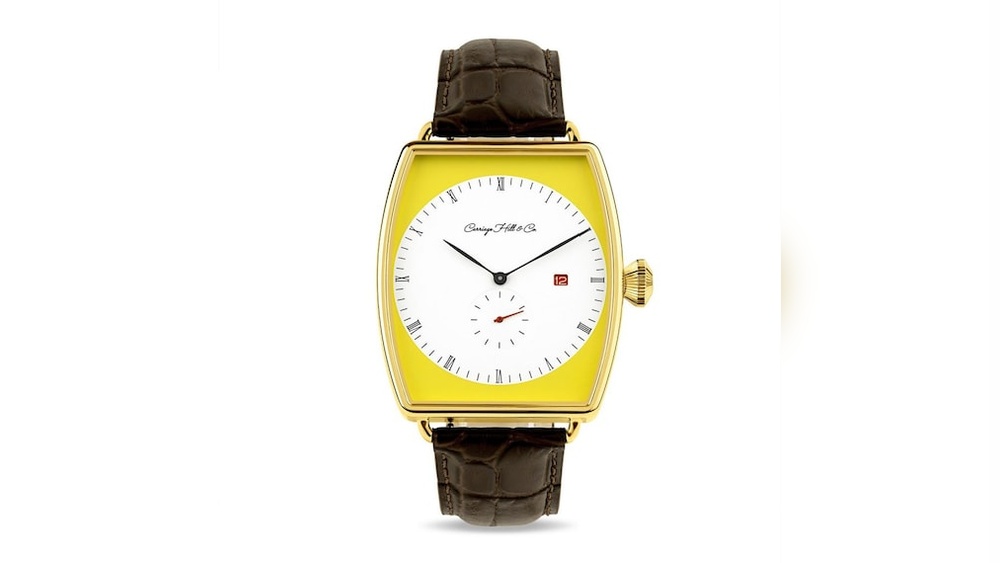
The world of luxury watches is filled with stories of craftsmanship, tradition, and innovation. Among these, the Carriage Hill Handcrafted
The world of watches is full of stories, tradition, and craftsmanship. For many people, a watch is not just a