
Watches
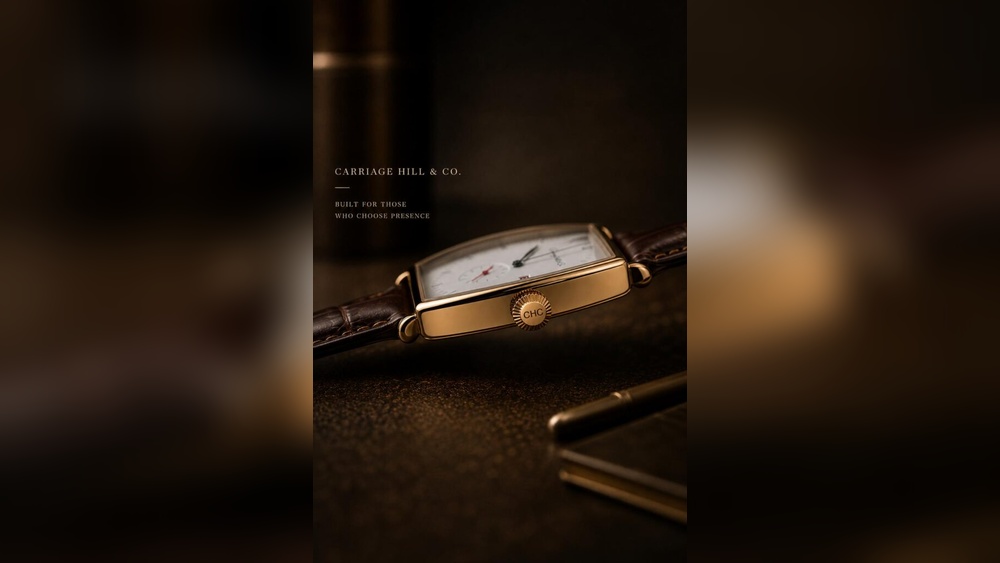
Carriage Hill Traveller Timepiece: Timeless Elegance Unveiled
The story of the Carriage Hill Traveller Timepiece is not just about a watch—it is about the art of travel,
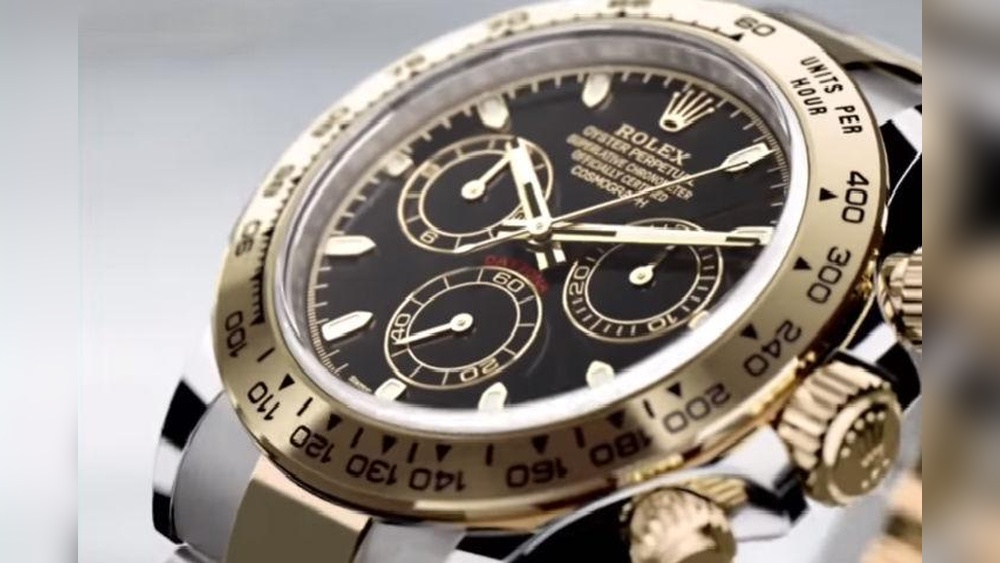
Luxury watches are more than timekeepers—they’re expressions of art, craftsmanship, and sometimes family legacy. If you’re thinking of buying one, or already own a favorite piece, you probably wonder: How long do luxury watches last? The answer isn’t simple. These special watches can last decades or even centuries with proper care. But many factors decide their lifespan, from the materials used to how you use and service them.
In this guide, you’ll find the seven best insights about luxury watch durability. You’ll also see real examples, expert tips, and data that most new buyers miss. Whether you want to collect, invest, or simply enjoy your watch for a lifetime, this article explains everything you need to know.
—
—
Before learning how long luxury watches last, it’s important to know what sets them apart. A luxury watch isn’t just about a famous logo. It’s the combination of premium materials, skilled craftsmanship, and timeless design.
Not all expensive watches are luxury watches. True luxury combines history, technical skill, and lasting value. It’s possible to find expensive watches made with lower-quality materials or mass-produced movements. Authentic luxury watches always offer a blend of artistry and engineering.
—
The main question—how long do luxury watches last?—depends on several factors. Some luxury watches have ticked for over 100 years, while others need repairs after a few decades. Let’s look at what really matters:
Mechanical watches (automatic or manual) often last longer than quartz watches because they can be serviced and rebuilt. In mechanical watches, the movement is made up of gears, springs, and other parts that can be cleaned, repaired, or replaced. Quartz watches use batteries, which last 2–5 years, but the movement can sometimes fail after 20–30 years due to electronics aging. This means the electronic circuits inside quartz watches may become faulty, and sometimes the parts needed for repair are no longer made.
Watches made from stainless steel, gold, or platinum can last a lifetime or more. Lower-quality metals may corrode or wear out. The case and bracelet materials protect the movement inside from moisture, dust, and impact. Sapphire crystal glass is much more scratch-resistant than regular glass, making it a preferred choice in luxury watches. The use of ceramics in bezels and cases also improves scratch resistance.
A watch that’s water-resistant will survive daily use better. But seals wear out. If not serviced, water can get inside and damage the movement. Even a small amount of moisture can cause rust, which is one of the most serious threats to a watch’s internals.
For divers or sports watches, regular testing of water resistance is vital.
Regular servicing (every 3–7 years) is vital. Lubricants dry out. Dust can get inside. Neglect is the number-one reason luxury watches fail before their time. During service, watchmakers clean the movement, replace worn parts, and check seals. Skipping maintenance can lead to expensive repairs or even irreversible damage.
If you wear your watch during sports, heavy work, or in extreme temperatures, it may wear out faster. Careful use—removing it for tough tasks—helps it last longer. Watches are designed to handle normal wear, but impacts or exposure to chemicals (like cleaning agents) can damage both the exterior and the movement.
Some brands, like Rolex or Omega, are famous for their durability. They use robust movements and strong cases. Others may be more delicate, especially complicated models with extra features (like perpetual calendars or tourbillons). Complications add more parts, which can require more frequent servicing.
Humidity, salt water, dust, and even strong magnets can affect your watch. Keeping it in a safe, dry place when not worn adds years to its life. Magnetic fields can cause the movement to run inaccurately. Anti-magnetic cases or movements are a feature in some luxury models, but all watches benefit from careful storage.
—
To truly answer how long do luxury watches last, you need to look deeper. Here are the seven insights every collector and owner should know.
Even the finest watch fails without care. Regular servicing keeps the movement running smoothly. This means cleaning, replacing worn parts, and checking seals. Skipping service can cause oils to dry and parts to grind, leading to expensive repairs.
Insider tip: Always keep your service records. Watches with a full service history hold their value better. When selling or passing down a watch, service documents prove proper care and reassure buyers or heirs.
A well-maintained mechanical watch can run for 50–100 years—or more. Some collectors wear watches made in the early 1900s. The secret is that parts are designed to be replaced and repaired, not thrown away.
Non-obvious insight: Even if a part breaks, many luxury brands keep old parts or can make new ones for vintage models. For example, Patek Philippe is known for supporting their watches no matter how old. This commitment to service is rare and adds confidence for buyers.
Quartz luxury watches are accurate and convenient. But their electronic circuits can fail after 20–40 years. Batteries can leak, and some vintage quartz models are almost impossible to repair due to discontinued parts.
Tip: If you want a true heirloom, choose mechanical over quartz. Some quartz watches can last longer if the brand supports them, but it’s not guaranteed.
Scratches, dents, and faded dials are common—but these don’t usually affect function. The movement inside is what really matters for longevity. A scratched case can be polished; a rusted movement often means the end.
Practical advice: Store your watch in a lined box and avoid extreme shocks. Some owners use microfiber cloths to wipe down the case and bracelet after each use, which prevents buildup of sweat and dirt.
Replacing parts with non-original pieces can hurt value and even the function of your luxury watch. When servicing, request only genuine parts from the brand.
Example: A vintage Rolex with all original parts sells for much more than one with replaced hands or dial. Collectors pay attention to “matching patina”—the way parts age together. Non-original parts can lower both collector interest and price.
Moisture, sweat, and chemicals (like perfumes or cleaning agents) can damage both the inside and outside of your watch. Even daily sunlight can fade dials and straps.
Tip: Take off your watch before swimming, showering, or using chemicals. Be careful with leather straps, which can crack or fade quickly if exposed to water or sunlight.
When not in use, store your watch in a dry, cool place, ideally in its box. For automatics, a watch winder keeps it running and prevents lubricants from drying out. If you have multiple watches, rotate their use so none sits idle for too long.
Non-obvious insight: Humidity is a silent killer. Even water-resistant watches can suffer if stored in damp places. Consider adding silica gel packs to your storage area to absorb moisture.
—
Let’s see how luxury watches compare to regular watches in terms of longevity and value.
| Type | Average Lifespan | Serviceability | Resale Value |
|---|---|---|---|
| Luxury Mechanical | 50-100+ years | Fully serviceable, parts replaceable | High, sometimes increases |
| Luxury Quartz | 20-40 years | Limited, electronics age | Moderate |
| Regular Mechanical | 10-30 years | Some parts replaceable | Low |
| Regular Quartz | 5-15 years | Rarely serviced, disposable | Very low |
Key takeaway: Only luxury watches—especially mechanical ones—are built for true longevity. Regular watches are often designed to be replaced, not passed down. A luxury watch’s value can actually grow with age, while regular watches lose value and eventually become unusable.
Example: Many regular quartz watches are discarded when the movement fails, because repair costs more than replacement. With luxury watches, even a broken movement can be restored, often making the watch as good as new.
—
Seeing actual examples helps answer how long luxury watches last. Here are five legendary models and their track records.
First released in 1953, many vintage Rolex Submariners are still ticking today. Their stainless steel cases, waterproofing, and simple automatic movements make them very durable. Some Submariners have survived decades of diving, travel, and daily wear.
The Omega Speedmaster became famous on the moon in 1969. Many early models, even from the 1960s, are wearable and collectible. Proper service keeps them running for generations. NASA tested Speedmasters to extreme temperatures, shocks, and even vacuum—all proving their durability.
Known for fine dress watches, Patek Philippe is famous for longevity. Some Calatrava watches from the 1940s–1950s are still worn daily. Owners often pass them down as family treasures, and Patek Philippe supports servicing even vintage models.
Launched in 1972, the Royal Oak is an icon of design. Many 1970s models are still in use, and their value has gone up over time. The Royal Oak’s unique case design and robust movement help it withstand daily use.
Invented in the 1930s for polo players, the Reverso is known for its unique flip case. Many vintage Reversos are still perfectly functional. The flipping case protects the dial from damage, making it ideal for sports and formal wear.
| Model | Year Launched | Oldest Working Examples | Key Feature for Longevity |
|---|---|---|---|
| Rolex Submariner | 1953 | 70+ years | Rugged case, simple movement |
| Omega Speedmaster | 1957 | 65+ years | Manual wind, serviceable |
| Patek Philippe Calatrava | 1932 | 90+ years | Timeless design, careful owners |
| Audemars Piguet Royal Oak | 1972 | 50+ years | Durable steel, strong movement |
| Jaeger-LeCoultre Reverso | 1931 | 90+ years | Protective flip case |
Notable insight: Some luxury watches survive for nearly a century—not just as display pieces, but as daily wearers. Their value often grows with age, especially when original parts and documents are present.
Extra example: Some collectors buy vintage watches with faded dials and worn cases. These “honest” watches, showing decades of use, are prized for their history and character. The fact they still function proves the durability of luxury craftsmanship.
—
Luxury watches are built to last, but only if you care for them. Here are proven steps to keep your watch ticking for decades.
Most brands recommend servicing every 3–7 years. This involves cleaning, oiling, and checking for worn parts. Don’t wait for problems—prevent them. If you notice your watch running slow, fast, or stopping unexpectedly, service it sooner.
Non-obvious insight: Some owners forget to service watches they don’t wear often. Even unused watches need care, as lubricants can dry out and seals can fail.
Even “water-resistant” watches aren’t waterproof forever. Rubber seals dry out. Always check water resistance after each service and avoid hot tubs, saunas, or saltwater unless the watch is rated for it. After exposure to water, rinse the watch (if allowed) and dry it carefully.
Example: Watches rated for “swimming” may not survive deep diving or hot showers. Always check the rating and avoid pushing the limits.
Keep your watch in a dry, temperature-stable environment. A lined box or watch roll is best. If you have an automatic watch you don’t wear daily, consider a watch winder. Watch winders keep the movement running, preventing oils from thickening.
Extra tip: Don’t store watches in direct sunlight or near magnetic items (like speakers or laptops). This prevents fading and helps the movement stay accurate.
Take off your watch during sports, construction, or heavy lifting. Hard impacts can damage the delicate movement inside. Even though many luxury watches are tough, repeated shocks can loosen screws or damage gears.
Practical advice: If you must wear a watch in rough conditions, choose a model designed for sports, like the Omega Seamaster or Rolex Explorer.
Wipe your watch with a soft, dry cloth after wearing. Avoid chemicals, as they can harm metals, leather, or crystal. For metal bracelets, use a damp cloth and dry thoroughly. For leather, use a specialized cleaner.
Non-obvious insight: Sweat and skin oils can speed up corrosion, especially on gold or steel. Cleaning after use extends the life of the case and bracelet.
Leather straps wear out faster than metal or rubber. Replace when cracked or weak. Metal bracelets can be cleaned and adjusted as needed. If you notice a loose pin or broken link, repair it quickly.
Extra tip: Rotate straps to give each time to breathe. This helps leather last longer and prevents odors.
If your watch is worth more than a few thousand dollars, insure it. Loss, theft, or major damage can be costly without coverage. Many insurers offer special policies for luxury watches.
Example: If you travel often, consider getting worldwide coverage. This gives peace of mind, knowing your investment is protected.
—
Many buyers ask if luxury watches are a good investment. While not all models rise in value, well-kept luxury watches hold their worth far better than regular watches.
| Watch Type | Purchase Price | 10-Year Value | 30-Year Value |
|---|---|---|---|
| Luxury (Rolex, Omega, etc.) | $5,000 | $5,000–$15,000 | $10,000–$50,000 |
| Regular Quartz | $300 | $50 | $0 |
Real-world insight: Some models, like the Rolex Daytona or Patek Philippe Nautilus, have increased ten times in value over 20–30 years. But even less famous models keep value if cared for.
Non-obvious insight: Value isn’t just financial. Luxury watches often carry memories and milestones. For many families, a watch is part of their legacy, passed down through generations.
—
—
—
Luxury mechanical watches can last 50 to over 100 years with proper care and regular servicing. Many collectors wear watches from the early 20th century. The key is consistent maintenance—every 3 to 7 years—to clean, oil, and replace worn parts. Neglect can shorten the lifespan dramatically.
No, luxury quartz watches usually last 20 to 40 years. The electronic circuits inside quartz watches can fail with age, and replacement parts may not be available for older models. If you want a watch to pass down for generations, a mechanical model is a safer choice.
Common mistakes include skipping regular service, exposing the watch to water or chemicals, and wearing it during rough activities. Not storing the watch properly (in a damp or dusty place) can also lead to internal damage. Using non-original parts during service can hurt both lifespan and value.
Yes, most luxury watches are built for daily use. Brands like Rolex and Omega design their watches for durability. Still, regular care—like cleaning after use and servicing—keeps them running smoothly. Avoiding strong impacts and water damage is also important.
It can be, if the watch has been well-maintained and serviced. Vintage luxury watches often have unique designs and history. Always check for original parts, service records, and authenticity. Some vintage watches have increased greatly in value, but repairs can be expensive if parts are missing or worn out.
Look for signs like losing time, condensation under the glass, or rough winding. Even if your watch seems fine, follow the brand’s recommended service interval (usually 3–7 years). Preventive service is cheaper and safer than waiting for a breakdown.
—
Owning a luxury watch is a journey. With the right care and knowledge, your watch can become a lifelong companion—or even an heirloom for the next generation. Remember, the answer to how long do luxury watches last depends as much on you as on the watch itself. Choose wisely, care for it well, and enjoy every tick for years to come.
The story of the Carriage Hill Traveller Timepiece is not just about a watch—it is about the art of travel,
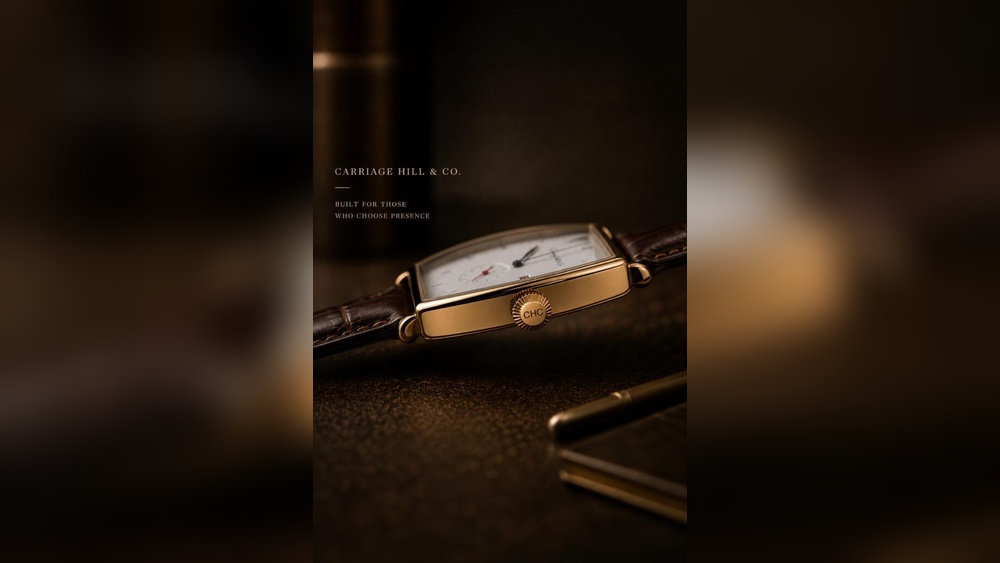
Carriage Hill And Co Watches: A Complete Guide If you search for a watch that blends tradition with modern style,
Carriage Hill Understated Luxury Watch: A Complete Guide A luxury watch is more than just a tool for telling time.
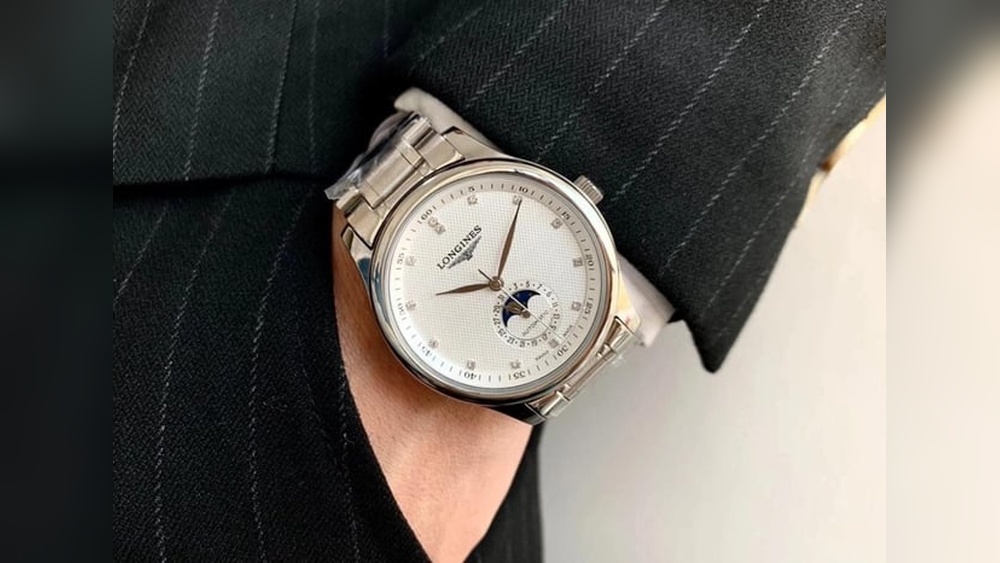
Finding a luxury dress watch under $700 is a rewarding challenge for style-conscious people who want elegance without the high
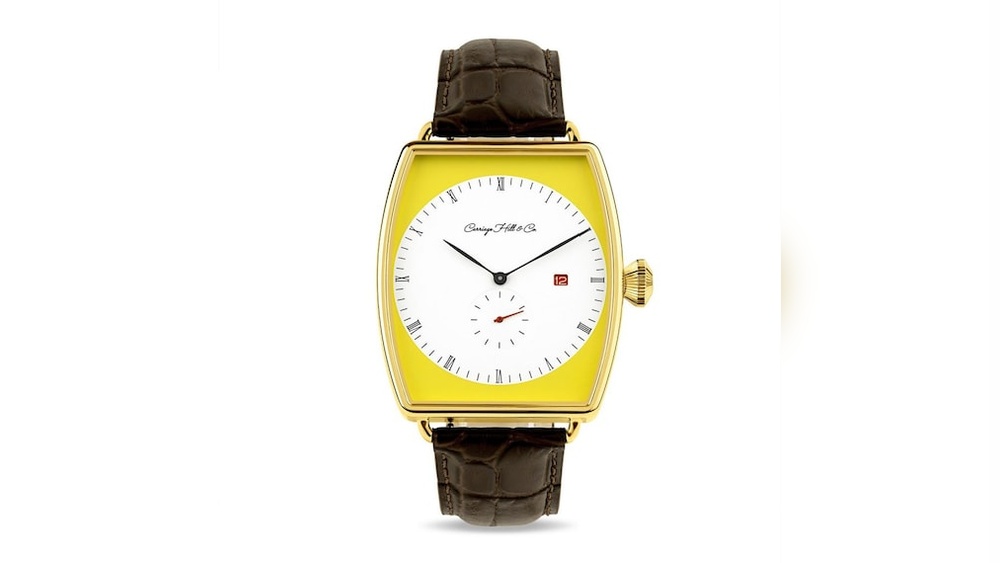
The world of luxury watches is filled with stories of craftsmanship, tradition, and innovation. Among these, the Carriage Hill Handcrafted
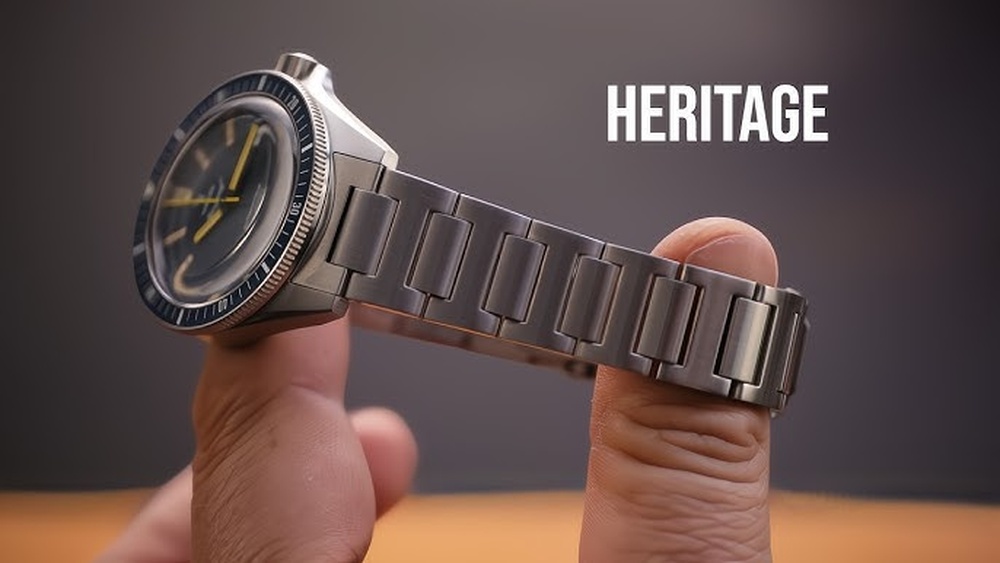
The world of watches is full of stories, tradition, and craftsmanship. For many people, a watch is not just a