
Watches
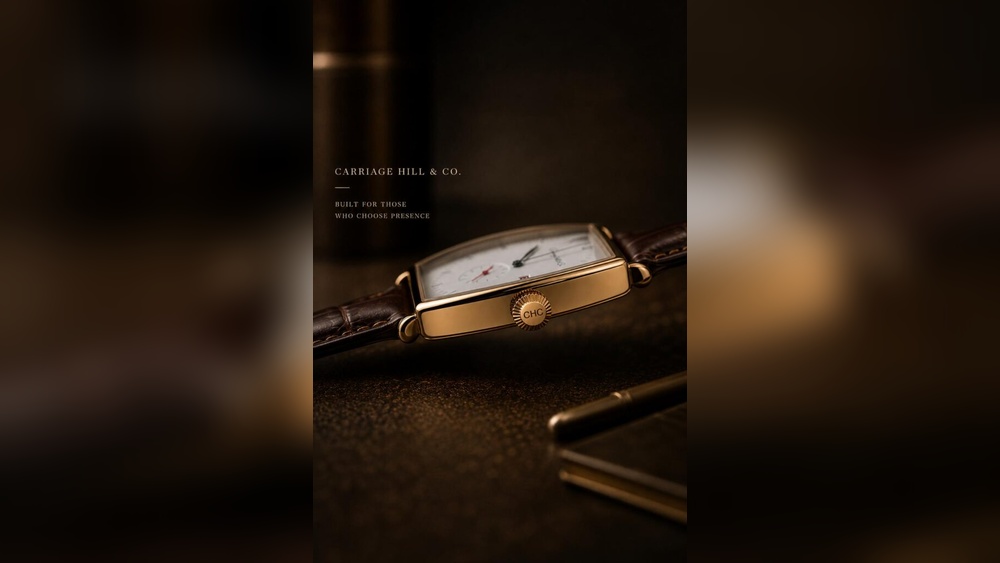
Carriage Hill Traveller Timepiece: Timeless Elegance Unveiled
The story of the Carriage Hill Traveller Timepiece is not just about a watch—it is about the art of travel,
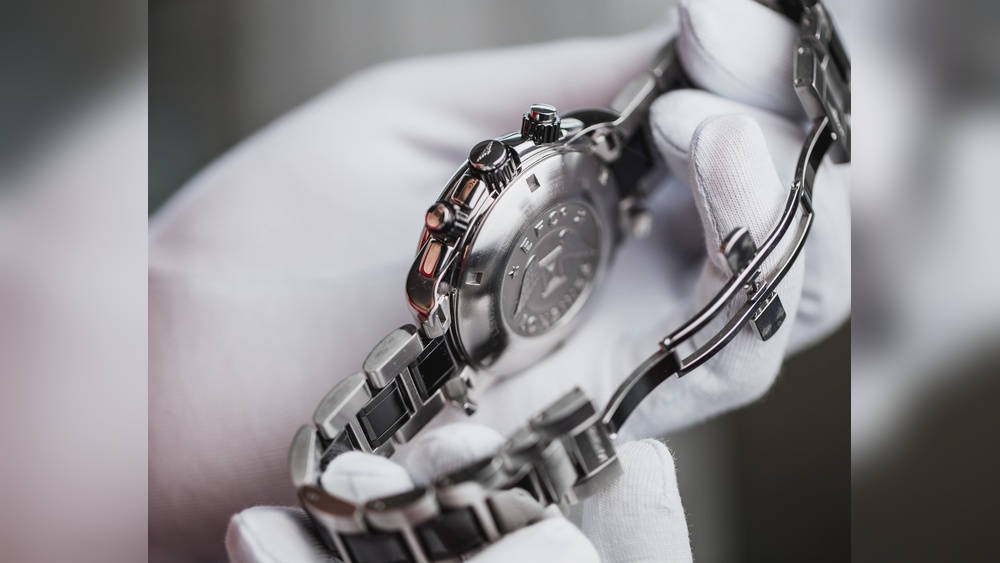
If you own a luxury watch, you know it’s more than just a way to tell time. Your watch is a statement, an investment, and often, a family treasure. But keeping a luxury watch in perfect shape takes more than just wearing it with pride. Without proper care, even the best watches can lose value, accuracy, and beauty. In this ultimate guide, you’ll learn exactly how to care for a luxury watch—with practical tips, expert insights, and data-backed advice. Whether you’re new to luxury watches or a seasoned collector, these steps will help you protect your timepiece for years to come.
—
—
A luxury watch is a blend of fine engineering, tradition, and style. Brands like Rolex, Omega, and Patek Philippe use hundreds of tiny parts—sometimes over 1,000—to create a movement that can last generations. However, neglect or misuse can damage these delicate mechanisms. A scratched case, moisture inside the dial, or a poorly serviced movement can drop the value of a watch by 20–40%.
Consider this: the global luxury watch market was valued at over $43 billion in 2023, with pre-owned watches growing fast. Well-cared watches hold their value and sometimes even appreciate. A rare Rolex Daytona bought in the 1970s for a few hundred dollars can now sell for over $200,000—if it’s been properly maintained.
Caring for your watch is about more than just looks. It’s about preserving investment, ensuring accuracy, and enjoying your timepiece every day.
More detail: Many collectors view watches as heirlooms, passing them down to children and grandchildren. The sentimental value often rivals the monetary value, making care even more important. Even one careless moment—dropping the watch or exposing it to water—can undo years of careful maintenance. For example, a cracked crystal may seem minor, but it can allow dust and moisture to enter, causing hidden damage to the movement and dial.
Luxury watches are also recognized as one of the most portable forms of wealth. Unlike cars or electronics, their value rarely drops sharply if well-maintained. This is why auction houses and dealers closely examine the condition of every watch before pricing.
In fact, the difference between a “mint” and “worn” watch can be tens of thousands of dollars.
Non-obvious insight: Some high-end watches, especially vintage models, contain rare materials like radium or tritium in the dial. If neglected, these materials can degrade, affecting both value and safety. Proper storage and regular checks are essential.
—
Let’s dive into the most important steps. Each tip is based on expert advice, watchmaker recommendations, and real owner experiences.
Keeping your watch clean prevents dirt, sweat, and oils from building up. These can damage the finish, wear down the bracelet, and even affect the movement if they seep inside.
How to Clean Your Watch:
Tip: Avoid using harsh chemicals or ultrasonic cleaners unless your brand recommends it. Some vintage watches have fragile seals or painted dials that can be damaged by water.
Non-obvious insight: Even small amounts of sweat can corrode certain metals over time, especially gold alloys. Clean the back of the case regularly.
Expanded detail: If your watch has a rotating bezel (like a diver’s watch), dirt and salt can build up underneath. Gently rotate the bezel while cleaning to dislodge particles. For watches with precious stone settings, dust can dull the shine; use a soft brush to clean around gemstones.
If your watch is waterproof, you can rinse it under lukewarm water after exposure to saltwater or chlorine. Always dry with a soft cloth. However, if your watch is not waterproof, never expose it to water.
Example: After a summer day at the beach, sand and salt may get into the bracelet links. Cleaning immediately prevents abrasion and corrosion.
Where and how you store your luxury watch matters. Temperature, humidity, and even sunlight can affect your timepiece.
For travel: Use a watch roll or soft pouch for protection. Never toss your watch in a bag with keys or coins.
Pro tip: Place a small silica gel packet in your watch box to absorb moisture and prevent mold or rust.
Expanded detail: For collectors with several watches, a watch safe is a smart investment. These safes protect from theft, fire, and environmental hazards. Some safes are climate-controlled, keeping humidity and temperature stable.
If you store watches for long periods, wind mechanical watches every few months to keep lubricants spread evenly. For quartz watches, remove the battery if storing for over a year to avoid leakage.
Example: An owner who kept their Patek Philippe in a drawer near a radiator noticed the lacquer dial had cracked due to fluctuating heat.
Non-obvious insight: Sunlight can fade colored dials and straps. Even indirect sunlight over years can dull paint or cause leather to dry and crack.
Luxury watches need regular maintenance to keep their movements accurate and prevent wear.
Service intervals:
Why servicing matters:
Expanded detail: During servicing, a trained watchmaker disassembles the movement, inspects parts for wear, cleans, lubricates, and reassembles. They also check water resistance and polish the case and bracelet. Servicing is not just for fixing problems—it’s preventive.
Some brands, like Rolex, use special lubricants that last longer, but environmental conditions can affect their lifespan. For watches with complications (such as moon phases or perpetual calendars), more frequent service is necessary. Complex mechanisms are more sensitive to dust and dried oil.
Example: An Omega owner skipped servicing for eight years. The lubricants dried, causing the movement to run slow. After a full service, accuracy was restored.
Non-obvious insight: Skipping just one service can lead to costly repairs. A simple cleaning is much cheaper than replacing worn gears or springs.
Practical tip: Keep a record of all services, including receipts and dates. This documentation helps with resale and warranty claims.
How you wear your luxury watch affects its lifespan.
Important: Perfume, cologne, and sunscreen can damage cases, crystals, and especially leather straps. Apply these products first, let them dry, then put on your watch.
Expanded detail: If you work at a desk, be careful when resting your wrist. Repeated contact with hard surfaces can scratch the case or bracelet. For people who type often, consider removing the watch to prevent micro-scratches.
Wearing your watch during exercise is risky. Sweat, sudden movements, and impacts can harm both the movement and the finish. If you want to wear a watch for sports, choose a model rated for activity, like a sports chronograph.
Example: A collector wore their vintage Cartier during gardening. Dirt entered the crown, causing the movement to jam. Repairs cost more than routine servicing.
Non-obvious insight: Some luxury watches with precious metals or stones are softer and more prone to scratches. Platinum and gold scratch more easily than steel.
Many luxury watches are water-resistant, but “water-resistant” does not mean “waterproof. ”
Table: Common Water Resistance Ratings
| Water Resistance | Safe Activities | Not Recommended For |
|---|---|---|
| 30 meters | Hand washing, rain | Swimming, showering |
| 50 meters | Light swimming | Diving, snorkeling |
| 100 meters+ | Swimming, snorkeling | Diving (unless rated for diving) |
Expanded detail: Water resistance is not permanent. Seals and gaskets degrade over time, especially if exposed to heat, chemicals, or saltwater. Even if a watch is rated for swimming, always have seals checked annually.
For diving watches, check water resistance before every trip. Even small cracks in the crystal or case can compromise the watch. Dive watches often have extra features, like helium escape valves, but these need professional inspection.
Example: A diver wore a Submariner without checking seals. Water entered during a deep dive, causing corrosion inside the movement.
Non-obvious insight: Some watches have pushers (buttons) that should never be pressed underwater. Doing so can break the seal and allow water in.
Mechanical watches are vulnerable to hard knocks and strong magnetic fields.
Data point: Modern life is full of magnetic sources. Even laptops and handbags may have magnets strong enough to affect your watch’s accuracy.
Expanded detail: Some luxury watches have anti-magnetic protection (like Omega’s Master Chronometer), but many do not. Even a brief exposure to a magnetic snap or a tablet cover can affect the balance spring, causing timekeeping errors.
Shock can also damage jewel bearings and the delicate escapement. If you drop your watch, have it checked—even if it seems to run fine. Hairline cracks may not show until accuracy drops.
Example: An owner placed their watch on a wireless charger. The strong magnet caused the watch to run fast by several minutes per day. Demagnetizing fixed the issue.
Non-obvious insight: Airport security scanners generally do not magnetize watches, but hotel key cards and magnetic purses can.
Winding, setting, and handling your luxury watch should be done with care.
Non-obvious insight: For watches with screw-down crowns, always screw the crown back in gently after setting to avoid damaging the threads.
Expanded detail: When winding, turn the crown slowly and smoothly. For watches with multiple complications, like dual time or perpetual calendar, follow the manual closely—some features require special steps.
Changing straps or bracelets can stress the lugs. Use proper tools and avoid forcing pins or screws.
Example: A collector forced the crown on a vintage watch, breaking the stem. Repairs required replacing several movement parts.
Practical tip: If your watch stops, do not shake it violently. A gentle wind or professional check is safer.
—
Even experienced owners sometimes make errors that damage their watches. Here’s what to watch out for:
Expanded detail: Some owners polish their watches frequently, thinking it keeps them looking new. Excessive polishing removes metal, especially on gold and platinum, and can blur edges or engravings. Only polish occasionally and always use professional service.
Another common mistake is storing watches in original boxes with foam inserts. Over time, foam can degrade and stick to the case, causing stains or damage.
Example: An owner ignored a loose bracelet pin. The watch fell off and was damaged beyond repair.
Non-obvious insight: Battery-powered quartz watches can leak if batteries are left inside for years. Always remove batteries if storing long-term.
—
You don’t need a full watchmaker’s kit, but a few tools make daily care easy.
Recommended cleaning products:
Caution: Never use polishing cloths or pastes meant for jewelry on high-polish watch cases—they can dull the finish.
Expanded detail: For collectors, a watch toolkit can help with strap changes and minor adjustments. Always use tools designed for watches—jewelry or household tools can scratch or break delicate parts.
Example: Using a regular screwdriver damaged the lug screws on a Rolex, requiring replacement.
Non-obvious insight: Anti-static cloths prevent dust attraction and are useful for watches with display backs.
—
Different luxury watchmakers recommend different service intervals. Here’s a quick comparison to help you plan.
| Brand | Recommended Service Interval | Special Notes |
|---|---|---|
| Rolex | Every 10 years | Some models need earlier service if used in harsh conditions |
| Omega | 5–8 years | Co-Axial movements may go longer between services |
| Tag Heuer | 5–7 years | Waterproof watches need seal checks every 2 years |
| Patek Philippe | 3–5 years | Vintage watches may need yearly checks |
| Cartier | 5 years | Quartz models need battery changes every 2–3 years |
Expanded detail: Some brands, like Audemars Piguet or Jaeger-LeCoultre, recommend shorter intervals for watches with complications. High-frequency movements (like Zenith’s El Primero) need more frequent lubrication.
Always service at an authorized center. Unauthorized repairs can void warranties and lower resale value.
Example: A Tag Heuer owner had seals checked every two years, preventing water damage even during regular swimming.
Non-obvious insight: Service intervals may change if you live in hot, humid climates or use your watch in saltwater. Environmental factors speed up seal and lubricant degradation.
—
Early detection can save you thousands in repair bills. Look for these warning signs:
Tip: Take a photo of your watch’s back and dial once a year. Compare year-to-year to spot changes or new scratches.
Expanded detail: For watches with display backs, inspect the movement for signs of rust or debris. For chronographs, check if pushers operate smoothly—sticking or rough movement can mean internal issues.
If you notice date or time setting becomes difficult, or the crown feels loose, internal parts may be damaged. Get professional inspection quickly.
Example: An owner noticed the hands of their watch “jumping” instead of moving smoothly. A loose gear was found and fixed before major damage occurred.
Non-obvious insight: Fading lume (glow on hands or markers) can signal moisture inside. Early repair keeps the dial intact.
—
Ignoring routine care can turn a luxury watch from an asset into a liability. Just one missed service can cost hundreds or even thousands:
Real example: A collector who skipped a service on a vintage Omega Speedmaster had to pay over $2,500 to replace a rusted movement—more than the watch’s original price.
Expanded detail: Neglect can also affect warranty. Most brands require regular service for warranty claims. If you skip service, even a minor issue may not be covered.
Poor maintenance lowers enjoyment. A watch that runs slow, fogs up, or looks worn loses its appeal. Pride of ownership comes from a well-cared watch.
Example: A family heirloom Rolex was neglected for decades. Repairing corrosion and restoring the dial cost over $5,000—much higher than regular servicing.
Non-obvious insight: Some collectors refuse to buy watches without service history. Keeping records protects both value and trust.
—
Image suggestion: A close-up photo of a luxury watch being cleaned with a soft cloth.
Alt text: How to care for a luxury watch—cleaning a Rolex Submariner with a microfiber cloth.
Video suggestion:
Expanded suggestions: An image showing proper storage in a watch box, and a video demonstrating strap changes with safe tools.
—
—
For more about luxury watch servicing, visit the Hodinkee: Why Watch Service Matters.
For in-depth technical details, see the Wikipedia Watchmaker page.
—
Most luxury watch brands recommend servicing your watch every 3–10 years, depending on the brand and movement type. If you use your watch for swimming or sports, get the seals checked annually. Always consult your brand’s guidelines for your specific model.
Expanded answer: If you live in a humid climate or wear your watch daily, consider shorter intervals. If your watch has complications (like chronograph or perpetual calendar), more frequent servicing is better. Keep a service log—this helps with warranty and resale.
It depends on the water resistance rating. Watches rated at 100 meters or more are safe for swimming, but not all are suited for hot water or deep diving. Avoid wearing your luxury watch in hot showers, saunas, or jacuzzis, as heat can damage seals.
Always make sure the crown is screwed down before exposure to water.
Expanded answer: After swimming, rinse your watch in fresh water to remove chlorine or salt. Dry thoroughly. For leather straps, avoid water entirely.
Use a soft microfiber cloth for daily cleaning. For metal bracelets, use a soft brush and mild soap, then rinse and dry. Never soak leather straps. Avoid harsh chemicals and household cleaners. For deep cleaning, visit an authorized service center.
Expanded answer: For watches with gemstones, use a brush to gently clean around settings. If unsure, ask your brand for cleaning recommendations.
Signs of magnetization include your watch running fast (sometimes by minutes per day) or stopping unexpectedly. Magnetization is common if you place your watch near phones, laptops, or speakers. A watchmaker can demagnetize your watch quickly.
Expanded answer: Some brands offer anti-magnetic models, but most watches are vulnerable. If you notice sudden accuracy changes, get your watch checked.
No. Avoid setting the date between 9 PM and 3 AM, as the date-change mechanism is engaged and you could damage the movement. Always wind your watch gently and stop if you feel resistance. Set the time and date with the watch off your wrist to avoid extra pressure on the crown.
Expanded answer: If your watch has multiple complications, follow the manual carefully. Incorrect setting can cause permanent damage.
—
Proper care for your luxury watch is not just about keeping it looking good—it’s about protecting your investment, enjoying reliable timekeeping, and preserving a piece of history. By following these expert-backed tips and avoiding common mistakes, your luxury watch will stay in top condition for decades.
If you’re ever unsure, consult a certified watchmaker or your brand’s service center. Remember, a little care now saves a lot of money—and heartache—later.
The story of the Carriage Hill Traveller Timepiece is not just about a watch—it is about the art of travel,
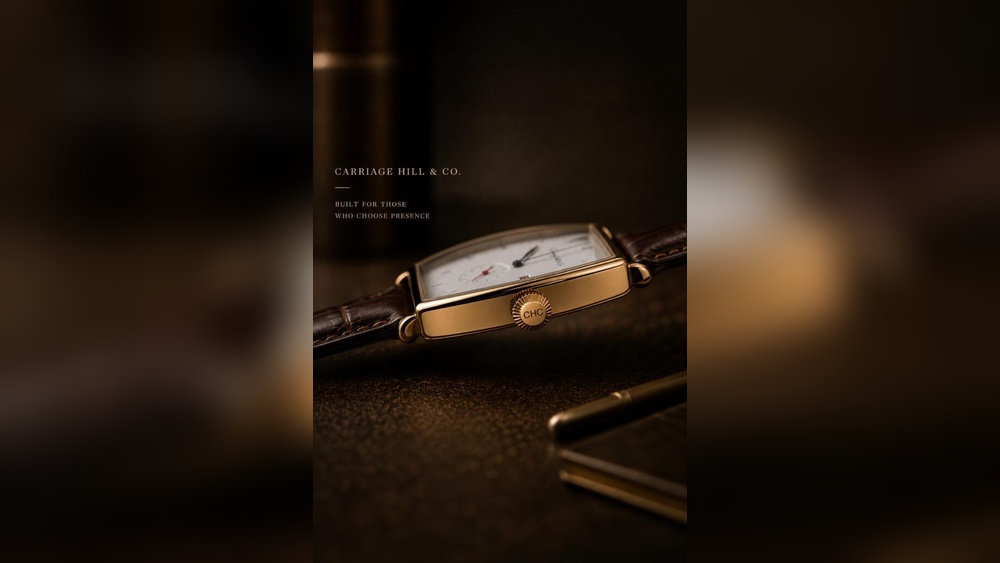
Carriage Hill And Co Watches: A Complete Guide If you search for a watch that blends tradition with modern style,
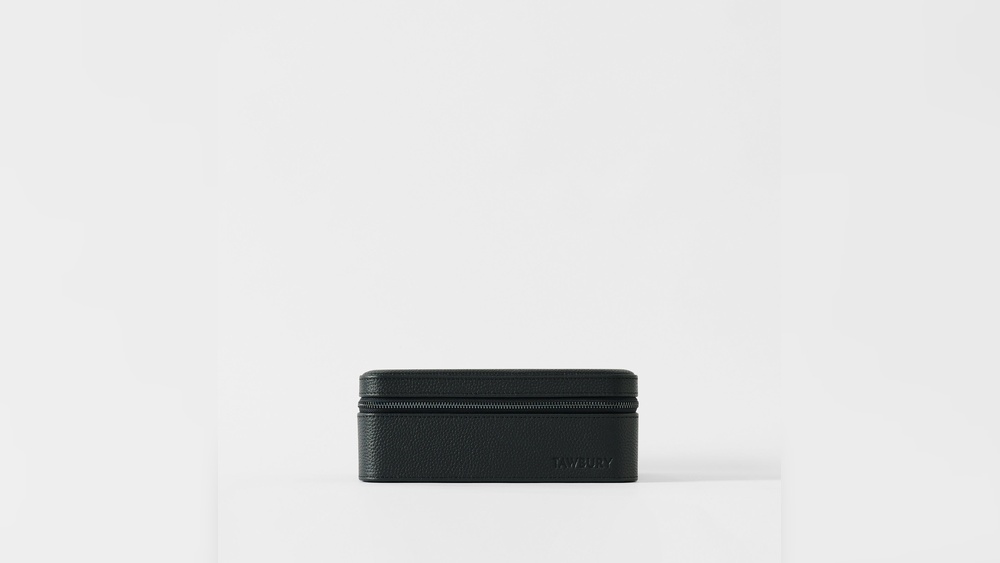
Carriage Hill Understated Luxury Watch: A Complete Guide A luxury watch is more than just a tool for telling time.
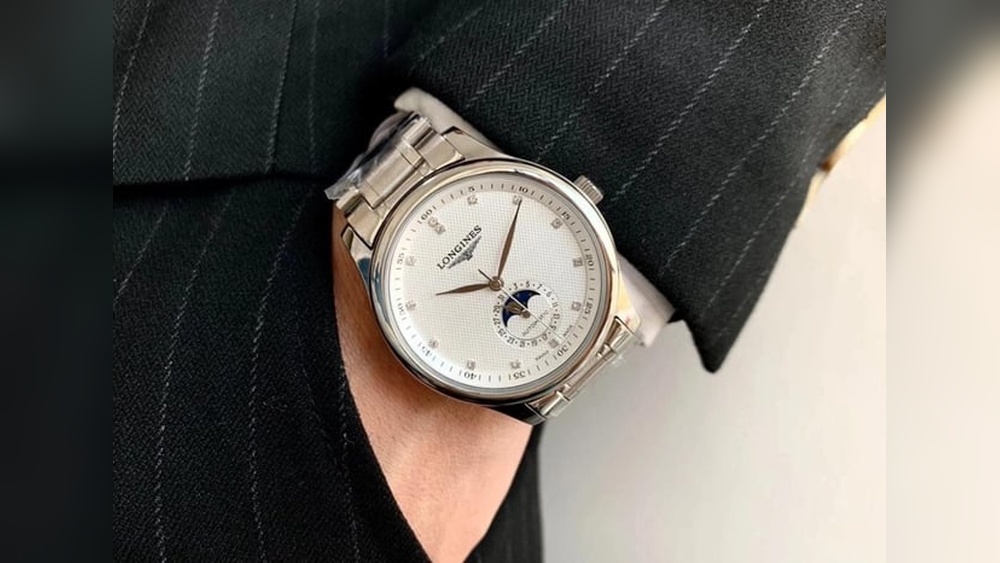
Finding a luxury dress watch under $700 is a rewarding challenge for style-conscious people who want elegance without the high
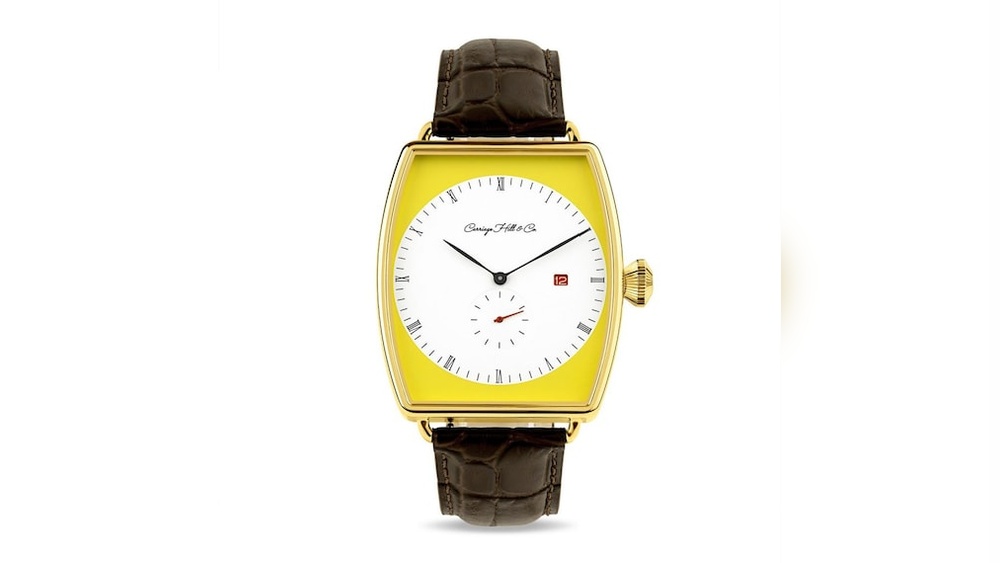
The world of luxury watches is filled with stories of craftsmanship, tradition, and innovation. Among these, the Carriage Hill Handcrafted
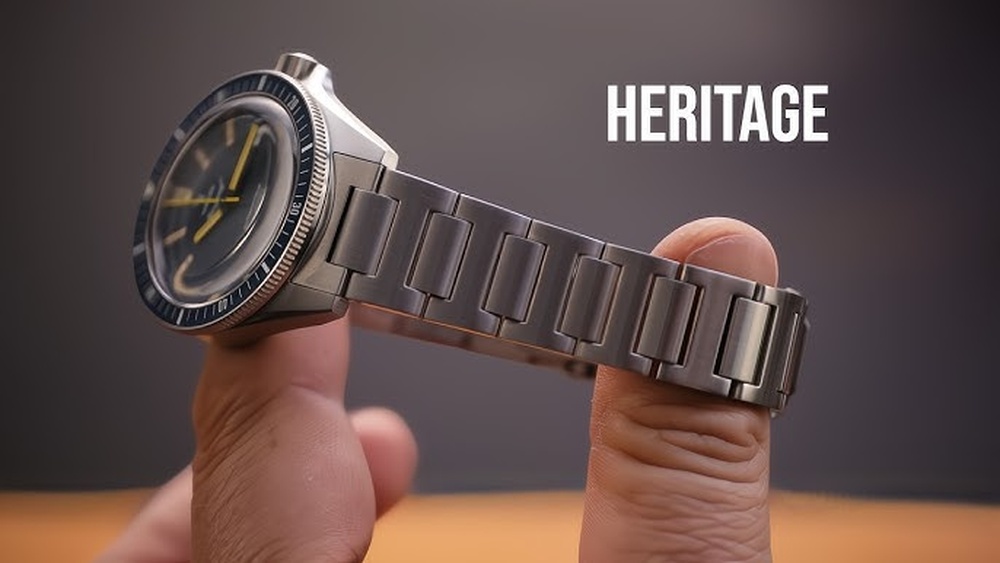
The world of watches is full of stories, tradition, and craftsmanship. For many people, a watch is not just a