
Watches
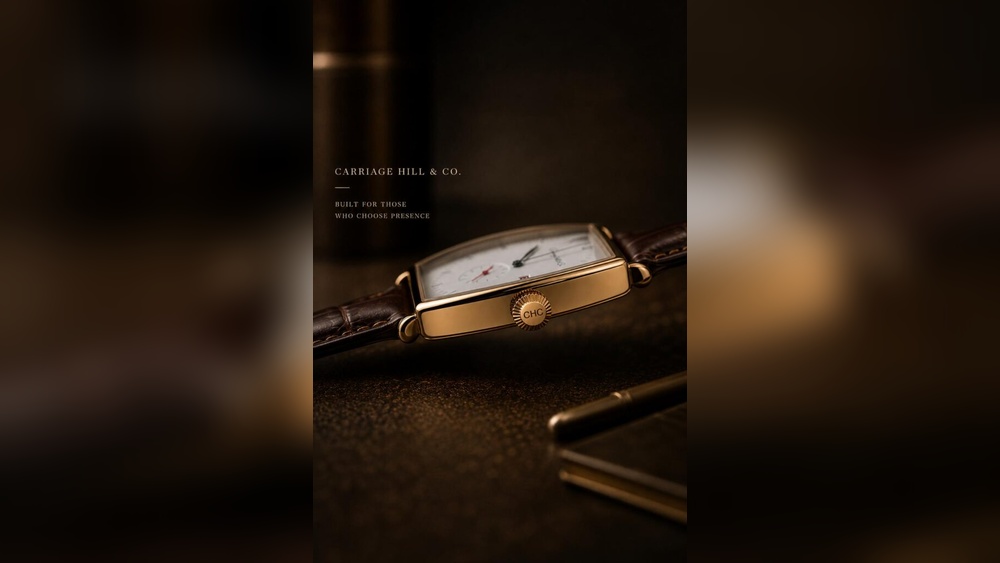
Carriage Hill Traveller Timepiece: Timeless Elegance Unveiled
The story of the Carriage Hill Traveller Timepiece is not just about a watch—it is about the art of travel,
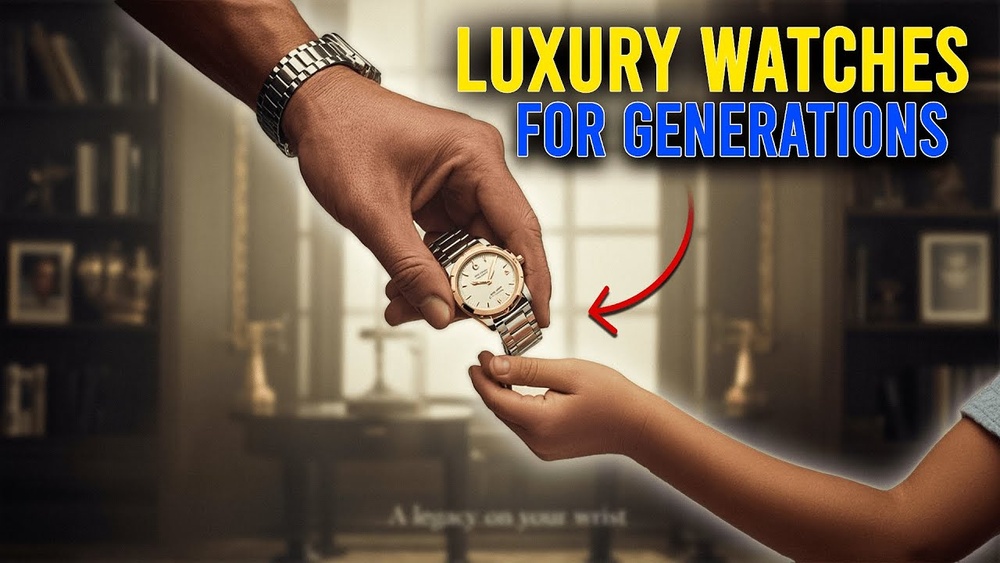
Passing down a luxury watch is about more than just giving someone a beautiful object. It’s a way to share history, memories, and even your personal values with the next generation. Whether your watch is a timeless Rolex Submariner, a classic Patek Philippe Calatrava, or a modern Audemars Piguet Royal Oak, the process of handing it over deserves careful attention.
Many people assume gifting a watch is simple—just hand it to your child, right? But if you want your watch to remain a cherished family treasure, you’ll need to consider legal, emotional, and practical steps. In this guide, you’ll discover the 7 best strategies for passing down a luxury watch, including key legal tips, preservation secrets, and real-world examples from collectors.
You’ll also learn how to avoid common mistakes that can cause family conflict or reduce the watch’s value.
Let’s explore the ultimate guide to passing down a luxury watch—so your legacy ticks on for generations.
—
—
Giving a luxury watch to a loved one is more than a transfer of value. It is a gesture filled with meaning. Watches often mark life’s milestones—graduations, weddings, retirements—and can remind the next generation of their roots.
A luxury watch connects past, present, and future. For example, a grandparent’s Omega Speedmaster can symbolize decades of family history. This emotional link can be even more meaningful than the watch’s price.
When a child wears a watch once owned by a parent or grandparent, it becomes a physical connection to family memories and stories. Over time, even small scratches and marks on the watch become part of its unique story, holding sentimental value that money can’t buy.
Many people say that wearing a family watch gives them a sense of comfort, pride, or belonging—especially during important life events.
Some watches, like the Rolex Daytona, have increased in value by over 200% in the past 15 years. Passing one down could give your family a valuable asset. But to keep this value, you need to care for the watch and plan the handover carefully.
Unlike many other gifts, a well-chosen and well-maintained luxury watch is both wearable and a true investment. If your family ever faces a financial emergency, a luxury watch can sometimes be sold or borrowed against, providing a safety net. However, this financial benefit depends on having all documents and keeping the watch in good condition, both physically and legally.
Giving a luxury watch is a way to share your family’s story. A watch engraved with a special date or handed down on a birthday can become a symbol that outlives you.
Some families develop unique traditions around a particular watch—such as wearing it only on special occasions or passing it to the first grandchild. Over time, these rituals build a sense of identity and pride. A luxury watch can become a powerful reminder of family values, achievements, and even lessons learned from past generations.
Pro tip: Don’t underestimate how much a watch can mean to your family. The way you pass it down can make all the difference.
—
Not every watch in your collection will have the same impact or value. Picking the right one matters. Here’s how to decide:
Some brands and models have a stronger reputation for reliability and value retention. For example:
It’s helpful to research how certain models have performed over time and what kind of reputation they have within the watch community. Some watches are iconic for specific reasons—a Submariner for its connection to diving, or a Speedmaster for its link to the moon landing.
A well-maintained watch is more valuable and easier to pass down. Check if you have:
Watches with scratches, faded dials, or missing parts can still be meaningful but are less likely to keep or increase in value. If the watch has been regularly serviced by authorized centers, it shows the next owner that you took care of it, and it reassures buyers or insurers if the watch is ever resold or appraised.
Think about who will receive the watch. Does your child prefer a sporty chronograph or a classic dress watch? A watch that matches their style is more likely to be worn and cherished.
Sometimes, a watch that is technically “better” or more valuable isn’t the one that connects emotionally with your loved one. For example, a daughter might love a smaller, classic watch, while a son might prefer a more robust sports model.
Talk to your family about their tastes if possible.
Watches come in various sizes. Passing a large 44mm watch to someone with a small wrist may not be practical. Some families choose to resize or customize watches before handing them down.
It’s not uncommon for women to wear men’s watches today, or for men to enjoy vintage pieces that are smaller than modern trends. Still, comfort and fit matter. In some cases, changing the strap or bracelet to fit the recipient’s wrist or style can make a big difference.
Some watches appreciate more than others. See how three popular models compare:
| Watch Model | 5-Year Value Change (%) | Typical Maintenance Cost (5 Years) | Family Heirloom Suitability |
|---|---|---|---|
| Rolex Submariner | +90% | $1,200 | Excellent |
| Patek Philippe Calatrava | +55% | $2,000 | Very Good |
| Omega Speedmaster | +35% | $800 | Good |
Non-obvious insight: Watches with a full set (box, papers, service receipts) can sell for 20–40% more than “watch only” sales. Keep all accessories safe.
Another point many people miss: Limited edition or discontinued models can sometimes increase in value much faster than standard production watches. If your watch is rare or has a unique dial, it may be worth keeping for future generations.
—
Handing over a luxury watch takes more than a handshake. These 7 strategies will help you transfer your watch smoothly, avoid disputes, and make the process meaningful.
Don’t wait until it’s too late. Talk openly with your family about your watch and what it means to you. Explain why you chose this piece and share its story.
Starting early avoids surprises. Some people assume their children want a certain watch, only to find out it doesn’t suit their taste or lifestyle. Early conversations can also help you learn if your loved one knows how to care for a luxury watch, or if they need guidance.
Practical tip: Record a short video or write a letter sharing your watch’s history and why you want it passed down. This personal message can become a treasured keepsake alongside the watch.
A luxury watch should run perfectly before you hand it over. Take it to an authorized service center for a full check-up. This can include:
Give your recipient all service records. This shows you cared for the watch and helps with future maintenance.
A full service can also reveal small problems before they become bigger issues. For example, a leaking seal or worn crown can cause water damage that ruins the movement. By servicing the watch before the handover, you protect both its value and your family’s experience.
Common mistake: Skipping service to save money. This can lead to expensive repairs later.
Gather everything that came with your watch:
Place these items together in a safe, easy-to-find place. Documentation increases both sentimental and financial value.
Missing paperwork is one of the main reasons watches lose value in the secondary market. For your family, these documents also serve as proof of the watch’s journey and authenticity. If you lost some original papers, try contacting the manufacturer or the authorized dealer to see if replacements are possible.
Insider tip: Some luxury brands offer digital certification or registration. Check if your brand supports this.
The timing of your gift can increase its impact. Consider:
Presenting the watch during a meaningful event adds emotional weight.
Some families even choose to make the handover part of a family ceremony or gathering, turning the event into a new tradition. The story of when and why the watch was handed down often becomes as important as the watch itself.
A valuable watch should be protected by insurance. Options include:
Make sure your recipient knows how to continue coverage after the transfer. Share all relevant paperwork.
Insurance is often overlooked, but luxury watches are at risk for theft, loss, or even accidental damage. Encourage your recipient to update the policy as soon as they receive the watch, especially if it changes location or value.
To avoid disputes, include your luxury watch in your will or family trust. Specify:
Consult an estate lawyer for proper wording. This legal step prevents arguments and ensures your wishes are clear.
If you have more than one luxury watch, list each one separately to avoid confusion. It’s also helpful to inform your family in advance, so they’re not surprised by the will’s contents.
Data point: In the US, over 55% of adults don’t have a will. This can lead to family conflict, especially for valuable items.
Don’t just give the watch—teach your recipient how to care for it. Share:
Consider writing a short care manual or making a video tutorial.
Many first-time luxury watch owners don’t realize how delicate mechanical watches can be. For instance, even setting the time backward on some models can damage the movement. Passing on these tips helps your heir avoid common mistakes.
Real-world example: A collector passed down his Patek Philippe Nautilus along with a handwritten “care guide.” His son later said the instructions helped him keep the watch running perfectly for years.
—
Watches can be worth thousands—or even millions—of dollars. Legal planning is essential to avoid confusion or conflict.
Make sure your name is on all original paperwork. If you bought the watch secondhand, keep all bills of sale and service receipts.
Clear proof of ownership helps in case of theft or legal questions. If your watch was ever reported lost, make sure the record is cleared before passing it down.
Include specific details in your will:
A trust can help avoid probate (a lengthy court process). Ask your lawyer if this is right for you.
Some families create a “watch trust” that outlines how each watch should be managed, who is responsible for care, and how the watch can be passed to the next generation. This level of detail prevents arguments and confusion.
Luxury watches may be subject to inheritance or gift taxes, depending on where you live. For example, in the UK, gifts above £3,000 per year can trigger inheritance tax. In the US, the annual gift exclusion is $17,000 (2024).
If your watch is highly valuable, consider getting a written appraisal from an expert to establish its value for tax purposes.
Get a written appraisal from a certified jeweler before passing the watch down. This ensures fair value for insurance and legal purposes.
A good appraisal includes details like the brand, model, serial number, condition, and market value. Keep this document with your other records.
Non-obvious insight: Valuations should be updated every 3–5 years, since watch prices can change quickly.
If your watch is rare or vintage, its value may increase rapidly. Reappraising ensures your insurance and legal documents reflect current market trends.
—
A luxury watch that is well preserved tells a stronger story. Proper care keeps both emotional and financial value high.
Store your watch in a safe, dry place. For maximum protection:
Exposing a watch to sunlight can fade the dial or straps over time. Humidity or moisture can lead to rust, mold, or damage to the movement. If you don’t wear the watch often, winding it occasionally keeps the lubricants from settling.
Have the watch serviced every 3–5 years, or as recommended by the brand. Make a note of each service in a logbook.
Some high-end watches need more frequent maintenance, especially if they’re worn daily or exposed to water or dust. A service log also helps future owners understand the watch’s condition and history.
Take clear photos of your watch, including:
Store these images in a secure digital folder or cloud service. They can help with insurance or if the watch is stolen.
Many collectors also keep digital copies of receipts, certificates, and appraisals. This makes it easy to share information with insurers, lawyers, or potential buyers if needed.
Some families add engravings to mark special occasions. But engraving can reduce resale value. If you want to keep investment potential high, engrave only the case back (which can often be replaced).
If you decide to engrave, choose a message that will have lasting meaning. Keep it short and simple, such as initials, a date, or a brief phrase. Always check with a watchmaker before engraving, as some materials are harder to engrave or may void the warranty.
—
Passing down a luxury watch isn’t just about paperwork and protection. It’s about feelings, memories, and family ties.
Some families hand down a watch to the first child, others to a child who shares a birthday with the original owner. Think about starting your own tradition.
Creating a ritual around the transfer—like reading a letter aloud or sharing a family meal—can deepen the emotional connection. Over time, this tradition itself can become a cherished part of your family’s story.
If you have more than one child, decide if the watch should go to one person or rotate among family members. Some collectors create a rotation schedule for special occasions.
Another option is to designate another item (such as jewelry or art) for different heirs, so everyone feels included. If you have several watches, match each one with the child or grandchild who will appreciate it most.
Share stories about the watch—where you wore it, why you bought it, what it means to you. This is what turns a luxury item into a true family heirloom.
Example: A father gave his daughter a vintage Omega Seamaster and told her how he wore it on his wedding day and at her birth. She now plans to give it to her own child on a milestone birthday.
Consider keeping a written or recorded journal of these stories, adding new memories as the watch passes from one generation to the next.
To avoid arguments, be open about your wishes. Write them down and share them with your family. If you sense tension, consider a family meeting with a neutral advisor.
Sometimes, people have different expectations or misunderstandings about who should receive the watch. Open communication early on is the key to avoiding long-term resentment.
—
Even experienced collectors make errors when passing down a luxury watch. Here’s what to avoid:
Pro tip: Take time to plan every detail. Rushed decisions often lead to regrets.
Non-obvious insight: Don’t forget about import/export laws if your recipient lives in another country. Some countries have strict rules or taxes on high-value watches. Check before sending a watch internationally.
—
Different approaches to passing down a watch come with pros and cons. Here’s a quick look:
| Method | Main Benefit | Risk/Drawback | Best For |
|---|---|---|---|
| Gifting in Person | Emotional connection | Tax implications if value is high | Special occasions |
| Including in Will | Clarity, avoids disputes | May take time to transfer | Estate planning |
| Family Trust | Bypasses probate, tax benefits | Legal costs, complexity | High-value watches |
| Rotating Ownership | Shared legacy | Potential for disagreements | Multiple heirs |
One extra method some families use: “Life interest” arrangements, where one family member wears the watch for a set period, then hands it to the next person. This can keep the watch in the family while sharing the experience.
—
Learning from real cases can help you avoid mistakes and make better choices.
A grandfather passed his Rolex GMT-Master to his son after 30 years of use. He included:
The son wears the watch on special occasions and plans to give it to his own child. The watch’s value has increased fivefold since the original purchase.
This transfer succeeded because the grandfather kept everything organized and shared stories, making the watch more than just an object.
One family decided that their Patek Philippe would always go to the first child to graduate from university. Each recipient adds a note to a “watch journal,” keeping the family story alive. The watch is now on its fourth generation.
This tradition not only rewards achievement but also encourages each generation to value education and family history.
A collector passed down his prized Omega Seamaster to his daughter, but without paperwork or service history. The value dropped by nearly 30% when she tried to insure it. She later found old receipts, which helped restore some value.
This example highlights the importance of documentation and how it can affect both emotional and practical aspects of inheritance.
—
Modern tools can help you record and share your watch’s history.
For added security, you can back up these digital files in multiple places, such as an external hard drive and a cloud account. Digital documentation also makes it easy for future generations to access the watch’s story, even if physical papers are lost.
External resource: Learn more about digital watch authentication at Hodinkee.
—
Insert a high-quality image of a luxury watch being handed from one person to another. ALT text: “How to pass down a luxury watch from one generation to the next.”
—
—
—
You should keep the original box, warranty card, purchase receipts, and all service records. These documents prove authenticity, help with insurance, and increase resale value. If your watch has been appraised, include the latest valuation certificate as well.
If you’re missing any documents, consider contacting the original retailer or manufacturer to see if they can provide copies or confirmation of authenticity.
Both options have pros and cons. Gifting lets you see your loved one enjoy the watch but may have tax implications if the watch is very valuable. Including the watch in your will provides legal clarity and avoids disputes but may delay the transfer until after probate. For high-value watches, estate planning with a lawyer is often best.
If you live in a country with high inheritance taxes, talk to a tax advisor before making a decision.
Get a current appraisal from a certified jeweler. Add the watch to your homeowner’s insurance or take out a separate jewelry policy. Make sure your recipient knows how to continue coverage after the transfer. Keep all insurance documents with the watch’s paperwork.
Remind your heir to update the insurance policy to reflect their ownership and current market value.
Start the conversation early. Be open about your wishes and put them in writing. Consider a rotation system or consult a neutral advisor. If needed, use a family trust or specify your wishes clearly in your will to prevent disputes.
Sometimes, holding a family meeting with a mediator can help everyone understand and respect your decision.
Engraving can make a watch more personal but may lower its resale value, especially for high-end or vintage models. If you do engrave, use the case back (which can sometimes be replaced) and keep the message short and meaningful.
Before engraving, ask your recipient if they want a personal message or prefer the watch to remain unmodified.
—
Passing down a luxury watch is about more than a transaction—it’s a transfer of memory, value, and love. With careful planning, your watch can become a cherished symbol for generations, telling a story that’s uniquely yours. Take the time to do it right, and your family will thank you for years to come.
The story of the Carriage Hill Traveller Timepiece is not just about a watch—it is about the art of travel,
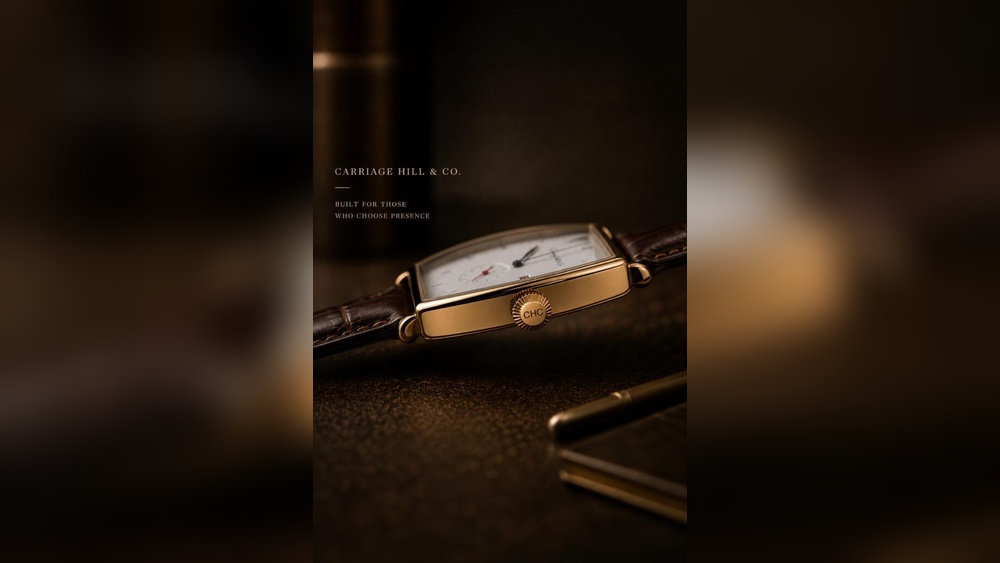
Carriage Hill And Co Watches: A Complete Guide If you search for a watch that blends tradition with modern style,
Carriage Hill Understated Luxury Watch: A Complete Guide A luxury watch is more than just a tool for telling time.
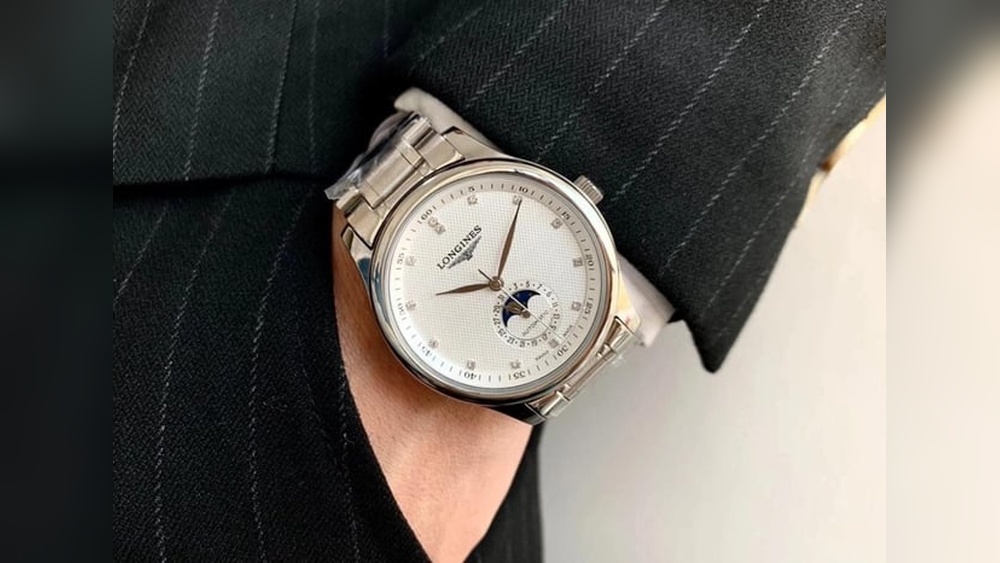
Finding a luxury dress watch under $700 is a rewarding challenge for style-conscious people who want elegance without the high
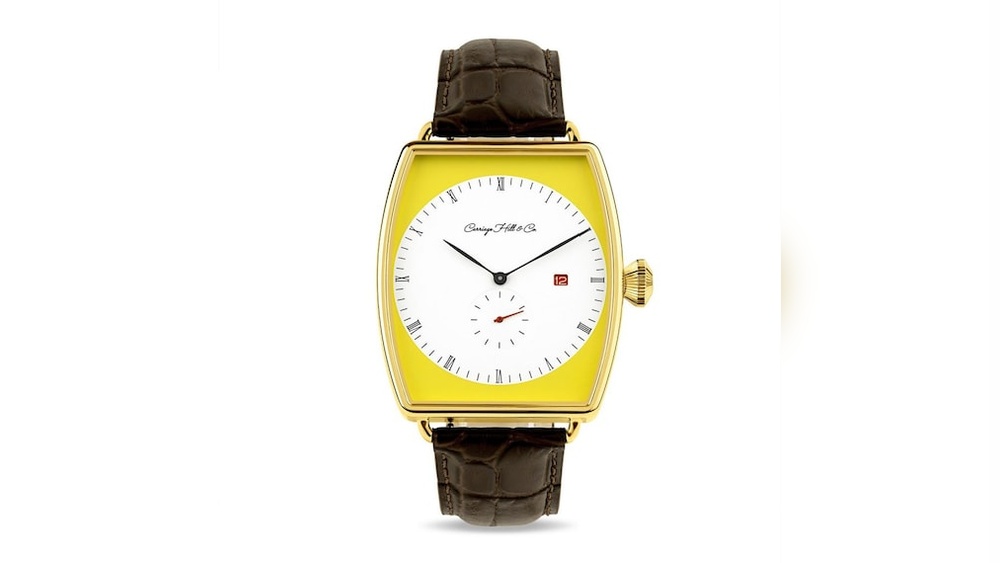
The world of luxury watches is filled with stories of craftsmanship, tradition, and innovation. Among these, the Carriage Hill Handcrafted
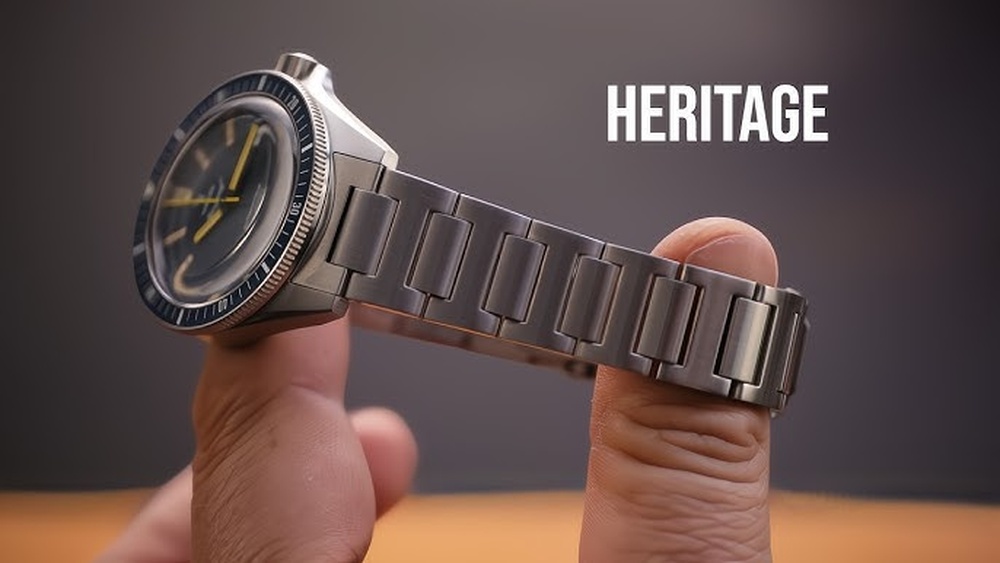
The world of watches is full of stories, tradition, and craftsmanship. For many people, a watch is not just a