
Watches
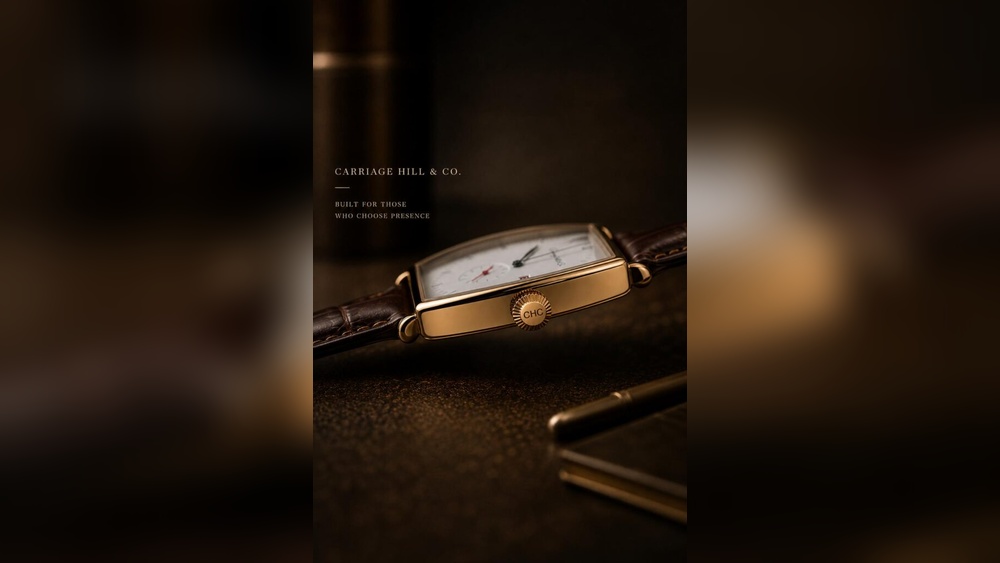
Carriage Hill Traveller Timepiece: Timeless Elegance Unveiled
The story of the Carriage Hill Traveller Timepiece is not just about a watch—it is about the art of travel,

Passing down a luxury watch is more than just giving away an object. It’s about preserving family history, showing appreciation for craft, and building a legacy that can last generations. Many families see a luxury timepiece as a unique heirloom—an item that tells a story and connects the past, present, and future. If you want to know how to pass down a luxury watch the right way, this guide will walk you through every essential step, combining legal, emotional, and practical advice. Let’s make sure your watch becomes a cherished legacy, not just an expensive accessory.
—
A luxury watch is not just a piece of jewelry or a tool for telling time. It holds unique value for many families and individuals.
Watches often mark important life moments—graduations, weddings, or career achievements. Passing down a luxury watch lets you share those memories with the next generation. Many people remember their father’s or grandfather’s watch, and wearing it feels like carrying a part of their loved one.
It’s common for children to recall the first time they saw a parent winding their watch or checking the time before a big event. This daily ritual creates a sense of closeness and trust. The physical presence of the watch reminds the wearer of family traditions and values, even when loved ones are no longer present.
Some watches may have been gifts for achievements, like completing military service, winning an award, or celebrating the birth of a child. These stories, attached to the watch, add depth and meaning that a new item can never match.
Unlike many other possessions, a well-kept luxury watch can hold or increase its value over time. Brands like Rolex, Patek Philippe, and Audemars Piguet are known for their strong resale prices and rising demand. According to data from Chrono24, some vintage Rolex models have seen values rise by over 100% in the last decade.
This long-term value is rare for personal items. For example, clothing, electronics, and even cars lose value quickly after purchase. In contrast, a classic watch—especially from a respected brand and with original parts—often becomes more desirable as it ages.
This makes luxury watches different from most inherited items. Your watch may serve as a safety net for your heir, giving them a valuable asset they can use in times of need. Some families even use watches as part of their investment portfolios, balancing sentimental value with smart financial planning.
Passing down a watch is a way to build a family legacy. Just like a family home or a treasured photo album, a luxury watch can become a symbol of your values, taste, and personal story.
When you give a watch as an heirloom, you send a message. You show your family that you cared about quality, attention to detail, and tradition. The watch becomes a physical link across generations. In many cultures, giving a watch is seen as wishing the recipient a long, successful life.
Some families make it a tradition to pass the same watch down at a certain age or after a life milestone. This can create a powerful sense of belonging and pride, as each generation adds their chapter to the watch’s story.
—
Before you pass down your watch, it’s important to make sure it’s ready for the next owner. A little preparation can prevent headaches and preserve value.
A luxury watch needs proper maintenance. Have your watch professionally cleaned and serviced before giving it away. Most high-end brands recommend servicing every 3–5 years. Servicing includes checking the movement, replacing worn parts, and ensuring water resistance.
A professional service can reveal hidden issues, like worn gears, moisture inside the case, or faded gaskets. Fixing these problems before transfer protects your investment and helps the new owner enjoy the watch without immediate repairs.
Also, a freshly serviced watch makes a better impression. It shows your care and attention, turning the transfer into a meaningful event. Keep the service receipt as proof for your heir.
If you plan to pass the watch down in the future, store it in a safe, dry place. Use the original box if possible. Avoid keeping watches near magnets, direct sunlight, or humidity, as these can damage the movement or materials.
If you own more than one watch or plan to keep the inheritance for several years, consider a small safe or a bank safety deposit box. For automatic watches, a watch winder can keep the movement running smoothly if you don’t wear the watch often.
Never store your watch in a bathroom or kitchen, since these rooms often have high humidity. Even luxury watches can develop rust or mold if not stored correctly. Check the watch every few months to make sure it remains in good shape.
Original boxes, certificates, and manuals can add significant value. These items prove the watch’s authenticity and make future resale easier if your heir ever wishes to sell. Missing papers can lower value by 10–30% in some cases.
Also, accessories like extra straps, links, or specialized tools make the watch easier to size and wear. Keep all these items together in a safe place. Even the smallest accessory—like a clasp or tag—can matter to collectors and future owners.
If your watch has been serviced, keep all receipts and documents. A complete service history shows the watch was cared for properly. This is especially important for rare or vintage models, where authenticity and condition can change value by thousands of dollars.
—
Proper documentation is key when you want your luxury watch to serve as a clear and valuable inheritance.
A certified appraisal will tell you the current market value of your watch. This is important for insurance and estate planning. Look for appraisers who are members of the National Association of Watch & Clock Collectors (NAWCC) or similar reputable organizations.
The appraisal should include a detailed description, photos, and the appraiser’s credentials. The value can change based on market trends, so update the appraisal every few years. This helps with both insurance and inheritance taxes.
If your watch is especially rare or valuable, consider getting two independent appraisals. Differences in value can reveal important details, such as limited editions or rare features.
Write down the watch’s serial number and model reference. These numbers, usually found on the case or movement, help identify the watch and verify its authenticity. They are also required for insurance purposes and can help if the watch is ever lost or stolen.
Take note of where these numbers are located. For example, Rolex usually engraves the serial number between the lugs, while Omega often prints it on the movement. If you can’t find the numbers, ask a watchmaker or check the original paperwork.
Recording these details also helps your heirs if they ever need service or want to check the watch’s history with the manufacturer.
Take clear photos of the watch from all angles, including close-ups of the dial, case back, clasp, and any engravings. Photos help prove condition and authenticity.
Photograph any unique features, such as limited edition markings, custom engravings, or rare dial patterns. Good photos make it easier for appraisers, insurance agents, or future buyers to assess the watch.
Keep digital copies of these photos in a safe place, such as a cloud drive or external hard disk, and consider printing a set to keep with your other documents.
| Document/Item | Why It’s Important |
|---|---|
| Original Box | Protects watch; adds resale value |
| Warranty Card | Proves authenticity and ownership |
| Manual | Helps new owner understand functions |
| Service Records | Shows maintenance history |
| Appraisal Certificate | Needed for insurance and estate planning |
| Photos | Documents condition and details |
If your watch comes with a limited edition certificate or an extract from the manufacturer’s archives, include these documents as well. Some high-end brands, like Patek Philippe, offer an “Extract from the Archives” service that officially confirms the watch’s details.
—
Passing down a luxury watch is not just about the emotional side. Legal planning protects your wishes and prevents disputes.
The most direct way is to name the watch and the beneficiary in your will. Be clear—describe the watch by brand, model, and serial number. For example: “I leave my Rolex Submariner, serial number X12345, to my son, John Smith.”
Be specific. If you own more than one watch, list each one separately. If you want to include instructions—such as keeping the watch in the family or not selling it—add those wishes, though remember such requests may not always be legally binding.
Review your will every few years, especially after buying new watches or after major life changes. Outdated wills can cause confusion or disputes.
If you want more control over how and when the watch is inherited, set up a trust. A trust can help avoid probate, protect the watch from creditors, or manage inheritance for minors.
For example, you can require that your child receives the watch at a certain age or after meeting specific conditions. This adds flexibility, especially if your heirs are young or you want to avoid family arguments.
Trusts are also helpful if you have complex family situations, such as children from multiple marriages, or if you want to keep your wishes private.
Inheritance laws differ by country and state. In some places, valuable items may be taxed or need to be reported to authorities. Speak to an estate planning attorney who knows your local laws.
Some countries have strict rules on high-value gifts or luxury items. For example, in the UK, inheritance tax can apply to watches if your estate is over a certain value. In the US, state laws can affect how easily items pass to heirs.
A lawyer can help you use the best strategy for your situation, avoiding legal trouble and reducing taxes.
If your watch is insured, update the policy to include the new owner. This ensures protection during and after the transfer.
Some insurance policies may end when ownership changes, so check with your provider. Help your heir set up their own policy. Provide all documents, including the appraisal and photos, for a smooth transition.
| Factor | Will | Trust |
|---|---|---|
| Probate Process | Usually required | Can be avoided |
| Privacy | Public record | Private |
| Control Timing | No | Yes |
| Cost | Lower upfront | Higher upfront |
| Flexibility | Less flexible | More flexible |
A trust can also help if your heir lives in another country, as cross-border inheritance can be complicated. If you own multiple valuable watches, some collectors create a specific trust just for their timepiece collection.
—
Let’s break down the 7 best steps to make sure your luxury watch is passed down smoothly and meaningfully.
Think carefully about who should receive the watch. Is it someone who values watches? Will they appreciate its history and meaning? Consider having an open conversation with your family to avoid surprises.
If you have more than one child or heir, explain your choice. This can prevent misunderstandings and hurt feelings. Sometimes, families rotate watches between siblings or create a list of who gets which item.
Sometimes, the obvious choice isn’t the best. If your heir isn’t interested in watches, they may sell or neglect it. Instead, choose someone who will truly value the piece.
Some families even involve their children in the selection process, letting them share their preferences. This helps build excitement and encourages a sense of responsibility.
A luxury watch’s value is often more than money. Write a letter or make a video explaining why the watch matters. Share when you got it, what it means to you, and your hopes for its future. This personal touch builds connection and respect.
You can include stories about special moments, such as the first time you wore the watch or how you saved up to buy it. Personal stories give the watch a “soul” and help the next owner understand its place in the family.
A father passes down his Omega Speedmaster and includes a letter about wearing it on his wedding day. The story makes the watch priceless to his child.
Some families keep a “watch journal,” where each owner writes about their experiences with the watch. Over decades, this turns a simple object into a living family archive.
Gather the papers, box, warranty, service records, and photos. Place them together in a folder or box. This helps the new owner prove authenticity, maintain value, and learn about the watch’s care.
If you have digital documents or photos, store them on a USB drive or online. Give your heir access to these files so they can always find the information if a paper copy is lost.
For rare or complicated watches, include a “how-to” note or video. Explain any unique features—such as setting a perpetual calendar or using a helium escape valve.
Have the watch professionally serviced. This shows care and ensures the watch is ready to wear or store. Include the latest service receipt.
A freshly serviced watch is less likely to develop problems after transfer. If your heir is new to watches, they’ll appreciate receiving a piece that’s ready to wear without worry.
Don’t polish vintage watches, as this can lower their value. Many collectors prefer original patina and minor scratches.
If the watch has sentimental scratches—like a mark from a memorable event—share that story. Sometimes, these marks add value in the eyes of your family.
Work with an attorney to add the watch to your will or trust. Use exact details to avoid confusion. If you want to avoid family disputes, consider discussing your plans in advance.
If you change your mind or buy a new watch, update your legal documents right away. Clarity is crucial, especially for valuable items.
Update your insurance policy and help your heir get coverage in their name. If you’re gifting the watch while alive, provide a signed letter of transfer and a copy of your ID.
Some brands, like Omega or Patek Philippe, offer official ownership transfer through their customer service. Check if this is possible—it can add an extra layer of authenticity.
Make sure your heir knows how to care for the watch. Explain how to wind it, service schedules, and storage tips. If possible, introduce them to your trusted watchmaker or service center.
For automatic or manual watches, explain winding and setting. For rare complications, show how to use each function. Share best practices for cleaning and protecting the case and strap.
Many new owners forget to wind or service mechanical watches, leading to avoidable damage. Teaching care basics can protect the legacy.
Encourage your heir to join a watch club or online community. They’ll learn more about their new timepiece and might even make friends who share their passion.
—
A luxury watch is a link between generations. Here’s how to keep its meaning strong, not just its market value.
Encourage your heir to wear the watch on special occasions—graduations, weddings, or family gatherings. This builds new memories and keeps the tradition alive.
You can even make it a family rule that the watch is worn during major life events. Over time, photos of the watch at weddings or graduations become part of your family’s history.
Invite your family to add their own stories or photos with the watch. You could create a small scrapbook or digital album. Over time, this turns a simple item into a living history.
Ask each generation to write a short note or story about their time with the watch. Sharing these stories can be a fun family project and helps everyone feel connected.
Consider adding a small engraving inside the case back or clasp. Use initials, a date, or a short phrase. This can personalize the watch without hurting its value, especially if the engraving is discreet.
If you’re worried about collector value, check with a watchmaker before engraving. Some brands offer official engraving services, which can be reversed or documented in the future.
Engravings can help future owners identify the watch if it’s ever lost or sold. They also add a unique family touch that can’t be copied.
—
Even well-meaning owners can make errors. Here are common mistakes—and how to avoid them.
Without a will or trust, the watch could end up in probate or cause family disputes. Take time to update your estate plan.
If you die without a will, local laws may divide your property in ways you didn’t expect. Watches can easily get lost in the process or fall into the wrong hands.
Polishing a vintage watch or changing original parts can reduce value by 20–50%. Collectors prefer untouched watches, even with minor scratches.
If you must replace a part, keep the old one. Even a worn original dial or crown can add value to the right collector.
Luxury watches are targets for theft. Not updating insurance can lead to big losses if the watch is lost or stolen during the transfer.
Review your insurance every year, and make sure the coverage amount matches the current value. Add new appraisals as the market changes.
Some countries or states tax valuable inheritance items. Check laws in your area to avoid surprises for your heirs.
If your heir lives abroad, research import taxes and customs rules. Sometimes, it’s better to transfer the watch while you’re alive to reduce paperwork.
Missing boxes, papers, or service records can lower value and make proving authenticity harder. Keep all accessories together.
If you lose a manual or warranty card, try to get a replacement from the manufacturer. Some brands can issue new documents if you provide proof of ownership.
—
It’s essential to understand how to pass down a luxury watch to create lasting impact. Following the right steps ensures your watch stays valuable, both financially and emotionally. Proper planning, maintenance, and open family communication are the keys to a successful transfer. Passing down a luxury watch is an act of love and care—one that can connect your family for decades.
Passing down a watch is not just a transaction but a ceremony. It’s about teaching your heirs the importance of craftsmanship, history, and responsibility. When you take the time to plan, document, and educate, your luxury watch can become a symbol of unity and pride.
If you’re unsure about any step, consult a professional—whether a lawyer, watchmaker, or appraiser. This small effort now can save years of trouble later and ensure your family’s story continues.
—
Pick someone who appreciates both the emotional and financial value of the watch. Talk with family members openly about your wishes. If no one is interested, you might consider donating the watch to a museum or charity.
You can also ask potential heirs if they are willing to care for the watch properly. Sometimes, a close friend or relative outside your immediate family may be the best choice.
Include the original box, warranty card, manuals, service records, appraisal certificate, and clear photos of the watch. These items prove authenticity and help with insurance or resale.
Don’t forget to add any unique certificates, such as limited edition cards or manufacturer archives. If you have receipts for purchase or repairs, include these as well.
Gifting the watch while you are alive can be more personal and lets you share the story. However, check for possible gift taxes or legal requirements in your country or state.
Giving the watch in person allows you to see your heir’s reaction and explain the story directly. If you have tax concerns, speak to a lawyer or accountant before making the gift.
Service the watch regularly, keep all papers and accessories, avoid unnecessary modifications, and store it safely. Also, educate your heir on proper care and usage.
Consider joining a collector’s club or online forum for advice on long-term care. Stay updated on market trends, as some models become more desirable with time.
Add the watch to your will or trust using specific details. Consult an estate attorney to comply with local inheritance and tax laws. Transfer insurance to the new owner to keep the watch protected.
If you have a complicated estate, ask your lawyer to create a special document just for your watch collection. This adds clarity and reduces the risk of disputes.
—
Image suggestion:
Video suggestion:
—
For more detailed legal guidance, see the New York Times Will Guide.
For deeper watch knowledge, consider exploring [internal link: “How to Authenticate a Rolex Watch”] and [internal link: “Top 10 Classic Watch Brands for Collectors”] on our site.
—
Passing down a luxury watch is a powerful way to share your values, style, and history. With the right preparation, your timepiece can become a treasured family heirloom—one that connects generations and builds a legacy. Take the steps today to protect, document, and celebrate your watch, ensuring it remains a source of pride and meaning for years to come.
The story of the Carriage Hill Traveller Timepiece is not just about a watch—it is about the art of travel,
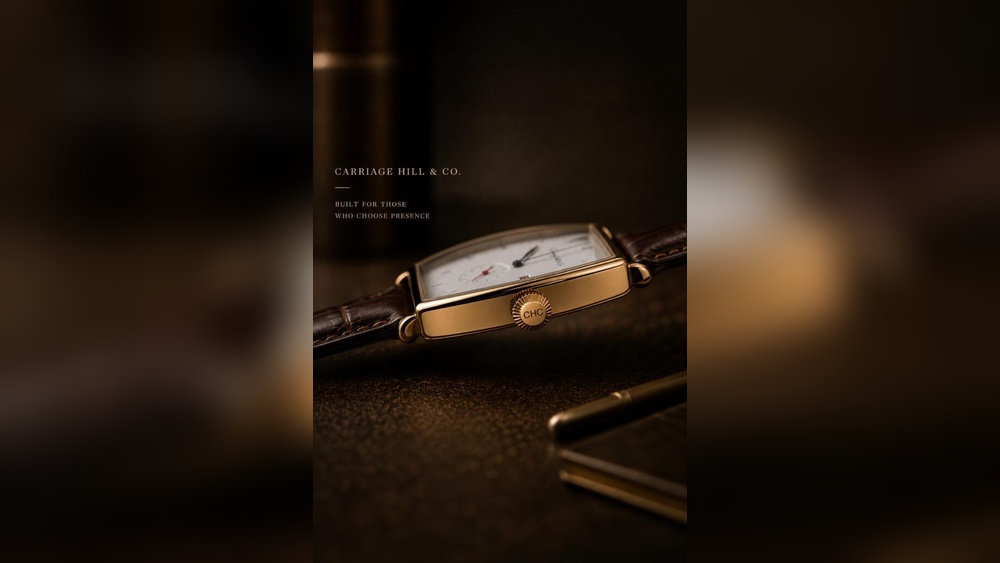
Carriage Hill And Co Watches: A Complete Guide If you search for a watch that blends tradition with modern style,
Carriage Hill Understated Luxury Watch: A Complete Guide A luxury watch is more than just a tool for telling time.
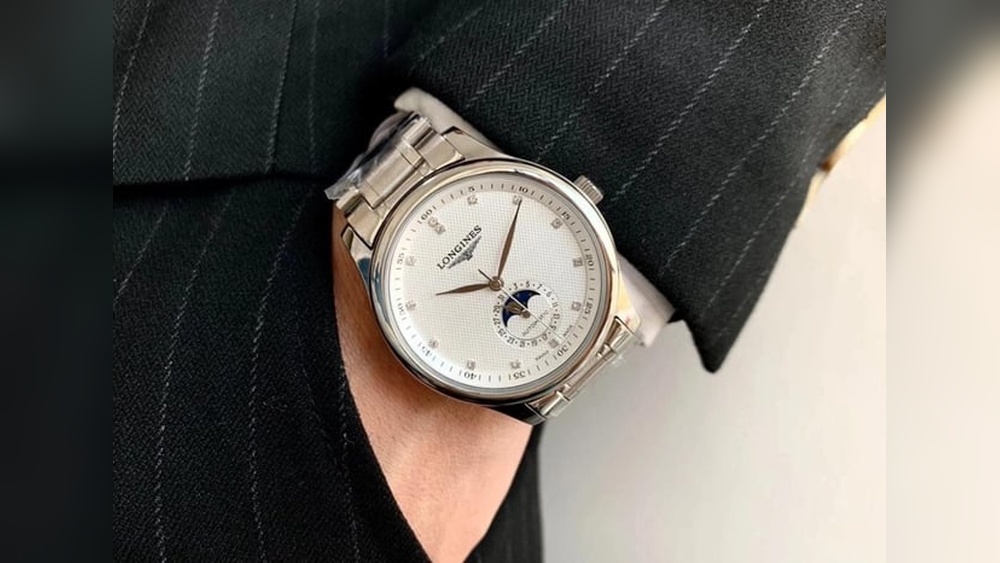
Finding a luxury dress watch under $700 is a rewarding challenge for style-conscious people who want elegance without the high
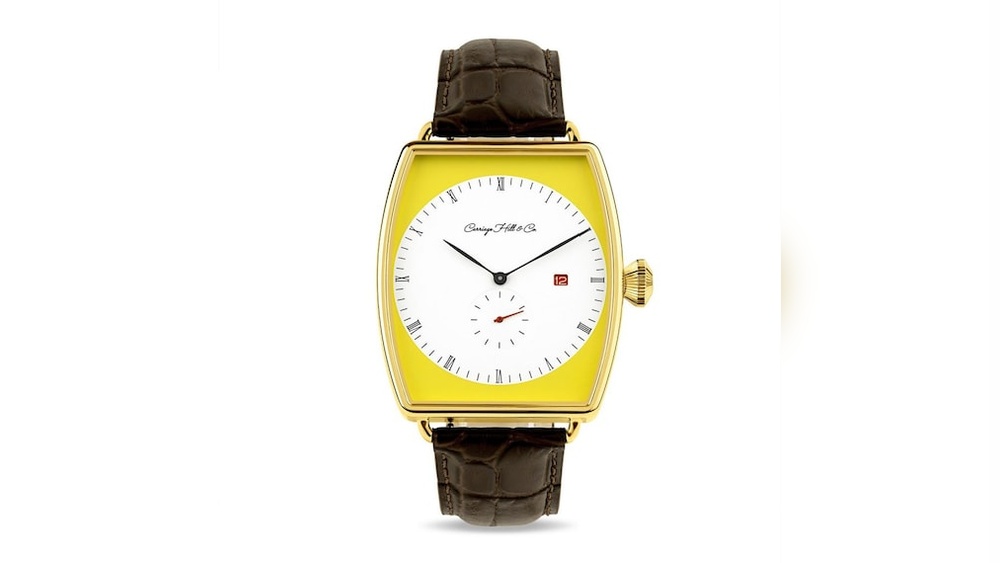
The world of luxury watches is filled with stories of craftsmanship, tradition, and innovation. Among these, the Carriage Hill Handcrafted
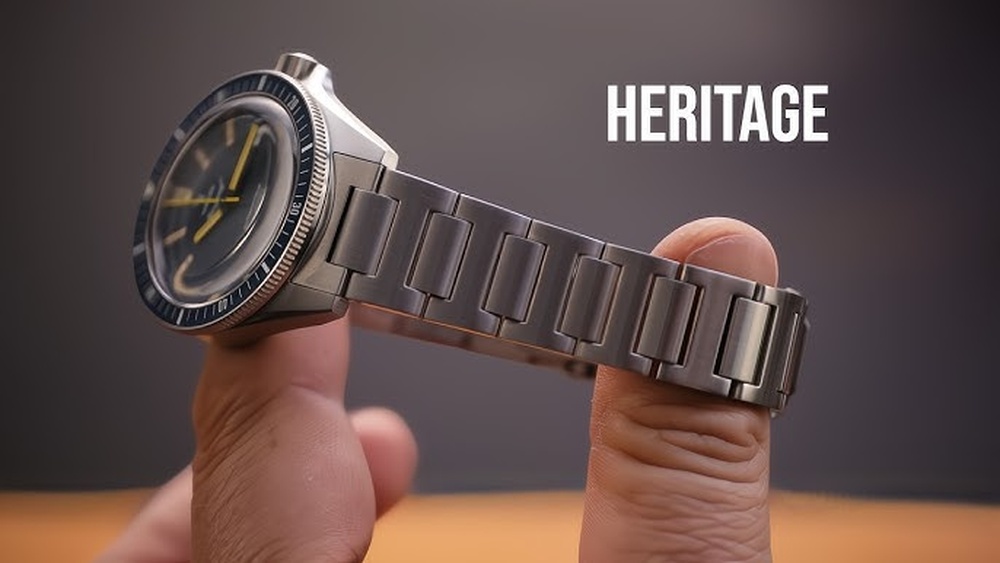
The world of watches is full of stories, tradition, and craftsmanship. For many people, a watch is not just a