
Watches
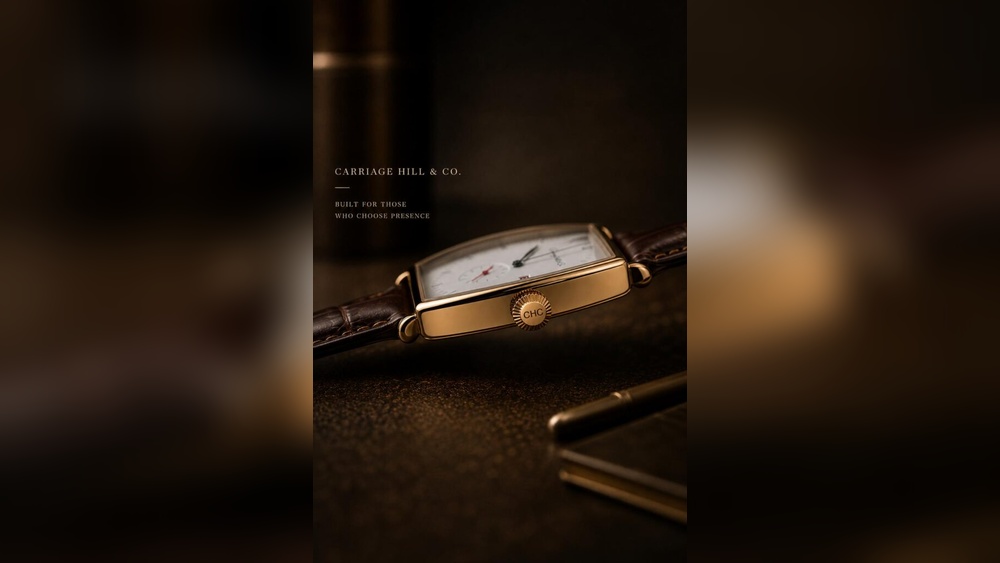
Carriage Hill Traveller Timepiece: Timeless Elegance Unveiled
The story of the Carriage Hill Traveller Timepiece is not just about a watch—it is about the art of travel,
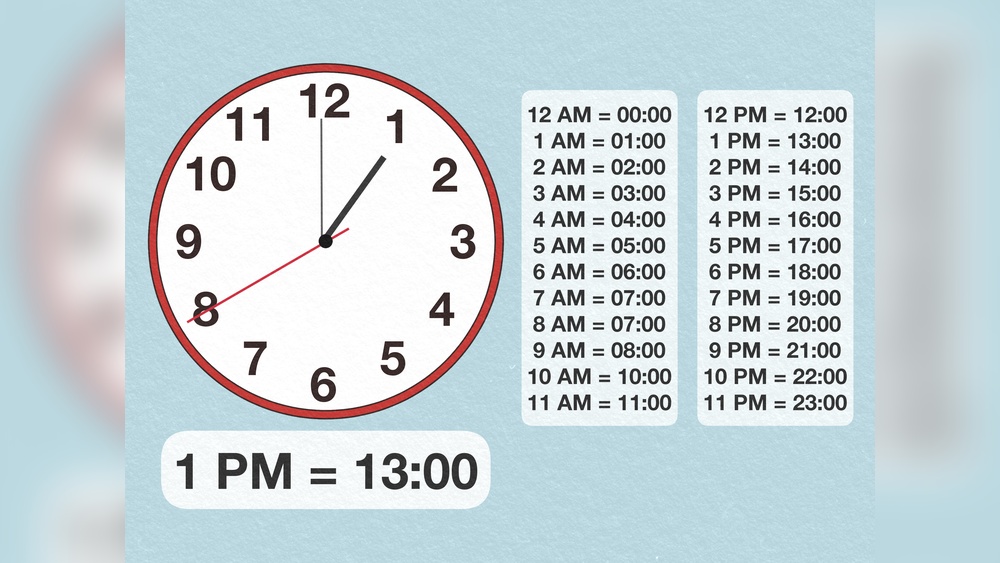
Learning how to tell time on a watch is a practical skill, but it can feel confusing at first. Whether you use a classic analog watch or a digital display, reading time quickly and accurately is important for daily life. In this ultimate guide, you’ll discover 7 best techniques to master telling time on a watch. We break down each method with step-by-step instructions, clear visuals, and expert tips. By the end, you’ll feel confident reading any watch, from luxury analog models to modern smartwatches.
Table of Contents
—
Before you learn how to tell time on a watch, it’s important to understand the different types available. Watches come in many forms, but most fall into three main categories: analog, digital, and smartwatches.
Analog watches have a round face, hour and minute hands, and often a second hand. Numbers or markers are placed around the dial. These watches are popular for their classic look and are used in both casual and formal settings.
Analog watches are often made of metal, leather, or plastic. The hands rotate around the dial, and you need to look at both the position and movement to read the time. Many analog watches also have decorative elements, such as Roman numerals or stylized markers.
Some analog watches include luminous hands or markers that glow in the dark, making them easier to read at night.
For example, a basic analog watch may have only hour and minute hands, while a more advanced model may include a second hand and extra sub-dials for stopwatch functions. Some luxury analog watches are mechanical and require winding, while others are powered by batteries (quartz movement).
Digital watches display the time in numbers using an LCD or LED screen. Instead of hands, you’ll see digits representing hours and minutes. Digital watches are common among children, athletes, and anyone who prefers a quick read.
Digital watches are easy to use because they display the time directly. Most digital watches also include features like alarms, timers, and backlighting. They are often made of lightweight materials and are durable for sports or outdoor activities.
A digital watch may show “08:45” on its screen. This means it is 8:45. If the watch uses a 24-hour format, you might see “20:45,” which means 8:45 PM. Digital watches can be set quickly and sometimes include buttons for changing modes or adjusting settings.
Smartwatches combine both analog and digital displays with extra features like alarms, fitness tracking, and notifications. You can often switch between analog and digital time faces.
Smartwatches are modern devices that connect to your smartphone via Bluetooth or Wi-Fi. They can track steps, heart rate, and sleep. Many smartwatches allow you to install apps, customize watch faces, and receive calls or messages. They are popular among tech-savvy people and those who want more than just time-telling.
Some smartwatches have touch screens, while others use buttons. You may be able to choose a watch face that looks like a classic analog dial or a digital clock. Smartwatches often require charging, similar to a phone.
Internal Link Placeholder:
Learn more about smartwatch features in our [Smartwatch Buying Guide].
| Watch Type | Display | Main Users | Special Features |
|---|---|---|---|
| Analog | Hands & Markers | Adults, Professionals | Classic Design, Sweep Second |
| Digital | Numeric Screen | Kids, Athletes | Alarm, Stopwatch |
| Smartwatch | Hybrid Display | Tech Users | Fitness, Notifications |
Beginners often think that analog watches are old-fashioned, but they are still widely used. Analog watches help you practice time-telling skills and understand how time moves. Digital watches seem easier, but learning both types gives you flexibility in daily life.
—
Understanding the parts of a watch face is key before you learn how to tell time on a watch. Each part plays a role in time-telling.
The hour hand is short and thick. It points to the hour markers.
The hour hand moves slowly around the dial. In one day, it completes two full circles (12 hours each). When the hour hand is exactly on a number, it is “o’clock. ” If it is between numbers, it means the hour is moving toward the next.
The minute hand is longer and thinner. It shows minutes.
The minute hand moves faster than the hour hand. It completes a full circle every hour, passing through 60 minute markers. Each minute marker is a small line or dot between numbers.
The second hand is the thinnest and moves fastest, marking seconds.
The second hand rotates once every 60 seconds. Some watches have a sweeping second hand (moves smoothly), while others tick once per second.
Most analog watches use numbers (1–12) or simple markers (dots, lines) to show hours.
Some watches use Roman numerals (I, II, III, IV, etc. ) For a classic look. Others use only dots or lines, which can make reading the time harder for beginners. High-end watches may include unique designs or colored markers.
Some watches have extra small dials called sub-dials for functions like stopwatch or date.
Sub-dials are usually placed inside the main dial, often at 3, 6, 9, or 12 o’clock positions. They can show seconds, minutes, or other features. Complications are any extra features beyond basic time-telling, such as moon phase or world time.
See our [Luxury Watch Anatomy Guide] for deeper details.
Imagine a watch showing 3:15:
If the second hand is on 30, it means 30 seconds past the minute. Reading all hands together gives you the full time.
| Element | Description | Common Location |
|---|---|---|
| Hour Hand | Short, thick pointer | Center, points to hour |
| Minute Hand | Long, thin pointer | Center, points to minutes |
| Second Hand | Thin, moves quickly | Center, moves around |
| Markers | Numbers or dots | Outer ring |
Some watches have a date window at the 3 o’clock position, showing today’s date. Others may have a small window for the day of the week. These features are helpful but should not distract from learning the basic hands first.
—
This section covers the main keyword and gives you clear steps to tell time on any watch.
First, check if your watch is analog, digital, or a smartwatch. Each type has a different method.
Analog watches require you to interpret the hands’ positions, while digital watches display numbers directly. Some smartwatches let you choose between analog and digital modes.
On an analog watch, the hour hand points to the current hour. If it is between two numbers, the hour is the smaller number.
For example, if the hour hand is between 4 and 5, the time is after 4 o’clock and before 5 o’clock. If the hour hand is exactly on 12, it is 12 o’clock.
The minute hand points to the minute markers. Each marker stands for 5 minutes. Count by fives starting from 12.
For example:
If your watch has a second hand, use it to measure seconds. This is useful for timing events.
The second hand helps in situations where you need exact timing, like cooking or sports. If your watch does not have a second hand, you can still tell the hour and minute.
On a digital watch, simply read the numbers. The first pair shows the hour, and the second pair shows the minutes. For example, 08:45 means eight forty-five.
If the watch uses a 24-hour format, numbers above 12 mean afternoon or evening times. For example, 14:20 is 2:20 PM.
Some watches show AM/PM. AM is morning, PM is afternoon and evening.
If your digital watch says “07:30 AM,” it is morning. If it says “07:30 PM,” it is evening.
Smartwatches and some analog watches may show date, day, or other information.
Pay attention to which display is showing the time. For example, some smartwatches allow you to swipe between screens to see more details.
You look at your analog watch. The hour hand is between 2 and 3, the minute hand is at the fourth marker after 12. This means it’s 2:20. On a digital watch, 14:20 means 2:20 PM (in 24-hour format).
When reading an analog watch, always check the hour hand first, then the minute hand, and finally the second hand if needed. For digital watches, always check if the watch is set to 12-hour or 24-hour mode.
—
Analog watches are the most common for learning how to tell time. Here are 7 best techniques to master reading them.
Each marker between numbers stands for 5 minutes. Start at 12 and count by fives (5, 10, 15, …).
If the minute hand is at the second marker after 12, it’s 10 minutes past the hour. If it is at the seventh marker, it is 35 minutes past.
For example, “quarter past three” means 3:15. “Half past six” means 6:30. “Quarter to eight” means 7:45.
The hour hand is always slower and shorter. The minute hand moves around the full circle each hour.
Always check which hand is which. Beginners often confuse them, but practice helps.
If the hour hand is between numbers, pick the smaller one. The minute hand shows how far into the hour you are.
For example, if the hour hand is between 11 and 12, and the minute hand is at 40, the time is 11:40.
The second hand helps measure exact seconds. Useful for timing cooking or sports.
When timing something, start counting as the second hand passes 12.
Some watches use a 24-hour format. The hour hand moves twice around the dial per day.
A 24-hour dial may have numbers from 1 to 24. This helps in military, aviation, or world travel situations.
Try reading time on different analog watches. Practice makes perfect.
Use watches with clear markers and hands. Gradually move to watches with more complex designs.
| Hour Hand | Minute Hand | Time | Common Phrase |
|---|---|---|---|
| Points at 3 | Points at 12 | 3:00 | Three o’clock |
| Points at 7 | Points at 6 | 7:30 | Half past seven |
| Between 4 and 5 | Points at 9 | 4:45 | Quarter to five |
| Points at 10 | Points at 3 | 10:15 | Quarter past ten |
If the hour hand is just past 6, and the minute hand is at the second marker after 12 (10 minutes), the time is 6:10. If the second hand is at 35, it is 6:10:35.
Begin with watches that have clear, bold numbers and hands. Avoid confusing designs or extra dials until you are comfortable reading basic time.
—
Digital watches make learning how to tell time on a watch easy. Here’s how to read digital time accurately.
Most digital watches show time as HH:MM (Hour:Minute). Some use 24-hour format, others 12-hour with AM/PM.
Some digital watches also show seconds, date, or day of the week. The display is usually clear and straightforward.
If you see 13:05, it means 1:05 PM (in 24-hour format). If you see 7:20 AM, it means morning.
Digital watches may also show “07:20” with “AM” or “PM” indicator. Always check which mode your watch uses.
For example, “22:15” is 10:15 PM. “06:45” is 6:45 AM.
Explore more digital watch settings in [How to Set a Digital Watch].
Some digital watches have multiple modes, such as timer, world time, or countdown. Practice switching between modes to become comfortable.
Some digital watches use military time (24-hour). If the hour is above 12, subtract 12 to get standard time. For example, 18:00 means 6:00 PM.
Some watches allow you to set the display to 12-hour or 24-hour mode. Knowing how to switch modes can help when traveling or working internationally.
| Digital Display | Standard Time | AM/PM |
|---|---|---|
| 08:15 | 8:15 | AM |
| 14:45 | 2:45 | PM |
| 19:30 | 7:30 | PM |
| 00:05 | 12:05 | AM (midnight) |
Some digital watches beep at each hour. This can help you practice recognizing the time and building punctual habits.
—
Many beginners make mistakes when learning how to tell time on a watch. Here are the most common and how to fix them.
Some people mix up the hour hand and minute hand. Remember, the hour hand is always shorter.
Avoid this mistake by practicing with watches that have different colors or shapes for each hand. Some watches have a red second hand, a thick hour hand, and a thin minute hand.
If the hour hand is between two numbers, pick the smaller one. The minute hand shows how many minutes past.
Beginners often try to guess the hour. Instead, always check the position and use the minute hand to confirm.
For digital watches, forgetting to check AM/PM can lead to confusion. Always confirm the period.
This is especially important if you set alarms or reminders. An alarm set for 7:00 PM instead of 7:00 AM can cause problems.
On analog watches, failing to count minute markers can result in errors. Count by fives from 12.
Some watches have faint markers, so practice with watches that have clear markers first.
Some watches show the date or day. Make sure you’re reading the correct information.
If you have a watch with extra dials, focus on the main time first. Read extra features only after you are confident.
Military or 24-hour time is different. Convert it to standard time by subtracting 12 if the hour is more than 12.
For example, 15:00 is 3:00 PM. Midnight is 00:00 or 12:00 AM.
If you’re new, practice with a simple watch first. Avoid watches with extra dials or complications until you’re comfortable.
Some watches can lose accuracy if not set properly. Always set your watch using a reliable source, like your phone or a radio clock.
—
Learning how to tell time on a watch can be easy, but mastering accuracy takes extra effort. Here are some advanced tips.
Try reading your watch in different situations: morning, night, during meetings, or while cooking. This builds your confidence.
Challenge yourself to read the time quickly and compare with other clocks. Over time, you’ll improve speed and accuracy.
Some watches run fast or slow. Check your watch against your phone or computer regularly.
Mechanical watches can gain or lose seconds each day. Adjust them as needed, and note the difference.
If you travel, your watch may show a different time zone. Learn to adjust the time manually.
Smartwatches and some digital watches have world time modes. Analog watches need manual adjustment.
Use the second hand to time short events. For example, cooking eggs or timing exercises.
A stopwatch function in digital watches or sub-dials in analog watches can help with timing.
Knowing how to tell time on a watch in both analog and digital formats makes you adaptable.
If you work in a job where time accuracy matters, such as medicine or travel, both skills are valuable.
Use digital watches or smartwatches to set alarms. This helps you stay punctual.
Practice setting alarms for different times and check if they ring at the correct hour.
Regularly clean and check your watch for accuracy. Battery changes or mechanical maintenance may be needed.
Mechanical watches need winding; quartz watches need battery replacement. Cleaning prevents dust and damage.
Many luxury watches use automatic movement. They wind themselves as you wear them. If your watch stops, shake it gently or reset the time.
Some automatic watches stop if not worn for days. Always set the time before wearing.
For more on watch maintenance, visit Wikipedia – Watch.
Read our [Luxury Watch Maintenance Tips] for more advice.
If your watch has water resistance, check the rating before swimming or showering. Water can damage some watches, so always read the manual.
—
For beginners, the easiest way is to use a digital watch. Simply read the numbers: the first two digits are hours, the next two are minutes. Analog watches require counting markers and matching hands, so start with digital if you’re new.
Analog watches are good for practicing, but digital watches help build confidence.
To convert 24-hour time (military time) to standard time, subtract 12 from any hour above 12. For example, 18:00 becomes 6:00 PM. Midnight is 00:00 or 12:00 AM, and noon is 12:00 PM.
Some digital watches allow you to switch between modes. Always check which mode is set.
Extra dials are called complications. They show features like the date, day, stopwatch, or a second time zone. If you’re learning how to tell time on a watch, focus on the main hands first, then explore extra dials.
Complications are fun but can be confusing for beginners.
Smartwatches can display analog or digital faces. If you see hands, use analog techniques. If you see numbers, use digital reading. Smartwatches may also show time in different zones, alarms, or notifications.
Some smartwatches let you customize the face. Choose the one that is easiest to read.
Common mistakes include confusing hour and minute hands, misreading between numbers, ignoring AM/PM, and not counting minute markers. Practice regularly and start with simple watches to avoid errors.
If you make mistakes, review the guide and practice with friends or family.
—
A video showing how to set the time on both analog and digital watches can help beginners. Watching someone move the hands or press buttons makes learning easier.
—
Learning how to tell time on a watch is a useful life skill. Whether you prefer the classic look of an analog watch or the simplicity of digital, the techniques in this guide will help you read any watch confidently. Practice often, start with simple models, and use the tips to avoid common mistakes. Soon, you’ll be able to glance at your wrist and know the exact time—no matter the style or technology. For more detailed guides, check our [Luxury Watch Anatomy Guide] or visit authoritative sources like Britannica – Watch Timepiece.
Internal Link Placeholder:
Discover [Best Watches for Beginners] and [How to Choose a Watch for Your Lifestyle] for further learning.
If you want to improve, ask friends or family to quiz you. Try reading clocks in public places, classrooms, or shops. Over time, your skills will grow, and you’ll feel comfortable with any watch.
Remember, patience and practice are key. Even experts started as beginners. With these techniques, you are on your way to mastering how to tell time on a watch.
The story of the Carriage Hill Traveller Timepiece is not just about a watch—it is about the art of travel,
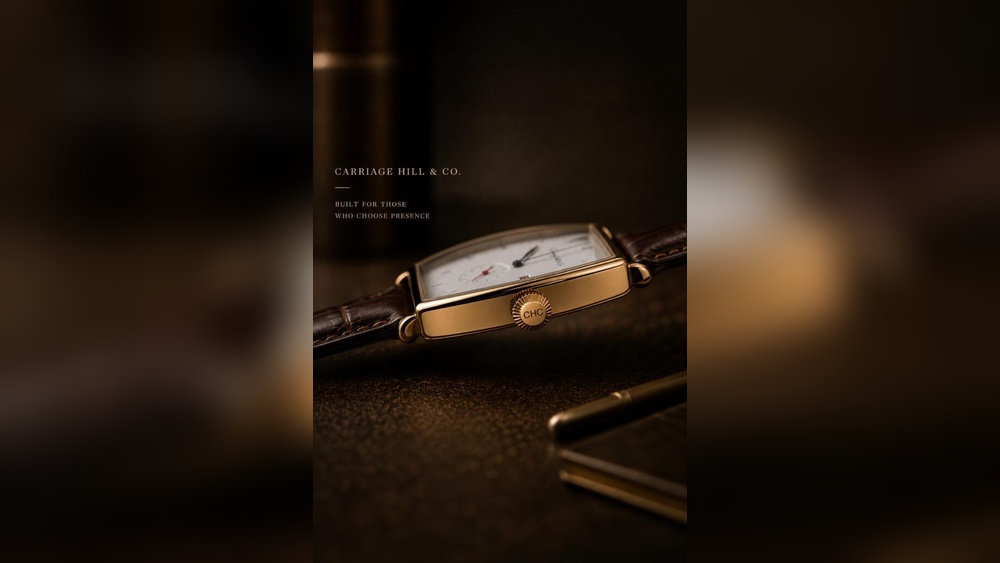
Carriage Hill And Co Watches: A Complete Guide If you search for a watch that blends tradition with modern style,
Carriage Hill Understated Luxury Watch: A Complete Guide A luxury watch is more than just a tool for telling time.
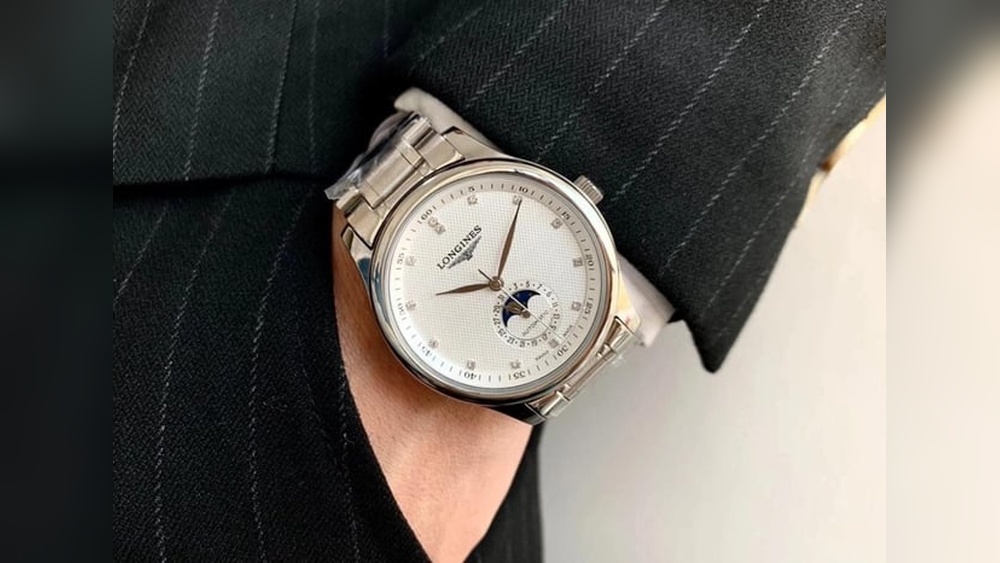
Finding a luxury dress watch under $700 is a rewarding challenge for style-conscious people who want elegance without the high
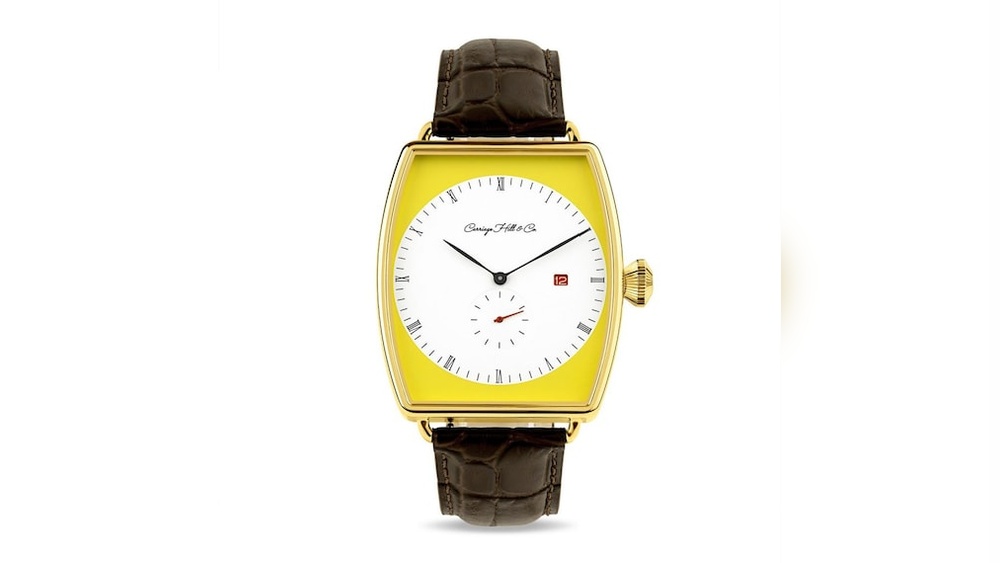
The world of luxury watches is filled with stories of craftsmanship, tradition, and innovation. Among these, the Carriage Hill Handcrafted
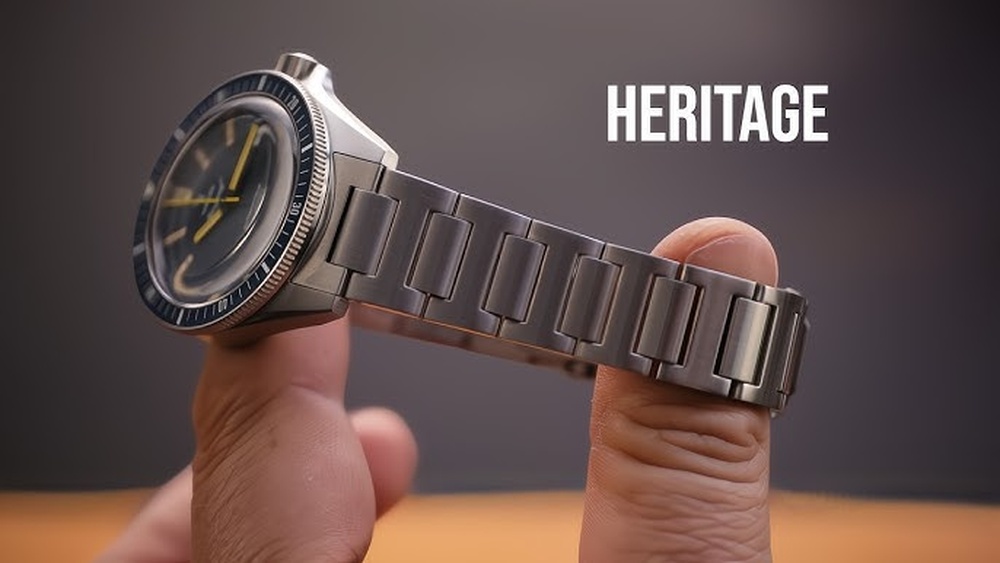
The world of watches is full of stories, tradition, and craftsmanship. For many people, a watch is not just a