
Watches
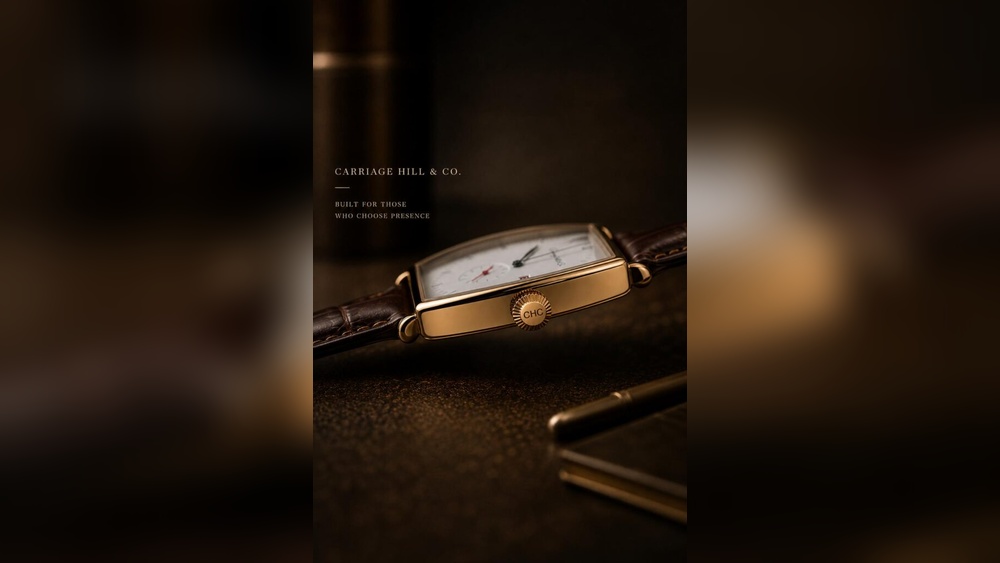
Carriage Hill Traveller Timepiece: Timeless Elegance Unveiled
The story of the Carriage Hill Traveller Timepiece is not just about a watch—it is about the art of travel,
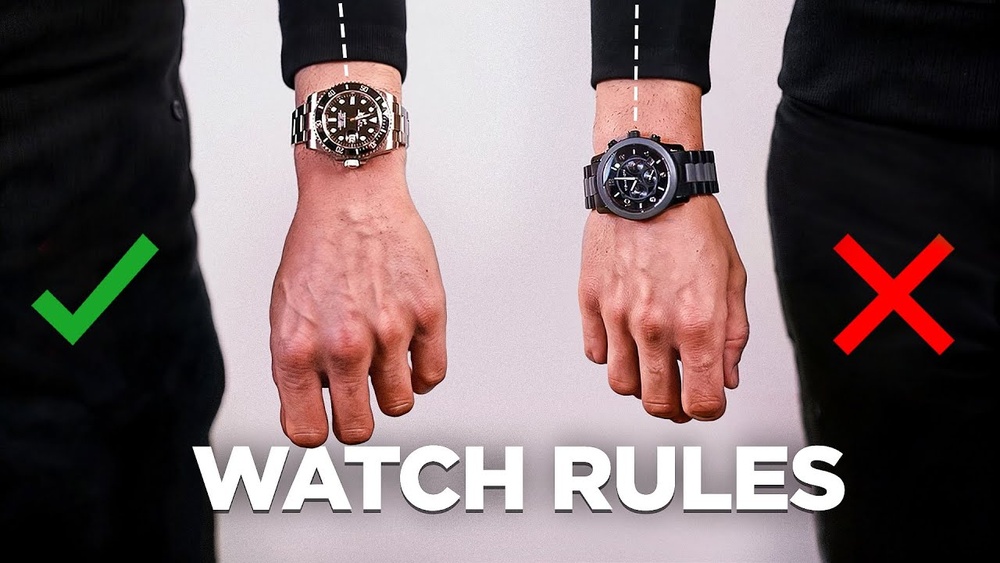
Wearing a watch is more than just checking the time. It’s about style, confidence, and making the right impression. Whether you’re dressing up for an event, heading to work, or just want to wear your favorite timepiece daily, knowing how to wear a watch can set you apart. This guide covers everything you need: from luxury style secrets to practical tips, choosing the right watch, and avoiding common mistakes. You’ll also find helpful tables, expert insights, and answers to the most searched questions.
Table of Contents
—
A watch is not just a tool; it’s a statement. In the digital age, people might think smart devices have replaced watches. But for many, a classic watch means more. According to a 2023 survey by the Federation of the Swiss Watch Industry, luxury watch sales grew by 13% worldwide, proving their lasting value.
Watches show your attention to detail. They hint at your taste and even your job. For example, a business leader might wear a Rolex, while a creative professional may choose a unique vintage piece. In some cultures, wearing a watch is linked to success and discipline.
A good watch can also be an investment. Some models increase in value over time. For instance, the Patek Philippe Nautilus and Rolex Daytona have both doubled in price in the last decade.
But you don’t need a luxury brand to look sharp. The secret is knowing how to wear it right, match it to your look, and choose a design that fits your lifestyle.
Watches also create a sense of tradition and personal history. Many people inherit watches from parents or grandparents, making the piece more than just an accessory—it becomes a memory and a story. For example, a classic Omega passed down through generations can remind you of family milestones and achievements.
Even in professional environments, a watch can be a subtle signal of punctuality and professionalism. When you check your watch instead of your phone, you show respect for the meeting and avoid distractions. This small gesture can make a big difference in how others see you.
Some watches are designed for specific functions, like pilot watches or racing chronographs. Wearing these tells others you have a passion or expertise in a field, adding another layer to your personal brand.
—
Wearing a watch might seem simple, but there are key rules that make all the difference. Let’s break them down:
Most people wear their watch on the non-dominant hand. If you’re right-handed, wear it on your left wrist. This keeps the watch safe and avoids scratches. The reason is practical: your dominant hand is used more often and can bump or scrape the watch. However, some left-handed people prefer wearing their watch on the right wrist, and certain brands even make “lefty” watches for this.
The watch should sit snugly on your wrist but not be too tight. You should be able to slide a finger under the strap comfortably. If it’s too loose, it looks sloppy and may get damaged. For metal bands, having extra links removed by a jeweler makes a huge difference. For leather straps, make sure you use the correct hole—not too far up or down.
The watch face should rest just above the wrist bone. The dial should face up when your arm is at your side. If the face slides below the bone, the watch may turn upside down or feel uncomfortable. Wearing the watch above the bone also keeps it visible and easy to check without excessive movement.
Choose a dial size that matches your wrist. Oversized watches can overwhelm a small wrist, while tiny dials get lost on bigger arms. The right dial size makes the watch look balanced and natural. For example, a 36mm dial is classic and works well for most wrists, while a 44mm dial is better for larger wrists or sporty styles.
Match your watch to the event. A formal dinner, a business meeting, or a weekend trip all call for different styles. Wearing a digital sports watch at a wedding can attract unwanted attention, while a slim dress watch fits in perfectly.
When in doubt, go for a clean, classic design. These styles work with most outfits and never go out of fashion. Minimalist faces with few features are easier to match and look elegant in almost any setting.
Some people prefer to wear their watch with the face on the inside of the wrist (the “military” style). This is less common but can be practical for protecting the glass and checking the time discreetly. However, in most social and business settings, wearing the watch with the face on the outside is standard.
Adjust your watch before leaving the house. Make sure the time and date are correct, and the strap is clean. These small steps show you care about your appearance and can save you embarrassment in meetings or social gatherings.
—
Finding the perfect watch means thinking about your style, daily needs, and budget. Here’s how you can make the right choice:
There are three main types of watches:
| Type | Main Features | Best For |
|---|---|---|
| Dress Watch | Thin, simple face, leather strap | Formal events, business attire |
| Dive Watch | Waterproof, bold design, rotating bezel | Casual, sports, outdoor |
| Sports/Smart Watch | Multiple functions, rugged, digital/analog | Fitness, casual, everyday use |
Other types include field watches (military-inspired, practical), pilot watches (large, easy to read), and chronographs (extra dials for measuring time). Each has its own style and purpose, so think about what fits your life.
The thickness of the watch also matters. Thinner watches are more comfortable for daily wear and formal events, while thicker watches suit outdoor or sports activities.
Some watches have interchangeable straps. If you like changing your style often, look for models with quick-release pins.
If you value tradition and engineering, mechanical watches offer a unique experience. If you want precision and convenience, quartz is best.
You don’t need to spend thousands. Good watches are available in every price range. If you want an investment piece, research brands with a history of holding value. Consider buying pre-owned watches from trusted sellers—these often offer great deals on luxury models.
Beginners often overlook the importance of water resistance. Even if you don’t plan to swim, water resistance protects against rain and accidental splashes. Look for watches with at least 30 meters (3 ATM) water resistance for daily wear.
Another detail: consider the dial readability. Busy faces with many features can be hard to check quickly. If you use your watch often, choose clear markers and hands.
—
Knowing how to wear a watch with style is about more than just putting it on your wrist. Here are the top 7 tips for a luxurious look:
Your watch should complement your clothes. For business or formal wear, pick a dress watch with a simple face and leather strap. For casual or sporty outfits, choose a diver or sports watch. If you wear bold colors, match your watch to one of the main tones in your outfit.
Match your watch’s metal (gold, silver, or black) to your belt buckle, cufflinks, or rings. For example, if you wear a silver belt buckle, a silver watch will look best. This creates a unified look and avoids clashing metals. It’s a subtle detail that shows you understand style.
If you wear a smartwatch, consider matching the band color to your other accessories. Many smartwatches offer band options in metal, leather, or silicone.
Leather straps look great with suits and dress shirts. Metal or rubber bands suit casual or active wear. Swapping straps is an easy way to change the feel of your watch without buying a new one. Some brands sell extra straps, so you can customize your look for different occasions.
If you want a unique style, try a NATO strap (woven nylon) for a relaxed, military-inspired look. These are affordable and easy to switch.
A dirty watch face makes even a luxury piece look cheap. Wipe your watch regularly with a soft cloth. For metal bands, use a damp cloth and dry them well. For leather straps, use a gentle leather cleaner every few months.
If your watch is waterproof, rinse it under running water after swimming in salt water or pools. This prevents corrosion and keeps the watch looking new.
Wearing a watch with too many bracelets can look messy. If you want to wear a bracelet, keep it simple—one slim piece is enough. For example, a thin silver bracelet next to a silver watch works well.
If you choose to stack, balance the colors and textures. Avoid mixing chunky bracelets with a slim watch or mixing too many different metals.
If you’re wearing a long-sleeve shirt, your watch should fit comfortably under the cuff. When you move your arm, only the watch face should show, not the strap. If your watch doesn’t fit under the cuff, it’s probably too thick for formal wear.
For shirts with French cuffs (the kind used with cufflinks), make sure the watch does not catch on the cuff or make the sleeve bulge.
Leave your watch at home for certain activities—like heavy exercise, swimming (unless it’s waterproof), or manual labor. This protects your watch from damage and shows you understand style rules.
If you work with chemicals or tools, wearing a watch could risk scratches or accidents. It’s better to store the watch safely.
If you have a luxury watch, take time to learn its history and features. Knowing the story behind your watch can make conversations more interesting and help you appreciate your investment.
If you travel often, consider a watch with a GMT function (shows two time zones) or a world timer. These are practical and stylish.
—
Pairing your watch with your clothes may seem tricky, but it’s easy if you follow a few rules.
A dress watch should be understated. Avoid watches with big logos or complicated faces. The goal is elegance and simplicity.
For casual wear, you can play with different strap materials and dial colors. Green, blue, or grey dials look modern and relaxed.
Sports watches often have features like heart rate monitors, timers, or GPS. Choose a watch that fits your activity—running, hiking, or swimming.
A black tie event calls for a watch that doesn’t stand out. Think of classic models like the Cartier Tank or Jaeger-LeCoultre Reverso.
If you’re wearing a navy suit and brown shoes, a brown leather-strapped watch with a silver case looks sharp.
Here’s a quick reference guide:
| Occasion | Watch Type | Strap Material | Color Match |
|---|---|---|---|
| Business/Formal | Dress Watch | Leather | Black/Brown/Silver/Gold |
| Casual | Dive/Field Watch | Metal/Nylon | Any, but not too bold |
| Sports | Sports/Smart Watch | Rubber/Nylon | Any, functional first |
| Black Tie | Dress Watch | Leather | Black/Silver/Gold |
If you wear patterns or bright colors, choose a watch that’s more neutral. For example, if your shirt is plaid, a solid-color watch keeps your look balanced.
For women, matching the watch size to jewelry is important. A slim bracelet-style watch pairs well with delicate earrings, while a larger dial works with statement necklaces.
—
Even people who love watches make simple mistakes. Here’s how to avoid them:
A digital sports watch with a tuxedo looks odd. Always match your watch style to the event. The same goes for wearing a dress watch to the gym—it’s not designed for sweat or impact.
A watch that’s too big or too small for your wrist looks unbalanced. Always check the case size before buying. Try watches on in person if possible, or measure your wrist and compare it to the specs.
A worn or dirty strap ruins your look. Replace straps when they start to crack or fade. Leather straps can be polished, but after a few years, they may need replacing. Metal bands can be cleaned with soap and water, but avoid harsh chemicals.
Wearing a watch with the wrong time is a sign of carelessness. Always keep your watch running and set. If your watch has a calendar, make sure the date is correct, especially after months with fewer than 31 days.
While there are no strict rules, most people wear their watch on the non-dominant hand. This avoids scratches and feels more comfortable. If you switch wrists often, be aware that the fit may differ.
If your watch is not waterproof, keep it away from water—even when washing hands. Water can damage the movement and ruin the strap. If you own a vintage watch, it’s best to avoid water entirely.
Mechanical watches need servicing every 3–5 years to keep them accurate. Don’t ignore regular maintenance. A neglected watch can stop working or lose time, which is frustrating and expensive to fix.
Many beginners think automatic watches don’t need winding. In reality, if you don’t wear them every day, you should wind them once a week to keep them running.
Some people forget to check for scratches or dents before wearing their watch. If you notice damage, repair it quickly to avoid bigger problems.
Don’t use your watch as a tool. Avoid opening bottles or pushing heavy objects with your wrist—the pressure can break the glass or damage the movement.
—
A watch is an investment, and good care will keep it looking new for years. Here’s how:
For deeper cleaning, use a soft toothbrush with mild soap for metal bracelets. Avoid using soap on leather. If your watch is waterproof, rinse it gently under water and dry thoroughly.
If you own several watches, consider a watch box with separate compartments to prevent scratches. For vintage watches, store them in a cool, dry place to avoid humidity damage.
If your watch stops working, don’t try to fix it yourself. Take it to a professional to avoid damaging the movement.
Sunlight can fade the dial or leather strap, while chemicals (like perfumes or cleaning products) can damage the case and seals.
If you swim often, choose a watch with at least 100 meters water resistance. After swimming, rinse your watch to remove salt or chlorine.
| Watch Type | Storage Tip | Service Interval | Water Resistance |
|---|---|---|---|
| Quartz | Box or pouch | Battery change every 1–2 yrs | Check before water contact |
| Automatic | Away from magnets | Service every 3–5 yrs | Depends on model |
| Smart Watch | Cool, dry place | Update software | Usually splash-proof |
If you don’t wear your watch every day, set a reminder to wind it or check the battery monthly. This prevents the oils inside from drying out.
Leather straps benefit from regular conditioning. Use a leather conditioner every six months to keep the strap soft and prevent cracking.
If your watch is vintage, avoid winding it too much or exposing it to shocks. These older models are more fragile and need gentle care.
If you travel often, bring a travel pouch for your watch. This protects it from scratches and loss.
—
Learning how to wear a watch is about mastering both style and comfort. It’s not just about putting it on your wrist and forgetting it. Here are some extra insights:
If you’re new to watches, try wearing your watch around the house first. This helps you get used to the feel and see if the fit is comfortable before wearing it in public.
If you own several watches, consider using a watch winder for automatic models. It keeps them wound and ready to wear anytime.
If you have sensitive skin, choose hypoallergenic materials like titanium or ceramic. These prevent irritation and are lightweight.
If you work with computers, make sure your watch doesn’t scratch the keyboard or desk. Wearing the watch slightly higher on your wrist can help.
Some watches have crowns (the knob for setting time) that stick out. Make sure the crown doesn’t press into your hand, especially if you write or type a lot.
—
Alt text: “how to wear a watch with proper wrist placement”
—
For formal events, choose a slim dress watch with a leather strap. The color should match your belt and shoes. The watch should fit under your shirt cuff, and the dial should be simple, without too many features. Avoid sporty or large watches.
If you’re attending a business dinner, a classic watch with minimal complications (features) is best. Watches with moon phases or chronographs can distract from the clean look.
Most people wear a watch on their non-dominant hand (left for right-handed people, right for left-handed). This reduces the chance of scratches and feels more comfortable. However, there is no strict rule—comfort and personal preference matter most.
Some professions, like pilots or divers, may wear watches on the dominant wrist for easy access, so choose what feels natural for you.
Your watch should be snug but not tight. You should be able to fit one finger between the strap and your wrist. If the watch leaves marks or feels uncomfortable, it’s too tight. If it slides around or turns upside down, it’s too loose.
For metal bands, check the clasp position. If it closes easily and doesn’t pinch, the fit is correct. For leather straps, the watch should stay in place but not restrict movement.
Yes, you can. The key is balance. Choose a thin, simple bracelet on the same wrist as your watch. Avoid stacking many bracelets, as this can look cluttered. Make sure the metals and styles match or complement each other for a coordinated look.
If you wear a watch on one wrist, try wearing other jewelry on the opposite wrist to keep the look balanced.
Clean your watch regularly with a soft cloth. For metal bands, use a damp cloth and dry well. Store your watch in a box or pouch when not in use. Service mechanical watches every 3–5 years and replace quartz batteries every 1–2 years.
Avoid exposing your watch to water unless it’s rated as water-resistant.
If your watch has diamonds or gems, use a gentle brush to clean around the stones. Avoid harsh chemicals and always use professional service for repairs.
Common mistakes include wearing the wrong watch for the occasion, using a watch with an ill-fitting strap, and forgetting to clean or service the watch. Other errors are wearing oversized watches on small wrists or pairing watches with too many accessories. To avoid these, follow the tips in this guide for the best results.
Another mistake: not learning about the watch’s features. Many people own watches with alarms, calendars, or chronographs but never use them. Take time to read your watch manual and make the most of your timepiece.
—
Wearing a watch is a simple way to upgrade your style, show your attention to detail, and express your personality. By following the rules and tips above, you’ll always look sharp—whether you’re in a suit or a T-shirt. For even more style advice, check out the GQ Watch Guide for inspiration from experts.
Remember, the best watch is the one you wear with confidence. Choose wisely, care for your investment, and enjoy every moment you check the time.
The story of the Carriage Hill Traveller Timepiece is not just about a watch—it is about the art of travel,
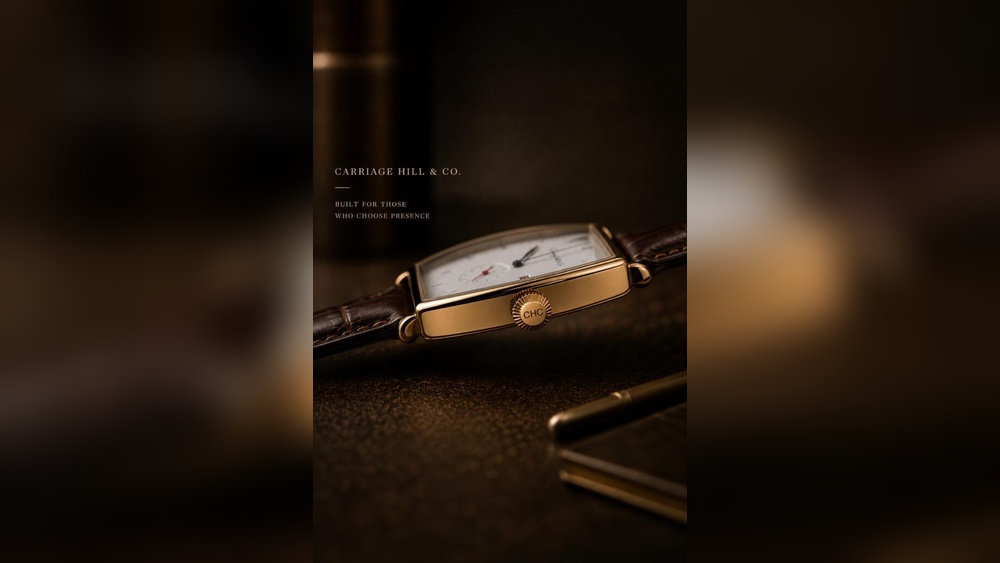
Carriage Hill And Co Watches: A Complete Guide If you search for a watch that blends tradition with modern style,
Carriage Hill Understated Luxury Watch: A Complete Guide A luxury watch is more than just a tool for telling time.
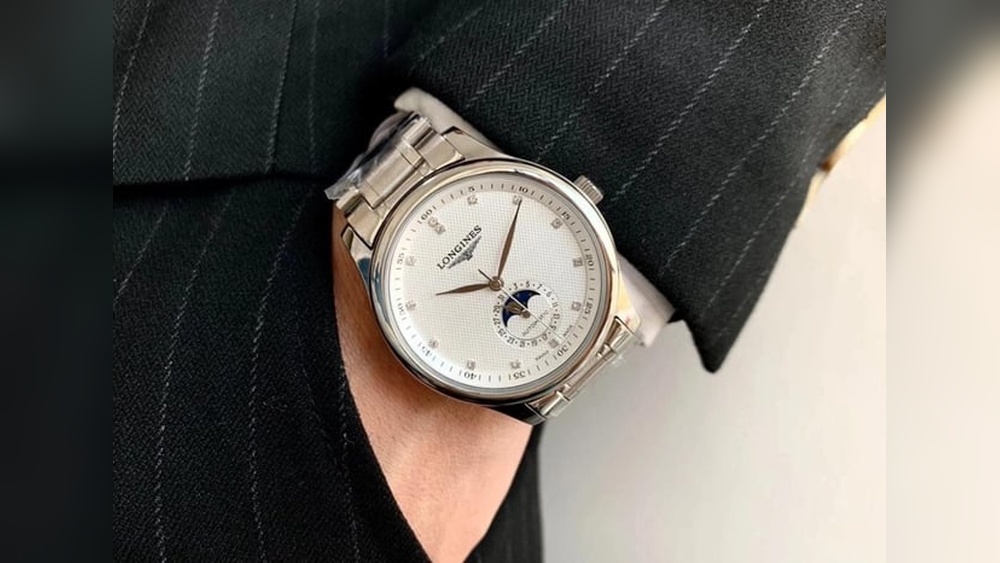
Finding a luxury dress watch under $700 is a rewarding challenge for style-conscious people who want elegance without the high
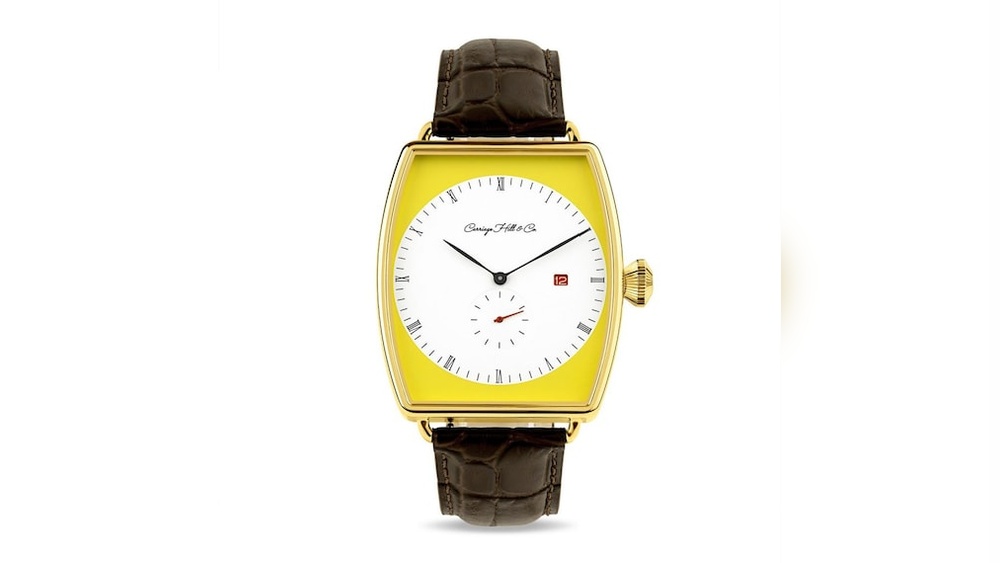
The world of luxury watches is filled with stories of craftsmanship, tradition, and innovation. Among these, the Carriage Hill Handcrafted
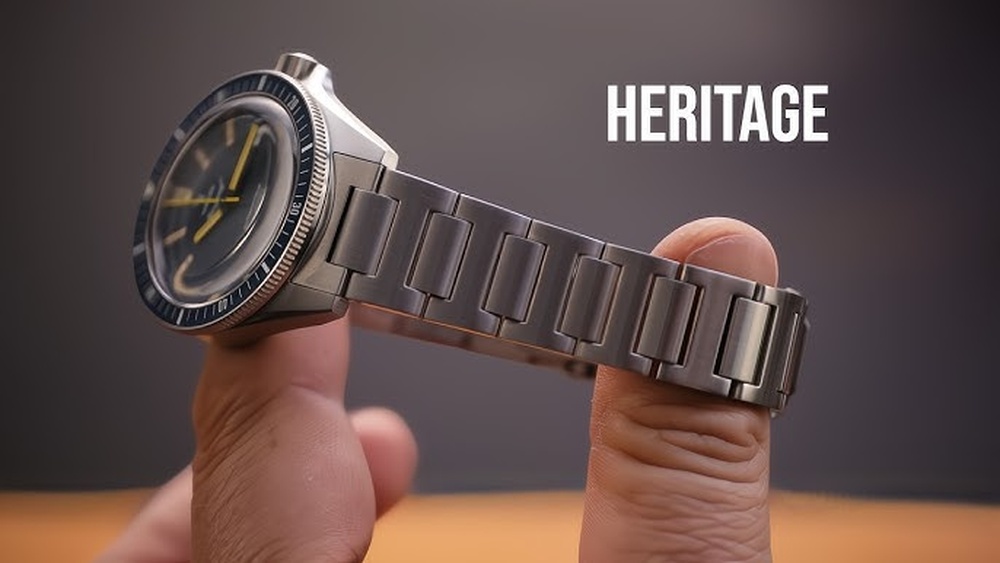
The world of watches is full of stories, tradition, and craftsmanship. For many people, a watch is not just a