
Watches
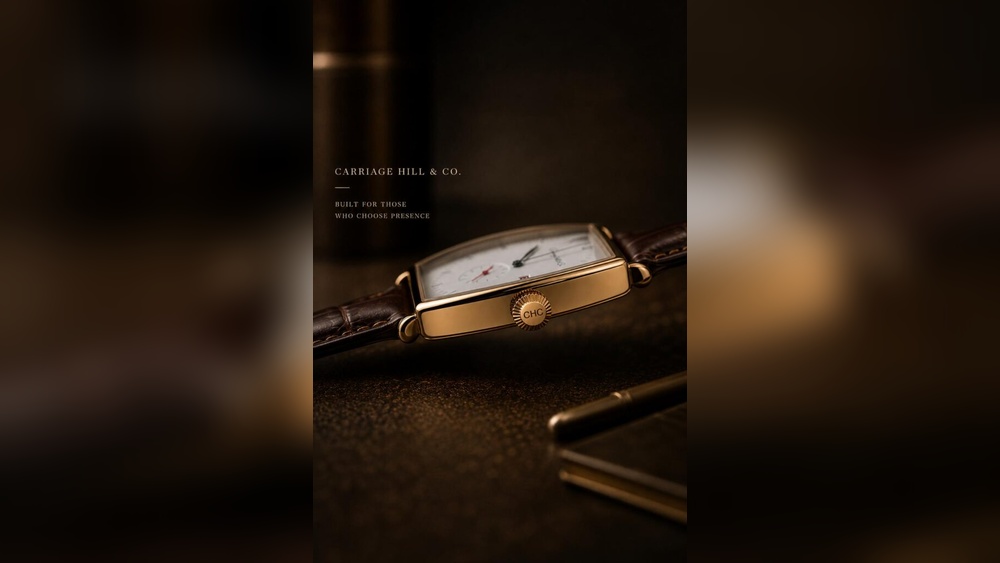
Carriage Hill Traveller Timepiece: Timeless Elegance Unveiled
The story of the Carriage Hill Traveller Timepiece is not just about a watch—it is about the art of travel,
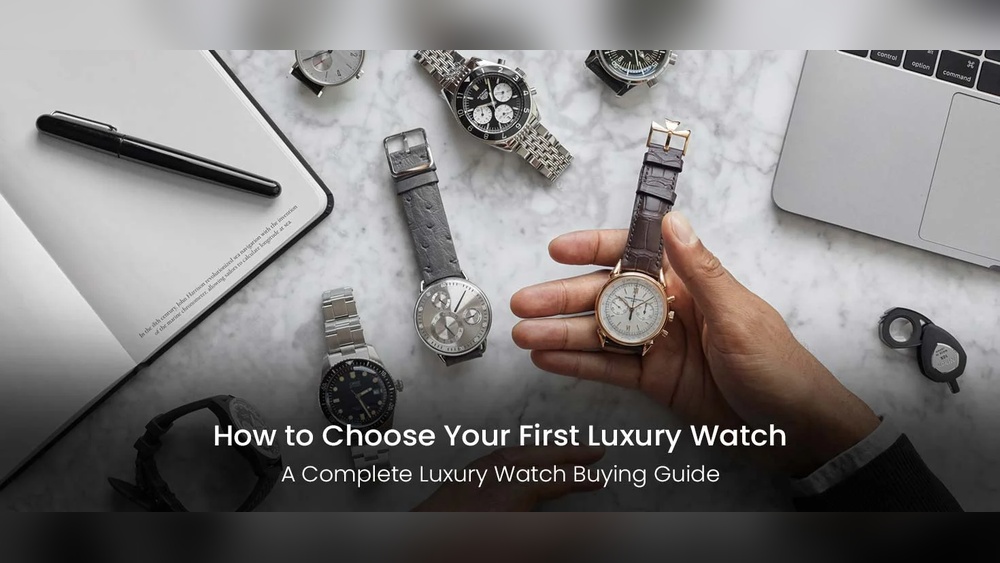
If you’re dreaming of owning a luxury watch, you’re not alone. These timepieces are much more than tools for telling time. They are status symbols, investments, and works of art—often passed down for generations. But buying a luxury watch can be confusing, especially if you’re new to the world of haute horlogerie (the fine art of watchmaking). With many brands, models, and features, how do you choose the right one? This Luxury Watch Buying Guide gives you everything you need: from the most important factors, to mistakes to avoid, and how to spot a true investment.
Below, you’ll find practical advice, real examples, data tables, and answers to common questions. Whether you’re considering your first purchase or looking to upgrade your collection, this guide will help you buy with confidence. You’ll also discover insider tips that most beginners overlook, and learn how to avoid costly errors.
Let’s make your luxury watch journey rewarding, enjoyable, and safe.
—
Luxury watches have a special place in the world of style and status. Their appeal goes beyond simply telling time. Here’s why many people choose to own one:
Luxury watches also connect you with a tradition. Famous brands have histories going back over 100 years, and their designs often reference important moments in history—like the Omega Speedmaster, which was worn on the moon.
Did you know? The global luxury watch market was valued at over $7 billion in 2023 and is expected to grow each year as more buyers see watches as both fashion and investment. Some countries, like Switzerland, are famous for their watch industry, and collectors all over the world compete to own the best pieces.
Owning a luxury watch is not just about money—it’s about appreciation for art, engineering, and tradition. For many people, the feeling of wearing a fine timepiece is priceless.
—
Every luxury watch journey is unique, but these seven tips help you avoid common mistakes and make a smart choice. If you follow these steps, you’ll be much more likely to enjoy your purchase and avoid regrets.
Luxury watches range from $2,000 to over $1 million. Most buyers spend between $5,000 and $20,000 on their first serious watch. Decide on your budget early, and remember to include:
It’s easy to get excited by beautiful watches and forget about extra expenses. For example, buying a watch from another country may mean paying customs fees, which can add hundreds or thousands to your total cost. Also, luxury watches need regular servicing, which can cost $500–$1,000 every few years.
Practical tip: Set your maximum budget, and don’t forget to include extras like shipping, insurance, and possible repairs.
New watches come with full warranties and the joy of unboxing. Pre-owned watches, however, often offer better value and a wider selection (including rare or discontinued models).
Example: A new Rolex Submariner costs about $10,000. A pre-owned one (in excellent condition) might sell for $8,000–$9,000.
Pre-owned watches can be a smart way to enter the world of luxury timepieces. Many older models have unique designs or details that are no longer made. Some collectors prefer the “patina” (natural aging) that comes with older watches, giving them character.
Non-obvious insight: Pre-owned luxury watches often come with stories. For example, you might find a vintage Omega Speedmaster that was owned by an astronaut or a classic Cartier Tank that belonged to a famous artist. This history can make the watch more special.
Warning: Only buy pre-owned from trusted sources, and always ask for proof of authenticity.
Are you looking for an everyday watch, a status piece, or a future investment? Your answer should guide your choice of brand, model, and style.
Think about your lifestyle. If you travel a lot, a GMT model (shows two time zones) may be useful. If you want a watch for special occasions, classic dress watches like the Patek Philippe Calatrava are ideal.
Example: If you work in an office and want something discreet yet impressive, the Rolex Datejust or Omega Aqua Terra are good choices. If you want something sporty, consider the Audemars Piguet Royal Oak or the TAG Heuer Carrera.
Not all brands hold their value equally. Rolex, Patek Philippe, Audemars Piguet, and Omega are known for strong resale markets. Others may lose value quickly.
Non-obvious tip: Some lesser-known brands (like F.P. Journe or A. Lange & Söhne) are respected among experts and can be a smart choice for collectors looking for something unique.
It’s important to study the history and reputation of your chosen brand. Some brands are famous for their innovation, others for their classic designs. Read reviews, watch videos, and join forums to learn from experienced collectors.
Practical example: If you’re considering a Rolex Submariner, research its different versions, such as the “No Date” or “Date” models, and check which years or references are most popular.
The movement (or “caliber”) is the engine of your watch. The three main types are:
Example: The Omega Speedmaster Professional uses a manual movement, while the Rolex Datejust is automatic.
Movements affect the watch’s accuracy, value, and how you use it. Mechanical watches (automatic/manual) are often more valuable and admired for their engineering. Quartz watches are very accurate but usually less prestigious.
Hidden detail: Some brands make their own movements (“in-house”), which is a sign of quality. Others use standard movements, which are easier to repair but less unique.
Always buy from authorized dealers or reputable pre-owned platforms. Avoid deals that seem too good to be true.
If you’re buying online, look for platforms with buyer protection and clear reviews. Some marketplaces offer “escrow” services, where your money is held until you receive the watch and confirm it’s real.
Example: Chrono24 and WatchBox are respected platforms for pre-owned watches. Authorized boutiques for Rolex, Omega, and Cartier are best for new watches.
If possible, visit a boutique or authorized dealer. Feel the weight, try it on your wrist, and check the fit. Photos online can be misleading.
Insight: Some watches look large in pictures but fit smaller in real life, and vice versa.
Trying a watch in person also lets you see the dial color, bracelet comfort, and how it feels with your style. Many buyers are surprised when they see the watch up close—the details, shine, and finish are much better than photos.
Non-obvious advice: If you can’t try the watch in person, ask the seller for wrist shots and videos. Compare the size with watches you already own.
—
There are hundreds of watch brands, but only a few are considered true luxury. Here’s a comparison of the most famous names, their strengths, and what makes them stand out.
| Brand | Founded | Famous Model | Price Range | Resale Value |
|---|---|---|---|---|
| Rolex | 1905 | Submariner | $7,000–$80,000 | Very High |
| Patek Philippe | 1839 | Nautilus | $30,000–$300,000+ | Exceptional |
| Audemars Piguet | 1875 | Royal Oak | $25,000–$200,000 | Very High |
| Omega | 1848 | Speedmaster | $4,000–$60,000 | High |
| Cartier | 1847 | Santos | $5,000–$70,000 | Moderate |
Luxury brands are defined by:
These brands pay attention to every detail—finishing, materials, innovation, and service. Luxury brands often have strict quality control; every watch is tested for accuracy, durability, and beauty. Some brands, like Patek Philippe, only produce a limited number of watches each year, making their pieces rare and desirable.
Hidden insight: Some models become famous because of their appearance in movies, sports events, or celebrity endorsements. For example, the Omega Speedmaster became popular after being worn by NASA astronauts.
While most people focus on top brands, there are hidden gems like Vacheron Constantin, Jaeger-LeCoultre, and Grand Seiko. These brands are respected by experts and offer outstanding quality, sometimes at better prices than more “famous” names.
Example: Grand Seiko’s “Snowflake” dial is made to look like fresh snow and is highly praised by collectors. Jaeger-LeCoultre’s “Master Ultra Thin” series offers elegance at a lower price than similar Swiss models.
—
Understanding the features and materials of luxury watches helps you pick the right one for your needs and taste. The choices you make affect durability, comfort, and even the value of your watch.
The case is the body of the watch. Here are the most common materials:
Did you know? Platinum watches are often more expensive than gold due to the rarity and difficulty in working with the metal. Platinum is also denser than gold, so the watch feels heavier.
Example: The Rolex Day-Date is available in gold and platinum, making it a favorite among presidents and celebrities.
A complication is any feature beyond the simple display of hours and minutes. Some popular complications include:
Non-obvious insight: Some watches include “perpetual calendars,” which automatically adjust for months and leap years. These are complex and rare, usually found in brands like Patek Philippe or Audemars Piguet.
Water resistance is measured in meters (m) or atmospheres (ATM):
Example: The Rolex Submariner is famous for its 300m water resistance, making it ideal for diving.
Practical tip: Even if your watch is water-resistant, avoid hot showers or saunas. Extreme heat can damage seals and cause leaks.
Choose from:
Tip: Changing the strap can give your watch a fresh look without buying a new model. Many brands offer quick-change systems, so you can swap straps in seconds.
Non-obvious insight: Exotic leather straps (like alligator or ostrich) are available for luxury watches. They add style and exclusivity but require careful care.
Non-obvious insight: Some dials are made from rare materials like meteorite or enamel, adding uniqueness and value. For example, the Rolex Daytona has versions with meteorite dials, making each watch one-of-a-kind.
—
The luxury watch market is filled with counterfeit watches and dishonest sellers. Protect yourself by knowing what to look for.
Example: If you ask for more photos or videos and the seller refuses, that’s a warning sign.
Non-obvious tip: Look for tiny details, such as engraved logos, smooth edges, and perfect alignment. Real luxury watches have flawless finishing.
Example: The Omega Speedmaster “Moonwatch” is one of the most counterfeited models. Check for correct logo placement, smooth movement of the chronograph hand, and serial numbers.
Experience-based insight: Some fake watches are very convincing, called “super fakes.” Only experts can spot them. If you’re unsure, have the watch inspected by an authorized service center.
| Source | Warranty | Price | Risks |
|---|---|---|---|
| Authorized Dealer | Full Manufacturer | High | Low |
| Gray Market | Dealer Only/None | Moderate | Medium (No brand warranty, possible fakes) |
| Private Seller | Usually None | Lowest | High (Fakes, no recourse) |
Tip: Always check seller reviews, ask for references, and use secure payment methods. If buying from a private seller, meet in a safe place and bring a friend.
Non-obvious advice: Some counterfeiters create fake papers and boxes. Always check for spelling errors, poor printing, or incorrect logos.
—
Many buyers hope their watch will increase in value. While not all luxury watches are good investments, some have performed better than gold or stocks.
Non-obvious insight: Watches with “tropical” dials (that have changed color due to age) are sometimes more valuable, even if they look imperfect. Collectors love these unique details.
Here’s a look at models that have shown strong performance over the past decade:
| Model | Brand | 10-Year Value Growth | Current Price Range |
|---|---|---|---|
| Submariner (Steel) | Rolex | +120% | $10,000–$15,000 |
| Nautilus 5711 | Patek Philippe | +250% | $100,000–$180,000 |
| Royal Oak 15202 | Audemars Piguet | +180% | $80,000–$130,000 |
| Daytona (Steel) | Rolex | +150% | $25,000–$45,000 |
| Speedmaster “Moonwatch” | Omega | +60% | $6,000–$10,000 |
Example: The Patek Philippe Nautilus 5711 was discontinued in 2021, causing prices to skyrocket. The Rolex Daytona is highly sought after, with long waiting lists and strong resale prices.
Non-obvious insight: Customizing a luxury watch (like adding diamonds or changing the dial) usually lowers its investment value. Collectors prefer original condition.
Sites like Chrono24 and auction houses like Phillips and Sotheby’s list sale prices for luxury watches. This helps you understand market trends. You can follow these sources to check how prices change over time, and see which models are most in demand.
Practical tip: Keep records of your watch’s purchase, service history, and any changes. This helps when you want to sell or insure it.
—
A luxury watch can last generations with proper care. But neglect or improper service can destroy both value and function.
Cleaning removes dust, sweat, and dirt, keeping your watch looking new. For deeper cleaning, use a toothbrush and mild soap, but avoid soaking the watch unless it’s water-resistant.
Non-obvious insight: Leather straps need special care. Avoid water and use leather conditioner to prevent cracking.
Most luxury watches need servicing every 3–5 years by a qualified technician. This involves:
Warning: Never service a watch at an unqualified shop. Poor service can ruin the movement or lower resale value.
Example: Rolex recommends servicing every 10 years, but if your watch is exposed to water or shocks, more frequent service is wise.
Non-obvious tip: Polishing can remove scratches, but too much polishing reduces the metal and affects the watch’s shape. Collectors prefer watches with original, unpolished cases.
Humidity and sunlight can damage both the movement and the strap. A watch winder is useful if you own multiple automatic watches, keeping them ready to wear.
Experience-based tip: Store your watch with silica gel packets to absorb moisture.
If your watch is valuable, consider insuring it against theft or damage. Many home insurance policies require an extra “rider” for luxury watches.
Practical advice: Document your watch with photos, receipts, and appraisals. This helps with claims if something happens.
If you notice any of these problems, take your watch to an authorized service center. Ignoring issues can lead to bigger repairs and loss of value.
—
The focus keyword is Luxury Watch Buying Guide. This phrase helps people searching for advice and tips on buying their first or next luxury timepiece.
Look for strong brands (like Rolex and Patek Philippe), limited editions, and models with proven demand. Check auction results and resale platforms, and avoid watches with heavy customization or missing paperwork.
Practical example: The Rolex Submariner and Patek Philippe Nautilus have shown strong resale value for decades.
Both options have pros and cons. In-store allows you to try before you buy and get expert advice. Online can offer better prices and more selection, but you must choose a reputable platform and check for authenticity guarantees.
Experience-based tip: If you buy online, ask for detailed photos, videos, and references. Don’t rush—take time to check everything.
Mechanical watches (manual or automatic) use gears and springs. They are appreciated for craftsmanship and tradition. Quartz watches use a battery and are more accurate and low-maintenance, but usually less valuable in the luxury world.
Example: The TAG Heuer Carrera is available in both mechanical and quartz versions. Collectors usually prefer the mechanical models.
Yes, many luxury watches (like the Rolex Submariner or Omega Seamaster) are designed for daily wear. However, you should avoid exposing them to harsh chemicals or strong magnets, and keep them serviced for best performance.
Non-obvious insight: If you work in a hospital or around strong magnets, choose watches with anti-magnetic movements (like Omega’s Master Chronometer series).
Buy from authorized dealers, reputable online platforms with buyer protection, or well-known auction houses. Always check reviews, ask for paperwork, and compare prices. For more details, see this Chrono24 Buying Guide.
—
Image suggestion: Show a close-up of a luxury watch (Rolex Submariner or Patek Philippe Nautilus) on a wrist.
*ALT text:* Person wearing a luxury watch, highlighting craftsmanship.
Video suggestion: Short documentary on how Swiss luxury watches are made, or a side-by-side comparison of genuine vs. fake watches.
Internal link placeholders:
—
Choosing the right luxury watch is a journey—one that should be enjoyed, not rushed. Take your time, do your research, and buy from trusted sources. With the right knowledge, your next watch can bring you a lifetime of pleasure, pride, and maybe even profit.
Happy collecting!
The story of the Carriage Hill Traveller Timepiece is not just about a watch—it is about the art of travel,
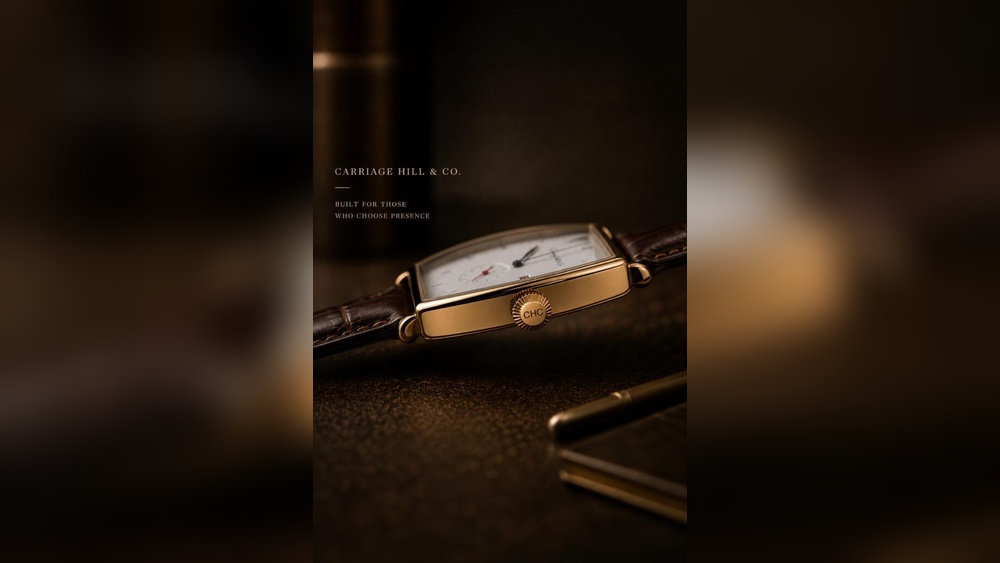
Carriage Hill And Co Watches: A Complete Guide If you search for a watch that blends tradition with modern style,
Carriage Hill Understated Luxury Watch: A Complete Guide A luxury watch is more than just a tool for telling time.
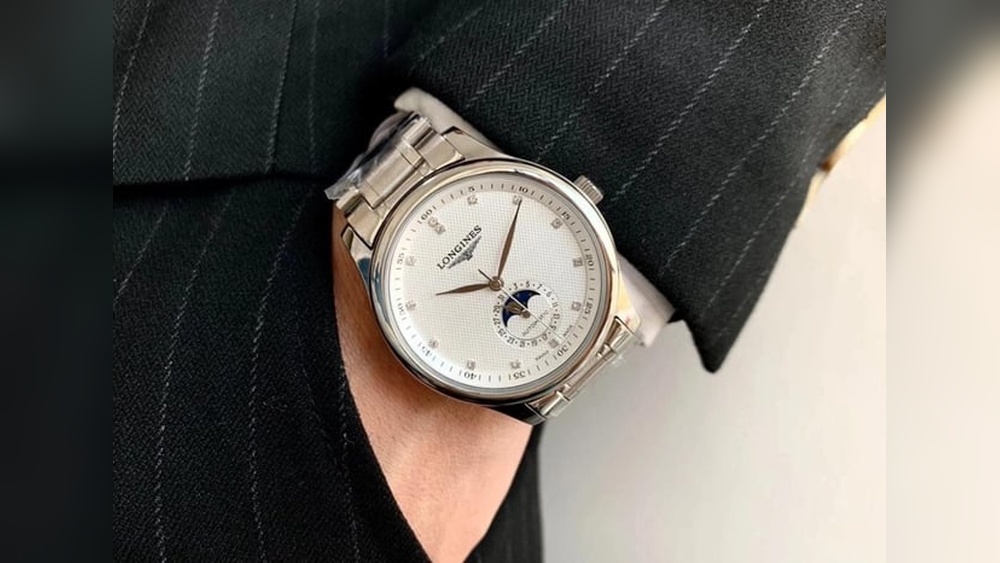
Finding a luxury dress watch under $700 is a rewarding challenge for style-conscious people who want elegance without the high
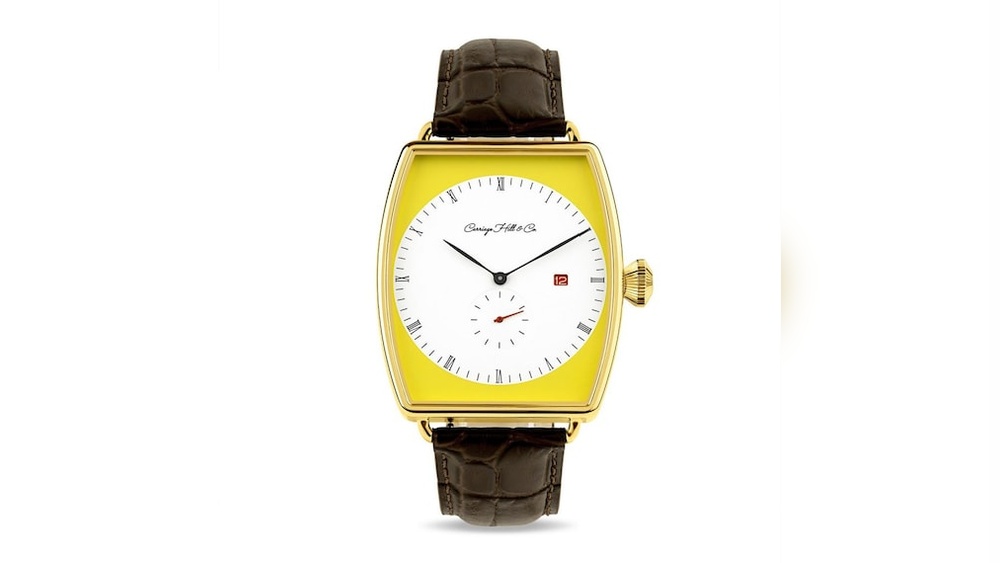
The world of luxury watches is filled with stories of craftsmanship, tradition, and innovation. Among these, the Carriage Hill Handcrafted
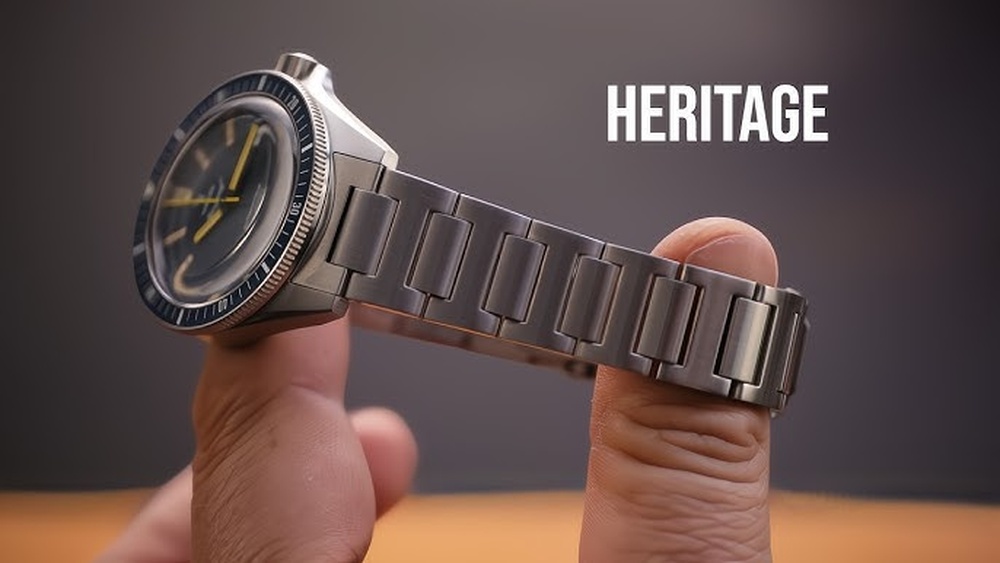
The world of watches is full of stories, tradition, and craftsmanship. For many people, a watch is not just a