
Watches
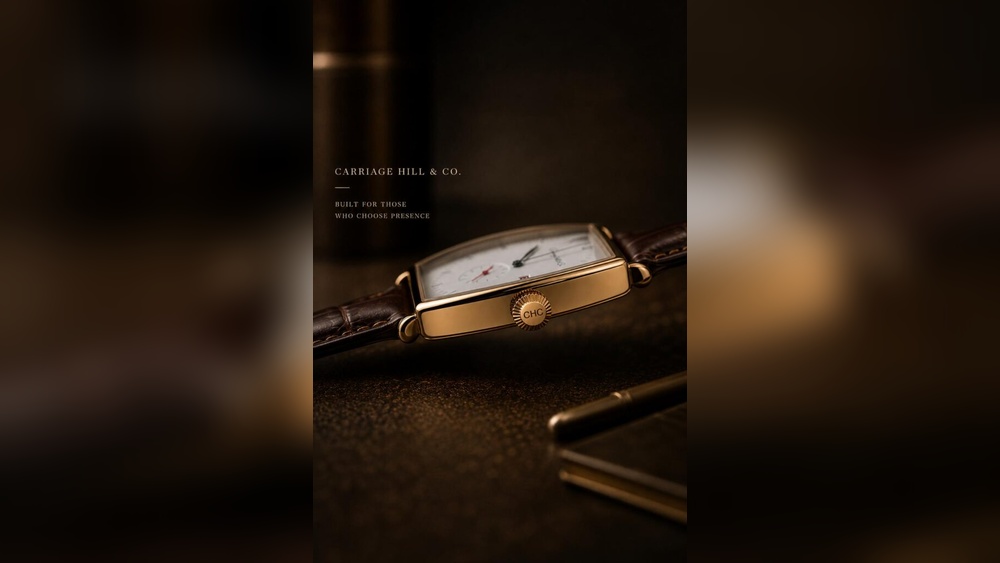
Carriage Hill Traveller Timepiece: Timeless Elegance Unveiled
The story of the Carriage Hill Traveller Timepiece is not just about a watch—it is about the art of travel,
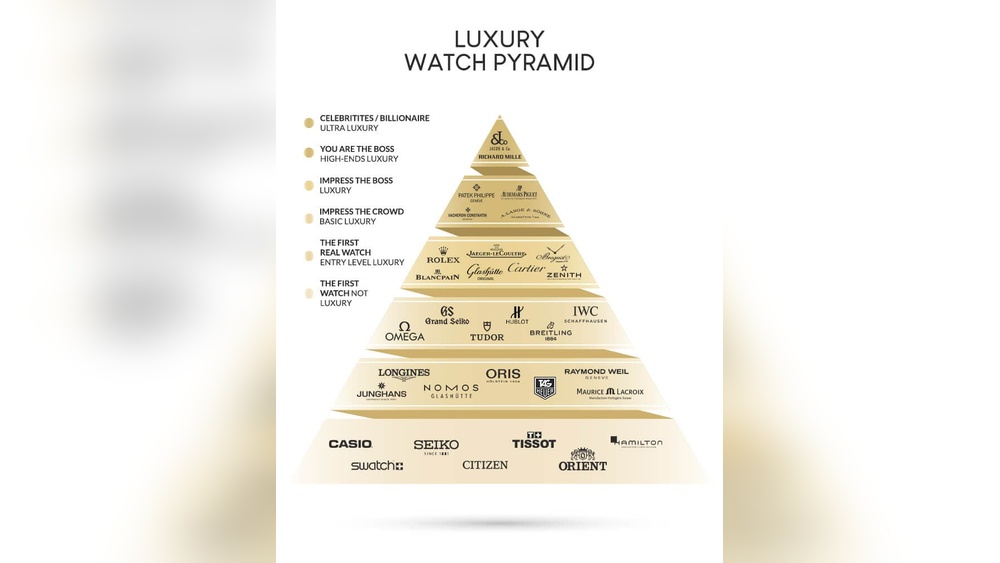
Luxury watches have become more than just timekeepers—they are symbols of prestige, style, and personal taste. Whether you are a collector, a fashion enthusiast, or a newcomer, understanding how to choose, wear, and care for a luxury watch is essential. This ultimate guide will walk you through everything you need to know about luxury watch style, with seven best tips for making the right impression. You will learn how to select a watch that fits your lifestyle, match it with your outfits, and avoid common mistakes. Let’s dive into the world of luxury watches and discover how to wear them with confidence.
—
Luxury watches are crafted with precision, quality materials, and attention to detail. Brands like Rolex, Patek Philippe, Audemars Piguet, and Omega have set standards for excellence in watchmaking. These watches often use Swiss movements, gold or platinum cases, sapphire crystals, and hand-finished elements.
Several factors define a luxury watch:
A luxury watch is also more than the sum of its parts. It is an experience, from the feel of the winding crown to the smooth movement of the hands. When you wear one, you carry a piece of history and engineering on your wrist.
The small details—like the polish on the case or the engraving on the movement—make all the difference.
There are different types of luxury watches, each suited for specific occasions and styles:
Each type serves a unique purpose. Dress watches are designed to slip under a shirt cuff and look discreet, while sports watches offer features like rotating bezels and luminous hands for underwater or outdoor use. GMT watches, popular among business travelers, allow you to keep track of home and destination time zones at a glance.
Complication watches are a favorite among enthusiasts. Complications refer to any function besides telling time, and can range from the practical (date displays, chronographs) to the poetic (moon phase indicators, perpetual calendars that adjust for leap years). These features often increase the value and complexity of the watch.
Here is a comparison of the most recognized luxury watch brands:
| Brand | Founded | Average Price Range | Signature Model |
|---|---|---|---|
| Rolex | 1905 | $5,000–$50,000+ | Submariner |
| Patek Philippe | 1839 | $20,000–$300,000+ | Nautilus |
| Audemars Piguet | 1875 | $25,000–$250,000+ | Royal Oak |
| Omega | 1848 | $4,000–$50,000+ | Speedmaster |
| Cartier | 1847 | $3,000–$100,000+ | Tank |
These brands are known for their quality and status. Choosing a watch from one of these companies gives you assurance of value and reliability.
In addition to these, there are smaller independent brands, like F. P. Journe or A. Lange & Söhne, which focus on limited production and unique movements. These watches are less common but highly respected among collectors.
—
Wearing a luxury watch is not just about owning it. It’s about style, confidence, and making the right choices. Here are the seven best tips for mastering luxury watch style.
The size of your watch matters. A watch that is too big or too small can look awkward. For men, watch case sizes usually range from 36mm to 44mm. Women’s watches are often smaller, from 26mm to 36mm. Consider your wrist size—if you have a thin wrist, choose a watch with a smaller case and less thickness. Larger wrists can carry bigger watches.
It’s important to consider the watch’s lug-to-lug distance, not just the case diameter. The lugs are the “arms” that hold the strap, and if they stick out past your wrist, the watch will look oversized even if the diameter is right.
Measure your wrist with a tape measure. If your wrist is under 6. 5 inches, stick with 36–40mm cases. Over 7 inches, you can go up to 44mm.
Also, pay attention to thickness. A thick sports watch might not fit well under a shirt cuff, which can make it less practical for business attire.
A luxury watch should suit the occasion. Formal events require dress watches with simple faces and leather straps. For casual or sports activities, choose sports watches with metal bracelets or rubber straps.
Wearing the right watch for the occasion shows you pay attention to detail. For example, a gold watch might look out of place at the gym, while a rugged diver’s watch can seem too casual for a black-tie dinner.
Luxury watches come in various metals—gold, rose gold, platinum, stainless steel, and titanium. The strap can be leather, metal, rubber, or fabric.
Match your watch metal to your other accessories. If you wear a gold ring, choose a gold watch. For a modern look, stainless steel is versatile.
Many beginners forget that leather straps need regular care and can wear out faster than metal. Metal bracelets are more durable for daily wear.
Metal choices can also affect comfort. Titanium is lighter and hypoallergenic, good for sensitive skin. Platinum is heavier and feels more substantial, but is also softer and scratches more easily than steel.
For straps, leather is classic but requires conditioning to keep it soft and prevent cracking. Rubber straps are comfortable and waterproof, ideal for sports and swimming. NATO and fabric straps offer a relaxed look and are easy to swap for a quick style change.
Your watch should complement your clothing, not clash with it. For formal suits, opt for classic watches with simple dials. Casual outfits allow for more playful designs and colors.
The color of your watch dial can affect the overall look. Black dials are formal, blue dials are modern, white dials are versatile.
If you’re wearing patterns or bright colors, a simple watch will balance your look. If your outfit is basic or monochrome, a watch with a colorful dial or strap can add interest.
Matching isn’t just about color. Think about the style—an elegant watch with a tuxedo, a rugged chronograph with jeans and sneakers. Small details, like the stitching on a leather strap, can echo the color of your belt or shoes for a more cohesive appearance.
The watch face (dial) is the first thing people notice. Complications like chronographs, date windows, or moon phases add interest, but too many can look busy.
For formal settings, keep complications minimal. For casual or sports, more features are acceptable.
Some watch lovers appreciate open-heart dials or skeleton watches that show the movement inside. These are conversation starters but can be too flashy for conservative environments.
Remember, legibility matters. A clean, easy-to-read dial is always stylish. Sometimes, beginners choose watches with too many dials and hands, which makes them hard to use and less attractive.
Wear your luxury watch on your non-dominant hand (left for most people). The watch should fit snugly, not too tight or loose. The face should sit just above the wrist bone.
Many wear their watches too loose, causing it to slide around. Adjust the strap or bracelet for a perfect fit.
If you’re wearing a shirt with cuffs, your watch should peek out only when you move your wrist—not sit on top of your cuff. For bracelets, make sure the clasp is centered under your wrist for both comfort and looks.
If you wear other jewelry, like bracelets or rings, keep it minimal and let your watch stand out as the main accessory.
Luxury watches are personal. Choose a model that reflects your taste and lifestyle. Don’t just follow trends—find a watch that feels right for you.
If you love classic style, a Rolex Datejust or Cartier Tank is timeless. For bold personalities, the Audemars Piguet Royal Oak or Omega Speedmaster stands out.
Some collectors prefer vintage watches with history and patina, while others like the latest models with cutting-edge technology. Your watch can be a family heirloom, a symbol of achievement, or simply a fun accessory.
—
Pairing a luxury watch with your clothing can elevate your style. Here’s how to do it right.
With formal suits or tuxedos, stick to elegant dress watches. Leather straps are more refined than metal. Simple dials, thin cases, and precious metals like gold or platinum work best.
A watch should never overpower a tuxedo. Some experts even say that at black-tie events, you shouldn’t wear a watch at all, as it can suggest you’re watching the time. However, a slim, classic watch is widely accepted today.
These models are discreet and elegant, designed to complement rather than compete with your clothes.
For business casual, you can wear watches with metal bracelets, subtle complications, and neutral colors. Avoid flashy or oversized watches.
Sports watches in steel, especially those with blue or black dials, work well here. They show personality without drawing too much attention.
These watches can handle both meetings and after-work drinks.
Casual outfits allow more freedom. Sports watches, chronographs, and colorful dials are suitable. Rubber straps and steel bracelets fit well.
Bright colors, NATO straps, and larger cases can add fun to your weekend look. For example, a diver’s watch pairs well with jeans and a t-shirt.
You can also experiment with vintage watches for a relaxed, retro vibe.
Non-obvious tip: The finish of the watch—polished, brushed, matte—should also match the style of your outfit. Polished watches look dressier, while brushed finishes look more rugged.
—
Your lifestyle should guide your luxury watch choice. Consider how and where you plan to wear it.
If you’re often outdoors or play sports, choose a durable watch with water resistance and shock protection.
The Rolex Submariner is water-resistant up to 300 meters, perfect for swimmers and divers.
Other options include the Omega Seamaster or TAG Heuer Aquaracer, which are built for tough conditions. Look for watches with screw-down crowns and robust cases.
GMT watches show multiple time zones, making them ideal for travelers.
The Omega Seamaster GMT lets you track two time zones at once.
Travelers should also consider world-timer watches, which display all 24 time zones at a glance—helpful for global business.
A classic dress watch is perfect for the office or meetings. Choose a model with a thin case, simple dial, and leather strap.
The Patek Philippe Calatrava is elegant and understated.
A watch with a date function can also be practical for busy professionals.
If you like to make a statement, go for watches with unique designs, bold colors, or rare materials.
The Hublot Big Bang uses carbon fiber and ceramic for a modern look.
Limited edition watches, skeleton dials, or pieces with artistic dials (like enamel or gemstone settings) can express creativity and taste.
Below is a comparison of features across different luxury watch types.
| Watch Type | Water Resistance | Best For | Durability |
|---|---|---|---|
| Dress Watch | 30–50m | Formal events | Low |
| Sports Watch | 100–300m | Outdoor, active | High |
| Pilot Watch | 50–100m | Travel, aviation | Medium |
| GMT Watch | 100–300m | Travel | High |
Non-obvious insight: If you switch between environments (office, gym, travel), consider an interchangeable strap system. Some brands allow you to swap leather for rubber or steel in seconds, giving one watch multiple looks.
—
Luxury watches are made to last, but they need proper care. Maintenance keeps your watch running and looking new.
Clean your watch regularly. Use a soft cloth to wipe the case and strap. For metal bracelets, use a toothbrush and mild soap. Avoid harsh chemicals.
For water-resistant watches, you can gently rinse them under water, but always check the water resistance rating and ensure the crown is screwed down first.
For leather, avoid water and use a leather conditioner every few months. Sweat and moisture can damage leather quickly.
Most luxury watches need servicing every 3–5 years. This includes checking the movement, lubricating parts, and resealing for water resistance.
Servicing costs can range from $250 to $1,000 depending on the brand and complexity. Plan for these expenses.
Service should be done by authorized or certified watchmakers to protect your warranty and value. A poor service job can lower the watch’s performance and resale value.
Store your watch in a dry, cool place. A watch box or safe is ideal. Avoid leaving it in direct sunlight or humid environments.
If you have automatic watches, consider a watch winder. This device keeps the movement running when not in use, which is helpful for watches with multiple complications.
Avoid exposing your watch to extreme temperatures or magnetic fields, as these can affect timekeeping. Some luxury watches are anti-magnetic, but most are not.
If your watch is valuable, consider insurance. Theft, loss, or damage can happen. Insurance gives peace of mind.
Keep photos, receipts, and service records in a safe place. This documentation helps with insurance claims or resale.
—
Even experienced collectors make mistakes. Here are pitfalls to watch for:
Don’t wear a sports watch with formal attire or a dress watch to the gym. Match the watch style to the event.
Wearing a gold dress watch to a beach or pool party can also attract unwanted attention and risk.
Leather straps need conditioning and care. Metal bracelets should be cleaned regularly. Neglecting this can lead to early wear.
Changing straps yourself without the right tools can scratch your watch. Visit a professional for strap changes if you’re unsure.
Too many complications (features) can make a watch look busy and hard to read. Stick to what you need.
Watches with too many features can also be more expensive to service and repair. Simpler models are often more reliable.
Loose or tight watches are uncomfortable and look unprofessional. Adjust your strap for the best fit.
A watch that moves around too much can also scratch or damage the case and bracelet.
Research the brand, model, and resale value. Many buyers overlook the importance of buying from authorized dealers or reputable sources.
Buying a watch only for its price or looks, without considering how it fits your lifestyle.
Avoid impulse buying. Take time to learn about warranty, authenticity, and service options before you invest.
Luxury watches are valuable. Not insuring them can lead to loss if something happens.
If you travel often, check if your insurance covers loss or theft abroad.
Failing to service your watch can cause costly damage. Keep a record of service dates.
If you notice changes in accuracy or condensation under the crystal, have the watch checked immediately.
—
Luxury watches can be more than accessories—they can also be investments. Some models appreciate in value over time.
The secondary market for luxury watches is strong, especially for rare or discontinued pieces. Some collectors buy watches only to keep them in a safe, hoping for appreciation.
Here is a comparison of average value increases for top brands over 10 years.
| Brand | Average Value Increase | Popular Model |
|---|---|---|
| Rolex | +120% | Submariner |
| Patek Philippe | +160% | Nautilus |
| Audemars Piguet | +110% | Royal Oak |
| Omega | +90% | Speedmaster |
Watches in mint condition with complete box and papers are worth much more than “watch only” sales. Even a scratched case or missing paperwork can reduce value by 20% or more.
Consider diversifying your collection. Some collectors buy a mix of classic models and riskier, newer releases.
Many beginners assume all luxury watches gain value. In reality, only certain models and brands do. Always check the market before investing.
Also, avoid customizing or modifying your watch if you care about investment value. Originality is key—aftermarket changes can destroy resale value.
—
You now have a complete guide to luxury watch style. Remember these essentials:
Luxury watches are more than accessories—they are statements of taste and personality. With these tips, you can wear your watch confidently and make a lasting impression.
Wearing a luxury watch is a journey. Over time, you may develop your own preferences, learn the stories behind different models, and even pass your watch on to the next generation. The most important thing is to enjoy the experience and let your watch reflect who you are.
—
For beginners, the Rolex Datejust and Omega Seamaster are excellent choices. They offer quality, reliability, and strong resale value. Both are versatile and suit different occasions. Start with a simple model before exploring more complicated watches.
Other good options are the Cartier Tank or TAG Heuer Carrera, which are stylish but not overly expensive. Choose a watch you will actually wear.
Clean your watch with a soft cloth, avoid exposure to water unless it is water-resistant, and service it every 3–5 years. Store it in a dry, secure place. For leather straps, use conditioner to prevent drying. Always follow the manufacturer’s care instructions.
If you have more than one watch, rotate them to reduce wear. If you notice the watch is running fast or slow, have it checked immediately.
Yes, but only certain brands and models appreciate in value. Look for limited editions, popular models, and watches from brands like Rolex and Patek Philippe. Keep all original packaging and documents to maximize resale value. Research the market before buying.
Remember, buying a watch you love is the best investment—personal enjoyment should come first.
Match the metal and strap to your other accessories and clothing colors. Dress watches with leather straps are best for formal wear. Sports watches with metal or rubber straps suit casual outfits. Choose dial colors that complement your clothes.
If you’re unsure, choose a classic watch in steel with a white or black dial. It will match almost anything.
Swiss watches are known for their precision, craftsmanship, and heritage. Brands like Rolex and Patek Philippe are Swiss. Japanese luxury watches, such as Grand Seiko, focus on innovation and reliability. Both offer high quality, but Swiss watches generally have a higher status and price.
Japanese luxury watches often use cutting-edge technology, like Spring Drive movements, and can offer better value for money.
Buy from authorized dealers, official brand boutiques, or reputable online platforms like Chrono24. Avoid unknown sellers or auction sites, as counterfeit watches are common. Always check for authenticity and ask for original papers.
You can also visit watch shows or auctions for rare pieces, but always do your homework.
—
—
—
Luxury watches are not just timepieces—they are works of art, investments, and expressions of personality. With this guide, you are ready to choose, wear, and care for your watch like a true expert. Enjoy the elegance and confidence that comes with the perfect luxury watch.
The story of the Carriage Hill Traveller Timepiece is not just about a watch—it is about the art of travel,
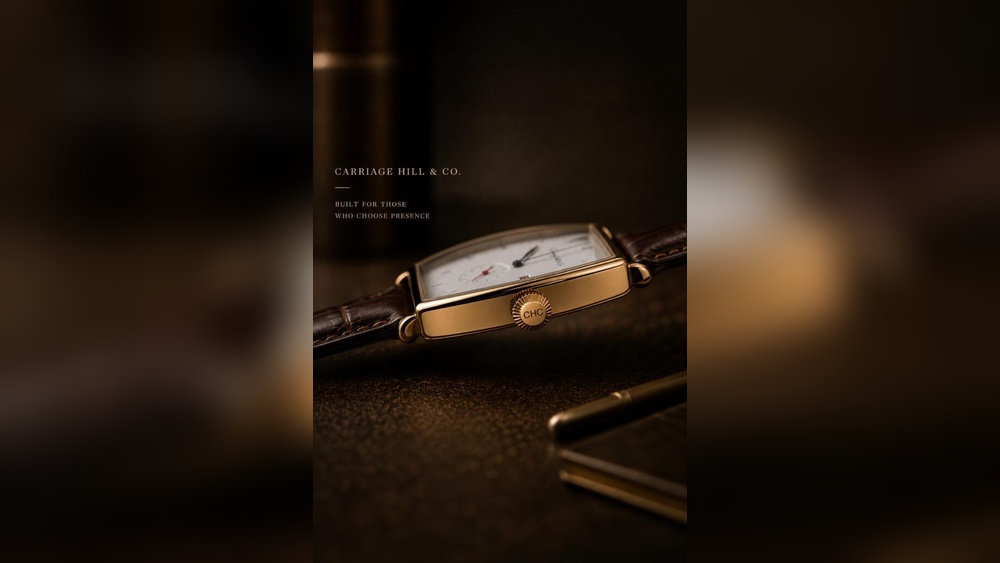
Carriage Hill And Co Watches: A Complete Guide If you search for a watch that blends tradition with modern style,
Carriage Hill Understated Luxury Watch: A Complete Guide A luxury watch is more than just a tool for telling time.
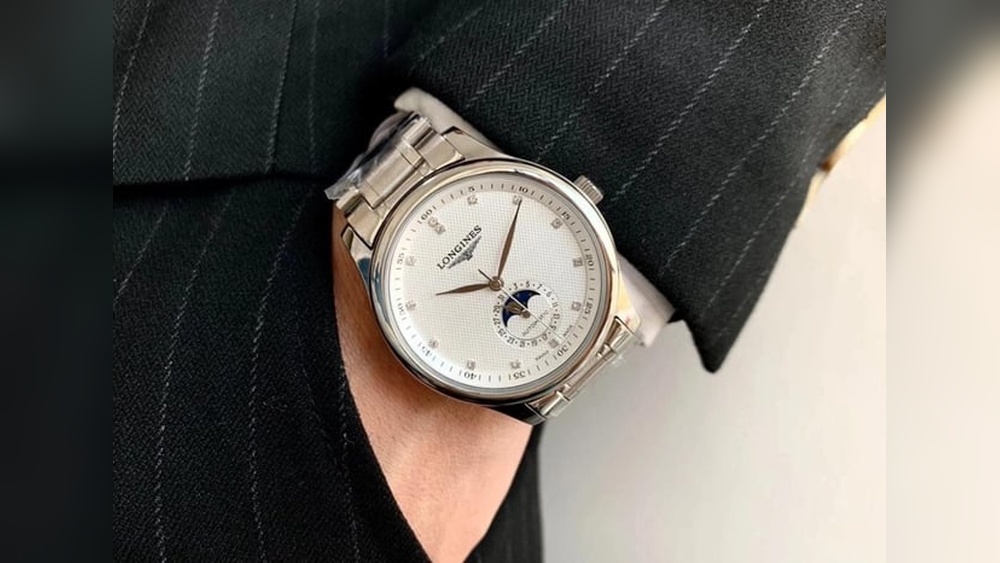
Finding a luxury dress watch under $700 is a rewarding challenge for style-conscious people who want elegance without the high
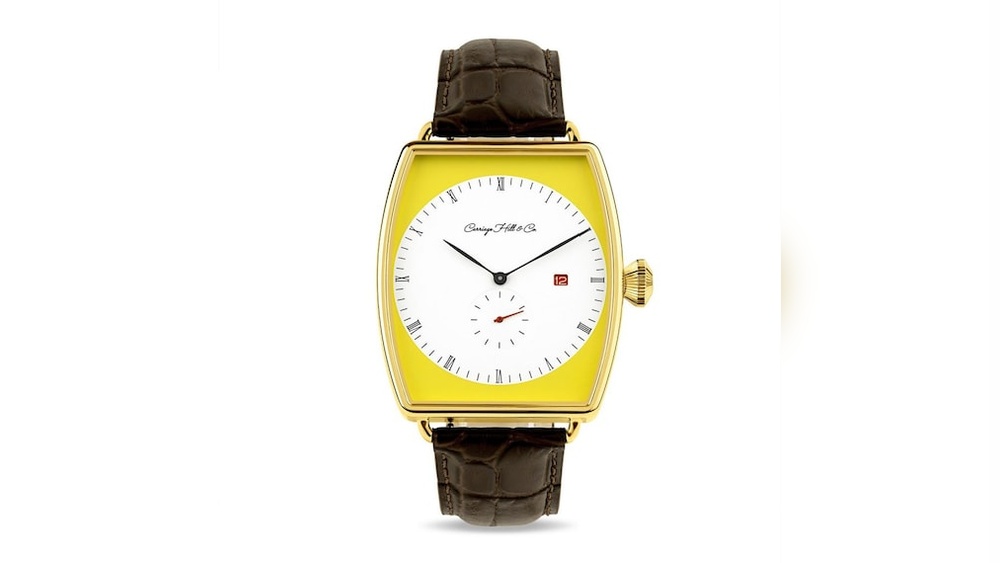
The world of luxury watches is filled with stories of craftsmanship, tradition, and innovation. Among these, the Carriage Hill Handcrafted
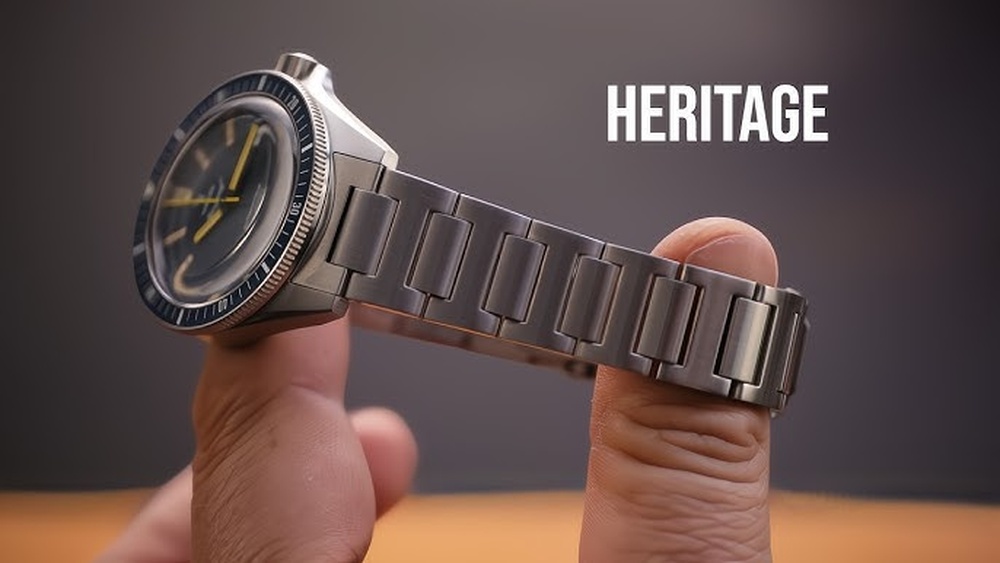
The world of watches is full of stories, tradition, and craftsmanship. For many people, a watch is not just a