
Watches
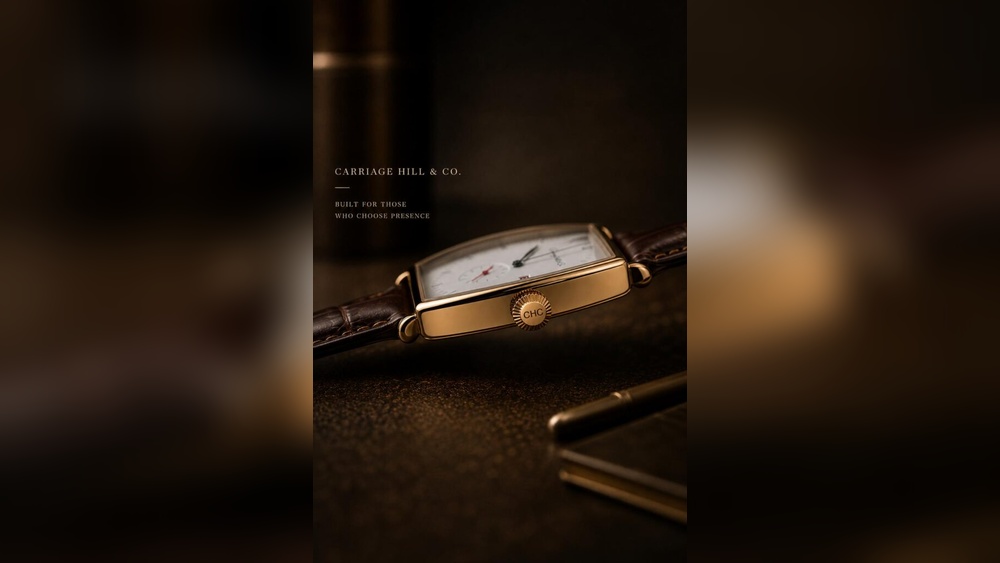
Carriage Hill Traveller Timepiece: Timeless Elegance Unveiled
The story of the Carriage Hill Traveller Timepiece is not just about a watch—it is about the art of travel,
Finding the best luxury watches worth the money can feel impossible. Prices are high, choices are many, and you want to make sure your purchase is smart. This guide solves that problem by showing you the top models, what makes them valuable, and how to choose wisely. Whether you’re looking for a watch that holds its value, has real craftsmanship, or simply looks stunning, you’ll find clear, practical advice here. All recommendations are based on real data, expert reviews, and years of experience with luxury timepieces.
If you’re ready to invest in a watch that impresses and lasts, this article will help you avoid common mistakes and find the perfect match. Let’s explore the world of luxury watches and discover which models are truly worth your money.
—
A luxury watch is more than a tool for telling time. It’s a symbol of quality, heritage, and precision. But what really makes a luxury watch worth its high price?
Craftsmanship: Top brands use skilled watchmakers, hand-assembled parts, and strict quality checks. For example, the Rolex Submariner takes over a year to produce, with hundreds of steps involved. Each step is carefully managed to ensure every tiny part fits perfectly, and the finished watch works smoothly for decades. Some brands even use traditional tools and methods that have been passed down for generations. For instance, Patek Philippe uses hand-polished movements and cases, which can take dozens of hours per piece.
Materials: Luxury watches use materials like 18k gold, platinum, and sapphire crystal. These make the watch durable and beautiful. Cheap watches often use plastic or basic steel. Sapphire crystal is nearly scratch-proof and stays clear for years. Gold and platinum add weight and shine, but also resist tarnishing. High-end brands may use rare metals, like tantalum or titanium, for special editions. Even the leather straps are often made from alligator or calfskin, which wear better and feel softer.
Movement: The movement is the engine inside. High-end models have mechanical or automatic movements (not battery-powered). These are complex, reliable, and sometimes visible through the case back. Mechanical movements are built from hundreds of tiny gears and springs, and must be assembled by hand. Automatic movements wind themselves as you move your wrist. Many luxury watches feature a see-through back, so you can watch the movement in action. This is both beautiful and a sign of quality.
Brand History: The best brands, like Patek Philippe and Audemars Piguet, have been making watches for over a century. Their reputation adds value. For example, Patek Philippe has been family-owned since 1839, and their watches are passed down through generations. Rolex has a history of innovation, including the first waterproof wristwatch. Collectors value brands that have stood the test of time.
Resale Value: Some luxury watches keep or increase their value over time. For example, a Rolex Daytona bought in 2010 for $8,000 now sells for over $30,000. This is because demand is strong, and the supply is limited. Watches with famous owners or special histories can see even bigger price jumps. Even entry-level models from respected brands can hold their value better than regular watches.
Exclusivity: Limited editions and rare models are more expensive because fewer people can own them. For example, the Omega Speedmaster “Snoopy” edition was produced in small numbers and now sells for much more than its original price. Brands often release new models in limited runs, making them highly sought after.
Non-obvious insight: Many beginners miss that service history is important. Watches with clear service records often sell for more, even if used. If you buy a vintage watch, having proof that it was serviced at the right intervals can make it much easier to resell.
Another insight: Not all expensive watches are luxury. Some brands use marketing tricks to appear high-end, but only a few have true value and history. It’s easy to be fooled by flashy advertising, so always research the brand’s background before buying.
Luxury watches combine art, engineering, and tradition. This is why they command high prices—and why they are often worth the money if chosen wisely.
—
The following models are chosen based on expert reviews, resale value, and real-world durability. Each watch has a unique story and reason for being on this list.
The Rolex Submariner is iconic. It’s famous for its water resistance (up to 300 meters), robust stainless steel case, and classic design. This model has a history dating back to 1953. It often keeps its value or grows over time.
The Submariner is not just a tool for divers—many people wear it as a daily watch because of its style and comfort. It is easy to match with both casual and formal clothes. The ceramic bezel is scratch-resistant, and the bracelet is strong and comfortable.
The Submariner is also simple to service, with many trained watchmakers worldwide.
Example: A Submariner bought in 2015 for $7,500 can now sell for about $11,000. Even older models from the 1980s and 1990s often sell for more than their original price, making this a safe choice for value retention.
Known as the Moonwatch, the Omega Speedmaster was worn by astronauts during Apollo missions. Its chronograph function and manual-wind movement are legendary.
The Speedmaster is unique because it has passed NASA’s strict tests for space travel. This watch is reliable, even in extreme conditions. Its chronograph can measure elapsed time, which is useful for sports and daily life. The design is classic, with a black dial and white hands.
Non-obvious insight: Vintage Speedmasters from the 1960s are highly collectible and can sell for over $20,000. Even modern Speedmasters often see gradual price increases.
The Nautilus is a luxury sports watch with a unique case shape. Designed by Gerald Genta, it’s a favorite among collectors. Its rarity keeps prices high.
The Nautilus is known for its “porthole” design and horizontal dial lines. It is thin, comfortable, and looks good in both business and casual settings. The finishing is exceptional, with polished and brushed surfaces. Because Patek Philippe makes few Nautilus models each year, demand far exceeds supply.
Example: The 5711/1A model often sells for double its retail price. Even older Nautilus watches from the 1980s and 1990s are now highly valuable.
The Royal Oak changed the industry with its steel case and octagonal bezel. It’s both sporty and elegant, suitable for many occasions.
The Royal Oak has a unique “tapisserie” pattern on its dial, which is hand-cut. The bracelet is integrated, giving a comfortable and stylish fit. It was the first luxury watch made in steel instead of gold, which changed the market forever.
Tip: Look for early Royal Oak models; they often appreciate in value. Special editions and limited runs can see high price growth.
The Reverso is famous for its flip-over case. Originally designed for polo players, it combines art deco style with practical features.
The Reverso is easy to recognize thanks to its rectangular shape. You can flip the case to protect the dial, which is useful for sports. Many Reverso models feature a second dial or custom engravings.
Non-obvious insight: Reverso watches can be personalized with engravings, making them popular as gifts. Some collectors add family crests or initials.
The Cartier Santos is one of the first wristwatches ever made. It blends elegant design with sturdy construction.
The Santos has a history dating back to 1904, when Cartier designed it for aviator Alberto Santos-Dumont. Its square dial and bold screws make it stand out. The bracelet is comfortable and easy to adjust.
Example: Early Santos models are often found in vintage auctions, sometimes above $20,000. Even newer models hold value because of their classic design.
Grand Seiko is famous for precision and finishing. The Spring Drive uses a unique movement combining mechanical and quartz technology, giving perfect accuracy.
Grand Seiko watches are hand-finished, with polished cases and detailed dials. The Spring Drive movement is unique—it uses a quartz regulator for accuracy but is powered by a mechanical spring. The second hand moves smoothly, not ticking like most watches.
Tip: Grand Seiko’s finishing rivals Swiss brands, but prices are often lower. If you value accuracy and craftsmanship, this is a top choice.
These seven watches are chosen for their proven track record, beauty, and long-term value. Each one offers something special, whether it’s history, technology, or design.
—
Luxury watches are not just about price. The features, materials, and technology are often much better than regular watches.
Here’s a simple comparison of key features:
| Feature | Luxury Watches | Regular Watches |
|---|---|---|
| Movement | Mechanical/Automatic | Quartz (battery) |
| Materials | Gold, platinum, sapphire | Steel, plastic, mineral glass |
| Craftsmanship | Hand-assembled | Mass-produced |
| Value Retention | Often increases | Decreases quickly |
| Warranty | 5–10 years | 1–2 years |
Movement: Mechanical and automatic movements are built from hundreds of tiny parts. These movements are designed to last for decades, and many can be serviced and repaired easily. In contrast, quartz movements use a battery and simple electronics. If a quartz watch breaks, it is often cheaper to replace than repair.
Materials: Luxury watches use materials that resist scratches and aging. Sapphire crystal is almost impossible to scratch, while gold and platinum keep their shine for years. Many regular watches use mineral glass, which can scratch and crack easily. The difference in materials affects both look and durability.
Craftsmanship: Luxury watches are often made in small batches. Each watchmaker may spend hours or days assembling one piece. Regular watches are made by machines, sometimes hundreds per hour. This affects quality control—luxury watches are checked carefully, while regular watches may have defects that slip through.
Value Retention: Luxury watches can be sold after years for a good price. Some even increase in value as they become rare or desirable. Regular watches lose value quickly, sometimes as soon as you leave the store.
Warranty: Luxury brands offer longer warranties, showing confidence in their products. Some brands even offer lifetime servicing, while regular watches may only be covered for a year.
Non-obvious insight: Luxury watches can be serviced and repaired for decades. Cheap watches are often thrown away if broken. With luxury watches, you can keep the same piece for a lifetime, passing it down to your children.
Another point: Luxury watches often have unique features, like moon phase displays, world time, or perpetual calendars, which are rare in regular watches.
—
One reason people buy luxury watches is their ability to hold value or even appreciate. But not every watch performs the same.
Resale Value: Rolex, Patek Philippe, and Audemars Piguet are known for high resale. For example, Rolex watches increased an average of 7% per year from 2011 to 2021 (source: Chrono24 data). This is because these brands limit production and maintain strong demand.
Limited Editions: Watches made in small numbers, like the Omega Speedmaster “Snoopy,” often see their prices rise. Limited editions attract collectors, who are willing to pay more for rare pieces. Some limited editions even sell out before they reach stores.
Condition: Watches in mint condition, with original box and papers, sell for much more. Collectors value complete sets, which show the watch was cared for. Even a small scratch can reduce value, so always store your watch carefully.
Market Trends: The market is global. Demand from Asia, Europe, and the US changes prices. For example, Grand Seiko is now popular in the West, leading to higher prices. Economic changes, celebrity endorsements, and new models can all affect values.
Service Records: Watches with documented service history fetch higher prices, especially for vintage models. If you have a luxury watch, keep all receipts and records. This shows buyers that the watch was maintained properly.
Investment Table: Here’s a real-world look at how values change over time:
| Model | Year Bought | Price Paid | Current Value | % Change |
|---|---|---|---|---|
| Rolex Submariner | 2015 | $7,500 | $11,000 | +47% |
| Patek Philippe Nautilus | 2016 | $28,000 | $60,000 | +114% |
| Omega Speedmaster | 2018 | $6,500 | $7,800 | +20% |
| Grand Seiko Spring Drive | 2017 | $5,500 | $6,300 | +15% |
Non-obvious insight: Investment returns are not guaranteed. Fashion trends and economic changes can affect prices. For example, if a brand releases too many new models, older models may lose value. Or, if interest in mechanical watches drops, prices can fall.
Another insight: Some watches may take years to appreciate. If you need quick returns, watches are not the best investment. Watches are best for long-term holding, not short-term speculation.
For those wanting more data, visit the Chrono24 Market Report.
If you’re looking for investment, focus on watches from brands with stable histories and limited production. Avoid brands that change styles often, as their watches can lose value quickly.
—
Choosing a luxury watch involves more than picking a famous brand. Here’s how to get the best value:
Non-obvious insight: Many beginners ignore the importance of after-sales service. A good warranty and easy access to repair centers can save money and stress later. Check if your city has authorized service centers for your chosen brand.
Another insight: Don’t follow trends blindly. Choose a watch you personally enjoy; it will always feel valuable. Trends change, but personal taste lasts.
You can also consider the following factors:
If you’re unsure, ask store staff or join online forums. Many collectors share advice and reviews.
—
Luxury watches are a big investment. Avoid these mistakes:
Tip: Use online forums and review sites to check real user experiences. Read about common problems and how brands handle repairs.
Other common mistakes:
For more insights, visit Hodinkee’s Guide.
—
The Rolex Submariner and Patek Philippe Nautilus are top choices. They often keep or increase their value, even after years of use. The Submariner is known for its strong resale market and popularity worldwide. The Nautilus is rare, making it a favorite for collectors.
Check for original box and papers, buy from authorized dealers, and examine the movement and engravings. Genuine watches have precise markings and smooth movement. You can also use online databases to check serial numbers. Some brands offer authentication services if you are unsure.
Some luxury watches, especially from brands like Rolex and Patek Philippe, can be a good investment. However, the market changes, and not all models will appreciate. Buy watches you enjoy wearing, not just for profit. Remember, returns can take years.
Mechanical watches use gears and springs, often hand-assembled. Quartz watches use batteries and electronic parts. Mechanical watches are valued for craftsmanship, while quartz watches are cheaper and more accurate for daily use. Many luxury watches are mechanical, but some brands offer high-end quartz models.
Most mechanical watches should be serviced every 5–7 years. Regular service keeps the movement running smoothly and maintains value. Ask your dealer about recommended intervals and costs. Neglecting service can lead to expensive repairs.
—
—
Buying a luxury watch is a personal journey. The models listed here are proven to be worth the money for their quality, history, and value retention. Take time to research, choose wisely, and enjoy your new timepiece. A luxury watch is not just an accessory; it’s a statement and a lasting investment.
If you treat your watch well, it will serve you for decades—and may even become a family heirloom. Remember, the best luxury watch is one that fits your style, your needs, and your values.
The story of the Carriage Hill Traveller Timepiece is not just about a watch—it is about the art of travel,
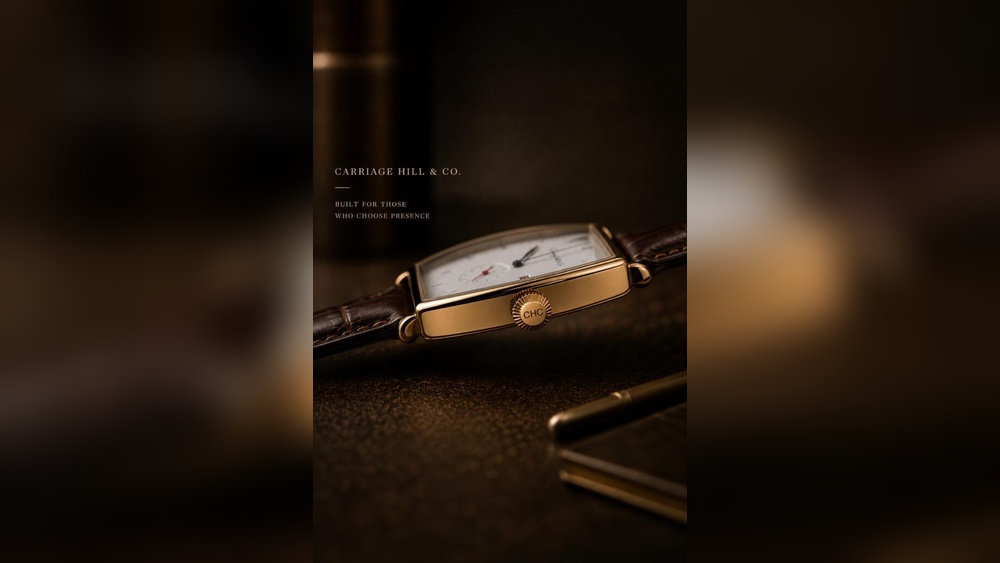
Carriage Hill And Co Watches: A Complete Guide If you search for a watch that blends tradition with modern style,
Carriage Hill Understated Luxury Watch: A Complete Guide A luxury watch is more than just a tool for telling time.
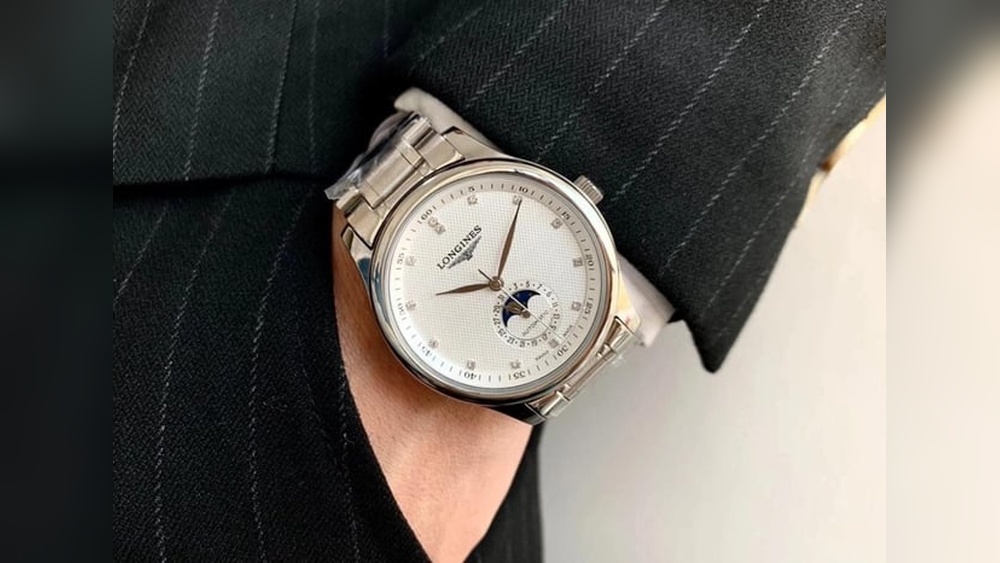
Finding a luxury dress watch under $700 is a rewarding challenge for style-conscious people who want elegance without the high
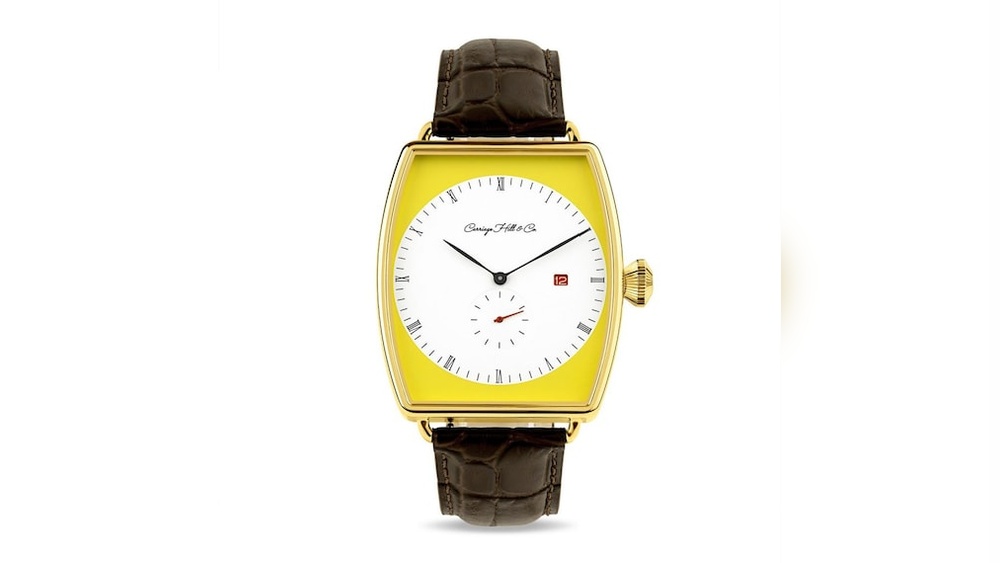
The world of luxury watches is filled with stories of craftsmanship, tradition, and innovation. Among these, the Carriage Hill Handcrafted
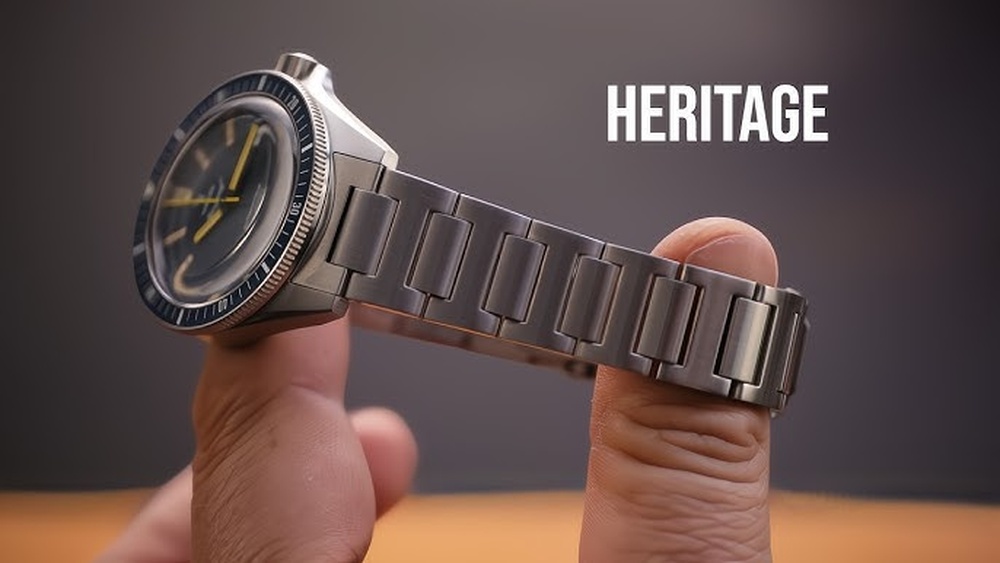
The world of watches is full of stories, tradition, and craftsmanship. For many people, a watch is not just a