
Watches
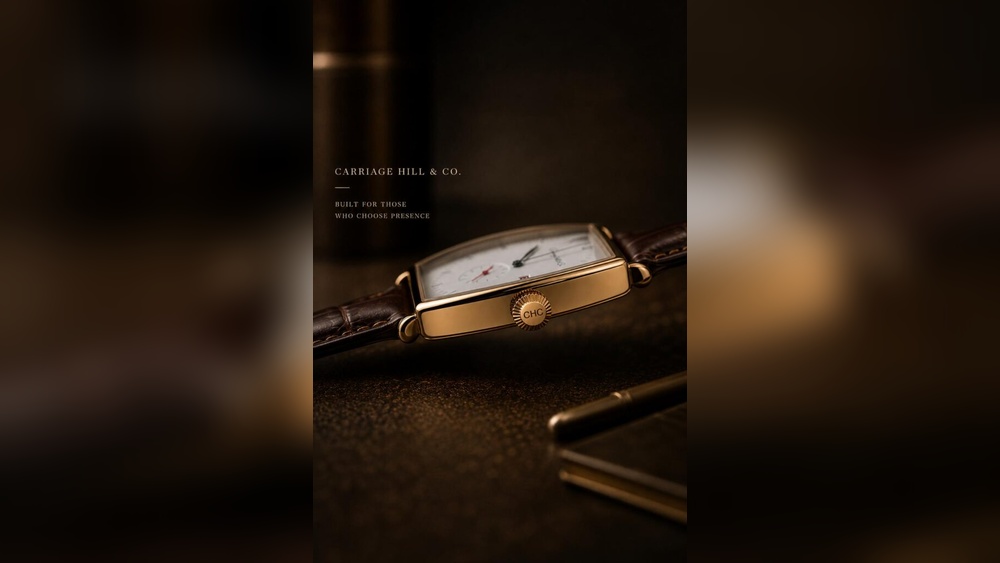
Carriage Hill Traveller Timepiece: Timeless Elegance Unveiled
The story of the Carriage Hill Traveller Timepiece is not just about a watch—it is about the art of travel,
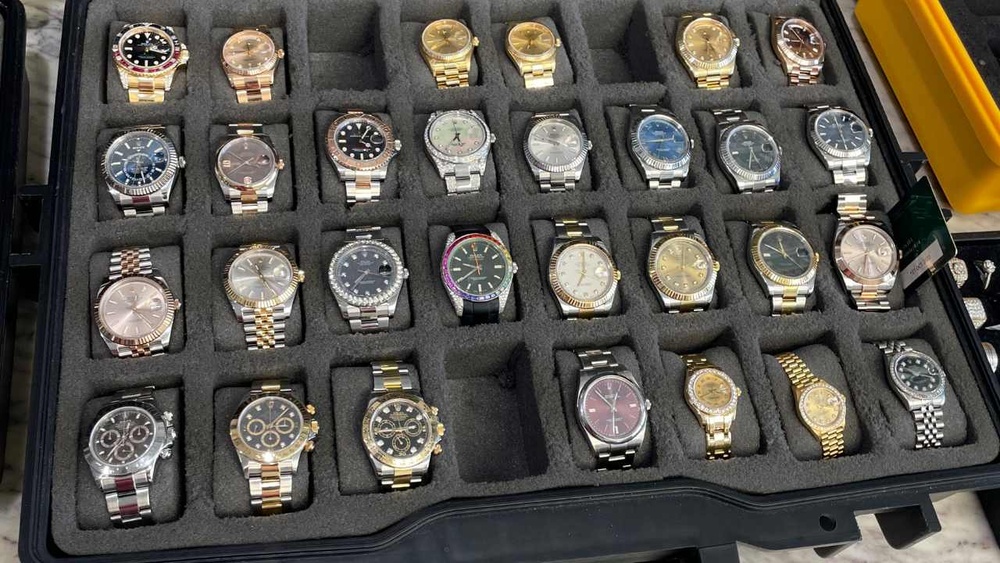
The world of men’s luxury watches is more than just about telling time. It’s a blend of history, craftsmanship, style, and personal expression. For some, a luxury watch is a status symbol; for others, it’s an investment or a family heirloom. The appeal stretches across generations and cultures, creating a global community of collectors and enthusiasts. Whether you’re considering your first luxury timepiece or expanding your collection, understanding the ins and outs of men’s luxury watches can help you make a smart, confident choice.
Luxury watches are crafted with care and attention to detail. Brands use high-quality materials, innovative technologies, and traditional techniques to produce timepieces that can last a lifetime. But with so many options, features, and price points, choosing the right watch can be overwhelming.
This article will guide you through the essentials, help you compare top brands, explain watch movements, and offer practical tips. You’ll also find answers to common questions and discover insights that many beginners miss.
A luxury watch stands out for its quality, design, and reputation. But what really sets it apart? Let’s look at the main factors:
Luxury watches use premium materials:
Some brands even add diamonds, mother-of-pearl, or rare woods for special editions.
Hand-assembly, polishing, and intricate details are key. Master watchmakers often spend months or even years perfecting a single timepiece. Finishing touches like hand-painted dials, engraved cases, and decorated movements show the maker’s skill.
The movement is the heart of a watch. Luxury watches use:
Mechanical watches, especially with complications like chronographs or perpetual calendars, are prized for their complexity.
Luxury brands have a long history, sometimes over a century. Their reputation comes from consistent quality, innovation, and iconic designs. Names like Rolex, Patek Philippe, and Omega are recognized worldwide.
Some watches are made in limited editions or with rare materials, making them hard to find. This exclusivity adds value and appeal for collectors.
Luxury watches often cost thousands—or even millions—of dollars. The price reflects the materials, craftsmanship, and brand prestige.
Luxury watches come in several styles. Each fits different occasions and tastes.
Dress watches are simple, elegant, and slim. They usually have a clean dial, leather strap, and classic look. Perfect for formal events and business settings.
Sports watches are robust, often water-resistant, and have extra features like chronographs or rotating bezels. They suit active lifestyles and outdoor use.
Diving watches are designed for underwater use. They’re water-resistant to great depths, have luminous markers, and sturdy cases. They’re popular even with non-divers for their bold look.
Pilot watches feature large, easy-to-read dials, extra time zones, and sometimes slide rule bezels. They were originally made for aviators but are now worn by many.
Racing watches include chronograph functions and tachymeter scales to measure speed. They often have sporty designs and vibrant colors.
Complication watches include extra functions beyond telling time—like moon phases, perpetual calendars, or minute repeaters. These are highly prized by collectors.
Some brands are at the center of the luxury watch world. Here are the names you need to know:
Rolex is the most famous luxury watch brand. Known for robust, reliable watches like the Submariner, Daytona, and Datejust. Their watches hold value well and are recognized everywhere.
Patek Philippe is known for technical mastery and elegant designs. Models like the Nautilus and Calatrava are collector favorites. Their watches often become family heirlooms.
Audemars Piguet stands out for its innovative designs, especially the Royal Oak. Their watches mix sporty and elegant styles.
Omega is famous for the Speedmaster (the first watch on the moon) and the Seamaster (worn by James Bond). They combine history and modern technology.
Jaeger-LeCoultre is respected for its in-house movements and complicated watches. The Reverso is their iconic model.
Cartier blends jewelry and watchmaking. Models like the Tank and Santos are stylish and timeless.
TAG Heuer is known for racing watches and chronographs. The Carrera and Monaco are their signature pieces.
IWC Schaffhausen makes durable pilot and diving watches. The Big Pilot and Portugieser are popular choices.
Panerai watches are bold, with large cases and clear dials. Originally made for Italian Navy divers.
Vacheron Constantin is one of the oldest brands. Their watches are refined and often include complex movements.
Here’s a quick comparison of major luxury watch brands based on price, heritage, and typical features.
| Brand | Founded | Price Range (USD) | Iconic Models | Key Features |
|---|---|---|---|---|
| Rolex | 1905 | $5,000–$100,000+ | Submariner, Daytona | Durability, resale value |
| Patek Philippe | 1839 | $20,000–$1,000,000+ | Nautilus, Calatrava | Complications, heritage |
| Audemars Piguet | 1875 | $15,000–$500,000+ | Royal Oak | Innovative design |
| Omega | 1848 | $3,000–$60,000+ | Speedmaster, Seamaster | Space, movie history |
The movement is the engine of a watch. There are three main types:
You wind these watches by hand. Mechanical movements are loved for their tradition and complexity. Many luxury brands use manual winding for special models.
Automatic watches wind themselves using a rotor that moves with your wrist. They combine tradition with convenience. Most luxury watches are automatic.
Quartz movements use a battery and a tiny crystal for accuracy. They are less expensive to make but are still found in some luxury models. Quartz watches are low maintenance and keep time very well.
Here’s how the main movement types stack up:
| Movement Type | Accuracy | Maintenance | Tradition | Price |
|---|---|---|---|---|
| Manual Mechanical | Medium | High | Strong | High |
| Automatic Mechanical | Medium | Medium | Strong | Medium–High |
| Quartz | High | Low | Low | Low–Medium |
Luxury watches often come with extra features, known as complications. These add functionality and value.
A chronograph is a stopwatch function. It’s useful for timing events and adds visual interest.
Many watches show the date. Some luxury models feature perpetual calendars that adjust for leap years.
A moon phase complication shows the current phase of the moon. It’s decorative and sometimes used for astronomy fans.
A GMT or dual-time function lets you track two time zones. It’s great for travelers.
This feature shows how much longer the watch will run before it needs winding.
A minute repeater chimes the time on demand. It’s a rare, complex feature found in high-end models.
Luxury watches often offer water resistance. Dive watches can reach depths of 300 meters or more.
Materials affect both look and durability. Here are the main ones:
Stainless steel is tough, corrosion-resistant, and affordable. Many sports and dress watches use it.
Gold (yellow, white, or rose) adds elegance and value. It’s softer, so scratches can occur.
Titanium is lightweight and strong. It’s used in sports watches and for those who want a modern look.
Platinum is rare, heavy, and very expensive. It’s used in exclusive models.
Sapphire crystal is highly scratch-resistant. Most luxury watches use it for the watch face.
Ceramic is modern, light, and scratch-proof. It’s used in bezels and cases for a sleek look.
High-end watches often use alligator or ostrich leather for straps.
Choosing a luxury watch is personal. Here’s what to consider:
Are you buying for daily wear, special occasions, or collecting? Dress watches suit formal events; sports watches fit active lifestyles.
Luxury watches range from a few thousand to millions of dollars. Set a realistic budget and stick to it.
Some buyers value brand heritage or design. Research top brands and their history.
Decide which complications matter to you. Do you need a chronograph, GMT, or water resistance?
Think about dial color, case shape, and strap material. Choose a style that fits your personality and wardrobe.
Watch sizes vary. Try on different models to see what fits your wrist comfortably.
Some watches hold value or even increase over time. Brands like Rolex and Patek Philippe are known for strong resale.
Buying from an authorized dealer guarantees authenticity and warranty. Prices are fixed, but you get peace of mind.
Brand boutiques offer exclusive models and personalized service. They’re good for a special experience.
Reputable online retailers can offer competitive prices and wide selection. Always check reviews and return policies.
Used luxury watches can be good value. Look for trusted sellers and check for servicing history and authenticity.
Auction houses like Christie’s or Sotheby’s sell rare models. Research before bidding and understand buyer’s premiums.
Luxury watches are sometimes seen as investments. Here’s what matters:
Brands like Rolex, Patek Philippe, and Audemars Piguet hold value well. Limited editions and iconic models are most likely to appreciate.
Rare models, discontinued editions, and watches with unique features are more valuable.
Original boxes, papers, and service history help keep value high.
Watch prices can fluctuate with trends and demand. Stay informed through collector forums and industry news.
| Brand | Typical Value Retention | Most Collectible Models |
|---|---|---|
| Rolex | High | Submariner, Daytona |
| Patek Philippe | Very High | Nautilus, Grand Complications |
| Audemars Piguet | High | Royal Oak |
| Omega | Medium–High | Speedmaster |
Proper care keeps your luxury watch looking and working well.
Wipe your watch with a soft cloth. Use mild soap and water for metal bands. Avoid harsh chemicals.
Mechanical watches need servicing every 3–5 years. This keeps the movement running smoothly.
Store watches in a box or safe. Keep them away from magnets and moisture.
Insure valuable watches against theft or loss. Keep photos and purchase documents.
Avoid wearing your watch during heavy sports or activities unless it’s a sports model. Be careful with water exposure.
Luxury watches have deep cultural meaning. They mark achievements, reflect personality, and connect generations.
A luxury watch signals success and taste. Celebrities, athletes, and leaders often wear iconic models.
Many families pass watches down as treasured heirlooms. The story and history add emotional value.
Collectors share knowledge, trade watches, and attend events. Forums and clubs help build friendships.
Luxury watch brands sponsor golf tournaments, racing events, and art shows. This builds their image and connects with fans.
The world of luxury watches evolves with fashion and technology.
Older models and vintage-inspired designs are back in demand. Many brands reissue classic styles.
Some luxury brands add smart functions—like fitness tracking or notifications—while keeping traditional design.
Eco-friendly materials and ethical sourcing are becoming important. Brands like Panerai use recycled steel and leather.
Buyers can now personalize dials, straps, and engravings. This makes each watch unique.
Collectors use social media and forums to share, buy, and sell watches. This widens the market and speeds up trends.
Luxury watches are popular gifts for special occasions.
A watch marks a milestone and lasts for years.
Many grooms get a luxury watch as a wedding gift or buy one for their wedding day.
A watch can celebrate decades of hard work.
Luxury watches are a sign of lasting commitment.
Counterfeit watches are common. Here’s how to protect yourself:
Fake watches use low-quality materials. Real luxury watches feel solid and have flawless finishing.
Counterfeit watches often use quartz movements when the real model is mechanical.
Logos and fonts on fakes may be off. Compare with official images.
Luxury watches have unique serial numbers. Check with the brand or dealer.
If the price is too low, it’s likely a fake.
Always buy from authorized dealers or reputable sellers.
Luxury watches have played key roles in history.
Worn by James Bond and explorers. It’s famous for its durability.
The first watch worn on the moon during the Apollo 11 mission.
Owned by royalty and sold at record-breaking auctions.
Changed watch design with its bold, sporty look.
Originally made for polo players, it’s now a style icon.
The process combines art and science.
Brands sketch and model new designs. They choose materials, colors, and features.
Watchmakers assemble hundreds of tiny parts. Each movement is tested for accuracy.
Cases are polished by hand. Dials are painted, engraved, or set with jewels.
All parts are put together. Watches are tested for water resistance and durability.
Every watch is checked for flaws. Only perfect watches are sold.
Straps are attached, and watches are boxed with certificates.
The secondary market includes used and vintage watches. Many collectors prefer it for rare models and good deals.
Social media has changed the watch world.
Collectors and brands showcase watches, share reviews, and discuss trends.
Watch experts review models and explain features.
Sites like Watchuseek and Rolex Forums help buyers learn and connect.
Some rare models sell out in minutes after appearing online. Social media can affect prices and trends quickly.
Luxury watches have evolved over centuries.
Rolex is a top choice for beginners. Their watches are durable, easy to use, and hold value well. Models like the Rolex Oyster Perpetual or Datejust are classic and versatile.
Most mechanical watches need servicing every 3–5 years. Quartz watches need battery changes but less frequent servicing. Regular care helps keep your watch running smoothly.
Some luxury watches, especially from Rolex, Patek Philippe, and Audemars Piguet, hold or increase value. Always buy models with strong demand, good service history, and original paperwork. For more on investment potential, see Christie’s.
Check materials, movement, branding, and serial numbers. Buy from authorized dealers or trusted platforms. Compare details with official images and ask for original documents.
Automatic watches wind themselves as you wear them. Manual watches need to be wound by hand. Both are mechanical, but automatics are more convenient for daily use.
A luxury watch is more than a tool—it’s a piece of history, art, and technology. Whether you want a status symbol, a collector’s item, or a reliable timekeeper, the right watch can last a lifetime and beyond. With careful research, smart buying, and proper care, your luxury timepiece will be a rewarding investment and a source of pride.
As the world of men’s luxury watches continues to grow and change, there’s always more to discover and enjoy.
The story of the Carriage Hill Traveller Timepiece is not just about a watch—it is about the art of travel,
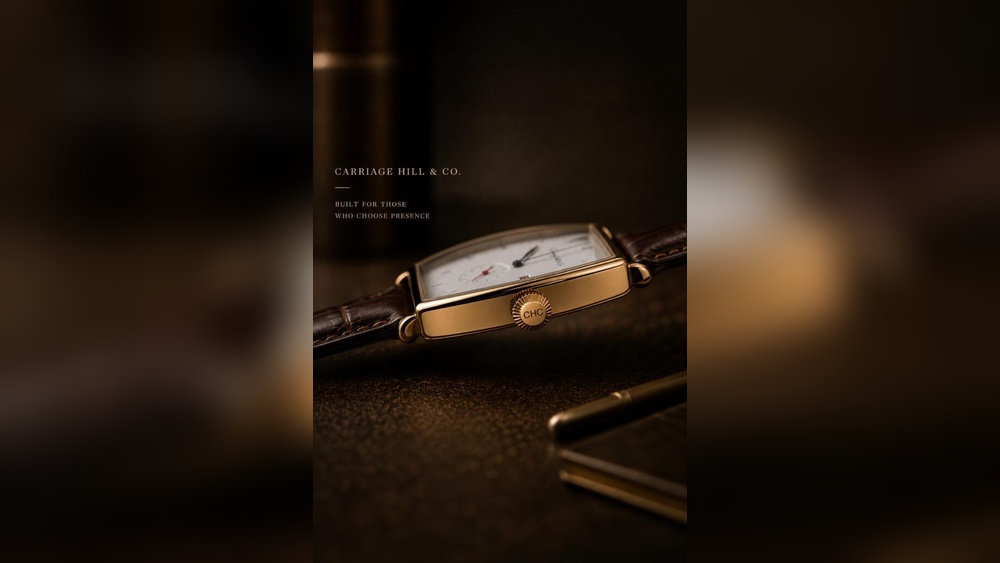
Carriage Hill And Co Watches: A Complete Guide If you search for a watch that blends tradition with modern style,
Carriage Hill Understated Luxury Watch: A Complete Guide A luxury watch is more than just a tool for telling time.
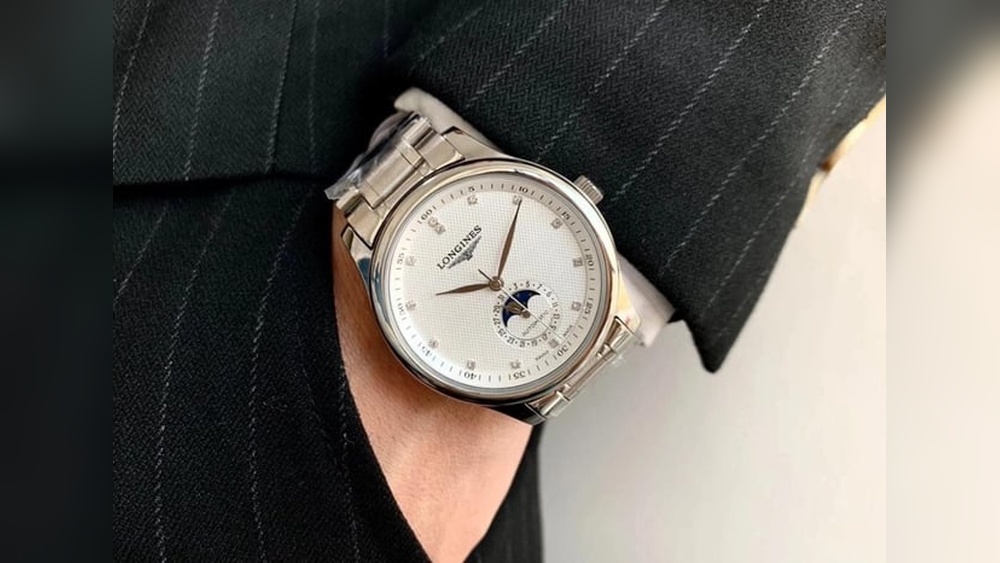
Finding a luxury dress watch under $700 is a rewarding challenge for style-conscious people who want elegance without the high
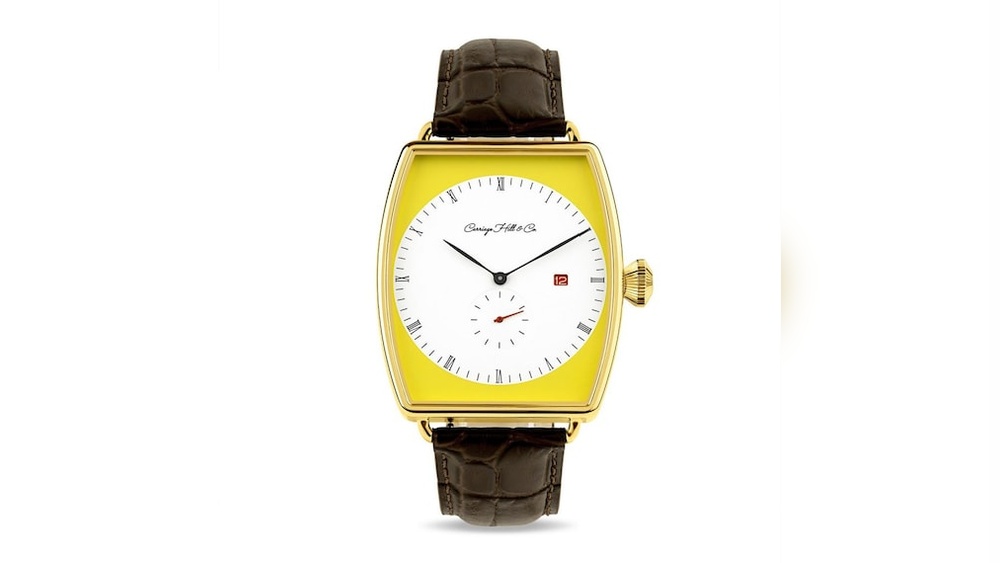
The world of luxury watches is filled with stories of craftsmanship, tradition, and innovation. Among these, the Carriage Hill Handcrafted
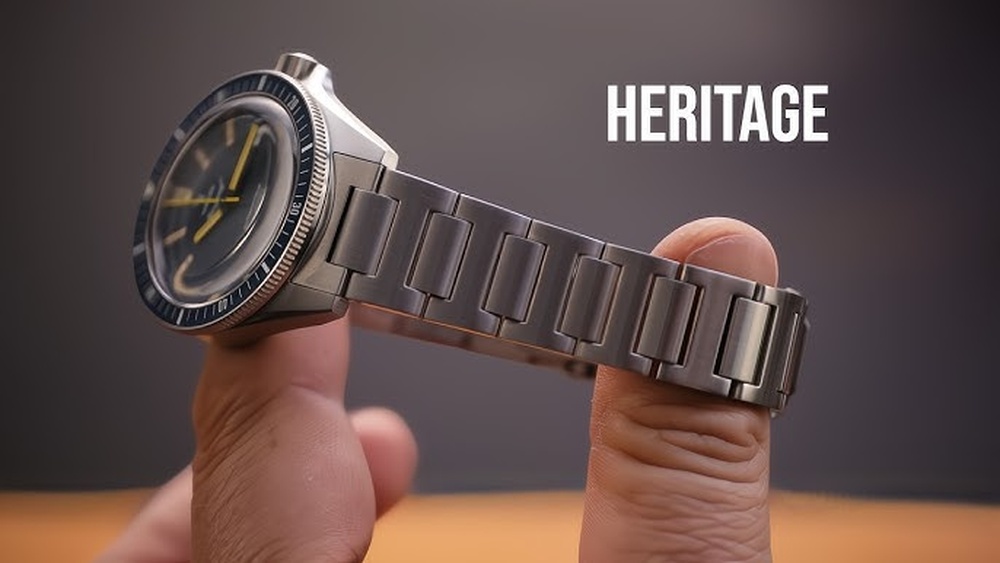
The world of watches is full of stories, tradition, and craftsmanship. For many people, a watch is not just a