Watches
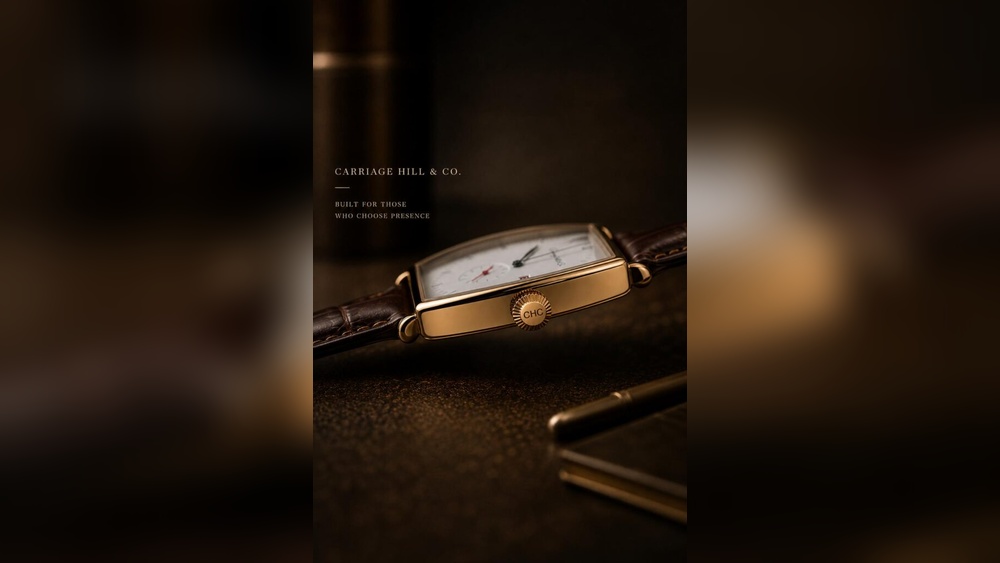
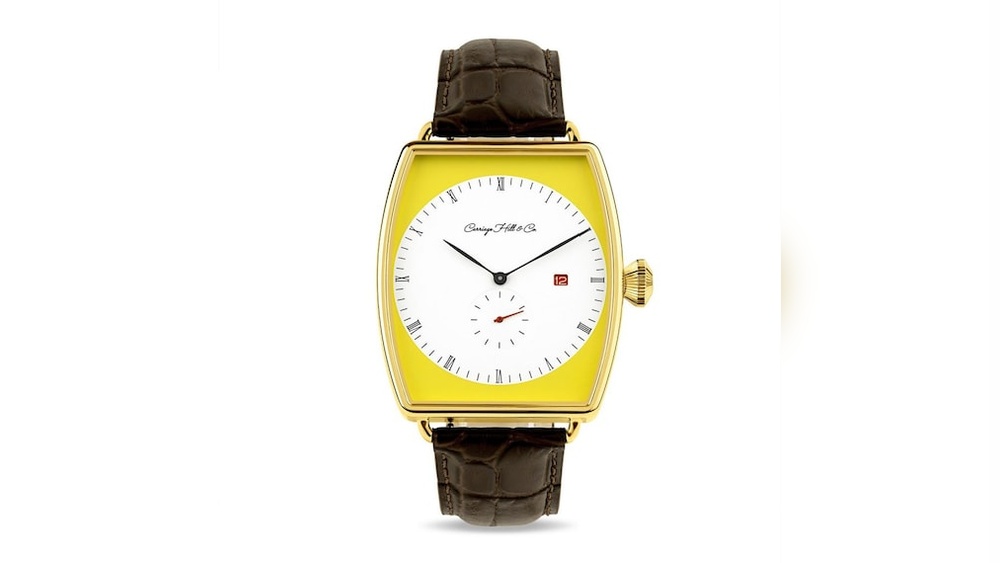
Carriage Hill Traveller Timepiece: Timeless Elegance Unveiled
The story of the Carriage Hill Traveller Timepiece is not just about a watch—it is about the art of travel,
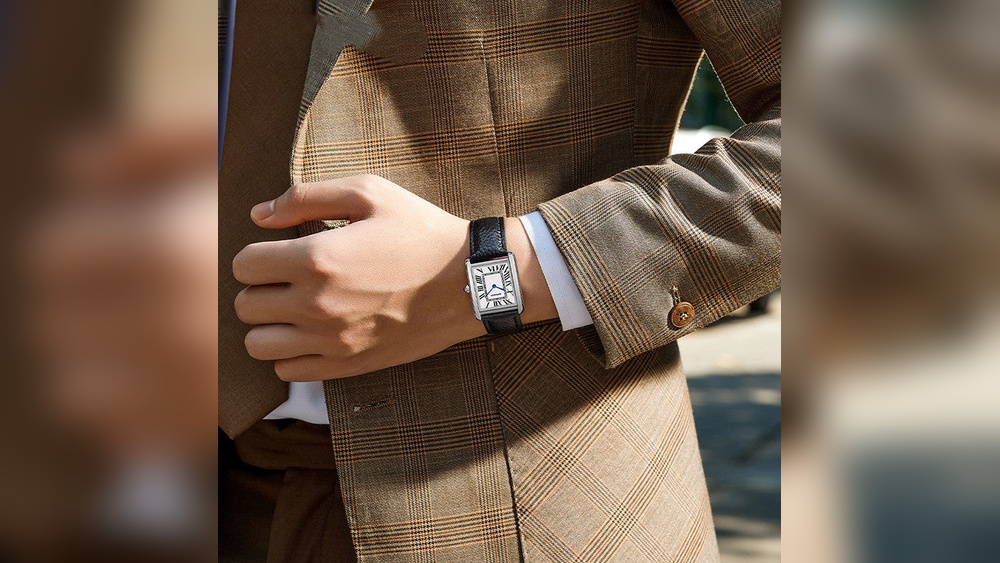
The world of luxury watches is filled with style, history, and craftsmanship. Yet, not every luxury watch fits the same mold. Some watches are loud and flashy, built to grab attention. Others are subtle, refined, and timeless. These are the old money watches—classic timepieces that quietly signal taste, tradition, and confidence. For men, choosing an old money watch is more than picking a brand; it’s about understanding heritage, quality, and understated elegance. This article explores what makes a watch “old money,” why these watches matter, and how men can choose, wear, and care for them. Whether you’re new to watches or a seasoned collector, you’ll find practical guidance and real-world examples to help you make informed decisions.
Old money watches are not just about price. They reflect a certain attitude and lifestyle. The term “old money” comes from families or individuals whose wealth has been passed down for generations. Their choices are often modest, but filled with legacy and meaning. In watches, “old money” means:
For example, a simple Rolex Datejust or a vintage Patek Philippe Calatrava often fits this description. These watches don’t scream luxury; they whisper it.
Understanding the core features helps you spot an old money watch from a trendy or “new money” piece. Here are the main traits:
Old money watches stick to simple, elegant designs. Dials are usually clean, with minimal clutter. The cases are medium-sized, often between 36mm and 40mm. Colors are conservative—black, white, silver, gold, or navy. Leather straps are common, especially in brown or black. Metal bracelets, if present, use classic patterns like the Oyster or Jubilee.
Brands play a big role. Not every expensive brand is old money. The most respected old money brands have been making watches for over a century. They have stories, innovation, and tradition behind every model.
Old money watches show attention to detail. Movements are often mechanical (manual or automatic) rather than quartz. Even if you don’t see it, the inside mechanism is crafted with care—sometimes hand-finished.
These watches are made to last. Many old money watches from the 1950s or 1960s still run perfectly today. They gain character over time, and often look better with age.
Logos are present, but not oversized. Some models even hide the brand name on the dial. If you know, you know—this is the attitude old money watches project.
Some brands have become legends in the world of old money watches. Here are the top names, along with what sets them apart.
Rolex is often seen as the king of classic watches. While some models are flashy, others are the very definition of old money.
This Swiss brand is known for its tradition and craftsmanship. Famous models include:
This brand has been making watches since 1755—one of the oldest in the world.
Known as the “watchmaker’s watchmaker.” Their Reverso is a classic, originally designed for polo players. Its art deco style appeals to those who like quiet elegance.
Omega is respected for its history and reliability. While the Speedmaster is famous for going to the moon, the De Ville and Constellation models are more old money.
Old money watches are more than accessories. They are symbols of value, tradition, and taste. Here’s why they stand out:
These watches look good in any decade. A 1960s Rolex Datejust still fits modern style. You don’t have to worry about trends.
Many old money watches hold or increase their value. Unlike flashy “fashion” watches, classic models are sought after by collectors. For example, a vintage Patek Philippe Calatrava from the 1950s can sell for several times its original price.
Wearing an old money watch shows you understand quality and tradition. It’s a subtle signal—people who know watches will recognize it, but it won’t attract unwanted attention.
These watches often become family heirlooms. Fathers pass them down to sons, and each generation adds its own story.
To help clarify, here’s a comparison between old money and new money watches.
| Feature | Old Money Watches | New Money Watches |
|---|---|---|
| Design | Classic, understated, simple | Bold, flashy, trendy |
| Brand | Heritage brands (Rolex, Patek, etc.) | Modern or fashion brands |
| Materials | High-quality steel, gold, leather | Diamonds, exotic materials, oversized cases |
| Value | Stable or increases over time | Often decreases after purchase |
| Purpose | Subtle status, tradition | Show off wealth, attract attention |
Buying an old money watch is a big decision. Here’s what matters most:
Pick brands with a proven history. Research their story, achievements, and watchmaking tradition.
Some models have become icons. Look for watches that have been in production for decades—this signals lasting appeal.
Stay between 36mm and 40mm for classic style. Oversized cases are less traditional.
Choose watches with a clean dial—few complications, simple hands, and modest markers.
Mechanical movements (manual or automatic) are preferred. Quartz is rare in old money watches, except in some vintage models.
Stainless steel, gold, or platinum are common. Leather straps are classic, especially in brown or black.
If buying vintage, check for original parts. Avoid heavily polished cases or replaced dials. Always buy from trusted dealers.
Old money watches can range from a few thousand dollars to hundreds of thousands. Set a realistic budget and stick to it.
Here are some of the most respected old money watches, along with their unique features.
Old money watches come in various styles. Here’s how each fits different occasions.
These are slim, elegant, and meant to pair with formal attire.
Dress watches usually have leather straps and simple dials.
For daily wear, look for watches that are versatile and comfortable.
These work with both suits and jeans.
While old money style prefers subtlety, some sports watches have become classics.
These models are sporty, but their design remains elegant and understated.
The size of a watch affects its style. Old money watches avoid oversized cases. Here’s a comparison of typical sizes:
| Watch Model | Classic Case Size (mm) | Modern Case Size (mm) |
|---|---|---|
| Rolex Datejust | 36 | 41 |
| Patek Philippe Calatrava | 36 | 39 |
| Cartier Tank | 31 | 34 |
| Omega De Ville | 36 | 39 |
A classic fit sits comfortably on the wrist, not dominating the hand. If you have a thin wrist, go for 36–39mm. Larger wrists can handle 40mm, but avoid anything above 42mm unless you’re very tall or broad.
Material choices reflect the old money philosophy. Here’s what to consider:
Steel is durable, easy to care for, and versatile. Many classic models use steel for a subtle look.
Gold watches are elegant, but old money style prefers yellow or rose gold. White gold is also popular. Avoid models with too much shine or diamond accents.
Black and brown leather are the most traditional. Crocodile and alligator straps are common, but simple calfskin is also respected.
Rare and expensive, platinum is used in high-end models. Its subtle shine is prized by collectors.
Some old money watches use steel and gold together. This is less common, but works well in classic models like the Datejust.
Wearing an old money watch is about matching it to your outfit and occasion.
Dress watches pair well with suits and tuxedos. Choose leather straps and slim cases.
A classic steel Datejust or Omega De Ville works with jeans, chinos, and shirts.
Some sports watches (Royal Oak, Nautilus) can be worn with polos or casual jackets.
Many old money watches are valuable assets. Here’s what to know:
Classic models from Rolex, Patek Philippe, and Audemars Piguet often hold value or appreciate over time. For example, a vintage Patek Philippe Calatrava bought in the 1980s for $5,000 may now be worth over $25,000.
In 2019, a vintage Rolex Daytona sold for over $1 million at auction. While extreme, it shows the potential of old money watches as investments.
Proper care keeps your watch running and looking good for decades.
Mechanical watches need service every 3–5 years. Find authorized service centers.
Use a soft cloth to wipe the case and bracelet. Avoid water unless your watch is rated for it.
Keep watches in a cool, dry place. Use watch boxes or pouches to prevent scratches.
Don’t wear your watch during sports or heavy work. Avoid magnetic fields, which can affect timekeeping.
If you own valuable watches, consider insurance. It protects against theft or loss.
Most beginners focus on brand and price. Here are two insights many miss:
Many celebrities and historical figures have worn old money watches. Here are a few examples:
These examples show how old money watches are linked to history and culture.
Here’s a step-by-step guide for buying your first old money watch:
Study brands, models, and prices. Use forums, reviews, and official brand sites.
Decide how much you want to spend. Don’t stretch your finances—classic watches are available at many price points.
Try on watches in person. Get a feel for size, weight, and comfort.
Ask for certificates, original papers, and service history. If buying vintage, seek trusted sellers.
Prices are sometimes flexible, especially for vintage models.
Once satisfied, complete the sale and get all documents.
Schedule regular maintenance. Keep records—these help if you sell later.
Not every old money watch has to cost a fortune. Here are respected models under $5,000:
These watches offer the same heritage and style, even for a modest budget.
Buying from the right place is important:
Avoid unknown sellers or deals that seem too good to be true.
While old money style is about tradition, some trends are shaping the market.
Young collectors are buying vintage models for their history and unique style.
After years of oversized watches, many brands are returning to classic sizes.
Some brands use titanium or ceramic for subtle, lightweight watches.
Brands now offer digital certificates and service records, improving provenance.
Here’s a comparison of four top brands:
| Brand | Founded | Iconic Model | Typical Price Range | Heritage |
|---|---|---|---|---|
| Rolex | 1905 | Datejust | $7,000–$12,000 | Strong, innovative |
| Patek Philippe | 1839 | Calatrava | $25,000–$40,000 | Elegant, refined |
| Audemars Piguet | 1875 | Royal Oak | $35,000–$60,000 | Sporty, classic |
| Vacheron Constantin | 1755 | Patrimony | $20,000–$35,000 | Historic, artistic |
This comparison helps you see the differences in style, price, and tradition.
Craftsmanship is key. Here’s a brief look at the process:
Every model starts with sketches and prototypes. Designers study past models for inspiration.
Mechanical movements are built by skilled watchmakers. Some parts are hand-finished and decorated.
Cases are shaped from steel, gold, or platinum. Dials are painted, printed, and assembled with care.
Watches are tested for accuracy, water resistance, and durability.
The movement is placed in the case, the dial and hands are added, and the strap or bracelet is attached.
This process can take weeks or months, especially for high-end models.
Collectors and enthusiasts form a unique community. They share knowledge, stories, and advice.
Sites like Watchuseek and The Rolex Forums are popular. Members discuss models, care, and history.
Watch fairs, auctions, and brand events bring collectors together.
Some brands have museums showing historic models. For example, the Patek Philippe Museum in Geneva is famous.
Beyond basic care, here are advanced maintenance tips:
Watches are part of social etiquette. Old money style values modesty.
Many old money brands focus on sustainability.
For more on sustainable luxury, see Patek Philippe Sustainability.
An old money watch is defined by classic design, heritage brand, quality materials, and understated style. It’s not about price or flash, but tradition and subtlety.
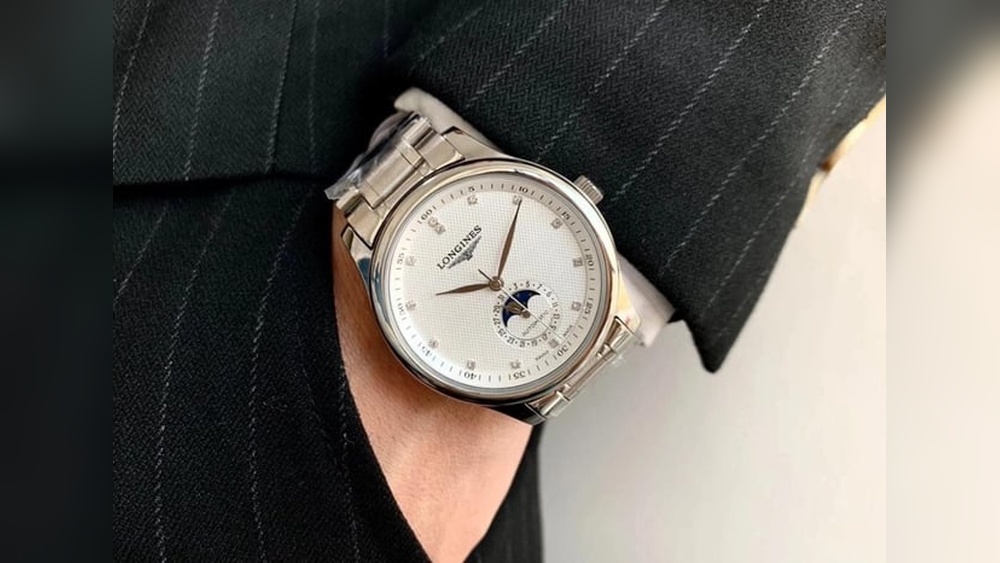
No. While some models cost tens of thousands, others (like vintage Omega or Longines) are affordable. The key is heritage and style, not price.
Look for proven models, original parts, and clear history. Brands like Rolex and Patek Philippe have strong resale value, especially iconic models.
Service it every 3–5 years, keep it clean, store it properly, and avoid harsh environments. Always keep documentation and original packaging.
Buy from authorized dealers, trusted vintage sellers, or respected online platforms. Avoid unknown sellers or deals that seem suspicious.
Choosing an old money watch is about more than style—it’s about legacy, quality, and confidence. Whether you’re starting your collection or looking for the perfect gift, focus on brands, models, and the story behind each timepiece. Remember, the best old money watches are built to last—and to be cherished for generations.
The story of the Carriage Hill Traveller Timepiece is not just about a watch—it is about the art of travel,
Carriage Hill And Co Watches: A Complete Guide If you search for a watch that blends tradition with modern style,
Carriage Hill Understated Luxury Watch: A Complete Guide A luxury watch is more than just a tool for telling time.
Finding a luxury dress watch under $700 is a rewarding challenge for style-conscious people who want elegance without the high
The world of luxury watches is filled with stories of craftsmanship, tradition, and innovation. Among these, the Carriage Hill Handcrafted
The world of watches is full of stories, tradition, and craftsmanship. For many people, a watch is not just a