Watches
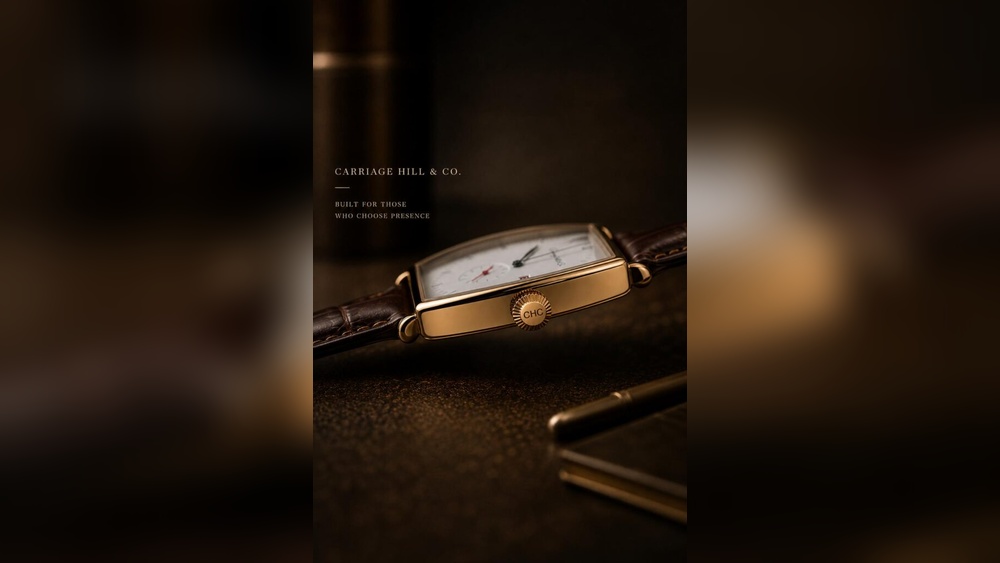
Carriage Hill Traveller Timepiece: Timeless Elegance Unveiled
The story of the Carriage Hill Traveller Timepiece is not just about a watch—it is about the art of travel,
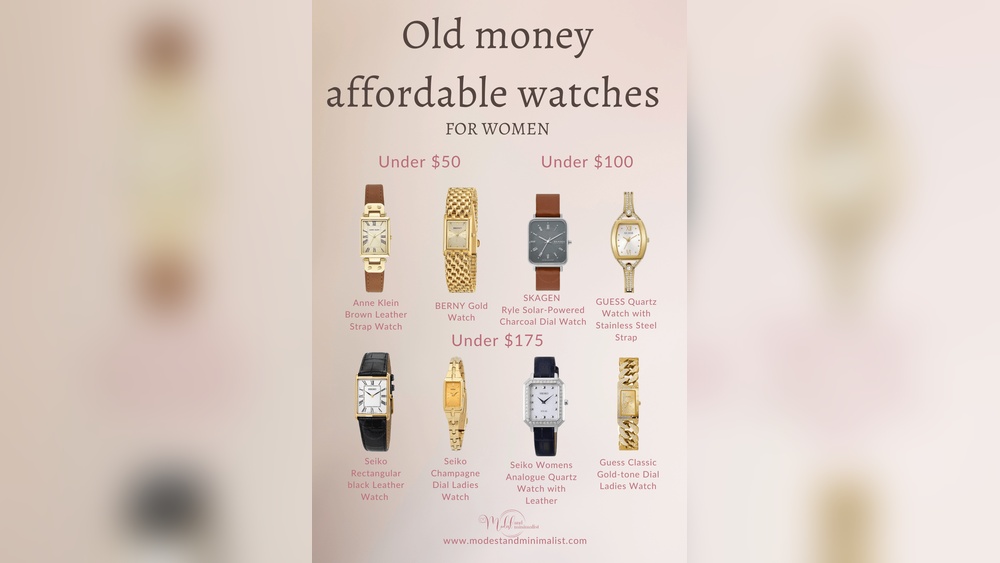
In the world of style, some trends come and go. Others, however, remain timeless, quietly signaling class and taste across generations. One such enduring symbol is the “old money” watch—a timepiece that whispers rather than shouts, chosen by those who value heritage over hype.
But what does it really mean to wear an old money watch as a woman? How do you recognize these iconic pieces, and what makes them so deeply respected in luxury circles? This guide takes you deep inside the world of old money watches for women—exploring their history, how to select them, and why they still matter today.
The phrase old money refers to wealth passed down through families for generations. Old money style is subtle, never flashy. It’s about quiet confidence, tradition, and lasting quality. Old money watches fit this spirit perfectly: they are classic, elegant, and made to last a lifetime—often passed down as heirlooms.
An old money watch for women is not just about price or brand. It’s about understated elegance, fine craftsmanship, and a design that resists changing fashion trends. These watches are usually made by respected Swiss or European houses—think Rolex, Patek Philippe, Cartier, and Jaeger-LeCoultre. The focus is on clean lines, precious metals, and details that only a trained eye might notice.
But there’s more to it than just brand or materials. An old money watch tells a story. It suggests a life lived among art, culture, and tradition. It’s the opposite of a “look at me” accessory; instead, it signals that the wearer belongs to a world where less is more.
The very first wristwatches were actually made for women, not men. In the late 19th and early 20th centuries, aristocratic women wore delicate, jewelry-like watches. Brands such as Cartier created early models like the Santos and the Tank for stylish women in Paris. These pieces were often thin, gold, and elegant—perfect for formal dinners or royal events.
By the 1920s and 1930s, more women could afford fine watches. The Art Deco period brought new shapes and materials—rectangular cases, enamel dials, and diamond-studded bezels. These watches were not just for telling time; they were status symbols.
From the 1950s to the 1970s, classic models appeared that are still loved today. The Rolex Lady-Datejust and the Patek Philippe Calatrava became favorites among women from old money families. These watches were simple, reliable, and always appropriate—whether at a gala or a country club lunch.
While many luxury watches today are large and bold, the old money style remains unchanged. It values tradition and restraint. For many women, wearing an old money watch is about connecting to family history. A grandmother’s Cartier or a mother’s Jaeger-LeCoultre is a reminder of values passed through generations.
Many collectors believe that the true value of an old money watch is not just in its materials, but in its provenance—the story of who wore it, and when.
These watches favor simple dials, small-to-medium case sizes (often 24-32mm for women), and classic shapes like round or rectangular. You won’t see large logos or bright colors. Instead, expect white, cream, or silver dials with delicate markers.
Old money watches use precious metals—yellow gold, rose gold, or platinum. Sometimes you’ll see stainless steel, especially in models meant for everyday wear. Diamonds or sapphires might appear, but always in a subtle, tasteful way.
Most old money watches have mechanical or automatic movements—not quartz. These require more skill to make and are valued for their engineering. Some models have hand-wound calibers, a detail appreciated by true collectors.
You won’t find oversized logos. The brand’s name is usually small, sometimes hidden on the dial or case back. The message: if you know, you know.
These watches work with everything—from jeans and a sweater to evening gowns. Their timelessness is their greatest strength.
Some models have become touchstones of old money style. Here are ten of the most respected:
Created in 1917, this rectangular watch is pure Art Deco. Princess Diana and Jackie Kennedy wore it—a symbol of grace.
Launched in 1957, it’s the classic everyday Rolex for women. Simple, reliable, and always in style.
Known for its round case and minimal dial, the Calatrava is a favorite among collectors who value elegance over flash.
Originally made for polo players, the Reverso’s clever flipping case is both beautiful and practical.
One of the oldest watchmakers, Vacheron’s Patrimony is all about classic lines and perfect proportions.
The smaller Royal Oak is sporty yet refined, with its signature octagonal bezel.
Understated and versatile, the De Ville is loved by women who want Swiss quality without showing off.
Famous for ultra-thin cases, the Altiplano is sleek and perfect for evening wear.
Inspired by the first wristwatch ever made for a queen, this oval-shaped piece is pure old-world charm.
Chopard is known for jewelry, but their L. U. C watches combine beauty with serious watchmaking.
These models are not just beautiful—they are investments. Many hold or increase their value over time, especially if kept in good condition.
Selecting the right watch is personal. Here’s how to make a smart, stylish choice:
Are you drawn to art deco shapes or round, classic faces? Do you prefer gold or stainless steel? Try on different styles to see what feels best on your wrist.
Old money watches for women are usually smaller than modern “statement” pieces. For most wrists, 24-32mm is ideal. Larger cases can look trendy, but smaller sizes feel timeless.
Gold is always classic, but steel can be more versatile. Platinum is rare and expensive, while two-tone (gold and steel) offers flexibility. Match your watch to your jewelry for a cohesive look.
If you value tradition, choose a mechanical or automatic model. Quartz is easier to maintain, but mechanical watches are prized for their craftsmanship.
Leather is elegant and works for both day and night. A metal bracelet feels sporty but sophisticated. Some women like to swap straps to match outfits—a simple way to change the look.
Old money style does not mean you must spend a fortune. Vintage pieces from top brands can sometimes be found for less than new models. Decide what you’re comfortable spending, then shop within that range.
Learn the history behind each brand. For example, Patek Philippe is famous for its family-owned tradition and classic designs, while Cartier is known for its connection to royalty and high society.
Stay away from watches that are “hot” right now but may look dated in a few years. Stick to models that have been in production for decades.
Choose authorized dealers or trusted vintage specialists. Always ask for paperwork and, if possible, original boxes.
Mechanical watches need servicing every 3-5 years. Factor this into your decision—good care keeps a watch running for generations.
Understanding the differences between top models can help you choose wisely. Here’s a look at three classic options:
| Model | Case Size | Material | Movement | Typical Price (USD) |
|---|---|---|---|---|
| Cartier Tank | Small (20-25mm) | Yellow/Rose Gold, Steel | Quartz/Manual | $3,000–$25,000+ |
| Rolex Lady-Datejust | 26-28mm | Steel, Gold, Two-Tone | Automatic | $7,000–$30,000+ |
| Patek Philippe Calatrava | 24-31mm | Yellow/Rose Gold, Platinum | Manual/Automatic | $15,000–$40,000+ |
Notice that while all three are classic, each has its own character. The Cartier Tank is slim and formal, the Lady-Datejust is versatile, and the Calatrava is pure minimalism.
Today, many luxury watches are designed to stand out. Large cases, colorful dials, and diamonds everywhere are common. But old money watches take the opposite approach.
| Feature | Modern Trendy Watch | Old Money Watch |
|---|---|---|
| Case Size | 36mm+ | 24–32mm |
| Dial Color | Bold, bright | White, cream, silver |
| Jewels | Often many | Few, subtle |
| Branding | Large logos | Small, discreet |
| Purpose | Show status | Show heritage |
This difference explains why old money watches always look appropriate—at a business meeting, a wedding, or even at the grocery store. They are never “too much. ”
Many women inherit their first old money watch—from a mother or grandmother. This creates a deep connection to family and history. The watch becomes a reminder of special moments, not just a fashion accessory.
Unlike most trendy watches, old money models can hold or even increase in value. For example, a vintage Patek Philippe or Cartier can be worth much more after a decade, especially if it’s rare or in perfect condition.
Wearing a classic watch tells others you value tradition and quality. It’s a subtle way to show good taste—recognized by those who know, but never loud or pushy.
One old money watch can suit almost any outfit or occasion. This is why many women wear the same watch for years, even decades.
A well-made watch can last generations. Buying vintage or investing in a high-quality piece is more sustainable than following fast fashion trends.
Pair your watch with simple gold or pearl earrings. Avoid stacking with many bracelets—let the watch speak for itself. For work, a leather strap is subtle and easy to match.
For formal events, a thin gold or diamond-set watch adds sparkle without being too flashy. Match the metal to your other jewelry for a polished look.
Don’t be afraid to wear your old money watch with modern clothes. It looks chic with jeans and a white shirt, or a cashmere sweater.
Remember, the old money look is about restraint. If you wear a statement watch, keep other accessories simple.
Wipe the case with a soft cloth after wearing. Keep it away from water unless it’s waterproof. Service it every few years to keep it running perfectly.
Many first-time buyers believe that only brand-new watches are valuable. In reality, well-kept vintage pieces can be more desirable, especially if they have original parts and documentation.
Another common mistake is choosing a watch that’s “too much” for daily wear—large, covered in diamonds, or with a trendy color. These can feel out of place outside of parties or special events. A truly great old money watch should feel natural whether you’re at lunch with friends or at a formal dinner.
You have several options:
Always request original paperwork, service history, and, if possible, the original box. These details help prove authenticity and can increase value.
Some watches become popular because a celebrity wears them or because of social media trends. These models can be overpriced and may lose value quickly. Focus on watches with a long history.
Mechanical watches need care. Skipping service can lead to expensive repairs later. Plan for regular check-ups.
A beautiful watch is useless if it’s uncomfortable. Try on different models to find what feels best on your wrist.
The market for luxury watches has fakes. Always check the seller’s reputation, and ask for authentication papers.
Start with one great watch. Learn what you like, then build your collection slowly.
Many people ask: do old money watches really hold value? The answer is yes, but not always in the way you expect.
For example, a 1960s Patek Philippe Calatrava in good condition can sell for $30,000 or more at auction today—sometimes triple its original price.
One unique aspect of old money watches is provenance—the story of who owned the watch. If a famous person or member of a notable family wore a watch, its value can increase dramatically.
For example, Jackie Kennedy’s Cartier Tank sold for over $375,000 at auction, partly because of its history. Even less famous watches can be more valuable if they come with family stories and documentation.
To help you see how the top brands compare, here’s a summary:
| Brand | Founded | Famous Model | Typical Price Range | Key Feature |
|---|---|---|---|---|
| Cartier | 1847 | Tank | $3,000–$40,000+ | Art Deco design |
| Rolex | 1905 | Lady-Datejust | $7,000–$30,000+ | Everyday luxury |
| Patek Philippe | 1839 | Calatrava | $15,000–$50,000+ | Minimalist elegance |
| Jaeger-LeCoultre | 1833 | Reverso | $5,000–$25,000+ | Reversible case |
| Vacheron Constantin | 1755 | Patrimony | $10,000–$60,000+ | Classic lines |
Each of these brands has been making watches for more than a century. They are respected for their history and commitment to quality.
If you want to build a collection, begin with these steps:
Remember, collecting old money watches is about patience and taste—not just spending.
Many stylish women have worn iconic watches:
These women chose watches that suited their lives, not just the trends of the moment.
In a world obsessed with the new, old money watches stand apart. They are reminders that some things only get better with time—much like the women who wear them. They connect us to the past, bring meaning to the present, and can be passed on to the next generation.
For many, wearing an old money watch is about more than style—it’s about values: quality over quantity, tradition over trend, and substance over appearance. In a sense, these watches are a quiet rebellion against a world that moves too fast.
If you’re considering your first old money watch, take your time. Learn the history, try on different styles, and choose what feels right for you. Remember, the best watch is the one that fits your life—and will still look beautiful decades from now.
For further reading on watch history and collecting, the Wikipedia Wristwatch page offers an excellent overview.
The most respected brands are Cartier, Rolex, Patek Philippe, Jaeger-LeCoultre, and Vacheron Constantin. These brands have long histories and classic models favored by old money families.
You can find entry-level models from major brands starting around $3,000. Vintage pieces can sometimes be less, but expect to spend $5,000–$10,000 for a classic, well-kept watch. Remember, quality and history are more important than price.
Yes, many vintage watches hold or increase in value, especially rare models or those in excellent condition. Always buy from reputable sellers and keep all documentation.
For women, 24–32mm cases are most classic. These sizes look elegant and never out of place. Larger watches can be trendy, but smaller sizes are timeless.
Look for understated design, fine materials, mechanical movement, and discreet branding. Avoid large logos, bold colors, or flashy diamonds. If it feels subtle and classic, it likely fits the old money style.
Old money watches for women are more than accessories—they are symbols of history, taste, and lasting value. Whether you inherit one or choose your own, these timepieces offer a connection to something bigger than fashion: a tradition of elegance that never goes out of style.
The story of the Carriage Hill Traveller Timepiece is not just about a watch—it is about the art of travel,
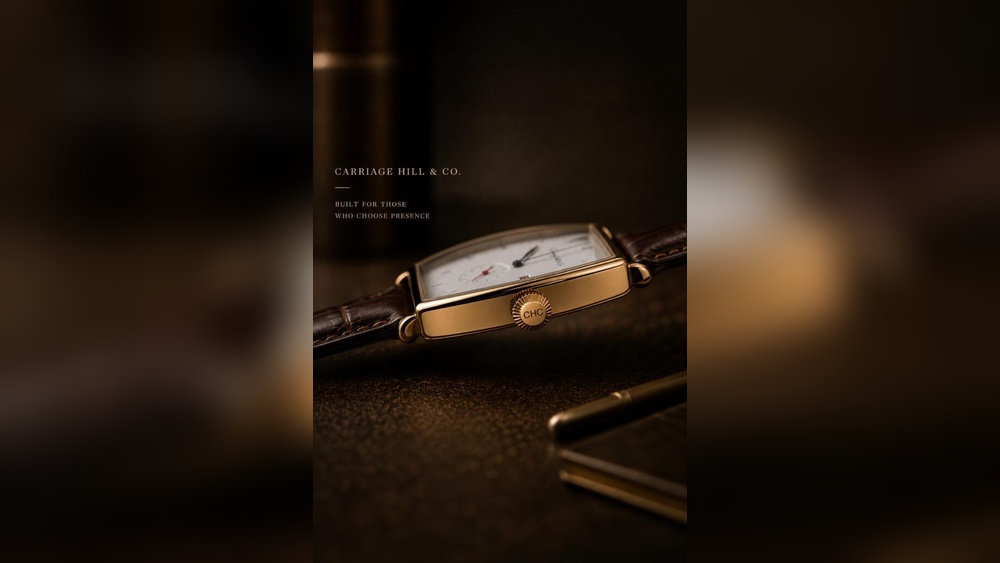
Carriage Hill And Co Watches: A Complete Guide If you search for a watch that blends tradition with modern style,
Carriage Hill Understated Luxury Watch: A Complete Guide A luxury watch is more than just a tool for telling time.
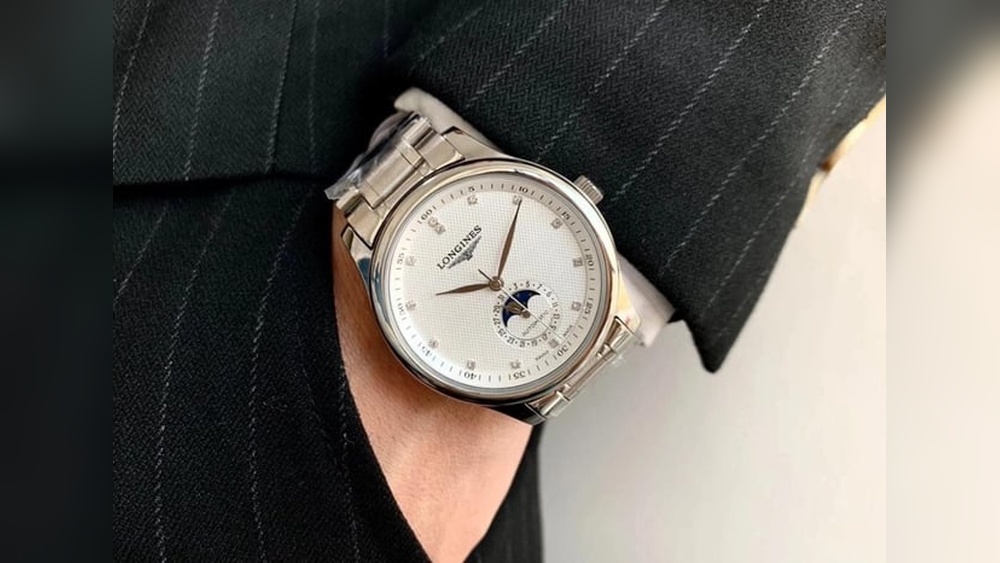
Finding a luxury dress watch under $700 is a rewarding challenge for style-conscious people who want elegance without the high
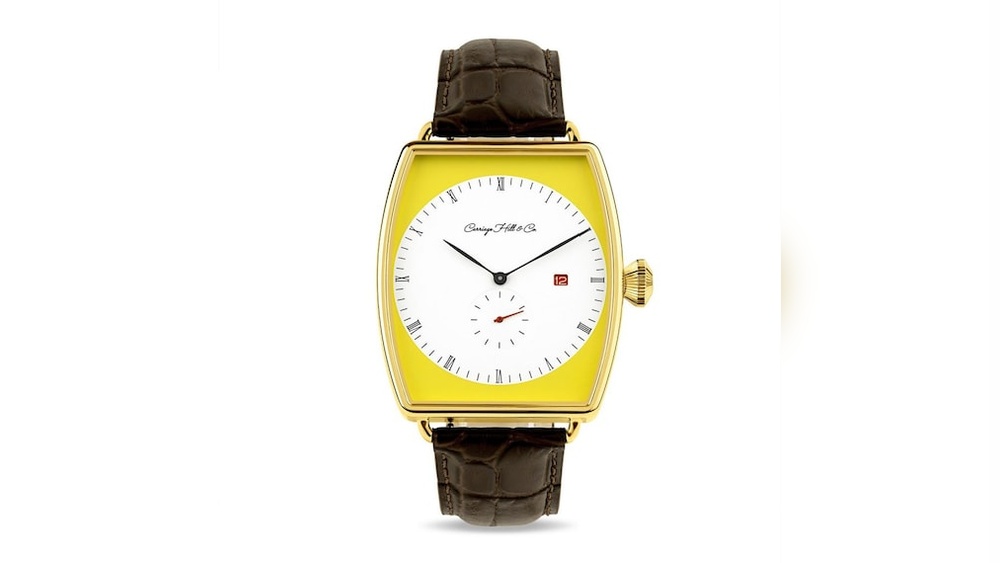
The world of luxury watches is filled with stories of craftsmanship, tradition, and innovation. Among these, the Carriage Hill Handcrafted
The world of watches is full of stories, tradition, and craftsmanship. For many people, a watch is not just a