
Watches
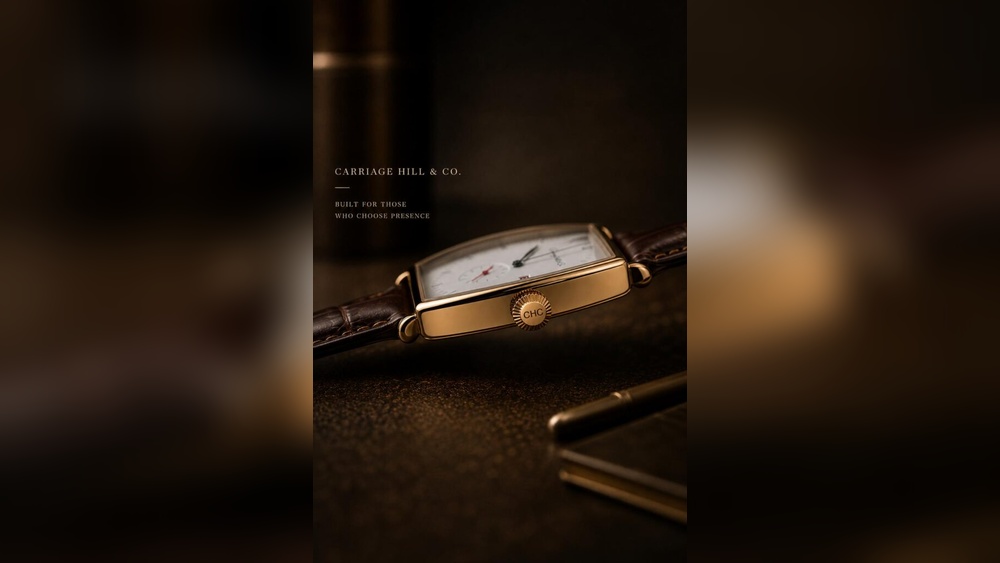
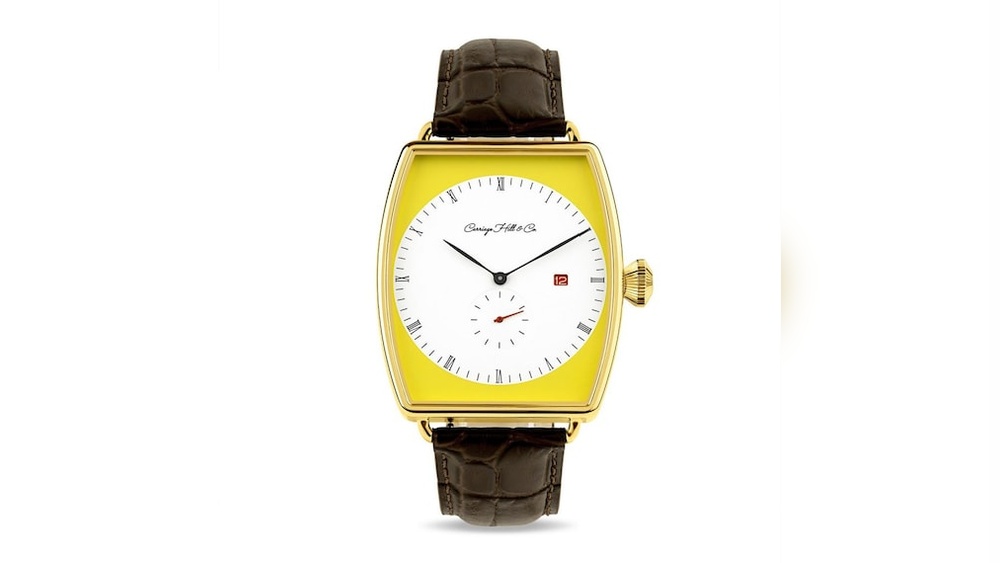
Carriage Hill Traveller Timepiece: Timeless Elegance Unveiled
The story of the Carriage Hill Traveller Timepiece is not just about a watch—it is about the art of travel,
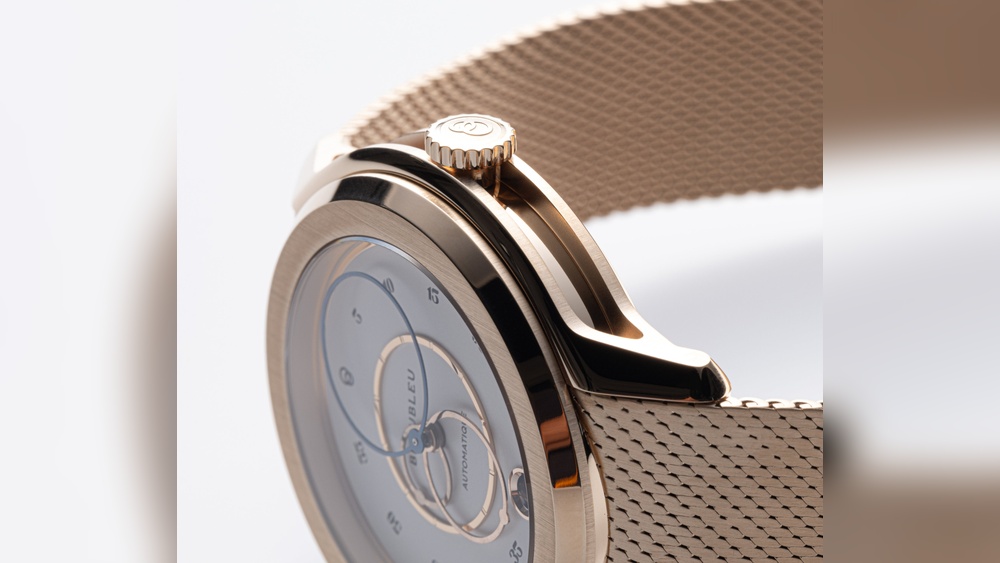
A quality watch is more than just a way to tell time. For many, it’s a symbol of style, precision, and even personal achievement. But with so many choices on the market—ranging from budget brands to high-end Swiss masterpieces—how can you tell if a watch is truly worth your investment? Whether you’re new to watches or looking to upgrade, understanding the signs of a quality watch can help you make a smart and satisfying choice.
In this ultimate luxury guide, you’ll discover the seven best indicators that set superior watches apart. We’ll cover craftsmanship, materials, movement, water resistance, and more. You’ll also find practical tables, real-world examples, and answers to common questions. By the end, you’ll know exactly what to look for—whether shopping in-store or online.
—
—
A quality watch combines accurate timekeeping with long-lasting construction and elegant design. These watches are often made with great attention to detail, using the best materials and expert engineering. They are not just about looks—they are built to perform well for many years.
Most luxury watches are mechanical or automatic, but there are also high-quality quartz options. A quality watch feels solid, operates smoothly, and is comfortable on your wrist. Even small features, like how the hands move or the sound of the crown winding, can reveal its true value.
Quality watches hold their value better over time. Some even increase in worth, especially rare or limited editions from respected brands like Rolex, Omega, or Patek Philippe.
But what really sets a quality watch apart is the blend of technical achievement and artistry. The best timepieces are both reliable tools and beautiful objects. For example, a luxury watch might have a movement with hundreds of tiny, hand-assembled parts, all designed to work in harmony for decades.
This kind of detail and care is hard to copy in cheaper models.
Another important point is wearability. A quality watch feels comfortable for long periods and adapts well to your lifestyle, whether you’re in a business meeting or at the beach. The way a watch fits, its balance on your wrist, and even the sound of its clasp can all hint at the level of craftsmanship involved.
—
You don’t need to be an expert to spot a good watch. Here are the seven best signs to look for:
A luxury watch is like a piece of art. Every part—from the case to the bracelet—should show careful attention to detail.
Skilled watchmakers spend many hours ensuring every detail is just right. For instance, polishing techniques can create different effects: a mirror shine on the bezel, a brushed look on the bracelet, or even different textures on the same watch. These finishes are not just for looks—they protect the watch and make it more comfortable.
Pick up a Rolex Submariner and compare it to a budget watch. You’ll notice the Rolex feels more solid, and even under a magnifying glass, every detail is finished perfectly. Run your finger along the edge of the case or bracelet—on a high-end watch, you won’t feel any sharp or unfinished spots.
Some brands use “invisible” details, like hand-polished movement parts you may never see. These show pride in workmanship, even if only a watchmaker will notice.
Another detail is how the clasp closes. A well-made clasp feels secure and clicks into place without any rattling or play. Luxury watches often use complex clasps with safety features, while cheap models may have simple, loose buckles.
—
The materials used affect durability, comfort, and value. Quality watches avoid cheap alloys and plastics.
When you touch a luxury watch, you can often feel the difference. The metal is colder and heavier. Sapphire crystal, for example, is much clearer and less likely to scratch than acrylic or mineral glass. It also reflects less light, making the watch easier to read in bright conditions.
| Material | Luxury Watches | Affordable Watches |
|---|---|---|
| Case | 904L Stainless Steel, Gold, Platinum, Ceramic | Brass, Basic Steel, Plastic |
| Crystal | Sapphire | Mineral, Acrylic |
| Strap | Genuine Leather, Solid Metal, Rubber | Synthetic Leather, Hollow Links, Nylon |
Even if a watch says “stainless steel,” lower grades can rust or feel cheap. Look for 316L (used by most luxury brands) or 904L (used by Rolex) in product descriptions.
It’s also worth checking the type of leather used in straps. Full-grain leather is more durable and comfortable than “genuine leather,” which is often a lower grade. Solid gold watches will have hallmarks showing the purity (like 18K), while gold-plated watches may start to lose their color over time.
—
The movement (the “engine” inside) is the heart of the watch. Quality watches use reliable, accurate movements—mechanical, automatic, or quartz.
Luxury watchmakers spend years developing and testing their movements. Some even make their own movements “in-house,” controlling every step. This means better reliability and, often, more features like a date or chronograph.
If you can see the movement through a transparent caseback, look for decorations like Geneva stripes or perlage (circular graining). These are signs of extra attention and care.
| Type | Luxury Standard | Affordable Standard |
|---|---|---|
| Mechanical | -4/+6 sec/day (COSC Chronometer) | -20/+40 sec/day |
| Automatic | -4/+6 sec/day | -15/+30 sec/day |
| Quartz | ±10 sec/month | ±30 sec/month |
Some affordable brands use good movements but cut costs on assembly. Even a Swiss movement can perform poorly if not adjusted by a skilled watchmaker.
Another detail: luxury watches sometimes offer “complications” like moon phases, power reserve indicators, or dual time zones. These require more advanced movements and show a higher level of watchmaking skill.
—
A real quality watch can handle water—sometimes a splash, sometimes a deep dive. Don’t just trust the label; know what the numbers mean.
Water resistance is not just for swimmers or divers. Everyday activities like washing hands or getting caught in the rain can damage a poorly made watch. High-quality watches have precisely fitted casebacks and crowns to keep water out.
| Rating | Safe For |
|---|---|
| 30m | Hand washing, rain |
| 50m | Swimming (surface only) |
| 100m+ | Snorkeling, diving |
| 300m+ | Professional diving |
The Omega Seamaster is known for its 300m water resistance, making it a favorite among divers and marine professionals.
Water resistance can decrease as gaskets age. A quality brand will recommend service every few years to keep the rating true.
Another tip: don’t adjust the crown or pushers under water unless your watch is designed for it. Even high-end models can leak if misused.
—
Some brands have been making watches for over a century. Their experience and reputation show in the quality of their products.
A strong heritage often means a brand has learned from decades (or centuries) of watchmaking. They continue to improve their watches, add new technologies, and train new generations of craftsmen.
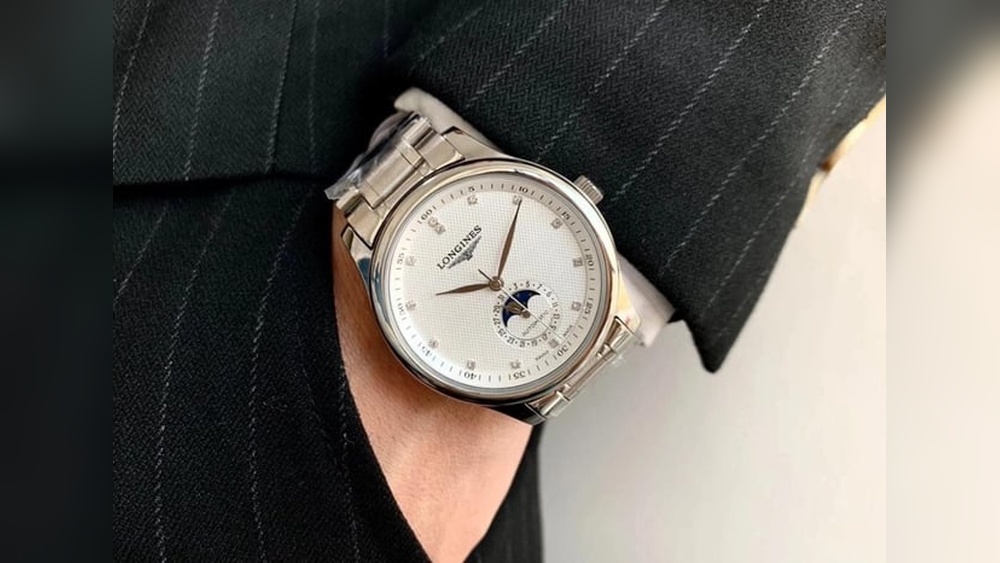
A Tag Heuer or Longines may cost more than a fashion brand, but their watches are built to last and often hold value better.
Some newer “microbrands” offer great quality for the price, but always check reviews and background. Avoid brands that hide where or how their watches are made.
A brand’s reputation can also be seen in how it handles problems. Look for brands that respond quickly to customer issues and stand behind their products, even years later.
—
A quality watch is both beautiful and easy to read. Good design is about balance, not just bling.
Design is more than just looks. It affects how you use your watch every day. For example, a watch with poor contrast between hands and dial can be hard to read in sunlight or darkness. Good watches use anti-reflective coating and thoughtful color choices.
The Grand Seiko Snowflake is famous for its subtle, textured dial and perfect hand alignment, making it easy to read at a glance.
Some watches look great in photos but are hard to read in real life. Always try to see a watch in person or look for real wrist shots online.
Another tip: pay attention to the date window. On a quality watch, the date is centered and easy to read. On cheap watches, it may be off-center or too small.
—
A good watchmaker stands by their product. Look for brands that offer a solid warranty and have accessible service centers.
A long warranty is a sign of confidence in the product. Brands that invest in worldwide service networks make it easy to maintain your watch, even if you move or travel.
Rolex and Omega have global service networks, so you can get your watch repaired almost anywhere in the world.
Some brands limit service to certain countries, or only if you buy from authorized dealers. Always check before buying, especially with online sellers.
Also, check if the brand offers regular maintenance packages. These can help you keep your watch working perfectly and looking new for many years.
—
Understanding the main differences helps you decide if a luxury watch is worth the price or if a well-made affordable model is enough for your needs.
| Feature | Luxury Watches | Affordable Watches |
|---|---|---|
| Movement | In-house, COSC certified, hand-finished | Mass-produced, basic assembly |
| Materials | 904L steel, sapphire, gold, ceramic | 304 steel, mineral glass, base metals |
| Craftsmanship | Hand-assembled, polished | Machine-assembled, rough edges |
| Design | Unique, timeless, balanced | Trendy, sometimes copied |
| Resale Value | Often increases or holds steady | Usually drops quickly |
| Service | Global support, long-term parts | Limited, often third-party only |
A $5,000 Omega Speedmaster may last a lifetime and become more valuable. A $200 fashion watch may look similar, but will usually need replacing in a few years.
Affordable watches can sometimes offer great value, especially from reputable Japanese or microbrands. But even then, they rarely match the long-term durability, service, or resale value of a luxury piece. If your goal is to own just one great watch, saving up for a higher-quality model is often the smarter choice.
Also, keep in mind that luxury watches often come with a “story”—a heritage or unique design that makes them interesting to collectors and watch lovers. This adds to their appeal and long-term satisfaction.
—
The market is full of fakes and lookalikes. Even some sellers try to pass off low-quality watches as luxury pieces. Here’s how to protect yourself:
A genuine Rolex Datejust has a smooth “cyclops” date magnifier, perfect font, and a solid, heavy bracelet. Fakes often have a poor magnifier, off-center printing, and a rattly bracelet.
Even packaging can be faked. When buying used, focus on the watch itself, not just the box or papers.
Another trick: use a strong magnet to test the watch case. Real gold or platinum is non-magnetic, while many fake cases use steel or alloy that will react to a magnet.
If you’re still unsure, consider taking the watch to a trusted jeweler or watchmaker for inspection. Many offer authentication services for a small fee.
—
If you want a simple checklist, remember these:
These signs help you spot a quality watch whether you’re spending $300 or $30,000.
—
—
—
For more on watchmaking standards and quality certification, see the official COSC Swiss Chronometer Testing Institute.
—
The most important signs include superior craftsmanship, high-grade materials, a precise and reliable movement, a well-respected brand, and a solid warranty. Good water resistance and clear, balanced design also matter. A quality watch should feel solid, look refined, and perform accurately over time.
Look for “sapphire crystal” in the specifications. You can also do a simple water drop test—water beads up on sapphire but spreads on plastic or mineral glass. Most luxury brands use sapphire, while cheaper watches use mineral or acrylic. If unsure, ask the seller or check the brand’s official site for confirmation.
Not all Swiss watches are automatically high quality. While Switzerland is famous for watchmaking, quality varies by brand and price. Look for Swiss brands with a long history, COSC certification, and transparent production standards. Beware of “Swiss made” on very cheap watches; it may only mean final assembly was in Switzerland.
Luxury mechanical watches are often more accurate than cheap ones, thanks to better engineering and adjustment. However, a basic quartz watch can be even more precise than most mechanical watches. The real difference is in durability, craftsmanship, and how well the watch keeps time over many years.
Most mechanical or automatic watches need servicing every 3–5 years, depending on usage and water resistance. Quartz watches need less frequent service, usually just battery changes. Always follow the brand’s instructions and use authorized service centers to protect your warranty and keep your watch in top shape.
Yes, many high-quality watches are designed for daily wear, especially those made with tough materials like sapphire crystal and 904L steel. However, if your watch is made of precious metals, or has an alligator leather strap, you may want to reserve it for special occasions.
Regular cleaning and proper care will help your watch look and function its best for years.
Not always. While most luxury watches are costly due to their materials and craftsmanship, some microbrands and Japanese makers offer excellent value and quality at lower prices. Focus on the seven key signs, not just the price tag, to find a watch that offers true long-term satisfaction.
—
Choosing a quality watch is a rewarding experience that combines style, engineering, and a bit of personal taste. Now you know what to look for, you can shop with confidence—whether you want a daily companion or an heirloom to pass down. Remember: invest in quality, and your watch will reward you for years to come.
The story of the Carriage Hill Traveller Timepiece is not just about a watch—it is about the art of travel,
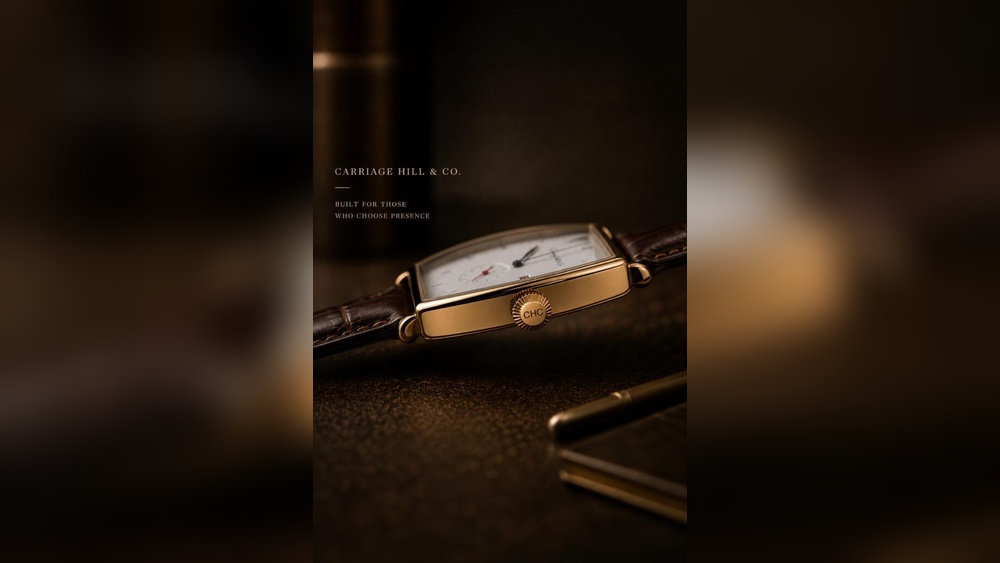
Carriage Hill And Co Watches: A Complete Guide If you search for a watch that blends tradition with modern style,
Carriage Hill Understated Luxury Watch: A Complete Guide A luxury watch is more than just a tool for telling time.
Finding a luxury dress watch under $700 is a rewarding challenge for style-conscious people who want elegance without the high
The world of luxury watches is filled with stories of craftsmanship, tradition, and innovation. Among these, the Carriage Hill Handcrafted
The world of watches is full of stories, tradition, and craftsmanship. For many people, a watch is not just a