
Watches
Carriage Hill Traveller Timepiece: Timeless Elegance Unveiled
The story of the Carriage Hill Traveller Timepiece is not just about a watch—it is about the art of travel,
Swiss luxury watches have fascinated collectors and style lovers for decades. When you see a Swiss luxury watch on someone’s wrist, you know they value tradition, quality, and precision. In this guide, you’ll discover the world of Swiss watchmaking, its history, the 7 best brands, and what makes these watches so unique. Whether you want to own one or just understand why Swiss watches are so famous, you’ll find answers here. Let’s explore the secrets behind these timeless creations and learn how to choose the perfect Swiss watch.
Swiss luxury watches are more than tools for telling time. They are symbols of status, artistry, and engineering. Switzerland has become the center of high-end watchmaking because of its strict quality standards and deep history. Most luxury watches that you see in magazines or worn by celebrities come from Swiss makers.
The watch industry in Switzerland is worth billions. In 2023, Swiss watch exports reached nearly $27 billion, showing the world’s strong demand for these timepieces. Many Swiss brands have existed for over 100 years, and their watches are often passed down as family treasures.
People love Swiss watches for their beauty, accuracy, and lasting value.
Swiss watches are also connected to important moments in history. For example, many explorers, leaders, and astronauts have trusted Swiss watches during their missions. When Sir Edmund Hillary climbed Mount Everest in 1953, he wore a Rolex. When astronauts landed on the moon, they used Omega watches.
These stories add to the appeal and mystique of Swiss luxury watches.
Another reason for their allure is the emotional connection people feel. Often, a Swiss watch is a gift for a special occasion—such as a graduation, wedding, or retirement. It’s more than an accessory; it’s a memory, a celebration, and sometimes a family tradition.
Watches are also used to mark milestones or achievements, making them meaningful objects that go beyond fashion or function.
Swiss luxury watches are seen as an investment, too. Unlike most items you buy, a quality Swiss watch can keep its value or even increase over time. Some models become more valuable as they age, especially rare or limited editions.
This is why many people buy Swiss watches not just for style, but also for their long-term worth.
Switzerland’s journey in watchmaking began in the 16th century. Protestants who fled France brought their skills to Geneva, starting a new tradition. Over time, Swiss watchmakers developed unique techniques, including mechanical movement and hand-finishing. Today, Swiss watches stand out for their precision and the care put into every part.
Modern Swiss watches often combine mechanical and digital technology. Yet, most luxury models still use traditional automatic or manual movements, crafted by hand. Some brands offer smartwatches, but the highest luxury models focus on mechanical engineering.
Swiss luxury watches are famous for:
Many brands use the Swiss Made label, which means at least 60% of the watch’s production happens in Switzerland, including the movement and final inspection. This label is protected by law and can only be used if the watch meets strict criteria.
Some Swiss watches also feature hand-engraved decorations on the movement or case. For example, Patek Philippe often uses “Geneva stripes” and “perlage” (tiny circle patterns) to decorate the inside parts. These details are not visible unless the back is open, but they show the pride and artistry of Swiss watchmakers.
Swiss craftsmanship also means innovation. For example, the invention of the automatic movement (which winds itself as you wear it) was a big step forward. The tourbillon, a device that improves accuracy by counteracting gravity, was invented in Switzerland. Many brands continue to experiment with new materials and technologies while keeping traditional skills alive.
A non-obvious insight: Swiss watchmakers often train for years before they are allowed to assemble luxury models. This apprenticeship can last up to 5–7 years, ensuring only the most skilled hands work on the finest watches.
Switzerland hosts dozens of brands, but some stand above the rest. Here are the 7 best Swiss luxury watch brands, each with its own story and style.
| Brand | Founded | Famous Model | Special Feature |
|---|---|---|---|
| Rolex | 1905 | Submariner | Water resistance |
| Patek Philippe | 1839 | Nautilus | Complex movements |
| Omega | 1848 | Speedmaster | Moon mission |
| Tag Heuer | 1860 | Monaco | Racing style |
| Audemars Piguet | 1875 | Royal Oak | Luxury sports |
| Jaeger-LeCoultre | 1833 | Reverso | Art Deco design |
| Breitling | 1884 | Navitimer | Pilot chronograph |
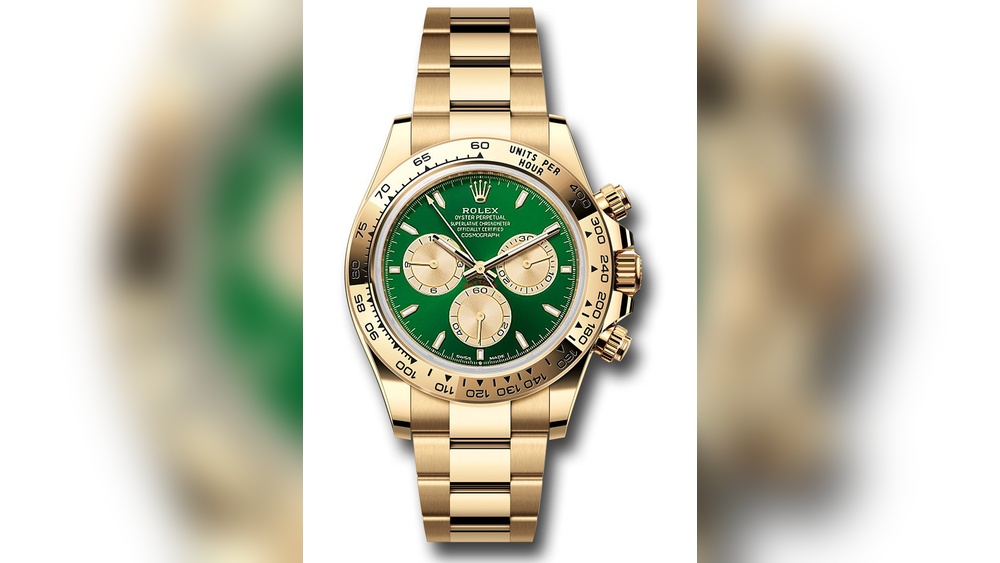
Rolex is the most recognized Swiss luxury watch brand. Its watches are worn by leaders, athletes, and celebrities. The Rolex Submariner is famous for its water resistance and durability. Rolex invented the first waterproof wristwatch and the Oyster case. The brand also developed the first automatic date changer.
Rolex watches hold their value better than almost any other Swiss brand. Many collectors invest in vintage Rolex models, which can increase in price over time.
Rolex is also known for its simplicity and reliability. Most models are easy to use, with clear dials and robust cases. The brand uses strict quality controls and tests every watch in real-life conditions. For example, the Submariner is tested underwater, and the Explorer is tested in extreme cold and heat.
A non-obvious insight: Rolex produces all its own gold, steel, and movements in-house, which is rare in the watch industry. This allows for better quality and consistency.
Patek Philippe is known for its complex mechanical movements. The Nautilus and Calatrava models are popular among collectors. Patek Philippe creates watches with features like perpetual calendars and minute repeaters. The brand’s slogan, “You never actually own a Patek Philippe. You merely look after it for the next generation,” highlights its focus on lasting value.
Patek Philippe watches are often auctioned for millions, making them some of the most valuable timepieces in the world.
The brand is also famous for its hand-finished movements. Every watch is decorated inside and out, even if the owner never sees the parts. Patek Philippe uses traditional methods, such as enamel painting and hand engraving, to make each watch a work of art.
Omega is famous for its connection to space and sports. The Speedmaster was the first watch worn on the moon, making history in 1969. Omega also makes the Seamaster, known for its use in James Bond movies. The brand uses Co-Axial movements, which need less maintenance and keep better time.
Omega watches are trusted by professionals and are official timekeepers for the Olympics.
Omega is also known for its “Master Chronometer” certification, which tests watches in tough conditions such as magnetism and temperature changes. This ensures your Omega will stay accurate even in extreme environments.
TAG Heuer focuses on racing and adventure. The Monaco model was worn by Steve McQueen in the movie “Le Mans.” The brand is known for its chronographs, which measure time in seconds, making them popular with race car drivers. TAG Heuer watches have a sporty look and are often more affordable than other Swiss luxury brands.
TAG Heuer also pushes boundaries in design. The Monaco was one of the first square watches, breaking the traditional round shape. The brand is popular with younger buyers who want style and performance.
Audemars Piguet is famous for the Royal Oak, a luxury sports watch with a bold design. The Royal Oak was the first high-end watch made of stainless steel, and its octagonal shape stands out. Audemars Piguet uses advanced finishing methods and creates limited editions that collectors love.
The brand is also known for its “open-worked” watches, where you can see the movement through the dial. This shows the skill and artistry of the watchmakers.
Jaeger-LeCoultre is known for the Reverso watch, which features a case that flips to protect the dial. The brand makes watches with unique designs and complicated movements, like tourbillons and perpetual calendars. Jaeger-LeCoultre is respected for its creativity and technical skill.
The Reverso was originally designed for polo players who wanted to protect their watch during games. Today, it is a style icon and loved for its elegant Art Deco lines.
Breitling makes watches for pilots and adventurers. The Navitimer model includes a circular slide rule, used for aviation calculations. Breitling watches are tough, reliable, and easy to read. The brand is also popular with divers and explorers.
Breitling is one of the few brands that tests every watch for accuracy with the COSC certification. The watches often feature large dials and luminous hands for easy reading in any situation.
Swiss luxury watches are famous for several reasons. Here are the most important factors:
Swiss watchmakers use advanced techniques to ensure their watches keep accurate time. Most luxury brands test their watches for accuracy, sometimes using the COSC certification (Contrôle Officiel Suisse des Chronomètres). Only watches that meet strict standards can earn this label.
Mechanical watches are less accurate than quartz, but Swiss makers have reduced errors to just a few seconds per day. Some models use tourbillon mechanisms to improve accuracy even more.
For example, Rolex watches are tested for accuracy in five different positions and at several temperatures. Omega’s Master Chronometer certification uses magnetic fields and pressure tests, which are not common in other watches.
Swiss luxury watches use the best materials. 18K gold, platinum, titanium, and sapphire crystal are common. Sapphire crystal is used for the watch face because it is almost impossible to scratch. The movements are made with high-grade steel and sometimes decorated with jewels.
Some watches use unique materials for special models. For example, Audemars Piguet uses forged carbon, and Omega uses ceramic for scratch resistance. The use of these materials not only improves durability but also adds elegance and value.
Unlike mass-produced watches, Swiss luxury watches are finished by hand. Watchmakers polish the case, engrave details, and assemble every part carefully. This human touch adds value and makes each watch unique.
Hand-finishing includes polishing every edge, engraving the brand logo, and sometimes adding hand-painted decorations. Even the screws inside the movement may be polished and blued by hand.
Swiss brands respect tradition but also lead in innovation. For example, Omega’s Co-Axial escapement reduces friction and increases accuracy. Rolex invented the Oyster case for water resistance. Audemars Piguet created the first luxury sports watch with the Royal Oak.
Innovation is not just about technology. Swiss watchmakers often experiment with new designs, materials, and functions. For example, TAG Heuer offers watches that connect to smartphones, while Patek Philippe continues to make classic models with new movement designs.
Swiss luxury watches can last a lifetime. With proper care, they work for decades and often become family heirlooms. Many brands offer service centers around the world to repair and maintain their watches.
A well-maintained Swiss watch can be worn daily for years without losing performance. Some collectors own watches from the 1940s or earlier that still work perfectly.
A helpful tip: If you keep your watch serviced and avoid harsh conditions, it can last much longer than cheaper alternatives.
Swiss luxury watches stand out from watches made in other countries, such as Japan, Germany, and the United States. Here’s a simple comparison:
| Swiss Luxury Watches | Japanese Watches | German Watches |
|---|---|---|
| Hand-assembled movements | Quartz technology | Precision engineering |
| Luxury materials | Affordable pricing | Simple design |
| High resale value | Lower resale value | Mid-range resale |
| Long tradition | Modern innovation | Mechanical focus |
Japanese watches, like Seiko and Citizen, are known for their quartz movements and affordability. German watches, such as Glashütte Original, focus on precision and clean design. Swiss watches combine tradition, luxury, and hand-made quality, which makes them desirable and valuable.
Swiss watches are also known for their attention to detail and finishing. While Japanese watches are reliable and innovative, they do not usually have the same level of hand-finishing or luxury materials. German watches are respected for engineering but often have simpler designs.
Another insight: Swiss watches often keep their value better than other watches. For example, a vintage Rolex or Patek Philippe can sell for many times its original price, while most Japanese and German watches do not increase in value as much.
Buying a Swiss luxury watch is a big decision. Here are steps and tips to help you choose the right model:
Are you buying for style, investment, or daily use? Some watches, like the Rolex Submariner, are great for all situations. Others, like the Patek Philippe Nautilus, are best for special occasions.
Consider your needs. If you want a watch for sports, look for models with water resistance or chronographs. For dress occasions, choose a classic model with a simple dial.
Swiss luxury watches can range from $2,000 to over $100,000. Decide how much you want to spend before you start shopping. Remember, some watches hold their value better than others.
Make sure to include extra costs, such as servicing, insurance, or accessories. If you’re planning to buy a rare model, prices may be higher due to demand.
Look at the top brands. Each has a unique style and history. For example, Omega is known for sports and adventure, while Patek Philippe is famous for classic elegance.
Visit brand websites or local dealers to see the different collections. Some brands offer custom options or limited editions.
Within each brand, there are many models. The Omega Speedmaster is sporty, while the Rolex Datejust is classic. Research the features and look for reviews.
Consider the size, color, and functions. Try the watch on if possible, as comfort and fit are important. Some models come in different materials, such as steel, gold, or titanium.
Only buy from authorized dealers or trusted sources. Fake watches are common, especially online. Look for serial numbers, certificates, and original packaging.
Always ask for a warranty and service papers. If you are buying pre-owned, request a history of the watch’s maintenance.
Pre-owned Swiss luxury watches can cost less and sometimes have rare designs. Make sure the watch is serviced and comes with papers.
Some collectors prefer vintage models for their history and style. Others like new watches for the latest technology and warranty.
Some watches, like Rolex and Patek Philippe, increase in value over time. If you plan to sell later, research which models are good investments.
Check auction results or online marketplaces to see how prices change over time. Limited editions and rare models often do better in resale.
Many buyers rush and pay too much. Some buy fake watches or models that don’t suit their lifestyle. Take your time and ask questions before buying.
Another mistake is ignoring service history. Always check when the watch was last serviced, especially for pre-owned models.
Here’s a quick look at average prices for popular models:
| Brand | Model | Average Price (USD) |
|---|---|---|
| Rolex | Submariner | $10,000–$15,000 |
| Patek Philippe | Nautilus | $30,000–$90,000 |
| Omega | Speedmaster | $5,000–$8,000 |
| TAG Heuer | Monaco | $4,000–$6,000 |
| Breitling | Navitimer | $6,000–$10,000 |
A Swiss luxury watch needs care to stay beautiful and accurate. Here’s how to keep your watch in top condition:
If your watch has a leather strap, avoid getting it wet. Leather can crack and fade if exposed to water or sweat. For metal bracelets, use a soft toothbrush and mild soap to clean dirt.
Swiss watches need servicing every 3–5 years. This includes cleaning, oiling the movement, and checking for wear. Only use authorized service centers.
A full service can take several weeks, but it is important for the watch’s accuracy and longevity. During service, the watchmaker will check the seals, clean the movement, and replace worn parts.
Magnets can affect the movement and make the watch lose time. If you work near computers or speakers, keep your watch away from strong magnetic fields.
Keep your watch in its original box or a watch case. If you own several watches, use a safe or a dedicated storage drawer.
A watch box keeps dust and moisture away. If you travel, use a special travel case to protect your watch from bumps.
If your watch is valuable, consider insurance. Many companies offer watch-specific policies.
Insurance protects your watch from theft, loss, or damage. Make sure to keep receipts and photos for proof.
Some people forget to wind their watch or set the date incorrectly. Always read the manual and follow the brand’s advice.
If you have a collection, make a list of each watch, its serial number, and service history. This helps if you need to claim insurance or sell in the future.
A non-obvious insight: Some luxury watches have “hidden” features, such as quick-set date or special locking crowns. Take time to learn your watch’s functions for best care.
“Swiss Made” means the watch was produced mostly in Switzerland. The movement must be Swiss, assembled in Switzerland, and inspected there. At least 60% of production costs must be Swiss-based. This label shows quality and tradition.
Check for serial numbers, certificates, and original packaging. Buy only from authorized dealers. Genuine watches have smooth movement, high-quality materials, and precise finishing. Fake watches often have poor engraving and cheap parts.
You can also check the brand’s official website for a list of authorized dealers. If in doubt, ask the dealer to show proof of authenticity.
Many Swiss watches, especially from Rolex and Patek Philippe, hold or increase their value. Limited editions and rare models are especially sought after. Watch investments require research and patience.
Not all models go up in value, so research before buying. Join watch forums or talk to collectors for advice.
Service your watch every 3–5 years. Regular maintenance keeps the movement clean and accurate. Neglecting service can cause damage and reduce value.
If you notice your watch losing time or showing moisture inside, seek service immediately.
Automatic watches use mechanical movement powered by wrist motion. Quartz watches use a battery and electronic movement. Most Swiss luxury watches are automatic, valued for tradition and craftsmanship.
Quartz watches are more accurate and need less maintenance, but collectors prefer mechanical models for their artistry.
You can find more details and history at Wikipedia and on official brand websites.
—
Swiss luxury watches combine tradition, precision, and beauty. Switzerland has built its reputation as the leader in watchmaking by focusing on quality and innovation. Whether you choose a Rolex, Omega, or Patek Philippe, owning a Swiss watch connects you to a world of craftsmanship and history.
With proper care and smart buying, your Swiss luxury watch can become a lasting treasure. If you want to explore more or see real examples, visit a local authorized dealer or check official brand sites. For inspiration, search for videos showing how these watches are made or high-quality images of classic models.
Image suggestion: A close-up photo of a Swiss luxury watch, showing its intricate dial and craftsmanship. (ALT: Swiss luxury watches close-up)
Video suggestion: Documentary about Swiss watchmaking, featuring factory tours and interviews with expert watchmakers.
For related articles on watch care, luxury collecting, or brand comparisons, see [Internal Link Placeholder: Swiss Watch Care Guide], [Internal Link Placeholder: Best Luxury Watch Brands], and [Internal Link Placeholder: How to Spot Fake Swiss Watches].
You’re now ready to understand and enjoy the world of Swiss luxury watches. If you have more questions, reach out to experts or join watch forums to connect with passionate collectors.
The story of the Carriage Hill Traveller Timepiece is not just about a watch—it is about the art of travel,
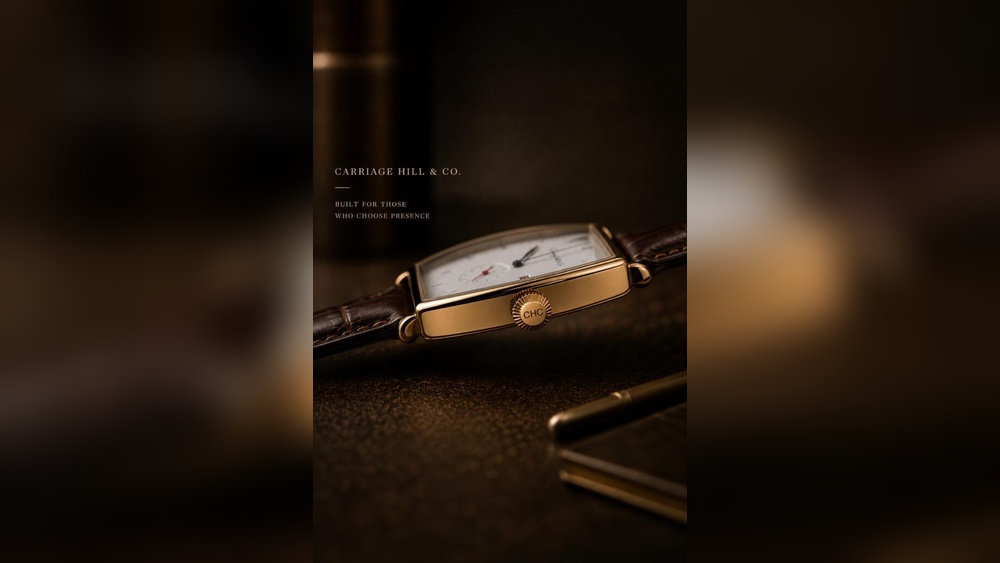
Carriage Hill And Co Watches: A Complete Guide If you search for a watch that blends tradition with modern style,
Carriage Hill Understated Luxury Watch: A Complete Guide A luxury watch is more than just a tool for telling time.
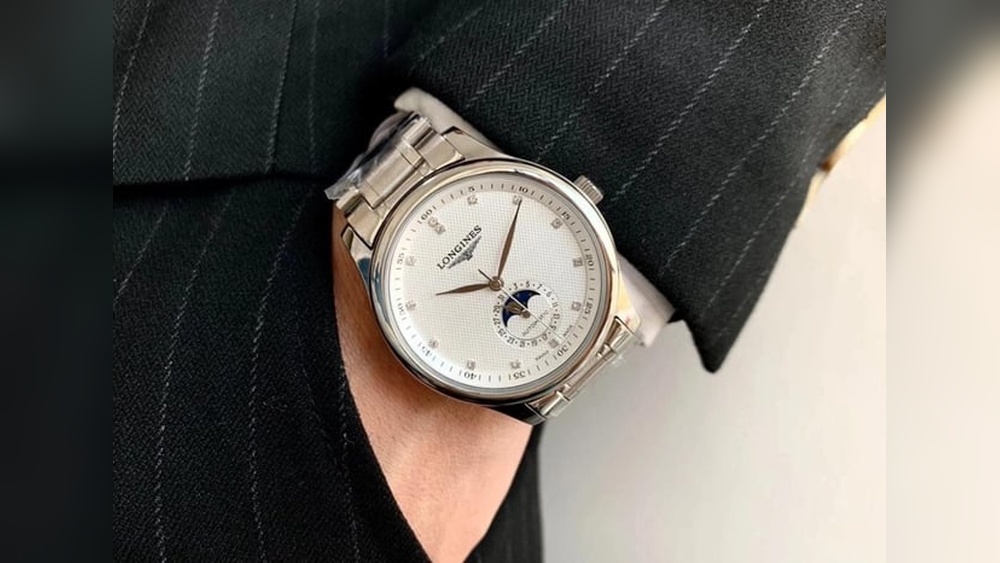
Finding a luxury dress watch under $700 is a rewarding challenge for style-conscious people who want elegance without the high
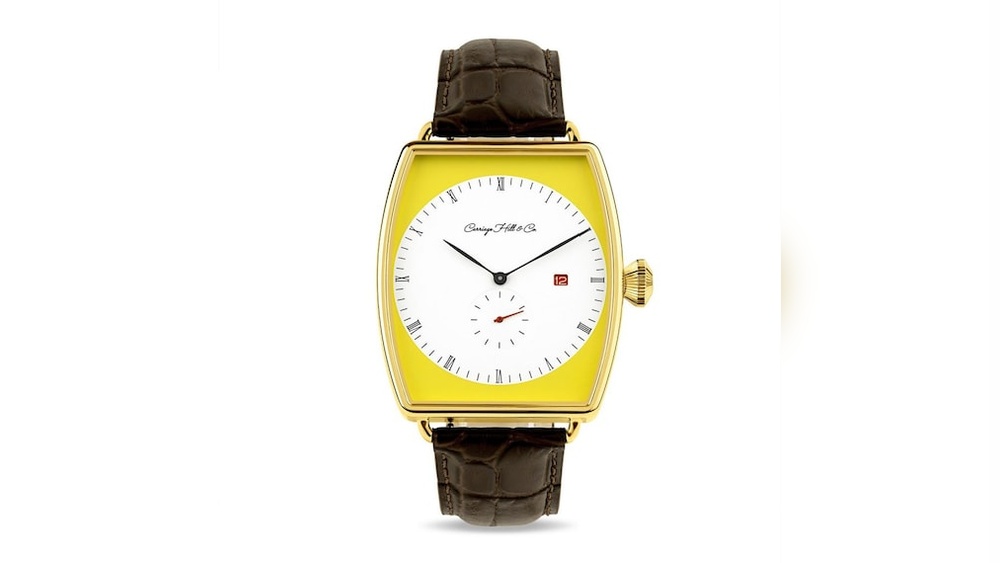
The world of luxury watches is filled with stories of craftsmanship, tradition, and innovation. Among these, the Carriage Hill Handcrafted
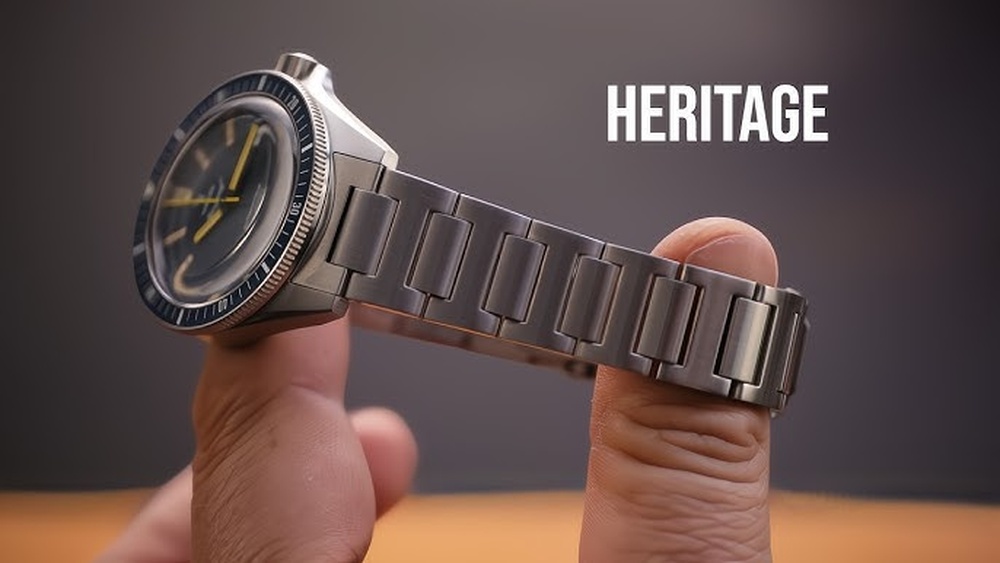
The world of watches is full of stories, tradition, and craftsmanship. For many people, a watch is not just a