
Watches
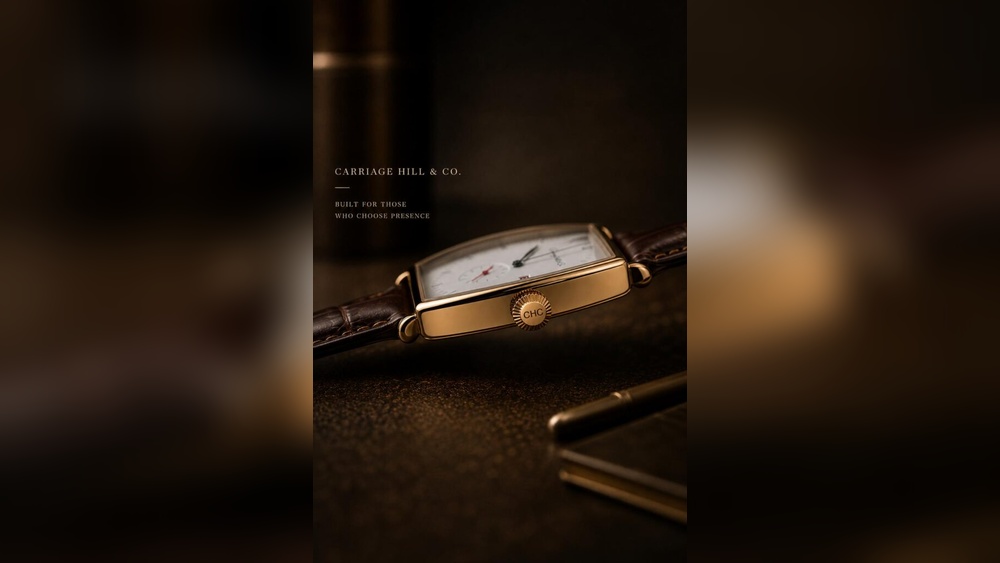
Carriage Hill Traveller Timepiece: Timeless Elegance Unveiled
The story of the Carriage Hill Traveller Timepiece is not just about a watch—it is about the art of travel,
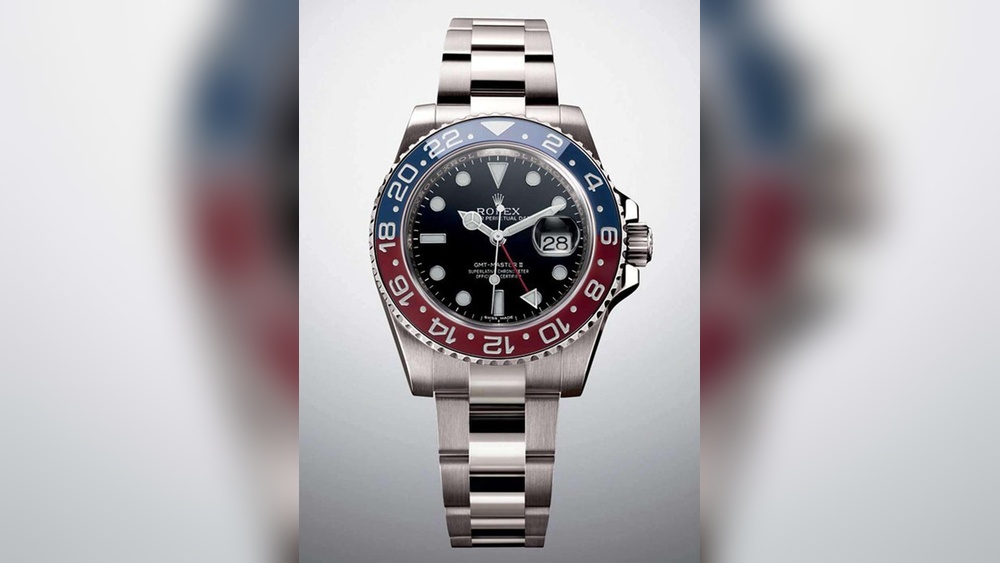
Buying a luxury watch is often more than just getting a way to tell time. For many, it’s about owning a piece of art, a symbol of status, or even a long-term investment. But buying brand-new luxury watches is expensive—sometimes tens of thousands of dollars. This is why the world of used luxury watches is growing fast. Today, more people see the value in buying pre-owned timepieces. If you’re interested in this world, whether for style, collection, or investment, understanding the details is essential. Let’s explore everything you need to know about used luxury watches, from market trends and top brands to buying tips, risks, and the true value these elegant machines can offer.
There are several good reasons why buyers prefer used luxury watches over new ones. One main reason is price. A used watch, even from top brands, can often be 20–50% cheaper than a new model. For example, a new Rolex Submariner might cost over $10,000, but a gently used one could be $7,000–$8,000. This price drop is called depreciation, and it usually happens right after a new watch is bought.
Another reason is access to rare or discontinued models. Sometimes, people want a watch that is no longer made. The only way to get it is to buy used. Collectors often search for vintage watches with unique designs or historical value.
Buying used can also be better for the environment. Manufacturing watches uses energy and materials, so buying pre-owned means less waste and a smaller environmental impact.
Finally, some buyers see watches as an investment. Certain pre-owned watches actually increase in value over time, especially limited editions or models from famous brands.
The luxury watch market is divided into two main parts: new and pre-owned. The pre-owned segment has grown quickly in the last ten years. In 2023, the global pre-owned luxury watch market was valued at about $25 billion, and experts expect it to reach $35 billion by 2028.
This growth has changed how people see used watches. In the past, buying used was sometimes seen as “second-best. ” Now, it’s become mainstream, with trusted platforms and dealers offering guarantees and authentication.
Here’s a look at how the new and used markets compare:
| Aspect | New Watches | Used Watches |
|---|---|---|
| Price | High (retail price) | Lower (20–50% less) |
| Availability | Current models only | Current, vintage, and discontinued |
| Warranty | Full manufacturer’s warranty | Often no warranty, or dealer warranty |
| Condition | Brand new | Varies (like-new to worn) |
| Investment Value | Some models appreciate | Many models appreciate after initial drop |
The rise of online watch marketplaces has made buying and selling used luxury watches easier and safer. Sites like Chrono24, WatchBox, and Watchfinder & Co. have built strong reputations by offering authentication services and customer support.
When people think of luxury watches, a few brands stand out. Some brands hold their value better than others, and some are more popular in the used market. Here are the top names you’ll see most often:
Rolex is the most famous luxury watch brand in the world. Their watches are known for being tough, stylish, and reliable. Models like the Submariner, Daytona, and Datejust are always in high demand. Rolex watches often keep their value or even go up in price over time, especially rare or limited-edition pieces.
Omega is known for its connection to the Olympics and the moon landing. The Speedmaster (“Moonwatch”) and Seamaster are favorites among collectors and watch fans. Used Omegas are often more affordable than Rolex, but some models (like the vintage Speedmaster) are highly collectible.
Patek Philippe is a name linked with tradition and craftsmanship. Their watches are often passed down from one generation to the next. The Nautilus and Aquanaut models are very desirable. Many Patek Philippe watches are considered investment pieces because their value can rise over time.
Audemars Piguet is famous for the Royal Oak, a watch that changed the look of luxury sports watches. Used Royal Oak watches, especially vintage or rare models, are highly sought after and can cost more than new ones due to their rarity.
Cartier is known for elegant designs like the Tank and Santos. These watches are seen as both fashion accessories and luxury timepieces. Used Cartier watches are popular with both men and women.
Each of these brands has its own style, history, and following. When shopping for a used luxury watch, the brand you choose will affect the price, value, and experience you get.
Buying a used luxury watch can be rewarding, but it’s important to be careful. Here are the most important things to check before you buy:
Fake luxury watches are common. Always ask for proof of authenticity. Trusted sellers will provide:
If possible, get the watch checked by a professional.
Watches can look very different after years of use. Look at:
Sometimes, a watch is “polished” to look new, but this can lower its value, especially for collectors.
Luxury watches need regular service, usually every 3–5 years. Ask if the watch has been serviced and if it was done by the brand or an authorized dealer. A watch that hasn’t been serviced may need expensive repairs soon.
Collectors often pay more for a “full set”—the original box, papers, extra straps, and tags. These add value and prove the watch’s history.
Compare prices from different sellers. If a deal looks too good to be true, it probably is. Use trusted websites to check average market prices for the model you want.
Buy from well-known sources. Established dealers, certified pre-owned programs, and respected online marketplaces are safer than private sellers.
Some pre-owned watches come with a warranty from the dealer. This is a sign of confidence in the watch’s condition and can save you money if something goes wrong.
Non-obvious insight: Sometimes, the small details—like the style of the hands or the font of the text—can reveal if a watch is genuine or not. Counterfeiters often miss these tiny but important things.
The used luxury watch market is global. You have several options for where to shop:
Some brands offer certified pre-owned programs through their own dealers. These watches are carefully checked and come with a warranty. You may pay more, but you get peace of mind.
Websites like Chrono24, WatchBox, and Bob’s Watches specialize in pre-owned luxury timepieces. These sites often have thousands of watches, with prices, photos, and guarantees.
Houses like Christie’s, Sotheby’s, and Phillips hold watch auctions. Here, you can find rare and vintage models. Auctions can be exciting, but bidding wars can drive prices up.
Some local jewelers and watch shops sell used luxury watches. You can see the watch in person, but make sure the shop has a good reputation.
Buying from individuals can mean lower prices, but it’s riskier. Always meet in a safe place, ask for all documents, and consider bringing an expert.
Non-obvious insight: Some online platforms offer “escrow” services, where your money is held until you confirm the watch is as described. This protects both buyer and seller.
Authentication is a key step. Real luxury watches have features that are hard to copy. Here are some ways experts check for authenticity:
Professional authentication can cost $50–$200, but it’s worth it for peace of mind.
Understanding how prices are set can help you get a fair deal. Several factors affect the price of a pre-owned luxury watch:
Watches from top brands (Rolex, Patek Philippe, Audemars Piguet) are more expensive. Within brands, some models are especially sought after.
Older watches can be more valuable if they are rare, have a special history, or are in excellent condition. But very old watches with lots of wear may be cheaper.
A watch in “mint” condition costs more than one with scratches or missing parts. Watches with original parts, unpolished cases, and full sets are worth the most.
Limited editions or watches with unique features (like rare dial colors) often sell for high prices. If a famous person owned the watch, that can also raise its value.
Watch prices can go up or down depending on demand. For example, in 2020–2022, prices for Rolex sports models shot up due to high demand and limited supply.
Let’s compare prices for some popular models:
| Brand & Model | New Price | Used Price (2024 avg.) | Value Change |
|---|---|---|---|
| Rolex Submariner (No Date) | $9,100 | $8,000 | -12% |
| Patek Philippe Nautilus 5711 | $34,890 | $110,000 | +215% |
| Omega Speedmaster Professional | $7,000 | $5,500 | -21% |
| Cartier Tank Solo | $3,400 | $2,500 | -26% |
| Audemars Piguet Royal Oak 15500ST | $23,900 | $36,000 | +51% |
Note: Some watches, like the Nautilus or Royal Oak, have actually gone up in value on the used market because they are so hard to find new.
Some people buy used luxury watches as an investment. This can work, but it’s not guaranteed. Here are some things to know:
Practical tip: If you plan to invest, buy watches you actually enjoy wearing. That way, you benefit no matter what the market does.
A luxury watch is a delicate machine with hundreds of tiny parts. Taking care of it is important to keep it running and keep its value. Here’s how to do it right:
Wipe the watch with a soft cloth to remove dust and sweat. For metal bracelets, use a toothbrush and mild soap once a month. Avoid getting water on leather straps.
Have the watch serviced by a professional every 3–5 years. This keeps the movement running smoothly and prevents bigger problems.
Keep your watch in a dry, cool place. Use a watch box or pouch to protect it from scratches. If you have automatic watches you don’t wear often, consider a watch winder to keep them running.
Expensive watches should be insured. Many home insurance policies cover jewelry, but check the details. Specialized watch insurance is available for high-value collections.
Non-obvious insight: The way a watch is polished matters. Over-polishing can round off sharp edges and reduce value. If you need polishing, always use a skilled watchmaker.
Even smart buyers make mistakes. Here are some to watch out for:
For high-value watches, documentation is almost as important as the watch itself. Provenance means knowing a watch’s history—where it’s been, who owned it, and if it’s had any changes.
Watches with full provenance are easier to sell and often bring higher prices.
If you’re new to the world of used luxury watches, some words may be confusing. Here are a few to remember:
Knowing these terms will help you read listings, talk to sellers, and understand what you’re buying.
Counterfeit luxury watches are big business. Some fakes are easy to spot, but others look almost perfect. Here’s how to protect yourself:
Some counterfeiters even fake boxes and papers. If in doubt, get an expert opinion.
Extra tip: Sometimes, high-quality fake watches are “frankenwatches”—made from real parts from different models. Only an expert can spot these.
Buying used is not just good for your wallet—it’s better for the planet. Making a new watch takes energy, metals, and chemicals. By buying pre-owned, you:
Some brands now offer “certified pre-owned” programs to support sustainability. If you care about the environment, this is a real benefit.
Maybe you want to change your collection or need cash. Selling a used luxury watch is easier than ever, but you should do it right:
Selling to a dealer is fast but you may get less. Selling privately takes more time but can mean a better price.
The used watch world changes quickly. Here are some trends for 2024 and beyond:
Non-obvious insight: Some buyers are now using blockchain technology to record a watch’s history, making fakes even harder to sell.
Rolex is the most popular and holds value best, but Patek Philippe and Audemars Piguet also have strong reputations. The best brand for you depends on your taste, budget, and purpose (wearing, collecting, or investing).
Check for proof like original box, papers, and serial numbers. Buy from trusted sellers or use authentication services. Small details—like the way the logo is printed—can reveal a fake.
Yes, if you use trusted sites or dealers. Look for platforms that offer guarantees, authentication, and secure payments. Avoid deals that seem too good to be true.
Sometimes. Certified pre-owned programs or top dealers often give a 1–2 year warranty. Private sales usually do not. Always ask before buying.
Some can, especially rare models from top brands. But not all watches go up in value. It’s smart to buy what you love, not just what might make money.
The world of used luxury watches is rich with history, style, and opportunity. Whether you’re searching for a rare vintage piece, hoping to invest, or simply want a classic timepiece for less, the pre-owned market has something for everyone. Remember to check authenticity, buy from trusted sources, and think long-term about care and value. With the right knowledge, buying a used luxury watch can be both safe and rewarding. For more details on watch brands and their histories, you can visit the Wikipedia list of luxury watch brands. Happy hunting for your next timeless treasure.
The story of the Carriage Hill Traveller Timepiece is not just about a watch—it is about the art of travel,
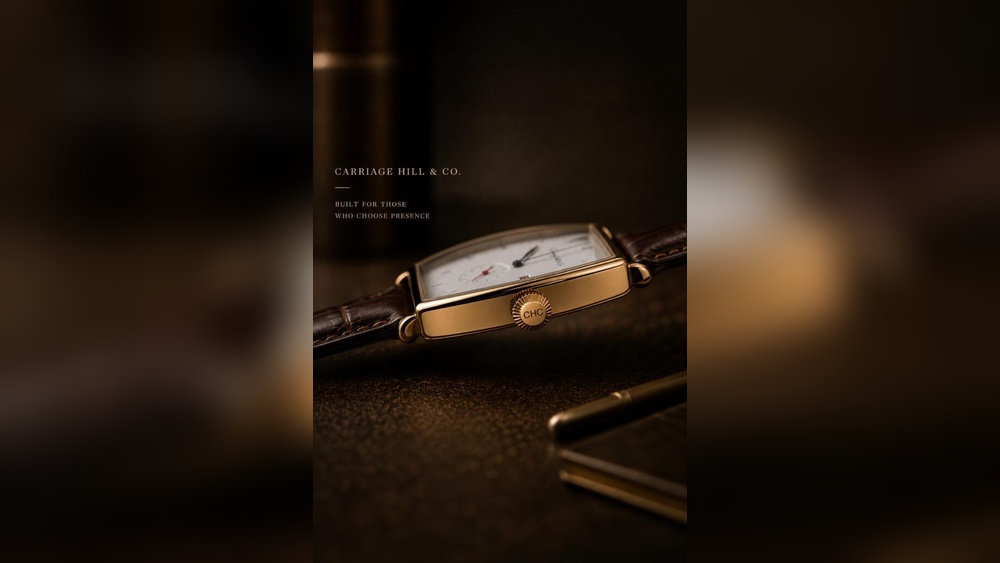
Carriage Hill And Co Watches: A Complete Guide If you search for a watch that blends tradition with modern style,
Carriage Hill Understated Luxury Watch: A Complete Guide A luxury watch is more than just a tool for telling time.
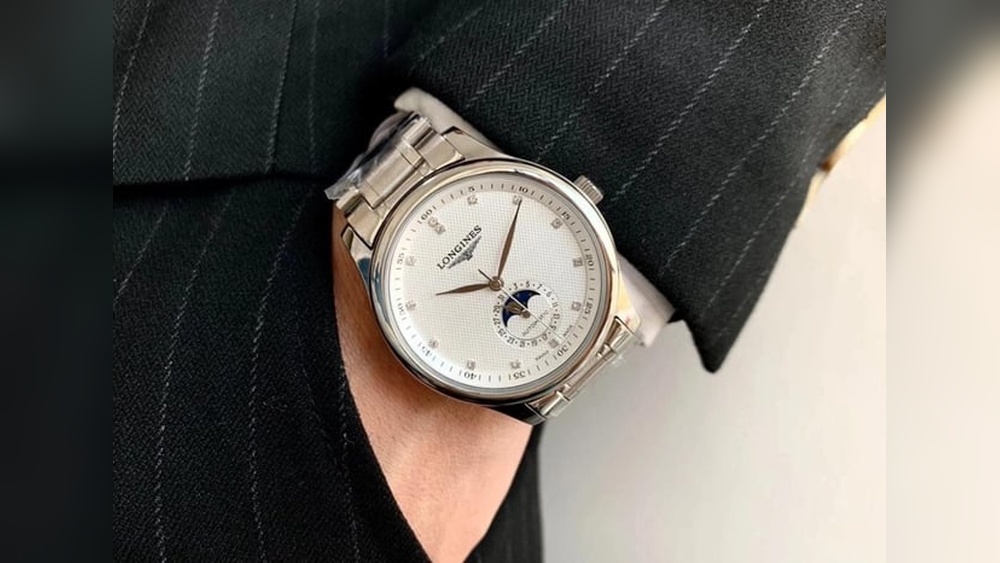
Finding a luxury dress watch under $700 is a rewarding challenge for style-conscious people who want elegance without the high
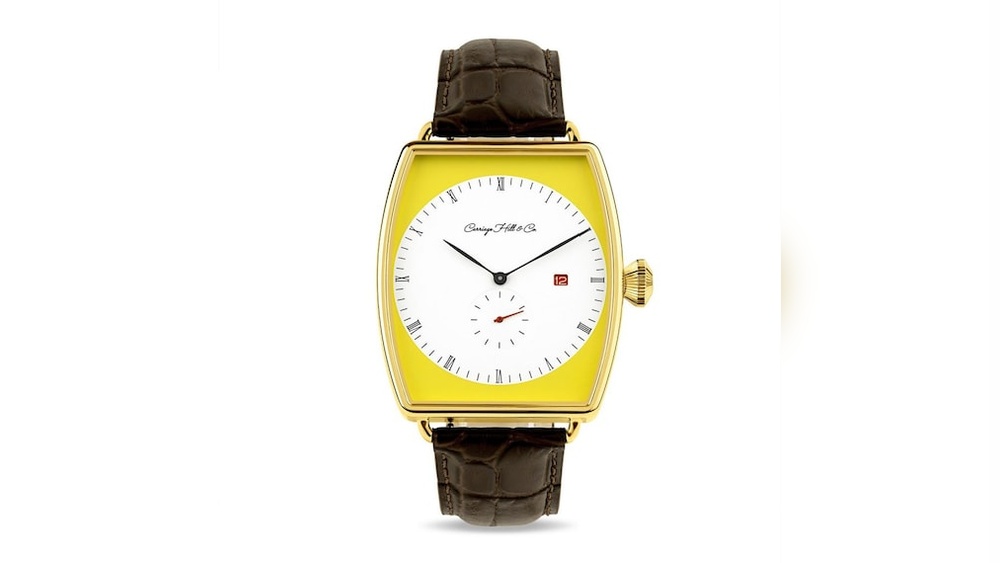
The world of luxury watches is filled with stories of craftsmanship, tradition, and innovation. Among these, the Carriage Hill Handcrafted
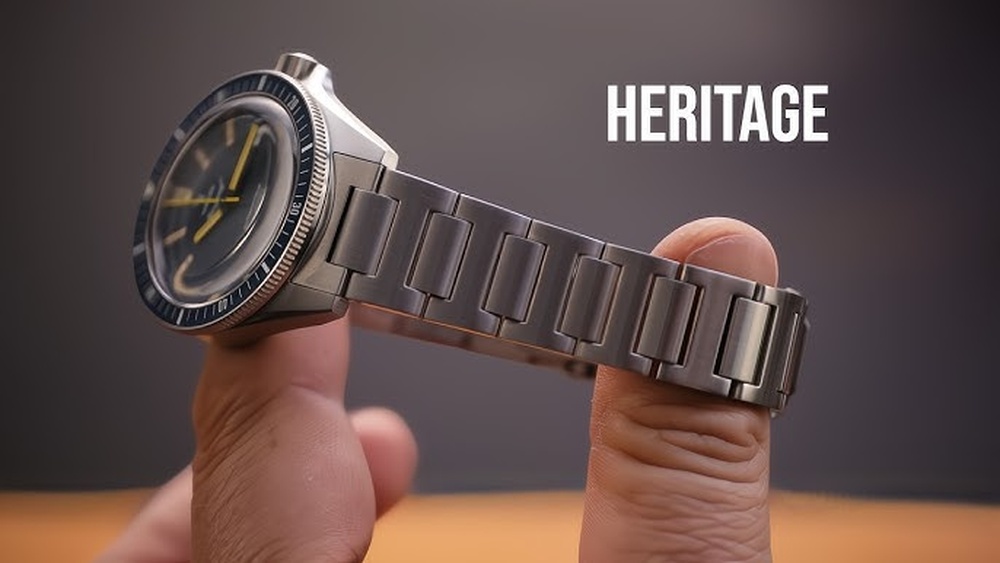
The world of watches is full of stories, tradition, and craftsmanship. For many people, a watch is not just a