
Watches
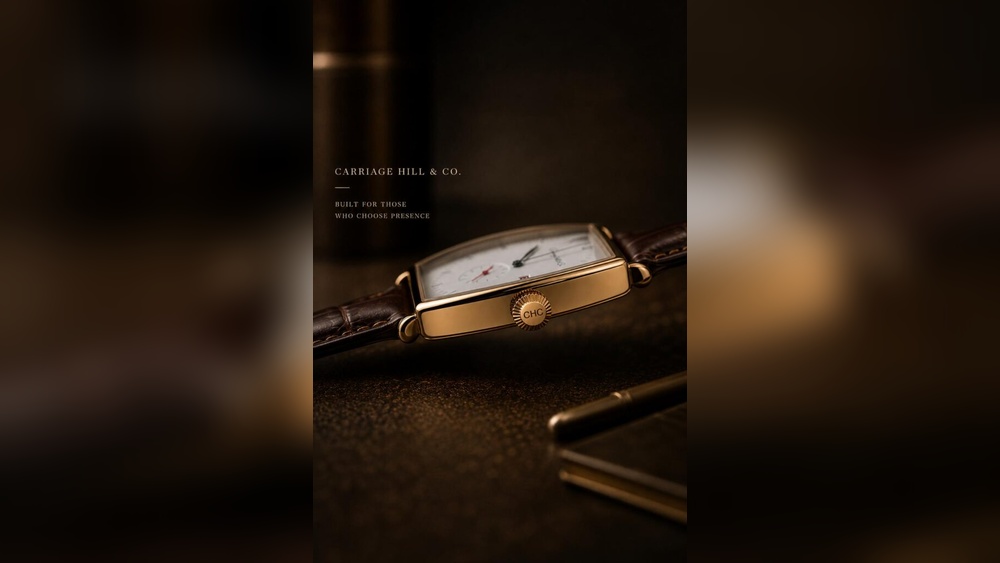
Carriage Hill Traveller Timepiece: Timeless Elegance Unveiled
The story of the Carriage Hill Traveller Timepiece is not just about a watch—it is about the art of travel,
Meta Description:
Discover the 7 best luxury watches that hold value. Learn why these timepieces are investment-worthy, see data comparisons, and get expert insights in this ultimate guide.
URL Slug:
—
—
*ALT: watches that hold value luxury investment timepieces*
—
Watches are not only tools for telling time—they are symbols of status, style, and sometimes smart investment. Many people ask which watches hold value, especially in the luxury segment. If you choose wisely, a watch can retain or even increase its price over time. But not all brands or models are equal. In this ultimate guide, you’ll discover the top 7 luxury watches that hold value, learn what affects their prices, see real data, and get tips for buying and maintaining them. Whether you’re a beginner or a collector, this article will help you make confident decisions.
—
Not every watch keeps its price after you buy it. Most ordinary watches lose value quickly, just like cars. But some watches, especially luxury brands, are different. They combine quality craftsmanship, history, and strong demand. Let’s see why certain watches hold value.
Many luxury watches are made in small numbers. For example, Patek Philippe creates only a few thousand Nautilus models each year. When supply is low and demand is high, prices rise. Collectors love rare pieces, which helps watches keep their value. This exclusivity is a big part of what makes certain watches so appealing—not everyone can get one, even if they have the money. Sometimes, even authorized dealers get very few pieces per year, which makes the waiting lists even longer.
Some brands also release special editions to commemorate important events, anniversaries, or collaborations. These limited editions can spike in value quickly because collectors know they won’t be made again. For example, Omega’s limited Moonwatch releases for Apollo missions or Rolex’s commemorative Submariners often become highly sought after.
Brands like Rolex, Patek Philippe, and Audemars Piguet are trusted worldwide. Their names signal prestige and quality. When a brand is famous and respected, its watches are more likely to hold value. These brands have spent decades, sometimes centuries, building their reputation. Their watches are often worn by celebrities, world leaders, and successful professionals, which adds to the brand’s appeal.
A strong brand reputation means that even during economic downturns, there is still steady demand for their watches. For example, Rolex watches rarely see large drops in value, even if the wider luxury market is weak.
Some models have a rich history. The Omega Speedmaster was worn on the moon, making it legendary. People pay extra for watches with stories behind them. Watches tied to important moments in history become more than just accessories—they become conversation pieces and cultural icons.
Collectors often look for watches connected to famous people or events. For example, the Rolex Daytona became legendary because Paul Newman wore one, and the “Paul Newman” Daytona is now one of the most expensive watches ever sold at auction.
Luxury watches use the best materials, like 18k gold, sapphire crystal, and precision movements. These features make them last longer and attract buyers. Many high-end watches are assembled by hand, with watchmakers spending dozens or even hundreds of hours on each piece. Intricate decorations, finely finished movements, and strict quality checks ensure that these watches can last for generations.
Some brands, like Jaeger-LeCoultre or Patek Philippe, are known for their in-house movements. This means they design and build their own engines for the watch, rather than buying them from another company. This adds even more value because it shows the brand’s commitment to watchmaking excellence.
The watch market changes. Sometimes, a certain style becomes popular, and prices jump. Understanding trends helps you pick watches that will likely hold value. For example, in the last decade, stainless steel sports watches with integrated bracelets (like the Royal Oak and Nautilus) became extremely fashionable, sending prices soaring.
Smart investors pay attention to which models are getting a lot of attention in the media or on social networks. But they also look for models that have a steady track record, not just short-term hype. Learning to read the market can help you buy before prices rise.
*Non-obvious insight*: Many beginners think only old watches hold value, but limited modern releases can also become valuable quickly if demand is strong. For example, some recent models from Tudor or Omega have appreciated in just a few years.
*Another insight*: The country or region you buy from can also affect value. Watches purchased in Switzerland or authorized dealers in Europe sometimes come with different paperwork or stamps, which collectors may pay more for.
—
Before you invest, it’s smart to know what really matters. Here are the most important factors that decide if a watch will keep its price.
The brand is often the biggest factor. Some models from the same brand are more valuable than others. For example, a Rolex Datejust is respected, but a Submariner or Daytona almost always holds value better.
Watches in mint condition are worth more. Scratches, missing parts, or replaced dials reduce value. Even tiny marks on the case or crystal can make a difference, especially for collectors who look for “unpolished” or “like new” examples.
A watch with original box and papers is more valuable. Replaced parts or missing documentation lower the price. Collectors love “full set” watches, which means everything the watch came with when new—box, warranty card, tags, booklets, and sometimes even purchase receipts.
Limited editions or discontinued models are often more valuable. Even changes in dial color or small design details can turn a regular watch into a rare find.
Vintage watches can be valuable, but only if they are in good shape and from a respected brand. Sometimes, a model from the 1960s with “tropical” dial (a dial that changed color with age) can be worth much more than newer ones.
If many people want a model, its value stays high. This is why waiting lists for certain watches are years long. Social media, celebrity endorsements, and trends can drive demand higher or lower.
A watch with records of regular service is often more trusted and valuable. Service papers show the watch has been cared for and is less likely to have hidden problems.
Pro tip:
Don’t assume all watches from a famous brand hold value. Only certain models, especially those with history and limited production, do. For example, some quartz watches from luxury brands lose value quickly, while mechanical or automatic versions hold up better.
*Another insight*: The movement type matters. In-house or complicated movements (like chronographs or perpetual calendars) are valued higher than basic ones. Collectors pay a premium for originality and technical achievement.
—
If you want watches that hold value, you need to know the best brands and models. Here are the 7 top luxury watches that are known for value retention.
The Rolex Submariner is one of the most famous diving watches. It’s known for its classic design, strong build, and history.
The Submariner has a timeless look and is always in demand. Many versions are produced, but rare models (like the vintage “Red Sub”) are especially valuable.
Most Submariners keep 90%+ of their value after 5 years.
Example:
A 2015 Rolex Submariner (reference 114060) bought for $7,500 can often sell for $8,000 or more today.
Non-obvious insight:
Even newer Submariners can be hard to buy at retail, pushing prices higher in the secondary market.
*Extra detail:*
Collectors often debate over “date” vs. “no date” Submariners. Both are valuable, but the “no date” version is closer to the original design. Vintage Submariners with rare dials, like the “COMEX” or “military” versions, can sell for hundreds of thousands of dollars.
The Patek Philippe Nautilus is famous for its unique shape and limited supply.
Patek produces very few Nautilus watches each year. The 5711 was discontinued, making it even more sought after.
The Nautilus can appreciate by 100% or more after a few years.
Example:
A Nautilus 5711, retailing for about $30,000, often sells used for over $90,000.
Pro tip:
If you get a Nautilus at retail, you own one of the most valuable watches in the world.
*Extra detail:*
The Nautilus was designed by Gerald Genta, a legendary watch designer. Its “porthole” shape and integrated bracelet make it instantly recognizable. Some rare Nautilus models with complications, like the annual calendar or travel time, also command very high prices.
The Royal Oak is known for its bold design and “octagon” bezel.
Its design is iconic, and AP is careful about production numbers.
Royal Oak watches often hold or increase their value by 70–150%.
Example:
A Royal Oak 15500ST bought for $22,000 can be seen selling for over $35,000.
Non-obvious insight:
Royal Oak “Jumbo” editions are especially prized, and waiting lists can be years long.
*Extra detail:*
The Royal Oak was also designed by Gerald Genta, like the Nautilus. The “Tapisserie” pattern on its dial is made using a centuries-old technique. Vintage Royal Oaks from the 1970s are now collector’s items, and rare versions in gold or with special dials can fetch massive sums.
The Omega Speedmaster is the “Moonwatch,” famous for space missions.
Its history with NASA and classic design make it a favorite among collectors.
Most Speedmasters keep about 70–80% of their value after 5 years.
Example:
A Speedmaster bought for $5,000 can often resell for $4,000–$6,000.
Pro tip:
Limited editions, like the “Snoopy” Speedmaster, can appreciate much faster.
*Extra detail:*
The Speedmaster was the only watch to pass NASA’s tough tests for the Apollo missions. Collectors look for early “pre-moon” models, rare casebacks, or “tropical” dials (which aged to a brown color). The Speedmaster is also one of the most affordable ways to start collecting iconic watches.
The Rolex Daytona is a chronograph made for racing.
Demand is always higher than supply, especially for stainless steel models.
Daytona watches often sell for double their retail price.
Example:
A 116500LN Daytona bought for $13,000 can sell for $25,000–$35,000.
Non-obvious insight:
The “Paul Newman” Daytona is one of the most expensive vintage watches ever sold.
*Extra detail:*
Daytonas with exotic dials or from the “Zenith” era (when Rolex used Zenith-made movements) are highly sought after. The waiting list for new Daytonas can be several years, and some people buy them as soon as they are offered, knowing they can resell for a profit.
The Reverso is famous for its flipping case and art deco style.
Its unique design and history make it popular with collectors.
Reversos can hold 60–80% of their value, with rare models appreciating.
Example:
A vintage Reverso bought for $7,000 can sell for $6,000–$10,000, depending on condition.
Pro tip:
Customized Reversos with engravings can sometimes be less valuable, so choose original pieces.
*Extra detail:*
The Reverso was invented for polo players in India who wanted to protect their watch glass during matches. The case flips over to shield the dial. Modern Reversos come in many sizes, metals, and complications—some even have two dials.
The Tudor Black Bay is a modern classic, inspired by vintage diving watches.
Tudor is owned by Rolex, and its watches offer value at a lower price point.
Black Bay watches often keep 60–75% of their value.
Example:
A Black Bay Fifty-Eight bought for $3,800 can sell for $3,000–$3,500 after a few years.
Non-obvious insight:
Tudor’s rapid rise in popularity means newer models can also become collector favorites.
*Extra detail:*
The Black Bay Fifty-Eight is loved for its vintage size (39mm) and classic looks. Earlier Black Bays used third-party movements, but now most use Tudor’s in-house calibers, which helps their reputation and value.
—
To help you see which watches hold value best, here is a comparison of resale prices and value retention.
| Brand | Model | Retail Price | Resale Price (5 Years) | Value Retention (%) |
|---|---|---|---|---|
| Rolex | Submariner | $8,000 | $7,500–$9,000 | 90–110% |
| Patek Philippe | Nautilus 5711 | $30,000 | $80,000–$90,000 | 250–300% |
| Audemars Piguet | Royal Oak | $22,000 | $30,000–$35,000 | 135–160% |
| Omega | Speedmaster Pro | $5,000 | $4,000–$6,000 | 80–120% |
| Rolex | Daytona | $13,000 | $25,000–$35,000 | 190–270% |
| Jaeger-LeCoultre | Reverso | $7,000 | $6,000–$10,000 | 85–140% |
| Tudor | Black Bay | $3,800 | $3,000–$3,500 | 79–92% |
—
Here’s another table comparing rarity and waiting list times for these watches.
| Model | Rarity Level | Typical Waiting List |
|---|---|---|
| Rolex Submariner | Medium | 6–12 months |
| Patek Philippe Nautilus | Very High | 2–5 years |
| Audemars Piguet Royal Oak | High | 1–3 years |
| Omega Speedmaster Pro | Low | Immediate |
| Rolex Daytona | Very High | 2–4 years |
| Jaeger-LeCoultre Reverso | Medium | Immediate |
| Tudor Black Bay | Low | Immediate |
*Extra insight:*
Waiting lists can change quickly. If a model is suddenly discontinued, the secondary market price can jump overnight. For example, when the Nautilus 5711 was discontinued, prices tripled in a few months.
—
Many first-time buyers make errors that cost them money. Here are the most frequent mistakes—and how to avoid them.
Buying a scratched or damaged watch lowers resale value. Even a small dent on the case or a faded bezel can take thousands off the price for high-end models.
Missing box or papers can reduce the value by up to 30%. Collectors want proof that the watch is genuine and not stolen or altered.
Just because a model is popular now doesn’t mean it will always be valuable. Some watches get hyped up on social media but fall in value after the buzz fades.
Paying above market value means it’s harder to recover your money. Always check recent sales on trusted sites before buying.
Beginners often skip research. Always check market prices, authenticity, and service history. Learning about the history and details of a model can prevent mistakes.
Some people buy many watches, hoping all will go up in value. Focus on a few strong models.
Pro tip:
Avoid “Frankenwatches”—pieces with parts from many sources. They are less valuable.
*Non-obvious insight:*
Refinishing a watch case to remove scratches can reduce value, especially for vintage watches. Collectors often prefer honest wear to a polished case, which loses original edges and lines.
*Another mistake:*
Not checking the size and fit. Watches that are too big or too small for current trends may be harder to sell, even if they are valuable models.
—
Once you buy a valuable watch, you need to keep it in good shape. Here’s how to protect your investment.
Keep your watch in a dry, cool place. Use the original box if possible. Humidity and extreme temperatures can damage the movement and dial. Consider a watch box or safe with a soft lining to avoid scratches.
Luxury watches need servicing every 3–5 years. Always use authorized service centers. Regular servicing keeps the movement running smoothly and can catch problems before they get worse.
Remove your watch before sports or heavy work. Scratches and dents reduce value. If your watch is water-resistant, make sure the seals are checked during service—water damage is expensive and often ruins dials or hands.
Save the box, papers, and receipts. They prove authenticity and increase value. Even spare links for the bracelet and original tags are important for collectors.
A good insurance policy protects you against theft or loss. Some home insurance policies require you to list high-value watches separately—check with your insurer.
Non-obvious insight:
Even unused watches can lose value if not serviced. Oils in the movement dry up over time.
*Extra tips:*
When traveling, use a travel case with padding. Don’t leave your watch in direct sunlight, as dials and straps can fade or crack. Wind automatic watches regularly, or use a watch winder, to keep lubricants inside moving.
—
Buying from trusted sources is key. Here’s how to find and verify valuable watches.
These shops sell new watches with full warranty. You’ll pay retail, but get peace of mind. Some brands only sell certain limited models to established customers, so building a relationship with your dealer can help.
Sites like Chrono24 and WatchBox have strict authentication. Check reviews and ratings. Many platforms offer “Trusted Checkout” or escrow services, so money only transfers once the buyer receives and inspects the watch.
Major houses like Christie’s or Sotheby’s offer rare watches. They authenticate pieces before sale. Auction catalogs provide detailed photos, service history, and expert descriptions.
Always inspect the watch, box, and papers. Check the serial number and movement. Look for matching numbers on the case, movement, and warranty card.
If unsure, ask a certified watchmaker to check authenticity. They can open the case, check for correct movement, and spot signs of tampering.
*Extra tips:*
Avoid meeting sellers in unsafe locations or sending money before you see the watch. Be wary of deals that seem too good to be true—fake watches are common, especially for popular models.
External link:
For more information on luxury watches, read the official overview at Wikipedia.
—
A watch holds value due to brand reputation, limited supply, strong demand, and quality craftsmanship. Models with historical importance or unique features are also more likely to keep their price.
*Extra detail:*
A watch with a strong story, like being the first of its kind or having a famous previous owner, can be worth much more.
Not always. Vintage watches can be valuable if they are rare, in good condition, and from respected brands. However, many old watches lose value if they are damaged or not popular.
*Extra tip:*
Vintage watches with “patina” (natural aging) are popular, but only if the wear is even and attractive.
Check serial numbers, movement type, and compare with official photos. Original box and papers help. For expensive pieces, use a certified watchmaker or trusted dealer to verify authenticity.
*Extra tip:*
Some brands, like Omega and Patek Philippe, offer official authentication services for a fee. You can send them the serial number for verification.
Yes, brands like Tudor and Omega offer watches that hold value but cost less than Rolex or Patek Philippe. Start with models that have strong demand and are easy to resell.
*Extra detail:*
Seiko and Longines also have a few models that keep value, though not at the same level as the top Swiss brands.
Sell through reputable platforms, auction houses, or trusted dealers. Make sure to include original box and papers, and service records if possible. Avoid selling to unverified buyers.
*Extra tip:*
Take clear, well-lit photos and provide full details. Transparency builds trust with buyers and can help you get a better price.
Both options work. New watches come with warranty and guarantee, but pre-owned can be cheaper and sometimes more valuable if rare. Check condition, authenticity, and market prices before buying.
*Extra insight:*
Some pre-owned watches have already appreciated in value, so you don’t risk the initial drop in price that sometimes happens with new watches.
—
Luxury watches that hold value combine history, craftsmanship, and strong demand. Choosing the right model is not just about style—it can also be a smart investment. Use the tips, data, and expert advice in this guide to make wise decisions. Remember, buying watches that hold value takes research and patience, but the rewards can last a lifetime. Whether you start with a Rolex Submariner or aim for a Patek Philippe Nautilus, you’re joining a world where tradition and value go hand in hand.
The story of the Carriage Hill Traveller Timepiece is not just about a watch—it is about the art of travel,
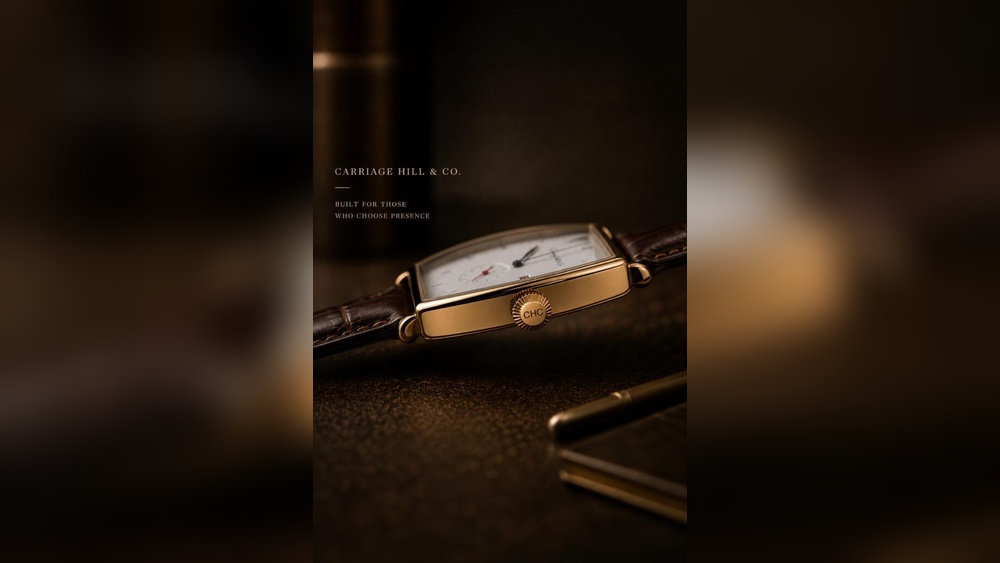
Carriage Hill And Co Watches: A Complete Guide If you search for a watch that blends tradition with modern style,
Carriage Hill Understated Luxury Watch: A Complete Guide A luxury watch is more than just a tool for telling time.
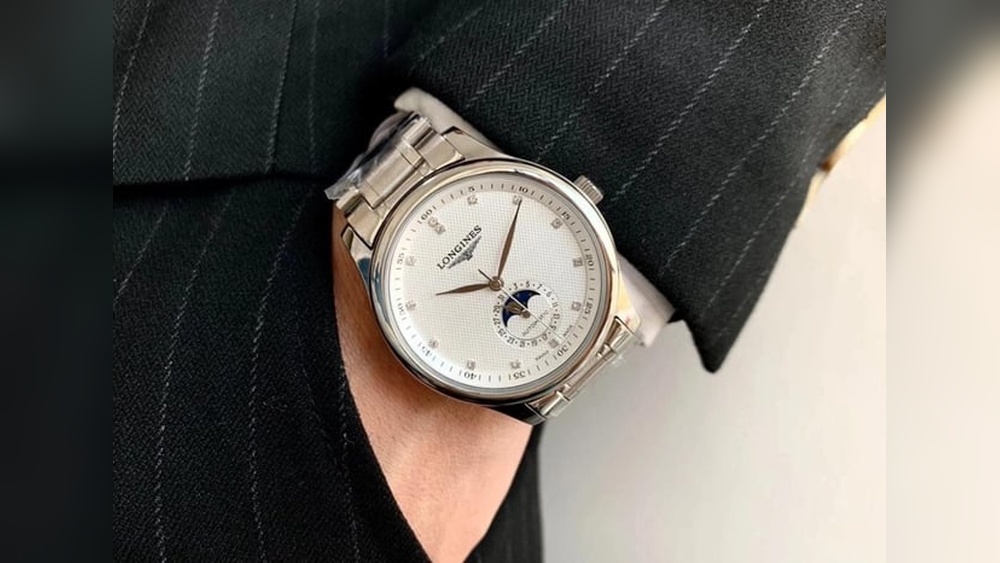
Finding a luxury dress watch under $700 is a rewarding challenge for style-conscious people who want elegance without the high
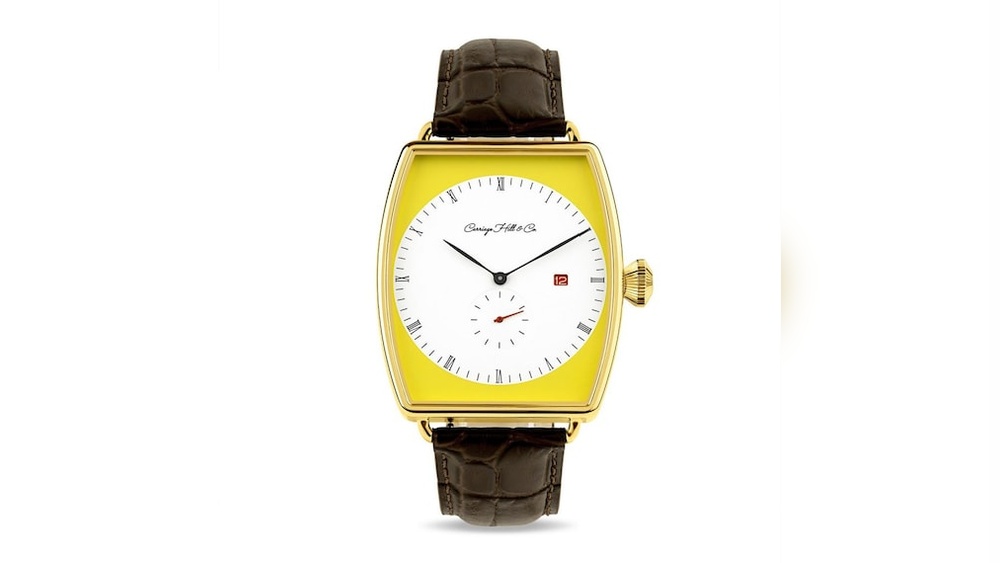
The world of luxury watches is filled with stories of craftsmanship, tradition, and innovation. Among these, the Carriage Hill Handcrafted
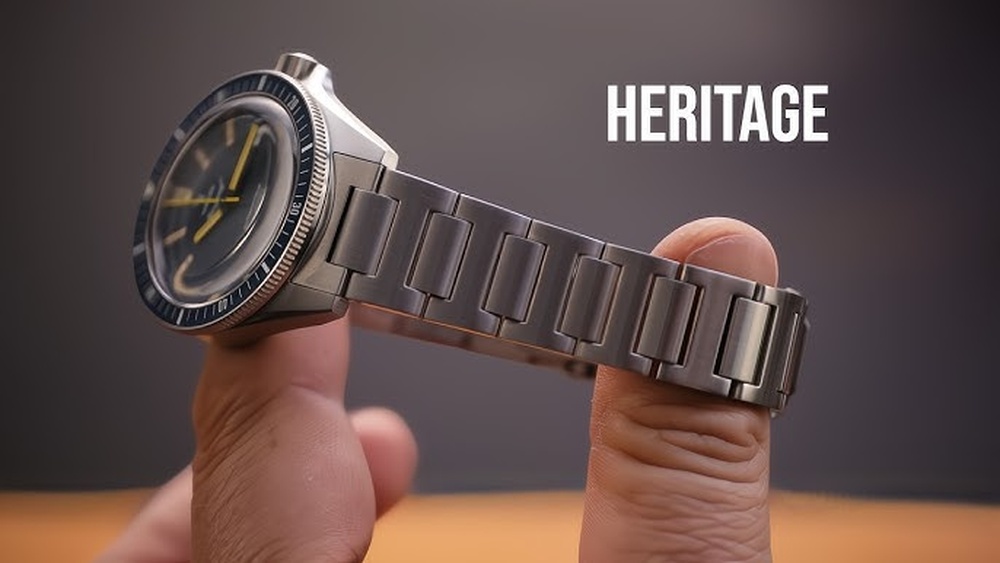
The world of watches is full of stories, tradition, and craftsmanship. For many people, a watch is not just a