
Watches
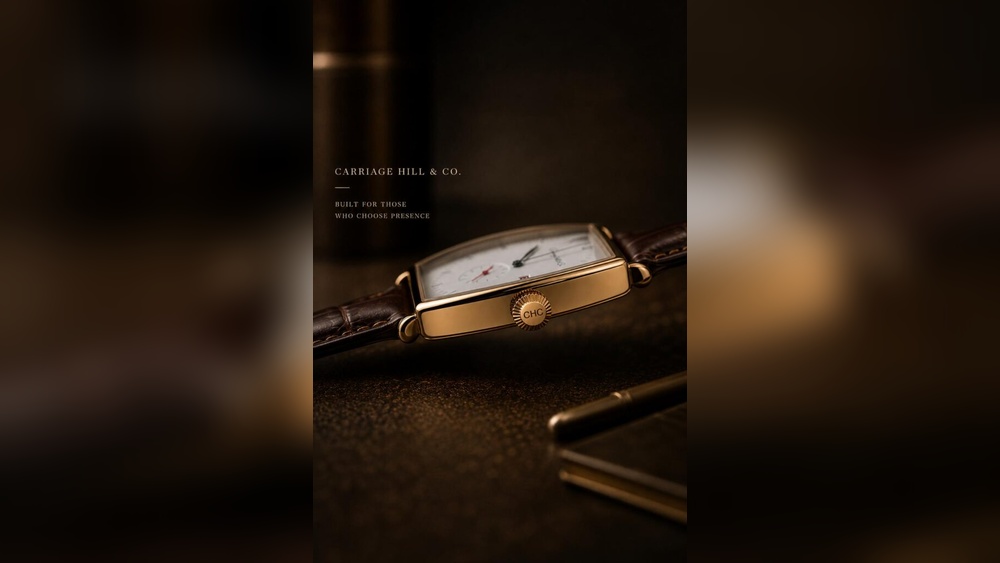
Carriage Hill Traveller Timepiece: Timeless Elegance Unveiled
The story of the Carriage Hill Traveller Timepiece is not just about a watch—it is about the art of travel,
Discovering the world of heritage watches is like opening a door to history, art, and lasting value. These special timepieces are not just tools to tell time—they are symbols of tradition, craftsmanship, and luxury passed from one generation to another. In this ultimate guide, you’ll learn what makes a watch a heritage piece, why collectors seek them, and how you can choose the right one for your style and investment goals.
A heritage watch is more than just a fashionable accessory. It’s a story on your wrist, connecting you to historic moments and technical innovation. If you’re searching for a luxury timepiece that stands out for its history and value, this article will help you understand everything you need to know about heritage watches. Whether you’re a first-time buyer, a passionate collector, or simply curious, you’ll find clear explanations, comparisons, and expert tips in the sections below.
—
—
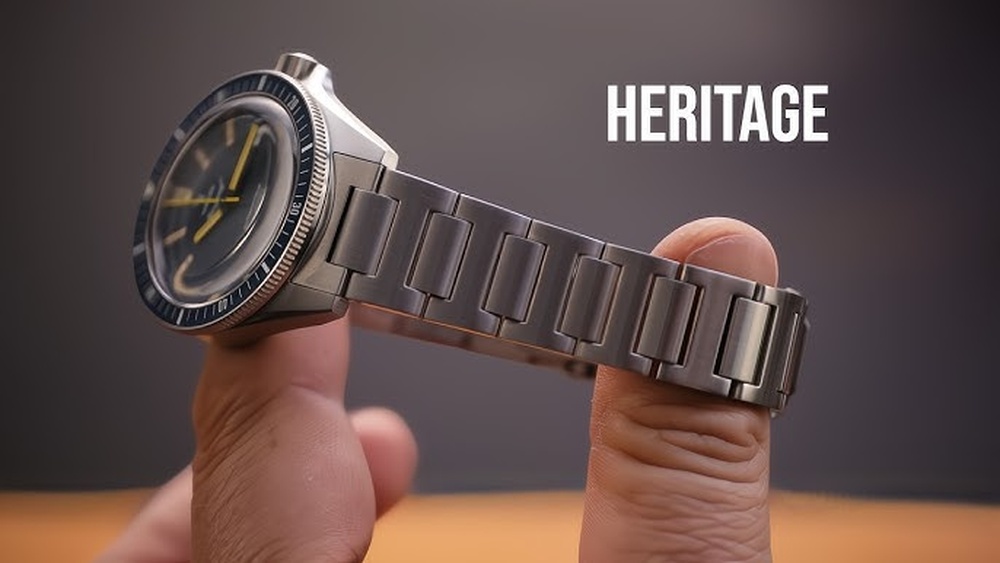
A heritage watch is a timepiece created with a deep respect for tradition, often inspired by or directly connected to a brand’s historic models. These watches celebrate the legacy of a manufacturer, highlighting iconic designs, classic movements, and sometimes even vintage materials. They are not only beautiful but also represent the spirit and story of watchmaking.
Heritage watches can be:
Collectors and enthusiasts value heritage watches for their link to the past, attention to detail, and often limited production. Owning a heritage watch feels like owning a piece of history.
A regular luxury watch might be expensive and well-made, but a heritage watch stands apart because of its story and roots. It’s not just about looks or price—it’s about tradition, legacy, and emotional connection. For example, a modern dive watch may have high-tech features, but a heritage dive watch is celebrated for its role in early underwater exploration.
—
Heritage watches have a fascinating journey, starting from the early days of watchmaking. Understanding how they evolved helps you appreciate their unique place in today’s market.
The first mechanical watches appeared in the 16th century, crafted by skilled artisans in Europe. These pieces were often custom-made, with hand-engraved dials and intricate movements. Early watches were prized for their beauty and engineering—qualities that still define heritage watches today.
Between the late 1800s and mid-1900s, Swiss and German watchmakers set new standards in precision and design. Brands like Patek Philippe, Rolex, and Omega created models that became legends. Many of these watches, such as the Rolex Submariner or Omega Speedmaster, are now considered heritage icons.
In the 1970s, the quartz crisis brought cheap, battery-powered watches. Mechanical watchmaking declined, but collectors started to value older, mechanical pieces even more. Brands responded by reviving classic designs and focusing on their history. This movement gave birth to the heritage watch category.
Today, most luxury watch brands offer heritage collections. These models combine vintage style with modern technology. For example, the Omega Seamaster 300 Heritage looks like a 1950s diver but uses the latest movement.
Many beginners overlook the fact that heritage watches are not always old. A brand new heritage watch can be made today, as long as it honors the past in design and spirit. Also, some of the most valuable heritage watches were not expensive when first released—they gained fame and value over decades.
—
Choosing the best heritage watches means looking at both the brand’s history and the model’s impact. Here are seven stand-out examples that define the luxury heritage watch world.
The Rolex Submariner is a legend among divers and collectors. First released in 1953, it set the standard for waterproof watches. Its clean design, rotating bezel, and robust movement make it a top choice for those seeking both function and heritage.
Known as the “Moonwatch,” the Omega Speedmaster Professional was worn during the Apollo 11 moon landing in 1969. This makes it one of the most historically significant watches ever made.
The Calatrava is famous for its elegant simplicity. Launched in 1932, it set the standard for dress watches. Its timeless look makes it a favorite for those who appreciate subtle luxury.
The Reverso was created in 1931 for polo players who wanted to protect their watch glass. Its unique flipping case is both practical and stylish.
Launched in 1972, the Royal Oak broke all the rules with its bold octagonal bezel and “tapisserie” patterned dial. It is now one of the most recognized luxury sports watches.
Longines offers several heritage models, each inspired by their archives. The Longines Heritage Military 1938 is a favorite, blending vintage looks with modern reliability.
The square-shaped Monaco became famous after Steve McQueen wore it in the 1971 film “Le Mans.” It’s an icon of motorsport and design.
Here’s a side-by-side look at these seven heritage models:
| Model | Release Year | Case Size | Main Movement | Key Heritage Feature |
|---|---|---|---|---|
| Rolex Submariner | 1953 | 40mm | Automatic | Dive watch pioneer |
| Omega Speedmaster | 1957 | 42mm | Manual-wind | Moon landing watch |
| Patek Philippe Calatrava | 1932 | 35–39mm | Manual/Auto | Dress watch classic |
| Jaeger-LeCoultre Reverso | 1931 | 23–27mm | Manual/Auto | Reversible case |
| Audemars Piguet Royal Oak | 1972 | 39–41mm | Automatic | Luxury sports steel |
| Longines Heritage | 2017 (based on 1938) | 38.5mm | Automatic | Military vintage |
| TAG Heuer Monaco | 1969 | 39mm | Automatic | Square chronograph |
—
People are drawn to heritage watches for many reasons. Let’s look at why these timepieces have lasting appeal—and why they’re often seen as smart investments.
A heritage watch connects you to important moments and people. Wearing a Moonwatch lets you share in the excitement of the Apollo missions. Passing down a Calatrava keeps family memories alive.
Unlike many luxury goods, heritage watches can hold or even increase in value. For example, vintage Rolex Submariners bought for a few hundred dollars decades ago now sell for tens of thousands.
Heritage watches are made with the best materials and skilled hands. They often use techniques that are rare today, like hand-finishing or in-house movements.
Owning a heritage watch means owning a story. Each scratch, engraving, or patina tells of adventures and experiences. This storytelling value is unique to heritage timepieces.
Wearing a heritage watch signals taste, knowledge, and appreciation for tradition. It’s not just about showing wealth—it’s about showing you understand history and value true craftsmanship.
—
With so many watches called “heritage,” how can you tell what’s genuine? Here are expert tips to help you spot a real heritage piece.
A true heritage watch has clear origins. Look for:
Heritage watches feature:
Buy from brands with a known history of excellence, like Rolex, Omega, or Jaeger-LeCoultre. They have documented archives and are less likely to produce inauthentic heritage models.
Many heritage watches are limited editions or have small production runs. Rarity adds both value and exclusivity.
Some collectors prefer watches with original, untouched parts—even if they show age. This “patina” is a sign of true heritage. Be careful, though: over-restoration can lower value.
| Feature | What to Look For | Red Flag |
|---|---|---|
| Documentation | Original papers, box | Missing serial number |
| Movement | Manual/Automatic (not quartz) | Modern battery movement |
| Design | Vintage style, classic logo | Modern logo, flashy case |
| Brand | Long history, archives | Unknown brand |
| Patina | Natural aging | Over-polished, new parts |
Many buyers overlook the importance of service history. A well-documented repair and maintenance record can be as valuable as original papers, especially for older watches.
—
Selecting the right heritage watch is exciting but requires careful thought. Here’s how to make a confident choice.
Are you buying for investment, daily wear, or as an heirloom? This affects your priorities:
Heritage watches range from a few thousand to over a million dollars. Decide your price range before shopping.
Study the history and reputation. Some brands are known for their heritage pieces, while others may use the term mainly for marketing.
Look for:
Older heritage watches may need more care. Find out:
Avoid online marketplaces without guarantees. Counterfeits and “Frankenwatches” (with mixed parts) are common.
Not all heritage watches will grow in value. Look for:
—
A heritage watch can last for generations—if you take care of it. Follow these expert tips to protect your investment and enjoy your timepiece for years to come.
Have your watch serviced every 3–5 years by a certified watchmaker. This keeps the movement clean and working well. For rare or valuable models, choose a service center recommended by the brand.
Store your heritage watch:
Avoid wearing your heritage watch during:
Keep all papers, boxes, and receipts in a safe place. Original documents can add significant value if you sell or pass down the watch.
Consider insuring your heritage watch, especially for high-value models. This protects against theft, loss, or damage.
Check for:
If you notice problems, have the watch checked by a professional immediately.
Beginners often forget to wind manual watches regularly. If left unwound for long periods, oils can dry out, causing damage. Set a reminder to wind your watch if it’s not automatic.
—
Heritage watches are not just for collectors—they play a role in movies, fashion, and even technology trends.
Watches like the Omega Speedmaster (worn by astronauts) and the TAG Heuer Monaco (worn by Steve McQueen) have become pop culture icons. When a watch appears on the wrist of a famous character, demand and value often skyrocket.
Heritage watches are popular in both business and casual settings. Their timeless look matches suits, casual wear, and even street style. Many young buyers choose heritage models to show their unique taste and appreciation for history.
Some brands are blending heritage with modern technology. For example, the Omega Seamaster 300 Heritage uses a co-axial movement for better accuracy and durability, while keeping a vintage look.
Restoring and reusing heritage watches is environmentally friendly. Instead of buying new, many people now seek out vintage or re-edition models as a sustainable choice.
Heritage watches can also be customized. Some collectors commission unique dials, engravings, or straps to match their own story—making the watch even more meaningful.
—
It’s useful to compare heritage and modern watches to understand what makes each special.
| Feature | Heritage Watch | Modern Watch |
|---|---|---|
| Design | Timeless, classic | Trendy, innovative |
| Movement | Manual/Automatic, often in-house | Automatic/Quartz, high-tech |
| Value | Potential to appreciate | Usually depreciates after purchase |
| Purpose | Collecting, legacy, emotional | Daily use, features |
| Servicing | Specialized, may require rare parts | Easy, parts widely available |
—
The demand for heritage watches is growing as people look for meaning and authenticity in their purchases. Brands are responding with new models that honor their past while using modern technology.
Collectors believe the best heritage watches will continue to appreciate in value, especially as digital devices become more common. Wearing a mechanical, heritage watch shows you care about tradition and quality in a fast-changing world.
—
—
—
A heritage watch is a model inspired by or re-created from a brand’s historic designs, often using modern materials and movements. A vintage watch is an original timepiece made decades ago. Heritage watches honor tradition, while vintage watches are actual pieces from the past.
Many heritage watches hold or increase in value, especially limited editions from top brands. However, not all will appreciate. Research the brand, model rarity, and market demand before buying for investment.
Care for your heritage watch by servicing it every 3–5 years, storing it safely, and avoiding water or heavy activity unless the watch is designed for it. Keep all original papers and packaging, and consider insurance for valuable models.
Top heritage watch brands include Rolex, Omega, Patek Philippe, Jaeger-LeCoultre, Audemars Piguet, Longines, and TAG Heuer. Each has famous models celebrated for their history and design.
Look for original papers, matching serial numbers, and buying from trusted sources. Compare the watch’s design and movement to official brand archives. If in doubt, consult a professional or use services like the Watch Register.
Collectors love heritage watches for their timeless design, emotional value, and connection to important events or people. They also often appreciate in value and are seen as symbols of taste and tradition.
—
A heritage watch is more than a luxury object—it’s a bridge between past and present, combining art, engineering, and story. Whether you seek investment, style, or a family legacy, understanding the true meaning of heritage watches helps you choose a timepiece that’s not just valuable, but truly meaningful.
The story of the Carriage Hill Traveller Timepiece is not just about a watch—it is about the art of travel,
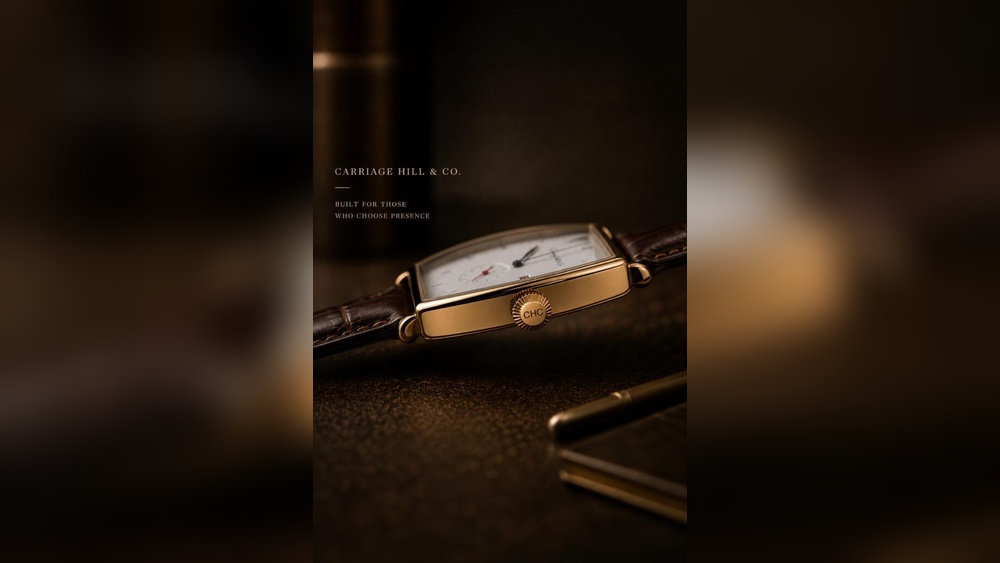
Carriage Hill And Co Watches: A Complete Guide If you search for a watch that blends tradition with modern style,

Carriage Hill Understated Luxury Watch: A Complete Guide A luxury watch is more than just a tool for telling time.
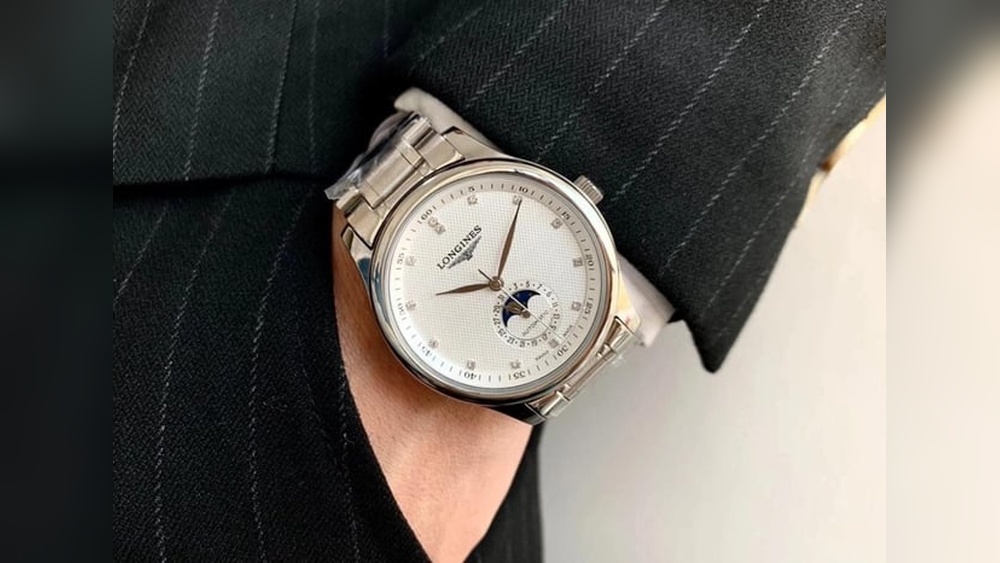
Finding a luxury dress watch under $700 is a rewarding challenge for style-conscious people who want elegance without the high
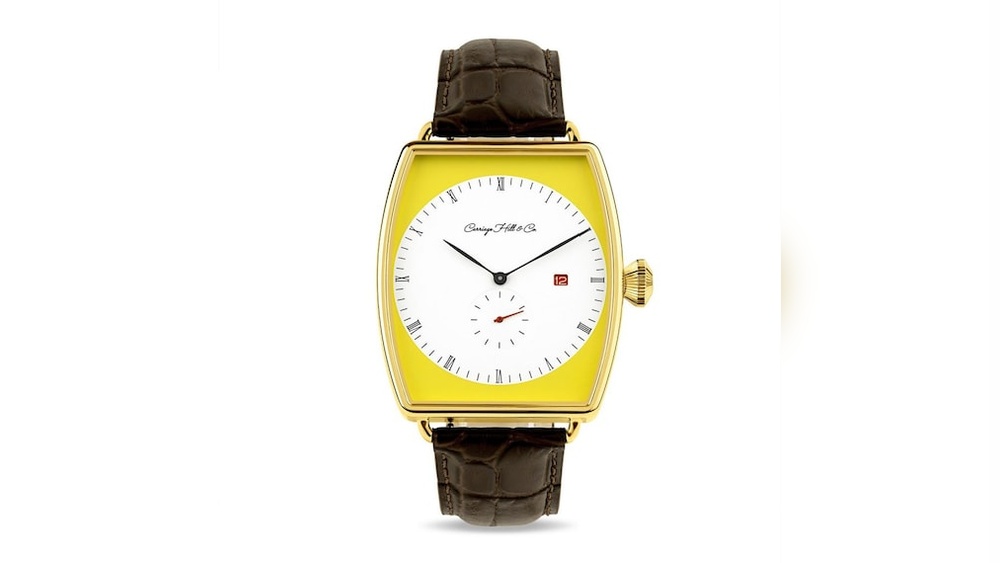
The world of luxury watches is filled with stories of craftsmanship, tradition, and innovation. Among these, the Carriage Hill Handcrafted
The world of watches is full of stories, tradition, and craftsmanship. For many people, a watch is not just a