Watches
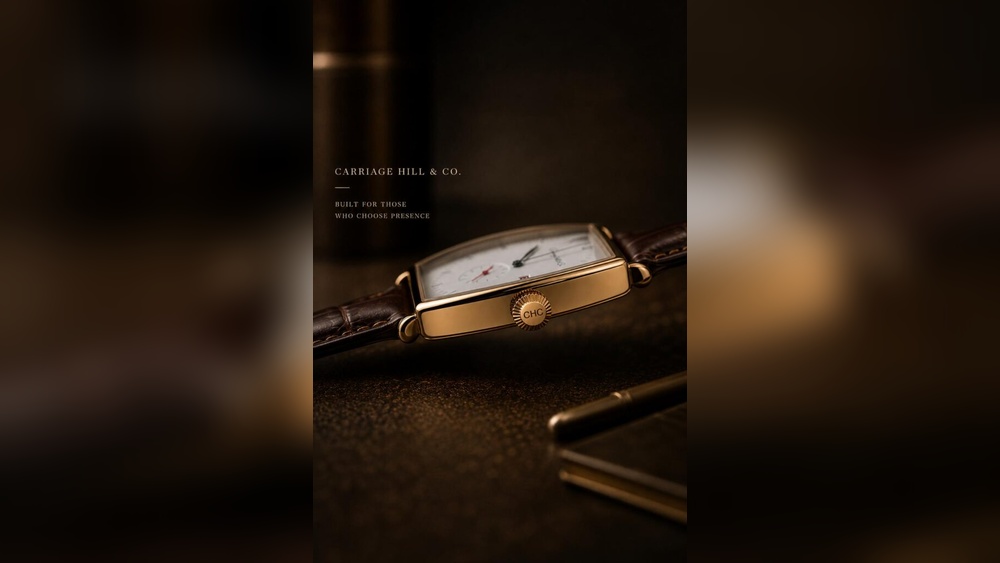
Carriage Hill Traveller Timepiece: Timeless Elegance Unveiled
The story of the Carriage Hill Traveller Timepiece is not just about a watch—it is about the art of travel,

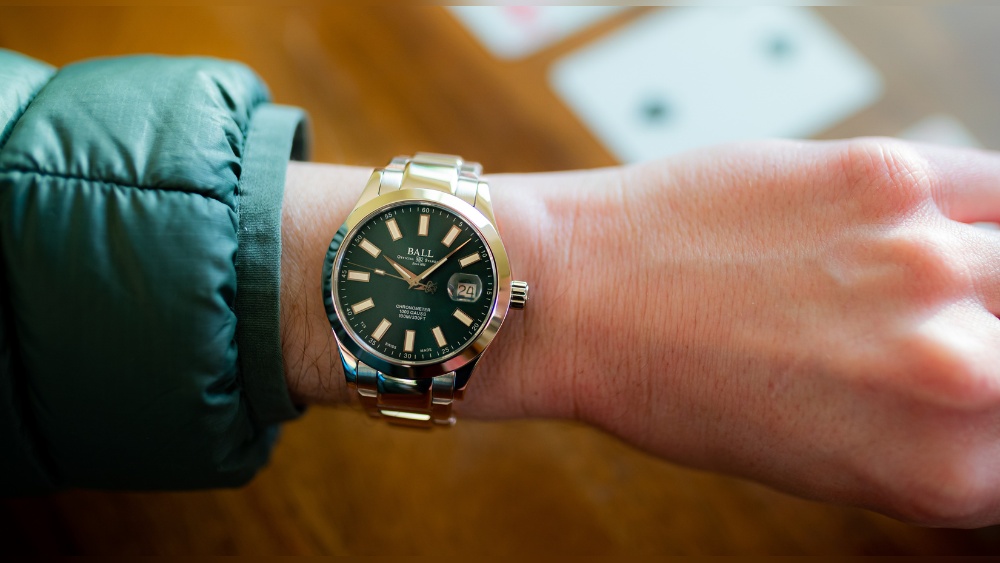

Whether you’re new to watches or already a collector, understanding what a timepiece watch really is can open a world of style, function, and craftsmanship. People use the word “watch” every day, but “timepiece watch” has a deeper meaning. In this ultimate guide, you’ll learn the key differences, discover the 7 best types of timepiece watches, and find expert tips for buying, care, and collecting. By the end, you’ll know what makes a watch truly special—and how to choose the perfect one for yourself or as a gift.
—
—
A timepiece watch is more than just an object that tells time. While any device that measures time—like a clock, phone, or digital tracker—can be called a “timepiece,” in the world of watches, the term means something special. A timepiece watch usually refers to a wristwatch, pocket watch, or other wearable that shows not only the time but also skillful design, quality materials, and technical excellence.
Most people use the words watch and timepiece as if they mean the same thing. But collectors and experts use “timepiece” to talk about watches that are works of art, built with care and meant to last for decades. A timepiece watch is about tradition, style, and even investment. Many luxury brands, such as Rolex, Patek Philippe, and Omega, call their products timepieces to show their higher status.
A key insight: not every watch is a timepiece, but every timepiece is a watch. The difference is in the details—movement, design, history, and value.
—
The idea of measuring time is ancient, but the timepiece watch is a more recent invention. Let’s explore how it began and evolved.
Humans have tracked time for thousands of years. Ancient Egyptians used sundials, and water clocks were common in China and Greece. These early devices were not portable.
By the 20th century, wristwatches became common for both men and women. Companies like Rolex (founded 1905) and Patek Philippe set new standards for precision and luxury.
In the 1970s, Seiko released the first quartz watch. These watches used electronic movements and were cheaper and more accurate than mechanical ones. This period, called the “Quartz Crisis,” almost destroyed the traditional Swiss watch industry.
Now, both mechanical and quartz timepiece watches are popular. Smartwatches have joined the market, but classic timepieces remain symbols of status and taste. Some vintage pieces sell for millions at auction.
—
Many people wonder: is there a real difference between a timepiece watch and a regular watch? The answer is yes—and the differences matter, especially if you want to buy, collect, or gift a watch.
| Feature | Timepiece Watch | Regular Watch |
|---|---|---|
| Movement | Mechanical or high-end quartz, often handmade | Standard quartz, usually mass-produced |
| Materials | Premium metals, sapphire glass, genuine leather | Stainless steel, mineral glass, synthetic bands |
| Design | Unique, artistic, often limited edition | Functional, common, mass-market |
| Value | Can appreciate over time (collector value) | Usually depreciates |
| Brand Reputation | Heritage brands with long histories | Fashion or generic brands |
| Price Range | $1,000 to $1,000,000+ | $10 to $1,000 |
A timepiece watch is not just about price. Even some affordable watches—like vintage Seiko or early Swatch models—are considered timepieces if they have unique design, history, or movement.
—
There are many kinds of timepiece watches, each with special features and uses. Here are the 7 best types every watch lover should know:
Dress watches are thin, elegant, and simple. They fit easily under a shirt cuff and are made for business or formal events.
These watches focus on style over extra functions. Most have only two or three hands and a clean dial.
Diver watches are built to survive underwater. They are sturdy, water-resistant (often to 200m+), and have a rotating bezel to track dive time.
Modern diver watches are also worn as fashion statements.
A chronograph watch is a timepiece with a stopwatch function. It usually has extra sub-dials for measuring seconds, minutes, and hours.
Chronographs can look busy, but collectors love their technical design.
Pilot watches were first made for aviators. They have large, easy-to-read dials and often a triangle marker at 12 o’clock.
Pilot watches are practical and stylish for everyday wear.
Field watches are tough and simple. Designed for soldiers, they are easy to read, shock-resistant, and often have a canvas or leather strap.
These are great entry-level timepiece watches with a military history.
Luxury sports watches combine elegant design with sporty features. They are made from high-end materials and can be worn at the office or the gym.
These models often hold or increase their value.
A complication watch is any timepiece with extra functions beyond telling the time. Common complications include moon phase, perpetual calendar, tourbillon, or minute repeater.
Complication watches show off the watchmaker’s skill and are prized by collectors.
—
For many, a timepiece watch is more than a tool—it’s a passion. Collecting timepiece watches is an exciting hobby that blends art, history, and investment.
Many collectors start with a watch given as a gift or inherited from family. Every timepiece tells a story—of a moment in life, a special achievement, or a loved one.
Some timepiece watches, especially from brands like Rolex or Patek Philippe, increase in value over time. A rare model can sell for hundreds of times its original price at auction. For example, the Paul Newman Rolex Daytona sold for over $17 million in 2017.
Mechanical timepiece watches are tiny machines, often made by hand. Watch lovers appreciate the skill needed to create a movement with hundreds of parts, all working together without batteries.
Wearing a timepiece watch can show taste, success, and knowledge. It’s a symbol that quietly says, “I care about quality and tradition. ”
Watches are one of the few accessories men and women can wear every day. A timepiece watch can fit any style—from classic to modern, sporty to luxurious.
—
Buying a timepiece watch can feel overwhelming. There are thousands of options, from affordable vintage pieces to new luxury models. Here’s a practical guide to help you choose.
Ask yourself:
Timepiece watches range from a few hundred to millions of dollars. Decide what you are comfortable spending before shopping.
Refer back to the 7 best types above. Each suits different needs. For example:
Some famous timepiece watch brands:
Look for brands with a good reputation, service network, and clear history.
A common beginner mistake is buying a watch that’s too large or small. Measure your wrist and check the case diameter. Most men’s watches are 36–44mm; women’s, 28–36mm.
Mechanical, automatic, or quartz? Mechanical watches need winding and are prized by collectors. Quartz watches are more accurate and affordable.
Even if you don’t plan to swim, a water-resistant watch is more durable. At least 30 meters is recommended for daily wear.
If possible, try the watch on your wrist. Some watches look much better in person than in photos.
Avoid counterfeit watches by buying from authorized dealers or reputable pre-owned sellers. Always ask for the box, papers, and warranty.
A timepiece watch is often kept for years or passed down. Choose a style that will last, not just a current trend.
—
Owning a timepiece watch means taking care of it. Proper care keeps your watch running well and looking beautiful for years.
Even water-resistant watches shouldn’t go in hot tubs or saunas. Always check the crown is screwed down before swimming.
Mechanical timepiece watches need regular servicing—usually every 3–5 years. This keeps the movement clean, oiled, and accurate.
When not wearing your watch, keep it in a box or pouch. For automatic watches, consider a watch winder to keep them running.
High-value timepiece watches should be insured against loss or theft.
When flying, avoid setting the date between 9 pm and 3 am—it can damage the movement. Carry your watch in your hand luggage.
—
Some timepiece watches are legends. Here are a few that shaped the world of horology:
Launched in 1953, the Rolex Submariner became the icon of diver watches. It was worn by James Bond and helped set the standard for water resistance and style.
Known as the “Moonwatch,” the Omega Speedmaster was worn by astronauts during the Apollo 11 mission in 1969. It’s the only watch certified by NASA for spacewalks.
Designed by Gerald Genta in 1976, the Nautilus is one of the most sought-after luxury sports watches. Its unique shape and high price make it a collector’s dream.
The Royal Oak, also by Gerald Genta, was the first luxury watch made from stainless steel. Its octagonal bezel and “tapisserie” dial started a new trend in sports watches.
While not usually called a timepiece, the G-Shock is legendary for toughness. Launched in 1983, it’s popular with military, police, and athletes.
—
Choosing between mechanical and quartz timepiece watches is a common challenge. Here’s a side-by-side look:
| Feature | Mechanical | Quartz |
|---|---|---|
| Movement | Springs and gears, handmade | Battery-powered, electronic circuit |
| Accuracy | +/- 5 to 10 seconds per day | +/- 15 seconds per month |
| Service | Needs regular servicing | Change battery every 2-5 years |
| Value | Often increases (for top brands) | Usually stable or decreases |
| Feeling | “Living machine,” smooth sweep | Practical, “tick” motion |
Non-obvious insight: Some high-end quartz watches (like Grand Seiko’s 9F or Omega’s quartz models) are so well-made, they are prized by collectors and can be considered timepieces.
—
Here are some key words and phrases to help you talk about timepiece watches like a pro:
—
In the age of smartphones and smartwatches, you might wonder if a timepiece watch is still important. The answer is yes—perhaps more than ever.
A timepiece watch says something about you. It shows you value tradition, craftsmanship, and design. In many professions—law, finance, business—a fine watch is still a subtle sign of success.
A timepiece given as a graduation, wedding, or retirement gift carries memories that last a lifetime. It can be passed down for generations.
Mechanical timepiece watches last for decades, even centuries, with proper care. They create less waste than throwaway electronics.
While watches were once seen as a men’s accessory, women now collect and wear timepiece watches with pride. Brands are offering more choices for all wrist sizes and styles.
Watchmaking is an art form. Modern timepiece watches blend old skills with new technology—like ceramic cases, silicon parts, and solar power.
—
The market for timepiece watches is full of fakes. Here’s how to protect yourself:
A helpful resource for more on spotting fakes is the Hodinkee Watch Guide.
—
The world of timepiece watches is always changing. Here are some trends to watch:
Some classic brands are adding smart features—like fitness tracking, Bluetooth, and notifications—without losing the look of a traditional watch.
Brands are using recycled metals, vegan straps, and solar-powered movements for eco-friendly timepieces.
Small, independent watch companies (“microbrands”) are creating unique designs and selling directly to customers online. This gives buyers more choices and often better value.
Collectors love limited editions. Brands are making more “one of a kind” or small batch models, which often sell out fast.
More watches are now designed to be unisex, focusing on style and comfort for all.
—
Choosing between the best luxury timepiece brands can be tough. Here’s a look at three icons:
| Brand | Known For | Popular Model | Typical Price Range |
|---|---|---|---|
| Rolex | Durability, resale value | Submariner, Datejust | $8,000–$100,000 |
| Patek Philippe | Complications, heritage | Calatrava, Nautilus | $20,000–$1,000,000+ |
| Omega | Space, sports watches | Speedmaster, Seamaster | $3,000–$60,000 |
For more on watch history and brands, see the Wikipedia Watch Entry.
—
If you want to dive deeper into the world of timepiece watches, here are some places to explore:
—
A timepiece watch is a watch that stands out for its quality, craftsmanship, and often its brand history. It’s not just for telling time, but also about design, engineering, and sometimes investment. Timepieces are often made with better materials and attention to detail than regular watches.
Most luxury watches are timepieces, but not all timepieces are expensive. The term “timepiece” focuses more on craft, innovation, and reputation—not just price. Some affordable vintage watches are also considered timepieces because of their story or unique features.
A smartwatch can be a timepiece if it combines good design, quality materials, and technical innovation. However, most collectors see classic mechanical or quartz watches as true timepieces. Brands are now blending smart features with traditional timepiece quality.
Mechanical timepiece watches usually need professional servicing every 3–5 years. This keeps the movement clean and accurate. Quartz watches need a battery change every 2–5 years, but less frequent servicing.
It’s best to buy from authorized dealers or well-known pre-owned sellers. This ensures you get a genuine watch, full warranty, and proper support. Avoid deals that seem too cheap or sellers without a good reputation. Visiting a physical store lets you try different models and ask questions.
Yes, some timepiece watches from famous brands—like Rolex, Patek Philippe, and Audemars Piguet—can increase in value. But not all watches appreciate. Rarity, demand, and condition matter. Buy what you love first; investment should be a bonus, not the only reason.
—
A timepiece watch is much more than a tool for telling time. It’s a blend of art, engineering, tradition, and personal style. Whether you’re just starting or already a collector, learning about timepiece watches opens a world of beauty and meaning that goes beyond fashion or function. Choose wisely, care well, and you might find your timepiece becomes a part of your own life story—one that lasts for generations.
The story of the Carriage Hill Traveller Timepiece is not just about a watch—it is about the art of travel,
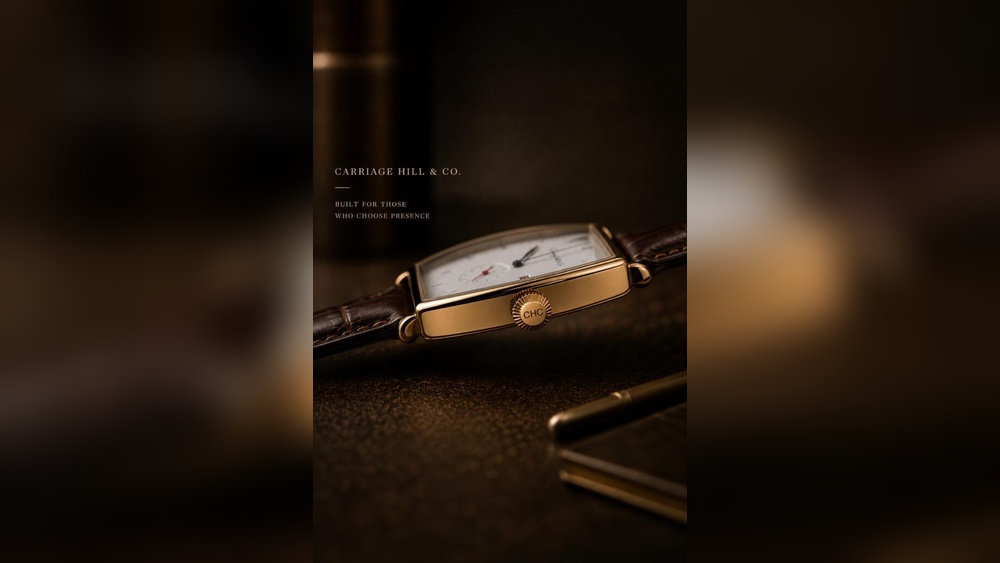
Carriage Hill And Co Watches: A Complete Guide If you search for a watch that blends tradition with modern style,
Carriage Hill Understated Luxury Watch: A Complete Guide A luxury watch is more than just a tool for telling time.
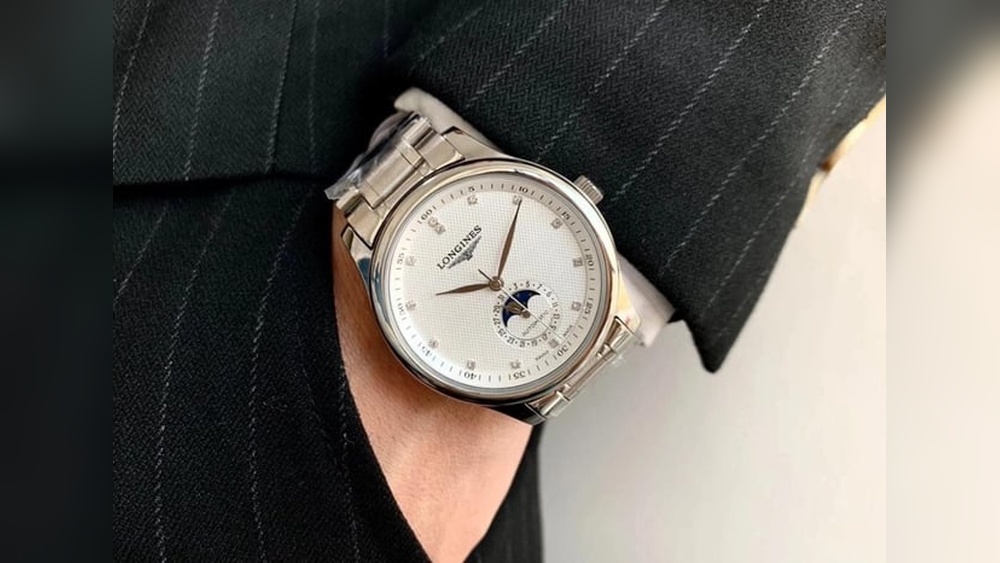
Finding a luxury dress watch under $700 is a rewarding challenge for style-conscious people who want elegance without the high
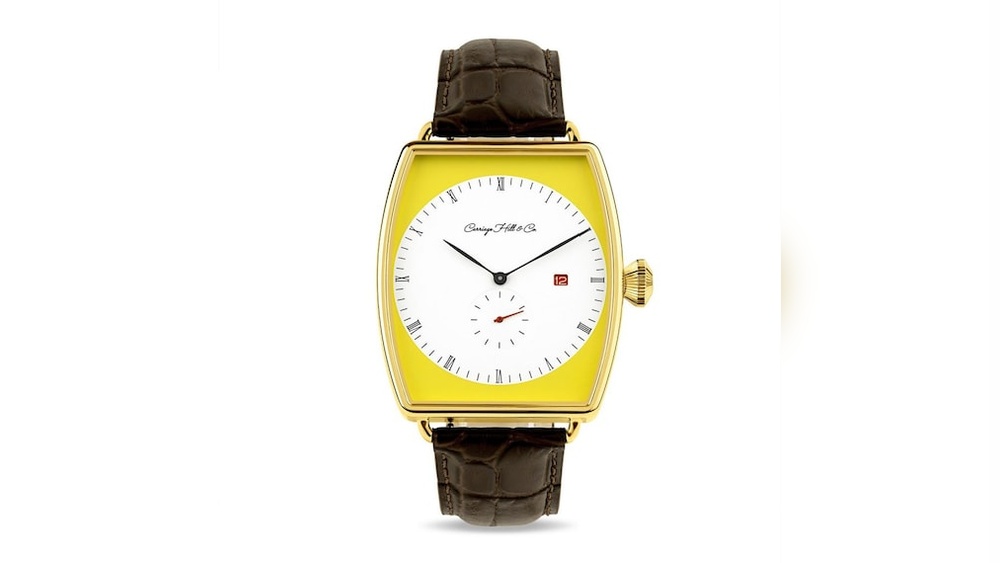
The world of luxury watches is filled with stories of craftsmanship, tradition, and innovation. Among these, the Carriage Hill Handcrafted
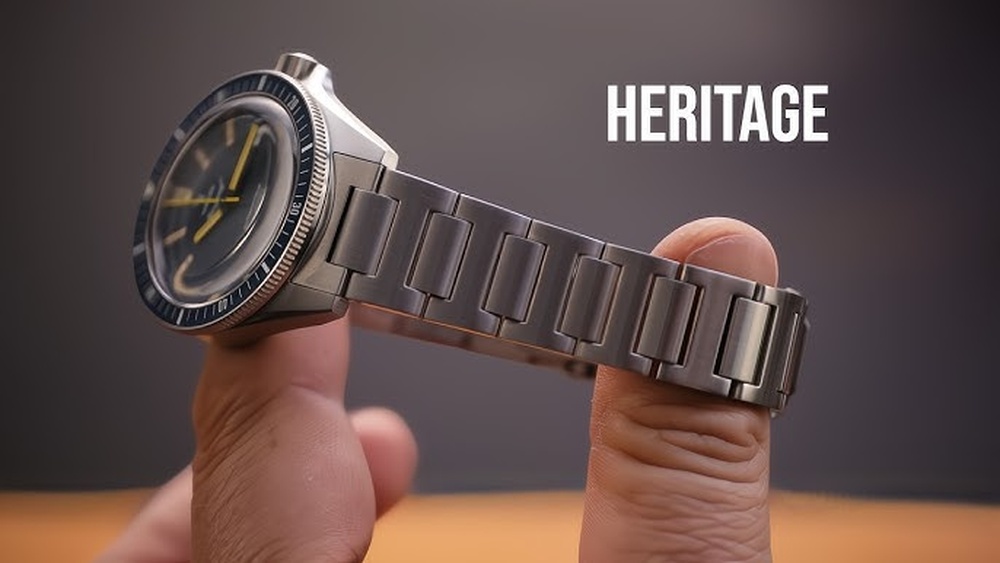
The world of watches is full of stories, tradition, and craftsmanship. For many people, a watch is not just a