
Watches
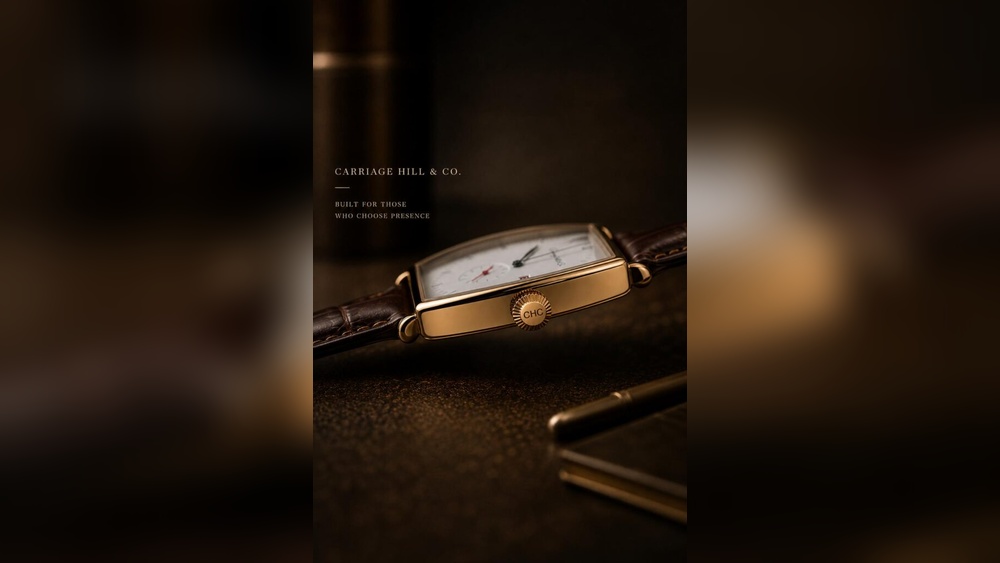
Carriage Hill Traveller Timepiece: Timeless Elegance Unveiled
The story of the Carriage Hill Traveller Timepiece is not just about a watch—it is about the art of travel,
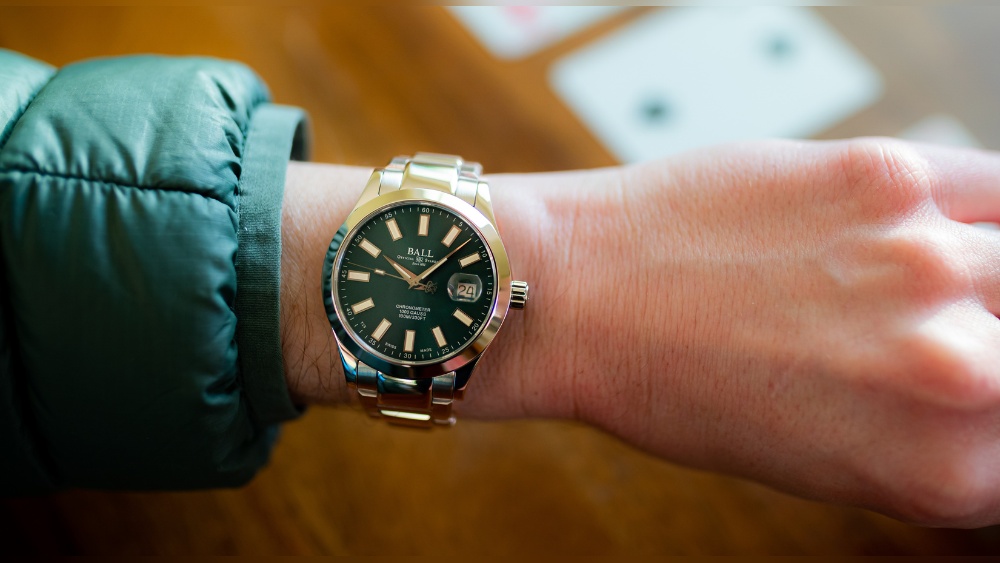
Timepiece watches have always been more than just tools to tell time—they are statements of style, engineering, and personal identity. Whether you’re a first-time buyer or a seasoned collector, understanding what makes a timepiece watch unique can help you appreciate its value and meaning. In this ultimate guide, you’ll discover the seven most important facts every luxury lover should know about timepiece watches, along with practical buying tips, comparisons, and expert insights.
—
A timepiece watch is a portable device designed to measure and display time, worn on the wrist or carried in the pocket. While all watches are technically timepieces, the term “timepiece” often refers to watches crafted with a focus on precision, craftsmanship, and style. In the luxury world, a timepiece is not just an accessory; it’s a blend of art and science.
Many people use “watch” and “timepiece” interchangeably, but enthusiasts know there’s a difference. A regular watch is simply a device for telling time. A true timepiece watch is engineered with advanced mechanisms, often made by hand, and appreciated for its design, brand history, and accuracy. Collectors and luxury buyers use “timepiece” to signal quality and exclusivity.
Key elements that set a timepiece watch apart:
For example, a luxury timepiece might use hand-polished steel, hand-assembled movement, and unique engravings. These details are often invisible to casual users but make a huge difference to collectors.
Interesting insight: Even though digital smartwatches are popular today, mechanical timepieces remain symbols of status and tradition. Wearing one often signals taste, success, and appreciation for timeless things. Many people choose mechanical timepieces because they enjoy the artistry and the feeling of owning something made with skill and care, rather than just a functional gadget.
Another subtle difference is the emotional value. Timepiece watches are often given as gifts for major life milestones—graduations, anniversaries, promotions. The watch becomes a memory, not just an object.
—
The journey of timekeeping devices spans centuries, showing how humans have always valued precision and order. The story of the timepiece watch started with simple sundials and evolved into complex wristwatches seen today.
Pocket watches first appeared in the 16th century. Peter Henlein, a German craftsman, is often credited with creating the first portable watch. These early watches were luxury items for the wealthy and were carried in pockets or worn as pendants.
Pocket watches became symbols of status and were often decorated with precious metals and jewels.
Today, luxury brands use advanced engineering, rare materials, and artistic design to create timepieces. Companies like Rolex, Patek Philippe, and Audemars Piguet are known for pushing the limits of watchmaking. Watchmakers experiment with new materials, such as carbon fiber and ceramics, to improve durability and style.
Data point: The global luxury watch market was valued at around $7.2 billion in 2023, with Switzerland producing more than 20 million watches per year. Switzerland remains the heart of the luxury watch industry, with strict quality control and famous heritage.
Non-obvious insight: Many watchmakers still use traditional hand-finishing techniques, even for high-tech watches. This adds to the value and uniqueness of each timepiece. For example, a single watch might require hundreds of hours of polishing and assembly by skilled artisans.
Another interesting detail: Many luxury brands keep their production numbers low to maintain exclusivity and demand. This means some models are hard to find, making them more valuable to collectors.
—
A true luxury timepiece watch stands out because of its intricate structure and the way it is assembled. Understanding the main parts helps you see why some watches cost thousands (or even millions) of dollars.
The movement is the heart of a watch—the mechanism that keeps time. There are three main types:
Mechanical movements are prized for their beauty and complexity. Watch enthusiasts often enjoy looking at the movement through a transparent case back. Some watches feature “open heart” dials, showing the moving gears.
The case holds the movement and protects it from dust, water, and shocks. Common materials include:
Cases can be round, square, or shaped in unique ways. Some brands use special alloys for extra strength or color. For example, titanium is lighter than steel but just as strong.
The dial displays the time and other functions. Dials can be simple or feature extras like moon phases, chronographs, or calendars. The color and layout of the dial are key to a watch’s personality. Some luxury dials use hand-painted enamel or rare stones.
The crystal is the transparent cover over the dial. Sapphire crystal is most common in luxury watches due to its scratch resistance. Lower-end watches might use mineral glass or acrylic, which scratch more easily.
Straps are made from:
Some luxury watches feature alligator leather or unique woven fabrics. Metal bracelets come in many styles, such as mesh or oyster. The choice of strap affects comfort and appearance.
Complications are extra features beyond time-telling, like:
Complications require extra gears and skill to build. Some watches have multiple complications, making them rare and expensive.
Expert tip: Not all “complications” add practical value, but they show the watchmaker’s skill and boost a watch’s prestige. For example, a tourbillon is beautiful to watch but not necessary for most users.
A detail beginners often overlook is the balance between features and simplicity. Many collectors prefer clean, simple dials with just the essentials, as they are easier to read and timeless.
—
The world of timepiece watches is diverse. Each type suits different lifestyles, tastes, and budgets.
Dress watches are slim, elegant, and designed to pair with formal wear. They often have simple dials and leather straps.
Dress watches rarely include extra features. Their focus is on understated elegance. Brands like Patek Philippe and Jaeger-LeCoultre are famous for their dress models.
Sports watches are built for durability and function. They often include water resistance, chronographs, and bold designs.
Sports watches are usually larger and tougher. They may feature luminous hands for night use, and are often made with steel or titanium.
Diver’s watches are a sub-type of sports watch. They are designed to withstand underwater pressure and often feature rotating bezels and luminescent markers.
Diver’s watches must meet strict water resistance standards. Some are tested to depths of over 1,000 meters. The rotating bezel helps divers track their oxygen supply.
Pilot watches have large, easy-to-read dials and sometimes include additional time zones.
Pilot watches often include chronographs and anti-magnetic cases. The large numbers and hands make them easy to read in low light.
A chronograph is a watch with a built-in stopwatch function. These watches often have multiple dials and pushers.
Chronographs are popular with drivers and athletes. They can time laps, races, or other events. Omega and Tag Heuer are well-known for their chronograph models.
Modern smartwatches combine digital technology with classic design. Hybrid watches offer smart features without a full digital display.
Smartwatches track steps, heart rate, and connect to your phone. Hybrid watches look like traditional timepieces but offer hidden digital features.
Many luxury brands now offer hybrid models, combining tradition and technology. This trend shows that luxury watchmaking adapts to modern needs.
—
| Type | Main Feature | Typical Price Range | Notable Brands |
|---|---|---|---|
| Dress Watch | Slim, elegant | $500 – $50,000+ | Patek Philippe, Jaeger-LeCoultre |
| Sports Watch | Durable, functional | $1,000 – $30,000+ | Rolex, Omega |
| Diver’s Watch | Water-resistant, robust | $800 – $40,000+ | Rolex, Seiko |
| Pilot Watch | Large dial, time zones | $1,200 – $20,000+ | IWC, Breitling |
| Chronograph | Stopwatch function | $600 – $15,000+ | Tag Heuer, Omega |
| Smart/Hybrid | Digital features | $150 – $2,000+ | Apple, Garmin |
—
Selecting the right timepiece watch is about more than looks or price. A thoughtful choice reflects your style, needs, and even your future plans.
Ask yourself:
If you plan to wear the watch often, choose something comfortable and versatile. For example, a stainless steel sports watch works for many occasions, while a gold dress watch is best for formal events.
Luxury timepieces range from a few hundred to millions of dollars. Decide your limit before shopping to avoid overspending.
Remember to include extra costs, such as maintenance, insurance, and potential repairs. Some watches need regular servicing, which can be expensive.
If you enjoy the idea of winding your watch and feeling connected to its mechanics, choose manual or automatic. If you want a watch you can “set and forget,” quartz is a good option.
Brands like Rolex, Patek Philippe, Audemars Piguet, Omega, and Cartier are known for quality and value retention. Newer brands may offer good value but less prestige.
Research the brand’s history, reviews, and resale value. Some brands have a strong collector community, which helps if you plan to resell in the future.
If possible, visit a boutique or authorized dealer. Check how the watch feels on your wrist, the weight, and the style.
A watch might look perfect online, but feel uncomfortable in person. Try different sizes and strap types to find the best fit.
Think about your daily activities. If you travel or swim often, choose a watch with water resistance and a secure clasp.
Fake watches are common, especially for popular brands. A real warranty and certificate protect your investment.
Common mistake: Buying only for brand name or resale value. Choose a timepiece you truly like and will wear. Watches are meant to be enjoyed, not just stored.
Another mistake is ignoring comfort and fit. A luxury watch that feels heavy or awkward will spend more time in the drawer than on your wrist.
—
| Factor | Why It Matters | Tips |
|---|---|---|
| Purpose | Matches your lifestyle | Think about daily use vs. special occasions |
| Budget | Keeps spending in control | Include costs for maintenance, insurance |
| Movement | Impacts accuracy, maintenance | Choose based on personal preference |
| Brand | Reflects quality, status | Research history and reviews |
| Materials | Affects durability, appearance | Consider allergies, comfort |
| Warranty | Protects your investment | Prefer longer, comprehensive warranties |
—
Proper care ensures your timepiece watch lasts for decades, or even generations. Many luxury watches become family heirlooms because they are well maintained.
Leather straps can dry out or crack over time. Use leather conditioner and keep them away from water. For metal or ceramic bracelets, rinse after swimming to remove salt or chlorine.
Servicing also helps detect early signs of wear or damage. A skilled watchmaker can spot issues before they become expensive repairs.
Humidity can damage the movement and cause rust. Avoid leaving watches in bathrooms or near windows. If you own several watches, rotate their use to keep mechanisms running smoothly.
Many watches have delicate internal parts. Even small impacts can affect accuracy. If you travel, use a padded travel case.
Advanced tip: Even if your watch is “water-resistant,” always check the rating before swimming or showering with it. Not all water-resistant watches can handle diving or hot water.
Another insight: After swimming in salt water, rinse your watch with fresh water. Salt can corrode metal and affect seals.
—
Many buyers see luxury timepiece watches as more than accessories—they’re investments. Some models gain value over time, making them sought-after in the secondhand market.
Some watches are linked to famous people or events, which boosts their value. For example, watches worn in movies or owned by celebrities often sell for much more at auction.
Example: The Rolex Daytona bought for $200 in the 1970s can now sell for over $100,000. The world’s most expensive watch, the Patek Philippe Grandmaster Chime 6300A-010, sold for $31 million at auction in 2019.
If you plan to invest, research carefully and keep all papers and boxes. Watches with scratches or missing parts lose value quickly.
Another risk: Some brands fall out of favor, or trends shift toward new styles. Investment watches require patience and knowledge.
If you buy as an investment, avoid customizing the watch (changing dials or straps). Originality matters to collectors.
A hidden tip: Some limited edition watches are only available to loyal customers or through special events. Building a relationship with a dealer can give you access to rare models.
—
| Brand | Potential for Value Increase | Example Model | Approximate 10-Year Value Change |
|---|---|---|---|
| Rolex | High | Submariner | +50% to +200% |
| Patek Philippe | Very High | Nautilus | +100% to +400% |
| Omega | Moderate | Speedmaster | +20% to +80% |
| Tag Heuer | Low to Moderate | Monaco | +10% to +50% |
—
Some brands stand out for their history, innovation, and value. Here are a few of the most respected names in the world of timepieces.
Rolex is known for its durability, style, and status. Iconic models like the Submariner and Daytona are favorites among collectors. Rolex watches are often seen as a symbol of achievement, and their value is stable or rising.
Patek Philippe is famous for hand-finished movements and elegant designs. The brand’s motto, “You never actually own a Patek Philippe. You merely look after it for the next generation,” reflects its focus on legacy. Patek Philippe watches are often passed down as family treasures.
Audemars Piguet created the Royal Oak, the first luxury sports watch in steel. The brand is admired for bold designs and technical innovation. The Royal Oak’s unique shape and exposed screws became a trendsetter in the industry.
Omega is known for precision and has been the official timekeeper of the Olympic Games for decades. The Speedmaster was the first watch on the moon. Omega is a favorite among astronauts and sports fans.
Jaeger-LeCoultre is respected for inventing complex movements and elegant, slim watches like the Reverso. The Reverso’s swiveling case was designed for polo players to protect the dial.
Cartier combines luxury jewelry design with watchmaking, creating timepieces that are both functional and fashionable. The Cartier Tank is a classic, worn by celebrities and royals.
Non-obvious insight: Many luxury brands produce limited editions or special collaborations, which can become highly collectible and valuable. For example, Omega releases Olympic special editions, and Audemars Piguet collaborates with artists.
Another tip: Some brands offer exclusive experiences to owners, such as invitations to factory tours or private events. This adds to the value and enjoyment of owning a luxury timepiece.
—
Many shoppers wonder what truly separates a timepiece watch from an ordinary watch. Here’s a simple comparison to help you see the difference.
| Feature | Timepiece Watch | Regular Watch |
|---|---|---|
| Craftsmanship | Hand-finished, precision engineering | Mass-produced, basic assembly |
| Materials | Gold, platinum, sapphire crystal | Steel, plastic, mineral glass |
| Movement | Mechanical/automatic, complex | Quartz (mainly), simple |
| Price Range | $1,000 – $1,000,000+ | $10 – $500 |
| Brand Prestige | High (Rolex, Patek Philippe) | Low to moderate |
| Investment Value | Often appreciates | Rarely appreciates |
Non-luxury watches focus on mass appeal, while timepieces are designed for those who value quality and uniqueness. Many regular watches are replaced often, while timepieces are kept for a lifetime.
—
Luxury watches often appear in movies, music, and sports, symbolizing power and achievement. James Bond’s Omega Seamaster, Paul Newman’s Rolex Daytona, and the Cartier Tank worn by Princess Diana are just a few famous examples.
Celebrities, athletes, and business leaders often collect or endorse luxury timepieces, driving demand and brand prestige. For instance, the “Paul Newman Daytona” Rolex sold for over $17 million at auction because of its connection to the actor.
Watches also play roles in storytelling. In movies, a character’s watch often signals their personality or wealth. Brands pay attention to these placements, as they influence public perception.
Interesting point: Some brands collaborate with artists or athletes to create limited editions, adding to their collectible value. For example, Hublot partners with soccer players, and Richard Mille works with racing drivers.
Another detail: Social media has made luxury watches more visible. Influencers and collectors share photos and reviews, helping newcomers learn and discover new models.
—
With growing awareness of environmental issues, many brands are focusing on sustainable practices. This includes using recycled metals, ethical sourcing of gold and diamonds, and supporting conservation efforts.
Example: Brands like Panerai and Chopard now use recycled steel and fair-mined gold in their watches. This reduces environmental impact and supports responsible mining.
Many brands also use eco-friendly packaging and support charities. Some donate a portion of profits to ocean or wildlife conservation.
Practical tip: If sustainability matters to you, research the brand’s environmental and social practices before buying. Ask dealers about materials and certifications.
Another insight: Some sustainable watches are limited editions, making them attractive to collectors who care about the environment.
—
For deeper knowledge, consider joining online communities, reading watch magazines, or visiting museums. The Patek Philippe Museum in Geneva and the Omega Museum in Biel offer rich histories and rare collections.
Online forums like Watchuseek and Hodinkee feature reviews, discussions, and advice from experienced collectors. You can ask questions, share photos, and get feedback before buying.
A reliable external resource is the Wikipedia Wristwatch page, which provides a broad overview of watch types, history, and innovations.
Museums and exhibitions are also great places to see rare watches and learn about their stories.
—
—
—
A timepiece watch is usually a high-end product known for its craftsmanship, materials, and engineering. Regular watches are often mass-produced, focusing mainly on function, not luxury or investment value.
Some luxury timepiece watches do appreciate in value, especially limited editions or models from top brands like Rolex and Patek Philippe. However, not all watches gain value, and the market can change. Buy what you love, not just for investment.
Check for:
If in doubt, ask a professional appraiser or watchmaker.
Mechanical watches should be serviced every 3–5 years by professionals. Clean regularly, avoid shocks, and follow brand guidelines for water resistance and handling.
High prices come from:
Some pieces can take months or years to produce, justifying their high cost.
Yes, many luxury watches are designed for everyday use. However, always check water resistance, and avoid wearing gold or leather watches during sports or in harsh conditions.
—
A timepiece watch is more than a way to tell time—it’s a symbol of achievement, taste, and history. Whether you’re buying your first luxury watch or adding to a growing collection, understanding what makes a timepiece special will help you choose wisely and appreciate it for years to come. Remember, the best timepiece is the one that fits your style, needs, and story.
The story of the Carriage Hill Traveller Timepiece is not just about a watch—it is about the art of travel,
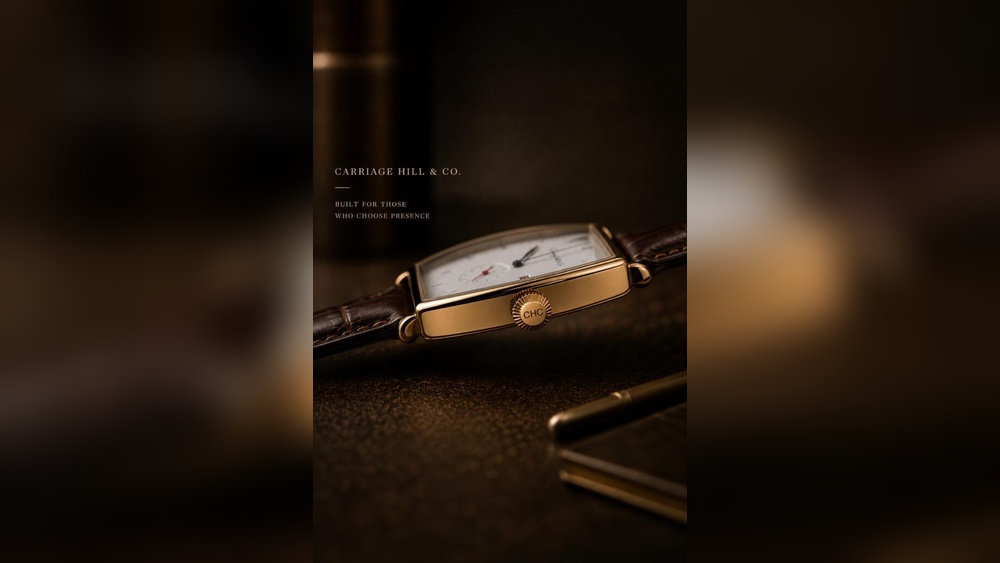
Carriage Hill And Co Watches: A Complete Guide If you search for a watch that blends tradition with modern style,
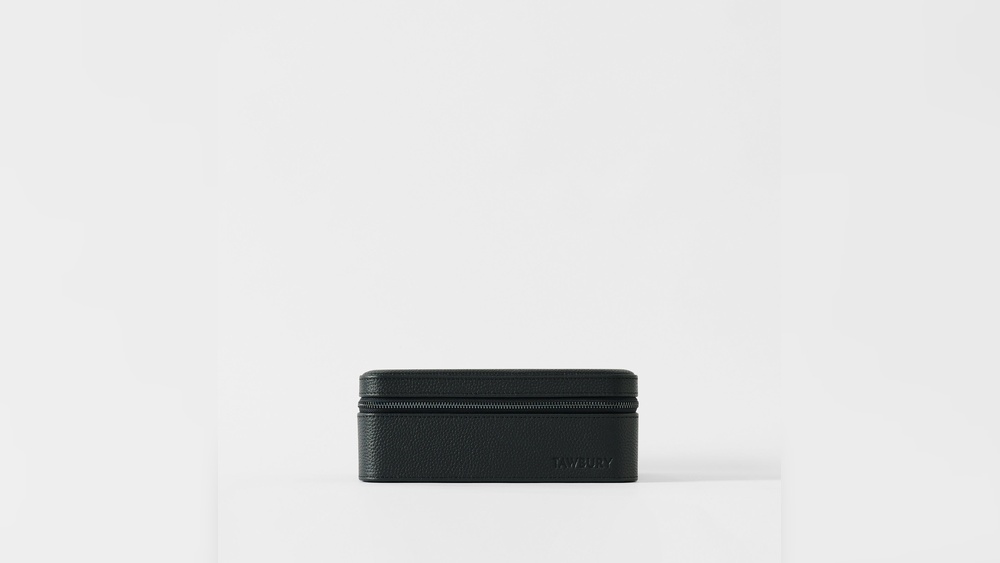
Carriage Hill Understated Luxury Watch: A Complete Guide A luxury watch is more than just a tool for telling time.
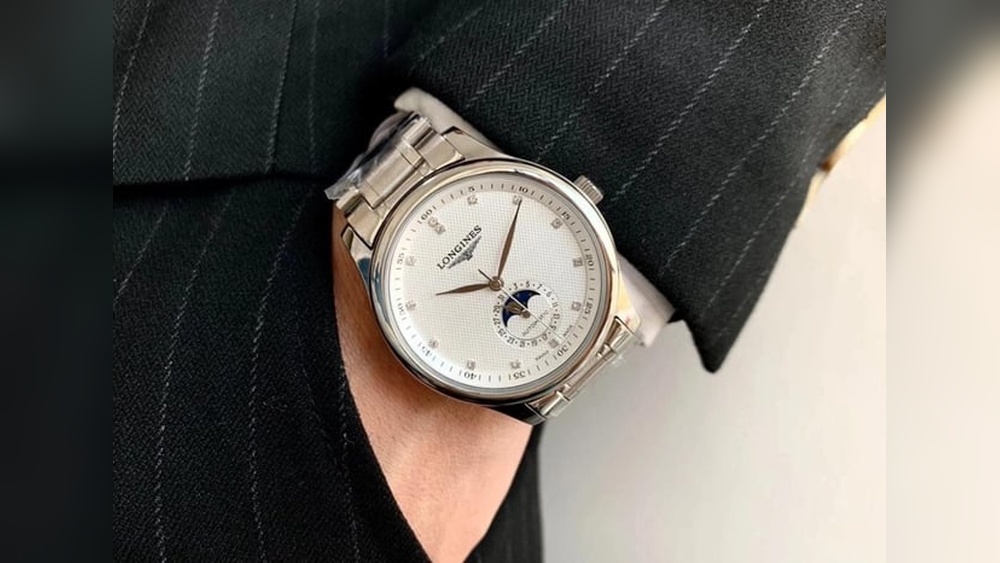
Finding a luxury dress watch under $700 is a rewarding challenge for style-conscious people who want elegance without the high
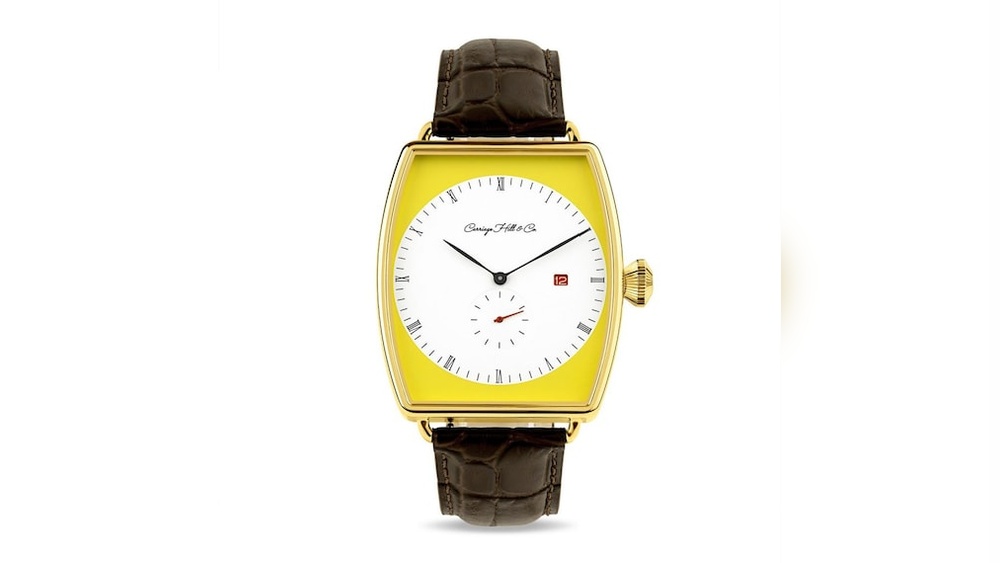
The world of luxury watches is filled with stories of craftsmanship, tradition, and innovation. Among these, the Carriage Hill Handcrafted
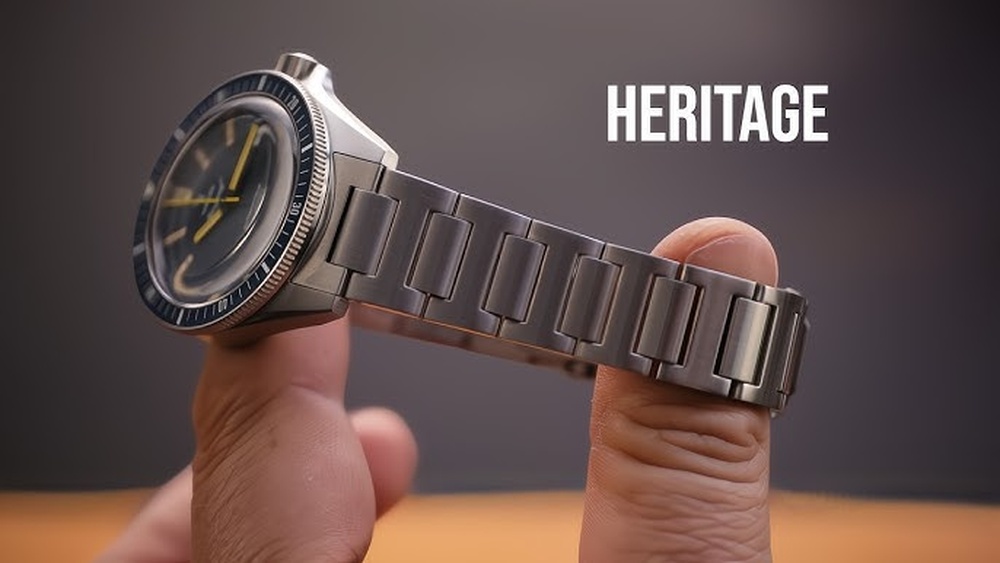
The world of watches is full of stories, tradition, and craftsmanship. For many people, a watch is not just a