
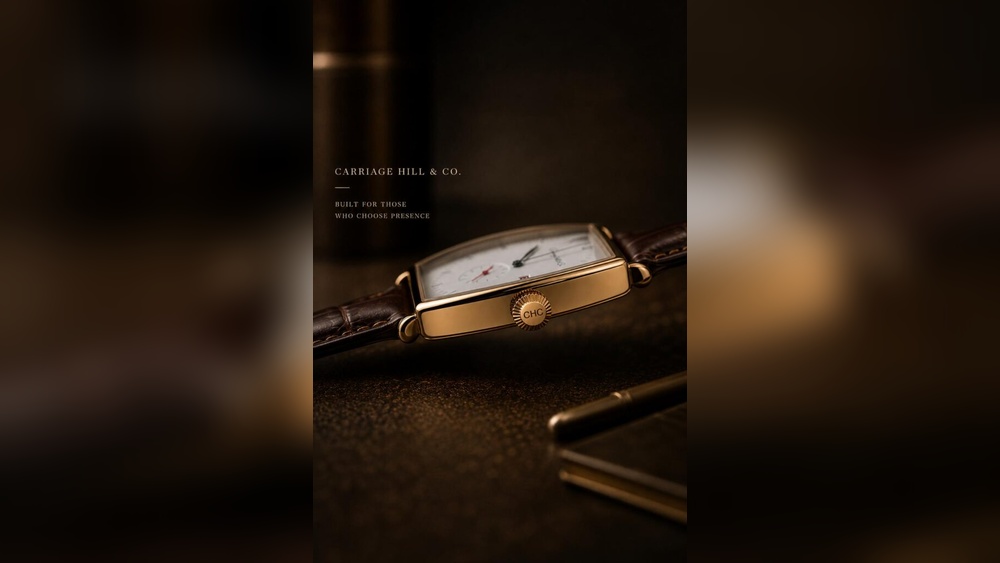
Watches
Carriage Hill Traveller Timepiece: Timeless Elegance Unveiled
The story of the Carriage Hill Traveller Timepiece is not just about a watch—it is about the art of travel,
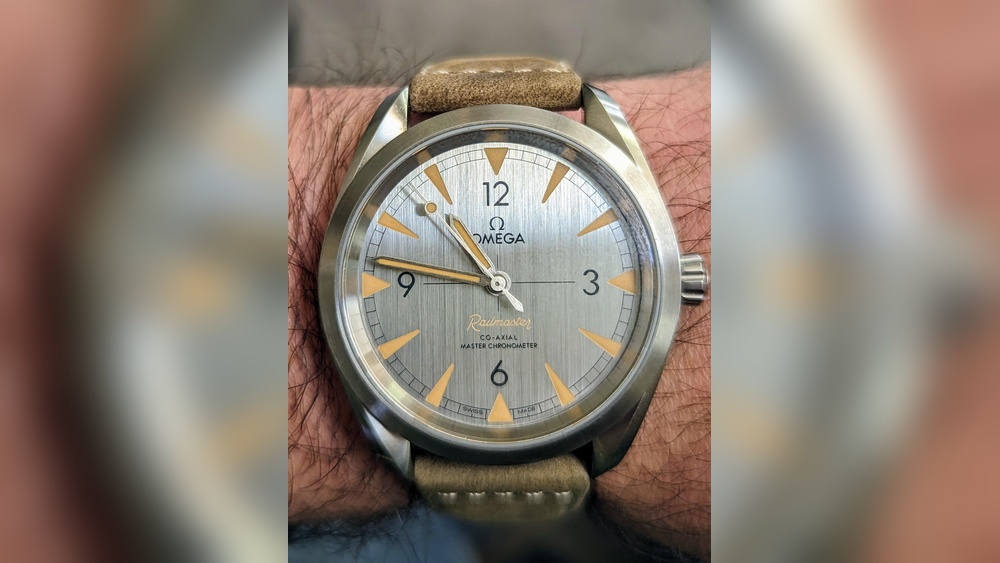
A timeless timepiece is more than just a tool for telling time. It’s a symbol of history, style, and personal meaning. Many people wonder, *what makes a timepiece truly timeless?* Is it the brand, the design, or the story behind the watch? In this ultimate guide, you’ll discover the 7 best qualities that separate ordinary watches from truly timeless timepieces.
Whether you’re a new collector, a curious enthusiast, or someone shopping for a luxury watch, understanding these qualities helps you make confident choices. A timeless watch is not only a fashion statement but also an investment that can last for generations.
In the world of watches, terms like *heritage*, *craftsmanship*, and *enduring value* are used often. But what do they really mean for you? This article will give clear explanations, practical examples, and important data to guide your decision.
—
What does the phrase timeless timepiece really mean? The answer is deeper than just age or price. A timeless watch keeps its beauty, relevance, and value over decades—even centuries. It stays attractive as trends change, and its design still looks modern after many years.
It’s easy to think a watch is timeless just because it’s expensive or has a famous logo. But true timelessness comes from a mix of visual appeal, lasting quality, and emotional connection. This means the watch not only survives the passing of time physically but also remains desirable and meaningful.
A timeless timepiece often has these qualities:
One example is the Rolex Submariner, first released in 1953. Its simple, balanced design is still popular today, and it has inspired many other dive watches. Another is the Omega Speedmaster, chosen by NASA for the Apollo missions. These watches are loved by new and old collectors alike because their look, story, and quality never go out of style.
Other examples include the Cartier Santos (the first pilot’s watch) and the Jaeger-LeCoultre Reverso, which was originally created for polo players. All of these models have stayed relevant for decades because they were well-designed from the start and have been updated carefully over time.
A timeless watch is often worn and enjoyed for a lifetime, then passed to the next generation. It’s not just about style—it’s about lasting worth and deep personal meaning. When you wear or give a timeless watch, you’re connecting with history and tradition.
Many people remember the watch their parents or grandparents wore. This personal connection gives more value than money alone. A timeless timepiece can become a family heirloom, carrying stories from one generation to the next.
Some watches become even more beautiful as they age. For example, vintage watches with a “tropical” dial—a faded or changed color caused by sunlight—are highly collectible. This aging process adds unique character, making each watch one of a kind.
—
Design is the first thing people notice in a watch. But not every good-looking watch becomes a classic. An iconic design stays fresh and stylish for decades, no matter what fashion trends come and go.
Some watches are so famous, their shapes are instantly recognized:
These watches are often copied but rarely equaled. Their designs are simple but instantly identify the brand and model.
Let’s compare three famous designs and their launch years:
| Model | First Release | Key Design Feature | Still in Production? |
|---|---|---|---|
| Rolex Submariner | 1953 | Rotating bezel, Mercedes hands | Yes |
| Patek Philippe Calatrava | 1932 | Simple, round case | Yes |
| Cartier Tank | 1917 | Rectangular case, Roman numerals | Yes |
A common mistake is choosing a flashy or trendy design that may look dated in a few years. Timeless timepieces often use neutral colors and classic shapes, making them suitable for any occasion or style.
Another detail that many beginners miss: minor changes in design can make a big difference in value. For example, a Rolex Submariner with a rare dial or a vintage Omega with an unusual hand shape is often worth much more. Small details, like the font on the date wheel or the shape of the lugs, can turn an ordinary watch into a collector’s dream.
—
True luxury watches are works of art. The quality of construction and choice of materials are key reasons why some timepieces outlast others.
The time spent on these finishing touches can be hundreds of hours for complicated watches. Even for simpler models, extra care means better durability and smoother operation.
Here’s a simple look at popular watch materials:
| Material | Durability | Scratch Resistance | Common Use |
|---|---|---|---|
| Stainless Steel | Very High | Moderate | Cases, Bracelets |
| Gold | High | Low | Cases, Details |
| Ceramic | High | Very High | Bezels |
| Sapphire Crystal | Very High | Very High | Watch Glass |
Watches with hand-finished movements and high-quality steel (like 904L used by Rolex) often look almost new after decades. Many low-cost watches use mineral glass, which scratches easily and ages poorly.
Another hidden detail: the way a watch is assembled matters as much as the materials used. Brands like Grand Seiko are famous for their “Zaratsu” polishing—a method that creates a perfectly flat, mirror-like surface. This level of finishing is rare and can only be done by expert hands.
—
The movement is the heart of a watch. Most timeless timepieces use mechanical movements, not batteries.
Mechanical watches are more than just tools—they are small machines with hundreds of parts working together. This complexity is a big part of their charm.
Quartz watches are very accurate and need less service. However, most are not built to last decades, and many are thrown away when they stop working. Some high-end brands make luxury quartz models, but these are the exception.
Quartz watches do have their place. They’re often lighter, thinner, and easier to use for everyday wear. But for collectors and those looking for an heirloom, mechanical is usually the way to go.
| Feature | Mechanical | Quartz |
|---|---|---|
| Power Source | Spring (manual/automatic) | Battery |
| Typical Lifespan | Decades to Centuries | 5-20 years |
| Serviceability | Highly repairable | Often replaced, not repaired |
| Value Retention | Very High | Low to Moderate |
Some rare quartz watches, like the original Omega Marine Chronometer or Seiko Quartz Astron, are collectible. But overall, mechanical watches are the preferred choice for anyone seeking a timeless timepiece.
Another point: some high-end brands, like Grand Seiko, make “Spring Drive” movements that mix mechanical and quartz technology. These are rare and respected, but for most people, a classic mechanical watch is still the best choice for lasting value.
—
A watch’s story often matters as much as its looks or features. Brands with a long heritage create confidence and emotional value.
Here are some brands known for their history and impact:
Other respected brands include Vacheron Constantin, Longines, Grand Seiko, and Breitling. Many of these companies have made important technical advances or have a style that is instantly recognizable.
A timeless timepiece often has a story:
These stories add another layer of meaning to the watch, making it more than just a tool.
Some brands with less marketing, like Longines or Grand Seiko, also have deep histories and make watches that last. Don’t ignore these names when searching for your own classic.
Another overlooked fact: some older, discontinued brands or models have become collector favorites because of their rarity or unique design. Sometimes the story is not about the brand, but about a specific watch and its place in history.
—
A timeless timepiece is more than a luxury—it’s an asset. Some watches increase in value, while others lose it quickly.
Other factors include the originality of the dial and hands (collectors prefer “untouched” watches) and the presence of unique features like a special dial color or case material.
A study from WatchCharts shows that the average Rolex Submariner increased in resale price by over 200% in the last 15 years. Vintage Patek Philippe Nautilus watches have sold at auction for over $500,000.
Even more affordable watches, like the Omega Speedmaster, have steadily increased in value. This is especially true for limited editions or models linked to famous events.
Another mistake: customizing your watch with aftermarket parts. Collectors want all-original watches, and non-original parts can reduce value by 50% or more.
To see more data and auction results, visit the Christie’s Watch Department.
—
Wearing a timeless timepiece means it fits many styles and moments in your life. It’s not just for special events—it works with a suit or jeans.
A versatile watch is also practical. You don’t need many watches if you choose one that fits every situation.
Many people form deep connections with their watches:
People often remember where they were or who they were with when they got their favorite watch. This gives it a value that money can’t buy.
The Omega Speedmaster is a good example. It’s worn by astronauts, but also by students and professionals. Its design fits a suit or a T-shirt. Over time, the scratches and marks tell your own story.
Another example is the Rolex Explorer. It was made for mountain climbers but is now worn by people everywhere. Its simple, tough design makes it perfect for travel, work, or adventure.
Sometimes, a less famous watch becomes timeless because of your personal journey. The memories attached to it—travels, milestones, or gifts—make it irreplaceable.
Also, a versatile, well-loved watch often becomes more stylish as it ages. The small signs of use, called “patina,” give it character and show it has lived a full life.
—
After exploring the world of timeless timepieces, some truths stand out. A watch becomes timeless not by accident, but by combining iconic design, top craftsmanship, mechanical mastery, brand heritage, lasting value, and a strong personal bond. These qualities make a watch more than an accessory—they make it a companion for life.
When you choose a watch with these qualities, you’re not just buying a tool for time. You’re investing in a piece of history, design, and yourself. Whether you want to build a collection, make a smart investment, or find a watch that will stay with you forever, understanding these secrets will help you make a confident and rewarding choice.
For even more detail about the history and art of watchmaking, you can visit the Wikipedia entry on watchmaking.
—
The most important quality is a classic, balanced design. Trends come and go, but a watch with clean lines, simple dials, and good proportions stays attractive for decades. Other factors, like craftsmanship and brand history, also matter, but design is what people notice first and remember longest.
Look for watches from strong brands like Rolex or Patek Philippe with a history of value retention. Limited editions, well-kept condition, and demand in the collector market are also important. Research recent auction results or consult trusted dealers to see which models have appreciated over time.
While most timeless timepieces are mechanical, a few quartz models have become classics, like the original Seiko Quartz Astron. However, mechanical watches are generally preferred for their lasting value, repairability, and emotional appeal. Quartz watches are reliable, but most are not built to last for generations.
Yes, the story adds emotional and sometimes financial value. A watch with a rich history—such as being worn during a famous event or passed down through a family—often becomes more meaningful. Collectors and wearers value watches with unique stories, as they deepen the personal connection.
Pick a watch with a simple, neutral dial color (black, white, or blue), classic case shape, and comfortable size (usually 36-40mm for most wrists). Avoid overly trendy features or bright colors. Brands like Rolex, Omega, and Grand Seiko offer models that look good with both casual and formal clothes.
Absolutely. Price is not the only factor. Many affordable watches have classic designs, reliable movements, and strong stories. Brands like Seiko, Hamilton, and Tissot make watches that can last a lifetime and look stylish for years. The key is in the design, materials, and personal meaning, not just the cost.
Choose a watch from a respected brand with a proven history. Look for models that have been in production for many years, as these are more likely to remain in style. Keep the original box and papers, and service the watch regularly.
Most importantly, choose a watch that has meaning to you—your story will make it special for the next generation.
—
Image suggestion: A close-up photo of a classic watch (e.g., Rolex Submariner or Omega Speedmaster) with the focus keyword “what makes a timepiece timeless” as ALT text.
Video suggestion: A YouTube video explaining the history and evolution of iconic luxury watches.
Internal link reminders: Add links to “Guide to Rolex’s Most Iconic Watches,” “History of Omega in Space Exploration,” “Choosing Your First Luxury Watch,” and “Best Ways to Care for Your Mechanical Watch” when published.
A timeless timepiece is a lasting companion—choose wisely, and it will mark your story for years to come.
The story of the Carriage Hill Traveller Timepiece is not just about a watch—it is about the art of travel,
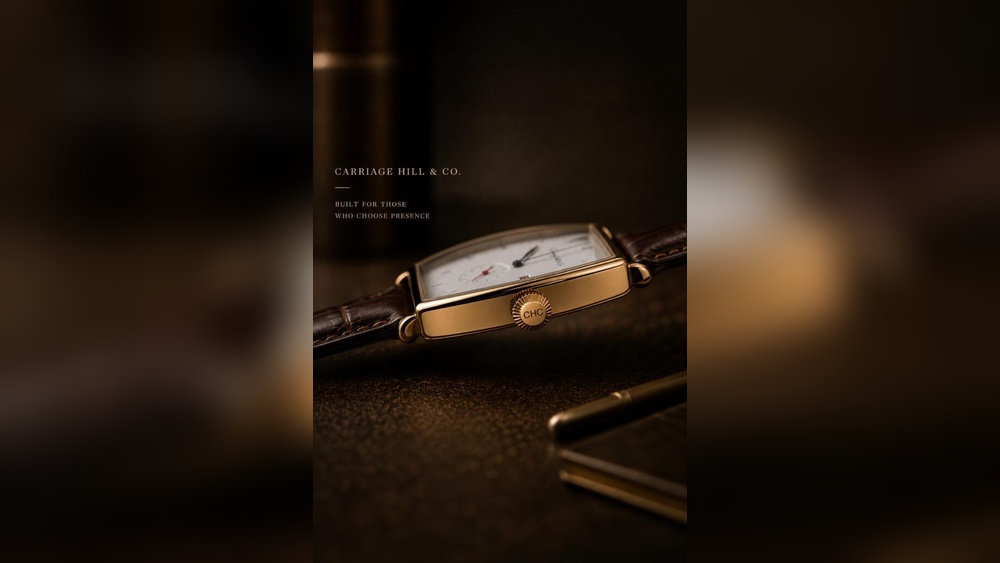
Carriage Hill And Co Watches: A Complete Guide If you search for a watch that blends tradition with modern style,
Carriage Hill Understated Luxury Watch: A Complete Guide A luxury watch is more than just a tool for telling time.
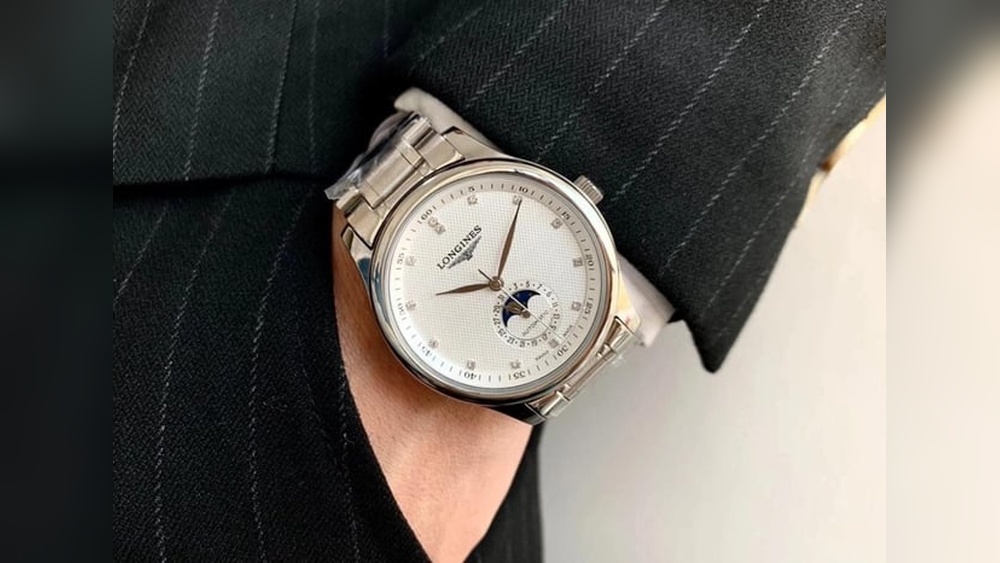
Finding a luxury dress watch under $700 is a rewarding challenge for style-conscious people who want elegance without the high
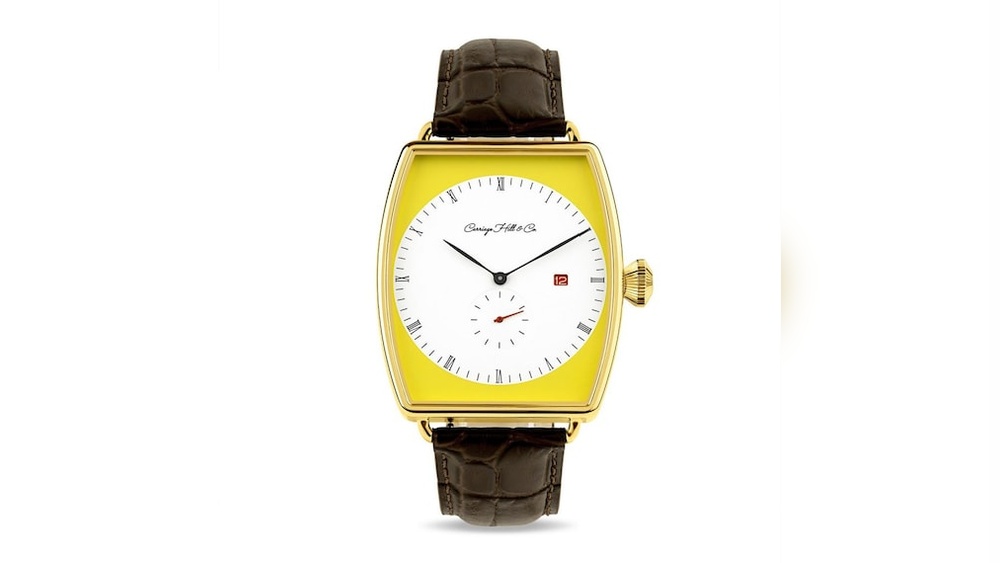
The world of luxury watches is filled with stories of craftsmanship, tradition, and innovation. Among these, the Carriage Hill Handcrafted
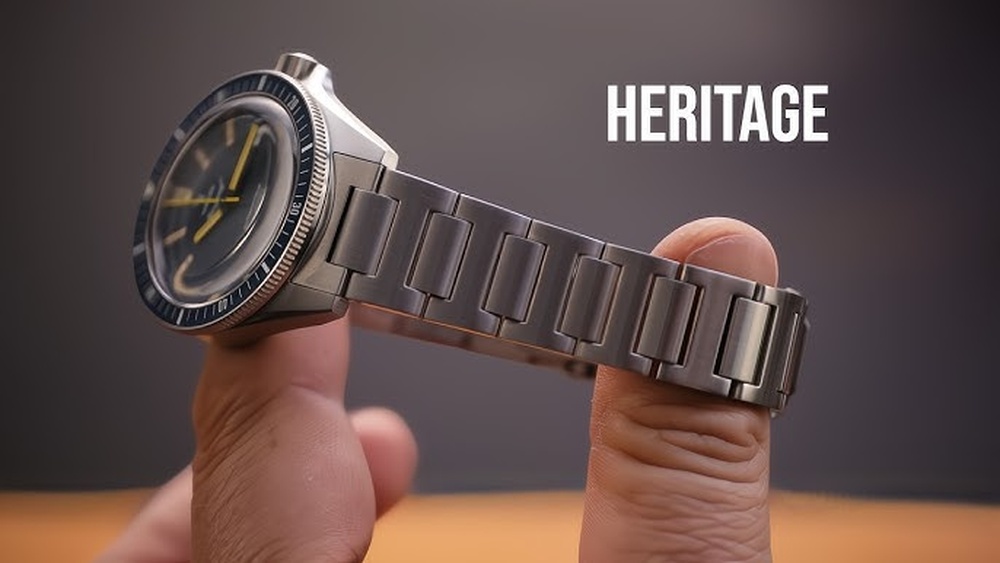
The world of watches is full of stories, tradition, and craftsmanship. For many people, a watch is not just a