
Watches
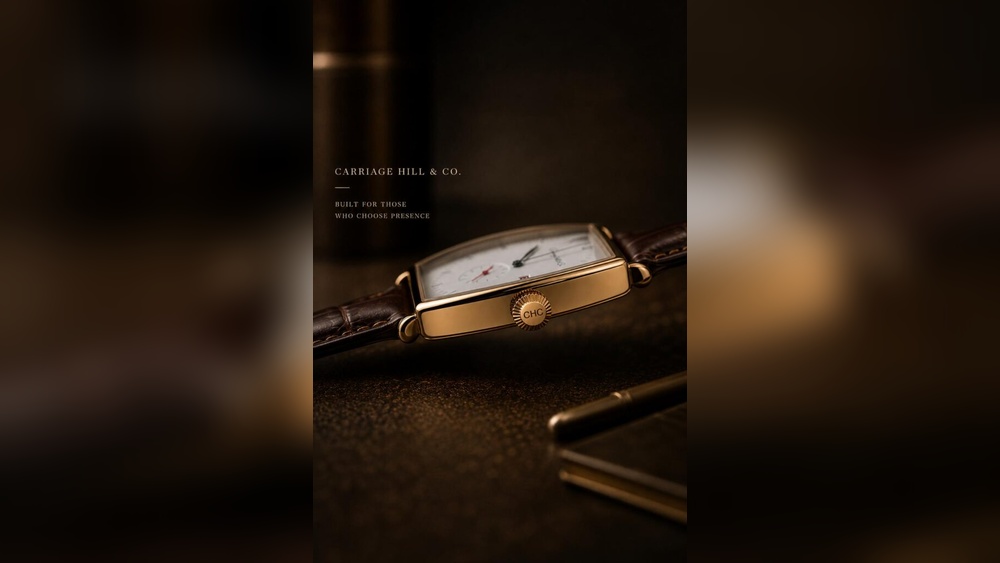
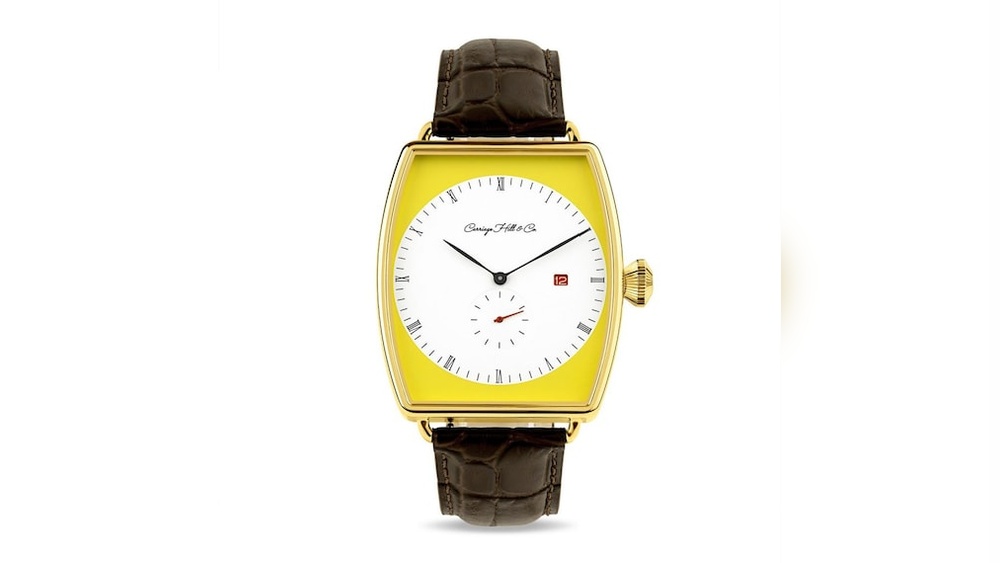
Carriage Hill Traveller Timepiece: Timeless Elegance Unveiled
The story of the Carriage Hill Traveller Timepiece is not just about a watch—it is about the art of travel,
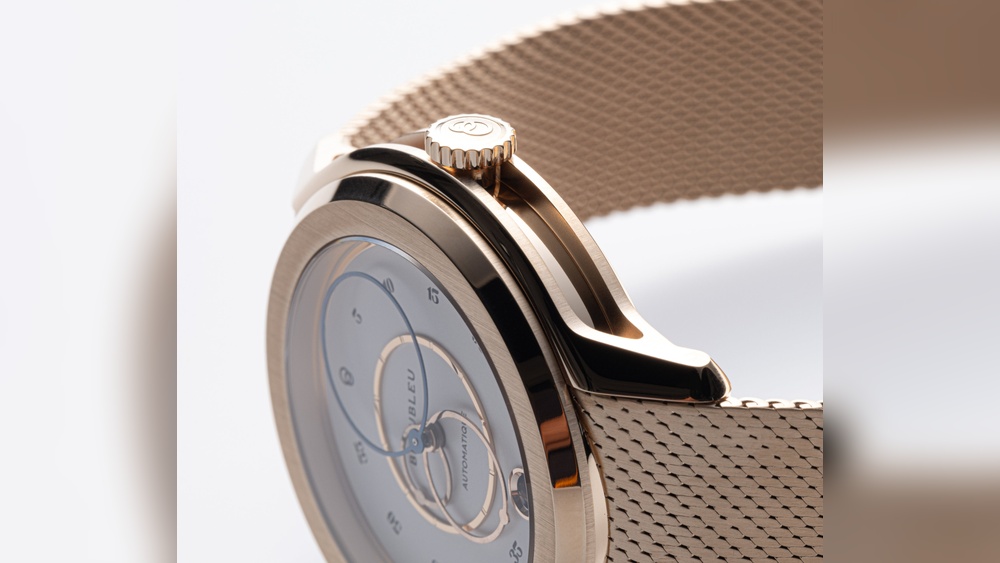
Watches are more than just tools for telling time. For many, they symbolize style, achievement, and taste. When you look for the signs of a quality watch, you want something that lasts, looks great, and feels special on your wrist. But what really makes a watch “luxury” or “high-quality”? Is it the price, the brand, or something deeper?
This guide will help you understand what separates an average watch from a true masterpiece. Whether you are buying your first luxury timepiece or want to upgrade your collection, knowing these signs will help you make a smart, confident choice.
We’ll cover craftsmanship, movement, materials, brand reputation, and more. You’ll also see tables comparing key features, plus insider advice to avoid common beginner mistakes.
Let’s explore the 7 ultimate luxury indicators every watch lover should know.
—
A quality watch is not just expensive. It has special characteristics that set it apart from mass-produced or fashion watches. These characteristics include expert craftsmanship, reliable movement, premium materials, and timeless design.
For example, luxury brands like Rolex, Omega, and Patek Philippe are known for their attention to detail and strict quality control. The best watches are often handmade or assembled by skilled watchmakers, using techniques that have been perfected over centuries.
Luxury watches are often seen as investments, not just accessories. Some even increase in value over time, making them popular among collectors. But just because a watch is expensive doesn’t mean it’s high quality. You need to look for certain signs.
Luxury watches stand out for their durability, beauty, and engineering. Unlike mass-market watches, they rarely cut corners in materials or assembly. For example, a luxury watch may use gold not only for decoration but also for parts of the movement inside, which is hidden from view.
This attention to every detail, even those you cannot see, is a sign of true quality.
Many luxury watches are tested in extreme conditions. Rolex tests its watches for water resistance and shock absorption, while Omega’s Speedmaster was famously worn on the moon. These examples show that a high-quality watch is built to perform, not just to look good.
Another key point is the way luxury watches are designed to age. Unlike cheap watches that break or lose appeal after a few years, a quality watch often becomes more beautiful with time. The patina that develops on a gold or steel case, or the softening of a leather strap, can add character and charm.
Lastly, luxury watches carry emotional value. They are often given as gifts for special moments, passed down generations, or bought to celebrate achievements. This makes them more than just objects—they become part of personal history.
—
When searching for the best watches, look for these signs of a quality watch:
Each of these indicators plays a key role in defining quality. Let’s break them down one by one.
Expert craftsmanship means every part is made with care. Premium materials ensure the watch lasts and looks good. Precise movement keeps time accurately. Timeless design means the watch never looks outdated. Brand reputation shows trust and history. Value retention means the watch keeps its worth or increases.
Authenticity and certification prove the watch is real and made by the brand.
Some beginners focus only on the brand or price. But true quality is a mix of all these signs. For example, a lesser-known brand may use excellent materials and movement, making their watches a hidden gem. On the other hand, some popular brands may have models that are more about fashion than quality.
Also, quality watches often have unique serial numbers, certificates, and detailed documentation. These help with resale and prove authenticity. If a watch is missing these, it might not be genuine or may have lost some value.
—
A luxury watch is often handmade or carefully assembled by skilled professionals. Look closely at the details. The case, dial, hands, and crown should be smooth, polished, and free from imperfections. High-end brands use special finishing techniques, such as Côtes de Genève (Geneva stripes), perlage (circular graining), or hand-engraving.
Some watches take months to produce, with each part checked multiple times. For example, Patek Philippe watches undergo dozens of quality checks before leaving the factory.
Many luxury watches have tiny details that show skill. For example, the edges of the watch case may be beveled and polished by hand. The dial may have applied markers, not just printed ones. The hands may be heat-blued, a process that turns steel a rich blue color and shows careful treatment.
Another sign of craftsmanship is how the watch feels when you adjust it. The crown should turn smoothly, and setting the time should feel precise. The clasp of the bracelet or strap should lock firmly and open easily.
Some brands even produce their own screws and tiny parts, ensuring every piece fits perfectly. In contrast, mass-market watches often use generic parts that don’t match as well.
Luxury watches also have detailed engravings. Sometimes, the case back is transparent, showing the movement inside. You can see polished gears, jewels, and decorations. This “open case back” is a sign the brand is proud of its work.
Quality watches use top-grade materials. These include:
The watch should feel solid and balanced in your hand. Cheap materials often feel light, rough, or hollow.
Here’s a quick comparison of common watch materials:
| Material | Durability | Scratch Resistance | Luxury Factor |
|---|---|---|---|
| Stainless Steel (316L/904L) | High | Medium | Common in quality watches |
| 18k Gold | Medium | Low | Very high |
| Titanium | High | Medium | Modern luxury |
| Ceramic | Very high | Very high | Exclusive feel |
| Sapphire Crystal | High | Very high | Premium feature |
Non-obvious insight: Beginners often miss that sapphire crystal is much better than regular glass. It resists scratches, keeps clarity, and is a mark of luxury.
Another tip: High-quality leather straps are usually made from alligator or calfskin. They feel soft but last long. Cheap straps can crack, fade, or smell over time.
For bracelets, solid links are better than hollow links. Solid links feel heavier and are more durable. Hollow links can bend or break easily.
Some luxury watches use platinum. Platinum is rare, heavy, and has a white shine. It is harder to work with than gold, so only a few brands use it. Owning a platinum watch is a sign of exclusivity.
Luxury watches often use materials for function as well as style. Ceramic is not only scratch-resistant but also does not fade or change color. Titanium is light, strong, and does not cause skin allergies. These materials show thoughtful engineering, not just looks.
—
The movement is the heart of the watch. It makes the hands move and keeps time. Quality watches use mechanical (manual or automatic) or high-end quartz movements. Mechanical movements, especially those with complications (extra functions like chronographs or calendars), are often hand-assembled.
A luxury mechanical movement should be accurate, reliable, and beautifully finished. Look for the number of jewels (tiny synthetic rubies) used to reduce friction. More jewels often mean better movement.
Luxury brands often display the movement through a transparent case back. You can see the decorated plates, polished screws, and even engraved logos. This attention shows pride in craftsmanship.
High-quality mechanical movements are regulated by watchmakers to achieve excellent accuracy. For example, chronometer-certified watches are tested to meet strict standards. These watches are more accurate than regular mechanical watches.
Some luxury brands use in-house movements, meaning they design and make the movement themselves. In-house movements are often more valuable and unique.
There are three main types:
| Movement Type | Accuracy | Maintenance | Luxury Status |
|---|---|---|---|
| Mechanical (Manual) | Good | High | High |
| Mechanical (Automatic) | Very Good | Medium | Very High |
| Quartz | Excellent | Low | Medium |
Practical tip: If you want a true luxury experience, look for automatic mechanical movements. They combine tradition with convenience.
Mechanical movements are prized for their complexity and tradition. They often last decades with proper care. Automatic movements are convenient because they wind themselves as you wear them.
Quartz watches, while accurate, are less valued by collectors. However, some luxury brands make high-end quartz watches with special features. For example, Grand Seiko produces quartz watches with very high precision and luxury finishing.
Luxury watches often have complications like chronographs, moon phases, or perpetual calendars. These features require extra skill and increase the value.
Non-obvious insight: Beginners often focus only on the brand, but movement type and finishing matter much more for long-term satisfaction.
A chronograph allows timing events, useful for sports or cooking. A GMT feature lets travelers track two time zones. Moon phase displays add artistic appeal and complexity. Perpetual calendars automatically adjust for leap years.
The more complications a watch has, the higher the skill needed to make it. Watches with multiple complications are called “grand complications” and are highly prized.
Another feature is the power reserve indicator. It shows how much energy is left before the watch needs winding. This is practical for manual watches.
Luxury watches also use special escapements, like the Co-Axial escapement in Omega watches. These improve accuracy and reduce maintenance needs.
—
A quality watch has a timeless design that doesn’t go out of style. The dial should be clear and easy to read. The hands and markers must be perfectly aligned. The watch must look balanced and elegant, whether simple or complex.
Luxury brands avoid trendy colors or features that fade in popularity. They focus on classic styles.
A timeless design often uses neutral colors like silver, gold, black, or white. These colors match most outfits and never look outdated. The shape of the case is usually round or rectangular, with smooth curves and clean lines.
Watches with simple, elegant dials are preferred for formal occasions. Sports watches often have bolder designs but still keep a classic look.
Another sign is the font used for numbers and letters. Luxury brands use custom fonts or carefully chosen styles. Cheap watches often use generic fonts that look out of place.
The proportions of the watch are important. The case, dial, hands, and strap should be sized to look harmonious. If a watch looks awkward or unbalanced, it is probably not well designed.
Look for:
| Feature | Usefulness | Luxury Appeal |
|---|---|---|
| Chronograph | High | Very High |
| GMT/Dual Time | Medium | High |
| Moon Phase | Low | Very High |
| Power Reserve Indicator | Medium | Medium |
| Date Window | High | Medium |
Experience-based insight: A smooth sweeping second hand is a sign of a mechanical watch, while quartz watches usually “tick” once per second.
Water resistance is important even if you don’t swim. It protects against rain, washing hands, and humidity. For sports or diving watches, look for higher water resistance (100–300 meters).
Luminous hands and markers use special paint or materials that glow in the dark. This is useful for reading time at night.
A screw-down crown locks tightly, keeping water and dust out. It is a sign of good engineering.
Some luxury watches have anti-magnetic protection. This keeps the movement accurate even near magnets, which are common in modern life.
The case back may be solid or transparent. Transparent case backs let you admire the movement. Solid backs are often engraved with logos, texts, or artwork.
Another feature is the quick-set date. It allows you to change the date easily without moving the hands around the dial.
Luxury watches also offer customization. You can choose dial colors, straps, or even engrave your initials. This makes the watch unique and personal.
—
Brand reputation is a strong indicator of quality. Well-known brands have long histories and are famous for their standards. For example, Rolex has been making watches since 1905. Omega is the official timekeeper for the Olympics. Patek Philippe watches are often passed down as family heirlooms.
Luxury brands invest heavily in research, development, and quality control. They also offer warranties and after-sales service.
A strong brand reputation means the company stands behind its products. You can expect better service, longer warranties, and easier resale.
Some brands are known for specific strengths. Rolex is famous for rugged sports watches and water resistance. Patek Philippe is known for elegant designs and complicated movements. Omega is respected for precision and history.
The story behind a brand adds value. Some brands have been making watches for over 100 years. Their traditions are respected worldwide. This history shows they know how to create timepieces that last.
Non-obvious insight: Some younger brands (like Nomos or Grand Seiko) now rival older brands in quality, showing that heritage is important but not the only factor.
Heritage means the brand has survived wars, trends, and changes. It has built a reputation for quality and innovation. Some brands have royal connections, space missions, or famous ambassadors.
Collectors often value brands with rich history. They trust these brands to keep quality high and support their watches for decades.
Here are some of the most trusted luxury watch brands:
For more on the history of luxury watches, see Wikipedia: Luxury Watch.
Some brands have unique stories. For example, Jaeger-LeCoultre is called the “watchmaker’s watchmaker” because it supplies movements to other luxury brands. Audemars Piguet invented the Royal Oak, a famous luxury sports watch.
Grand Seiko is a Japanese brand that combines tradition and innovation. It is known for perfect finishing and precise movements.
Tag Heuer is famous for sports and racing watches, combining style with performance.
—
A quality watch often keeps its value or even increases over time. Some models become rare and collectible. For example, vintage Rolex Submariners and Patek Philippe Nautilus watches have sold for much more than their original price.
Luxury watches are more stable in price than fashion watches. Fashion watches lose value quickly, but luxury watches stay valuable, especially if cared for.
The resale value depends on condition, brand, and demand. Watches with scratches, missing parts, or without papers lose value.
Not all watches are good investments. Research which models are desirable and have a strong following. Limited editions, watches with historical significance, or rare complications tend to perform best.
Practical tip: Do not buy only for investment. Choose a watch you love to wear, and the value will be a bonus.
Collectors often buy watches for passion, not just profit. The market can change, so it is risky to buy only for investment.
The most valuable watches are often limited editions, rare models, or watches with unique features. For example, a limited run of 100 watches will be more sought after than a mass-produced model.
Some brands release anniversary models, which become collectibles. Watches with special dials, materials, or complications are also attractive to collectors.
Non-obvious insight: Watches with original papers and boxes retain much higher value than those without. This is often missed by beginners.
Keeping your watch in good condition is important. Store it in a box, avoid water or shocks, and service it regularly.
If you ever want to sell, having the original box and papers makes your watch more attractive. It proves authenticity and adds trust.
Some watches are more liquid, meaning they can be sold quickly. Rolex and Omega are examples. Others may take longer to find a buyer.
You can check auction results or online marketplaces to see how values change over time.
—
With luxury watches, fakes are common. Here’s how to spot them:
Fakes often look similar but feel different. The finishing is rough, the weight is lighter, and the logo may be slightly off.
Serial numbers can be checked with the brand or online forums. Some brands have databases for authentication.
The movement inside is hard to fake. Genuine luxury watches have decorated, precise movements. Fakes often use cheap, generic movements.
Documentation includes warranty cards, manuals, and certificates. Missing papers is a warning sign.
Straight-to-the-point helper tip: Always buy from trusted sellers. If the deal seems too good to be true, it probably is.
Another mistake is buying from unauthorized sellers. Authorized dealers offer real watches, warranties, and support. Online marketplaces have risks, so check reviews and ratings.
Beginners often forget to check the movement type. They buy for looks, not function. Later, they regret the choice.
Overpaying for a brand name without checking quality is another mistake. Some brands have entry-level models that are less impressive.
—
Let’s compare three top luxury brands:
| Brand | Heritage | Movement Quality | Value Retention | Unique Features |
|---|---|---|---|---|
| Rolex | Over 100 years | Excellent | Very High | Waterproof Oyster case |
| Patek Philippe | Over 180 years | Exceptional | Highest | Grand complications |
| Omega | Over 170 years | Very Good | High | Co-Axial escapement |
Rolex is respected for its sports watches and strong value. Patek Philippe is loved by collectors and offers elegant, complicated models. Omega combines history with innovation and is trusted for precision.
—
The most important signs are expert craftsmanship, premium materials, and precise movement. Trusted brands, timeless design, and value retention are also strong indicators. Always check the movement, materials, and authenticity before buying.
Look for smooth finishing, solid weight, clear dial, and unique serial numbers. Trusted brands provide warranties and support.
Check for a serial number, weight, logo quality, and original papers. Buy from authorized dealers or trusted sellers. Compare the details with official photos from the brand. If possible, have the watch checked by a professional.
Fakes often miss small details. Use a magnifier to check engraving and logo. Real watches have sharp, clean markings.
Look for stainless steel (316L/904L), 18k gold, titanium, or ceramic for the case. The glass should be sapphire crystal. For straps, high-quality leather, rubber, or solid metal bracelets are best.
Avoid watches with mineral glass or hollow metal links. They don’t last and feel cheap.
Yes, mechanical watches (manual and automatic) need regular servicing every 3–5 years. Quartz watches need less maintenance, just battery replacement. Proper care increases lifespan and value.
Servicing includes cleaning, oiling, and checking parts. Find a trusted watchmaker for maintenance.
Watches from famous brands, limited editions, or those with historical significance often retain value or appreciate. Keeping original papers and boxes helps. Research market trends and buy what you love, not only for profit.
Look at auction results, collector forums, and brand history to learn more.
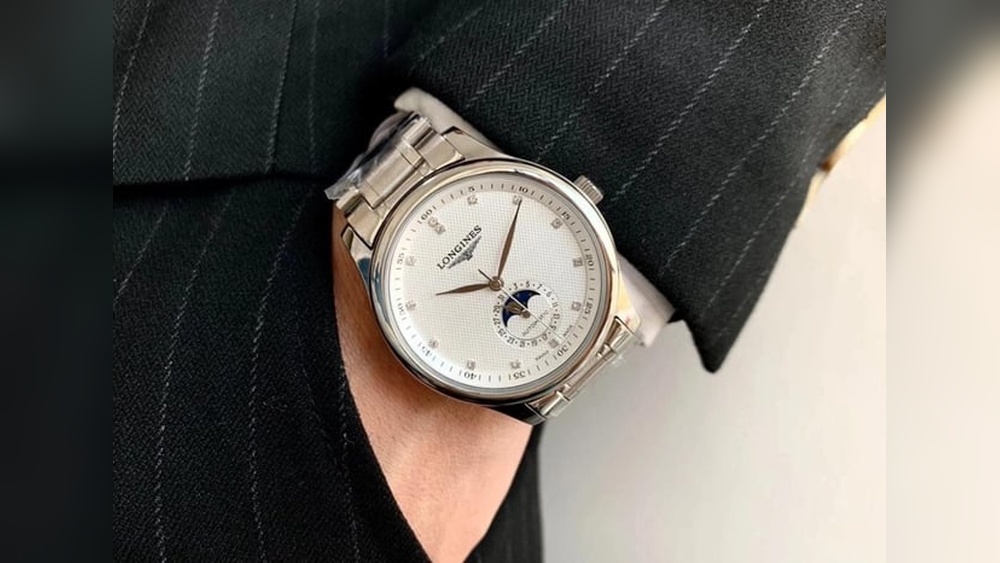
Yes, brands like Tag Heuer, Longines, or Tudor offer quality watches at entry-level prices. They use good materials and reliable movements. Start with a classic model and learn about maintenance and care.
Choose watches with simple designs and strong resale value.
—
Show images of polished dials, engraved movements, and different strap materials.
—
Choosing a luxury watch is a personal journey. By knowing the signs of a quality watch, you make smarter choices and enjoy your timepiece for years to come. Focus on craftsmanship, movement, materials, and trusted brands. Remember, a quality watch is not just about price—it’s about lasting value, style, and satisfaction.
For further reading, see Hodinkee: What Makes a Watch Luxury.
If you want to learn more about authenticating watches or maintaining your collection, check out our internal guides: [How to Authenticate a Rolex](#), [Best Watch Brands for Beginners](#), and [Watch Maintenance Guide](#).
With this knowledge, you’ll spot luxury indicators with confidence and avoid the pitfalls many beginners face. Enjoy the journey—your perfect watch awaits.
The story of the Carriage Hill Traveller Timepiece is not just about a watch—it is about the art of travel,
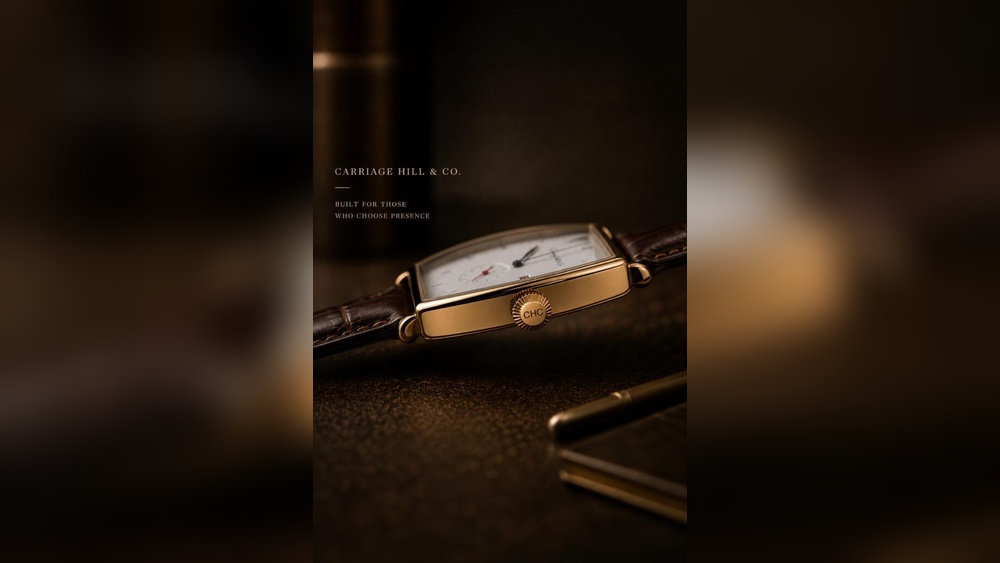
Carriage Hill And Co Watches: A Complete Guide If you search for a watch that blends tradition with modern style,
Carriage Hill Understated Luxury Watch: A Complete Guide A luxury watch is more than just a tool for telling time.
Finding a luxury dress watch under $700 is a rewarding challenge for style-conscious people who want elegance without the high
The world of luxury watches is filled with stories of craftsmanship, tradition, and innovation. Among these, the Carriage Hill Handcrafted
The world of watches is full of stories, tradition, and craftsmanship. For many people, a watch is not just a