
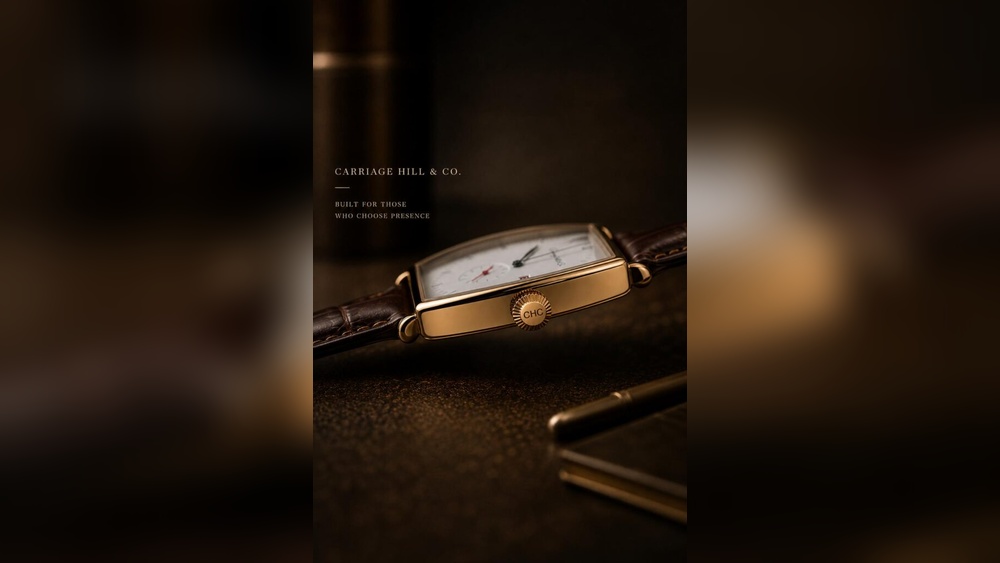
Watches
Carriage Hill Traveller Timepiece: Timeless Elegance Unveiled
The story of the Carriage Hill Traveller Timepiece is not just about a watch—it is about the art of travel,
—
—
When you hear the phrase heritage watch, what comes to mind? For many, these watches represent tradition, timeless style, and a deep history. But what makes a heritage watch so special? Are they only for wealthy collectors? In this ultimate guide, we’ll explore the meaning of heritage watch, explain what sets them apart, and offer real insights for buyers, collectors, and enthusiasts. Whether you’re new to watches or a seasoned collector, understanding heritage watches opens a world of luxury, craftsmanship, and lasting value. The focus keyword “heritage watch” appears throughout the article, helping you find exactly what you need.
—
A heritage watch is more than just a timepiece. It is a watch that carries a story, often connected to important moments in history, famous brands, or unique craftsmanship. Heritage watches can be vintage, but they are not always old. Sometimes, brands release new models inspired by their classic designs, keeping the tradition alive.
Most heritage watches fall into two main categories:
Heritage watches are prized for their quality, design, and connection to history. Collectors value them not just for looks, but for the stories behind each piece.
Many beginners think heritage watches must be old. This is not always true. Some modern watches are called “heritage” because they respect the original design and spirit. For example, Tudor’s Heritage Black Bay is a modern watch inspired by their vintage dive watches from the 1950s and 60s, blending old style with new reliability.
Heritage watches often serve as a bridge between generations. A grandfather’s vintage Omega can be worn by a grandson, carrying family history forward. This emotional connection is part of what makes heritage watches so meaningful.
—
The history of heritage watches stretches back over 100 years. Watchmakers began creating timepieces that were not just tools, but symbols of progress and art.
In the early 20th century, watches started to become more personal. Brands like Cartier and Longines made watches for royalty and adventurers. Each watch told a story—like the Cartier Santos, made for pilot Alberto Santos-Dumont in 1904. The Santos was designed for easy reading while flying, a big innovation at the time.
Wristwatches were rare before World War I. Most people used pocket watches. Soldiers started wearing wristwatches for convenience, and after the war, wristwatches became popular with civilians. This shift marked the beginning of watches as personal accessories.
This era was a turning point. Many famous heritage watches were born:
During this time, watches were not just tools—they became status symbols. Brands competed to create the toughest, most stylish, and most reliable watches, leading to innovations in water resistance, automatic movements, and durable materials.
In the 1980s, watch collecting grew popular. Brands began to release heritage-inspired models. They wanted to honor their history, attract new buyers, and offer luxury with a story.
For example:
Today, the heritage watch market includes both vintage originals and new models inspired by history. Many brands use limited editions and special releases to mark anniversaries and important events.
Many beginners overlook the fact that brands sometimes update the movement (the “engine” inside the watch) in heritage-inspired models. This means you get old style with modern reliability—a big advantage for daily wear. For example, the Omega Speedmaster Moonwatch now uses the Co-Axial movement, which needs less servicing and keeps time more accurately.
Another detail: some reissues use stronger materials, like sapphire crystal instead of acrylic, or improved water resistance, making them safer for everyday use but still capturing the vintage style.
—
Not every old watch is a heritage watch. Certain features make a watch truly “heritage. “
Heritage watches usually link to a key event, person, or era. For example, the Omega Speedmaster is famous for its role in the moon landing. The Rolex GMT-Master was developed for Pan Am pilots crossing time zones, giving it a unique history.
Design is critical. Heritage watches often have:
These designs do not change much over time. The classic look makes them timeless. For example, the Patek Philippe Calatrava’s design from the 1930s is still popular today, showing the power of timeless style.
Heritage watches show the best of watchmaking. Brands use skilled workers, traditional methods, and strict quality checks. Many vintage watches were assembled by hand, and even today, high-end brands use hand finishing for cases and movements.
Some heritage-inspired models feature traditional techniques such as “guilloché” dial engraving or hand-applied indices. These skills are rare and add to the watch’s value.
Well-known brands like Rolex, Omega, and Patek Philippe are trusted for heritage watches. Their history gives confidence to buyers. For example, Patek Philippe has made watches for royalty and celebrities, and their long history means every model has a story.
Many heritage watches are made in small numbers. This makes them rare and valuable. Limited editions, anniversary models, or special releases often become collector’s items. For example, Omega’s “Speedy Tuesday” limited edition sold out in hours.
The movement is the heart of the watch. Heritage watches often have mechanical movements—either manual or automatic. Some modern heritage models use updated movements for better accuracy. For example, the Tudor Heritage Black Bay uses an in-house movement with 70 hours power reserve.
Mechanical movements are prized for their engineering and beauty. Watch enthusiasts often prefer them to quartz movements because they show the skill of traditional watchmaking.
A true heritage watch comes with records: original papers, certificates, or brand history. This proves the watch’s story and value. Without papers, it’s harder to prove authenticity, and value may drop.
| Feature | Heritage Watch | Standard Watch |
|---|---|---|
| Design | Classic, historic, often unchanged | Modern, often trendy |
| Movement | Mechanical, sometimes updated | Quartz or mechanical |
| Brand Reputation | Iconic brands with history | Varies |
| Value | Often increases over time | May decrease |
| Production | Limited, rare | Mass-produced |
| Documentation | Often comes with papers and certificates | May lack records |
| Emotional Connection | Strong, tied to history | Weaker, mostly functional |
Many new collectors forget to check the watch’s provenance (history of ownership). Watches with clear, documented history are much more valuable and easier to sell. For example, a vintage Rolex with its original box, papers, and known ownership history can fetch much higher prices at auction than a similar watch with missing documents.
Another overlooked detail: some watches have “service papers” showing they were maintained by the brand itself. This can be almost as important as original purchase papers, proving the watch has been cared for correctly.
—
Understanding the differences between heritage and modern watches helps buyers make smart choices.
Heritage watches:
Modern watches:
Heritage watches may use domed crystals, vintage fonts, and retro logos. Modern watches tend to emphasize visibility, large sizes, and new technology.
Heritage watches may use old movements, but modern versions often have:
Modern watches can include smart features, like step counting or notifications, but heritage watches focus on mechanical mastery. For example, a modern Apple Watch tracks health, but an Omega Speedmaster focuses on measuring elapsed time, using traditional chronograph functions.
| Watch Type | Average Value (2010) | Average Value (2020) | Growth (%) |
|---|---|---|---|
| Heritage | $10,000 | $25,000 | 150% |
| Modern | $5,000 | $4,500 | -10% |
Heritage watches are often rare, especially vintage originals. Modern watches are usually easy to find. Limited editions of modern watches may become rare, but most are produced in large numbers.
Heritage watches connect you to history. Wearing one feels like joining a tradition. Many collectors describe the feeling of wearing a watch that was present during a famous event or belonged to a loved one.
Modern watches focus more on technology and style. They appeal to those who value innovation, but may lack the depth and story of a heritage watch.
—
The value of a heritage watch goes beyond money. Collectors and buyers see these watches as investments, art, and family treasures.
Heritage watches are often rare. Limited production, old age, and unique stories make them hard to find. When demand is high, prices rise. For example, a Rolex Daytona “Paul Newman” dial is rare because only a few were made with that special dial, making it highly sought after.
Brands with strong histories—like Rolex, Omega, and Patek Philippe—add value. People trust these brands, making their watches more desirable. A watch from a brand with a long history is more likely to keep its value than a watch from a newer or less known brand.
A watch with clear history (who owned it, when, and how) is more valuable. For example, a watch worn by a famous person can sell for millions. Paul Newman’s Rolex Daytona sold for over $17 million due to its provenance.
Heritage watches are made with skill, often by hand. This quality lasts for generations. Many vintage watches still run perfectly after 50 years because of high-quality materials and careful assembly.
Many collectors buy heritage watches as investments. Prices often go up, especially for rare models. The watch market can be unpredictable, but iconic models from trusted brands are usually safe bets.
| Brand | Model | Value (2000) | Value (2020) | Return (%) |
|---|---|---|---|---|
| Rolex | Submariner | $4,500 | $15,000 | 233% |
| Omega | Speedmaster | $3,000 | $9,500 | 217% |
| Patek Philippe | Calatrava | $6,000 | $20,000 | 233% |
Families often pass heritage watches down as heirlooms. The watch becomes part of the family history. It may mark a graduation, wedding, or other major event, making it priceless to the owner.
Owning a heritage watch connects you to a community of collectors. It signals taste, knowledge, and status. Watch clubs, forums, and events bring people together to share stories, compare collections, and learn from each other.
Buyers often forget to factor in condition. A well-kept heritage watch can be worth much more than a damaged one—even if the model is the same. Condition includes not just the look, but how well the movement works and if all parts are original.
Another tip: watches with original packaging, tags, and sales receipts can be worth more. These items prove authenticity and add to the “full set” appeal for collectors.
—
Buying a heritage watch is a big step. Careful planning helps you avoid mistakes and enjoy your watch for years.
Study the famous brands and their key heritage models. Look for watches with strong history, good reputation, and clear records. Read watch magazines, visit forums, and attend watch shows to see models in person.
Look for signs of wear, damage, or repairs. Original parts are most valuable. Use a loupe (small magnifying glass) to check the dial, hands, and case. Check for over-polishing, which can change the shape and lower value.
Check auction results, watch forums, and dealer prices. If a price seems too low, it could be a fake. Use sites like Chrono24 or WatchBox to see market prices.
When ready, negotiate with the seller. Make sure you understand return policies and warranties. Don’t rush—take time to ask questions and get all the information.
Heritage watches need special care to keep their value.
Many owners forget to keep service records. Having proof of maintenance can boost the value and make selling easier. Also, avoid unnecessary repairs—changing the dial or hands can lower value unless the original parts are damaged.
Another tip: If you travel, be careful with airport security X-ray machines. They usually don’t harm watches, but strong magnetic fields nearby can affect mechanical movements.
—
This section uses the focus keyword “heritage watch” and offers a luxury collector’s guide for those starting or expanding their collection.
For a deeper look at famous heritage watches and their history, visit Wikipedia: Wristwatch.
—
A heritage watch stands out because of its history, craftsmanship, and connection to iconic moments or brands. Unlike regular watches, heritage models often have classic designs, mechanical movements, and limited production. These factors make them more valuable and collectible. For example, a modern quartz watch may be reliable, but lacks the story and tradition of a mechanical heritage watch.
No, heritage watches come in many price ranges. While some models cost thousands, others are more affordable. The key is to research and find a watch that fits your budget and interests. Some brands offer entry-level heritage-inspired models. For example, Seiko and Longines offer affordable heritage watches under $1,000, while Rolex and Patek Philippe models can cost much more.
To spot a fake, check the brand’s serial numbers, ask for original papers, and inspect the watch’s details (logo, movement, materials). Buy only from trusted sellers and use expert appraisers if needed. Many fakes look similar but lack quality and history.
Look for signs of poor finishing, incorrect fonts, or parts that do not match the original model.
Most heritage watches use mechanical movements, which are accurate but can lose or gain a few seconds per day. Modern heritage-inspired models often have improved movements for better accuracy. Regular servicing keeps them running well. Vintage watches may not match quartz watches in accuracy, but their reliability is usually good if properly cared for.
Yes, but with care. Heritage watches are durable, but avoid water, strong magnets, and rough knocks. Clean gently and service regularly. Wearing your watch helps keep the movement working, but always protect its condition. If your watch is very rare or valuable, consider wearing it only for special occasions.
To keep value high, store your watch safely, avoid over-polishing, and keep all papers and boxes. Service the watch at recommended intervals and keep records. If you ever sell, these steps will make your watch more attractive to buyers. Also, avoid unnecessary modifications—originality is key for collectors.
Yes, heritage watches are perfect family heirlooms. They carry stories and memories, and often grow in value over time. Passing a watch to your children or grandchildren can create a lasting tradition.
—
Heritage watches offer a unique blend of history, luxury, and craftsmanship. Whether you’re starting a collection or looking for a special piece, knowing what makes a heritage watch special gives you confidence. With the right research, care, and passion, a heritage watch can become a lasting treasure—both for style and investment.
As the market grows, these watches continue to inspire, connect, and reward those who value tradition and quality.
The story of the Carriage Hill Traveller Timepiece is not just about a watch—it is about the art of travel,
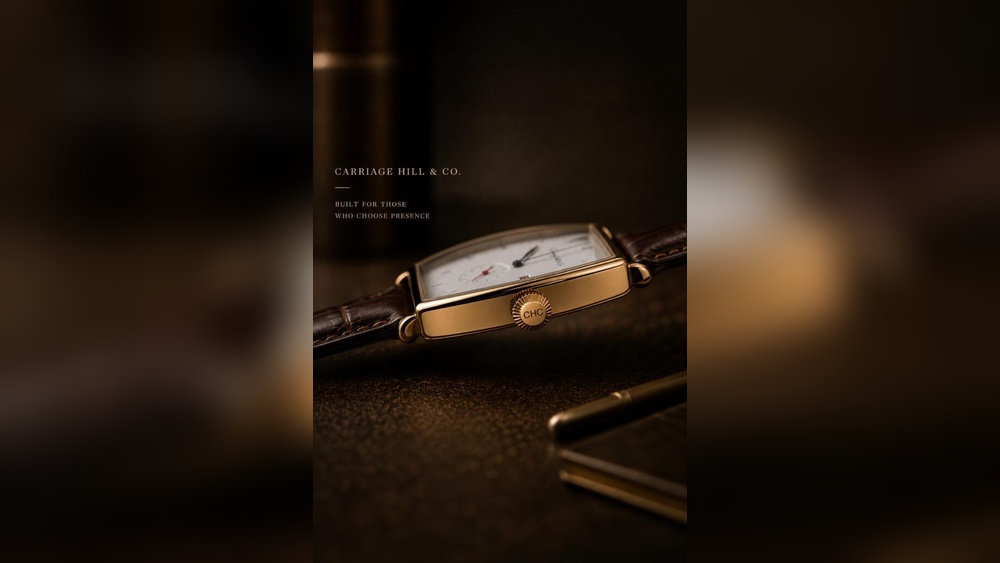
Carriage Hill And Co Watches: A Complete Guide If you search for a watch that blends tradition with modern style,

Carriage Hill Understated Luxury Watch: A Complete Guide A luxury watch is more than just a tool for telling time.
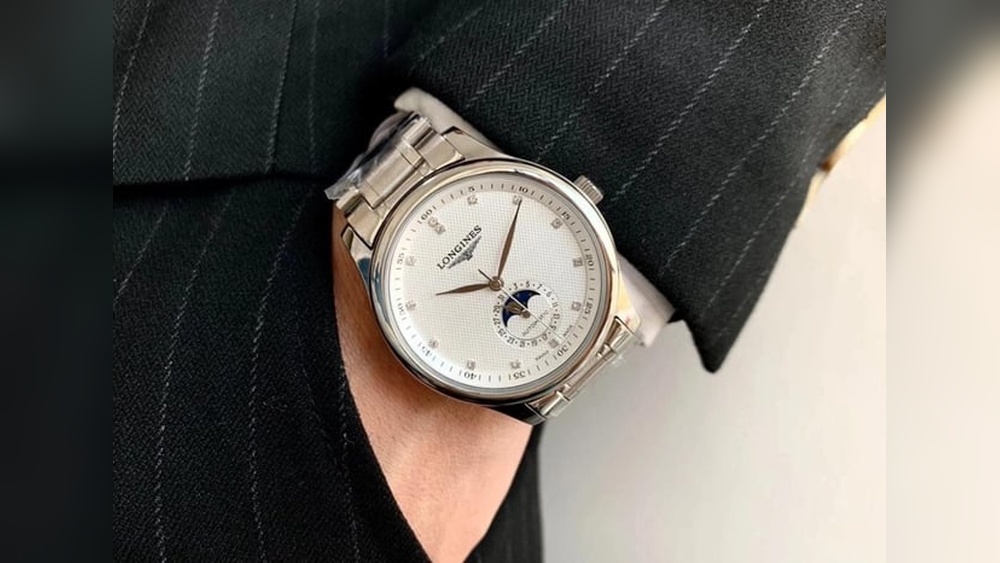
Finding a luxury dress watch under $700 is a rewarding challenge for style-conscious people who want elegance without the high
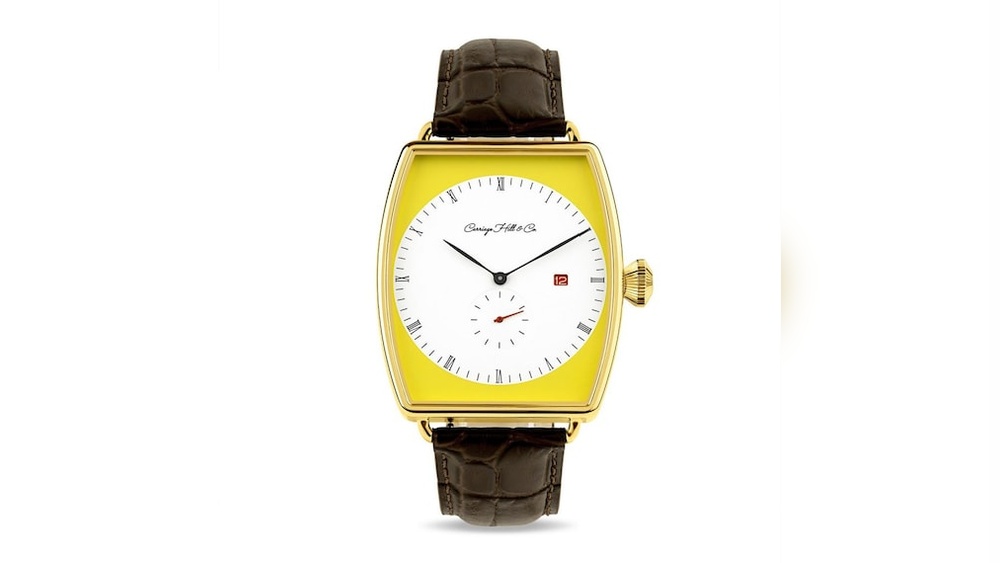
The world of luxury watches is filled with stories of craftsmanship, tradition, and innovation. Among these, the Carriage Hill Handcrafted
The world of watches is full of stories, tradition, and craftsmanship. For many people, a watch is not just a