
Watches
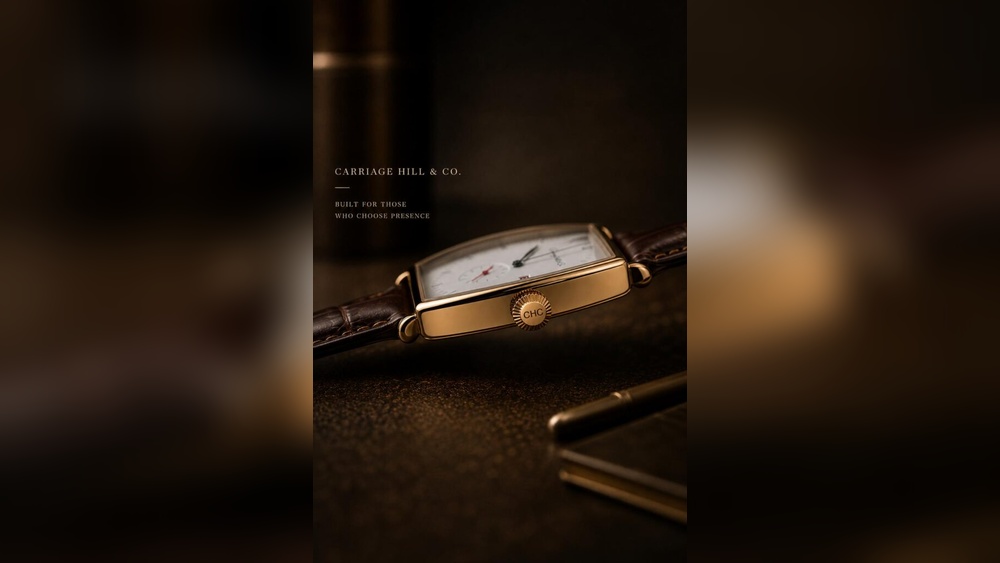
Carriage Hill Traveller Timepiece: Timeless Elegance Unveiled
The story of the Carriage Hill Traveller Timepiece is not just about a watch—it is about the art of travel,
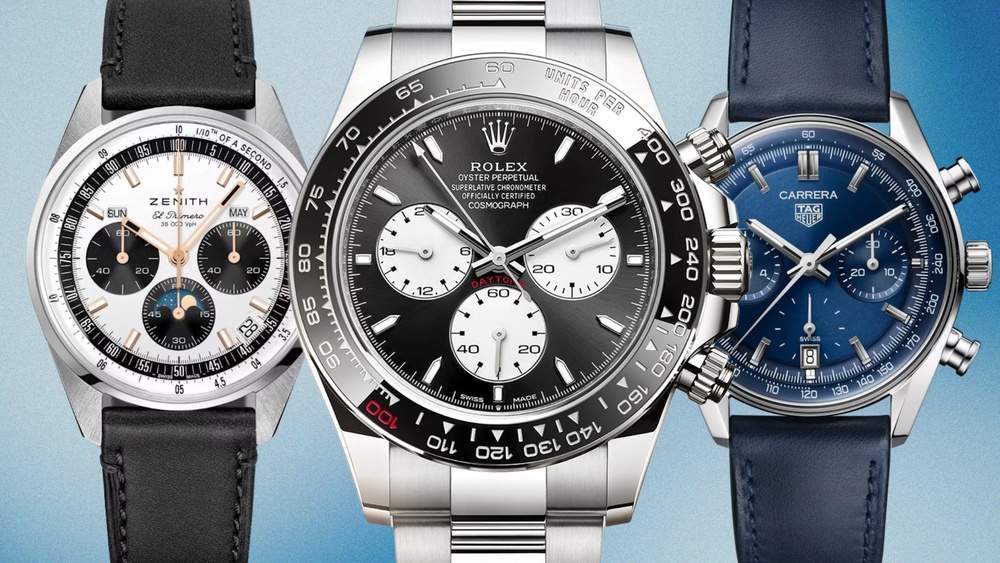
Luxury chronograph watches are more than just timekeepers—they are symbols of status, innovation, and craftsmanship. For many, owning one is a dream, a sign of success and taste. But with dozens of brands and hundreds of models, picking the right chronograph can feel overwhelming. This guide will help you understand what makes these watches special, how to choose the best one, and which models stand out in 2024. From the finest Swiss brands to the latest design trends, you’ll get an insider’s view on everything luxury chronograph-related.
Below, you’ll find a clear overview of the article’s main sections, so you can easily jump to topics that interest you.
—
A chronograph watch is a timepiece with a stopwatch function. You can start, stop, and reset the timer using pushers on the side. Chronographs measure elapsed time, usually in seconds, minutes, and hours. They often have two or three smaller dials (subdials) on the main face.
Luxury chronograph watches combine this practical feature with high-end materials, precise movement, and elegant design. The luxury part comes from the brand reputation, craftsmanship, and exclusivity. When you buy a luxury chronograph, you get more than just a stopwatch—you get a piece of art.
Chronographs have extra mechanisms inside the watch. When you press a pusher, gears and levers activate the timer. Most luxury models use mechanical movements, which are hand-assembled and finely tuned. Some models use automatic movements, powered by your wrist’s motion.
Mechanical chronographs are admired for their complexity and tradition. Inside, hundreds of tiny parts work together. When you push the button, a clutch connects the stopwatch hand to the movement. This starts the timing function. Many luxury watches allow you to measure multiple intervals, like split-seconds or flyback timing.
These extra functions require even more skill to build.
Automatic chronographs wind themselves as you move your wrist. This means you don’t have to worry about winding the watch every day. The movement inside is often visible through a glass case back, showing the beautiful engineering.
Other common elements include a central chronograph hand (usually a large, sweeping hand), and sometimes a date window. The arrangement of subdials and pushers is part of each brand’s unique design.
Regular watches show time and date. Chronographs add timing functions. This makes them useful for sports, racing, aviation, and other precision tasks. Luxury chronographs also focus on beauty and status.
A standard watch may have a clean dial, while chronographs often appear busier, with multiple subdials and markings. This complexity is part of their appeal. Chronographs are also slightly thicker, due to the extra mechanics.
Chronograph watches are popular for both practical and emotional reasons. Here’s why people love them:
Chronographs are also popular with engineers, scientists, and anyone who needs accurate timing. Many models are designed for specific professions, such as medical chronographs with pulse measurement scales.
Owning a luxury chronograph is not just about timing. It’s about feeling confident, stylish, and successful. Many people buy these watches to mark life milestones—graduations, promotions, or anniversaries.
Some buyers enjoy the feeling of tradition and history. Wearing a chronograph with a rich heritage connects you to past generations. The act of pressing the pushers, winding the movement, and seeing the hands in motion adds a sense of ritual to daily life.
Not all chronographs are luxury. So, what sets the luxury models apart?
Luxury chronographs use the best materials, such as:
The quality of finishing is also higher. Polished edges, brushed surfaces, and intricate engravings set luxury watches apart. Even the clasp or buckle is carefully designed.
Luxury watches are often made by hand. Skilled watchmakers assemble and test each piece. This ensures high accuracy and durability.
Each movement is carefully adjusted, sometimes over many weeks. The assembly process includes fine-tuning the balance wheel, checking the chronograph’s accuracy, and making sure the hands align perfectly. Some brands, like Patek Philippe, require movements to meet strict standards before leaving the workshop.
Brands like Rolex, Omega, Audemars Piguet, and Patek Philippe have decades (sometimes centuries) of history. Their logos alone add value.
A watch from a prestigious brand carries more than just technical features—it carries reputation. When you wear a luxury chronograph, people notice. These brands sponsor major events, from Formula 1 to Olympic Games, further increasing their status.
Luxury chronographs use advanced mechanical or automatic movements. Some have complex features like flyback (instant reset), split-seconds (timing two events), or perpetual calendar.
The movement is the heart of the watch. High-end brands design their own calibers, sometimes adding innovations like silicon parts or anti-magnetic technology. Many luxury chronographs have display case backs, so you can admire the movement.
Many luxury chronograph models are produced in small numbers. This exclusivity makes them rare and desirable.
Collectors seek out limited editions for their unique features—special engravings, rare materials, or unusual dial colors. Limited runs increase the resale value and make the watch feel more personal.
Luxury chronographs have polished cases, precise engravings, and elegant dial designs. Even the smallest parts are finished to perfection.
The dial layout, hand shape, font, and subdial placement are carefully planned. Brands often use hand-painted markers, mother-of-pearl dials, or diamond accents. The overall effect is beauty and harmony.
Here’s a quick comparison of brand reputation and history:
| Brand | Founded | Luxury Status | Chronograph Expertise |
|---|---|---|---|
| Rolex | 1905 | Top-tier | Excellent |
| Omega | 1848 | High | World-class |
| Audemars Piguet | 1875 | Ultra-luxury | Exceptional |
| Patek Philippe | 1839 | Ultra-luxury | Legendary |
| Tag Heuer | 1860 | Upper-mid | Very good |
Choosing the best luxury chronograph watches is not easy. Many models offer different features, styles, and histories. Here are seven that truly stand out this year.
The Rolex Daytona is one of the most famous chronographs ever. It was first released in 1963, designed for race car drivers. Today, it’s a symbol of speed and luxury.
The Daytona is known for its clean dial layout. The chronograph pushers screw down, adding water resistance. Collectors love the “Paul Newman” dial, which is rare and highly valuable. The movement is reliable and easy to service, making it suitable for everyday wear.
Known as the “Moonwatch,” the Omega Speedmaster was the first watch worn on the moon in 1969. It combines history with reliability.
The Speedmaster is easy to recognize, with its black dial and white hands. The hesalite crystal is traditional, but sapphire is available. The movement is robust and proven in extreme conditions. Many buyers enjoy the connection to space exploration.
The Royal Oak Offshore is bold and sporty. Its octagonal bezel and “tapisserie” dial are instantly recognizable.
The Offshore is larger and thicker than most chronographs, making it stand out. The rubber or leather strap adds comfort. The dial is deeply textured, and the movement is visible through the back. This model is popular with athletes and celebrities.
Patek Philippe is known for elegance. The 5170G has a classic look, with a slim profile and clean dial.
The 5170G is perfect for dress occasions. The hand-finished movement is admired by collectors. The watch is thin and light, making it comfortable to wear. The design is understated but sophisticated, appealing to those who value quiet luxury.
The Carrera is inspired by racing. It’s one of Tag Heuer’s most popular models, combining sport and luxury.
The Carrera offers a sporty look with a clear dial. The skeleton version shows the movement, adding interest. The long power reserve means you can leave the watch unworn for a few days and it will still run. Many models are available, from classic black to bold blue dials.
Zenith’s El Primero was the first automatic chronograph movement. The Chronomaster features the classic tri-color subdials.
The El Primero is famous for its precise timing. The movement beats faster than most, allowing the chronograph hand to measure tenths of a second. The colorful subdials add personality. This model is popular with those who appreciate technical innovation.
The Navitimer is famous for its aviation roots. Pilots use the slide rule bezel for calculations.
The Navitimer is packed with features. The slide rule bezel helps pilots calculate speed, distance, and fuel. The movement is reliable and accurate. The watch is larger, with a busy dial, but this is part of its character.
Selecting a luxury chronograph is a personal decision. Here’s how to make the right choice:
If you travel often, look for models with extra time zones. If you attend formal events, choose a classic design. For collectors, rare models or limited editions are best.
Luxury chronographs range from $5,000 to over $100,000. Decide how much you want to spend. Remember, higher price often means better materials and exclusivity.
Don’t forget extra costs, like servicing, insurance, or accessories. A good strategy is to set a maximum price, then look for the best options in that range.
Some brands are known for certain styles:
Research each brand’s history and reputation. Visit boutiques or authorized dealers to see models in person.
Automatic is best for everyday use. Manual is ideal for those who enjoy winding their watch and feeling connected to tradition. Quartz is rare in luxury chronographs, but some brands offer high-precision quartz models.
Also, check the dial layout. Some chronographs are busy, others are clean and simple. Choose what fits your style.
Always try the watch on your wrist. Check the size, weight, and comfort. Some luxury chronographs are large and heavy, others are slim.
Watch sizes range from 38mm to over 45mm. If you have a smaller wrist, avoid oversized models. Consider the strap—metal bracelets are heavier, leather is lighter.
Certain models hold value better. Limited editions and popular brands are safer investments.
Rolex and Patek Philippe are known for strong resale. Omega and Audemars Piguet also perform well. Check auction results and online marketplaces to see price trends.
Here’s a quick overview of what to compare:
| Factor | Rolex Daytona | Omega Speedmaster | Patek Philippe 5170G |
|---|---|---|---|
| Price (USD) | ~$14,000+ | ~$6,000+ | ~$75,000+ |
| Movement | Automatic | Manual | Manual |
| Case Material | Steel/Gold/Platinum | Steel | White Gold |
| Water Resistance | 100m | 50m | 30m |
| Resale Value | High | Moderate | Very High |
The luxury chronograph market is full of choices. Here’s how the top brands and models compare.
Each brand has its own signature style. For example, Rolex is known for its oyster case, Omega for its moon heritage, and Audemars Piguet for its octagonal bezel. These details make each brand recognizable.
| Model | Power Reserve | Subdials | Special Feature |
|---|---|---|---|
| Rolex Daytona | 72 hours | 3 | Tachymeter bezel |
| Omega Speedmaster | 48 hours | 3 | Moonwatch history |
| Audemars Piguet Royal Oak Offshore | 50 hours | 3 | Screw-down pushers |
| Patek Philippe 5170G | 65 hours | 2 | Hand-finished movement |
| Tag Heuer Carrera | 80 hours | 3 | Skeleton dial |
| Zenith El Primero | 50 hours | 3 | High-frequency |
| Breitling Navitimer | 70 hours | 3 | Slide rule bezel |
Some luxury chronographs are classic and understated, like the Patek Philippe 5170G. Others are bold and sporty, like the Audemars Piguet Royal Oak Offshore. It’s important to match the design to your style.
Classic models usually have simple dials, slim cases, and elegant colors. Sporty models use larger cases, bright colors, and technical features. If you want your watch to stand out, choose a bold design. For formal events, go with understated elegance.
Some brands are experimenting with silicon parts, anti-magnetic materials, and new winding systems. These innovations improve accuracy and durability.
A luxury chronograph is a long-term investment. Proper care keeps your watch accurate and beautiful.
Luxury chronographs need servicing every 3–5 years. This includes cleaning, oiling, and checking the movement.
Service must be done by experts. They disassemble the movement, clean the parts, replace worn pieces, and reassemble with new lubricants. This prevents wear and keeps the watch running smoothly.
If the watch has a water-resistant case, you can rinse it carefully. For leather straps, use special conditioners to prevent cracking. Avoid exposing the watch to perfumes or sweat for long periods.
Store your watch in a cool, dry place. Use a watch box or safe to protect from dust and scratches.
For automatic watches, consider a watch winder. This device keeps the movement running when not in use. Don’t store in direct sunlight, as UV rays can fade dial colors.
Magnets can disturb the movement. Keep your chronograph away from strong magnetic sources.
Common sources include phones, speakers, laptops, and some bags. Even a brief exposure can affect accuracy.
Check water resistance before swimming or showering. Even waterproof watches may lose their seal over time.
After exposure to water, rinse the watch to remove salt or chlorine. Have the seals checked during regular service.
Luxury chronographs are valuable. Consider getting insurance for theft, loss, or damage.
Keep purchase receipts, photos, and certificates. Some insurance companies offer special plans for watches.
If your watch stops or shows inaccurate time, have it checked soon. Small issues can become big repairs if ignored.
Luxury chronograph watches are always evolving. Here are some trends for 2024:
Brands are using recycled metals, vegan leather, and eco-friendly packaging.
This shift responds to buyers who care about the environment. Some brands now offer straps made from recycled ocean plastics or plant-based materials. Packaging is smaller and more sustainable.
Some models combine mechanical movement with smart features—Bluetooth, fitness tracking, or digital displays.
Hybrid watches let you track steps, receive notifications, or measure heart rate. This technology is still new, but brands are investing in smart chronograph designs.
Many brands are releasing slimmer, smaller chronographs. These fit better under sleeves and look elegant.
Case sizes once trended larger, but now many buyers prefer comfort. Thin chronographs are easier to wear all day.
Buyers can choose dial colors, strap materials, and engravings. Personalized chronographs are growing in popularity.
Brands offer online configurators, letting you design your own watch. Custom engraving is common for gifts or milestones.
Reissues of classic models, like the Omega Speedmaster or Zenith El Primero, attract collectors.
Vintage details—like domed crystals, retro logos, and old-school fonts—are popular. Brands sometimes use original movements or recreate them for new releases.
A chronograph is a watch with stopwatch features. You can time events, laps, or tasks. A chronometer is a watch that meets strict accuracy standards, often certified by Swiss institutes. Some watches are both chronographs and chronometers, but not all.
Prices range from $5,000 to over $100,000. It depends on brand, materials, and features. Beginners often start with models like the Omega Speedmaster or Tag Heuer Carrera. Collectors may invest in rare Patek Philippe or Rolex models.
Yes, many models hold or increase value. Limited editions, popular brands, and watches with history are safer investments. Always check market trends and buy from authorized dealers.
Look for:
Buying from trusted sellers is key. For more tips, see our guide: [How to Spot a Fake Luxury Watch](#).
Yes, most are built for regular use. However, avoid extreme sports, water, or magnetic fields. Regular maintenance keeps your watch in good shape.
Focus on:
Try on different models to see what feels best on your wrist.
—
Luxury chronograph watches blend practical timing with artful design. Whether you want a watch for style, investment, or daily use, this guide helps you make a smart, confident choice. Remember to consider your needs, budget, and taste. With care and attention, your luxury chronograph will be a lasting companion and a mark of distinction.
If you want to explore more, check out Hodinkee for reviews and expert insights.
The story of the Carriage Hill Traveller Timepiece is not just about a watch—it is about the art of travel,
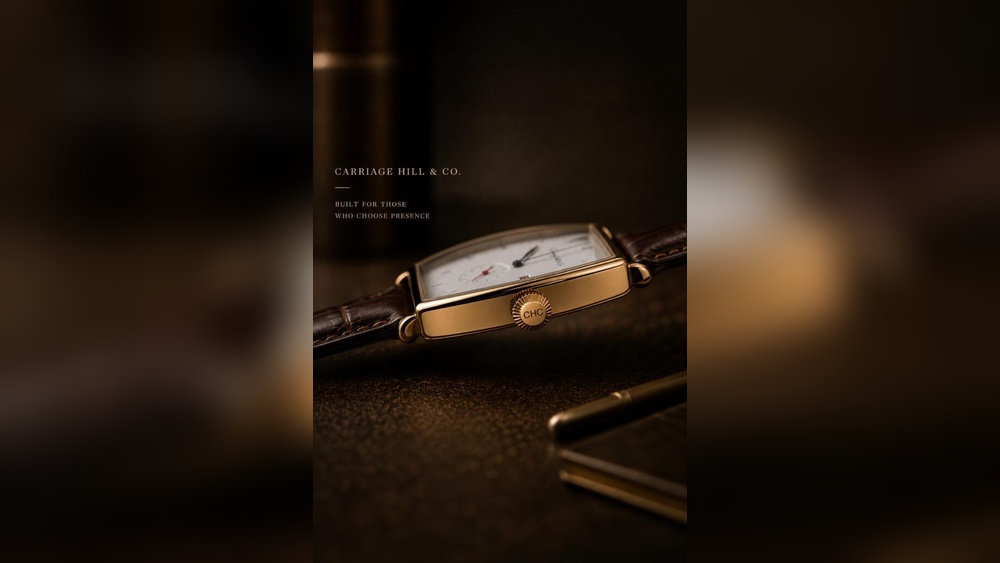
Carriage Hill And Co Watches: A Complete Guide If you search for a watch that blends tradition with modern style,
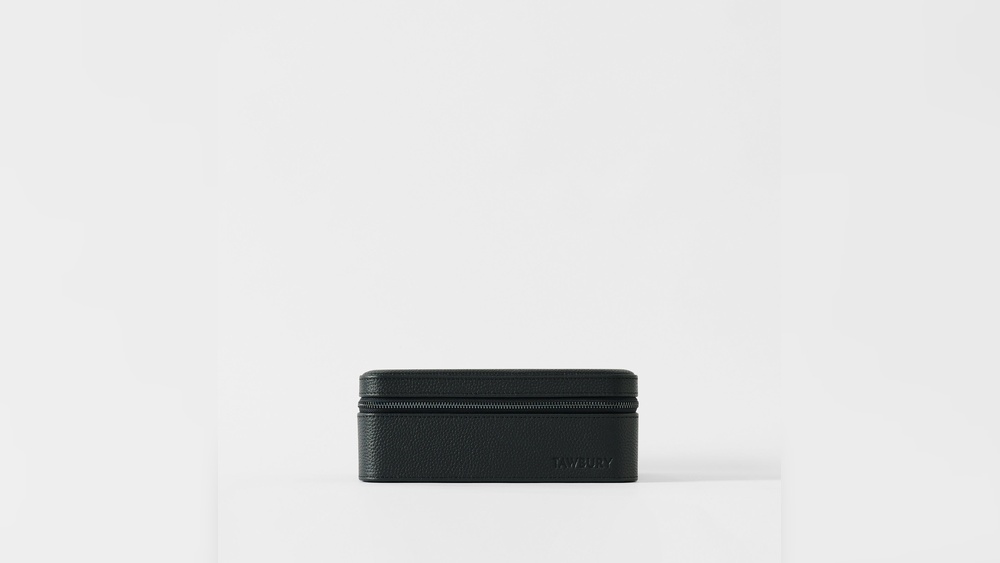
Carriage Hill Understated Luxury Watch: A Complete Guide A luxury watch is more than just a tool for telling time.
Finding a luxury dress watch under $700 is a rewarding challenge for style-conscious people who want elegance without the high
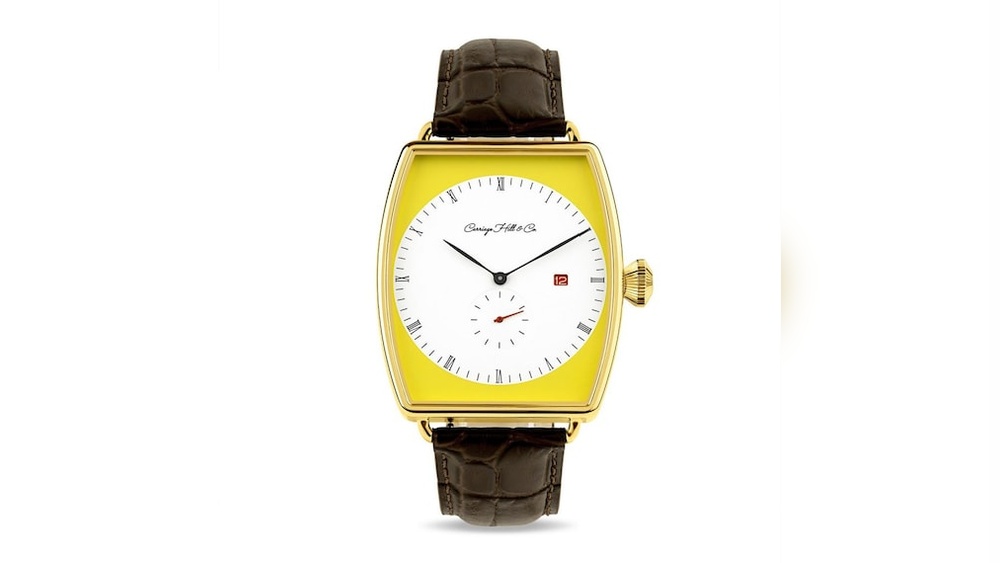
The world of luxury watches is filled with stories of craftsmanship, tradition, and innovation. Among these, the Carriage Hill Handcrafted
The world of watches is full of stories, tradition, and craftsmanship. For many people, a watch is not just a