
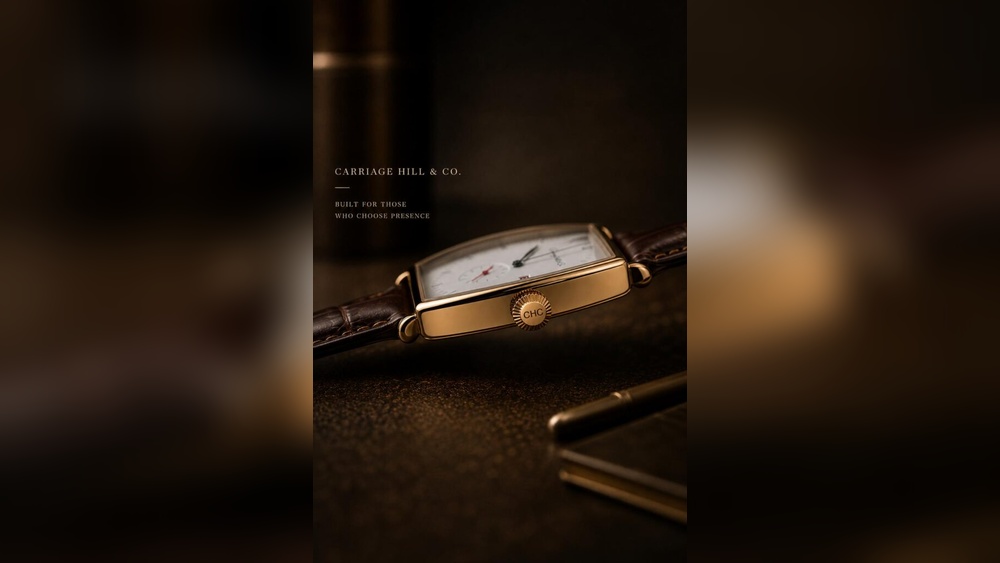
Watches
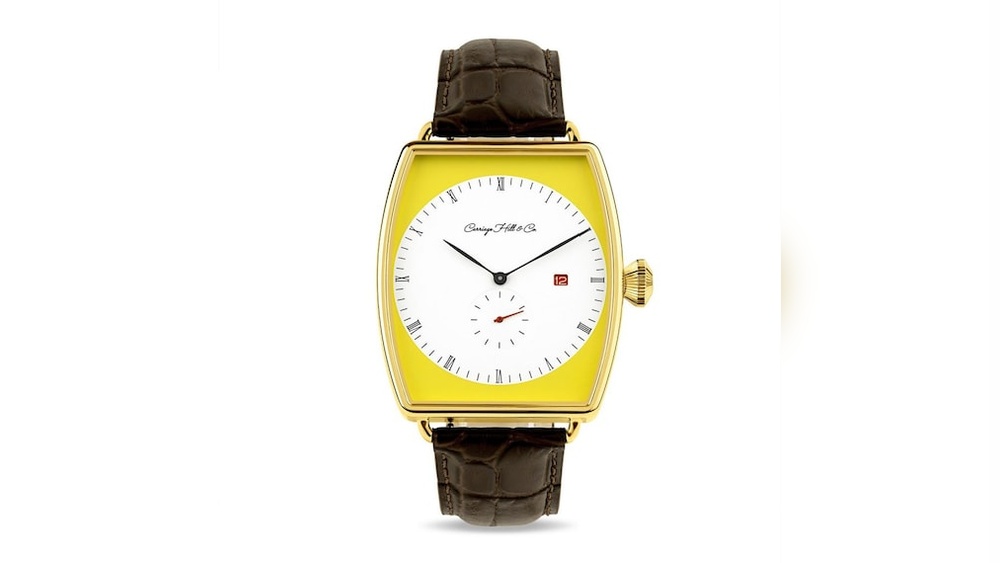
Carriage Hill Traveller Timepiece: Timeless Elegance Unveiled
The story of the Carriage Hill Traveller Timepiece is not just about a watch—it is about the art of travel,
Image suggestion: Close-up photo of a luxury watch dial with ALT text: “How to Read a Luxury Watch Dial”
Table of Contents
—
Luxury watches are more than just timekeepers. They are symbols of craftsmanship, style, and innovation. If you want to appreciate the full value of a luxury watch, you must learn how to read a luxury watch dial. This skill is not only practical—it unlocks the secrets behind these elegant pieces, helping you understand their functions, beauty, and history.
Many beginners feel overwhelmed by the details on a luxury watch dial. There are numbers, hands, subdials, and sometimes even words in different languages. But with a clear guide, anyone can master reading these dials. In this article, you’ll discover seven best secrets for reading luxury watch dials, including practical tips, examples, and comparisons.
Whether you’re a collector, a buyer, or simply a fan, you’ll find everything you need to confidently read any luxury watch dial.
A luxury watch dial is the face of the watch. It shows the time, but also much more. Luxury watch dials are made with high-quality materials, precise markings, and sometimes artistic details. They often include advanced features called complications that go beyond basic timekeeping.
Luxury watch dials are different from regular watch dials because they combine precision, design, and technology. For example, a Rolex dial may use gold or platinum for the markers, while an Omega dial might feature a unique wave pattern. Some brands hand-paint their dials, making each piece unique.
Expert watchmakers spend hundreds of hours perfecting luxury dials. They add tiny details, polish markers, and carefully place every element. These dials are not mass-produced. Each one is checked for flaws and finished by hand. That is why luxury watch dials look and feel special.
Many luxury watches also have unique textures or finishes. For example, the “sunburst” effect on some dials changes color as you move the watch. Others use a matte or satin finish to reduce glare. These special effects make the dial easier to read and add beauty.
Some luxury dials also have “minute tracks” around the edge, helping you read the exact minute. Others include small inscriptions like “Swiss Made,” proving the watch’s origin.
If you look closely, you may also notice tiny details like “railroad tracks” or “guilloché” patterns. These are signs of high craftsmanship and add a touch of elegance.
Reading a luxury watch dial starts with understanding its layout. Most dials follow a similar structure, but luxury brands add special touches. Here are the basic steps:
Most luxury watches have 12 hour markers. Some use Arabic numerals, others use Roman numerals, and many use simple batons or dots. Read the hour markers clockwise, starting from the top (usually 12 o’clock).
Some watches only mark the main hours (12, 3, 6, 9). Others mark every hour. On rare models, you may see a “sector dial,” where the dial is split into different areas, each with its own style of markers.
Luxury watches usually have three main hands:
To read the time:
Some watches have “lume” on the hands and markers—glowing material that makes them visible in the dark.
Many luxury watches have subdials or small windows for extra information:
Luxury watches may include more than one subdial. Some brands use unusual layouts, like vertical stacks or asymmetrical designs. Always check the labels or symbols—subdials are often marked with small text.
Imagine you have a Patek Philippe Calatrava. The hour hand is between 3 and 4, the minute hand points to 20 minutes, and the second hand is at 50 seconds. The date window shows “15”. The time is 3:20:50 on the 15th day of the month.
If your watch has a subdial at 6 o’clock showing “30,” it could be a 30-second counter. Luxury dials are designed for both beauty and function, so take your time to notice every element.
Beginners often confuse the hour and minute hands, especially when the design is unusual. Always check the length and style of each hand. Some watches use similar hands for hours and minutes, making it tricky. If you’re not sure, check the movement of the hand—minute hands move faster than hour hands.
Another mistake is misreading the date window, especially if the window is small or placed off-center. Practice reading each element for accuracy.
Luxury watches often include special features called complications. These are functions beyond basic timekeeping. Reading these complications requires extra attention.
A chronograph is a stopwatch feature. It usually has one or more subdials for measuring elapsed time.
Chronographs are popular in sport and racing watches. The main second hand is often used as a timer, while regular seconds are shown on a small subdial.
A TAG Heuer Carrera chronograph has three subdials:
If the main chronograph hand is at 10 seconds, the 30-minute counter shows 5, and the 12-hour counter shows 2, you have timed 2 hours, 5 minutes, and 10 seconds.
Some chronographs also have a “tachymeter” scale on the bezel. This lets you measure speed over a set distance. To use it, start the timer at a marker, stop at the next marker, and read the speed on the scale.
Some luxury watches show the moon phase. The dial will have a small window with a moon and stars. Read it by looking at the position of the moon image.
Moon phase dials are popular in dress watches. The window shows the current phase of the moon, changing every day. If the moon is fully visible, it’s a full moon. If only a sliver shows, it’s a new moon.
Some watches use artistic designs, with painted moons and stars. High-end brands may use gold or enamel for the moon image.
A power reserve indicator shows how much energy is left in the watch. It is often shaped like an arc or gauge. If the hand is at “Full”, you can wear the watch without winding. If it is at “Low”, it is time to wind.
Power reserve indicators are useful for mechanical watches. They help you avoid the watch stopping unexpectedly.
The indicator may be labeled in hours or days. Some luxury watches have long power reserves—up to a week.
Luxury watches may have a GMT hand or second time zone. The GMT hand is usually colored differently and points to a 24-hour scale. This helps you read time in another country.
To read the GMT hand, check the scale—often printed around the edge of the dial or on the bezel. The main hands show your local time, the GMT hand shows the second time zone.
Some GMT watches also have “city rings” listing world cities. You can set the GMT hand to match the city you want.
| Complication | Dial Position | How to Read |
|---|---|---|
| Chronograph | Subdials (3, 6, 9 o’clock) | Elapsed time, use pushers |
| Moon Phase | Small window (6 o’clock) | Position of moon image |
| Power Reserve | Arc (between 1 and 3 o’clock) | Full or Low indicator |
| GMT | 24-hour scale, usually red hand | Second time zone |
Another detail: many luxury watches use “retrograde” hands, which sweep across an arc and snap back to zero. This is common in power reserve or date indicators.
The materials used in luxury watch dials affect both appearance and readability. Knowing the differences helps you appreciate the watch and spot authentic pieces.
Some luxury watches use rare materials, like meteorite or aventurine glass, for special editions.
| Material | Appearance | Durability | Typical Use |
|---|---|---|---|
| Enamel | Glossy, smooth | Medium | Classic dress watches |
| Mother-of-pearl | Iridescent, colorful | Low | Women’s watches |
| Sapphire crystal | Clear, hard | Very high | All luxury watches |
| Gold/Platinum | Metallic, shiny | High | Markers, hands |
Some brands use “ceramic” for sporty watches. Ceramic is tough, lightweight, and doesn’t scratch easily. It’s often used for bezels or dial backgrounds.
In addition, enamel dials can crack if dropped. Mother-of-pearl is soft and can scratch, so handle with care.
Luxury watch dials come in many designs, each with its own style and purpose. Comparing these designs helps you find the best watch for your needs.
Dress watches have simple, clean dials. They use thin hands, minimal markings, and often no numbers. Examples include the Jaeger-LeCoultre Master Ultra Thin or the Cartier Tank.
Dress dials are often white, silver, or black. The focus is on elegance, not extra features. Some dress watches use “sunburst” finishes for subtle reflections.
Sport watches are bold and easy to read. They have large markers, luminous hands, and often extra features like chronograph or GMT. The Rolex Submariner and Omega Seamaster are famous sport watches.
Sport dials use bright colors, like blue or red, for visibility. Many sport watches have anti-reflective coatings and large numerals for quick reading.
Diver watches are made for underwater use. Their dials are highly visible, with large, glowing markers and hands. They usually have a rotating bezel for timing dives. The Blancpain Fifty Fathoms is a classic example.
Diver dials are often black or dark blue to reduce glare underwater. The hands and markers are filled with “lume”—glowing paint for deep water.
| Type | Markers | Hands | Features |
|---|---|---|---|
| Dress | Simple, batons | Thin, elegant | Minimal complications |
| Sport | Bold, large | Thick, luminous | Chronograph, GMT |
| Diver | Glowing, large | Wide, bright | Rotating bezel, water resistance |
A Rolex Submariner dial has large circles and rectangles as hour markers, a thick minute hand, and a luminous dot at 12 o’clock. The rotating bezel helps you time dives. In contrast, a Cartier Tank dial has Roman numerals, thin hands, and no extra features.
Pilot watches, like the IWC Big Pilot, use oversized numerals and hands for quick reading. Racing watches, like the Omega Speedmaster, have multiple subdials for timing laps.
Another tip: Some luxury watches use “sector” layouts, dividing the dial into areas for different functions (time, date, chronograph). This helps organize information but can feel crowded.
Reading a luxury watch dial is not just about seeing the time—it’s about accuracy. Different types of watches have different timekeeping abilities.
Luxury brands often use mechanical movements for tradition, but quartz movements are more precise. Automatic mechanical watches wind themselves as you wear them, but still need occasional manual winding.
Always check:
On many luxury watches, the second hand doesn’t stop when you set the time. This is called “non-hacking. ” For precise time setting, look for watches with hacking seconds.
| Type | Typical Accuracy | Maintenance | Luxury Value |
|---|---|---|---|
| Mechanical | ±5–10 seconds/day | Regular winding/service | High (tradition, craftsmanship) |
| Quartz | ±0.5 seconds/day | Battery replacement | Medium (precision) |
Some luxury watches use “automatic” mechanical movements. These wind themselves as you move, but if you don’t wear them for a few days, they stop. Always check the power reserve before reading the time.
Another tip: When setting a mechanical watch, move the hands forward only. Moving them backward can damage the mechanism.
Selecting a luxury watch dial is about matching your style, needs, and ability to read the dial. Here’s how to make a confident choice.
Also, think about dial size. Large dials are easy to read, but may not suit small wrists. Thin dials are elegant but may lack features.
Another mistake: Not considering maintenance. Watches with many complications need regular servicing.
If possible, ask to see the watch under different lighting. Some materials look different in sunlight or indoors.
For more details about luxury watch complications, visit Wikipedia.
Look for precise markers, high-quality materials, and clear printing. Check the brand logo and serial number. Authentic dials often use sapphire crystal and precious metals. Compare with official images from the brand.
Also, check for hidden marks, like tiny logos or “Swiss Made” inscriptions. Fake dials often miss these details or use poor printing.
A chronograph dial has extra subdials and pushers for measuring elapsed time. Regular dials only show hours, minutes, and seconds. Chronographs usually have more markings and numbers.
Chronograph dials may also have scales like tachymeter or telemeter for measuring speed or distance.
Busy dials with many complications or small markers can be difficult to read. Choose simple, bold designs if you value clarity. Anti-reflective coatings and luminous hands also help with readability.
Large dials with high contrast are easier to read. Avoid watches with too much text or small subdials.
Clean the dial with a soft, dry cloth. Avoid water and chemicals. Store your watch in a safe place to prevent scratches. Service your watch regularly (every 3–5 years) to keep the movement and dial in top condition.
Don’t expose the watch to strong magnets or extreme temperatures. These can affect the movement and dial.
It means the watch has passed extra accuracy tests. Brands like Rolex use this term for watches certified to run within very tight timing limits. Look for this on the dial or in the paperwork.
“Superlative chronometer” watches are tested by independent labs and must meet strict standards.
Yes, if the watch is a diver or has water resistance. Diver dials have glowing markers and thick hands for easy reading underwater. Always check the water resistance rating before using your watch in water.
If your watch is not rated for diving, keep it dry to protect the dial and movement.
—
Reading a luxury watch dial is a skill that combines knowledge, practice, and appreciation. With these seven best secrets, you can confidently read any luxury watch dial, understand its features, and choose the right piece for your style. Remember to check the markers, hands, and complications, and pay attention to the materials and design.
Visit stores, compare brands, and ask questions to deepen your expertise. Luxury watches are more than tools—they are works of art. When you know how to read a luxury watch dial, you unlock the full world of fine timekeeping.
Video suggestion: A YouTube walkthrough showing how to read different luxury watch dials.
Image suggestion: Side-by-side close-ups of three luxury watch dials (dress, sport, diver).
If you want to explore more about luxury watches, check out our internal guides on buying, brand comparisons, and spotting fakes. Your journey to mastering luxury watch dials starts now.
The story of the Carriage Hill Traveller Timepiece is not just about a watch—it is about the art of travel,
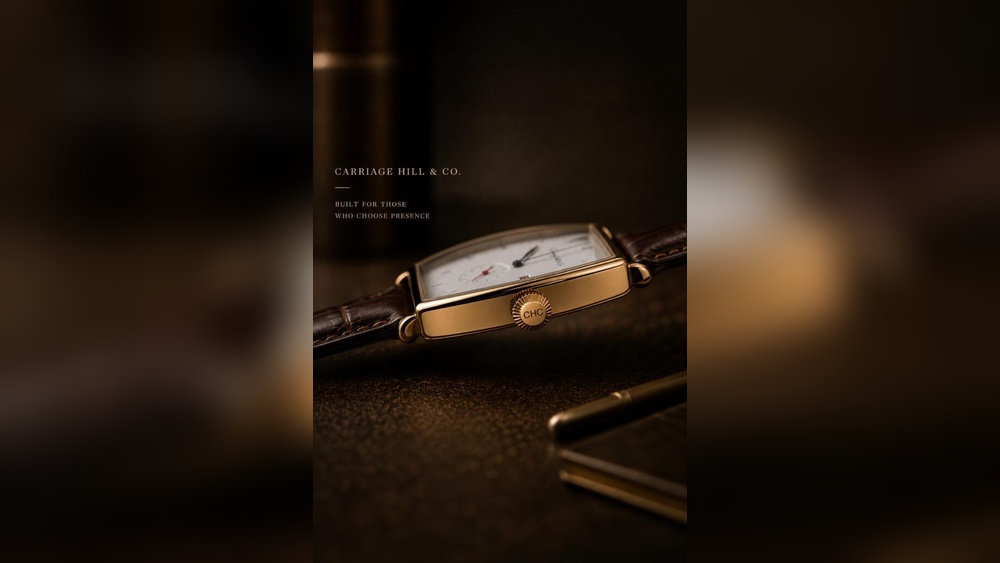
Carriage Hill And Co Watches: A Complete Guide If you search for a watch that blends tradition with modern style,
Carriage Hill Understated Luxury Watch: A Complete Guide A luxury watch is more than just a tool for telling time.
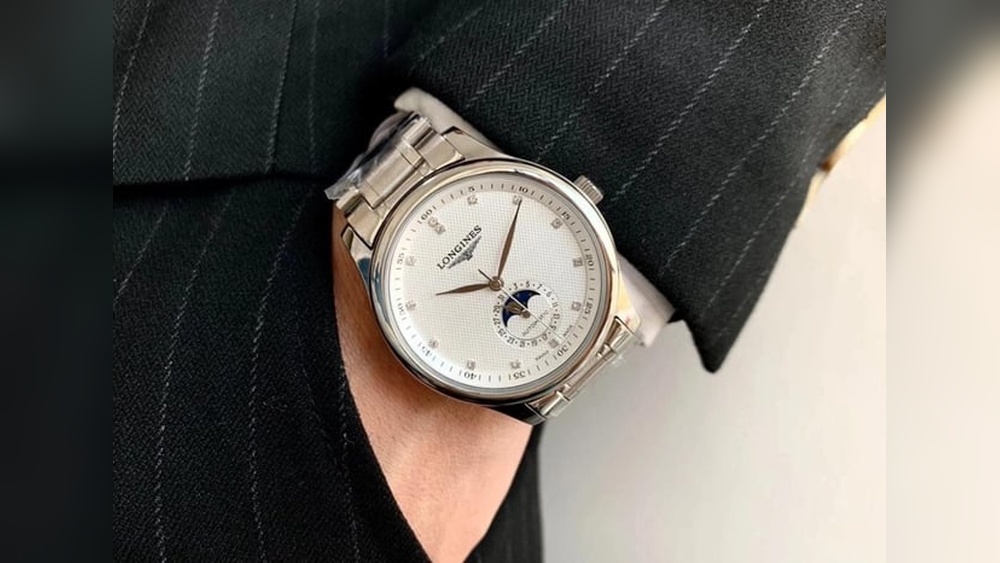
Finding a luxury dress watch under $700 is a rewarding challenge for style-conscious people who want elegance without the high
The world of luxury watches is filled with stories of craftsmanship, tradition, and innovation. Among these, the Carriage Hill Handcrafted
The world of watches is full of stories, tradition, and craftsmanship. For many people, a watch is not just a