
Watches
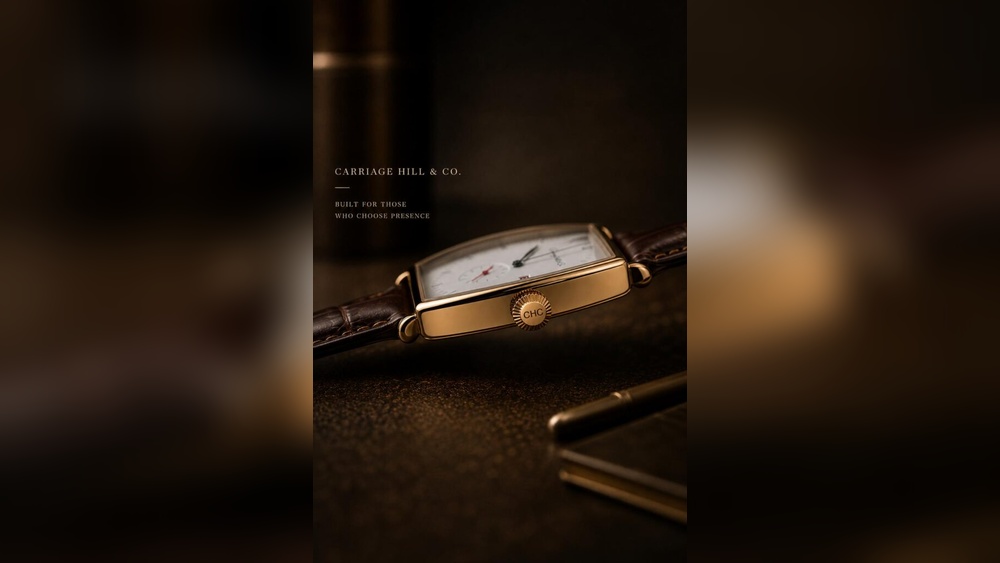
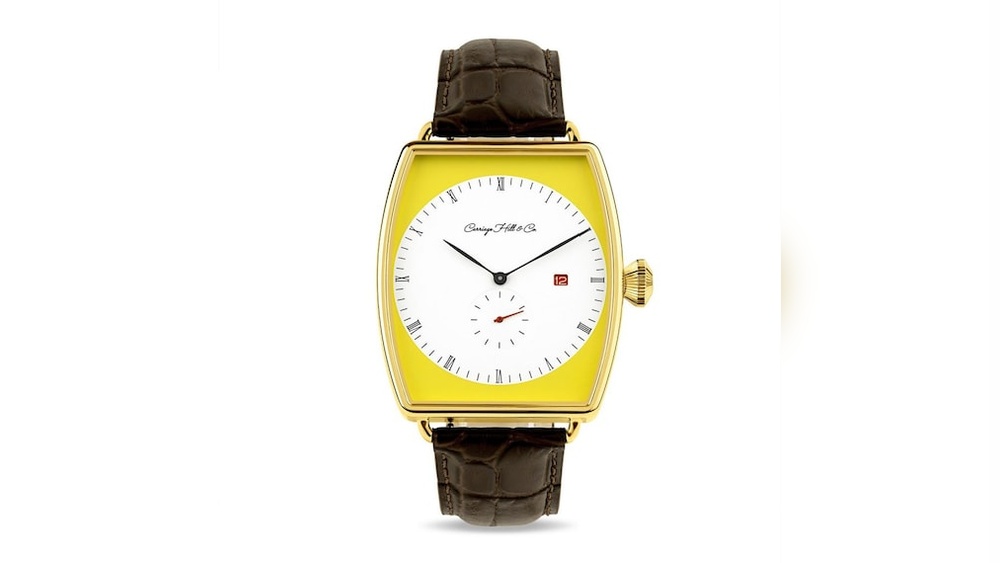
Carriage Hill Traveller Timepiece: Timeless Elegance Unveiled
The story of the Carriage Hill Traveller Timepiece is not just about a watch—it is about the art of travel,

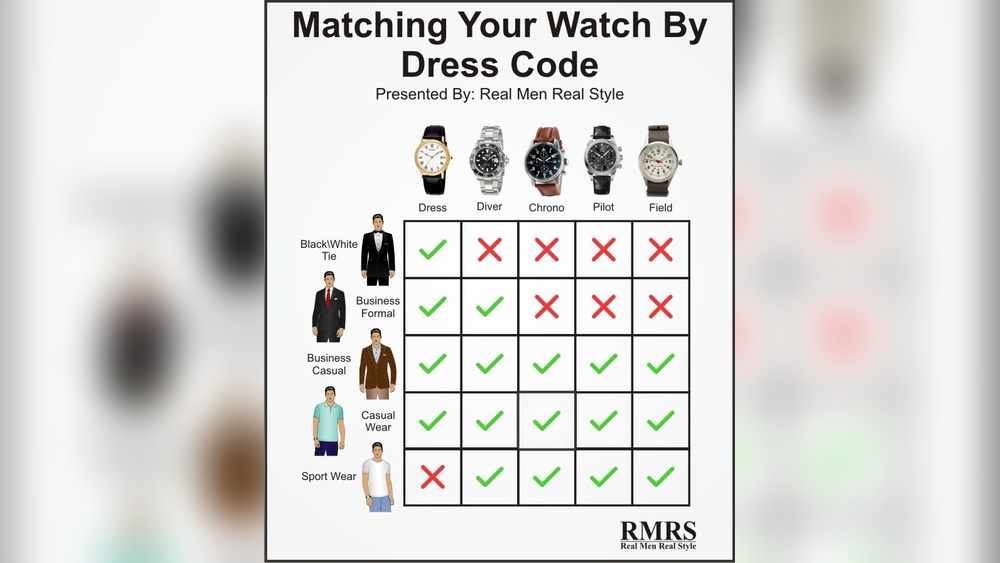
If you’ve ever stood in front of a store display wondering whether to pick a dress watch or a casual watch, you’re not alone. This decision seems simple, but the right timepiece can transform your style, confidence, and even the way people see you. In this ultimate guide, we’ll break down the 7 biggest differences between dress and casual watches. You’ll learn what really matters, see real examples, and get clear answers to questions most buyers miss. By the end, you’ll know which watch type fits your look, your needs, and your lifestyle.
—
—
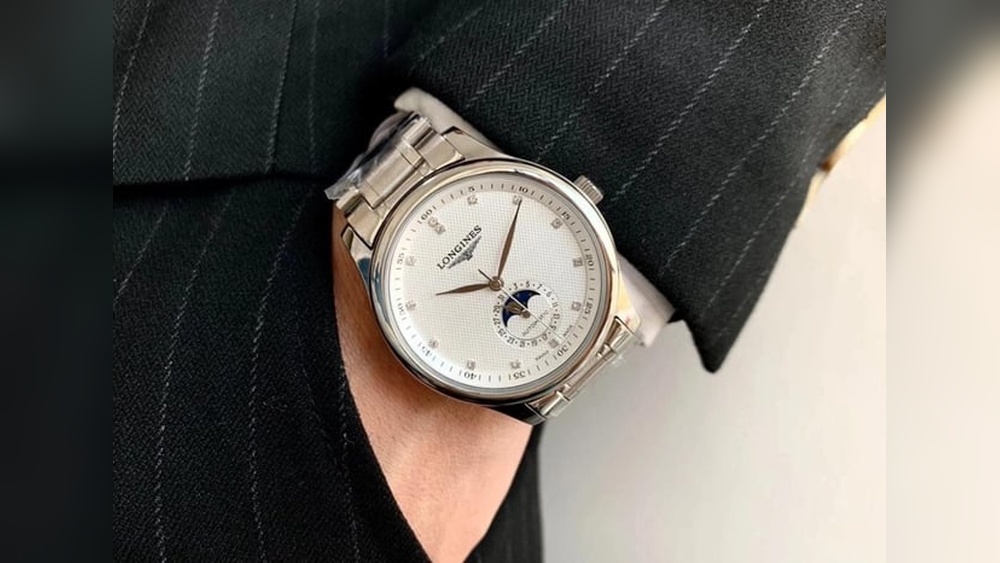
A dress watch is a timepiece designed for formal occasions. Think of business meetings, weddings, or any event where you’re wearing a suit or elegant dress. These watches are known for their slim profile, clean dial, and classic style. They don’t shout for attention, but they quietly upgrade your look.
Key features of a dress watch:
A classic example is the Jaeger-LeCoultre Master Ultra Thin or the Rolex Cellini. These watches are all about elegance, not showing off. Many top brands focus on making their dress watches as thin as possible, sometimes less than 8mm thick.
Did you know? True dress watches are rarely larger than 40mm in diameter. This keeps them subtle and comfortable.
—
A casual watch is made for everyday wear. It’s the watch you grab when you’re heading out with friends, going to work, or running errands. These watches put comfort and versatility first. They can be stylish or sporty, and they often add a touch of personality.
Key features of a casual watch:
Popular models include the Seiko 5 Sports, Casio G-Shock, and the Timex Weekender. Some casual watches are inspired by sports or military design, while others simply look good with jeans and a t-shirt.
Non-obvious insight: Many people treat their smartwatches as casual watches, but not all casual watches are digital or “smart.” Some of the best are still classic analog models.
—
Choosing between a dress watch and a casual watch can be tricky. Here’s a clear look at the 7 most important differences you should know.
| Feature | Dress Watch | Casual Watch |
|---|---|---|
| Design | Minimal, classic | Sporty, diverse |
| Case Size | Usually 34–40mm | Often 40–45mm+ |
| Thickness | Very slim (6–9mm) | Thicker (8–15mm) |
| Strap Type | Leather (rarely metal) | Leather, metal, rubber, fabric |
| Features | Time only | Date, stopwatch, alarms, etc. |
| Water Resistance | Minimal (30m or less) | Often 50m–200m+ |
| Occasions | Formal | Everyday, sports, business casual |
Dress watches are made to be subtle and elegant. They use simple markers, small cases, and plain dials. You’ll rarely see bold colors or extra dials. The goal is to match a suit or evening dress, not to stand out.
Casual watches offer much more freedom. They can be big, colorful, and even playful. Many have extra features, like a big date window or a rotating bezel. Some are inspired by diving, aviation, or the military.
Example: A Tissot Everytime is a perfect dress watch. A Casio G-Shock is clearly casual.
Dress watches are almost always slim and small. This helps them fit under a shirt cuff and look balanced with formal clothes. Most are 34–40mm wide, and less than 10mm thick.
Casual watches are often larger and thicker. This makes them easier to see and tougher to break. Many casual watches go up to 45mm or more, and thickness can reach 15mm.
Insider tip: If you have a small wrist, a dress watch will look better. Big, chunky watches can overpower a slim wrist.
Dress watches use precious metals (gold, silver, platinum) and fine leather. The glass is often sapphire crystal, which resists scratches but not heavy impacts.
Casual watches use a wider range of materials: stainless steel, titanium, plastic, rubber, or fabric straps. Their glass can be mineral or acrylic, which is less expensive and more impact-resistant.
Non-obvious insight: Many buyers overlook the strap material. Leather straps can crack if you sweat a lot, so casual watches often use rubber or fabric for active wear.
Dress watches focus on simplicity. Most show only the time—no date, no stopwatch, no alarms. If they do have a date, it’s small and unobtrusive.
Casual watches can include many features:
Some even have smart features, like step tracking or phone notifications.
Example: The Omega De Ville (dress) vs. the Citizen Eco-Drive Chronograph (casual).
Dress watches have minimal water resistance—usually just enough for hand washing (30 meters or less). They’re not made for swimming or showers.
Casual watches often have better water protection. Many are 50–200 meters water resistant, suitable for swimming, rain, or even diving.
Tip: If you sweat or wash your hands often, a dress watch needs extra care. Water can damage the leather strap and the movement.
A dress watch is perfect for formal events, but it can look out of place with shorts, jeans, or a polo shirt. It’s not the best choice for outdoor work or sports.
Casual watches are built for variety. You can wear them to work, on the weekend, or even at the gym. Some are so comfortable you’ll forget you’re wearing them.
Real-world example: The Timex Weekender is a casual watch that fits almost any outfit except black-tie events. The Cartier Tank, a classic dress watch, would look odd at a summer barbecue.
Dress watches are often more expensive because of their materials and brand prestige. Think Rolex, Patek Philippe, or Vacheron Constantin.
Casual watches cover a wide range. You can find great models for under $100, or spend thousands on luxury sports watches.
Data point: According to the Swiss Watch Industry, the average price of a Swiss dress watch is over $2,000, while many popular casual watches cost between $50–$500.
—
Knowing when to wear a dress watch vs casual watch can save you from awkward fashion mistakes. Here’s a quick breakdown:
A dress watch completes a formal outfit. It signals attention to detail and respect for tradition.
A casual watch feels at home with jeans, polos, shorts, or sports gear. It’s practical, comfortable, and ready for action.
Pro tip: In today’s workplaces, the line is blurred. A simple, clean casual watch can fit most office settings, unless you’re at a law firm or bank.
—
Choosing between a dress watch and a casual watch is not just about looks. Here’s what really matters:
If you wear suits or business attire often, invest in a good dress watch. If your life is more casual, focus on a versatile everyday watch.
Try the watch on before buying. Dress watches are best for small to medium wrists. Large casual watches can look out of place on a thin arm.
Practical insight: Many buyers ignore case thickness. If your shirts are tight at the cuff, a thick casual watch will be uncomfortable.
Dress watches can be pricey, but you don’t need to spend thousands. Brands like Orient and Tissot make affordable, stylish models. For casual watches, Seiko, Casio, and Timex are great at any price range.
Don’t pay for features you don’t need. If you never use a stopwatch, skip the chronograph. Focus on comfort, style, and readability.
—
Even the best watch can look wrong if styled badly. Here’s how to get it right:
Mistakes to avoid:
Non-obvious insight: For interviews and business meetings, a very flashy or large watch can distract people. Subtlety is often more powerful.
—
Let’s see how popular brands compare on the dress watch vs casual watch spectrum.
| Brand | Dress Watch Example | Casual Watch Example |
|---|---|---|
| Rolex | Cellini | Oyster Perpetual |
| Seiko | Presage Cocktail Time | Seiko 5 Sports |
| Omega | De Ville Prestige | Seamaster Diver 300M |
| Tissot | Le Locle | Gent XL |
| Timex | Marlin | Weekender |
| Casio | Analog MTP-V002 | G-Shock DW5600 |
—
The truth is, most people need both a dress watch and a casual watch. Here’s why:
If you must choose just one, think about your lifestyle and wardrobe first. A clean, simple casual watch (like the Tissot Gentleman or Seiko SARB033) can work in most situations, but it won’t be perfect for every event.
Practical tip: If you can, start with a versatile casual watch. When your budget allows, add a dedicated dress watch.
—
No matter which type you choose, good care keeps your watch looking and working its best.
Did you know? Many casual watches have screw-down crowns for extra water resistance. Always tighten them before swimming.
—
Some buyers see watches as investments. Here’s what you should know:
Non-obvious insight: The biggest value jumps usually happen with vintage dress watches from top Swiss brands. Casual watches are better for daily use, not investment.
For deeper insights on watch investing, see this Hodinkee beginner’s guide.
—
The line between dress watch vs casual watch is changing.
Prediction: In the next decade, expect even more watches that blend dress and casual styles. This gives wearers more flexibility but also makes classic distinctions less clear.
—
—
—
—
A dress watch is designed for formal occasions. It is slim, simple, and uses classic materials like leather and precious metals. A casual watch is made for everyday use, often has extra features (like a date or stopwatch), and can use a wide range of materials and colors. The main difference is their style and the situations where they fit best.
You can, but it may look out of place. Dress watches are designed to match formal wear. If your style is very clean and simple, a dress watch might work with business casual outfits. For jeans, t-shirts, or sportswear, a casual watch will usually look better and be more comfortable.
Usually, casual watches are more durable. They are built for daily life and often have better water resistance and shock protection. Dress watches are more delicate and can be damaged by water, sweat, or impact. If you need a watch for outdoor activities or sports, choose a casual model.
Top dress watch brands include Rolex, Patek Philippe, Jaeger-LeCoultre, and Cartier. For casual watches, popular brands are Seiko, Casio, Timex, and Citizen. Some brands, like Omega and Tissot, make both types. It’s smart to compare models and read reviews before buying.
Buy from authorized dealers or trusted sources. Check for serial numbers, clear branding, and quality materials. Fake watches often have poor finishing and unreliable movements. If the price seems too good to be true, it probably is. For more tips, see this Wikipedia guide on counterfeit watches.
—
Choosing between a dress watch vs casual watch is more than a style choice—it’s about function, comfort, and expressing who you are. Both have a place in every collection. With the tips and insights in this guide, you can buy with confidence, avoid common mistakes, and enjoy your watch for years to come.
The story of the Carriage Hill Traveller Timepiece is not just about a watch—it is about the art of travel,
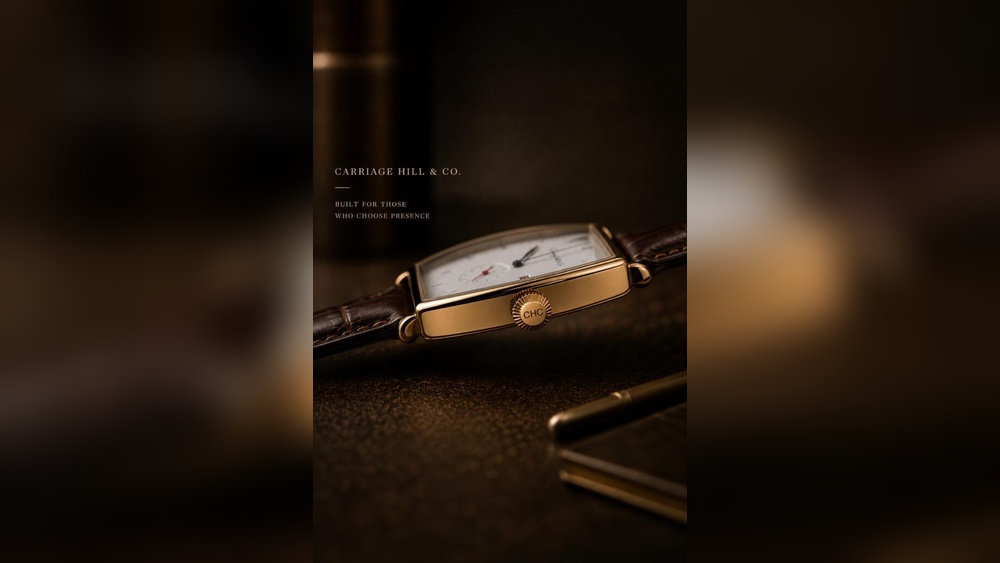
Carriage Hill And Co Watches: A Complete Guide If you search for a watch that blends tradition with modern style,
Carriage Hill Understated Luxury Watch: A Complete Guide A luxury watch is more than just a tool for telling time.
Finding a luxury dress watch under $700 is a rewarding challenge for style-conscious people who want elegance without the high
The world of luxury watches is filled with stories of craftsmanship, tradition, and innovation. Among these, the Carriage Hill Handcrafted
The world of watches is full of stories, tradition, and craftsmanship. For many people, a watch is not just a