
Watches
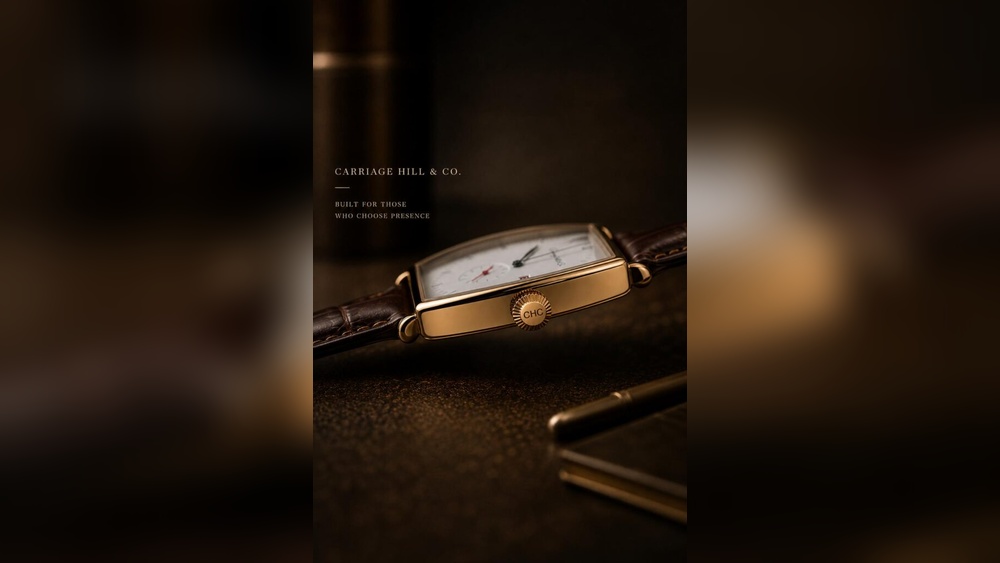
Carriage Hill Traveller Timepiece: Timeless Elegance Unveiled
The story of the Carriage Hill Traveller Timepiece is not just about a watch—it is about the art of travel,
Luxury watches are more than just timekeepers—they are symbols of status, precision, and craftsmanship. Owning a luxury watch means understanding its care and knowing how often to service a luxury watch. Many owners are unsure about servicing schedules, fearing over-servicing or neglect. In this ultimate guide, you’ll discover the best strategies, backed by data and expert advice, to keep your luxury watch running perfectly for years. Whether you own a Rolex, Omega, or Patek Philippe, these seven tips will help you protect your investment and enjoy lasting performance.
—
Luxury watches are mechanical marvels. Inside, hundreds of tiny parts work together to keep perfect time. Even the best-made watch will wear down if not cared for. Servicing is not just about fixing problems—it’s about preventing them. Regular servicing keeps your watch accurate, preserves its value, and ensures it lasts for generations.
A luxury watch is similar to a high-end car. If you ignore oil changes, the engine suffers. For watches, dust, moisture, and worn lubricants can cause damage. According to the Federation of the Swiss Watch Industry, regular servicing reduces the chance of expensive repairs and keeps watches running smoothly.
It’s easy to think a watch will keep working if it’s ticking, but hidden problems often start inside. Lubricants dry out, gears wear down, and seals lose their strength. Many owners don’t realize that even unused watches can suffer from aging parts.
For example, a watch left in a drawer for years may still need service because oils inside degrade over time.
Many luxury brands require regular servicing to keep warranties valid. Failing to service can void your warranty, leaving you without protection. Also, a well-maintained watch holds its value better. Collectors and buyers prefer watches with full service records.
If you plan to sell your watch in the future, having a complete service history can increase its value by thousands of dollars. Some brands, like Rolex or Patek Philippe, will even provide official service documentation, which is highly valued by buyers and auction houses.
Without this, a watch can lose much of its appeal to serious collectors.
Luxury watches are often passed down as heirlooms. Servicing preserves sentimental value and ensures your watch can be enjoyed by future generations. Even if you don’t plan to sell, regular care is vital for long-term enjoyment.
It’s not just about keeping time—it’s about keeping memories alive. Many families pass watches to children or grandchildren, and a poorly maintained watch may stop working when it matters most. Imagine gifting a watch that doesn’t tick or has water damage; regular servicing avoids these heartbreaks.
Preventive servicing also helps to keep the watch looking new. Polishing, cleaning, and checking the bracelet or strap can restore shine and comfort, making your watch enjoyable to wear every day.
—
The main question for owners is: how often to service a luxury watch? While there is no universal answer, most experts and brands agree on a general guideline.
| Brand | Recommended Service Interval | Notes |
|---|---|---|
| Rolex | Every 5–10 years | Depends on usage and environment |
| Omega | Every 5–8 years | Includes water resistance check |
| Patek Philippe | Every 3–5 years | Shorter interval for vintage models |
| Tag Heuer | Every 5–6 years | Waterproof watches checked yearly |
| Cartier | Every 5 years | Special care for jewelry watches |
Most brands recommend servicing every 3 to 10 years. The interval depends on the watch’s age, model, and how it’s used.
Some brands, like Omega, suggest annual water resistance checks even if a full service is not needed. This simple test can prevent major water damage, especially for diving or sports models.
If you wear your watch every day—at work, home, and outdoors—it faces constant exposure to sweat, dust, and shocks. These conditions can speed up wear, so a shorter service interval (closer to 3–5 years) is wise. Watches worn only on special occasions may stretch to the longer end of the range.
If your watch is used for diving or swimming, it needs regular water resistance checks. Even a luxury watch can lose its seal over time, risking water damage.
Many owners think water resistance is permanent, but seals degrade and gaskets can crack. For example, a watch rated for 100 meters may lose that rating after a few years without proper maintenance.
Frequent temperature changes (such as moving from air conditioning to hot outdoor sun) can cause seals to expand and contract, weakening water resistance. This is often overlooked by new owners who travel or live in areas with extreme weather.
A 2016 study by the Swiss Watchmaking Association showed that watches serviced every 5 years had 30% fewer mechanical issues than those serviced every 10 years. This proves the value of regular maintenance.
Another example: A collector who serviced his Rolex every 7 years noticed the watch always kept perfect time and had no corrosion, compared to his friend’s similar model that was serviced only once in 15 years and needed major repairs.
—
Not all luxury watches are the same. Several factors affect how often your watch needs service.
Mechanical watches (manual or automatic) need more frequent servicing than quartz watches. Mechanical parts wear down and need lubrication. Quartz watches have fewer moving parts but still benefit from regular checks.
| Movement Type | Typical Service Interval |
|---|---|
| Automatic | 3–7 years |
| Manual | 3–5 years |
| Quartz | 5–10 years |
Automatic watches use a rotor that winds the movement as you wear it. The rotor and winding mechanism add extra parts that need lubrication. For manual watches, the winding gears are especially prone to wear.
Quartz watches run on batteries and have fewer moving parts, but battery leaks or electronic faults can still damage the movement if ignored.
Watches with extra features (chronograph, moon phase, perpetual calendar) have more moving parts. These “complications” increase the need for regular servicing, as more parts means more chances for wear or malfunction.
Older watches require closer attention. Parts may be harder to find, and wear is more severe. Vintage models often need servicing every 3–5 years.
If your watch is over 20 years old, it may have parts that are no longer produced. Servicing helps spot issues early, before irreplaceable parts fail.
Vintage watches often use older oils and materials that degrade faster than modern synthetic lubricants. Servicing helps upgrade these to newer standards, improving performance and lifespan.
Exposure to dust, moisture, magnets, and shocks affects service needs. If you work in harsh environments, service your watch sooner. Watches worn during sports or outdoor activities face greater risks.
A diver who wears a luxury watch for underwater work should have water resistance checked yearly and a full service every 3–5 years. Someone who wears their watch only at formal events may go longer between services.
A watch’s water resistance weakens over time. If you swim or dive, annual water resistance tests are essential.
Even watches that are not used in water can lose resistance due to aging seals, humidity, or accidental splashes.
High-complication watches (with chronographs, calendars, etc. ) Need more frequent care. Brands with delicate movements recommend shorter intervals.
Brands like Audemars Piguet or Jaeger-LeCoultre, known for intricate designs, often suggest more regular servicing. Simpler models, like classic Rolex Oyster Perpetuals, may last longer between services.
A well-maintained watch can go longer between services. If you’ve skipped previous service, schedule one soon.
If your watch has missed several recommended services, don’t wait for a problem. Schedule a check-up to catch issues before they become severe.
Watches kept in humid or dusty places may need earlier service. Using a watch winder helps automatic watches but does not replace professional care.
If you store your watches in a safe or box, ensure it’s dry and clean. Humidity can cause rust and damage, even if you never wear the watch.
—
Even with regular schedules, watches can show signs of trouble. Knowing the warning signals helps you act before problems become serious.
If your watch gains or loses time, it may need adjustment or servicing.
Fog or water inside the watch is a clear emergency—get it serviced immediately.
Difficulty winding or pressing buttons suggests dried lubricants or mechanical issues.
Clicking or grinding sounds inside the case mean parts may be damaged.
If your automatic watch stops sooner than usual, servicing is needed.
Scratches, dents, or loose hands can affect performance.
Complications that stop working or reset incorrectly require expert care.
Modern life is full of magnets—phones, computers, headphones. A luxury watch can become magnetized, causing it to run very fast or slow. Some owners never realize this is the cause of timekeeping errors. Watchmakers use a demagnetizer to fix this quickly.
Ignoring these signs can cause bigger, costlier repairs. Early intervention is always cheaper and safer.
Many luxury watches have a power reserve indicator. If you notice the indicator dropping faster than usual, it can signal a problem inside—even if the watch still keeps time. Watchmakers recommend watching this gauge closely.
A collector noticed his chronograph hand would not reset to zero. He waited months before servicing, leading to extra damage and a much higher repair bill. Acting quickly saves money and prevents long downtimes.
—
Many owners wonder what actually happens during a watch service. It’s much more than a simple cleaning. Understanding the process helps you appreciate its value.
The watchmaker checks for obvious damage, scratches, and water resistance.
The movement is carefully taken apart. Each piece is inspected for wear.
Parts are cleaned using ultrasonic machines. This removes old oils and dirt.
Fresh, high-quality lubricants are applied to reduce friction.
Any damaged or worn parts are replaced with genuine brand components.
The movement is rebuilt, ensuring all pieces fit perfectly.
The watch is adjusted for accurate timekeeping. This often involves precision tools and computer analysis.
The exterior is polished and cleaned. Scratches are removed, but excessive polishing is avoided to protect value.
Seals and gaskets are checked and replaced if needed. The watch is pressure-tested.
The watch is observed for several days to ensure accuracy and function.
A chronograph watch has extra pushers and gears. During service, these are checked for alignment and lubrication. If you use the chronograph often, expect more wear and potential need for parts replacement.
Some brands offer express service for extra fees, but rushing can skip important tests. Always ask for a timeline and avoid service centers that promise unrealistic speed.
Rolex’s official service centers use proprietary tools and lubricants. Watches are pressure-tested for water resistance and must pass strict quality control. This is why Rolex service is considered among the best in the industry.
Some luxury brands log your service in a global database. This means any authorized center can see the full history, helping with future repairs and authenticity checks.
Using genuine parts preserves value and ensures performance. Aftermarket parts can void warranty and reduce resale price.
Some independent centers may offer cheaper parts, but these can affect accuracy and cause problems with future servicing. For investment-grade watches, always insist on genuine parts.
—
Skipping scheduled servicing may save money now, but it leads to bigger problems later. The risks are real and costly.
A watch that isn’t serviced will lose accuracy. Old lubricants dry up, causing friction and wear. Eventually, the watch may stop working.
Seals degrade over time. Even a small amount of moisture can ruin the movement. Water damage often means expensive repairs or total loss.
A classic Omega Seamaster was left unserviced for a decade. The owner noticed fog under the glass, but delayed service. Rust formed on the movement, requiring full replacement. Repair cost: over $2,000.
Ignoring small problems leads to bigger breakdowns. A simple part replacement can turn into a full movement rebuild, costing thousands.
Some minor issues, like a loose hand, can cause internal damage if not fixed. The loose hand can jam in the movement, breaking gears and requiring major repairs.
Collectors want watches with service history. Skipping service lowers resale value and may make your watch harder to sell.
Auction houses and dealers check for service records. Missing paperwork can mean lower bids and less trust in authenticity.
Many brands require regular service to keep warranty valid. Missing service means you lose protection.
If your watch develops a fault after the warranty is voided, repairs can be much more expensive. Some brands refuse to work on watches with unknown service history.
| Service Type | Average Cost (USD) |
|---|---|
| Regular Service | $500 |
| Major Repair (Water Damage) | $2,500 |
| Movement Replacement | $4,000+ |
A collector ignored water resistance checks. Moisture entered the movement, leading to rust. The repair cost was nearly five times a regular service. This shows the importance of timely care.
Another common mistake is ignoring a skipping seconds hand. Many think it’s “just a small error” but it often signals a deeper problem with the escapement or balance wheel.
—
Where you service your luxury watch matters as much as when. Not all service centers are equal. Making the right choice is key to protecting your investment.
These are official brand centers. They use genuine parts, follow strict guidelines, and keep warranty intact. Costs are higher but quality is guaranteed.
Some independent watchmakers offer excellent service, often at lower prices. However, only choose those with experience in luxury brands and access to genuine parts.
If you own a rare Patek Philippe, always use an authorized center. For less expensive models, a trusted independent with brand certification can be a good choice, but verify their reputation first.
Choose centers certified by your watch’s brand.
Ask about the staff’s training and experience.
Confirm they use only genuine parts.
Get a written estimate before starting.
Make sure the center provides a detailed service record.
Good centers offer a warranty on their service, usually 1–2 years.
A detailed service record should include dates, parts replaced, and notes on problems found. This document is valuable for future sales or insurance claims.
Some service centers offer free preliminary checks or water resistance tests. Take advantage of these before committing to a full service.
Include an image showing a luxury watch being serviced, with ALT text: “how often to service a luxury watch”.
Embed a video tour of a luxury watch service center, showing the full process from inspection to testing.
—
If you notice timekeeping errors, moisture, strange noises, or stiff controls, your watch may need early service. These signs suggest mechanical issues that require attention, even if you haven’t reached the official interval.
Yes. Excessive servicing can cause unnecessary wear, especially polishing, which reduces value. Stick to brand guidelines and only service when needed or when signs appear.
Polishing the case too often can soften edges and reduce the sharpness of the original design. Collectors prefer watches with original finishes.
Costs vary by brand and model. Regular service ranges from $300 to $1,000. High-complication watches or vintage models can cost more. Always ask for a quote before committing.
Servicing a vintage watch may cost more due to rare parts and special handling. Always inform the service center about the watch’s age and model.
Servicing a luxury watch requires special tools and skills. Trying to open or clean your watch at home can cause damage and void warranty. Always use a professional, preferably a certified service center.
Yes. Watches with full service records and genuine parts are more valuable. Buyers and collectors pay more for well-maintained watches. Missing service history or non-genuine parts lowers resale price.
There can be. Not all independent centers use genuine parts or follow brand protocols. This can void warranty or cause damage. Always check credentials, reviews, and ask about parts authenticity.
Ask the service center if they can provide before-and-after photos. This helps you understand what was done and proves the quality of their work.
—
Luxury watches offer beauty, precision, and history. To enjoy them for decades, knowing how often to service a luxury watch is essential. With these seven ultimate tips, you can protect your investment, keep your watch running perfectly, and pass it on to future generations. Remember to follow expert guidelines, act on warning signs, and choose the right service center. For further reading on watch care, see the Hodinkee Guide. Always treat your luxury watch with the respect it deserves—regular servicing is the key to long-lasting performance and value.
The story of the Carriage Hill Traveller Timepiece is not just about a watch—it is about the art of travel,
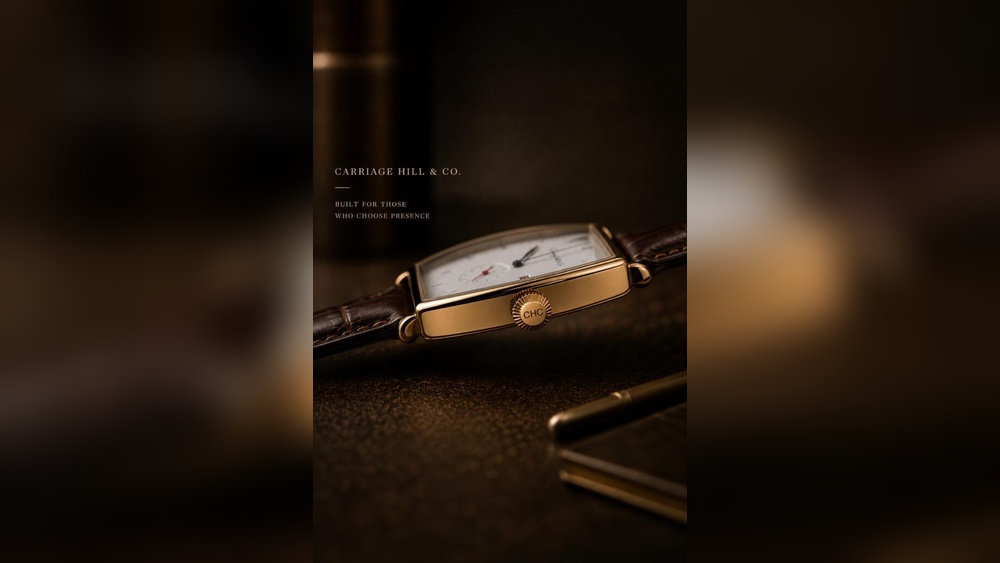
Carriage Hill And Co Watches: A Complete Guide If you search for a watch that blends tradition with modern style,
Carriage Hill Understated Luxury Watch: A Complete Guide A luxury watch is more than just a tool for telling time.
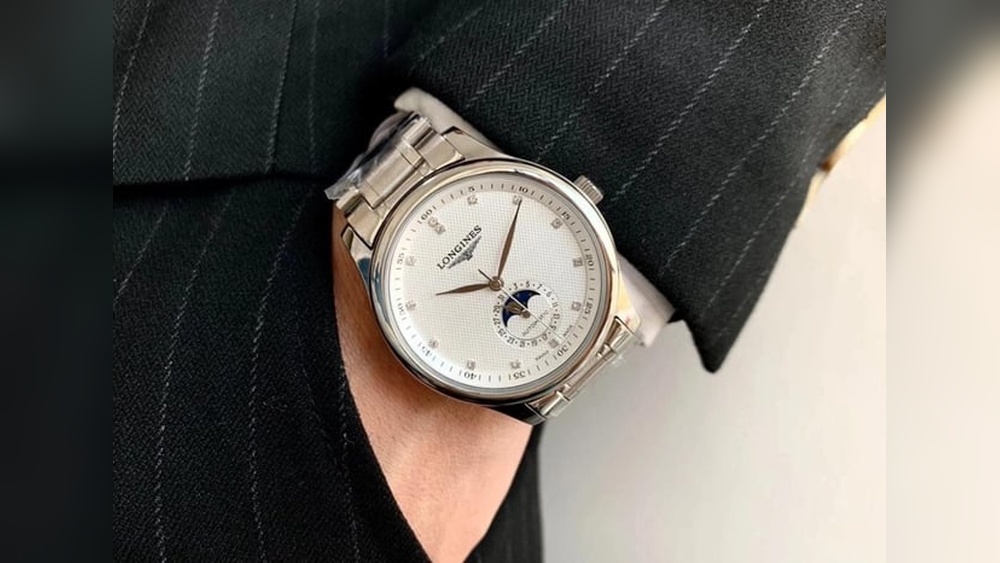
Finding a luxury dress watch under $700 is a rewarding challenge for style-conscious people who want elegance without the high
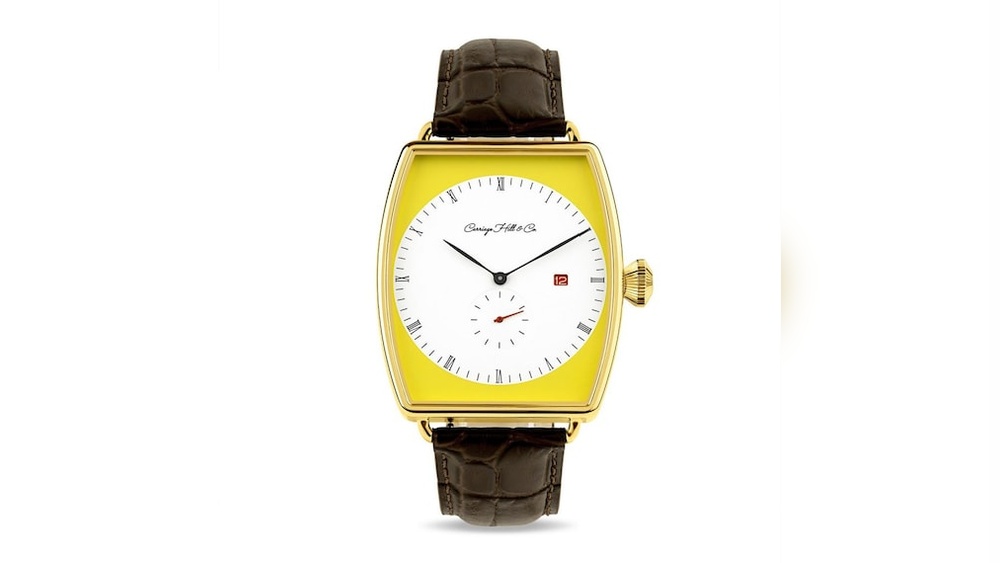
The world of luxury watches is filled with stories of craftsmanship, tradition, and innovation. Among these, the Carriage Hill Handcrafted
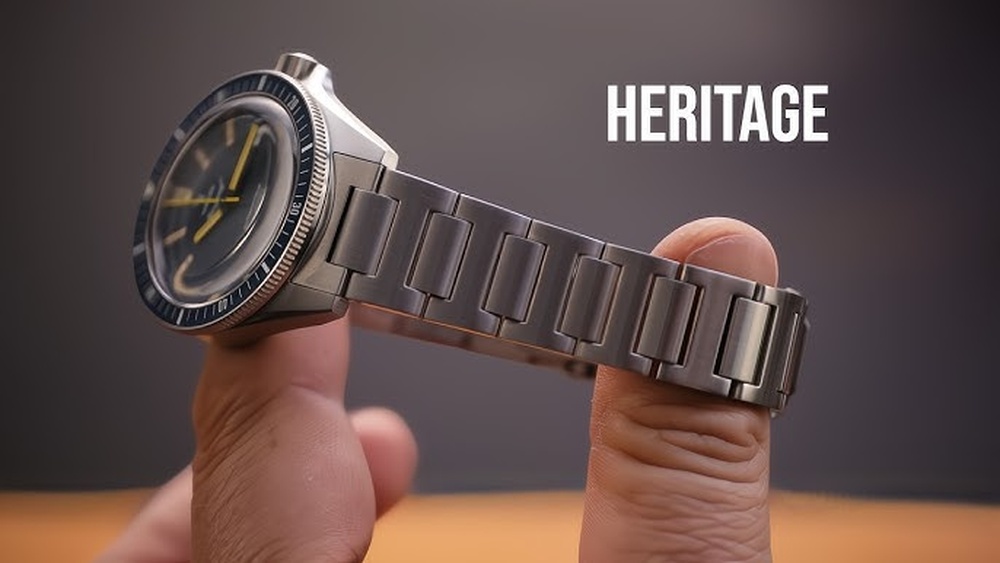
The world of watches is full of stories, tradition, and craftsmanship. For many people, a watch is not just a