
Watches
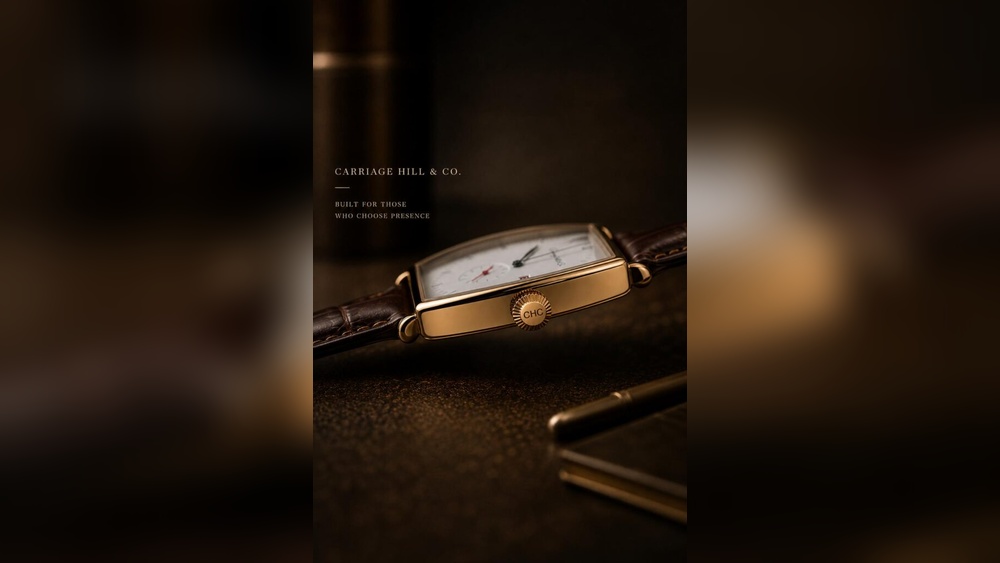
Carriage Hill Traveller Timepiece: Timeless Elegance Unveiled
The story of the Carriage Hill Traveller Timepiece is not just about a watch—it is about the art of travel,
—
Luxury watch craftsmanship is more than just making a timepiece—it is a combination of art, tradition, and advanced engineering. The world of luxury watches is filled with hidden secrets and skills that only a few truly understand. In this guide, you will learn the seven ultimate secrets behind luxury watch craftsmanship, from rare materials to handmade techniques. Whether you are a beginner or a watch lover, this article reveals what makes a luxury watch special, why collectors value them, and how the finest pieces are created. You’ll see how the focus keyword “luxury watch craftsmanship” is woven throughout, keeping SEO and readability high.
Luxury watch craftsmanship is about much more than the price tag. It involves precision engineering, attention to detail, and a passion for perfection. Each luxury watch is a story of skill, patience, and tradition.
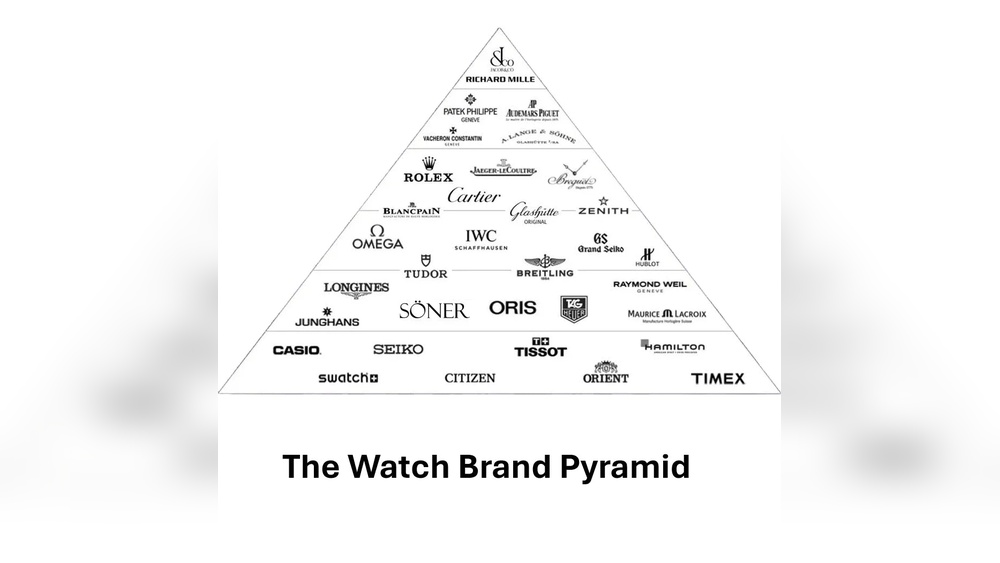
The process starts with design. Brands like Rolex, Patek Philippe, and Audemars Piguet spend months, even years, developing new models. Designers sketch, model, and refine every line. Watchmakers then use these plans to build the parts that will fit together perfectly.
Luxury watch craftsmanship is also about the human touch. Many steps are done by hand, from polishing tiny screws to engraving the case. Even today, master watchmakers rely on their senses—sight, touch, and hearing—to ensure every part works flawlessly. They use special magnifying glasses, called loupes, to check tiny details invisible to the naked eye.
A single luxury watch can involve over 200 individual parts, each requiring its own process of shaping, finishing, and inspection. Some of the smallest screws and springs are less than 1 millimeter in size, yet must fit perfectly with other components to keep the watch running smoothly for decades.
Not every expensive watch is a luxury watch. To earn this label, a watch must meet strict standards:
Luxury watches are often produced in small batches. Some brands release only a few hundred pieces per year. This rarity adds to their value.
But there’s more—luxury watches must also pass strict quality tests. For example, the COSC (Contrôle Officiel Suisse des Chronomètres) is a Swiss institute that certifies only the most accurate mechanical watches. Fewer than 3% of Swiss watches receive this certification. Having a COSC certificate adds to a watch’s prestige.
The watchmaker is central to luxury watch craftsmanship. These artisans train for years, sometimes decades. They learn how to assemble, adjust, and repair mechanical movements. In Switzerland, the home of luxury watches, many watchmakers attend special schools and earn certificates proving their skill.
Watchmakers must be patient and precise. A single mistake can ruin a watch worth thousands or millions of dollars. This is why brands trust only their most skilled experts with their most important models.
Some watchmakers specialize in restoration, bringing old and historic watches back to life. This requires understanding both modern and ancient techniques—like using traditional oils and tools no longer common today. Restorers must also be able to work with old, fragile materials without causing damage.
Luxury watch craftsmanship has a rich history. The first mechanical watches appeared in the 16th century. Early watches were simple but slowly became more complex. By the 18th century, Swiss and French makers led the world in creating beautiful and accurate timepieces.
Early luxury watches were worn as pendants or carried in pockets. They used simple movements and were often decorated with gold and gems. Some pocket watches from this era feature elaborate automata—tiny moving figures powered by the watch movement. These showpieces were prized by royalty and nobility.
World War I made wristwatches popular for soldiers. Brands began making smaller, more durable watches. The need for practical, robust watches led to innovations like dustproof cases and luminous hands, letting soldiers read time in the dark.
Japanese brands like Seiko introduced quartz watches, which were cheaper and more accurate. Swiss luxury makers responded by focusing on handmade mechanical watches. This decision saved the Swiss watch industry and made mechanical watches a symbol of tradition and skill.
Today, luxury watch craftsmanship combines tradition with technology. Brands use computer-aided design and modern materials, but still rely on hand-finishing. Digital modeling lets designers experiment more, but the final assembly and finishing remain in the hands of skilled artisans.
Each brand has its own style and secrets. Collectors often prefer watches from these names because of their quality and history.
Many collectors overlook the value of “in-house” movements, where brands design and build the entire movement themselves. These watches are usually more valuable than those using bought movements. Some vintage watches from less famous brands are now highly collectible because of unique movements or rare designs, even if the brand is not well-known.
The choice of materials is a secret weapon in luxury watch craftsmanship. The best watches use rare metals, strong ceramics, and even precious stones.
Used for cases, bezels, and sometimes movements. Gold adds weight and shine. Some brands even use special shades, like Everose gold from Rolex, which resists fading.
Heavier and rarer than gold. Platinum watches are often limited edition. It is hypoallergenic, making it comfortable for sensitive skin.
Not just ordinary steel. Luxury brands use special alloys that resist rust and scratches. For example, 904L steel is harder to machine but offers a brighter polish.
Lighter than steel, but just as strong. Used for sporty models. Titanium is also resistant to corrosion from sweat and saltwater.
High-tech material, scratch-proof and smooth. Often used for bezels or cases. Ceramic can be colored in unique ways, offering both beauty and durability.
Used for the watch glass. Sapphire is almost as hard as diamond, so it resists scratches. Some luxury watches also use sapphire for the case back, letting you see the movement.
Luxury watches often feature hand-set gems. Setting these stones requires skill and patience. The process involves matching each stone for color and clarity, and setting it without damaging the watch case.
Below is a quick look at how luxury watch materials compare:
| Material | Strength | Weight | Scratch Resistance | Rarity |
|---|---|---|---|---|
| Gold (18k) | Medium | Heavy | Low | High |
| Platinum | High | Very Heavy | Medium | Very High |
| Stainless Steel | High | Medium | Medium | Medium |
| Titanium | High | Light | Medium | Medium |
| Ceramic | Medium | Light | Very High | Medium |
| Sapphire Crystal | High | Very Light | Very High | Medium |
Most beginners do not realize that the type of steel used in luxury watches is often a special alloy, like 904L steel (used by Rolex), which is more corrosion-resistant and harder to polish. Another hidden detail: Setting diamonds into a watch case is a complex process. The stones must be exactly matched for size and clarity, and the metal is shaped to hold them tightly without glue.
Also, the use of ceramic and carbon composites is growing among luxury brands. These materials are almost scratch-proof and can be produced in striking colors. However, they are difficult to shape and finish, so only the most skilled manufacturers use them successfully.
Luxury watch craftsmanship relies on special techniques passed down for centuries. These methods separate luxury watches from mass-produced ones.
Most luxury watches are assembled by hand. Each part is checked for quality, then fitted together carefully. This process can take days or weeks. Some brands, like Patek Philippe, require several months to assemble their most complicated models.
In high-end workshops, watchmakers work in ultra-clean rooms to avoid dust, which can damage delicate movements. They may use tweezers to handle tiny screws and springs, and sometimes wear finger cots (thin gloves for fingers) to avoid leaving oil or fingerprints.
Finishing is the art of polishing, brushing, and decorating parts. Watchmakers use tools as small as a needle to polish screws, engrave bridges, and decorate dials. The result is a watch that shines from every angle.
A single bridge (a part that holds the gears) may receive several types of finishing—polished edges, brushed surfaces, and engraved designs. This adds visual interest and shows the attention to detail.
A “complication” is any function beyond telling the time. Common complications include:
Complicated watches are harder to make and require more skill. The famous Grand Complications can have 20 or more functions.
Some complications, like the minute repeater, chime the time using tiny hammers and gongs. Building and tuning these mechanisms is so difficult that only a handful of watchmakers in the world can do it.
Enameling involves painting glass powder onto the dial, then firing it in a kiln. The result is a colorful, long-lasting design. Brands like Jaeger-LeCoultre and Breguet use this method to create unique dials.
Enamel dials are prized for their deep, glassy look and resistance to fading. However, the process is risky: if the dial cracks during firing, the artisan must start over.
Skeleton watches show the movement through the dial and case back. Watchmakers cut away metal, leaving only the essential parts. This technique reveals the “heart” of the watch.
Skeletonization is both an art and a test of engineering skill. Removing too much metal can weaken the movement, so the watchmaker must balance beauty and strength.
| Technique | Skill Level Required | Time Needed | Used For |
|---|---|---|---|
| Hand-Assembly | Very High | Weeks–Months | All parts |
| Hand-Finishing | High | Days–Weeks | Case, movement |
| Complications | Expert | Months | Movement |
| Enameling | Very High | Days–Weeks | Dial |
| Skeletonization | Expert | Weeks | Movement, dial |
Many luxury watchmakers sign their work with tiny, hidden marks. These “secret” signatures can be inside the movement or even under a dial—known only to the maker and a few experts. Finding one is a thrill for collectors.
The movement is the “engine” of the watch. In luxury watch craftsmanship, this part is often handmade or highly decorated.
Wound by hand. Requires regular winding, but offers a classic feel. The wearer develops a ritual of winding the watch, often daily, connecting them to the tradition.
Wound by wrist motion. Contains a rotor that spins and winds the mainspring. Good automatic watches can run for 2–3 days off the wrist before stopping.
Battery-powered. Not common in luxury watches, except for some high-end models. Some luxury brands, like Grand Seiko, have developed “Spring Drive” movements that combine quartz accuracy with mechanical motion.
A mechanical watch movement has several key parts:
Each part must be made to exact tolerances. For example, the gap between moving gears can be less than a human hair. Even small errors can cause the watch to lose or gain time.
Luxury brands decorate the movement with techniques like:
These decorations do not affect function, but show skill and add beauty. Many watches have a clear case back so you can see the movement.
Some brands add tiny hand-engraved artwork, such as flowers, initials, or even portraits. This makes each watch unique.
Below is a comparison of typical movement types in luxury watches:
| Movement Type | Accuracy | Power Reserve | Maintenance |
|---|---|---|---|
| Manual | ±5 seconds/day | 48–72 hours | Every 3–5 years |
| Automatic | ±3 seconds/day | 40–80 hours | Every 3–5 years |
| Quartz | ±0.5 seconds/day | 1–2 years (battery) | Battery change |
Most people think a luxury watch must be highly accurate. In reality, mechanical watches are less accurate than quartz, but collectors value the craftsmanship and tradition. Also, some luxury brands make their own movements (in-house), while others buy from specialists. In-house movements are often more valuable.
Another detail: luxury watch movements are often adjusted in several positions (for example, dial up, dial down, crown up, crown down) to ensure accuracy in any position on the wrist.
Finishing is the step that turns a fine watch into a luxury masterpiece. Every surface is polished, brushed, or engraved by hand.
Cases, bezels, and hands are polished to a mirror shine. This is done with special tools and pastes. Polishing can take hours, and a single slip can ruin the part.
Polished parts reflect light in a way that highlights the quality of the metal. Some brands use “black polishing,” where steel parts are polished until they reflect light only at certain angles, appearing jet-black.
Some surfaces are brushed for a matte look. This technique hides scratches and creates contrast. The direction and pattern of brushing can be unique to each brand—Rolex uses circular brushing on their bezels, while Omega prefers straight lines.
Luxury watches often feature hand-engraved designs. These can include the brand logo, serial number, or special patterns. Engraving is done with a tiny chisel.
On limited editions, engraving may include the edition number (such as “No. 3/50”), making each piece one-of-a-kind.
Gem-setting is a complex job. The stones must be perfectly matched, and the metal shaped to hold them securely. This process can take days for a single watch.
There are different styles of setting, such as “pavé” (covering the surface with stones) or “bezel” (stones held by a rim). Master setters use microscopes to ensure a perfect fit.
Dials can be painted, enameled, or set with stones. Some brands use guilloché, a technique that creates wavy patterns with a machine.
Some dials use mother-of-pearl, which shimmers with rainbow colors. Others use lacquer, which is applied in many thin layers and polished for depth.
Many collectors look for “black polish,” a finishing technique where a part is polished until it reflects only black. This is extremely rare and requires skill.
Another hidden detail: On high-end watches, the edges of movement parts are beveled and polished by hand, a process called “anglage.” This takes hours for each movement and cannot be done by machine.
A Rolex Submariner case is polished in several stages. First, rough polishing removes scratches. Next, fine polishing creates a shine. Finally, the case is cleaned and checked under a microscope.
If a flaw is found, the process starts again. This dedication ensures every watch meets strict standards before leaving the factory.
Luxury watch craftsmanship is one reason these timepieces hold their value, and sometimes even increase in price.
Luxury brands produce fewer watches than mass-market brands. For example, Patek Philippe makes about 60,000 watches per year, while Seiko makes millions. This rarity keeps prices high.
Some limited editions are released in runs as small as 10 or 20 pieces. These become highly sought after by collectors.
The use of gold, platinum, and diamonds means the watch contains real value. Unlike electronics, these materials last for decades.
Even after years of use, a luxury watch can be restored to “like-new” condition by skilled service centers.
Collectors trust brands with a history of quality. Watches from top brands are seen as investments.
Some brands offer international warranties and certification papers, which help keep value high and protect buyers from fakes.
Luxury watches are often designed to look good for years. Styles like the Rolex Daytona or Audemars Piguet Royal Oak have remained popular for decades.
Classic designs are less affected by changes in fashion, so they appeal to buyers over many generations.
A watch worn by a famous person or with a unique history can become extremely valuable. Auction houses often sell watches for millions if they have a strong story.
For example, a Rolex owned by actor Paul Newman sold for over $17 million because of its unique history and connection to the star.
Studies show that luxury watches can retain 60–90% of their value after five years. Some rare models even appreciate. For example, the Patek Philippe Nautilus has seen prices double in the past decade.
Watches that are discontinued or made in very small numbers are especially likely to increase in value.
Some buyers forget to keep the original box and papers, which can reduce resale value by 20–30%. Always keep all accessories, as collectors look for “full set” watches.
To truly understand luxury watch craftsmanship, you need to see how these watches are made. The process involves hundreds of steps, each requiring skill and patience.
During testing, some luxury brands simulate years of wear in just a few weeks. They use machines to shake the watch, expose it to water, and test it at different temperatures. Only after passing all tests will a watch be approved for sale.
A Patek Philippe Grand Complication can take six months to assemble. Every complication is checked, the movement decorated, and the case engraved. The final product is a masterpiece worth hundreds of thousands of dollars.
At Audemars Piguet, the assembly of a Royal Oak Perpetual Calendar involves more than 300 parts and is done by only a few watchmakers, each responsible for their piece from start to finish.
A close-up photo of a luxury watch movement, showing hand-polished parts and decorations.
*ALT text: Luxury watch craftsmanship movement detail*
A documentary showing the making of a luxury watch at a Swiss factory. Interviews with watchmakers explaining their craft.
Most collectors know the basics, but there are hidden facts about luxury watch craftsmanship:
Another detail: some luxury watches include “jumping” mechanisms, where the second hand moves in discrete steps. This is achieved with tiny springs and levers that require expert adjustment.
Luxury watch craftsmanship is the process of making high-end watches using rare materials, hand-finishing techniques, and precise engineering. It includes designing, assembling, and testing each piece by skilled artisans. This craftsmanship is what separates luxury watches from mass-produced ones.
Luxury watches are expensive because they use rare materials, require skilled labor, and take weeks or months to make. Brands produce limited numbers, adding rarity. Many luxury watches also include complicated movements and hand-made parts, increasing cost.
A true luxury watch will have high-quality materials (such as gold or sapphire crystal), hand-finished surfaces, and complicated movements. Look for brand reputation, limited production numbers, and certificates proving authenticity. Avoid watches that look expensive but lack these details.
Most luxury watches hold their value well, especially those from top brands like Rolex or Patek Philippe. Some rare models even increase in price. Value depends on condition, rarity, and demand. Buying from a trusted dealer helps protect your investment.
Key signs include hand-polished parts, decorated movements, rare materials, and precise assembly. A luxury watch should feel solid and look perfect under a magnifier. Check for smooth movement, clear engravings, and a reliable brand history.
Yes, luxury watches can be repaired or restored by skilled watchmakers. Many brands offer official service centers. Repairs may include cleaning, replacing parts, or re-polishing surfaces. Always use trusted experts to avoid damaging your watch.
—
Luxury watch craftsmanship is a world of hidden secrets, rare materials, and skilled hands. Every luxury watch is the result of centuries of tradition and hours of hard work. Whether you want to collect, invest, or simply admire, understanding these seven ultimate secrets helps you appreciate what makes a luxury watch truly special. If you want to learn more, visit Wikipedia: Watchmaking for deeper insights.
The story of the Carriage Hill Traveller Timepiece is not just about a watch—it is about the art of travel,
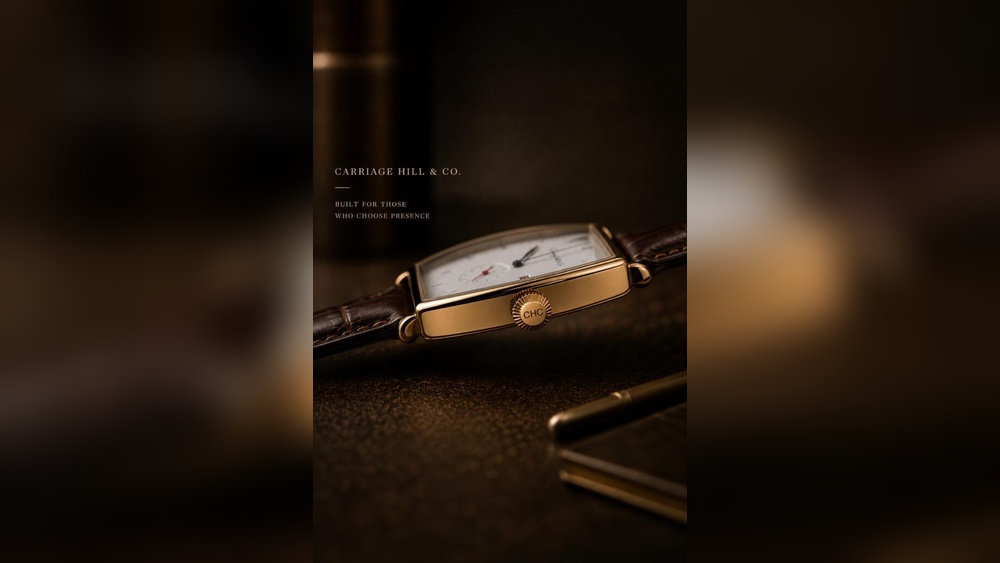
Carriage Hill And Co Watches: A Complete Guide If you search for a watch that blends tradition with modern style,
Carriage Hill Understated Luxury Watch: A Complete Guide A luxury watch is more than just a tool for telling time.
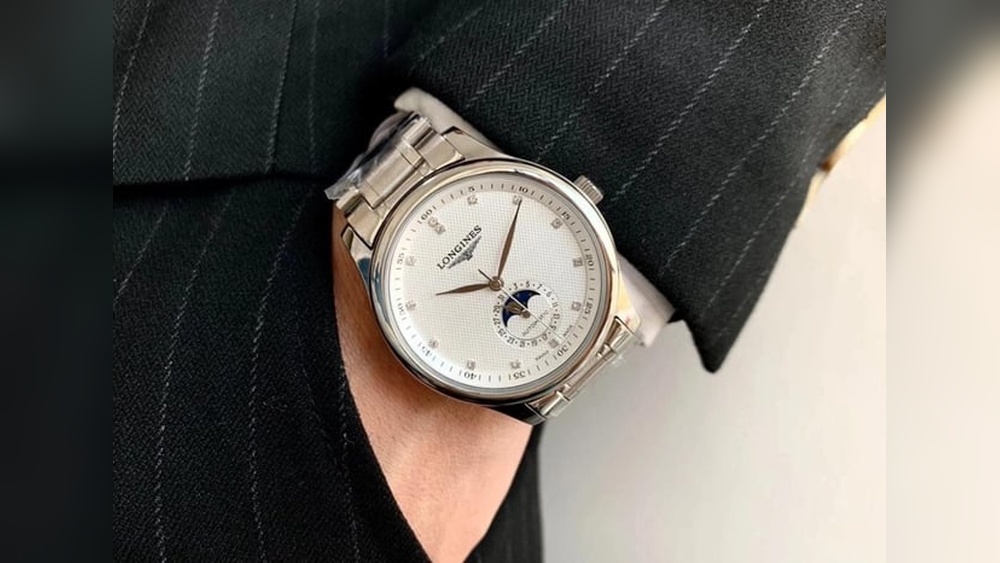
Finding a luxury dress watch under $700 is a rewarding challenge for style-conscious people who want elegance without the high
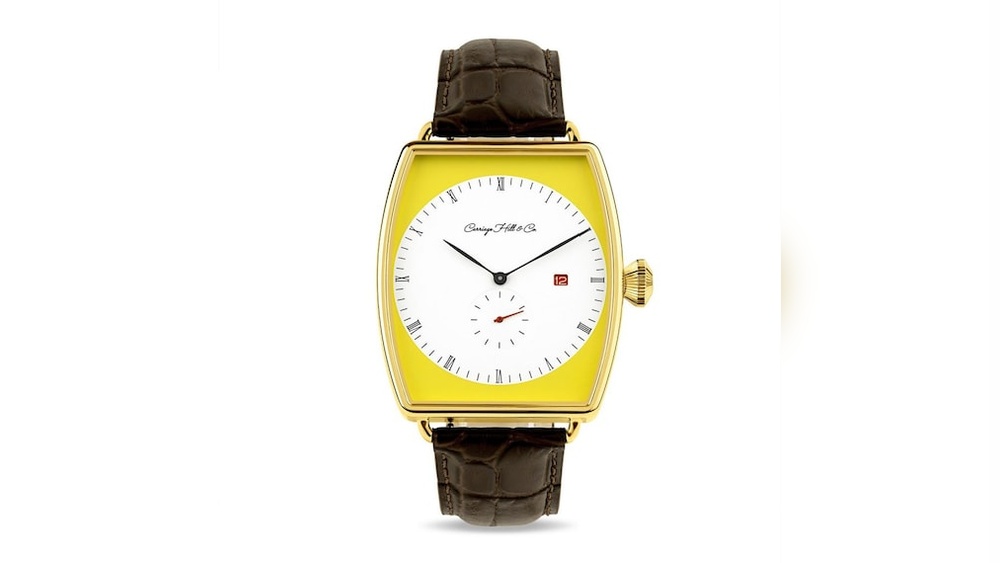
The world of luxury watches is filled with stories of craftsmanship, tradition, and innovation. Among these, the Carriage Hill Handcrafted
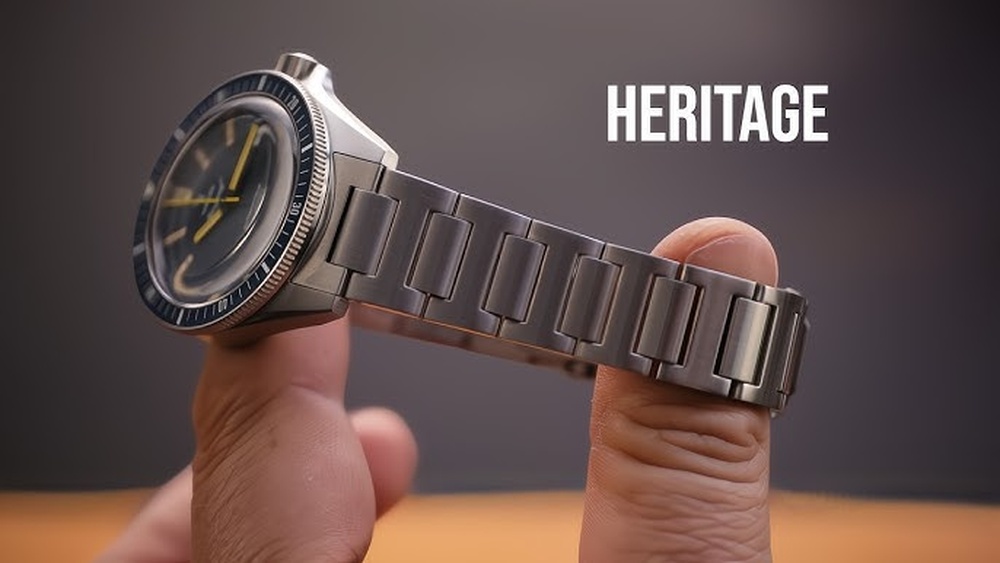
The world of watches is full of stories, tradition, and craftsmanship. For many people, a watch is not just a